Complex organic materials detected by Perseverance raise scientific interest
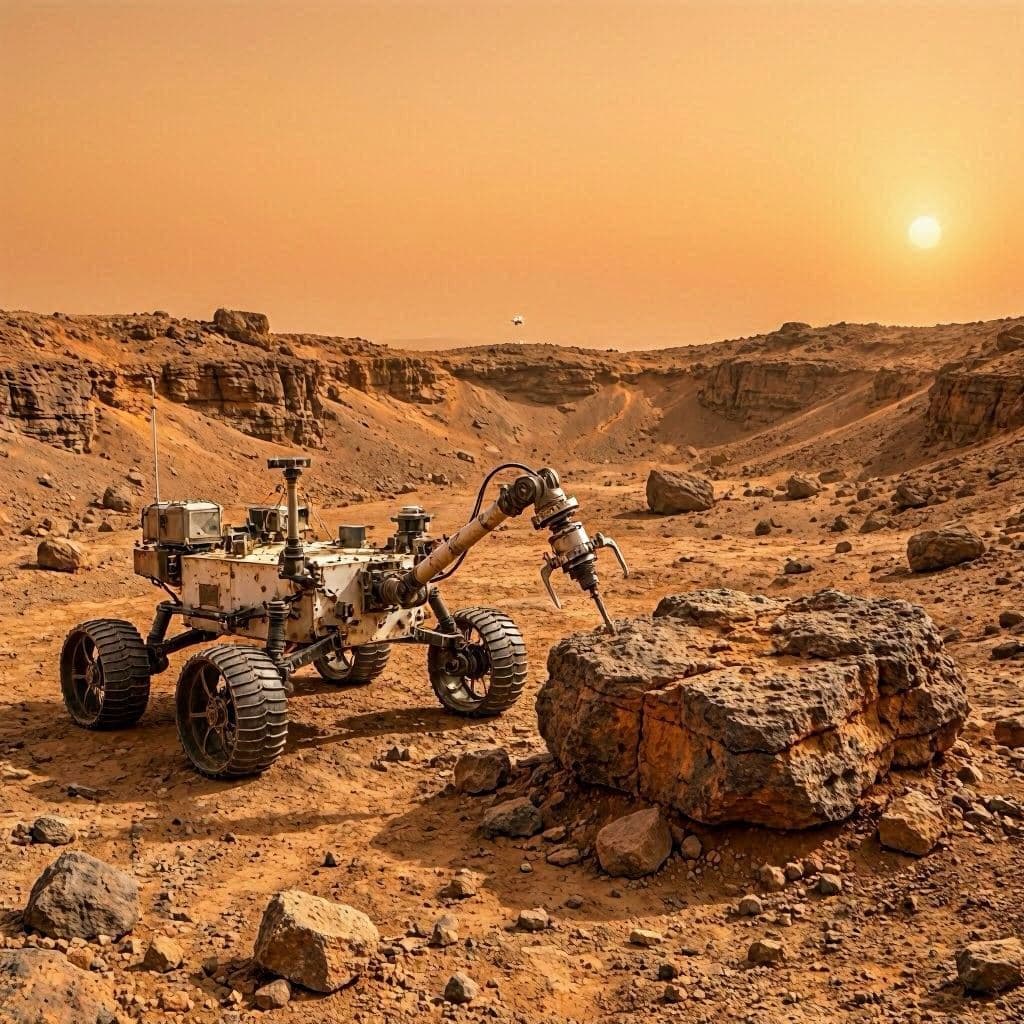
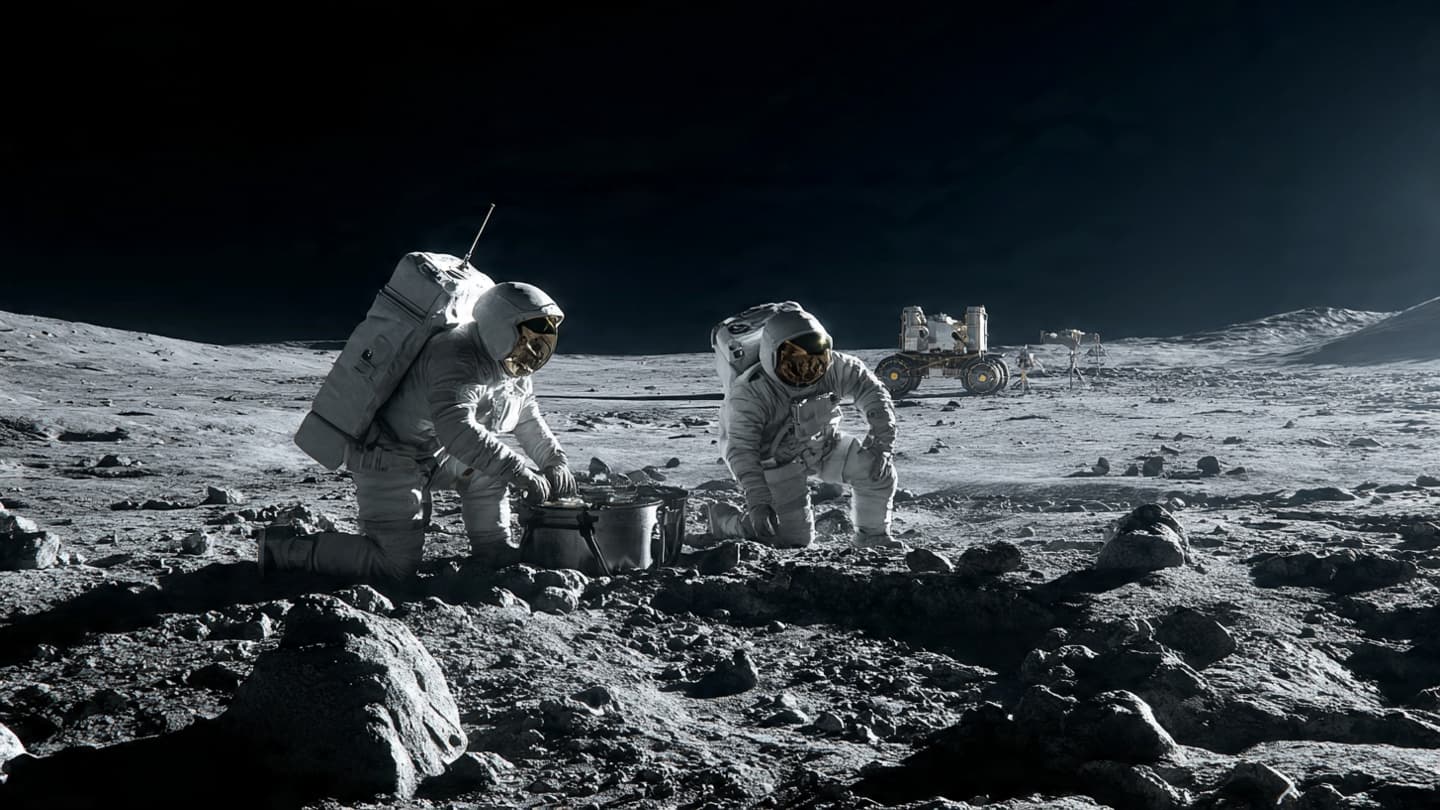
Perseverance rover detects complex organic materials on Mars, contributing to ongoing research into the planet’s ancient chemistry and habitability.

Perseverance rover detects complex organic materials on Mars, contributing to ongoing research into the planet’s ancient chemistry and habitability.

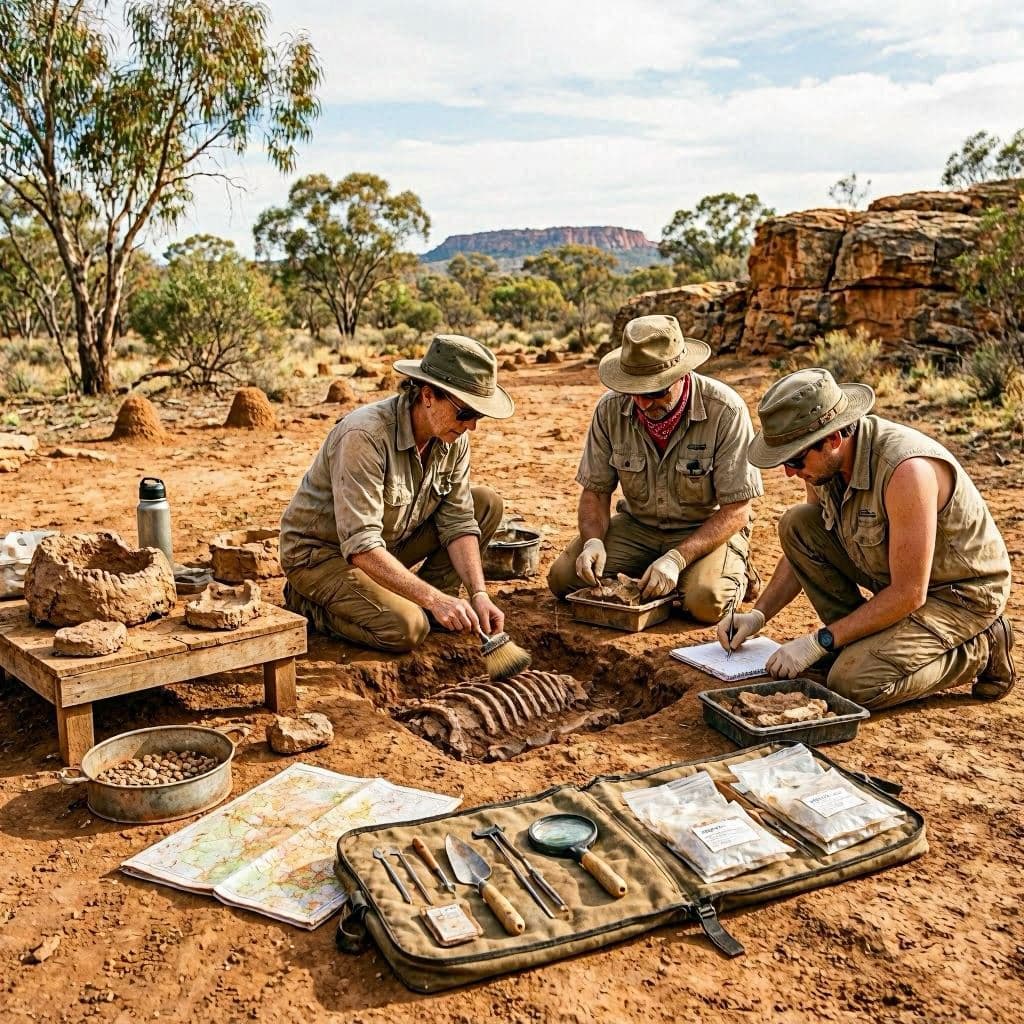
Australian researchers uncover fossils suggesting a previously unknown marsupial lineage, expanding understanding of evolutionary history.

Australian scientists call for stronger national investment in space science to support research, innovation, and global competitiveness.

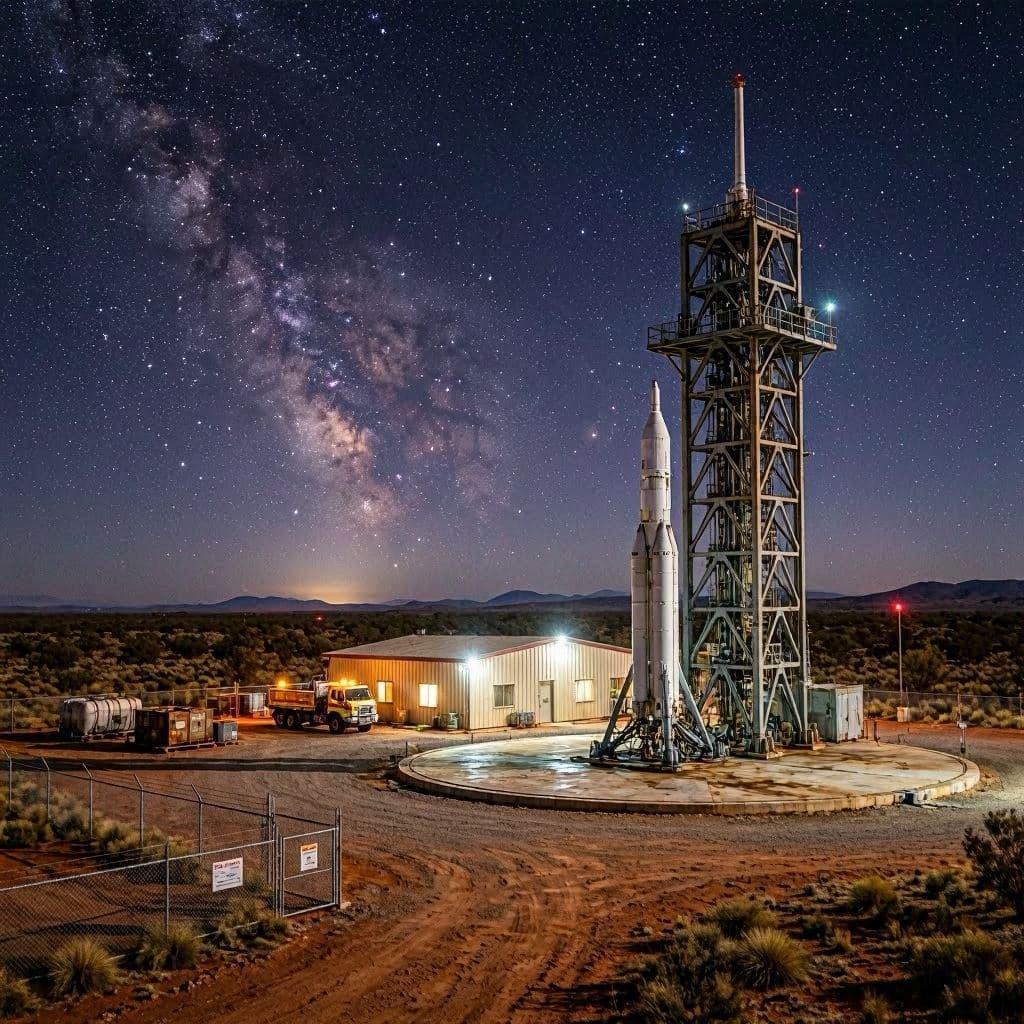
Experts highlight Australia’s potential to become a major player in the global space industry through satellite, research, and launch capabilities.

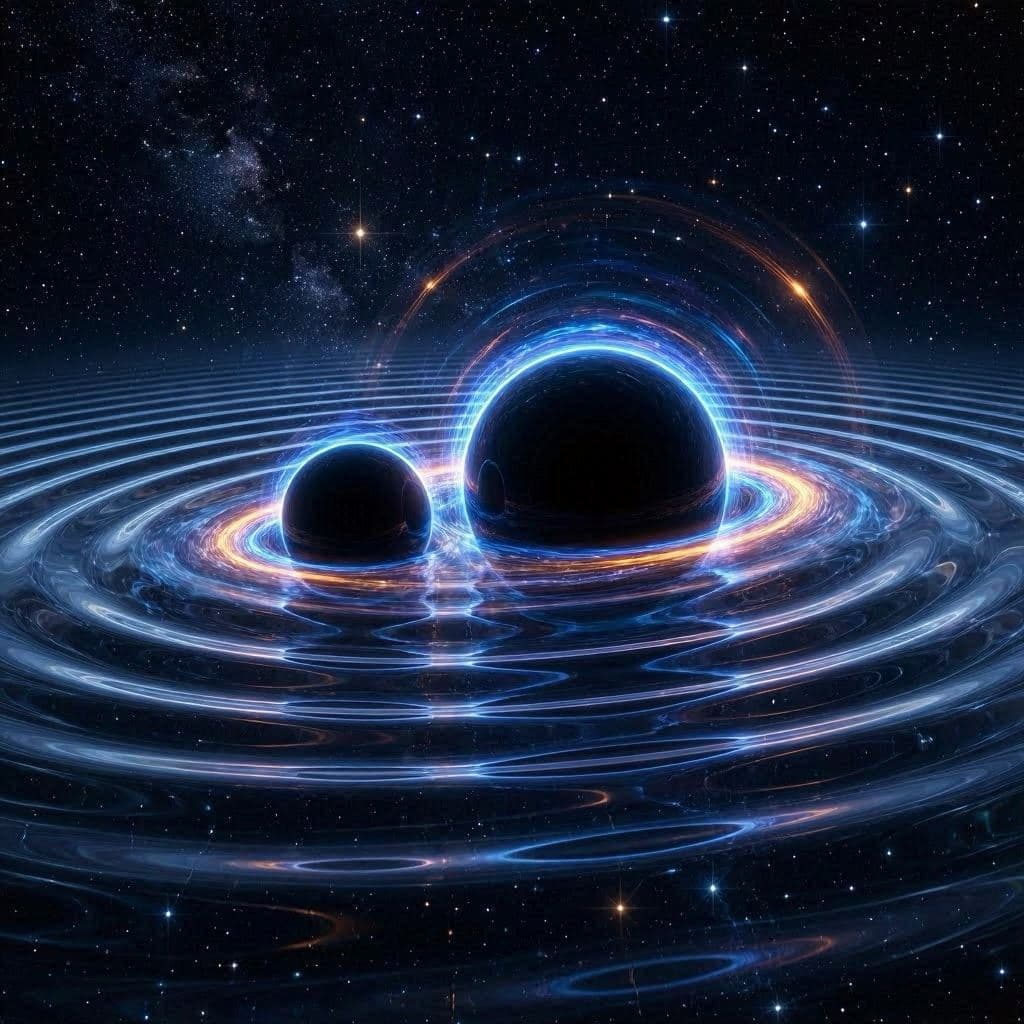
Physicists decoded a hidden signal in the loudest gravitational wave ever recorded, GW250114, to measure the spin rate of a black hole’s event horizon, validating Einstein’s theories.

Lucy, the 3.2-million-year-old Australopithecus afarensis, bridges the gap between apes and humans, revealing that bipedalism preceded large brains in our evolutionary history.

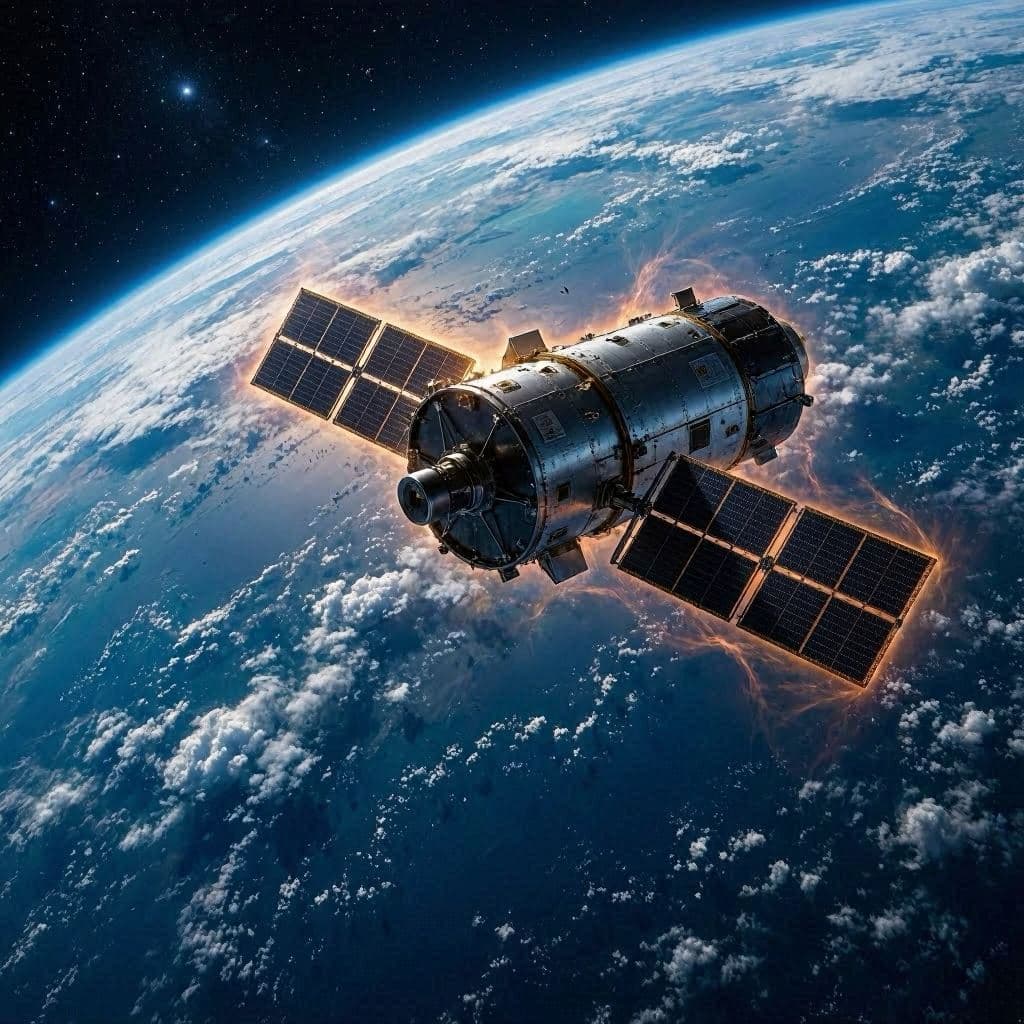
NASA plans a July 1 rescue mission to boost the aging Swift space telescope out of decaying orbit, preventing its destruction in Earth’s atmosphere.

With severe fires increasing, the administration revives strict total‑suppression tactics—discredited by decades of research that shows it builds fuel and worsens later blazes.

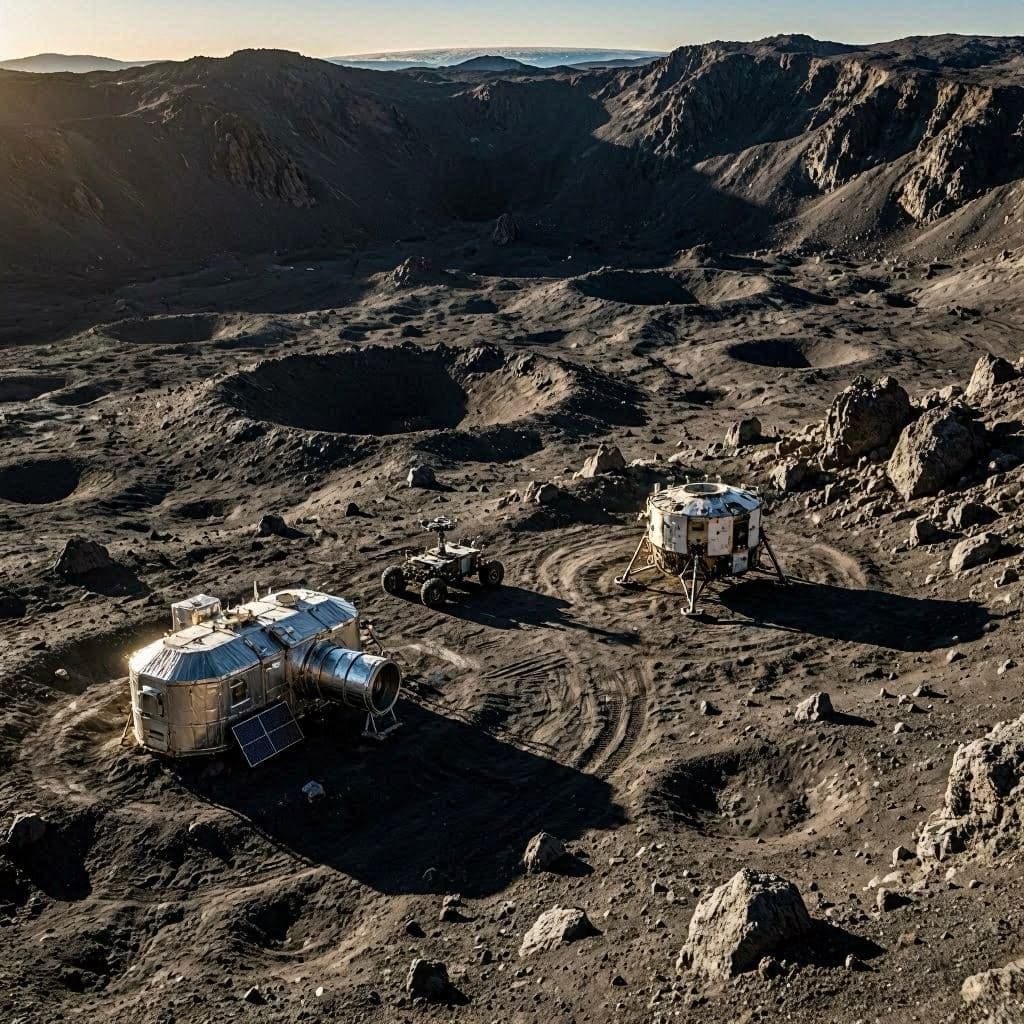
NASA simplifies architecture, adds dedicated tests, and standardizes hardware to avoid delays and build a $30 B lunar base by the 2030s.

Rubin’s giant 3 200‑MP camera launches a 10‑year southern‑sky survey to probe dark matter, dark energy, and transient events.

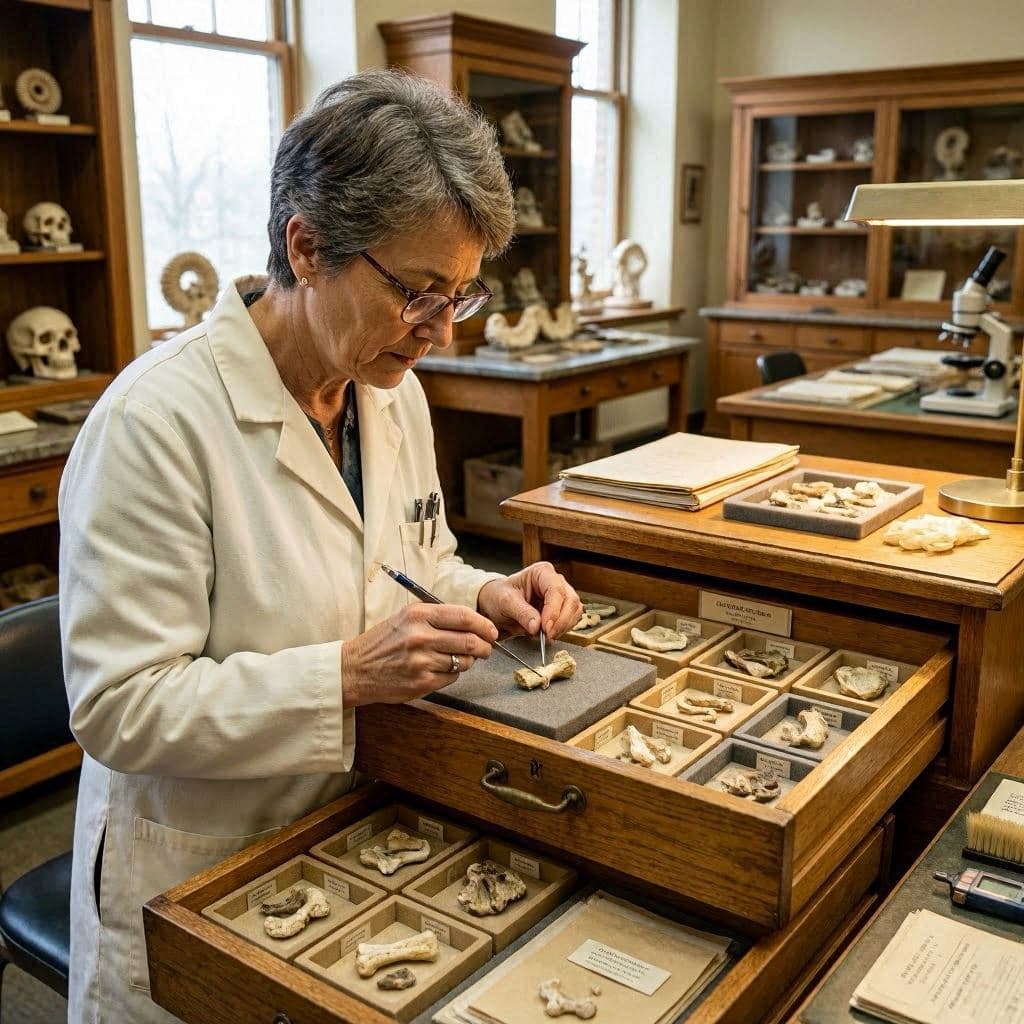
Researchers identified a long-stored fossil as the first confirmed dinosaur bone from Antarctica, highlighting the continuing scientific value of museum collections.

The annual Strawberry Moon illuminated skies worldwide, inspiring photographers and reminding observers of the scientific and cultural significance of the full Moon.

NASA plans a July 1 mission to raise the Swift space telescope into a safer orbit, extending its scientific life and supporting future astronomical discoveries.

Artificial intelligence is increasingly assisting scientists in generating hypotheses, analyzing data, and accelerating research discoveries.

NASA's Artemis II mission is moving toward launch, preparing to send astronauts around the Moon for the first time in decades.

NASA satellite observations suggest nutrient stress is affecting large areas of the world's oceans, potentially impacting marine ecosystems

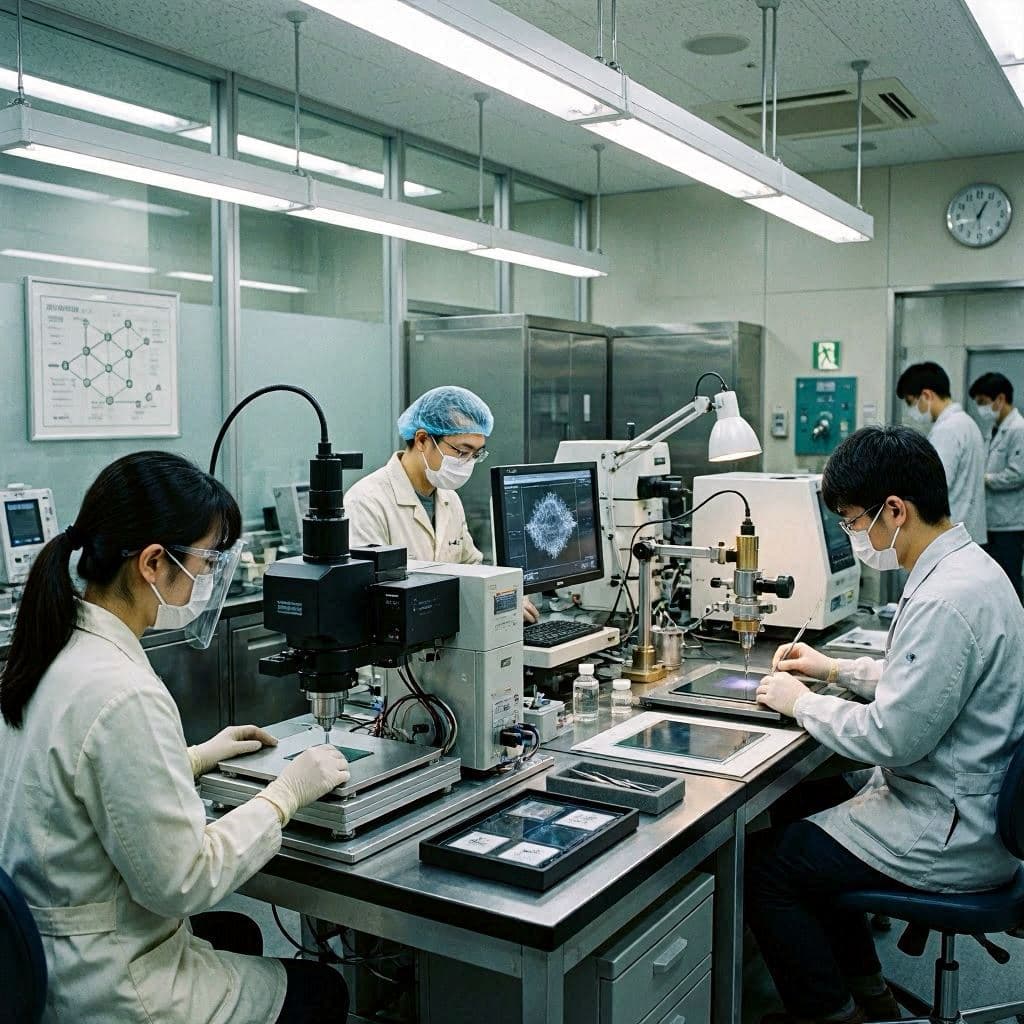
Japanese researchers have reported advances in terahertz biophotonics that could support future medical imaging and diagnostic technologies.

Japanese researchers have created a membrane just one molecule thick, opening potential applications in advanced materials and future technologies.

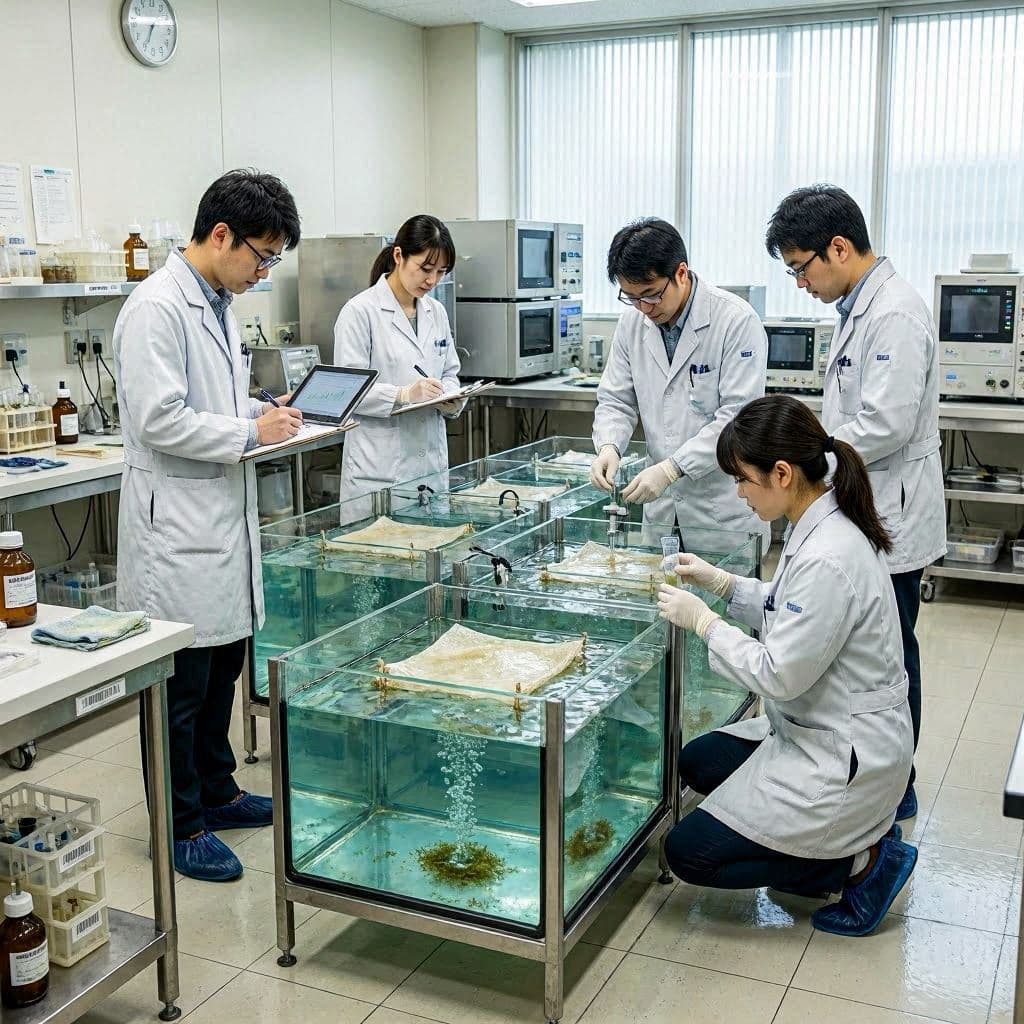
Japanese researchers have developed a new plastic material capable of dissolving in seawater within hours, potentially reducing marine pollution.

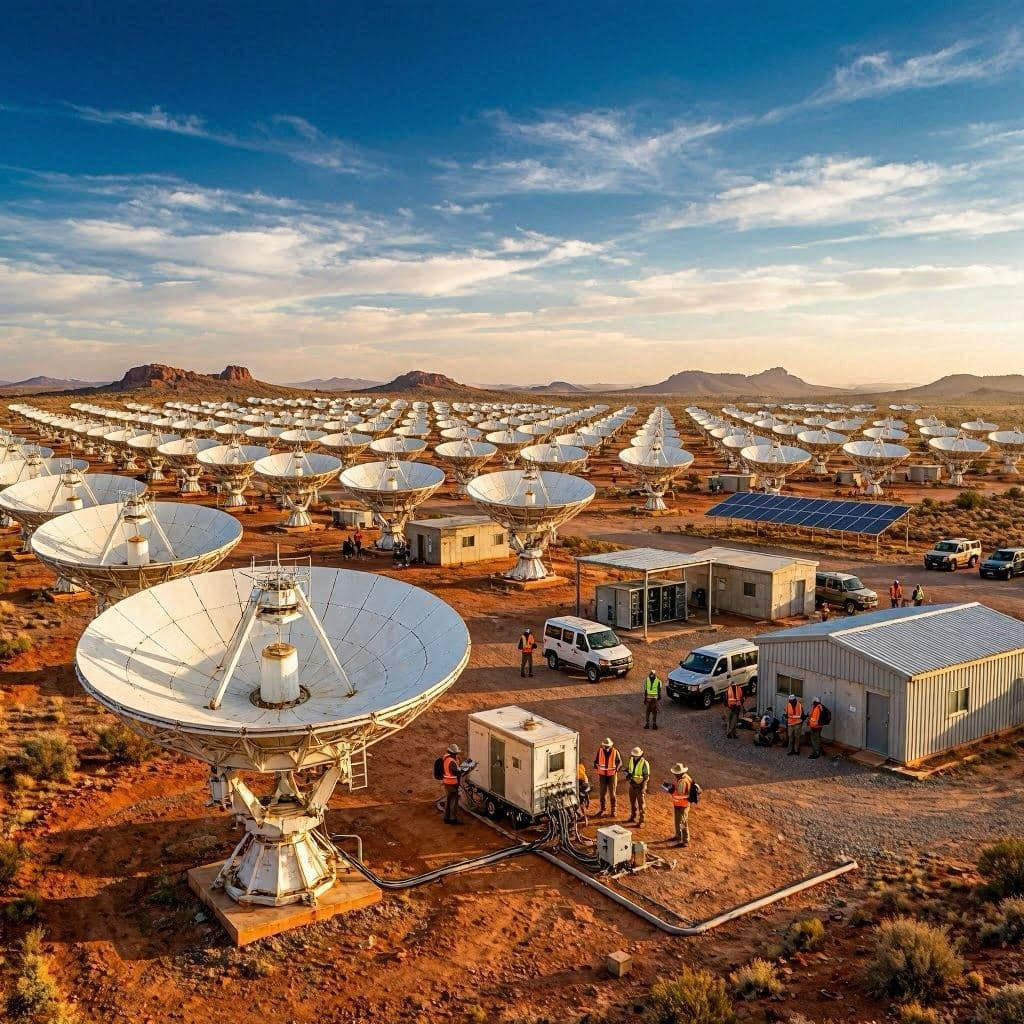
The Square Kilometre Array Observatory is expected to revolutionize radio astronomy and deepen understanding of the universe.

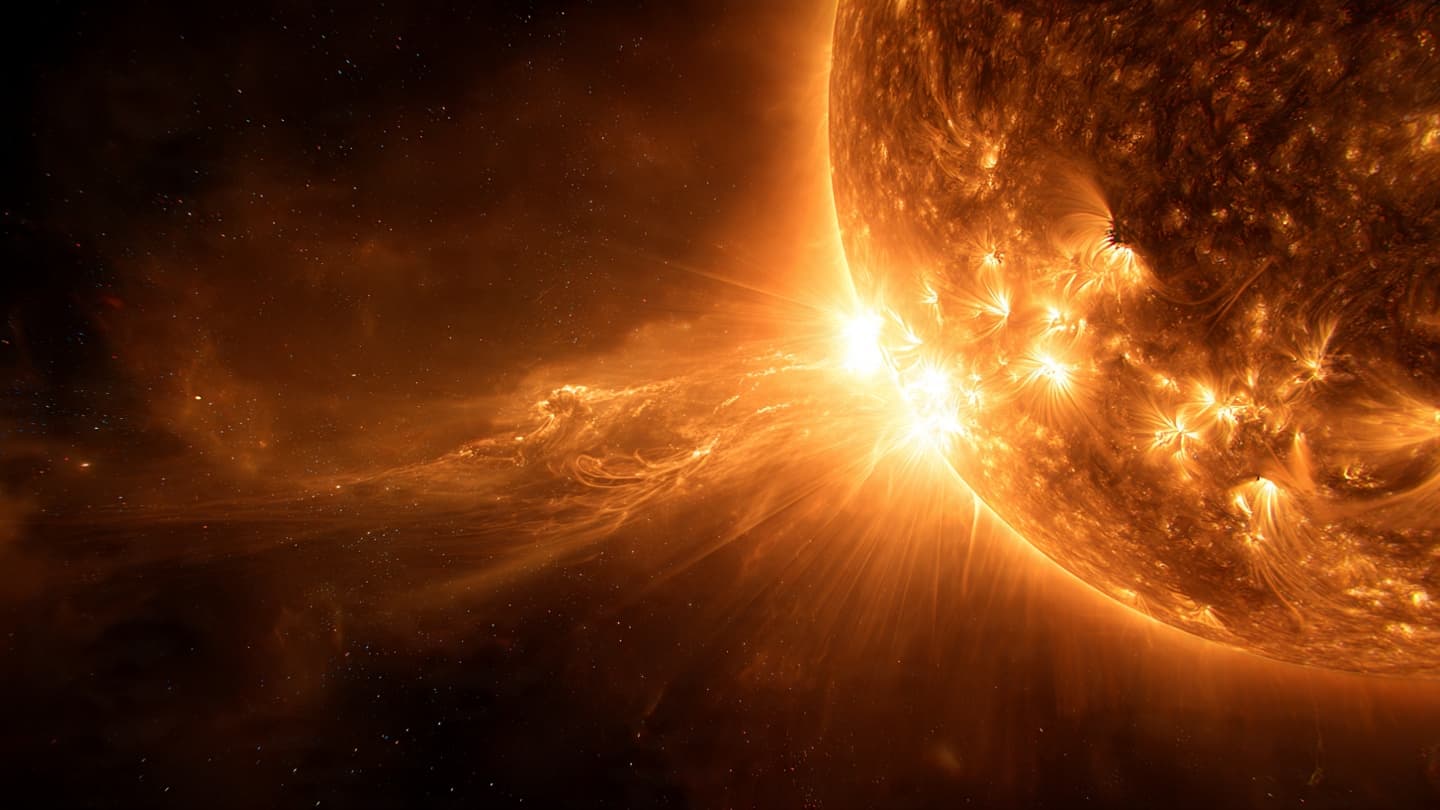
American scientists have improved space weather forecasting models to better predict solar storms that may affect satellites, communications, and power systems.

Australia is expanding national investment in quantum computing research through new partnerships, laboratories, and innovation programs.

American researchers have developed an advanced AI-assisted diagnostic system that may improve disease detection while supporting physicians' clinical decision-making.

Australian astronomers have joined an international effort to identify Earth-like planets orbiting nearby stars using advanced telescopes and data analysis.