Every successful landing begins long before a spacecraft leaves the ground. Behind every historic mission lies years of engineering, testing, and refinement, where countless simulations help transform ambitious ideas into reliable technology. As NASA prepares for the next chapter of the Artemis program, engineers are intensifying work on one of the mission's most critical elements—the lunar landing system.
NASA has expanded testing of landing technologies that will support upcoming Artemis missions to the Moon. Engineers are evaluating navigation systems, propulsion performance, landing sensors, and automated guidance technologies designed to improve the precision and safety of future lunar descents.
The Artemis program represents NASA's long-term effort to establish a sustained human presence on and around the Moon while preparing for future crewed missions to Mars. Reliable landing systems are considered essential because lunar terrain presents unique challenges, including uneven surfaces, dust, and limited environmental protection.
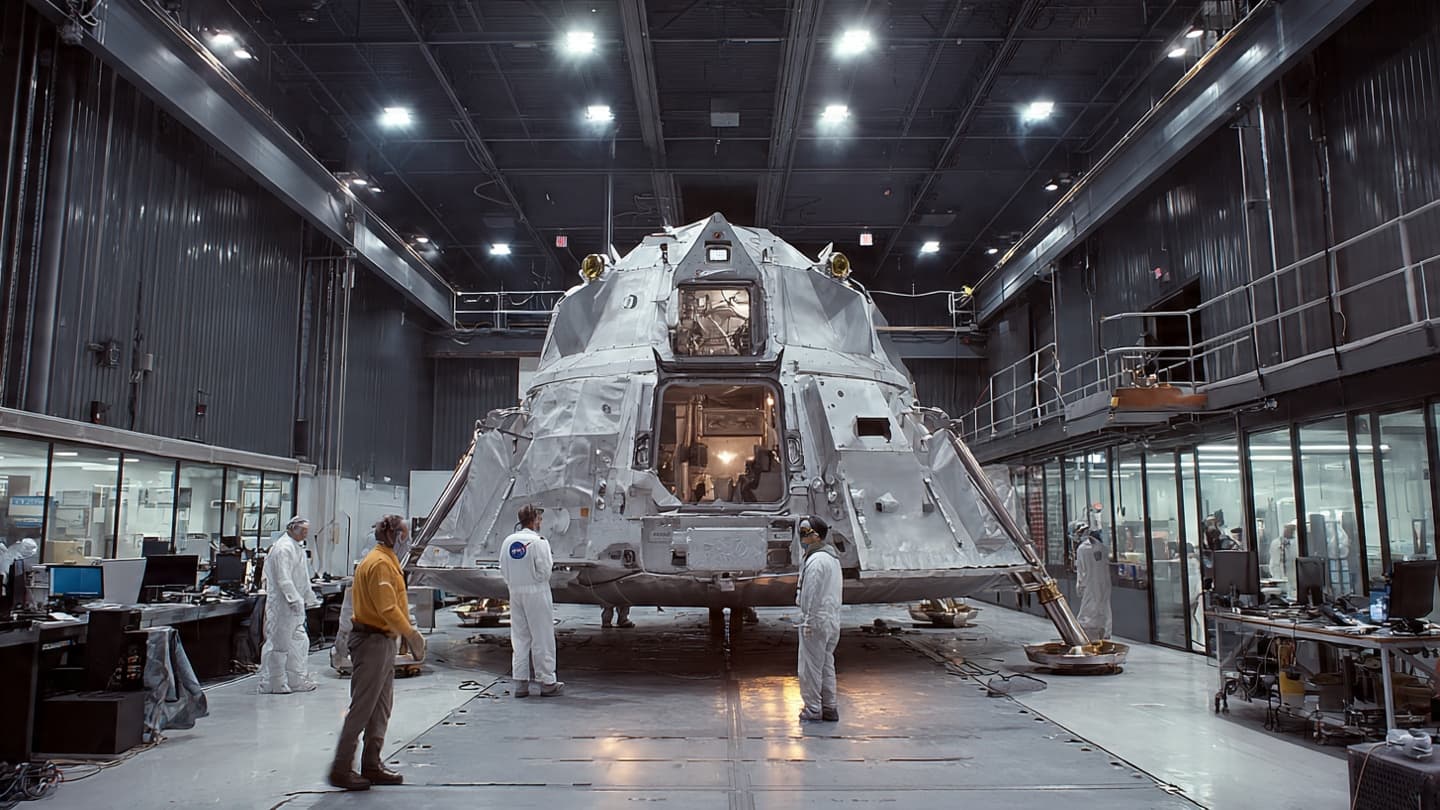
Testing takes place through a combination of computer simulations, laboratory evaluations, and field demonstrations. Engineers recreate lunar conditions as closely as possible to verify that spacecraft systems can respond accurately during every stage of descent and landing.
NASA continues working closely with commercial aerospace partners responsible for developing components of the Human Landing System. Public-private collaboration allows new technologies to be tested more rapidly while encouraging innovation across the American space industry.
Researchers also continue improving autonomous landing capabilities. Future spacecraft may rely increasingly on onboard computers capable of identifying safe landing locations in real time, reducing risks during missions where communication delays with Earth become significant.
Beyond supporting lunar exploration, many of the technologies developed through Artemis are expected to benefit future planetary missions. Advances in navigation, robotics, communications, and spacecraft design often find applications in other areas of scientific research and commercial aerospace development.
As preparations continue, NASA views each successful test as another milestone toward returning astronauts to the lunar surface. The ongoing engineering work reflects a broader commitment to safe exploration while laying the technological foundation for humanity's next generation of deep-space missions.
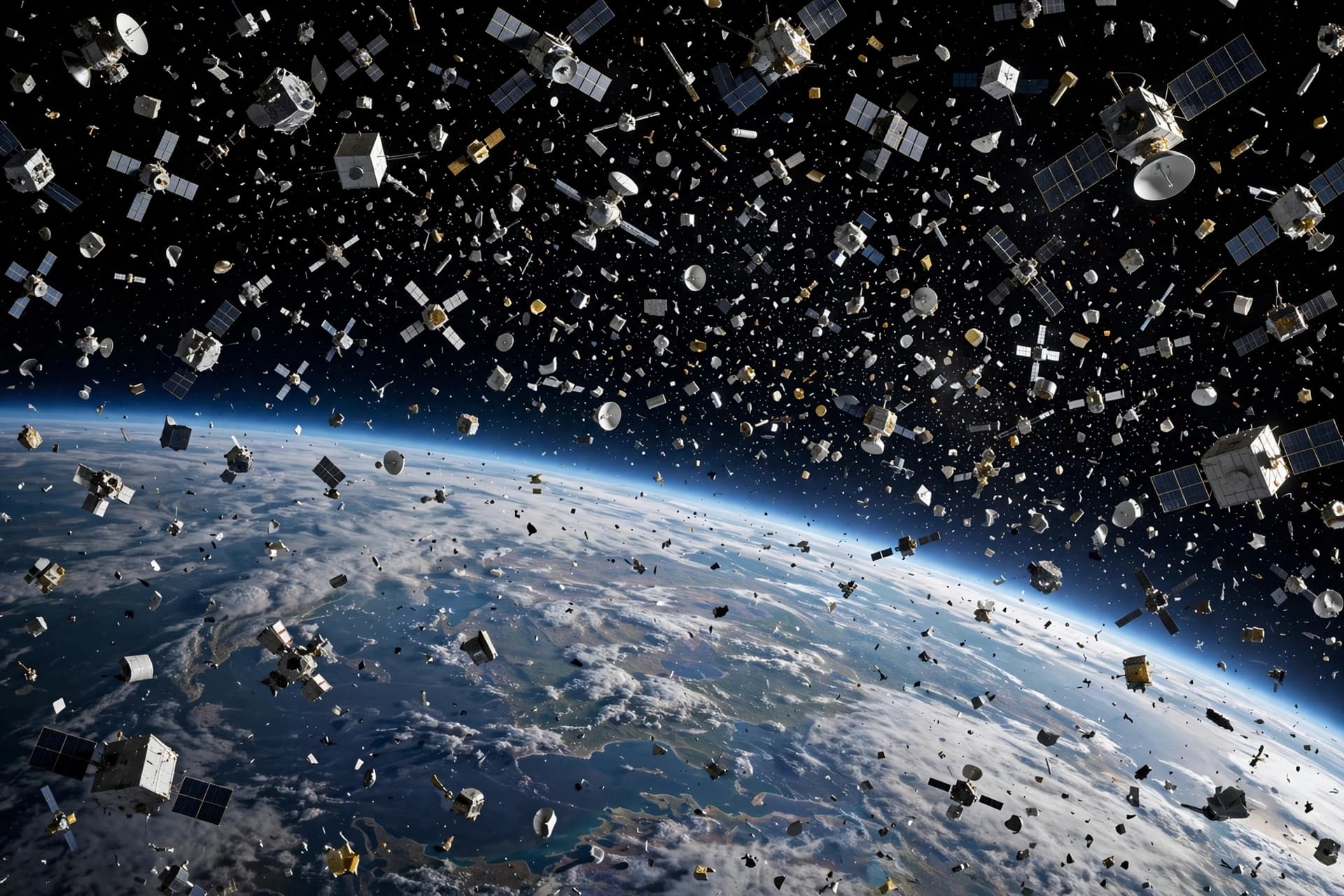
AI Image Disclaimer: This article includes an AI-generated illustration created solely for editorial visualization and does not represent an actual NASA test.
Source Verification Check: NASA, SpaceNews, Space.com, NASA Artemis Program
Published by Banx Network. This article is part of the Banx decentralized media programme, powered by the BXE token on the XRP Ledger.