SCIENCE84% credibility
Ancient Rocks in Australia Reveal Echoes From Earth's Earliest Age
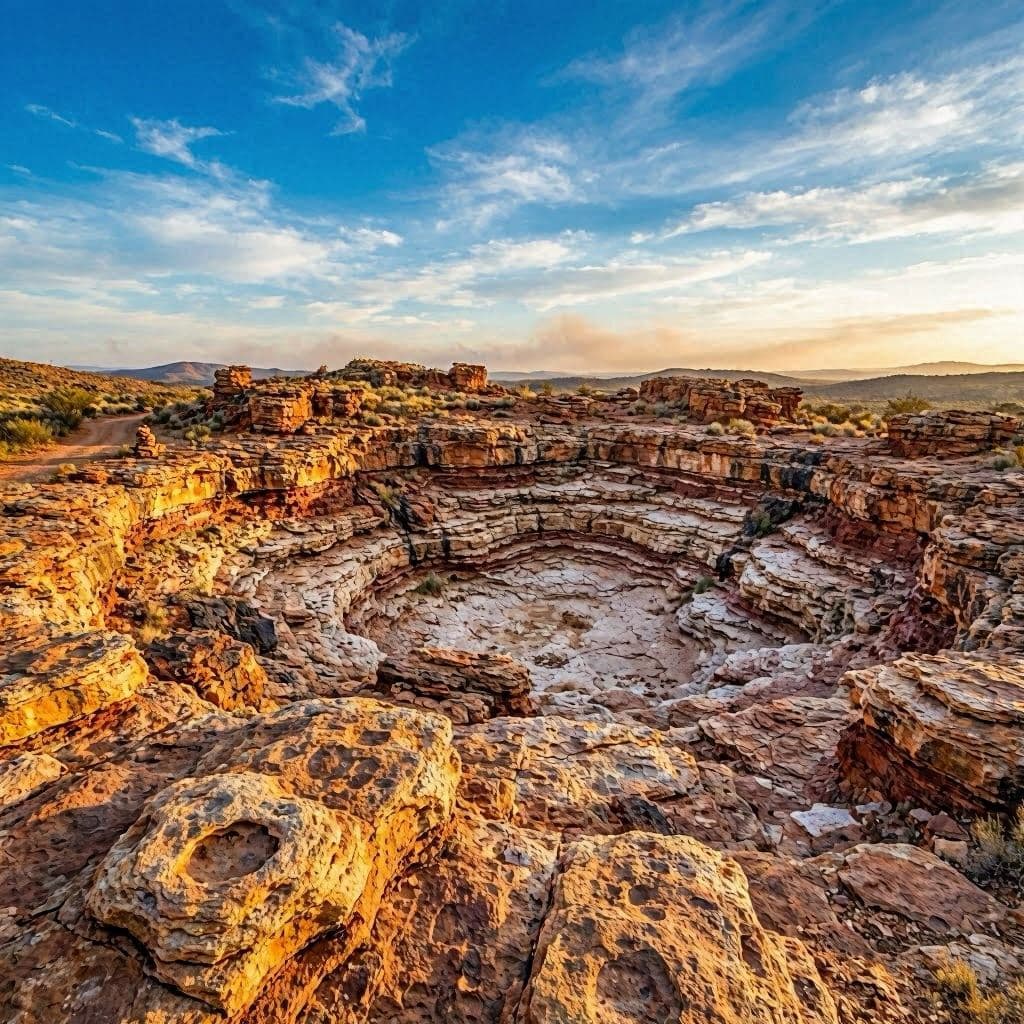
Scientists have reconfirmed a crater in Western Australia's Pilbara region as the oldest known impact crater on Earth.
2 min read

Scientists have reconfirmed a crater in Western Australia's Pilbara region as the oldest known impact crater on Earth.
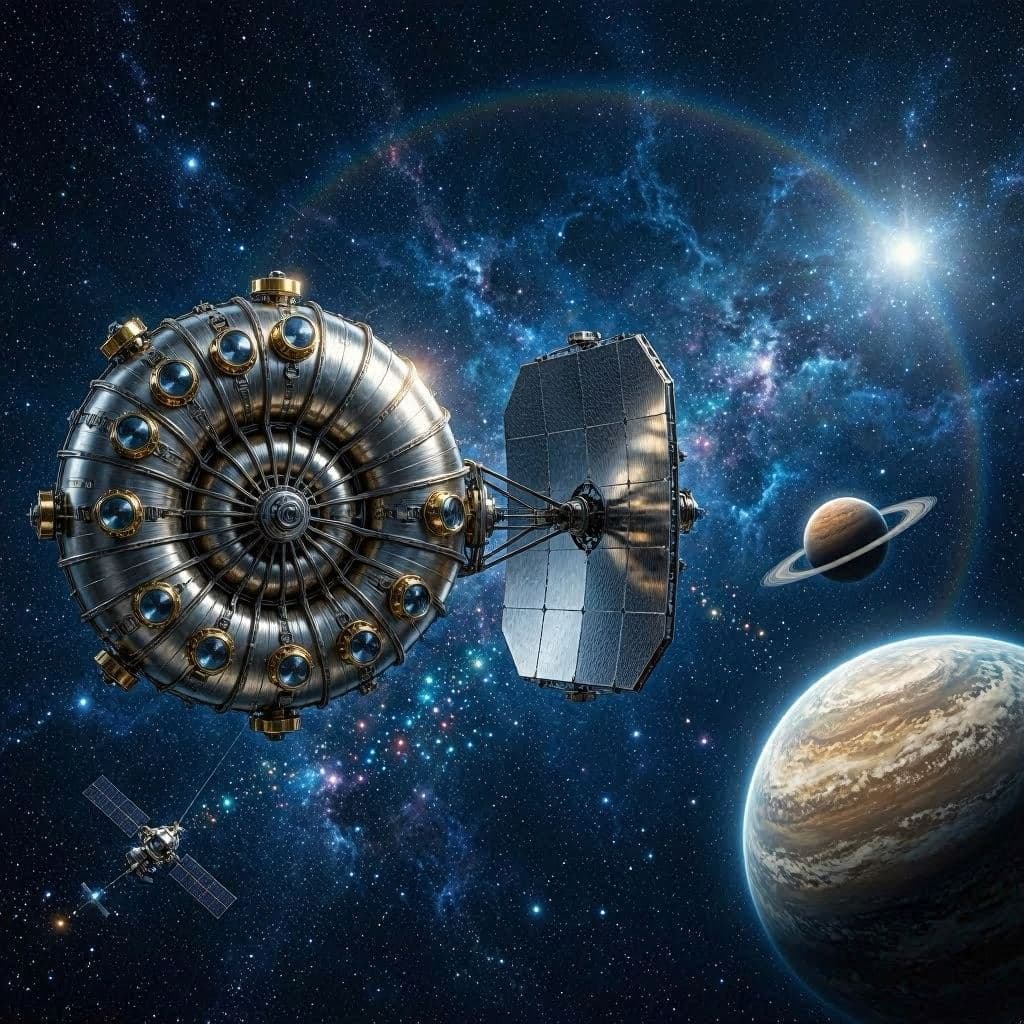
Scientists have proposed the Nautilus observatory concept to study exoplanet atmospheres and improve the search for habitable worlds.
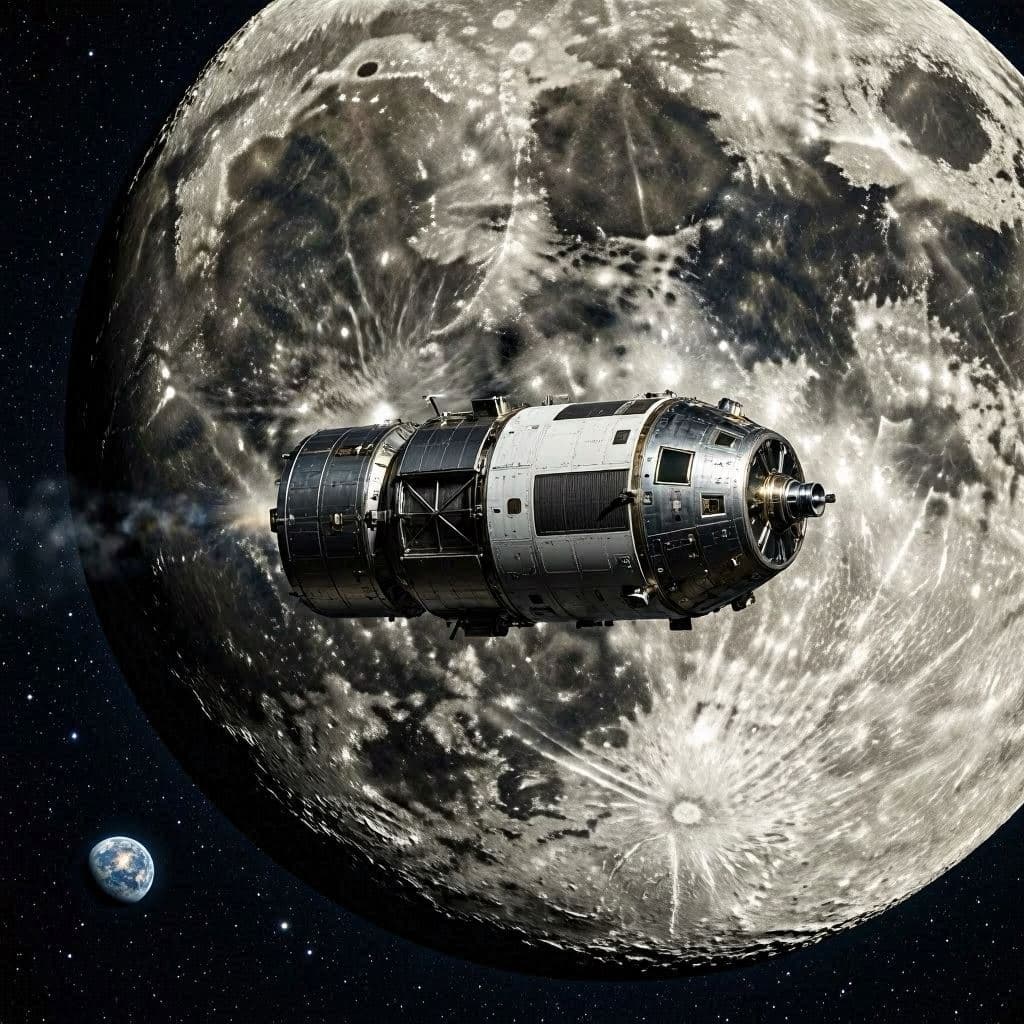
NASA's Artemis program continues to achieve milestones as preparations advance for future human missions to the Moon.
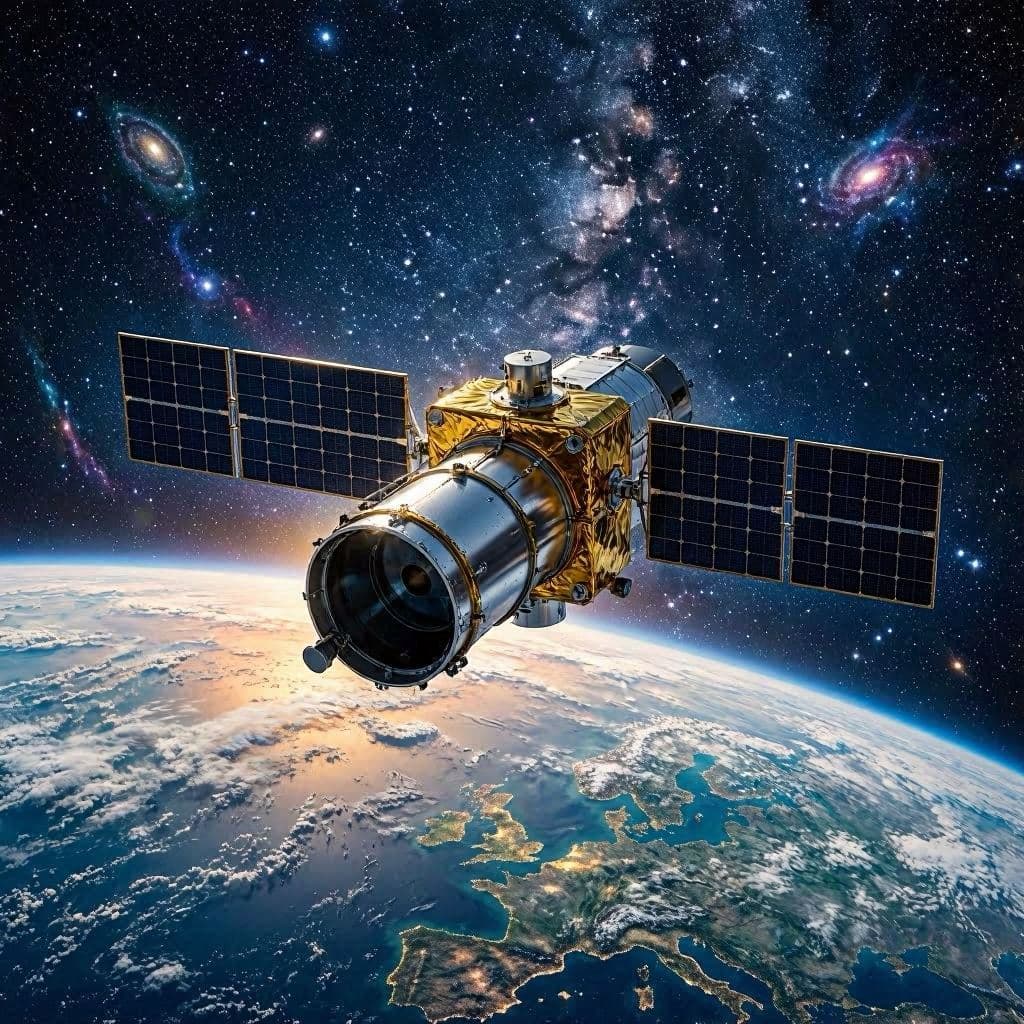
NASA is evaluating options to extend the life of the Swift space telescope as its orbit gradually declines.
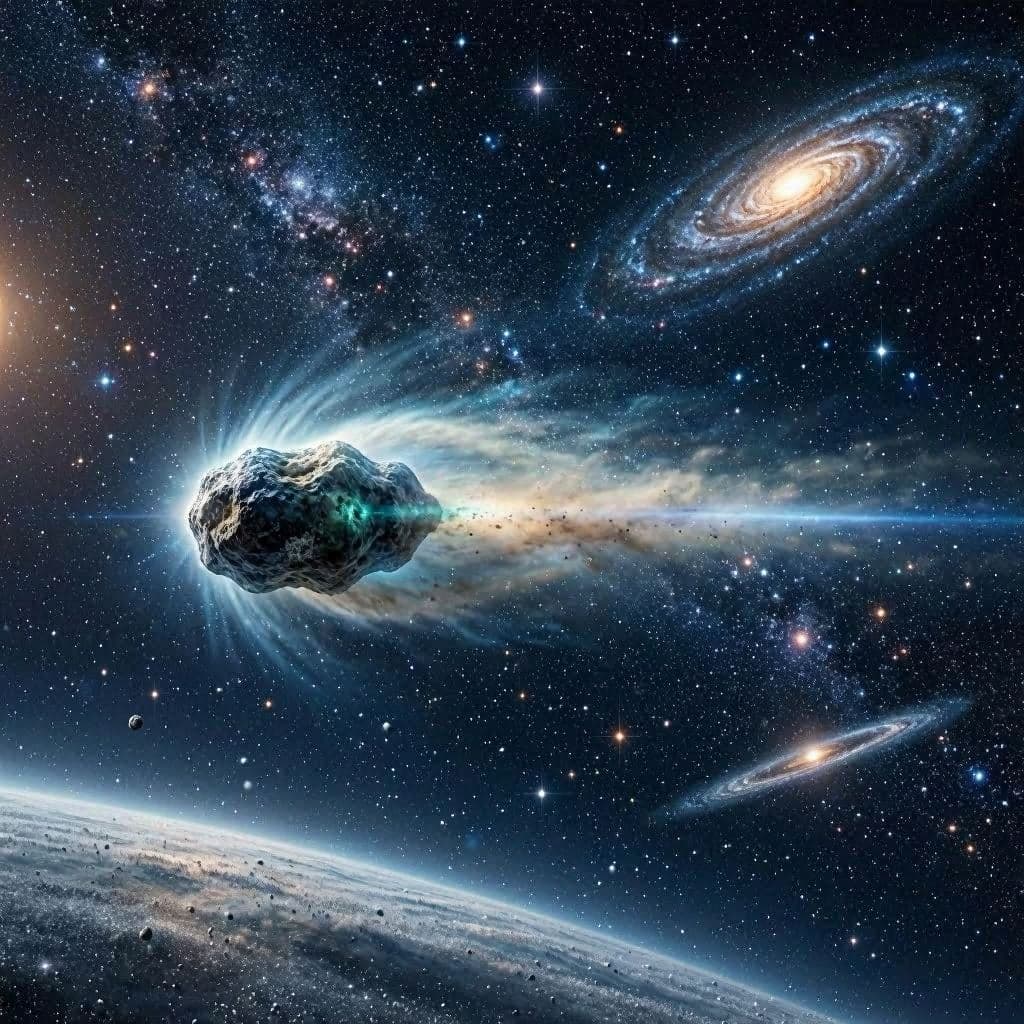
Scientists believe interstellar comet 3I/ATLAS may predate the solar system, offering rare insights into the early universe.
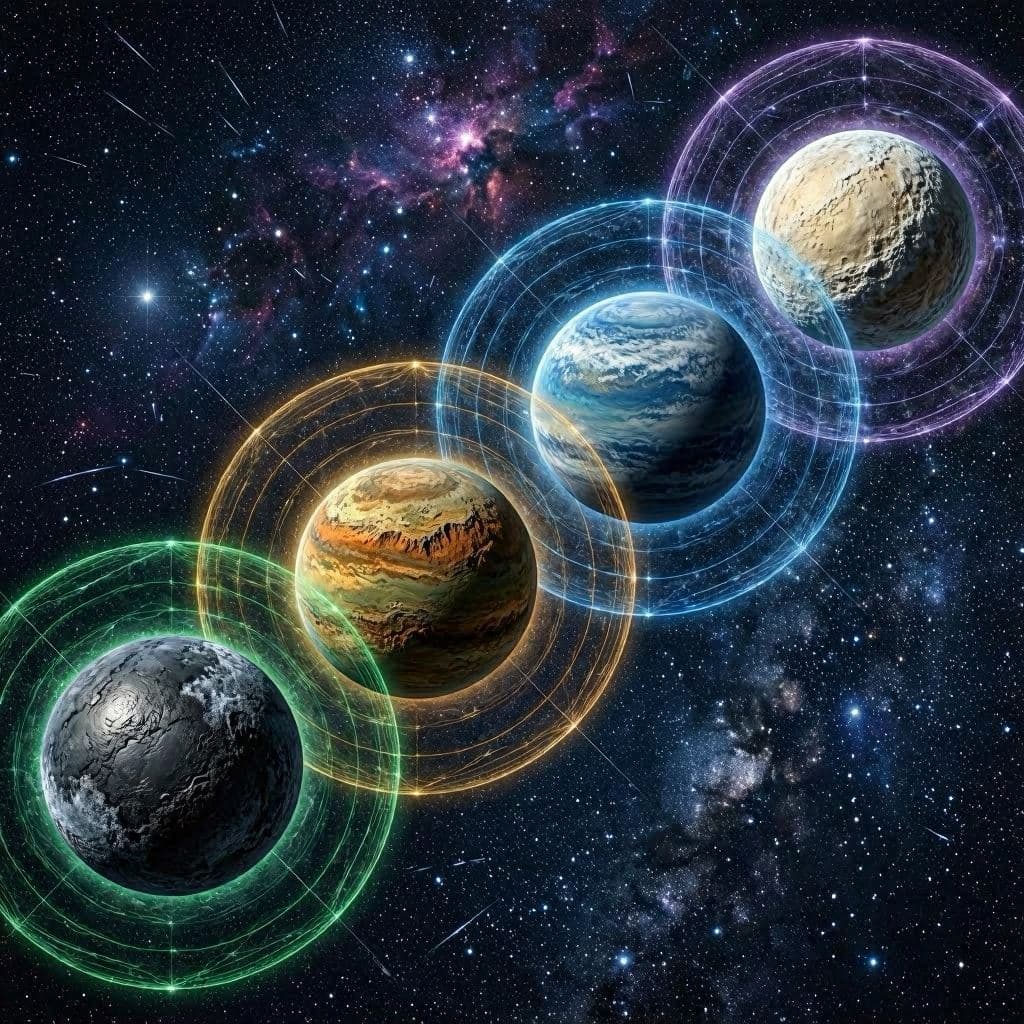
Astronomers have detected magnetic fields around seven exoplanets, offering new insights into planetary evolution and habitability.
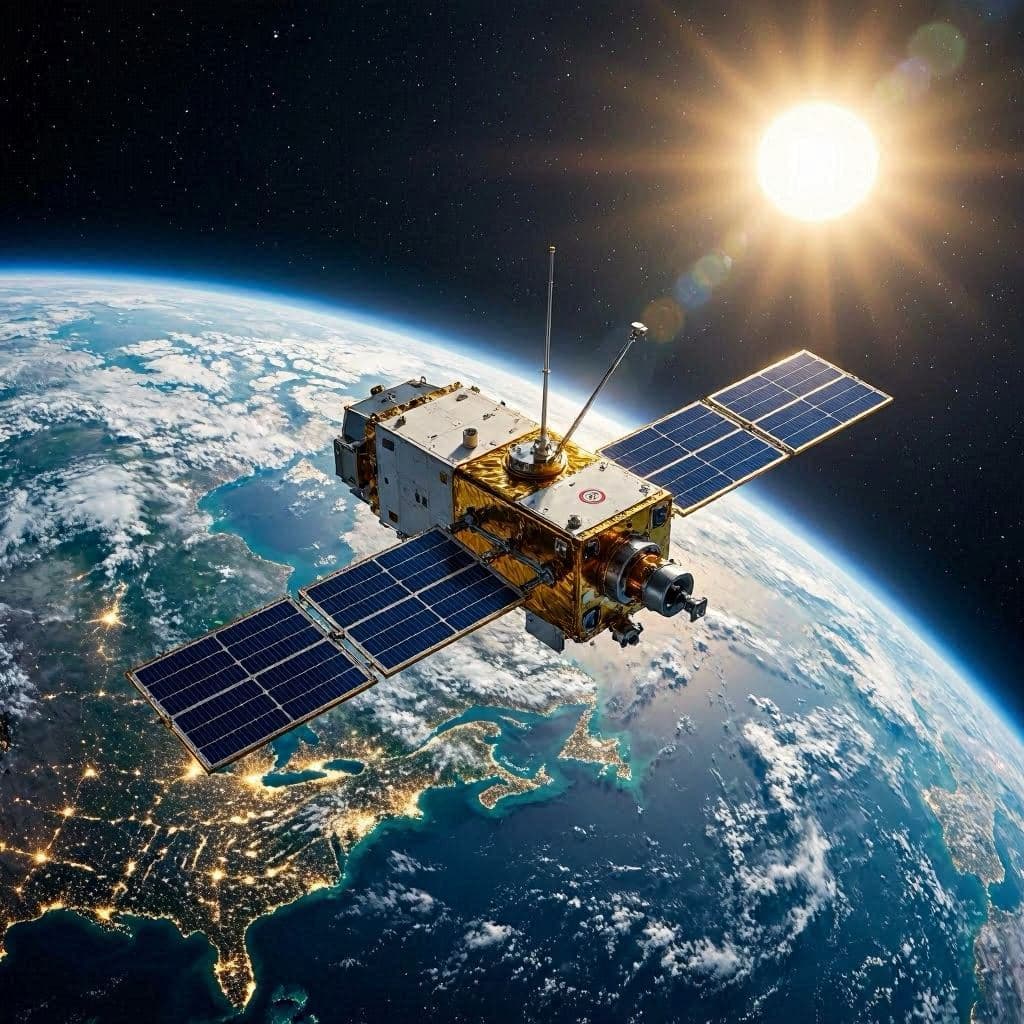
The SMILE spacecraft has reached scientific orbit and will study interactions between solar winds and Earth's magnetosphere.
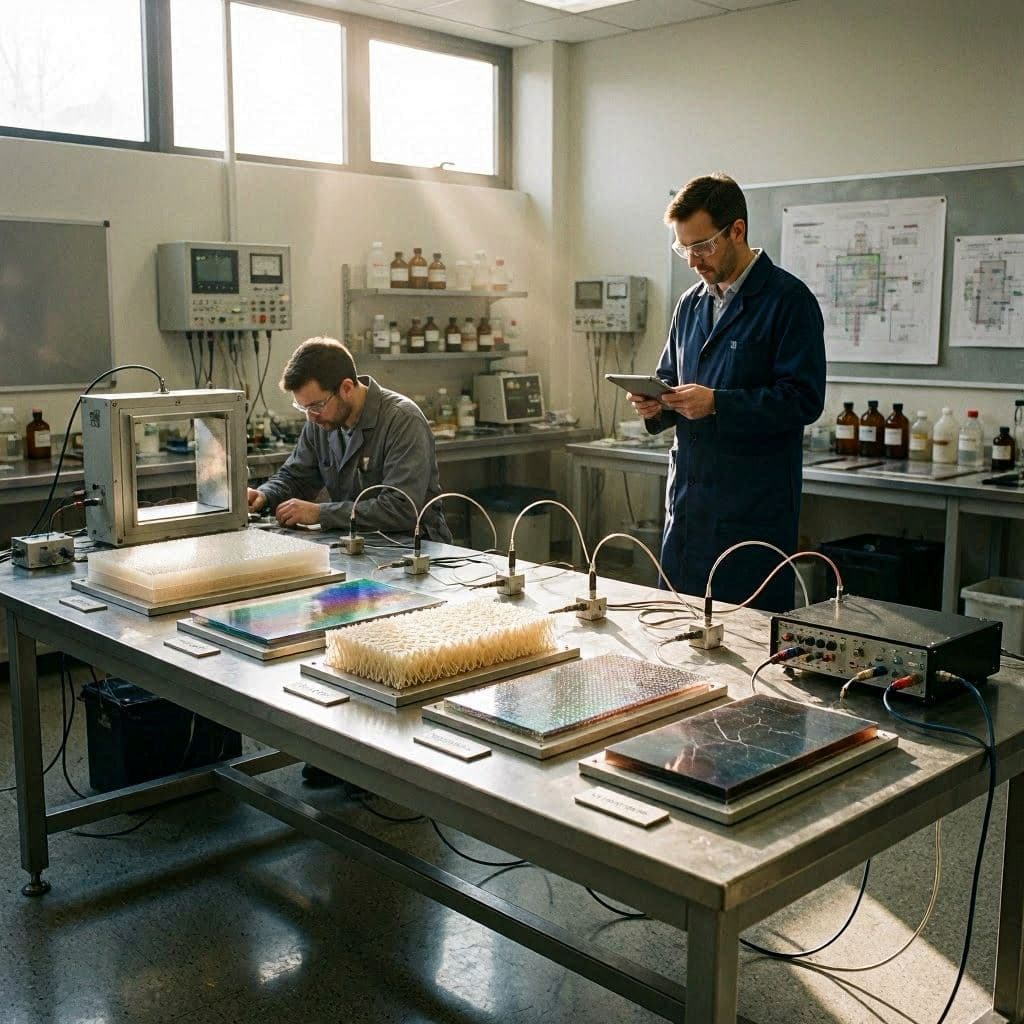
Scientists have developed a material capable of converting sunlight into ultraviolet light, potentially enabling more sustainable industrial applications.
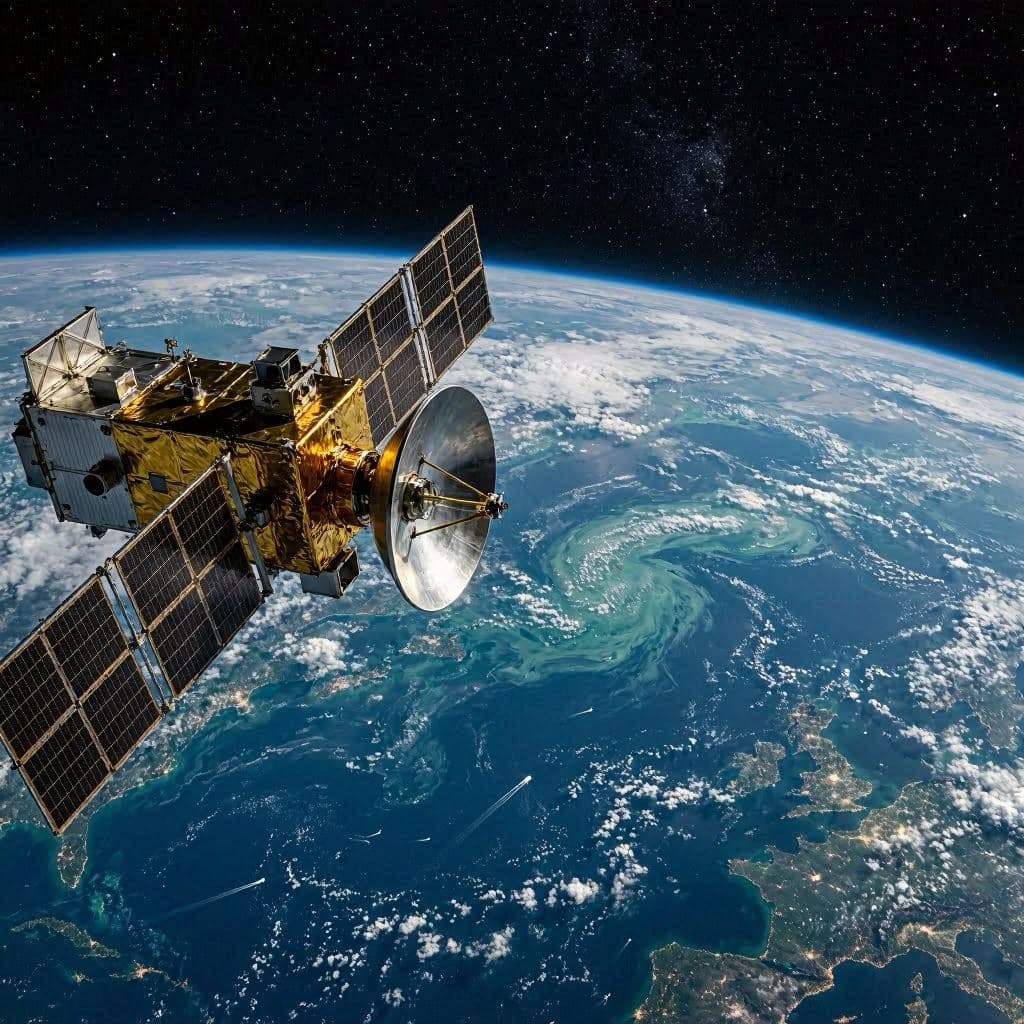
NASA satellites have captured unprecedented observations of a tsunami, offering new insights that could improve future warning systems.
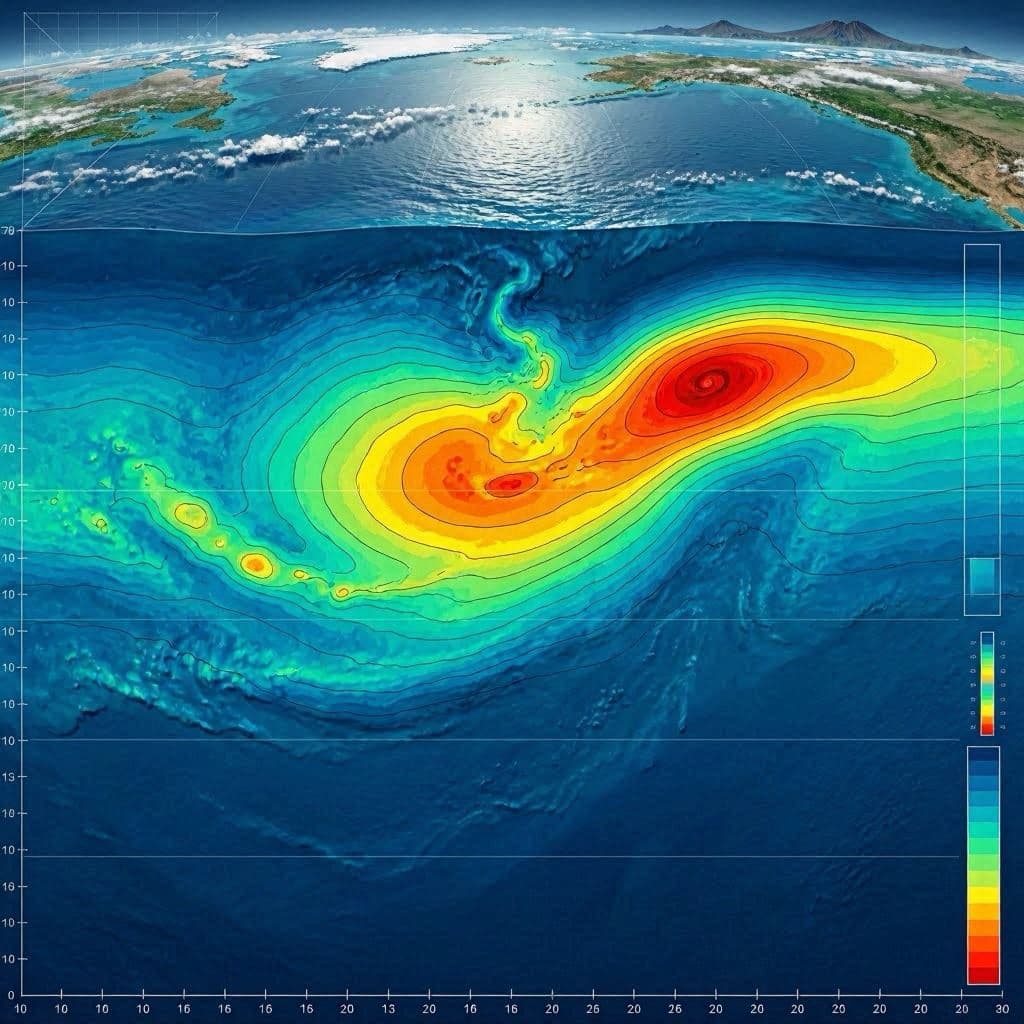
NASA scientists are monitoring a large subsurface warm-water mass in the Pacific that could contribute to future El Niño development.
ASEAN countries are expanding scientific diplomacy through international research cooperation and knowledge exchange.

New research suggests global innovation is becoming increasingly decentralized, with more regions contributing to scientific progress.
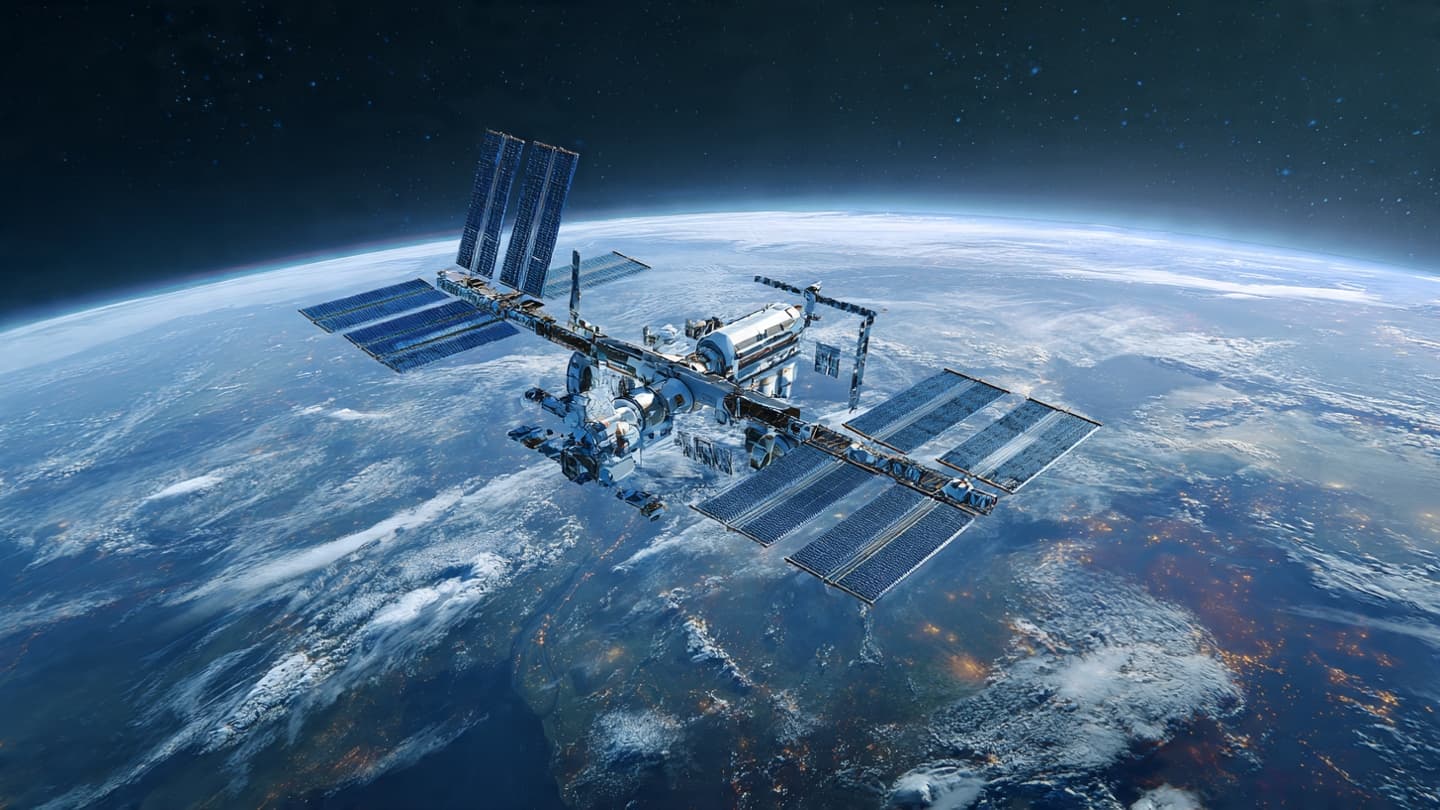
Researchers are studying whether AI data centers could one day operate in Earth orbit to meet growing computing demands.
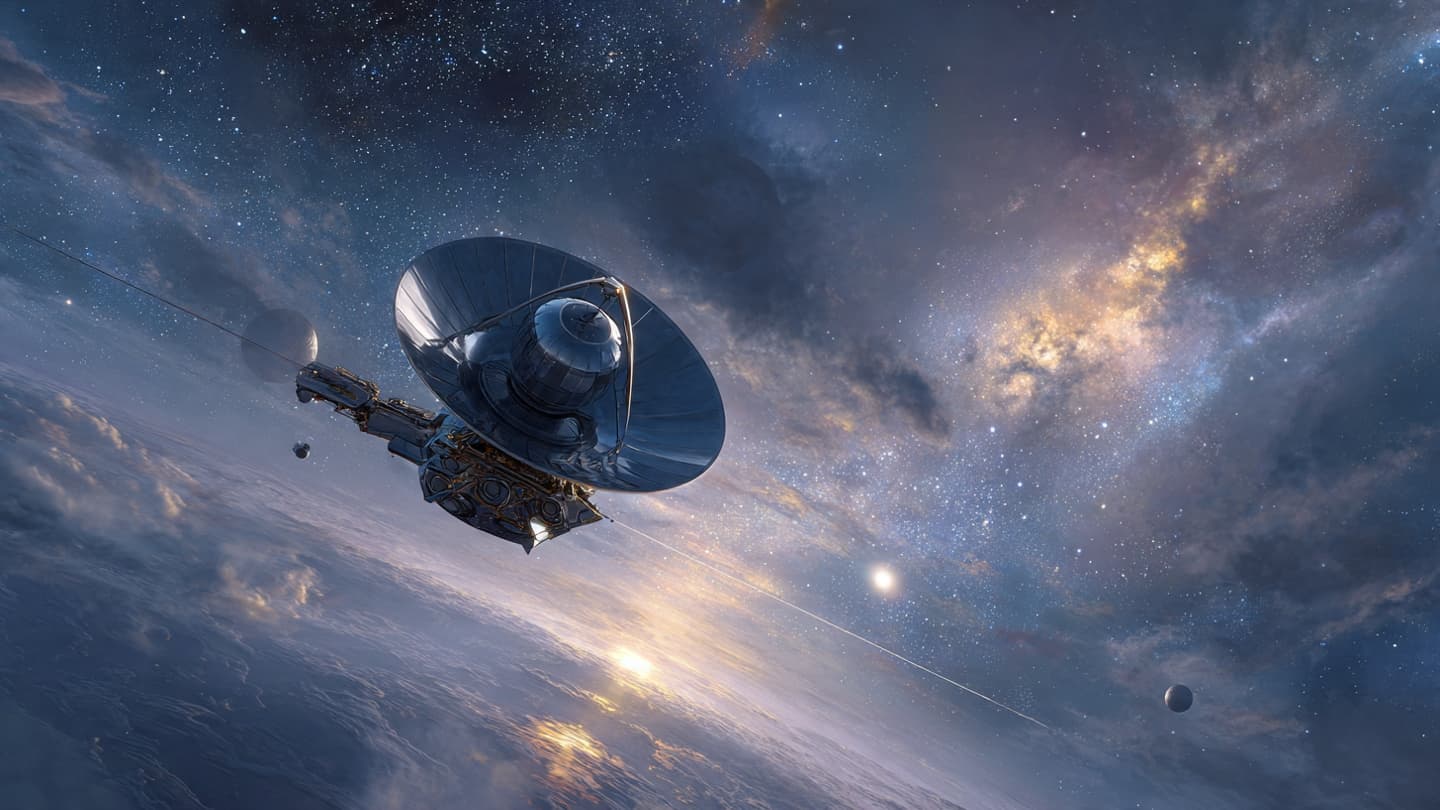
Scientists have proposed the Nautilus space telescope concept to study exoplanet atmospheres and planetary evolution.
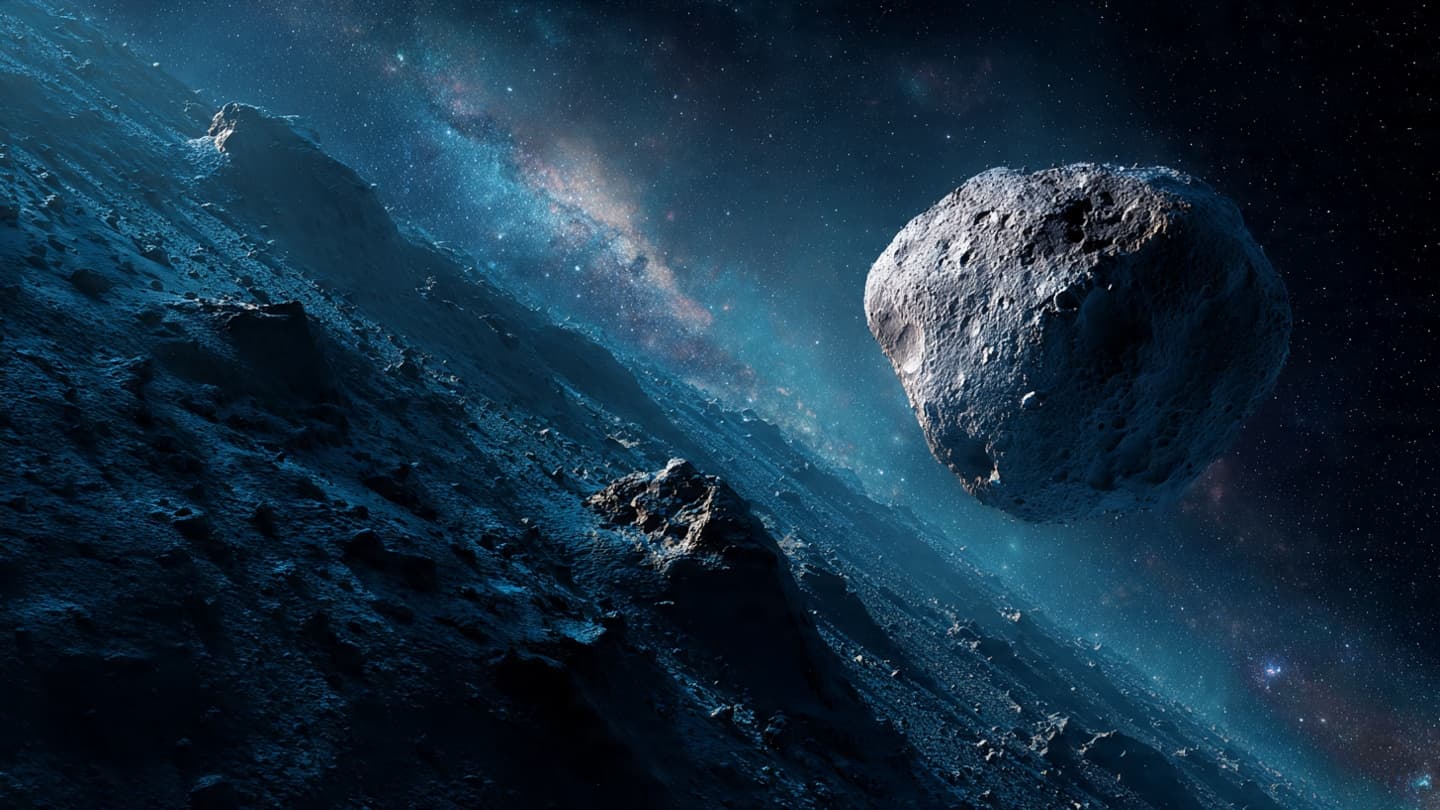
Organic compounds found in asteroid Bennu samples are providing new insights into the chemical origins of life.
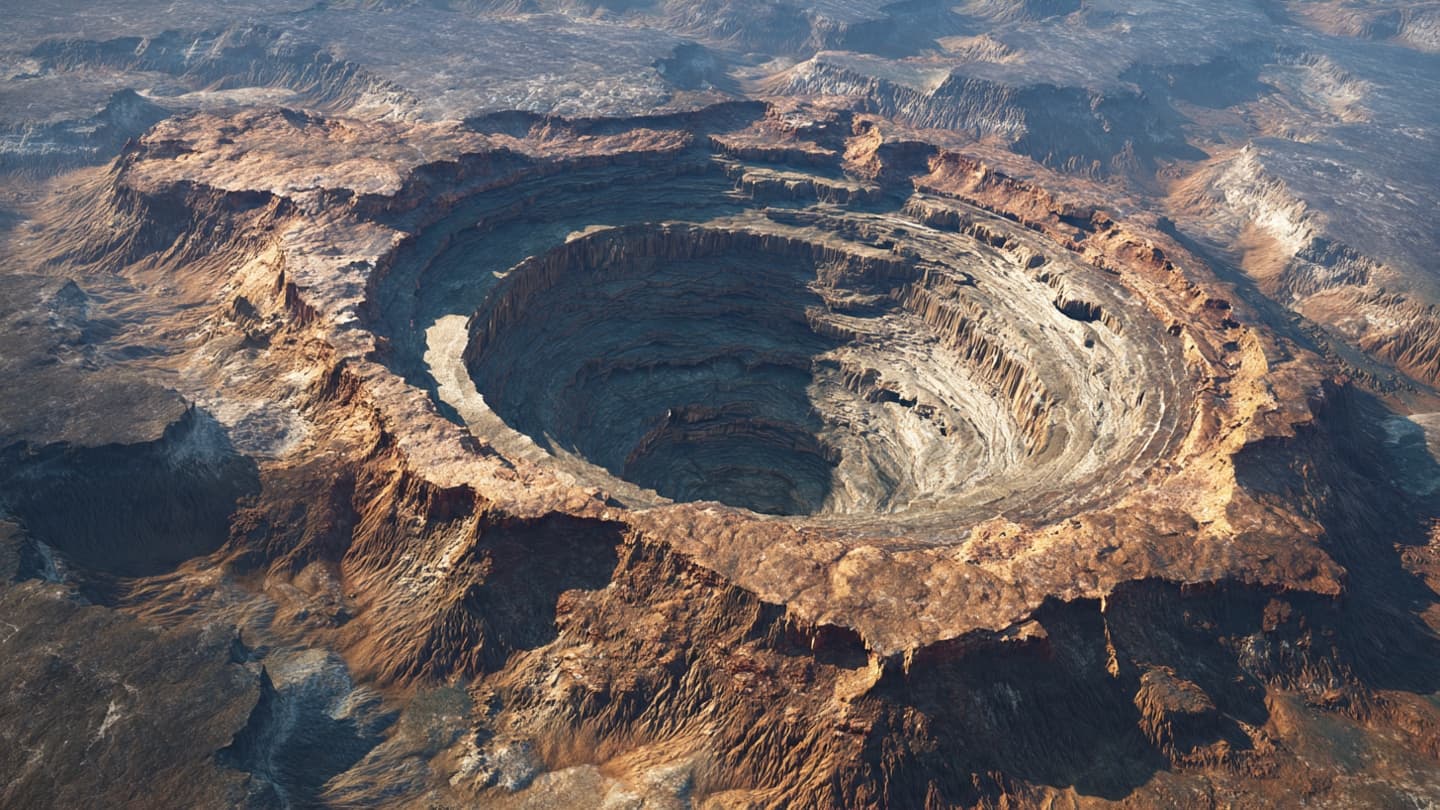
Scientists have revised the age estimate of Earth's oldest known meteorite impact crater using advanced dating methods.
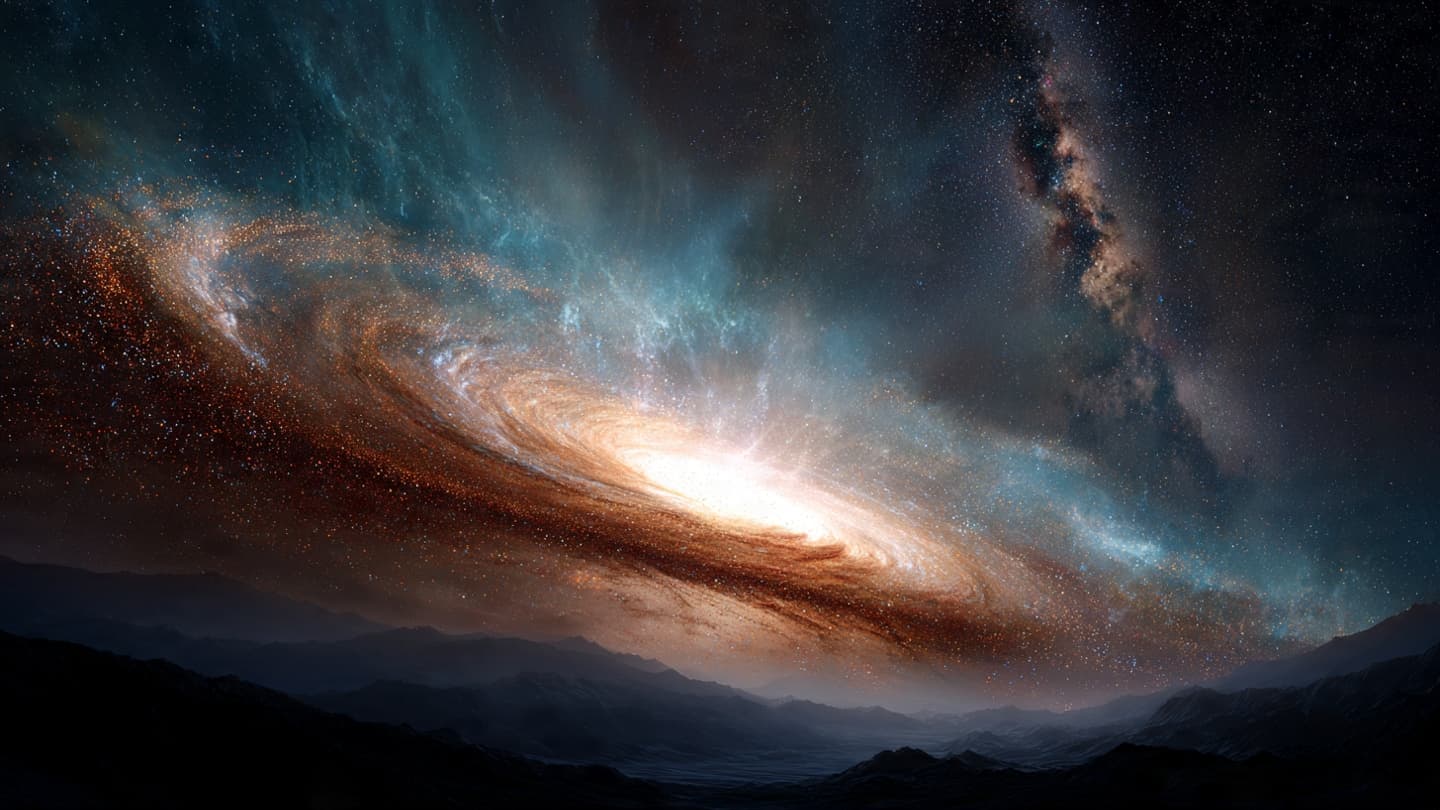
New research suggests the Milky Way's central black hole continues producing cosmic winds despite appearing relatively inactive.
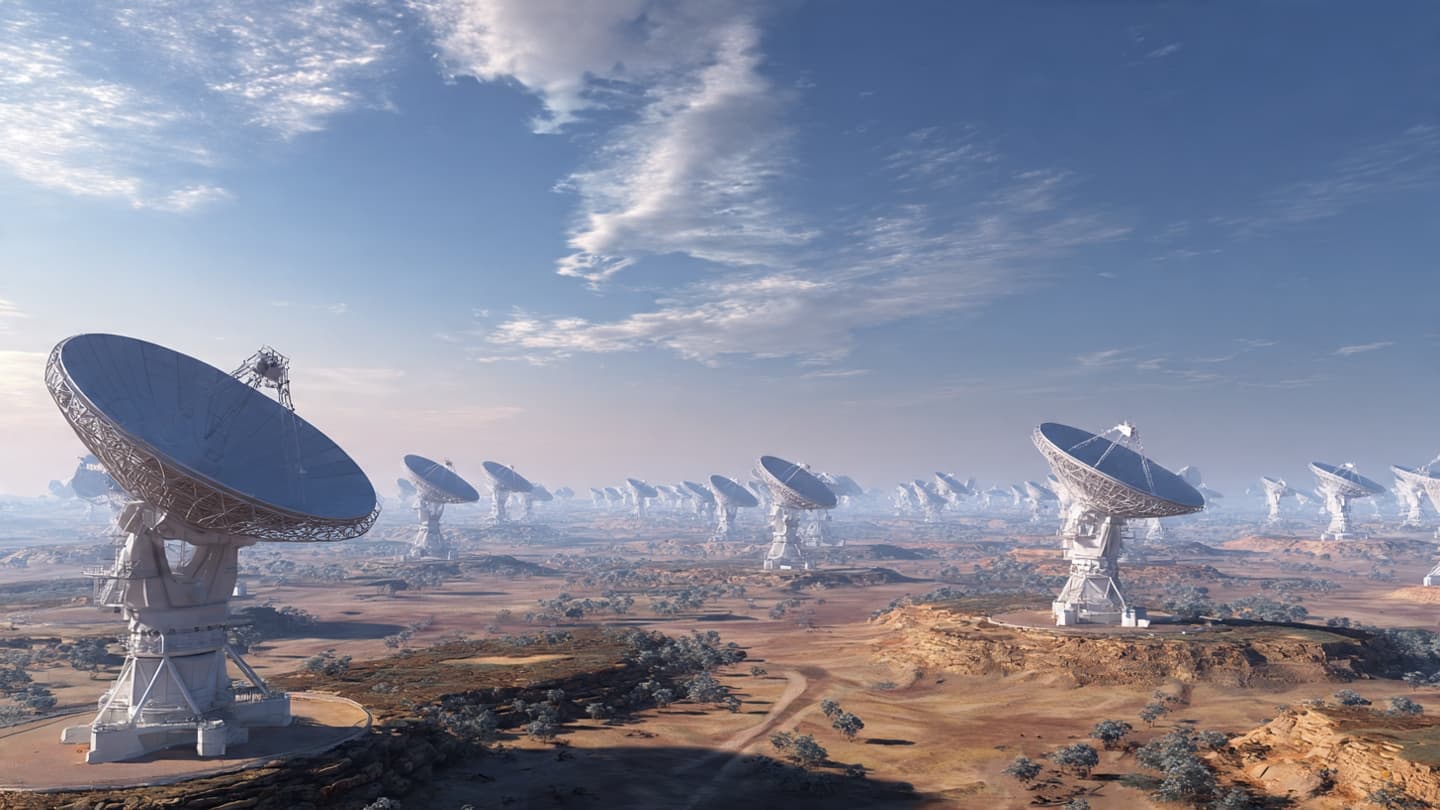
The SKA Observatory is preparing to usher in a new era of radio astronomy with unprecedented observational capabilities.
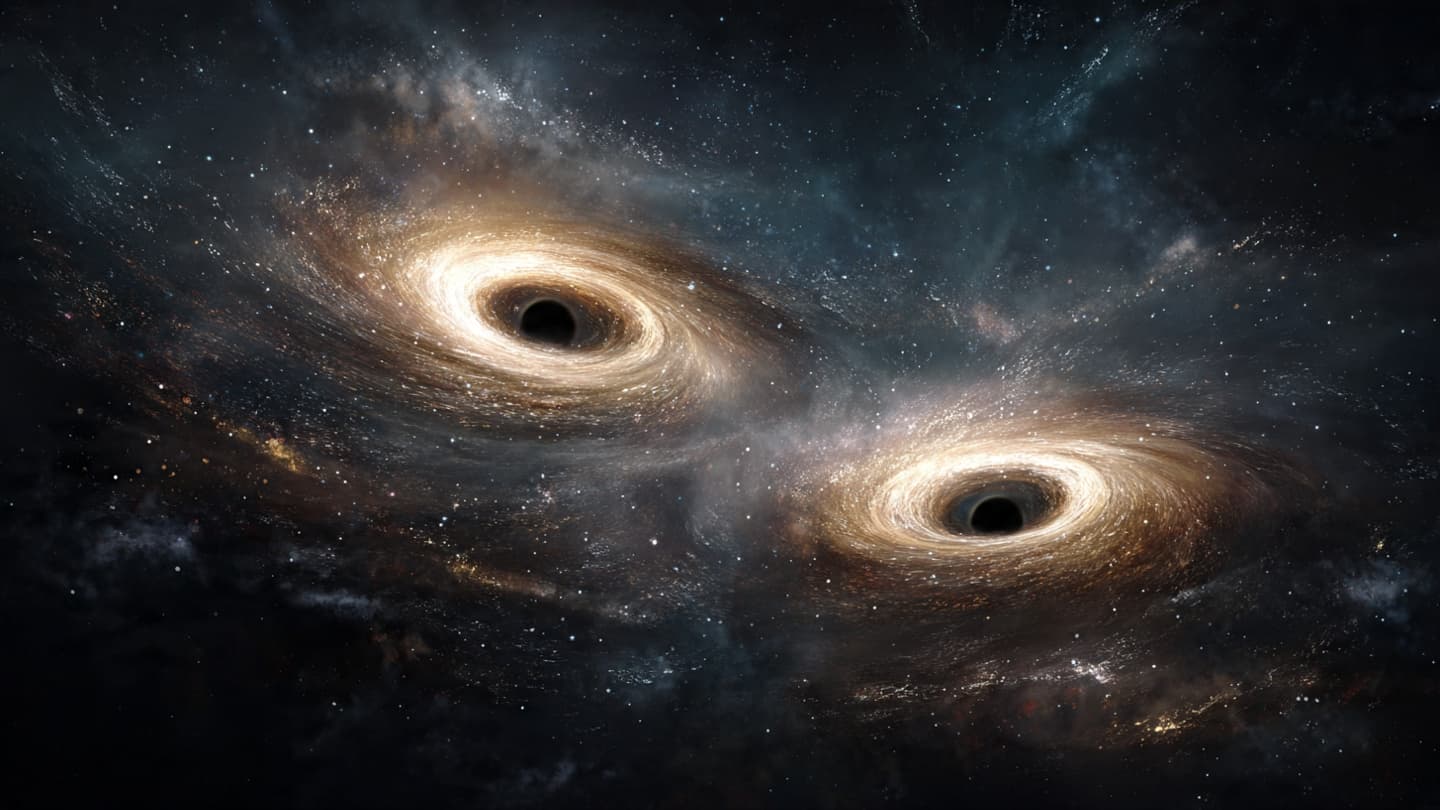
Astronomers have identified a candidate binary system that may contain the largest black hole pair ever observed.
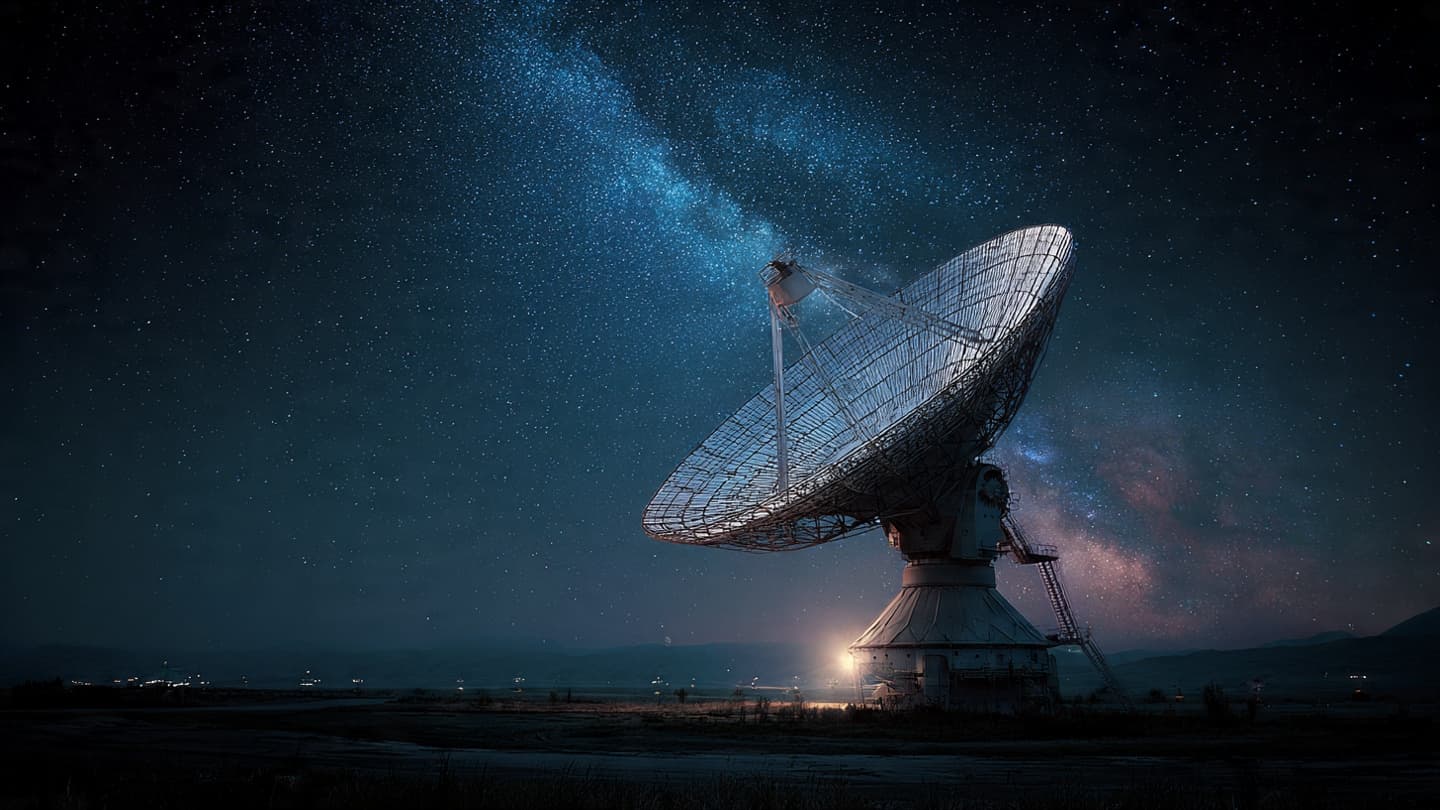
New SETI research suggests that extraterrestrial signals may have reached Earth but remained undetected due to limited search methods.
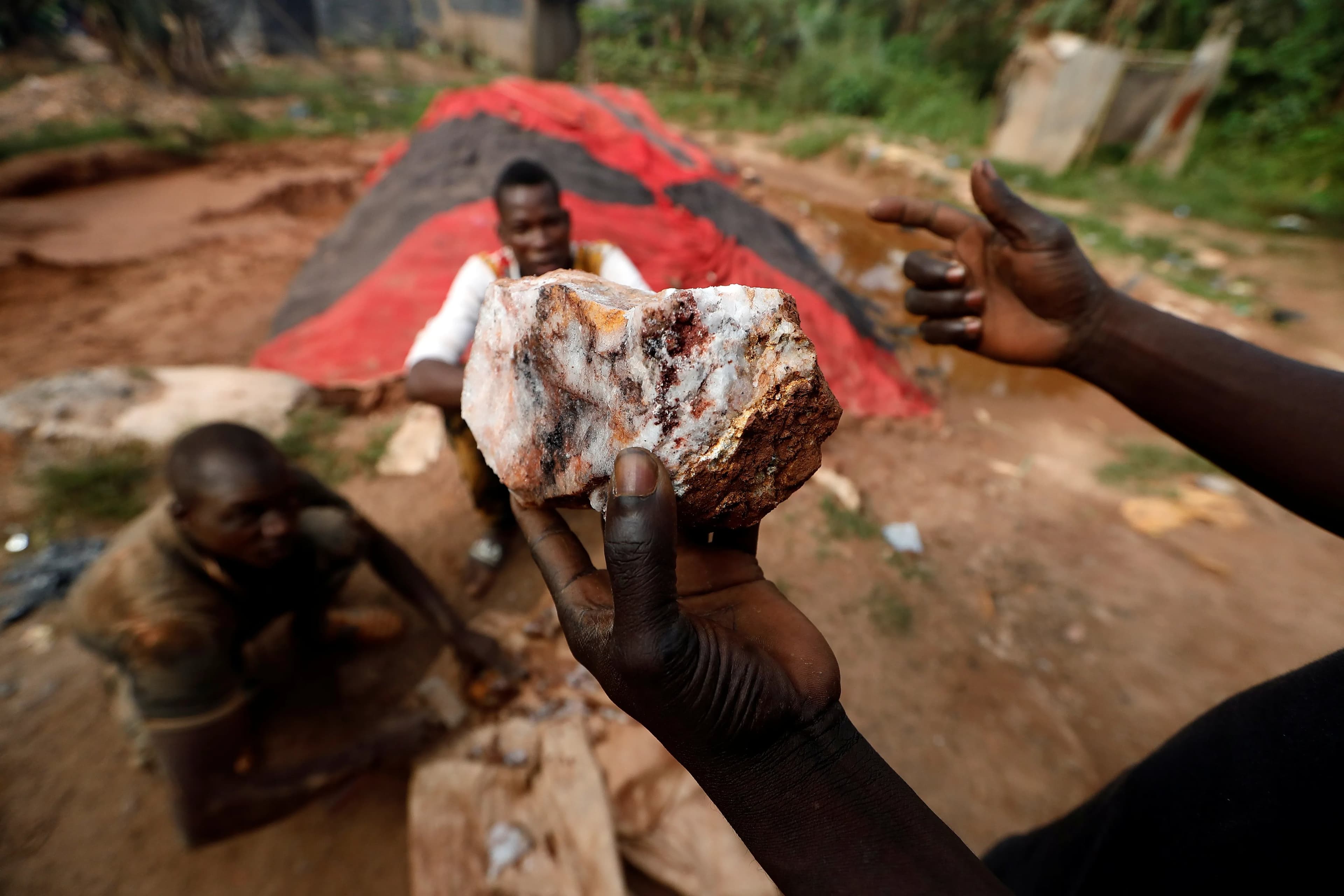
African nations are pushing to retain more value from their gold resources through local refining, processing and stronger control over mining industries.
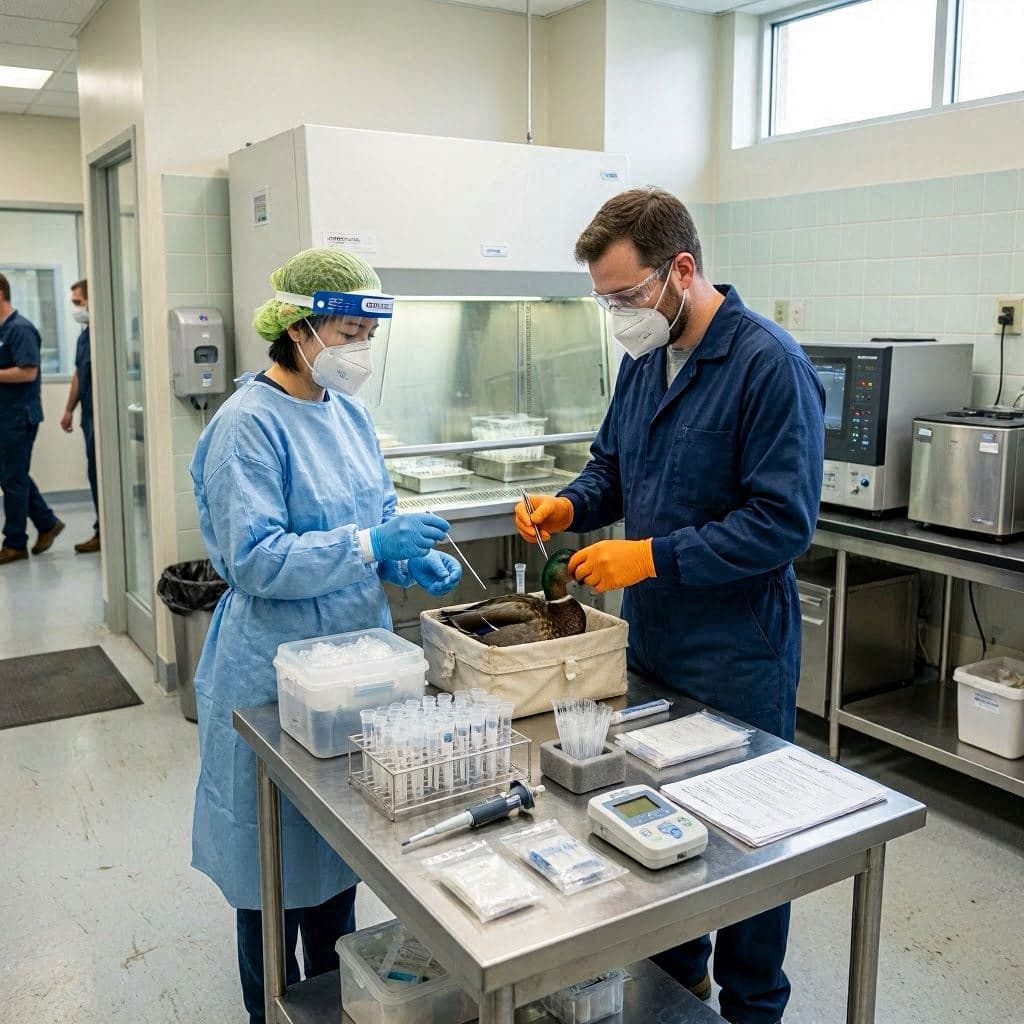
Scientists are monitoring potential risks posed by avian influenza to Australia's native mammal populations.
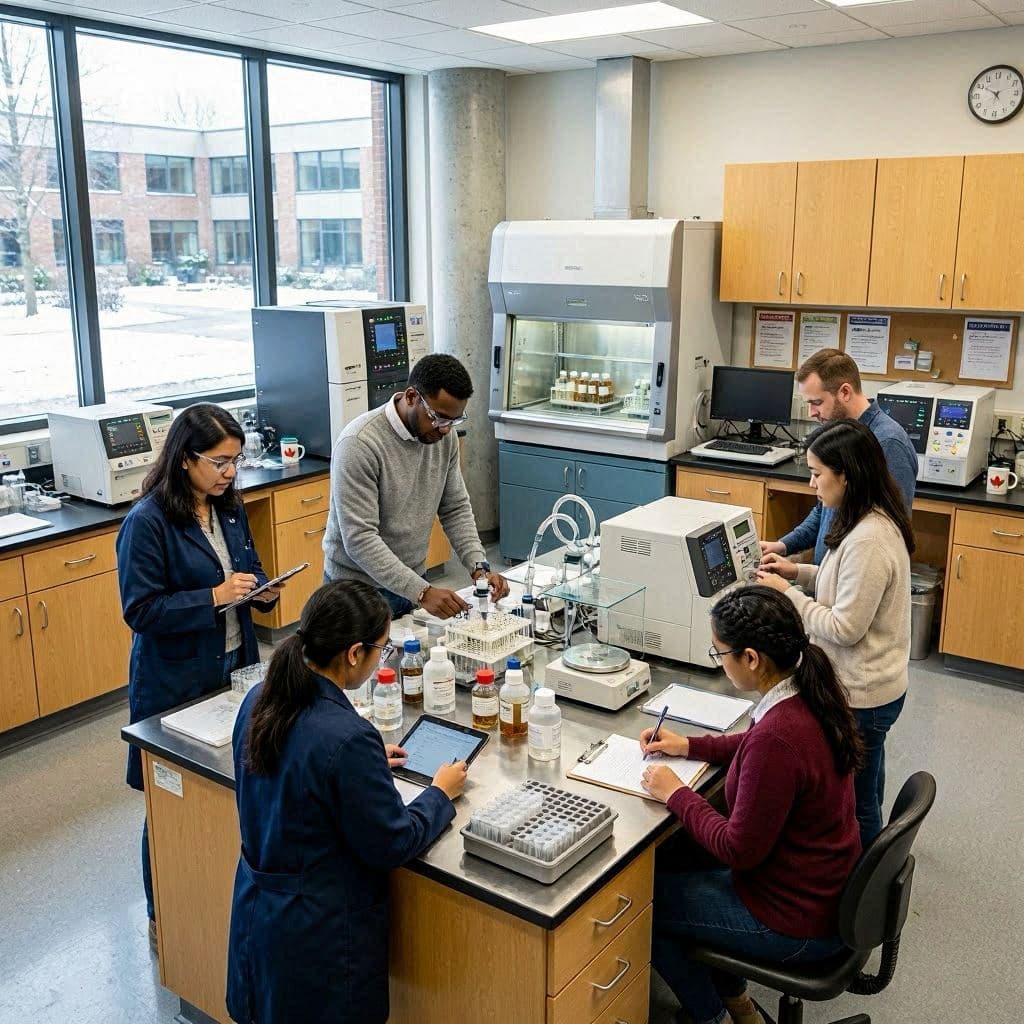
Canadian universities are increasing research funding to attract international scholars and strengthen scientific innovation.
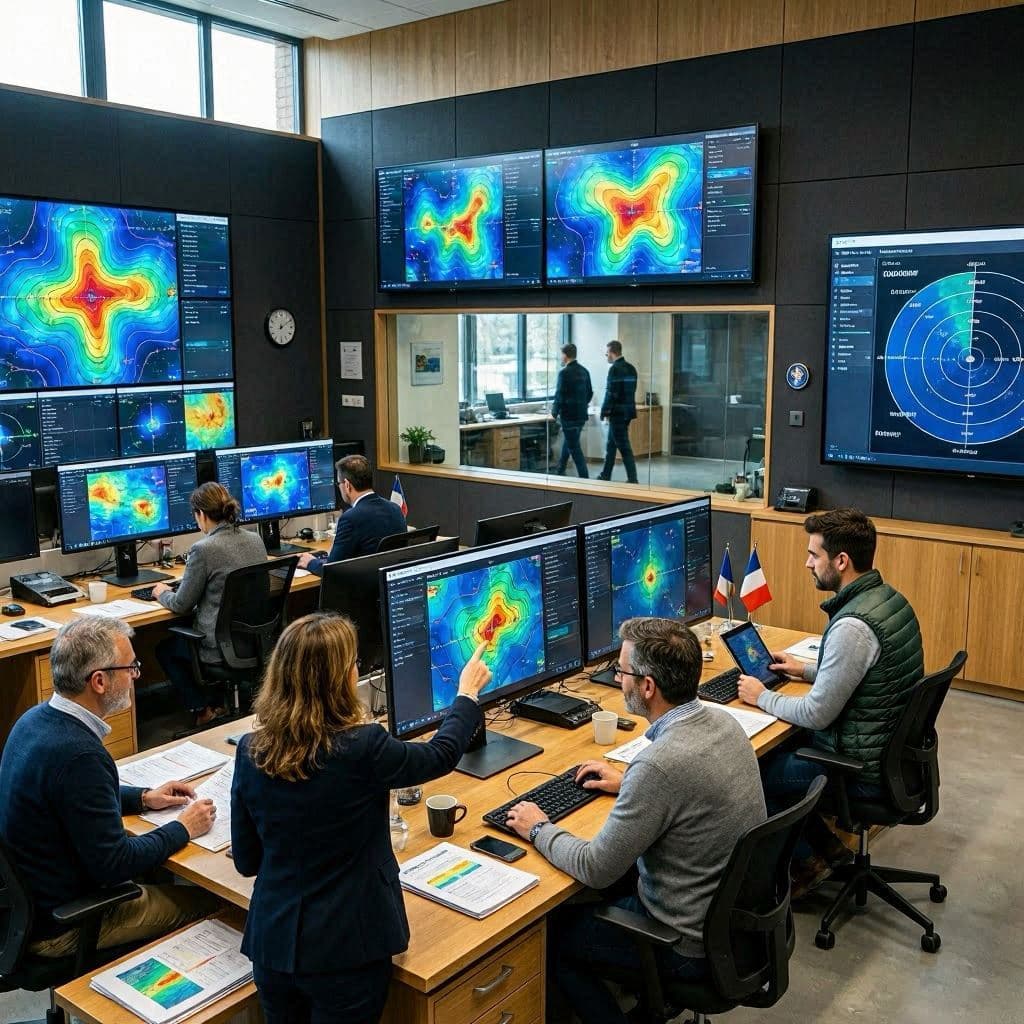
France has recorded its highest national average temperature, highlighting the growing challenge of extreme heat.