The waters surrounding Kadavu Island are known for their profound, isolated beauty, where the Great Astrolabe Reef drops sharply into the deep trenches of the South Pacific. For the fishermen who navigate these waters, the ocean is a familiar workspace, a vast marine highway where they track seasonal catches beneath the wide tropical sky. Yet, this expanse offers little shelter when the weather shifts from a steady trade wind to a dark, maritime tempest.
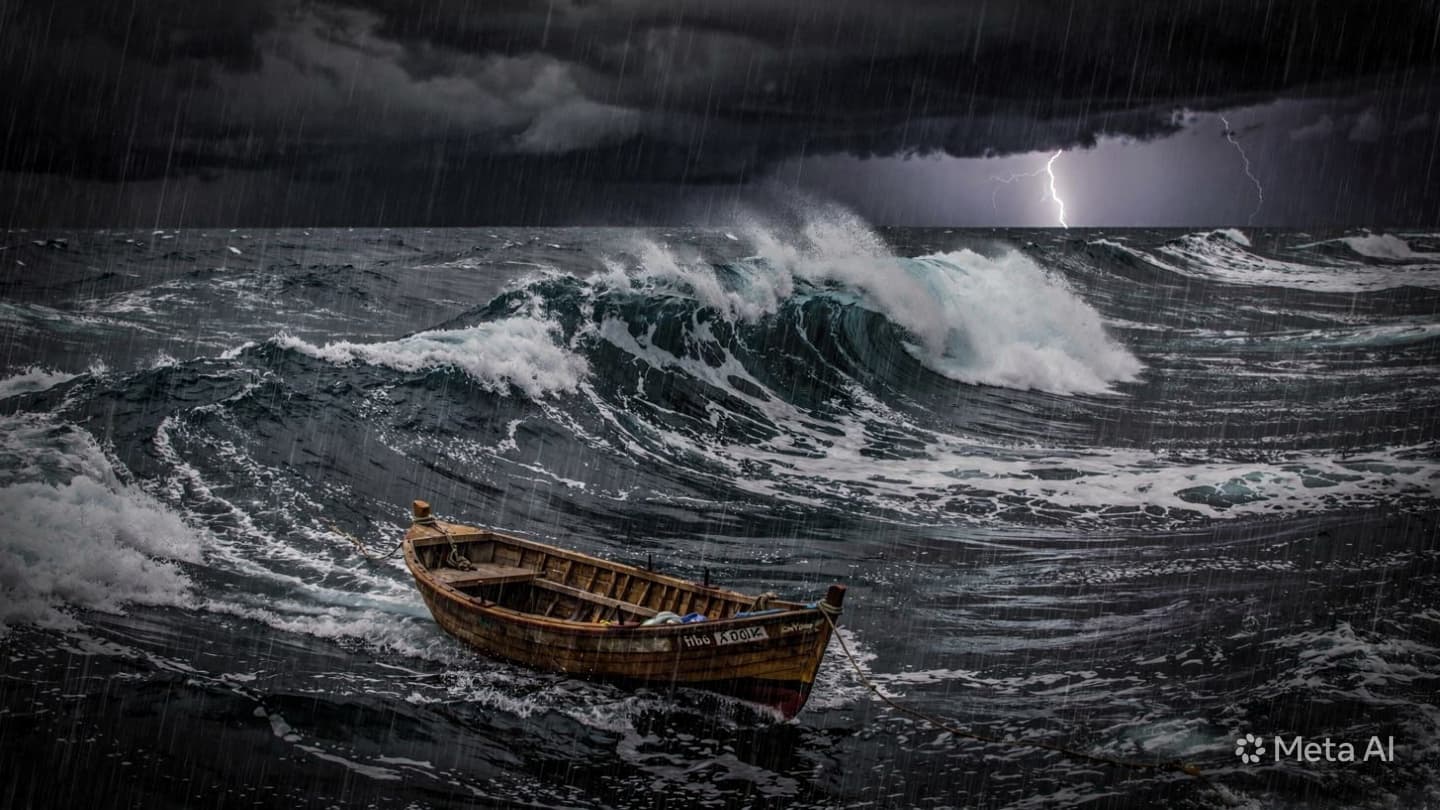
A routine fishing expedition turned into a critical struggle against the elements when a sudden tropical storm intercepted a small wooden vessel. As the first heavy squalls broke over the bow, the boat’s primary engine suffered a terminal mechanical failure, leaving the craft without propulsion. Deprived of the power to steer into the approaching waves, the small boat was immediately at the mercy of the rising seas.
The storm intensified through the afternoon, turning the ocean into a chaotic landscape of towering white-crested waves and driving rain that reduced visibility to a few meters. The five occupants found themselves trapped in a desperate situation, using small containers to bail out the seawater that continuously crashed over the gunwales. Their radio signals, cut by the dense atmospheric static, carried a fragile cry for assistance across the open water.
On the mainland, maritime tracking coordinators received the faint distress alert and immediately initiated a coordinated rescue operation. Despite the hazardous sea state, a specialized naval vessel was dispatched into the storm zone, its crew navigating by radar through the blinding rain. The search area was vast, and the drift of the disabled boat was accelerated by powerful surface currents.
For hours, the stranded fishermen maintained a tense vigil, clinging to the structural frames of the pitching vessel as the darkness of the storm blended with the approach of night. The physical toll of the cold rain and constant motion was severe, yet they worked systematically to keep the boat afloat. Their survival depended entirely on the structural integrity of the hull and the accuracy of the incoming rescuers.
Just before midnight, the powerful searchlights of the navy vessel finally cut through the grey walls of water, locating the disabled craft as it drifted perilously close to an unlit reef system. The rescue team executed a delicate maneuvering sequence, positioning their larger ship to shield the fishing boat from the worst of the breaking waves. One by one, the exhausted fishermen were brought safely over the side.
Medical staff on board immediately treated the survivors for exposure and mild hypothermia, providing warm clothing and fluids as the ship turned back toward the safety of the port. The rescue operation was concluded without a single loss of life, a testament to the proficiency of the maritime services operating in the region's most challenging conditions.
By morning, the storm had begun to exhaust its energy, leaving behind a long, heavy swell that rolled silently past the shores of Kadavu. The rescued crew remained under medical observation, their thoughts lingering on the thin line that separates a routine day at sea from the vast, unforgiving power of a Pacific gale.
Published by Banx Network. This article is part of the Banx decentralized media programme, powered by the BXE token on the XRP Ledger.