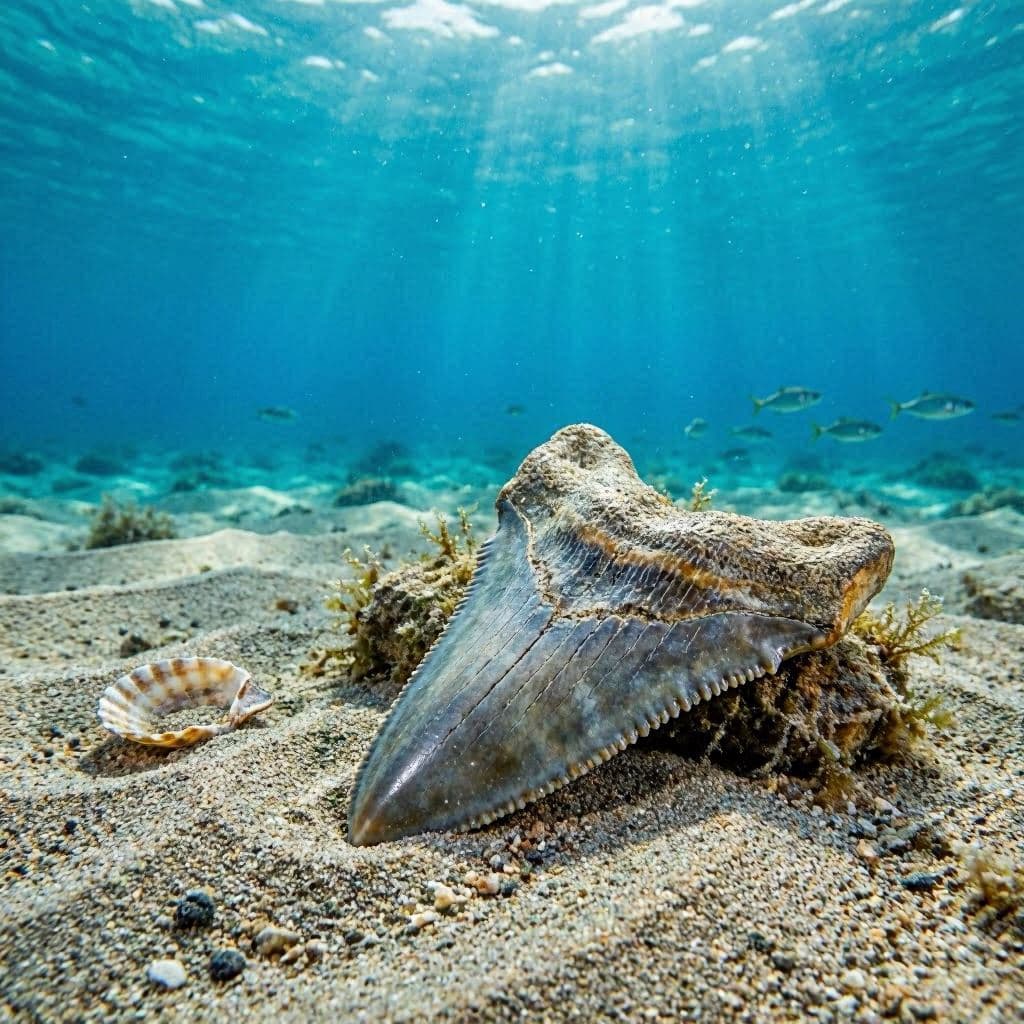
Understanding the Megalodon through careful fossil analysis.
Recent fossil rediscoveries and advanced analysis provide new insights into the Megalodon’s size, diet, and extinction, offering a factual look at the legendary prehistoric shark.

Recent fossil rediscoveries and advanced analysis provide new insights into the Megalodon’s size, diet, and extinction, offering a factual look at the legendary prehistoric shark.

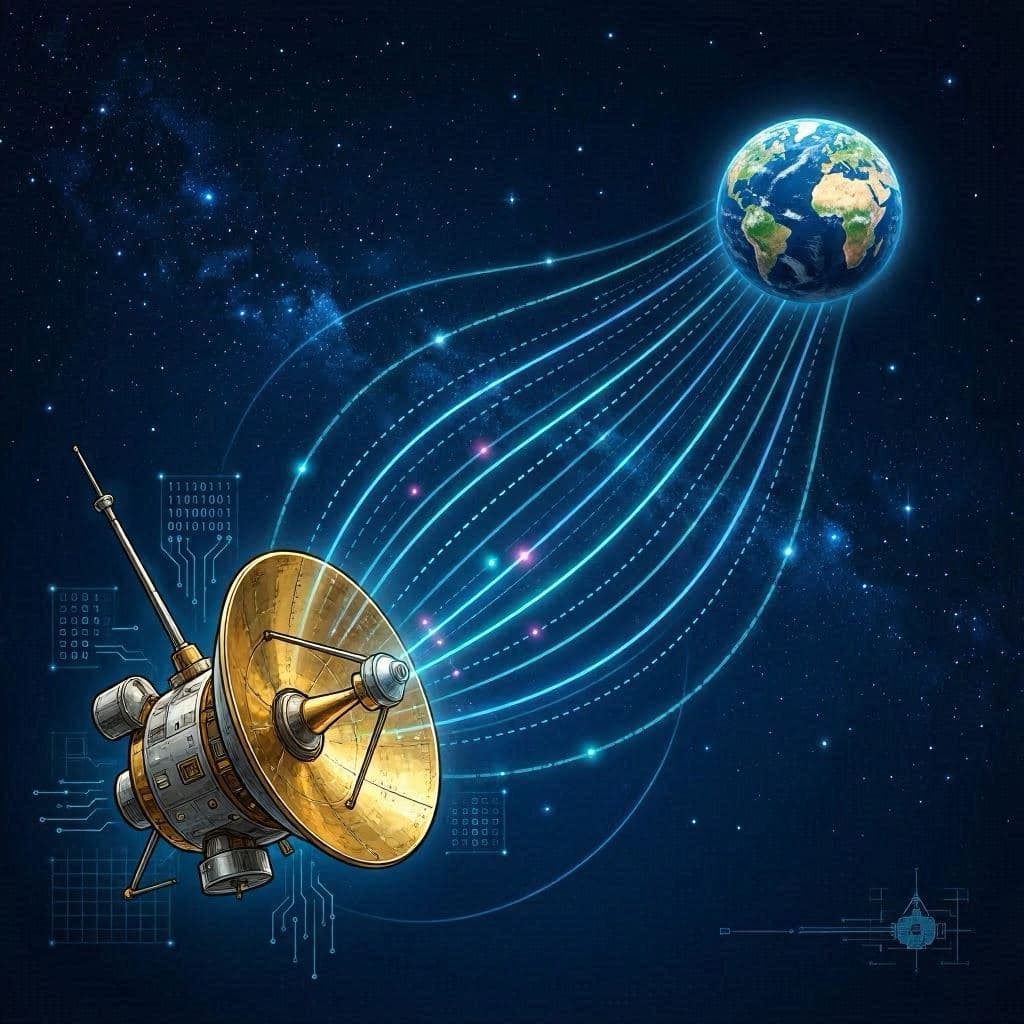
NASA engineers successfully restored Voyager 1’s communication by remotely relocating corrupted code around a failed memory chip, reviving the 46-year-old spacecraft from billions of kilometers away.

Astronomers and historians collaborate to identify a mysterious celestial object described in ancient texts, revealing it as a rare planetary alignment or comet, bridging the gap between myth and scientific observation.

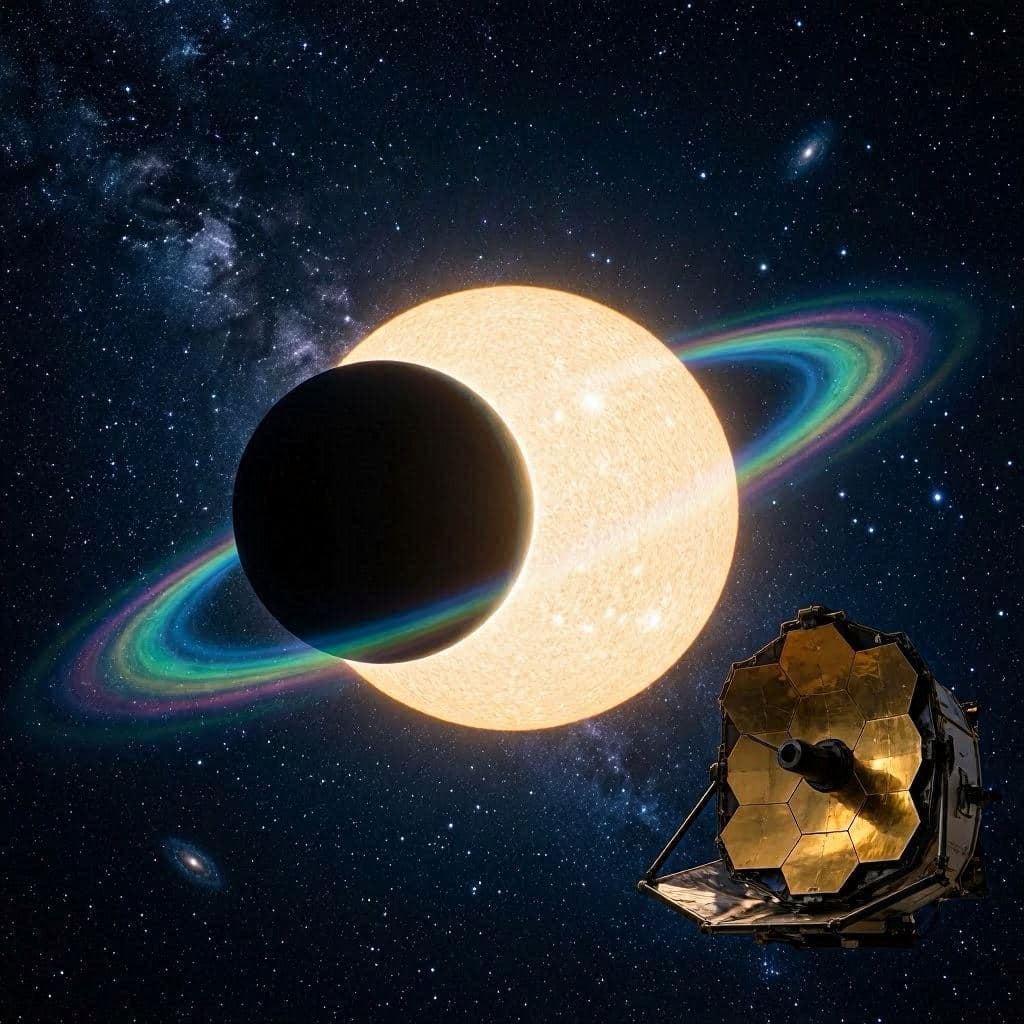
Astronomers have detected promising signs of water vapor around a nearby exoplanet, providing valuable insights into planetary atmospheres and the diversity of worlds beyond our solar system.

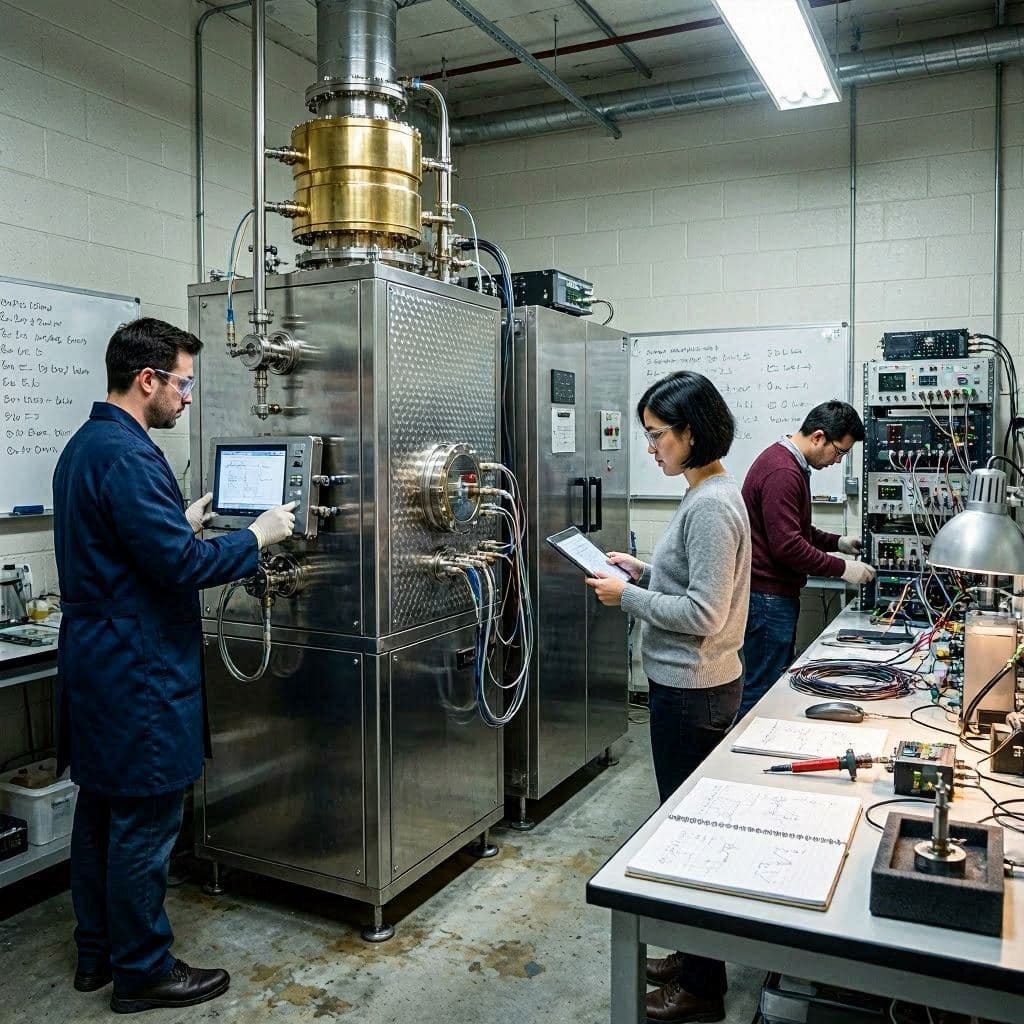
Scientists have achieved a significant breakthrough in quantum computing error correction, improving qubit stability and advancing the development of reliable quantum computers.

A new study suggests that changes in the Antarctic Ice Sheet could gradually influence global ocean circulation, highlighting the importance of continued climate research.

An international research team has mapped a previously unknown region of the human brain, providing new insights into brain organization and future neuroscience research.

Scientists have developed a more efficient solid-state battery material that could improve electric vehicle safety, charging speed, durability, and driving range.

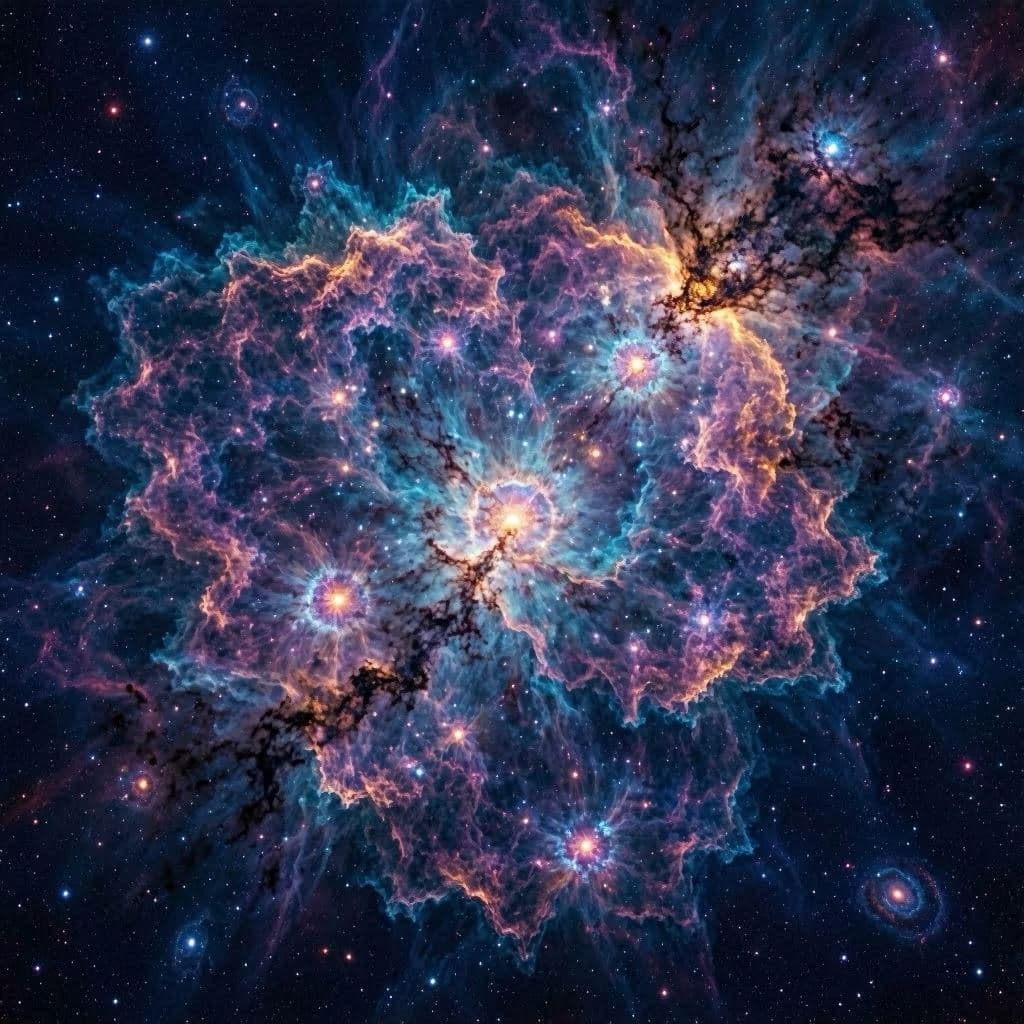
NASA has released new images revealing previously hidden structures inside a distant nebula, providing scientists with fresh insights into star formation and cosmic evolution.

Researchers have developed an AI-powered earthquake detection system that improves early warning capabilities using advanced seismic analysis.

Japanese researchers have improved perovskite solar cell technology, advancing renewable energy research and future commercial applications.

Scientists have identified previously unknown deep-sea species during a Pacific expedition, expanding knowledge of marine biodiversity.

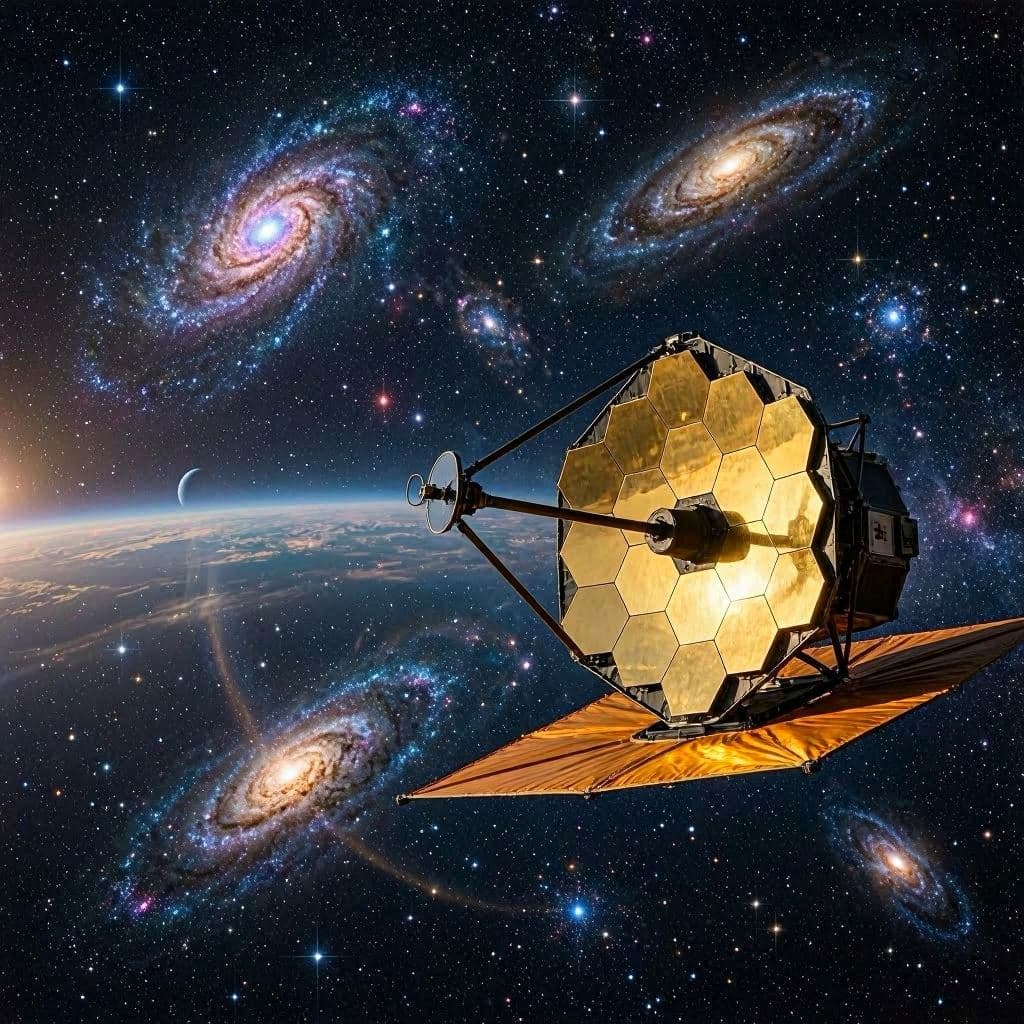
The James Webb Space Telescope has revealed new atmospheric details from distant exoplanets, advancing planetary science research.

ESA's Euclid mission has released new observations that will help scientists study dark matter, dark energy, and cosmic evolution.

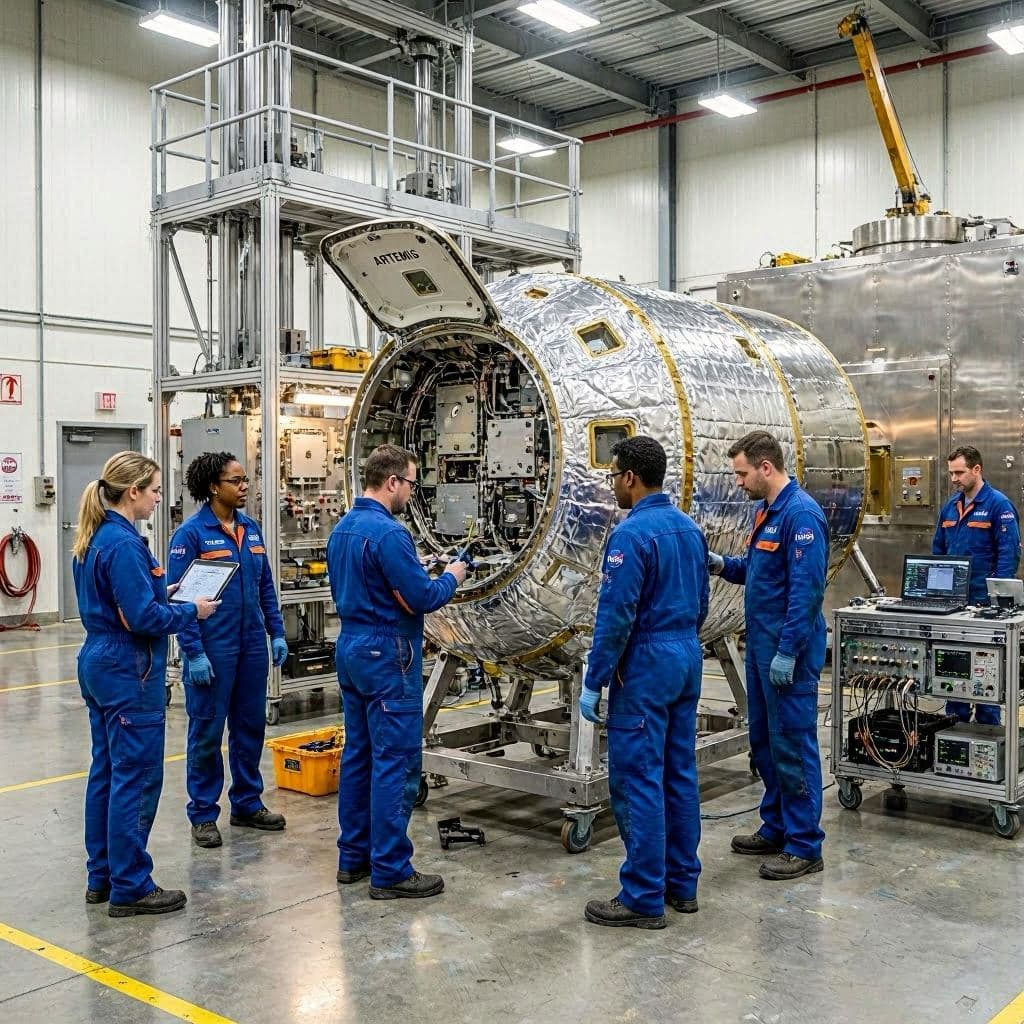
NASA has completed additional Artemis system tests, advancing preparations for future lunar missions and long-term space exploration.

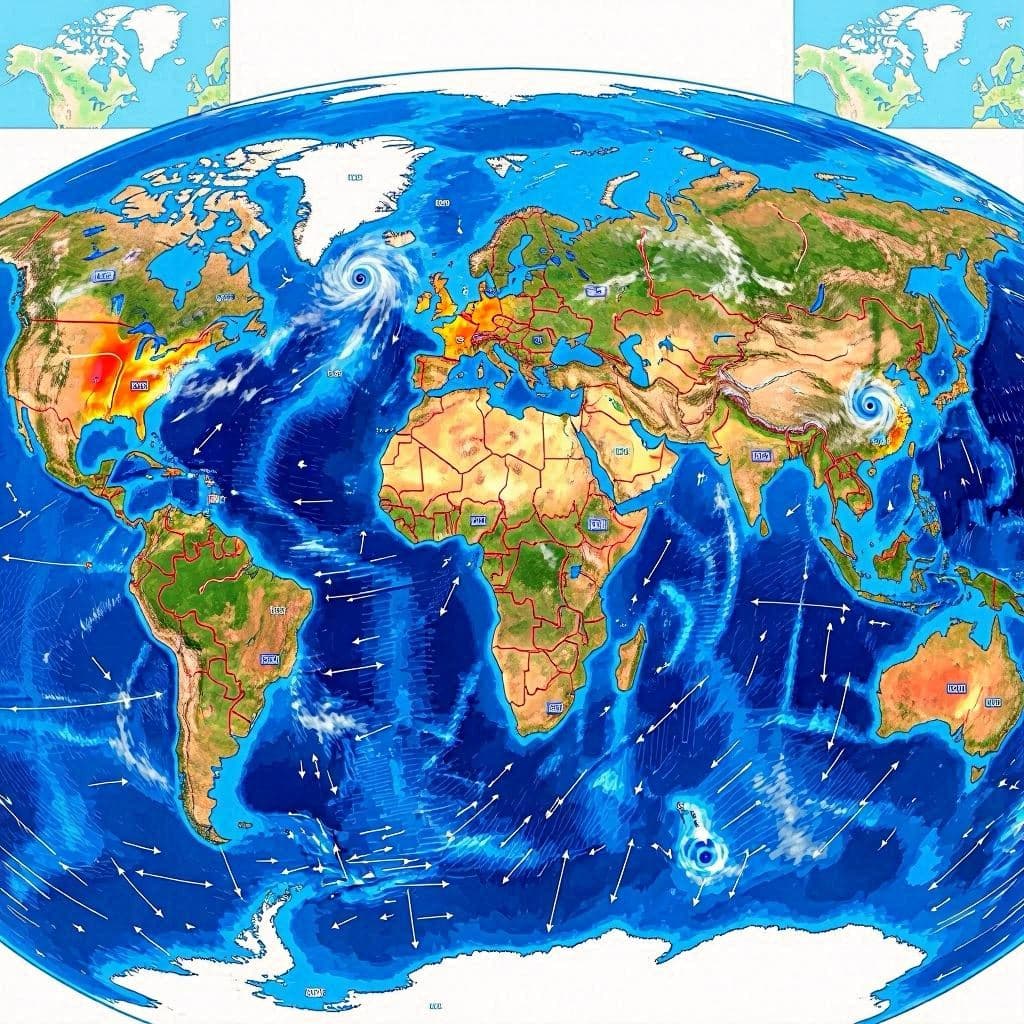
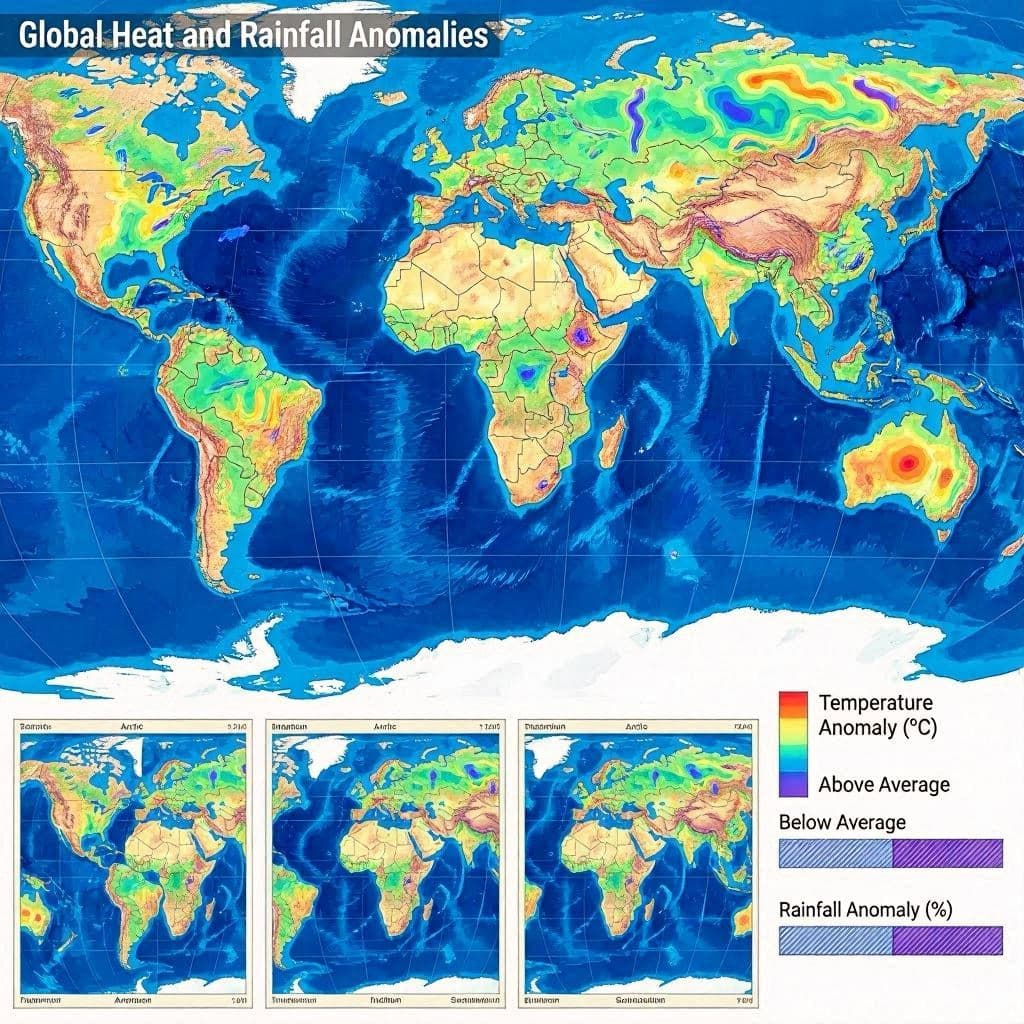
WMO reports early 2026 marked by global extreme weather, including heatwaves, floods, and storms linked to shifting climate patterns.

James Webb observations suggest possible “black hole star” candidates in the early universe, though classification remains theoretical.

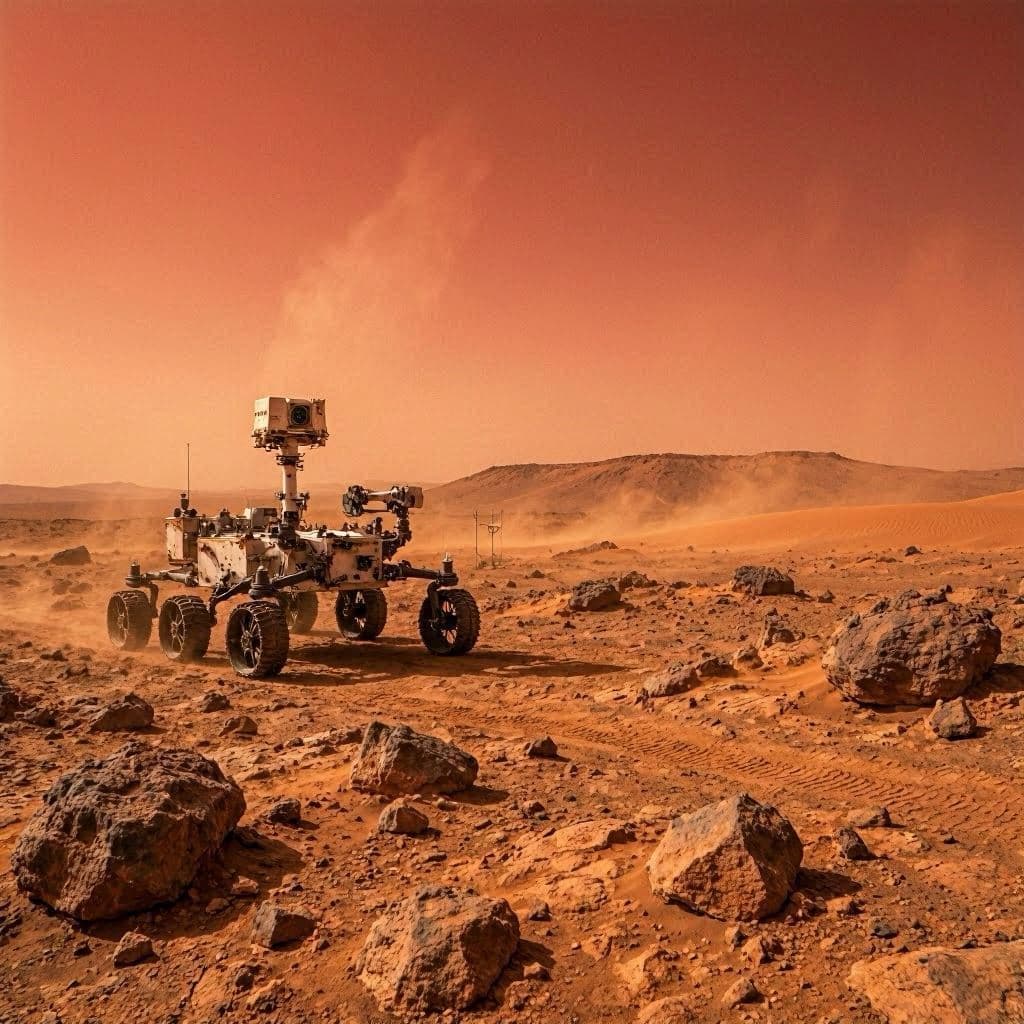
NASA’s Perseverance rover detects complex organic materials on Mars, raising questions about the planet’s ancient chemical history.

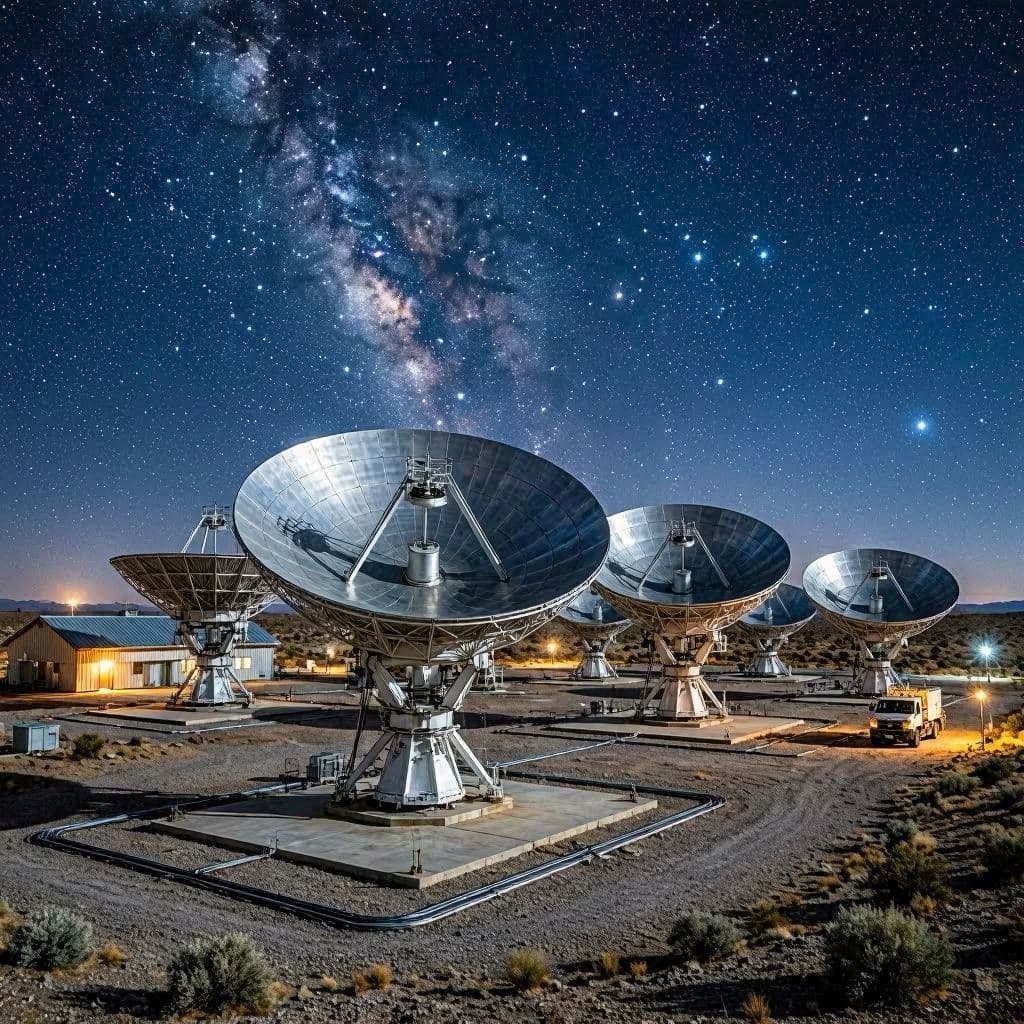
SETI researchers explore the possibility that alien signals may have already reached Earth but gone undetected due to current detection limits.

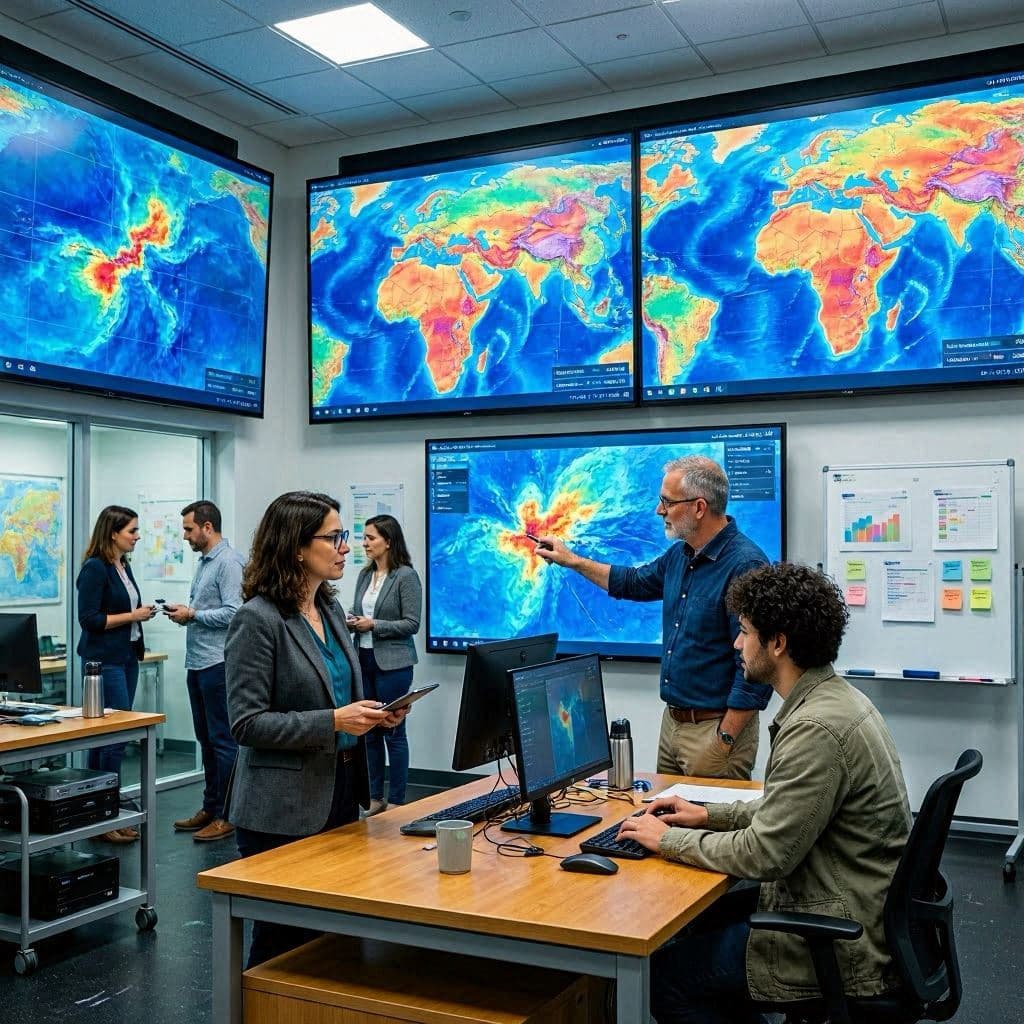
Scientists warn El Niño 2026 may intensify global heatwaves, floods, and droughts, increasing climate variability worldwide.

Australian authorities review claims involving One Nation public funding, highlighting ongoing scrutiny of political finance transparency.

US drug pricing policy raises concerns in Australia over potential impacts on PBS and global pharmaceutical pricing dynamics.

NOAA confirms El Niño development, raising global concerns over shifting rainfall, temperature extremes, and weather unpredictability across regions.

Neil, a grey seal in Britain, is known for disruptive behavior, sparking debate over whether he is lonely, poorly socialized, or exhibiting natural juvenile instincts.