Every generation leaves behind a different map of discovery. Centuries ago, explorers traced coastlines that had never been recorded. Today, humanity looks beyond Earth's horizon, where the Moon and Mars have become destinations not only of curiosity but also of scientific ambition. NASA continues to shape that journey by developing technologies designed to support future deep-space exploration.
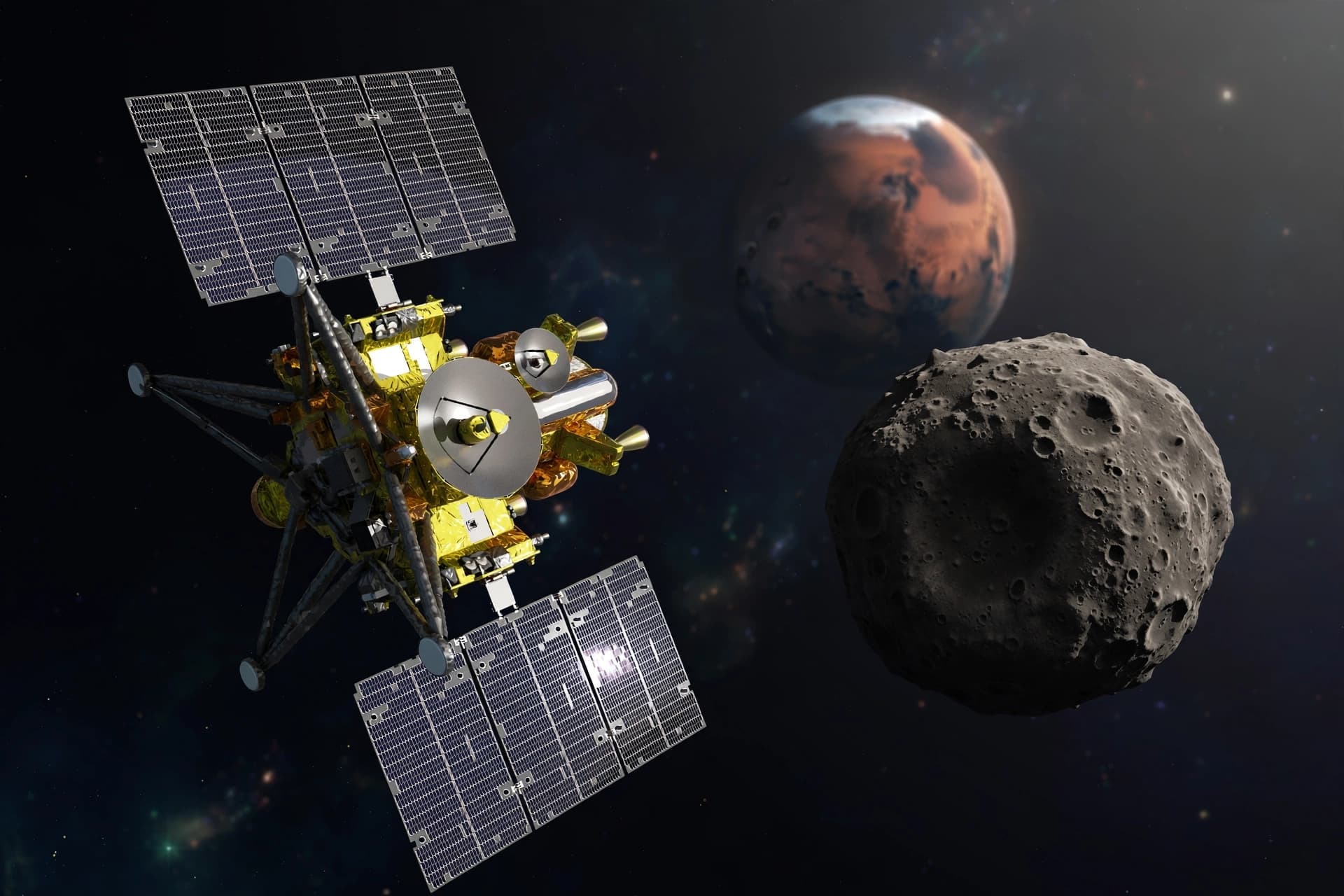
Engineers and researchers at NASA are advancing several new systems intended for upcoming Artemis missions to the Moon and future crewed missions to Mars. These technologies include improved life-support systems, more efficient power generation, advanced propulsion concepts, autonomous navigation, and next-generation landing capabilities.
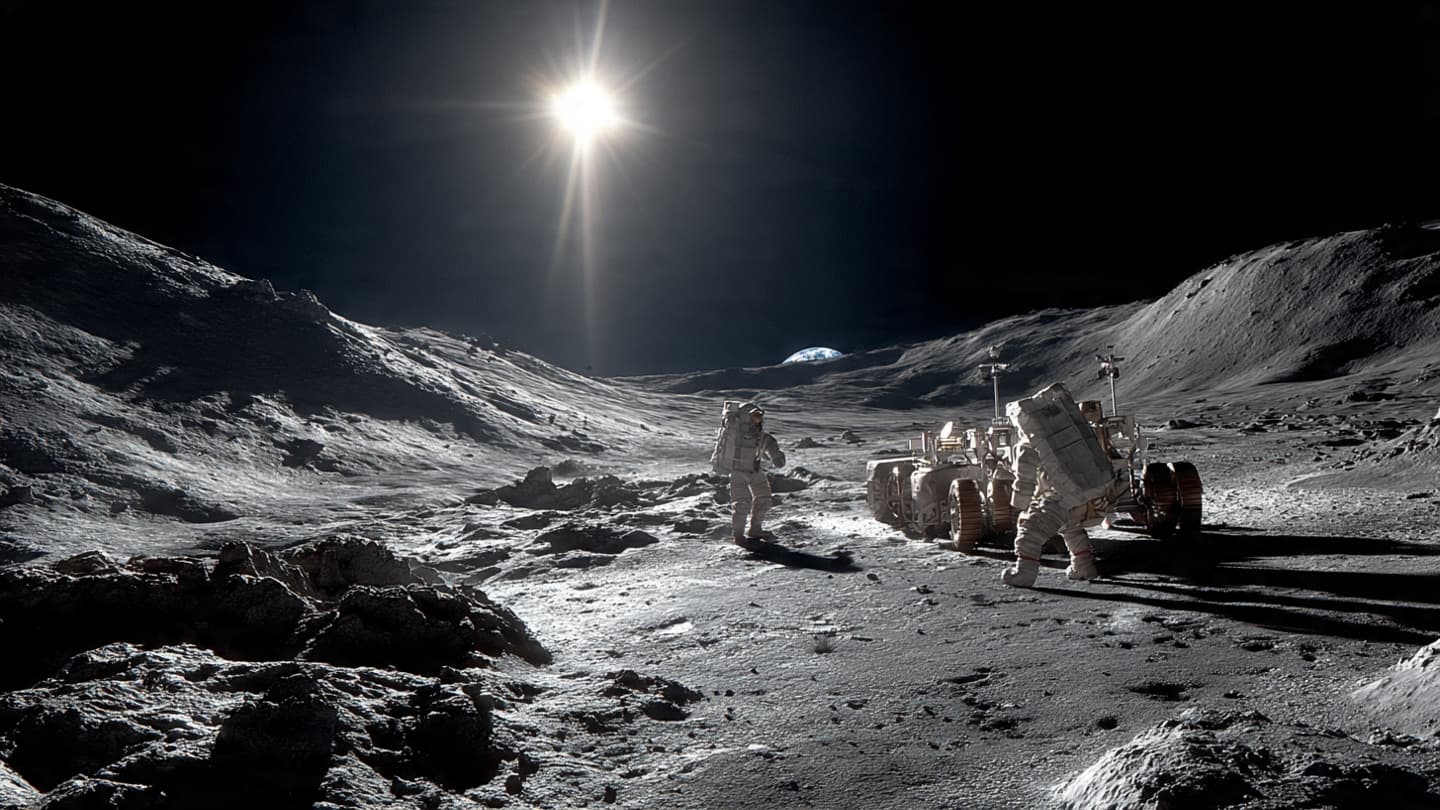
One major focus is ensuring astronauts can safely operate for extended periods beyond Earth's orbit. Unlike missions to low Earth orbit, lunar and Martian expeditions require equipment capable of functioning independently for weeks or even months in harsh environmental conditions.
NASA is also investing heavily in sustainable exploration. Engineers are developing technologies that may allow astronauts to utilize local resources, such as extracting oxygen from lunar soil or producing fuel using materials found on planetary surfaces. These innovations could reduce the need to transport large quantities of supplies from Earth.
Artificial intelligence is expected to play an increasingly important role during future missions. Autonomous systems may assist astronauts by monitoring spacecraft health, identifying technical issues, supporting scientific research, and helping crews make operational decisions during long-duration flights.
The agency continues collaborating with commercial aerospace companies, universities, and international partners. This cooperative approach enables NASA to accelerate technological development while expanding opportunities for scientific research and innovation across multiple disciplines.
Scientists believe that each technological breakthrough achieved during space exploration also benefits life on Earth. Advances in communications, robotics, medical technologies, environmental monitoring, and materials science have historically emerged from investments in space research.
As preparations continue for future lunar and Martian missions, NASA's newest technologies reflect a long-term vision that extends beyond individual launches. Each innovation represents another step toward expanding humanity's understanding of the solar system while inspiring future generations of scientists and engineers.
AI Image Disclaimer: The accompanying illustration was generated using artificial intelligence for editorial purposes and is intended only as a visual representation of the topic.
Source Verification Check: NASA, SpaceNews, Space.com, Jet Propulsion Laboratory (JPL)
Published by Banx Network. This article is part of the Banx decentralized media programme, powered by the BXE token on the XRP Ledger.