SCIENCE94% credibility
Unraveling the Sun: The Braid Study
Researchers have found that small-scale magnetic reconnection events cause the braided magnetic fields above sunspots, offering new insights into solar dynamics and heating.
2 min read

Researchers have found that small-scale magnetic reconnection events cause the braided magnetic fields above sunspots, offering new insights into solar dynamics and heating.
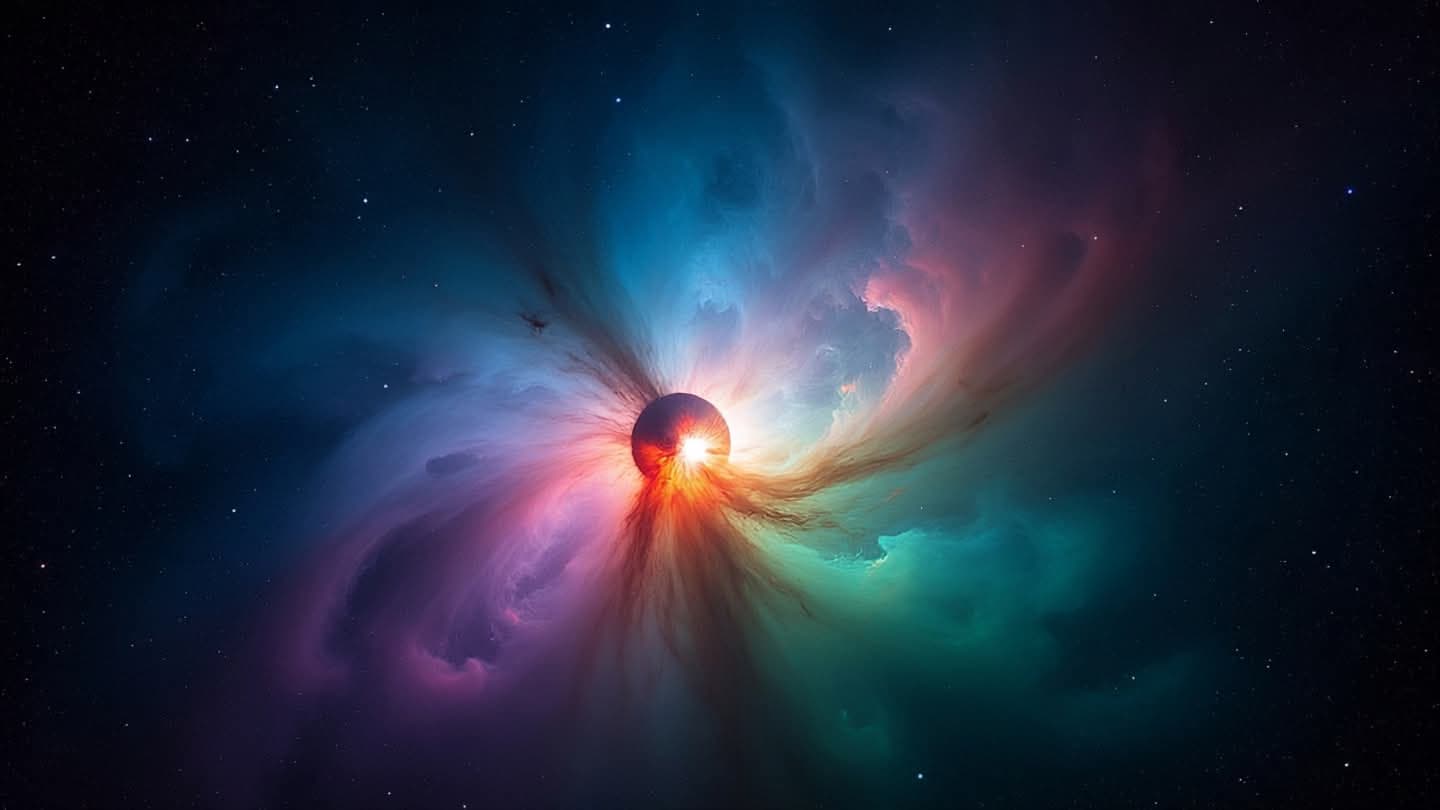
A new telescope in Chile has captured the missing link in cosmic matter recycling by observing gas clumps ejected by dying stars, enhancing our understanding of stellar evolution.

A historic "super" El Niño is predicted to affect British Columbia with drought and warmer temperatures, impacting water supplies and marine ecosystems.
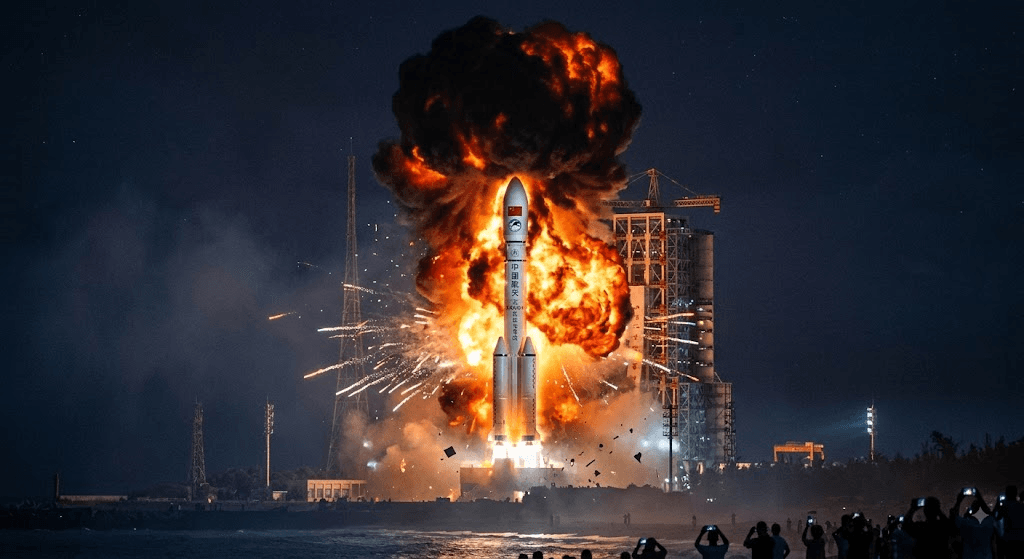
A Chinese Long March 7A rocket exploded 85 seconds after liftoff from Wenchang, destroying the ChinaSat-4B satellite. Telemetry is being analyzed to find the cause. No injuries were reported.

Hungary’s prime minister says the government will build a weir and use barges to keep Danube cooling intake workable.

Millions watched a major solar eclipse across the UK and parts of Europe, with some areas experiencing total darkness.
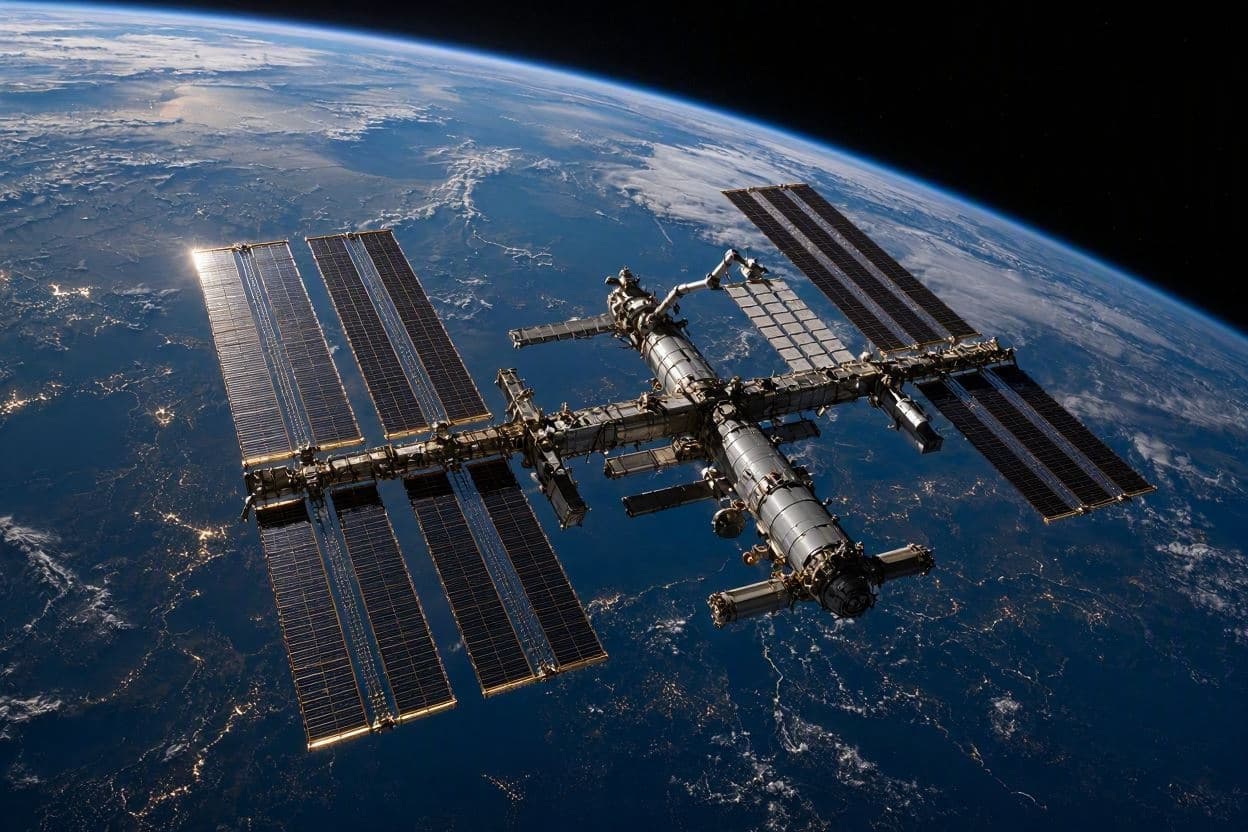
NASA unveiled new ISS research on life support and human health, providing critical data for future Moon and Mars missions.

Computer simulations reveal that a single ant can initiate collective behavior in a colony, demonstrating the power of individual action in swarm intelligence.

Arbuscular mycorrhizal fungal networks, stretching over 100 quadrillion kilometers, help plants survive climate change by storing carbon and providing nutrients.

X-ray imaging has unveiled the inner workings of leaf stomata, aiding the development of crops that use water more efficiently and withstand drought better.

Busseiron, a distinct Japanese physics discipline focusing on the theory of matter, has evolved from a Meiji-era pedagogical tool to a foundational element of modern Japanese scientific thought.
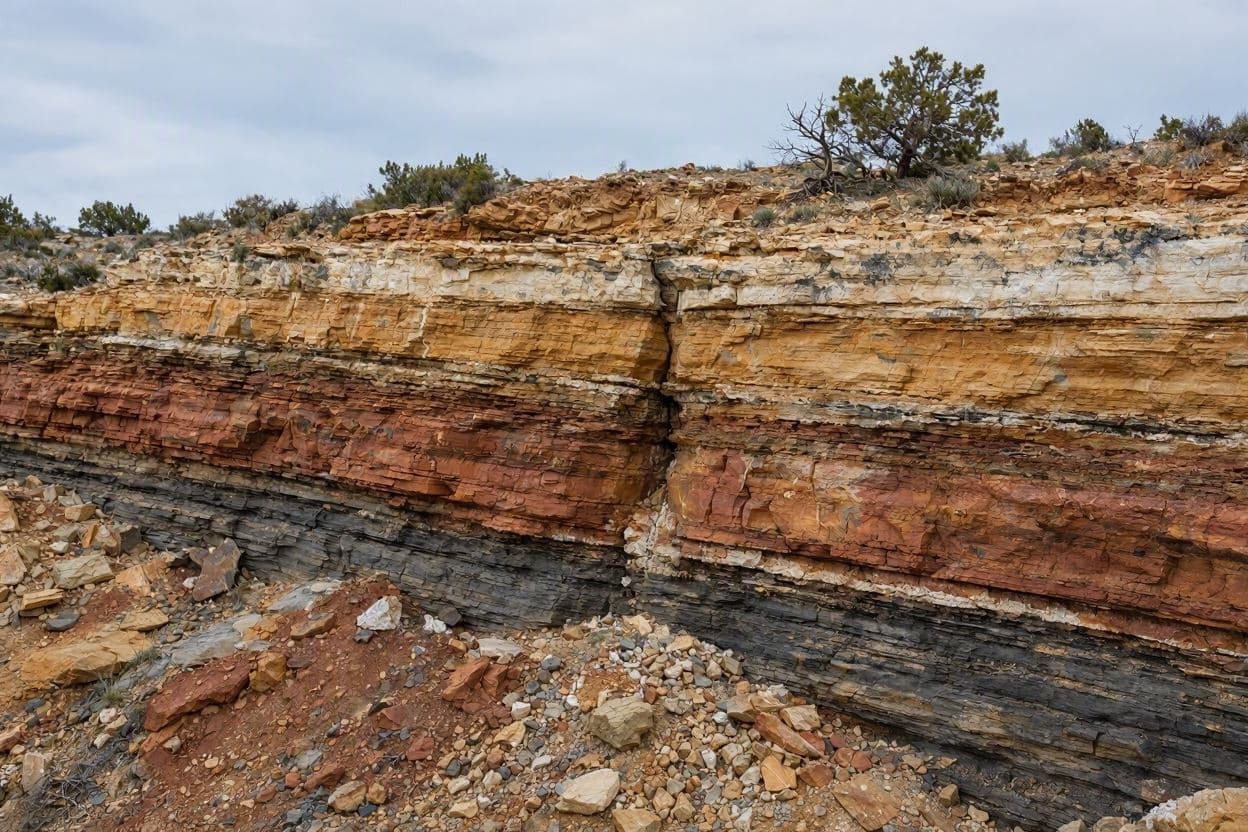
Research on ancient warming events suggests Earth has crossed climate tipping points before, highlighting the urgent need to limit current global temperature rise.
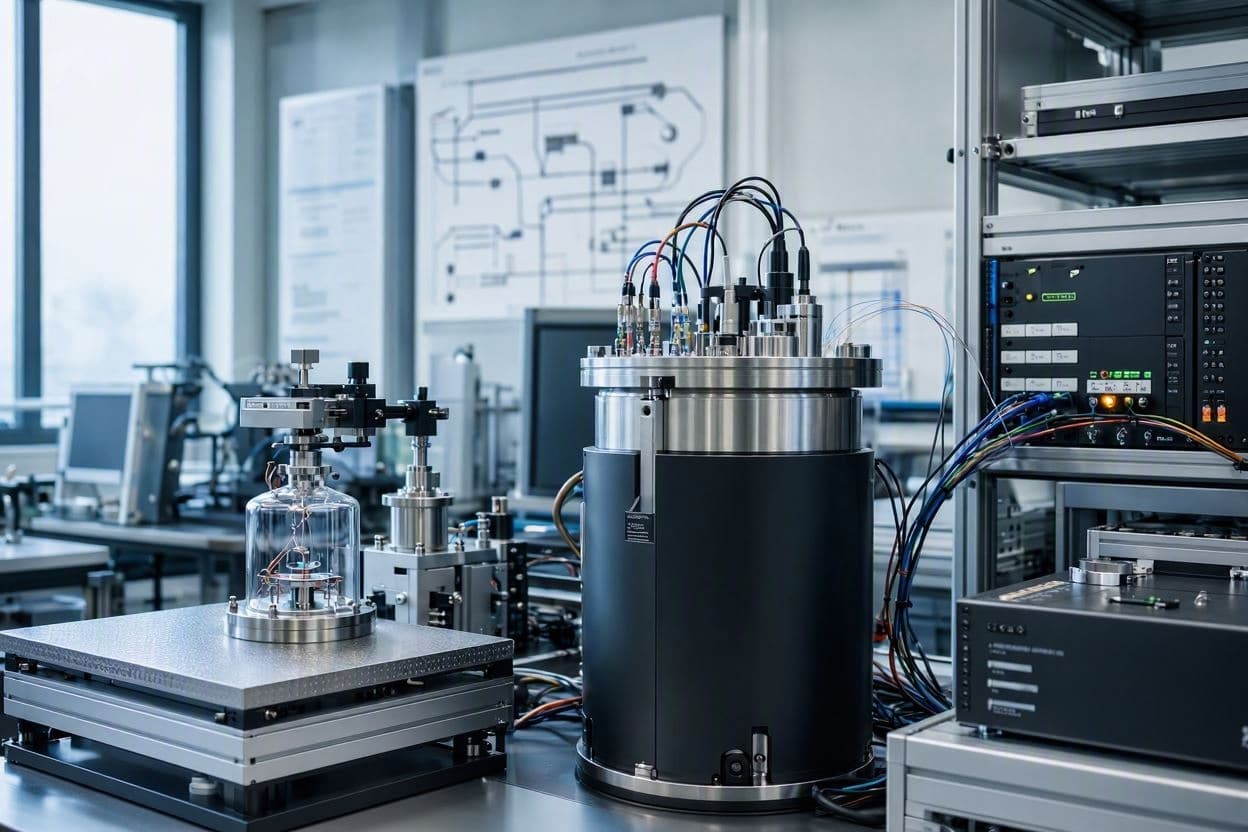
Research shows that energy leakage from quantum systems can enhance and spread entanglement, offering new possibilities for quantum technology design.
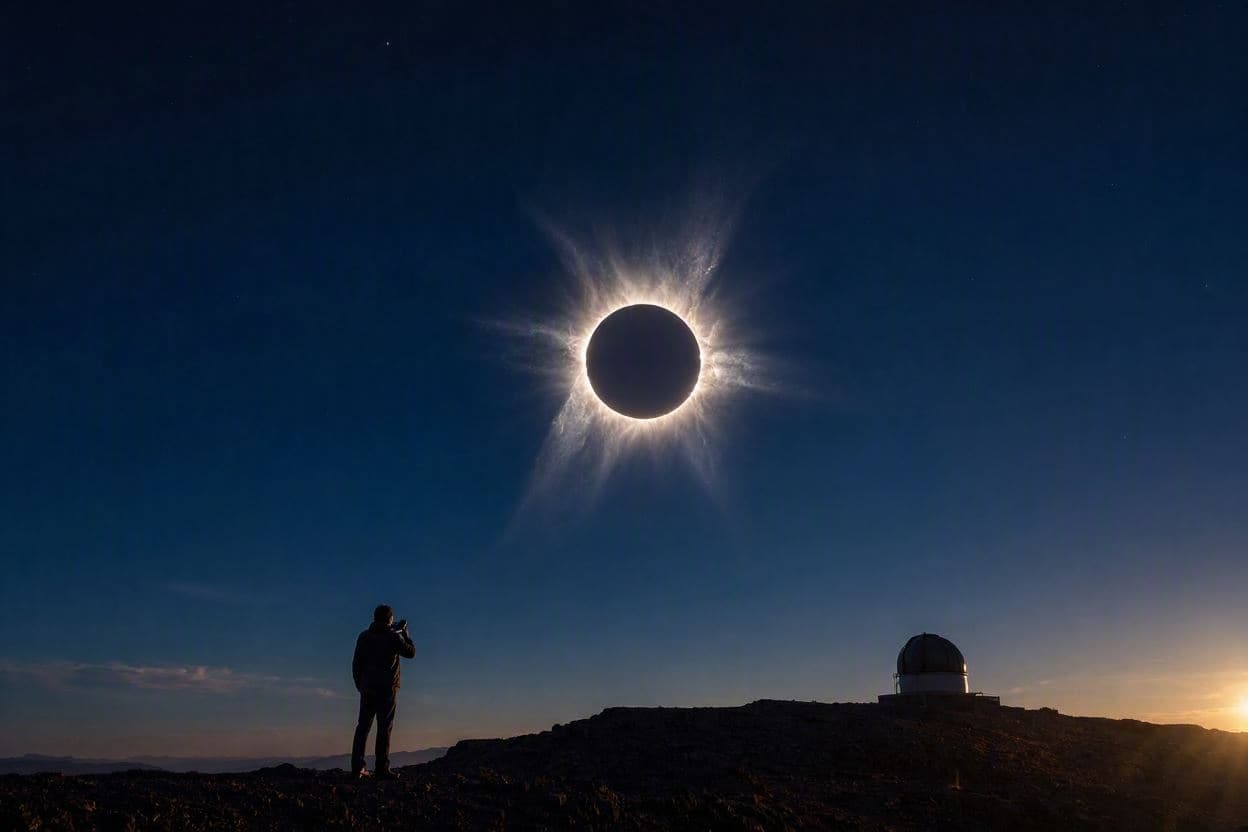
ESA’s Proba-3 satellites are creating artificial eclipses to study the solar corona and improve predictions for the upcoming natural eclipse in August 2026.
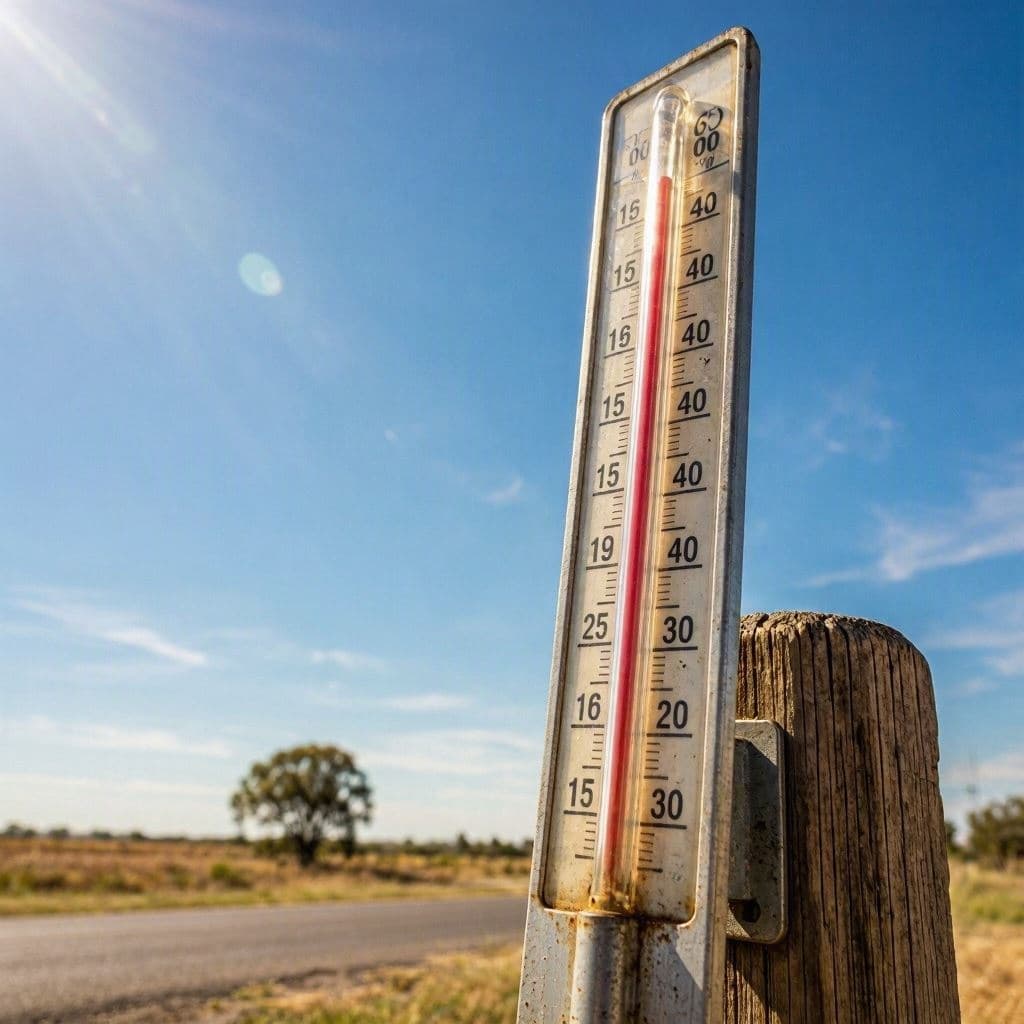
July 2026 set global heat records, but California’s temperatures were moderated by coastal influences, highlighting the complex regional impacts of climate change.

Scientists simulating ant swarms discovered that a single ant can initiate movement across the entire colony, revealing the significant influence of individuals in decentralized groups.
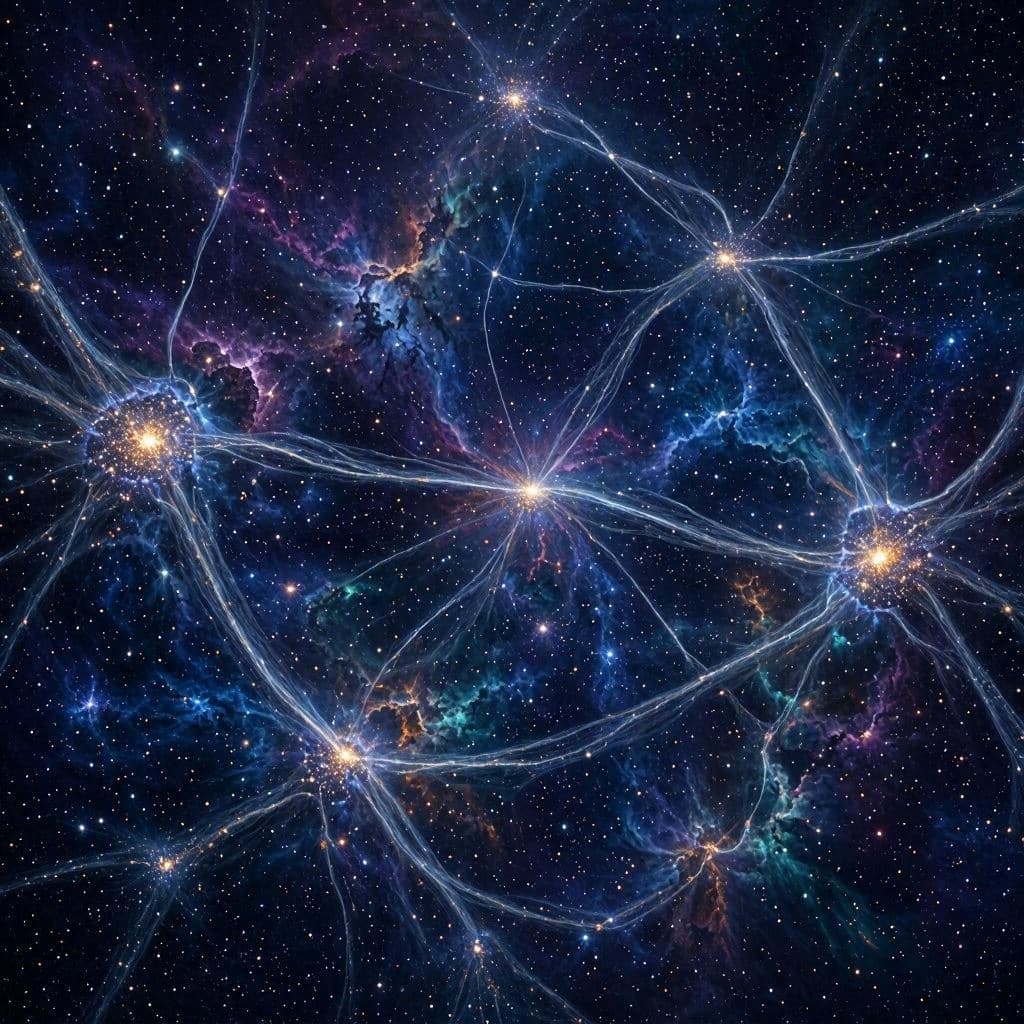
Scientists have created the largest 2D map of the universe with 5.6 trillion pixels and 4 billion objects, aiding research into dark energy and cosmic structure.
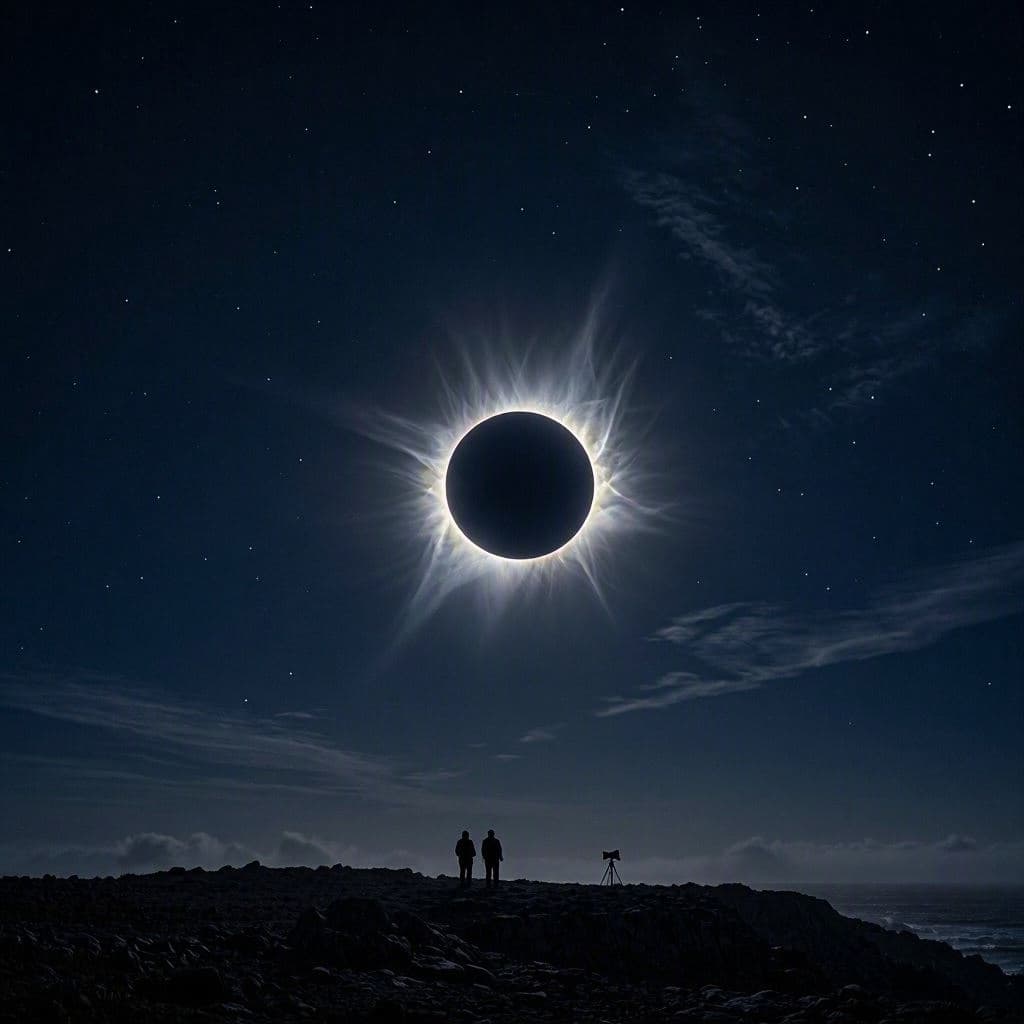
A total solar eclipse will occur on August 12, 2026, visible in parts of Europe including Iceland and Spain, requiring proper eye protection for safe viewing.

The 1859 Carrington Event was a powerful solar storm that induced currents in telegraph lines and created auroras visible in Cuba and Hawaii, highlighting the impact of space weather.

NASA claims new rocket technology, such as nuclear thermal propulsion, could significantly reduce travel time to Mars, enhancing astronaut safety and mission feasibility
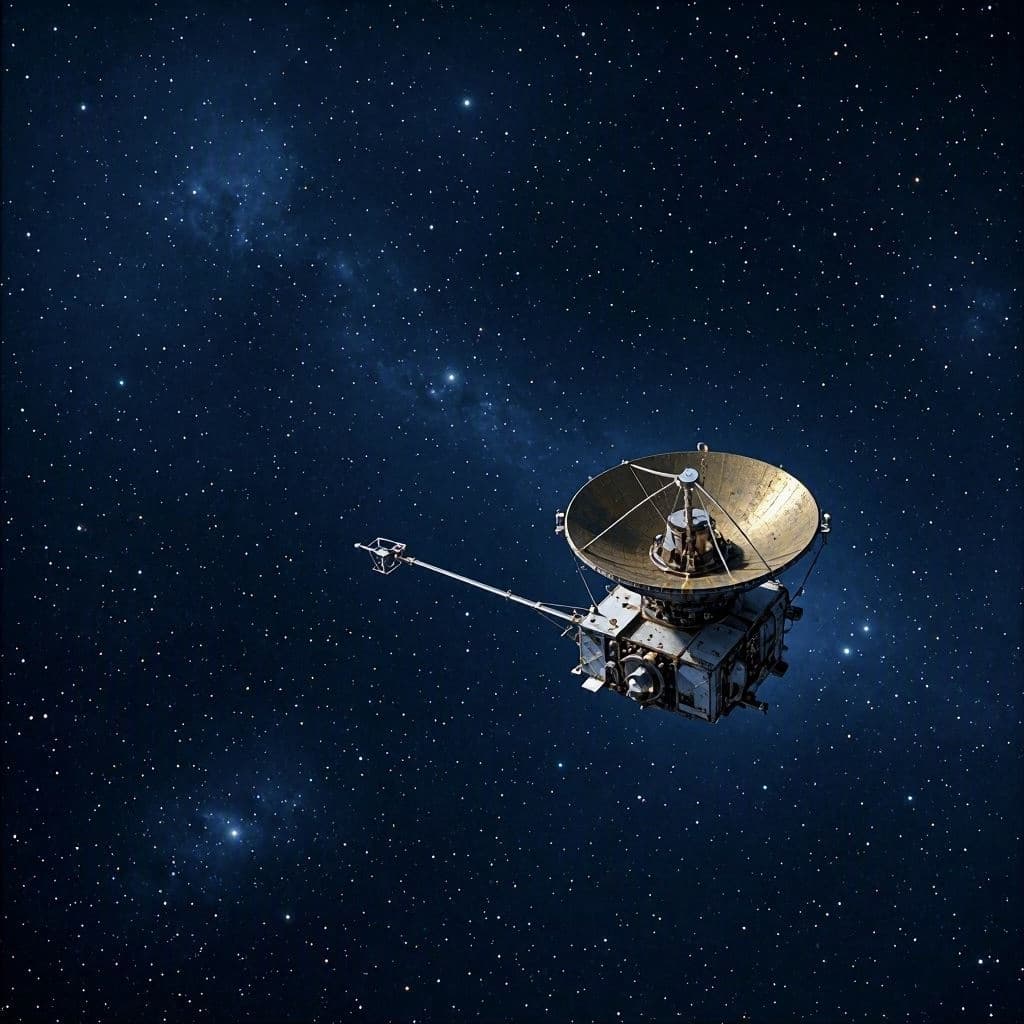
NASA has updated Voyager 2’s software to optimize power usage, extending the 1977 probe’s operational life in interstellar space and allowing it to continue sending scientific data.
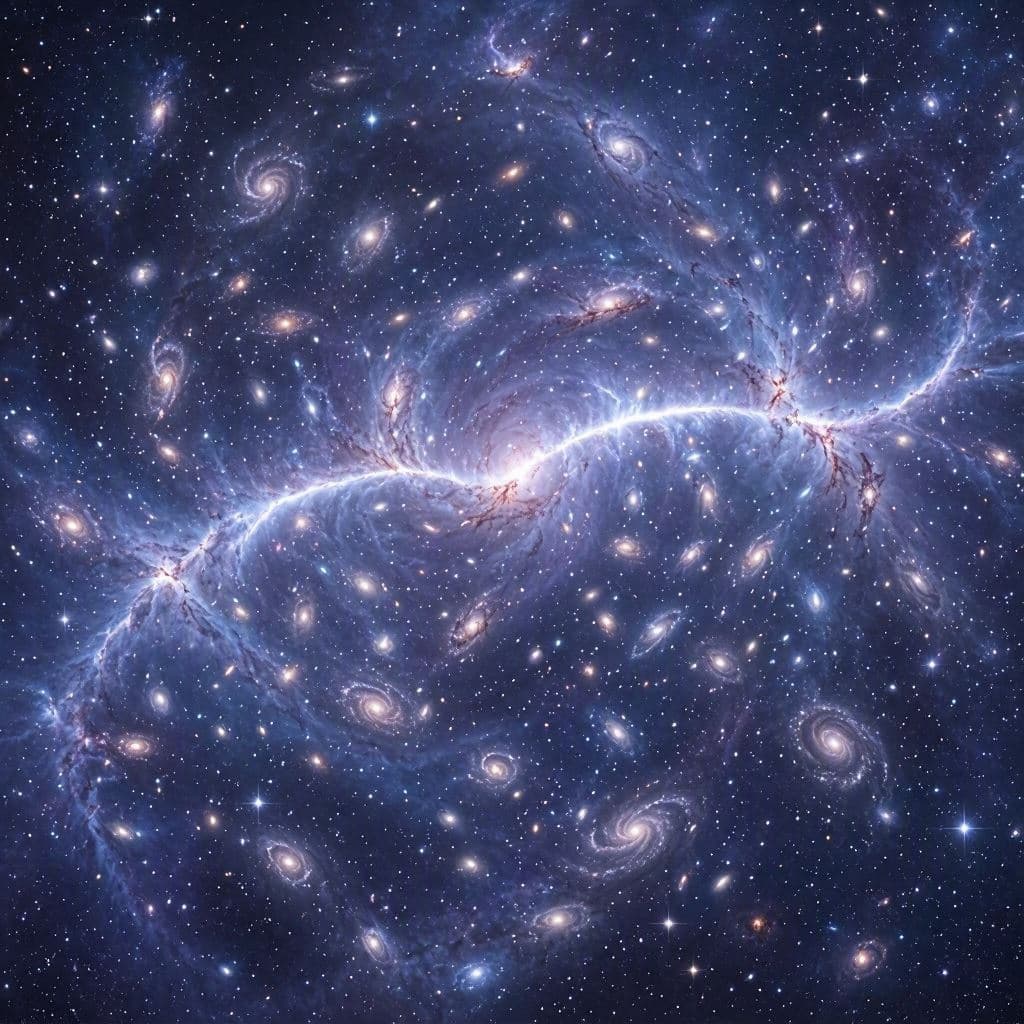
An astronomer found a previously unknown object, possibly a gravitational arc, in the James Webb Space Telescope archive, highlighting the value of re-analyzing existing data.

Physicists made 10,000 particles defy Newton’s third law for an hour using sound waves, creating a non-reciprocal system that offers insights into new materials and physics.

Irish and Italian scientists are using a flying observatory to study the August 12, 2026 solar eclipse, aiming to capture clear data of the solar corona above the clouds.