Nature possesses a power that dwarfs our most sophisticated technologies, a reminder that we live at the mercy of cosmic forces. In September 1859, a massive solar storm, now known as the Carrington Event, struck Earth with unprecedented intensity. The geomagnetic disturbance was so powerful that it induced electrical currents in telegraph lines, allowing operators to send messages without batteries. Auroras danced in skies as far south as Cuba and Hawaii, painting the night with eerie beauty. This historical event invites reflection on our vulnerability to space weather and the resilience of early communication networks. It is a story of nature’s raw energy interacting with human invention.
The storm was triggered by a coronal mass ejection from the sun, which hit Earth’s magnetosphere with force. The resulting magnetic fluctuations created induced currents in long conductive wires, such as telegraph lines. Operators reported sparks flying from their equipment, and some even suffered shocks. Yet, amidst the chaos, they discovered that the geomagnetic current was strong enough to power their transmissions. Ingenuity emerged from disruption.
For the people of the 19th century, the auroras were a spectacle of wonder and fear. In places where northern lights are rarely seen, the sky turned red and green, illuminating the night like day. Newspapers reported on the phenomenon, capturing the public’s imagination. The event blurred the line between science and superstition. Beauty often accompanies danger.
Today, scientists study the Carrington Event to understand the potential impact of similar storms on modern infrastructure. Our reliance on electricity, satellites, and digital networks makes us far more vulnerable than the telegraph operators of 1859. A similar event today could cause widespread blackouts and communication failures. Preparedness is essential for protection.
Researchers monitor solar activity closely, using satellites to detect coronal mass ejections early. Warning systems allow power grid operators to take preventive measures, such as reducing load or isolating transformers. Mitigation strategies are crucial for minimizing damage. Knowledge reduces risk.
The Carrington Event serves as a benchmark for extreme space weather. It reminds us that the sun is not just a source of light and warmth but also a dynamic star capable of violent outbursts. Understanding its behavior is key to safeguarding our technological society. Awareness is the first step.
The 1859 Carrington Event was a massive solar storm that induced currents in telegraph lines and created auroras visible in tropical regions. It highlights the power of space weather and the need for modern infrastructure protection. The hope is for continued monitoring and preparedness.
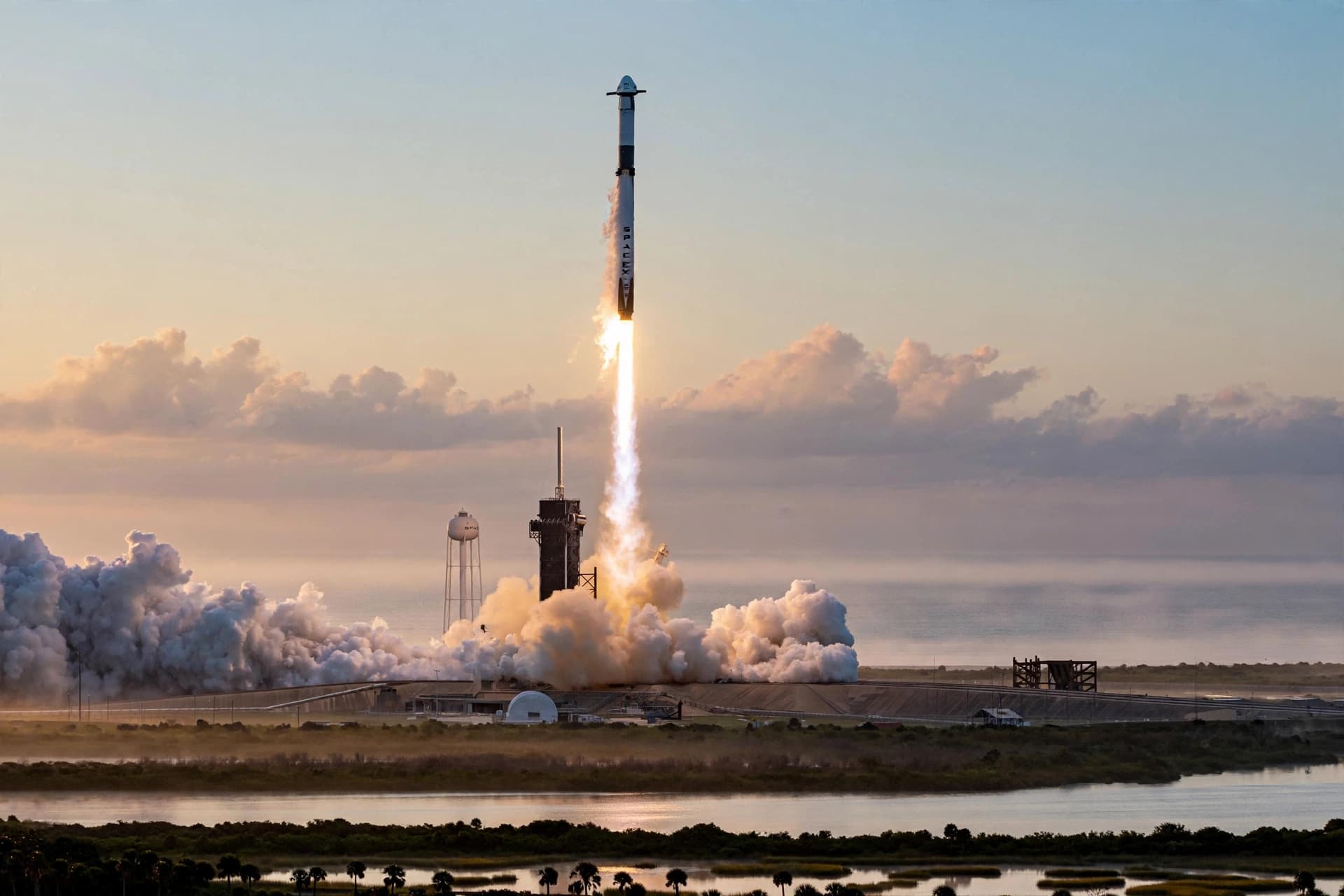
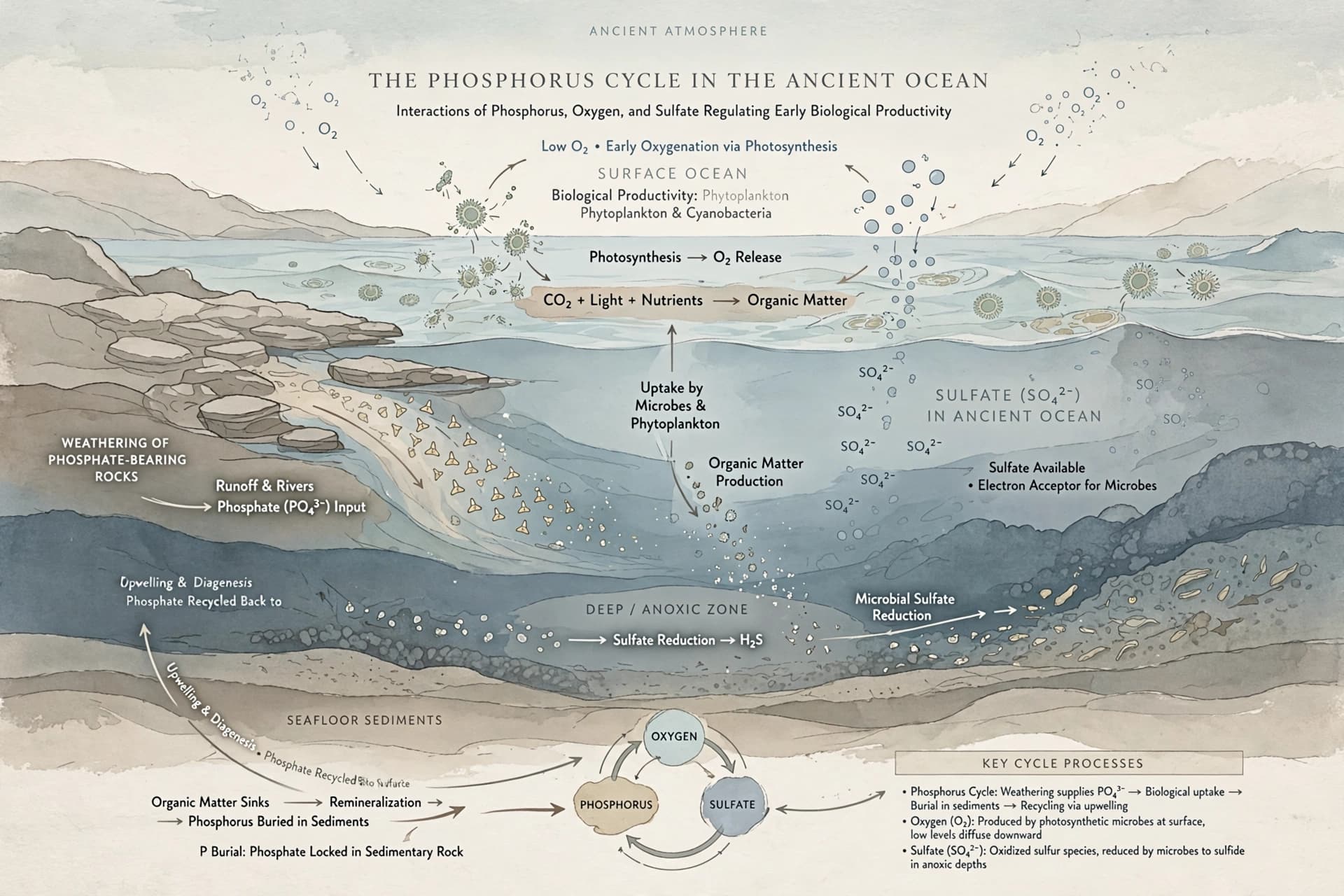
AI Image Disclaimer: The images provided are AI-generated to visually represent the historical and scientific aspects of the story.
Sources: NOAA National Geographic Scientific American
Published by Banx Network. This article is part of the Banx decentralized media programme, powered by the BXE token on the XRP Ledger.