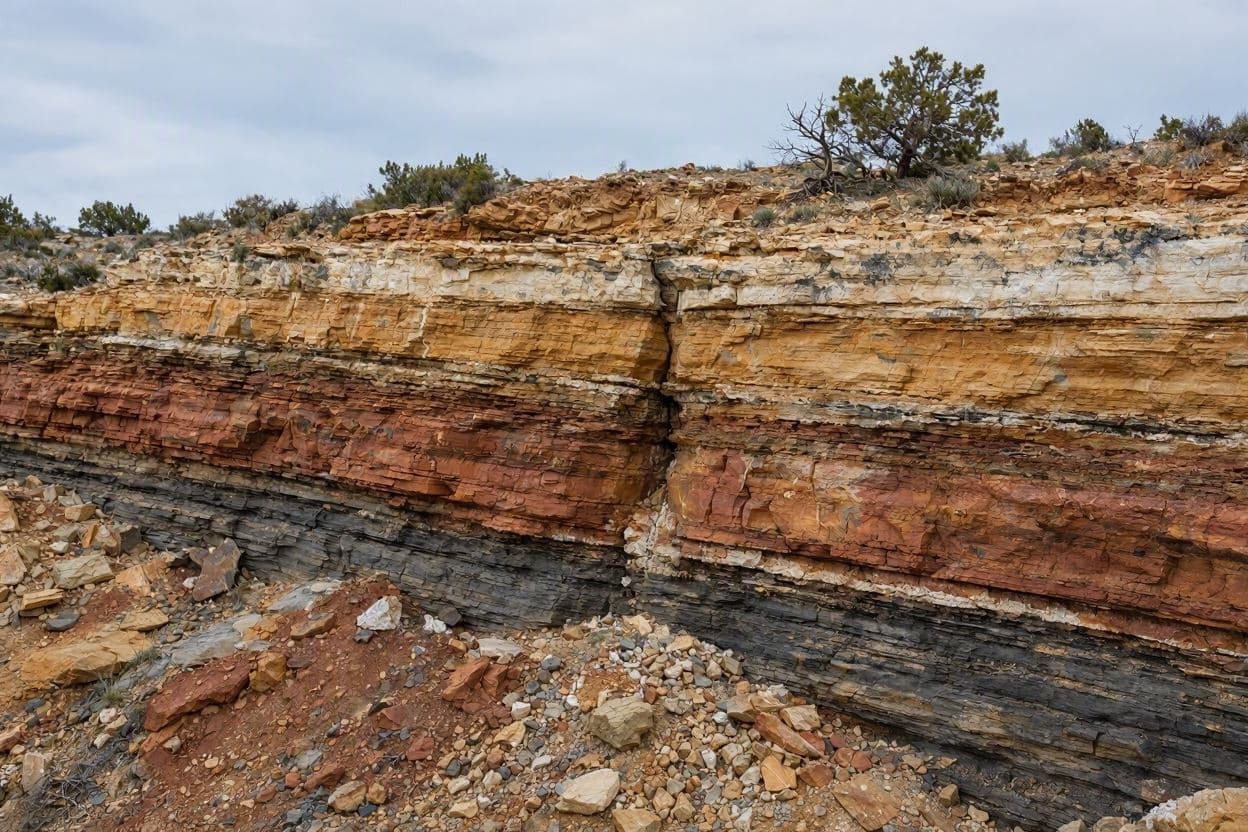
The Earth’s history is written in layers of rock and ice, each stratum telling a story of change and adaptation. Recent studies of ancient warming events suggest that the planet has crossed critical thresholds before, leading to rapid and irreversible shifts in climate. This historical perspective invites reflection on the fragility of our current stability and the urgency of addressing modern warming. It is a warning from the past, echoing into the present.
Researchers have identified periods in Earth’s history, such as the Paleocene-Eocene Thermal Maximum, where massive releases of carbon triggered global temperature spikes. These events serve as analogs for today’s climate crisis, highlighting the potential for tipping points. History repeats patterns. Lessons lie in data.
Current global warming is approaching levels that could trigger similar feedback loops, such as the melting of permafrost or the collapse of ice sheets. Once crossed, these thresholds may lead to self-perpetuating changes that are difficult to stop. Momentum builds danger. Thresholds define risk.
The scientific community emphasizes the need to limit warming to well below 2°C to avoid catastrophic outcomes. Every fraction of a degree matters in preserving ecosystem balance and human livelihoods. Precision guides policy. Action prevents regret.
For policymakers and citizens, the evidence underscores the importance of reducing emissions and investing in sustainable practices. The window for effective action is narrowing, but it has not yet closed. Hope remains in effort. Change is possible.
As we look to the future, learning from the past becomes essential. Understanding ancient climate dynamics helps us prepare for and mitigate the impacts of modern change. Knowledge empowers resilience. Wisdom saves worlds.
Studies of ancient warming events indicate that Earth has crossed climate tipping points in the past, signaling risks for current global warming. Scientists urge limiting temperature rise to prevent irreversible changes. The hope is for decisive action and sustainable progress.
AI Image Disclaimer: The images provided are AI-generated to visually represent the environmental and historical aspects of the story.
Sources: PIK Potsdam Global Tipping Points Report University of Exeter
Published by Banx Network. This article is part of the Banx decentralized media programme, powered by the BXE token on the XRP Ledger.