
SCIENCE91% credibility
Life’s Unity: The Genetic Link
Research suggests all life on Earth shares a single common ancestor from 4.2 billion years ago, indicating life emerged rapidly after the planet’s formation.
2 min read

Research suggests all life on Earth shares a single common ancestor from 4.2 billion years ago, indicating life emerged rapidly after the planet’s formation.

NASA restored the Swift Observatory to full operation with a software fix for a failed gyroscope, allowing the mission to continue its high-energy astrophysics research.
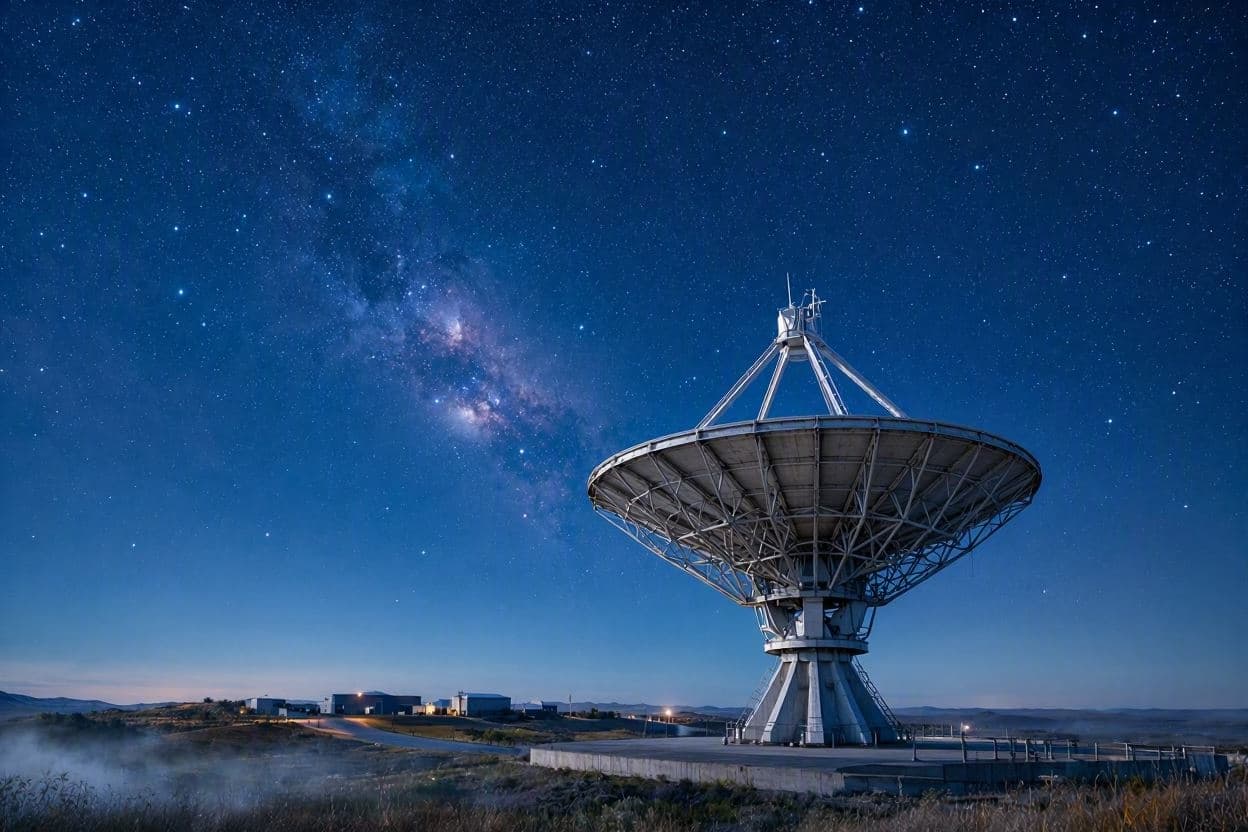
A new radio telescope successfully captured the faint signal of a supernova remnant during testing, demonstrating its sensitivity and potential for future astronomical discoveries.

A rare total solar eclipse swept across parts of Europe, attracting millions of viewers and providing valuable scientific data on solar activity.

China is dispatching scientists to Iran for rare-earth exploration and processing, expanding cooperation in a strategically sensitive sector.

Japan has backed Mitsubishi Heavy Industries’ development of advanced light-water reactors and small modular reactors as part of its energy strategy.
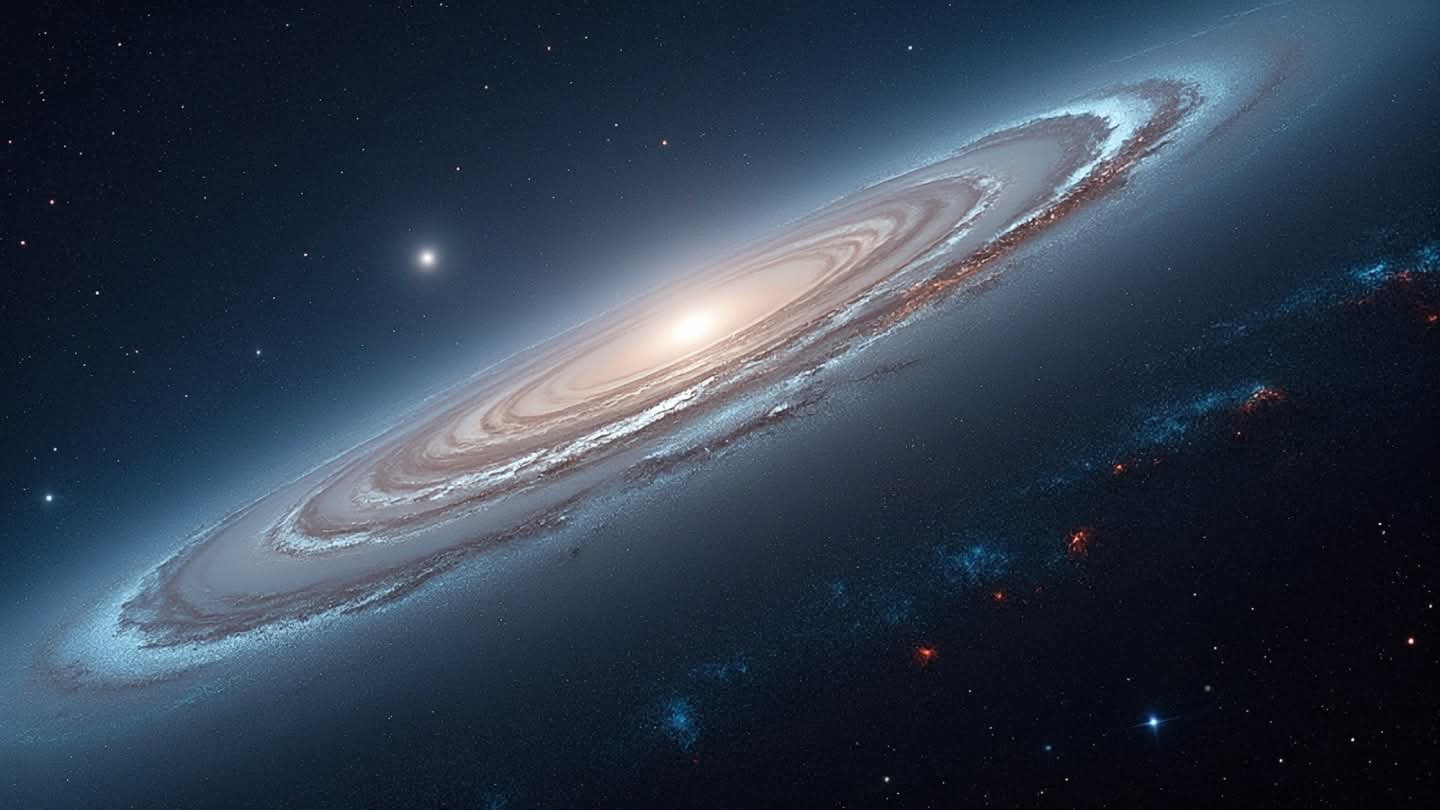
Astronomers have detected the first globular cluster stellar stream in the Andromeda Galaxy, providing new insights into galactic formation and tidal disruption processes.

Studies suggest that nutrient-rich fecal matter from early animals with through-guts may have fueled the Cambrian explosion, enabling the evolution of complex life forms.

New research suggests life on Earth may have begun twice, indicating that abiogenesis could be a frequent event and that a second biological lineage may have existed.

A hypothetical scenario where Earth loses gravity reveals that the atmosphere, oceans, and objects would float into space, highlighting the essential role of gravity in sustaining life.

Astronomers have discovered three supermassive black holes in a young galaxy, marking the first time such a triple system has been observed and offering insights into early galactic evolution.

A study indicates that the AstroRad radiation vest tested on NASA’s Artemis I mission can reduce astronauts’ exposure to solar storm radiation by about 60%, enhancing safety for future lunar trips.

Studies of an ancient warming event reveal a dangerous climate tipping point, highlighting the urgent need to limit current global temperature rise to prevent irreversible changes.

Scientists in Australia had a surprising encounter with a curious dolphin while filming, leading to an emotional reaction that highlights the engaging nature of marine wildlife.

A scientific balloon has captured new radio images of the Milky Way’s center, revealing massive energetic structures and offering fresh insights into galactic history.
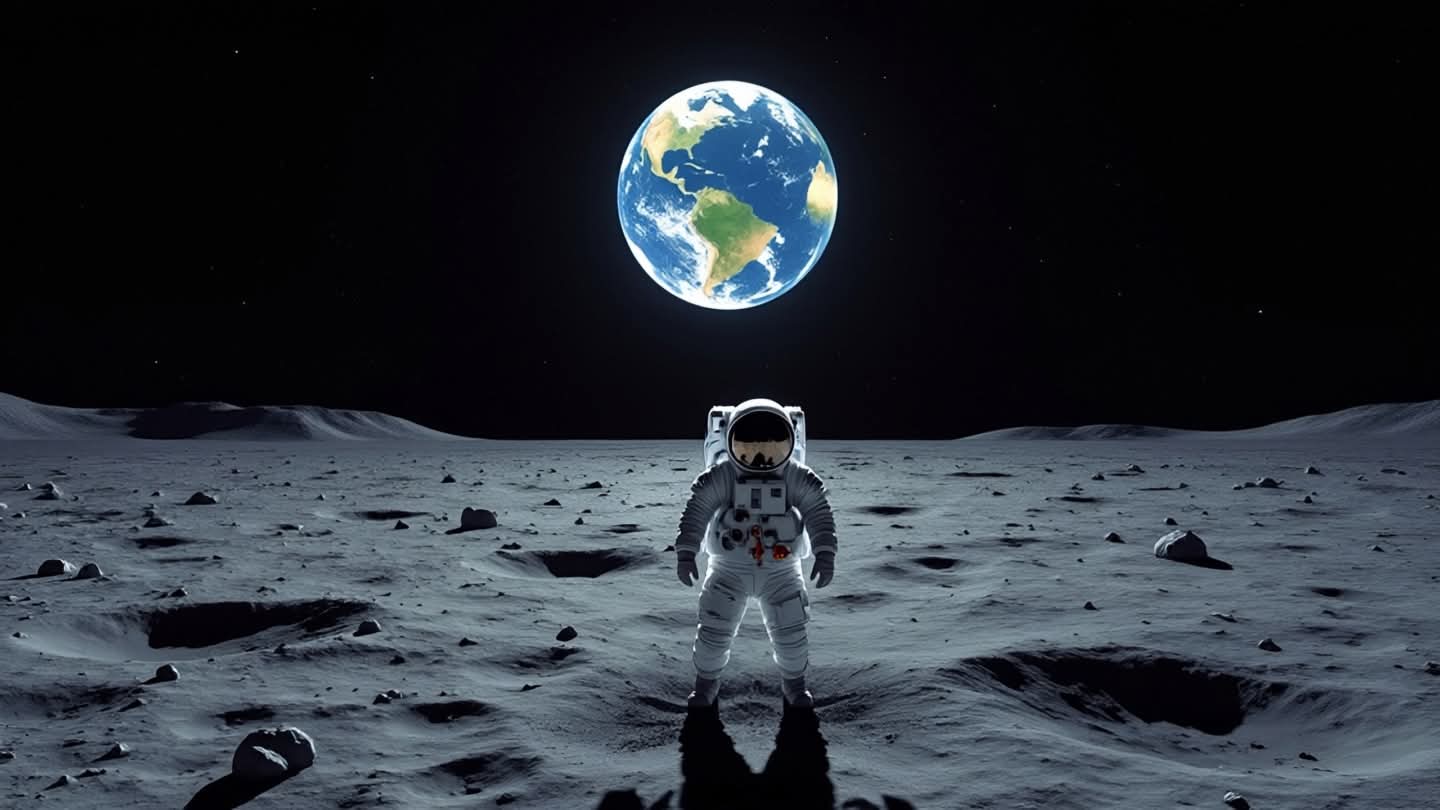
The Moon serves as an ethical dress rehearsal for Mars missions, emphasizing the need for responsible resource management and planetary protection in space exploration

Marine snow, organic debris sinking from surface waters, is found to sustain diverse deep-sea life, highlighting the connectivity and importance of abyssal ecosystems.

Scientists have discovered new patterns in gluon behavior within lead nuclei, revealing non-uniform distribution and saturation effects that refine our understanding of the strong force.

Millions in Europe, including Spain, the UK, and Iceland, watched a rare solar eclipse in August 2026, creating a shared experience of awe and scientific interest.

The Canadian Space Agency highlighted the Perseid meteor shower as the best of the year, encouraging Canadians to observe the peak under optimal dark sky conditions.
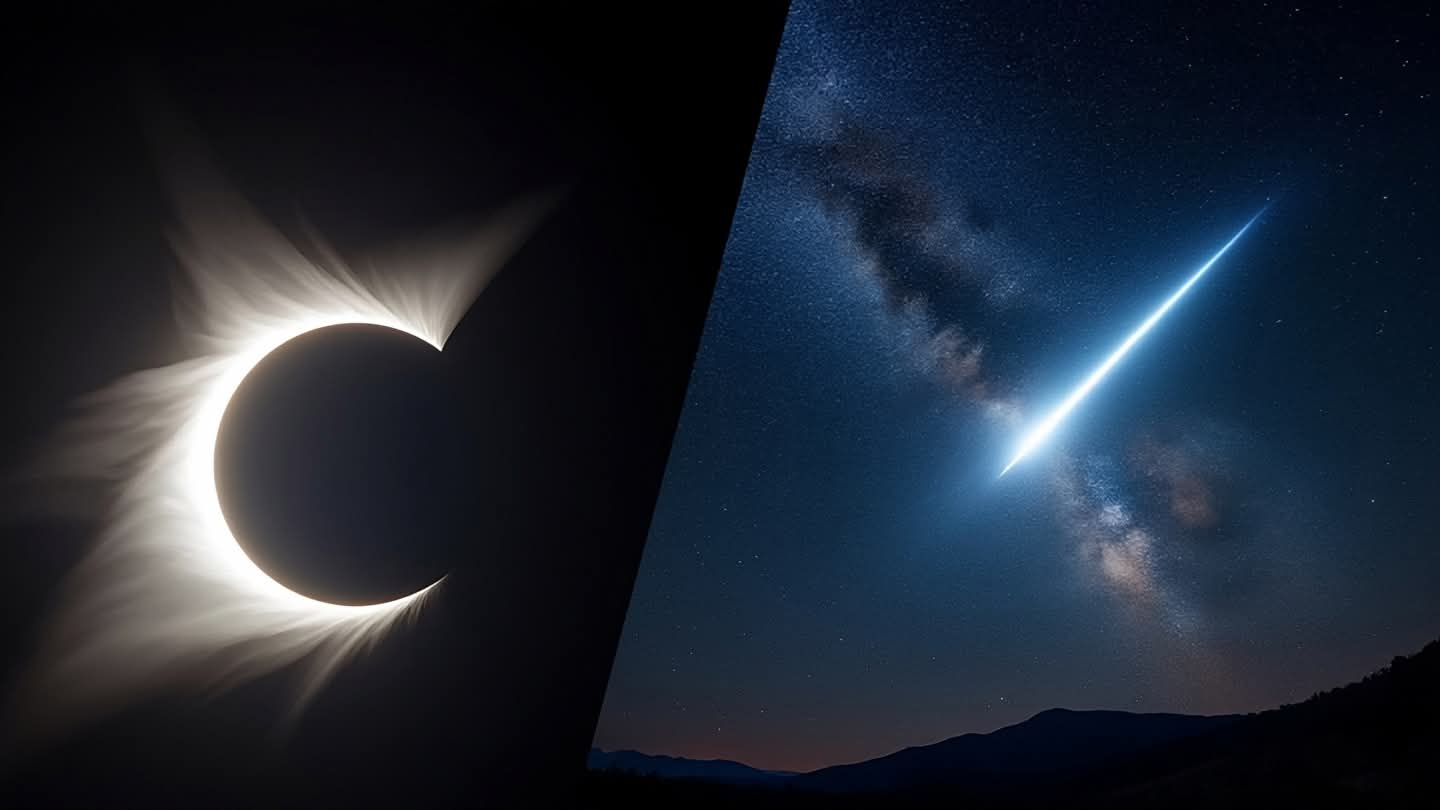
In August 2026, skywatchers in Canada observed a partial solar eclipse while awaiting the peak of the Perseid meteor shower, benefiting from dark skies and clear weather.
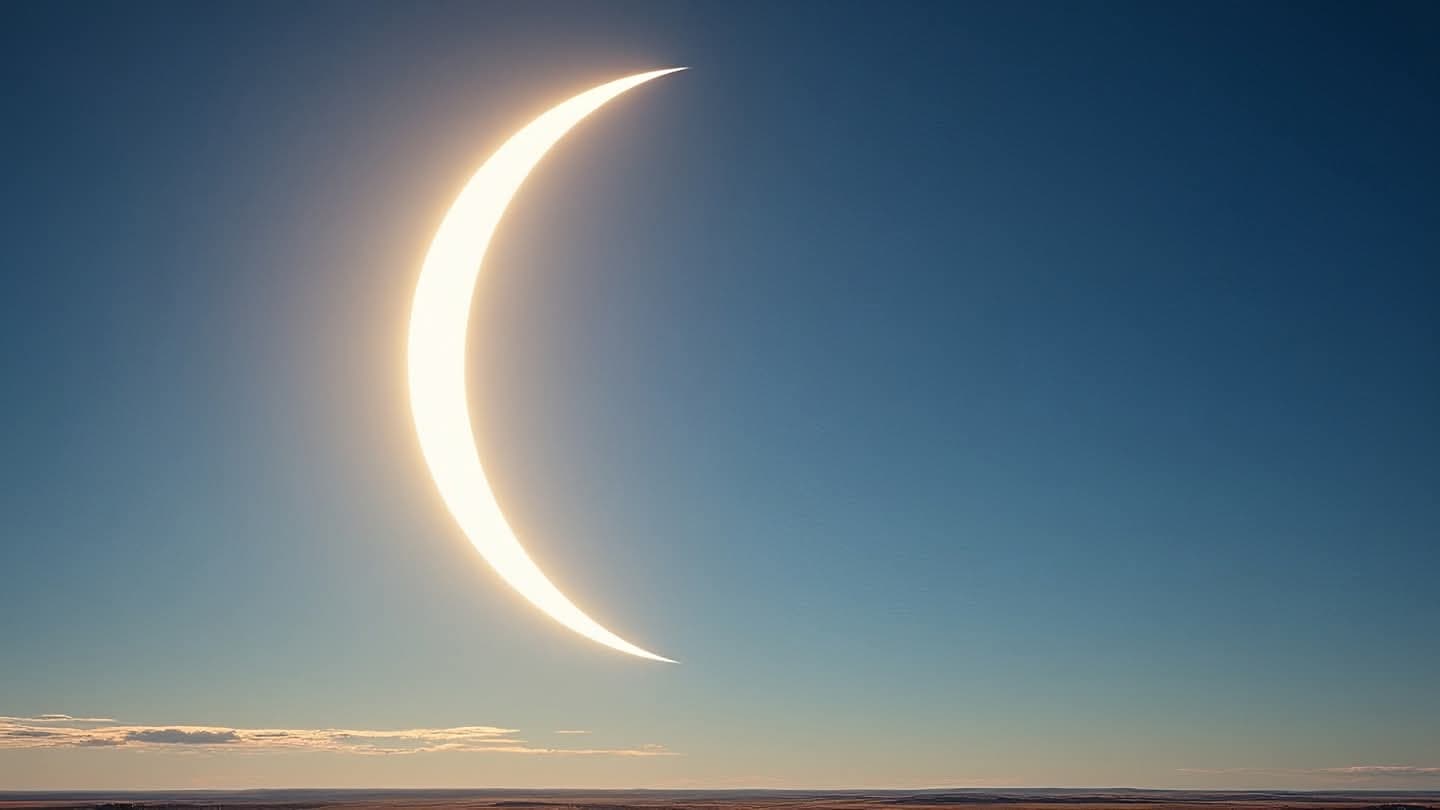
Oklahomans will not see the total solar eclipse of August 12, 2026, but a partial eclipse will be visible, offering a safe and engaging viewing opportunity.

Astronomers have discovered a gas-enshrouded black hole from cosmic dawn, suggesting that dense gas envelopes enabled rapid growth in the early universe.

CT scan analysis reveals that the dodo bird had a brain size similar to pigeons, disproving the myth of its stupidity and highlighting its adaptive traits.