Nearest Neighbor: The Alpha Centauri Journey
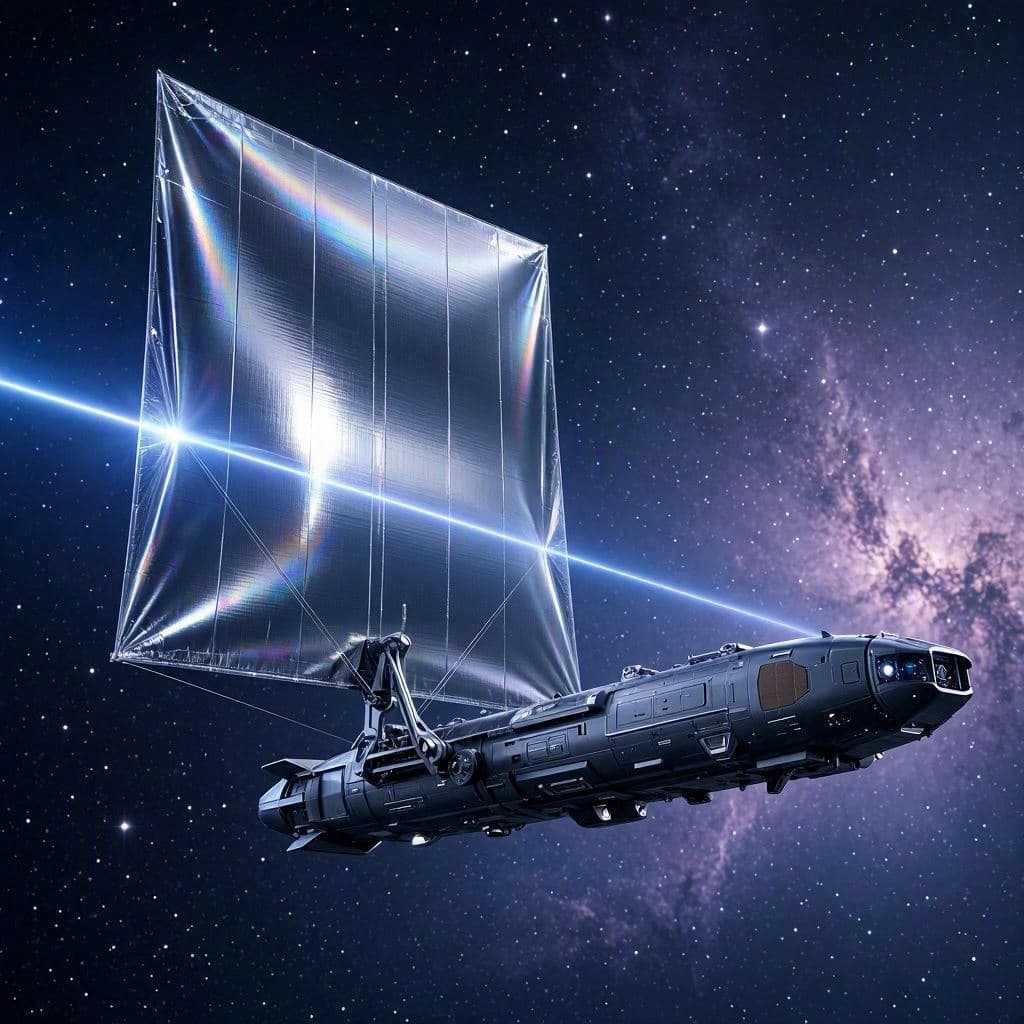
Alpha Centauri is 4.24 light-years away, requiring 75,000 years with current tech, but laser sails could reduce this to decades, though life on Proxima b remains unconfirmed.

Alpha Centauri is 4.24 light-years away, requiring 75,000 years with current tech, but laser sails could reduce this to decades, though life on Proxima b remains unconfirmed.

Police spent twenty hours investigating a suitcase near Oallen, NSW, before confirming it contained a lifelike doll, not a human body, highlighting forensic thoroughness.

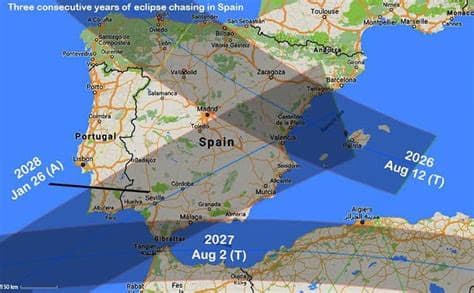
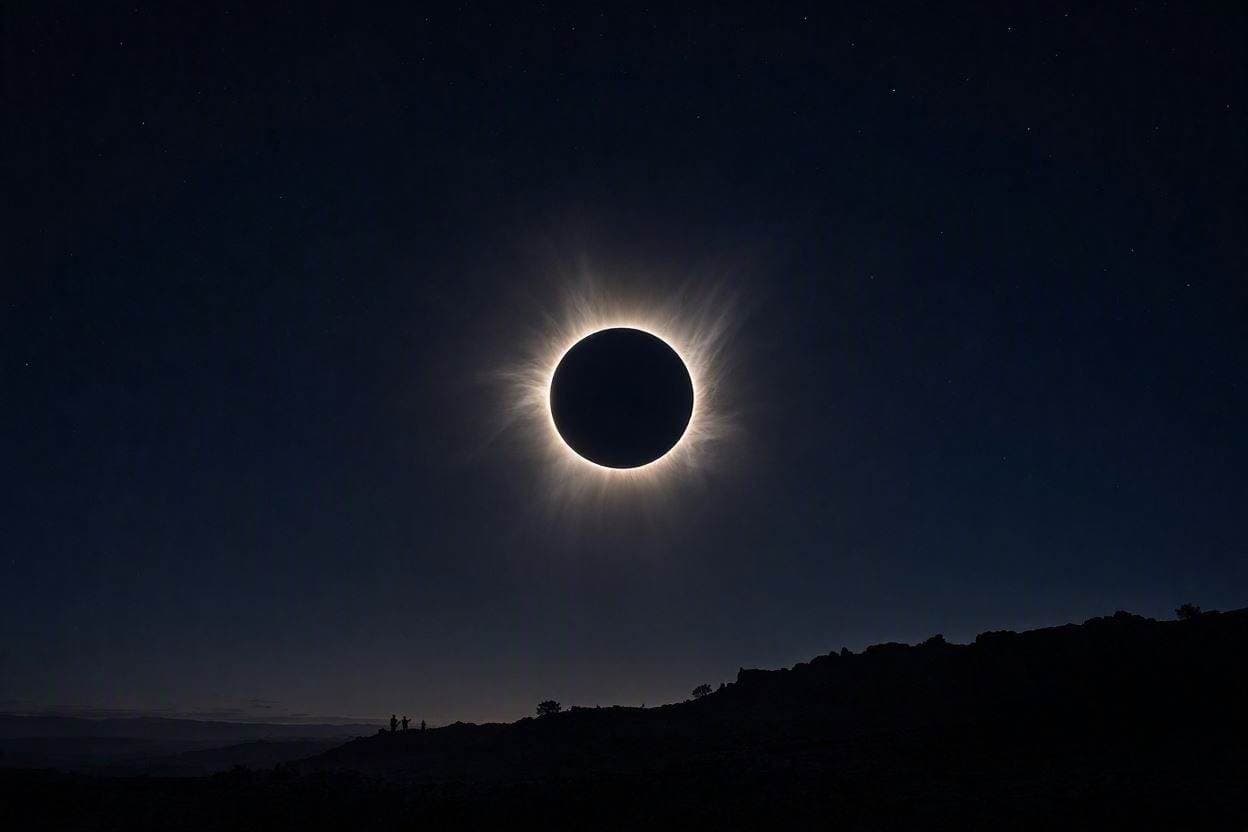
Spain braces for a rare sequence of eclipses, drawing attention from astronomers and skywatchers across the country.

A group of experts determined that sending humans to Titan is physically possible but depends on advancements in technology, time, and sustained political and financial commitment.

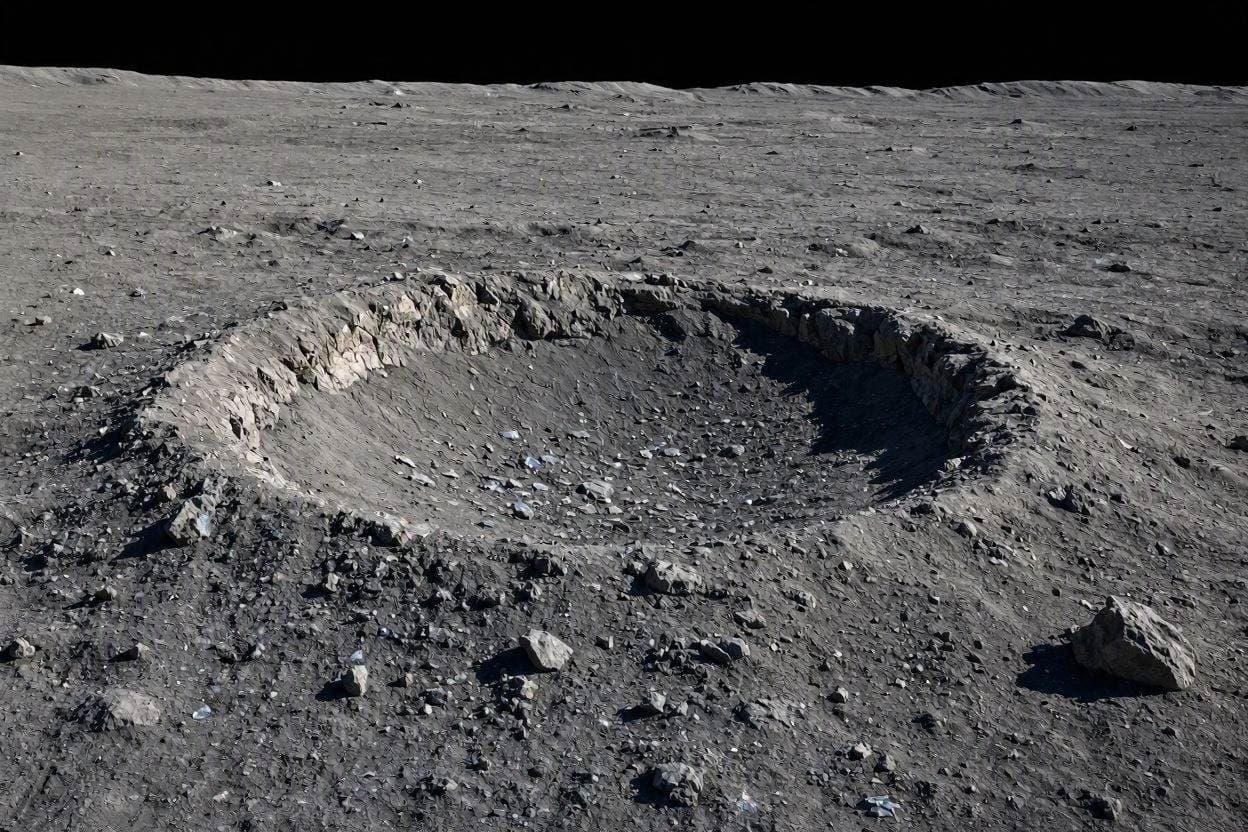
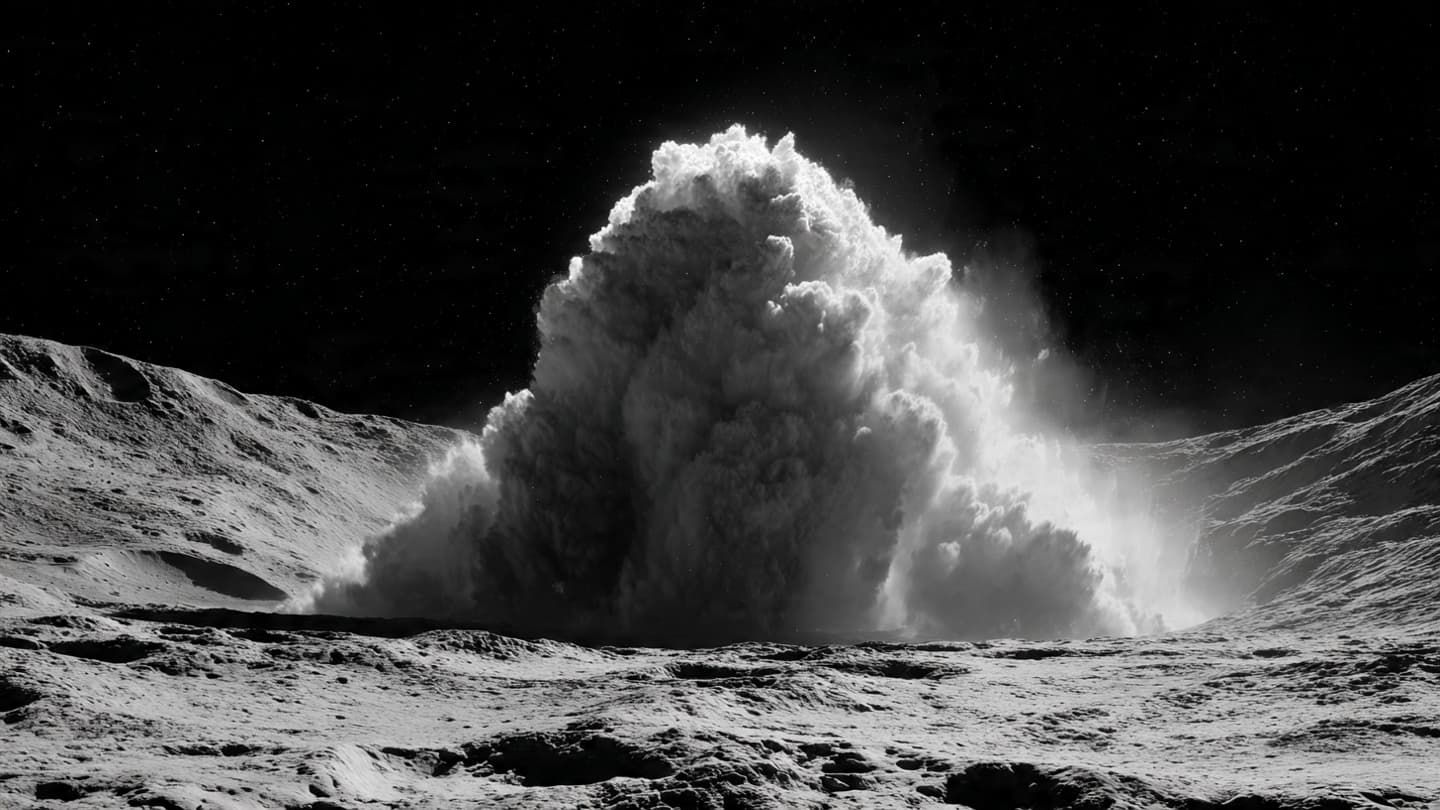
A rocket crash on the moon offered scientific insights into lunar geology but raised concerns about space debris, highlighting the need for responsible space exploration practices.

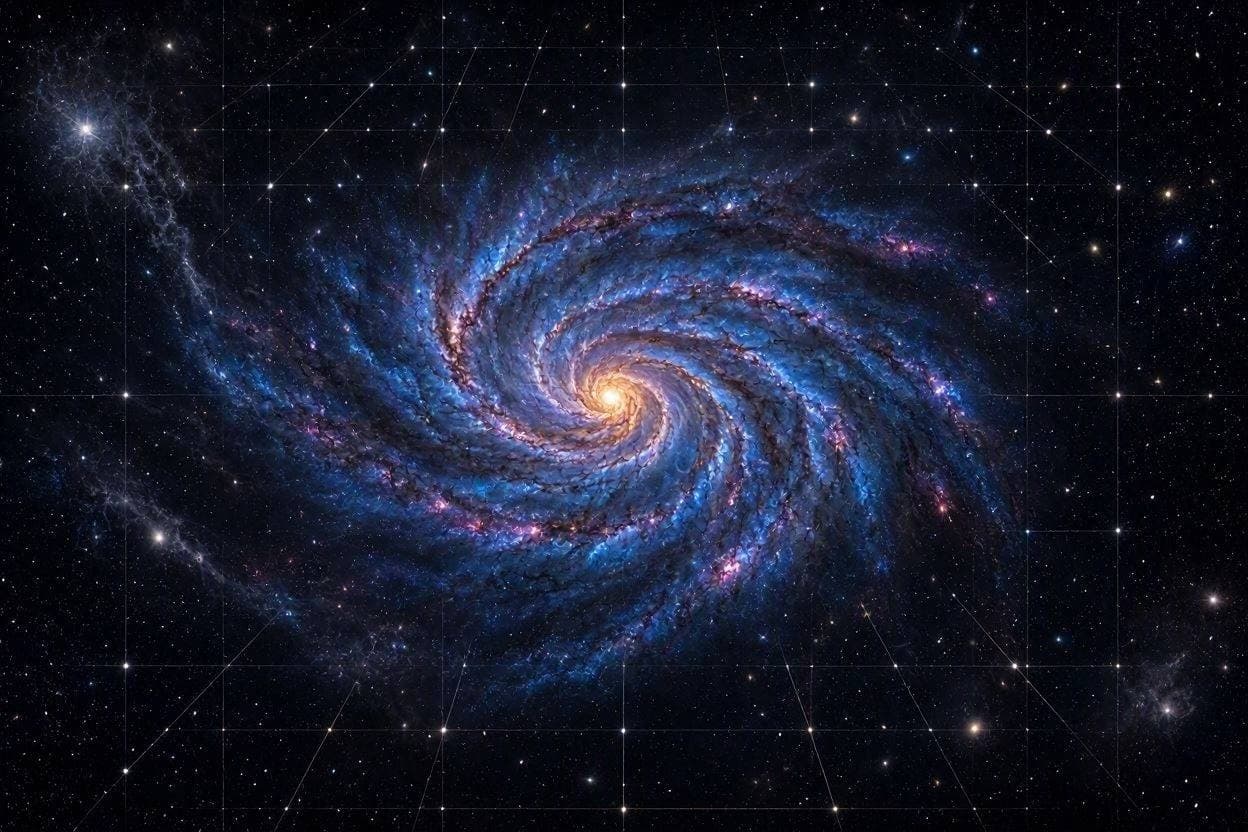
A landmark cosmic survey has created the most detailed map yet of the universe’s accelerating expansion, providing new evidence for dark energy and refining cosmological models.

Mark Zuckerberg’s spokesperson claims his yacht did not hear a distress call from a stranded boat in Alaska, sparking debate over maritime responsibility and communication.

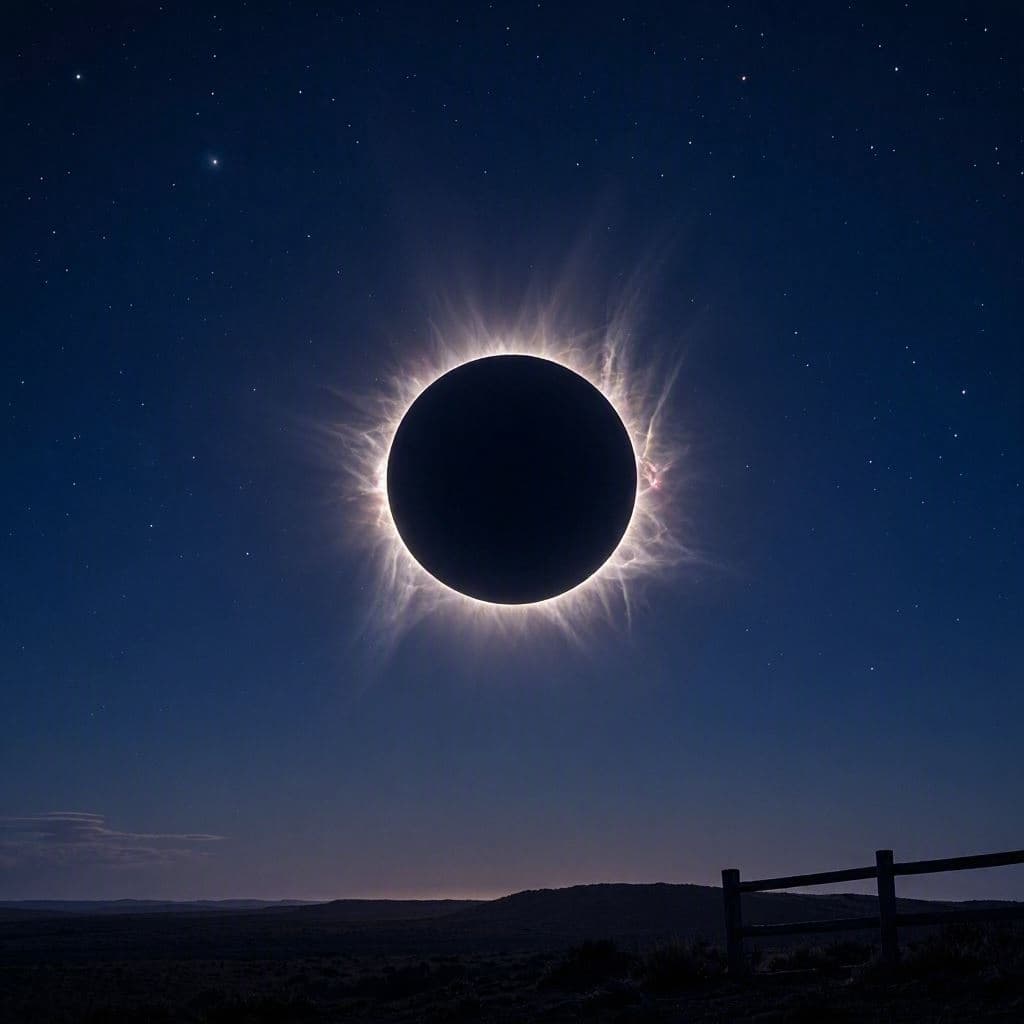
Two days remain until the total solar eclipse on August 12, 2026, with live updates providing weather and safety information for observers in Europe.

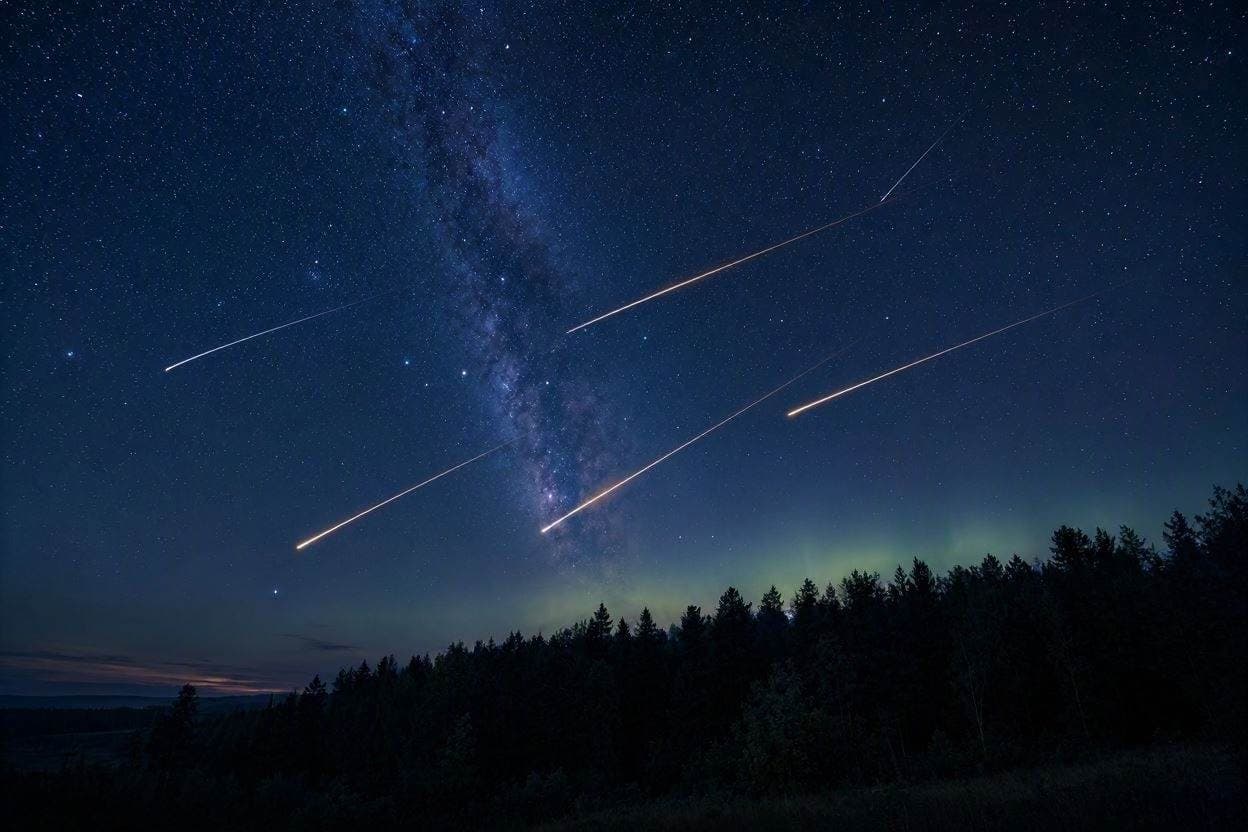
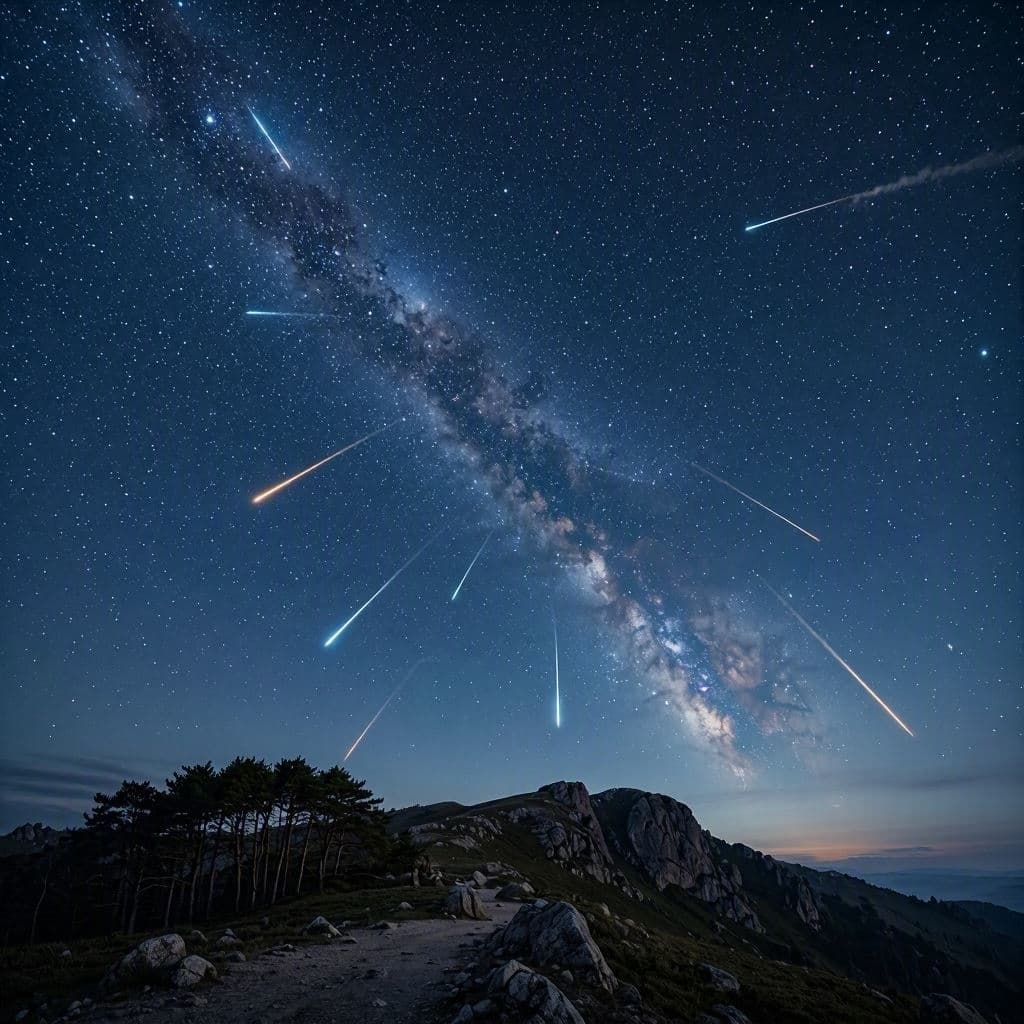
The Perseid meteor shower peaks this week with excellent viewing conditions due to a new moon, promising up to 100 meteors per hour for stargazers.

August is a crucial time for raspberry care, requiring pruning, watering, and pest management to ensure healthy plants and bigger crops in the following season.

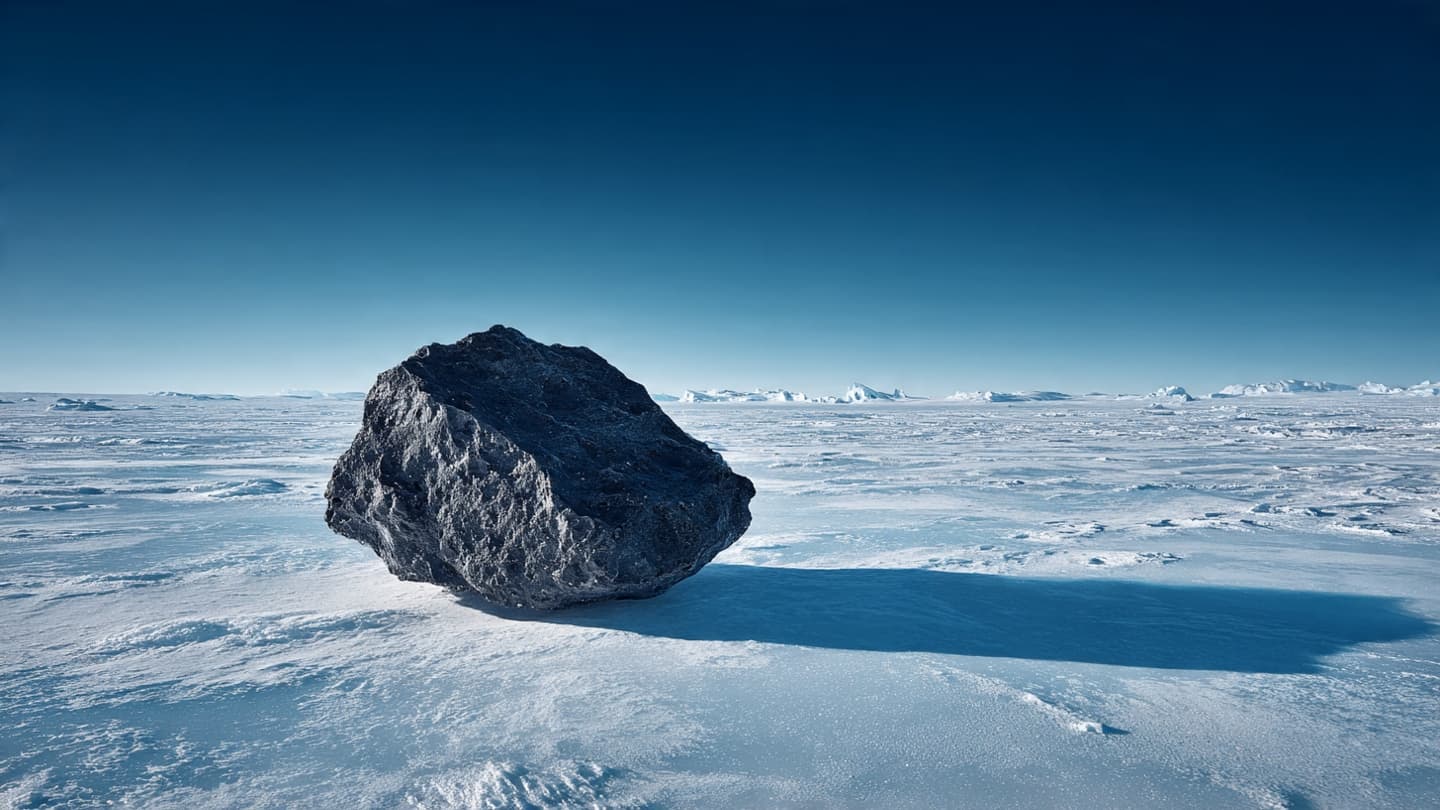
Over 45,000 meteorites have been found in Antarctica, concentrated by flowing ice and wind-scoured blue ice zones, offering a pristine collection of solar system materials.

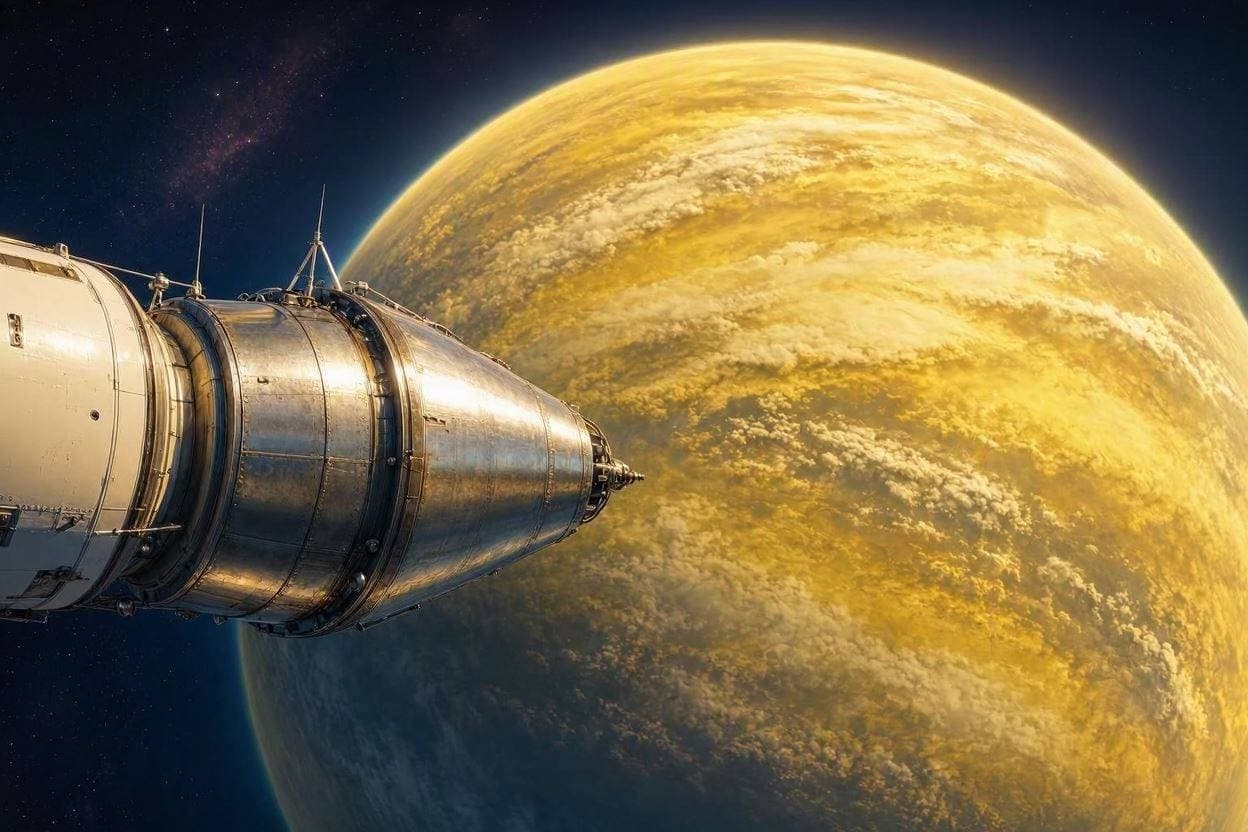
NASA once seriously considered a manned flyby mission to Venus in the late 1960s, using Apollo technology, but the plan was abandoned due to the planet's extreme conditions.

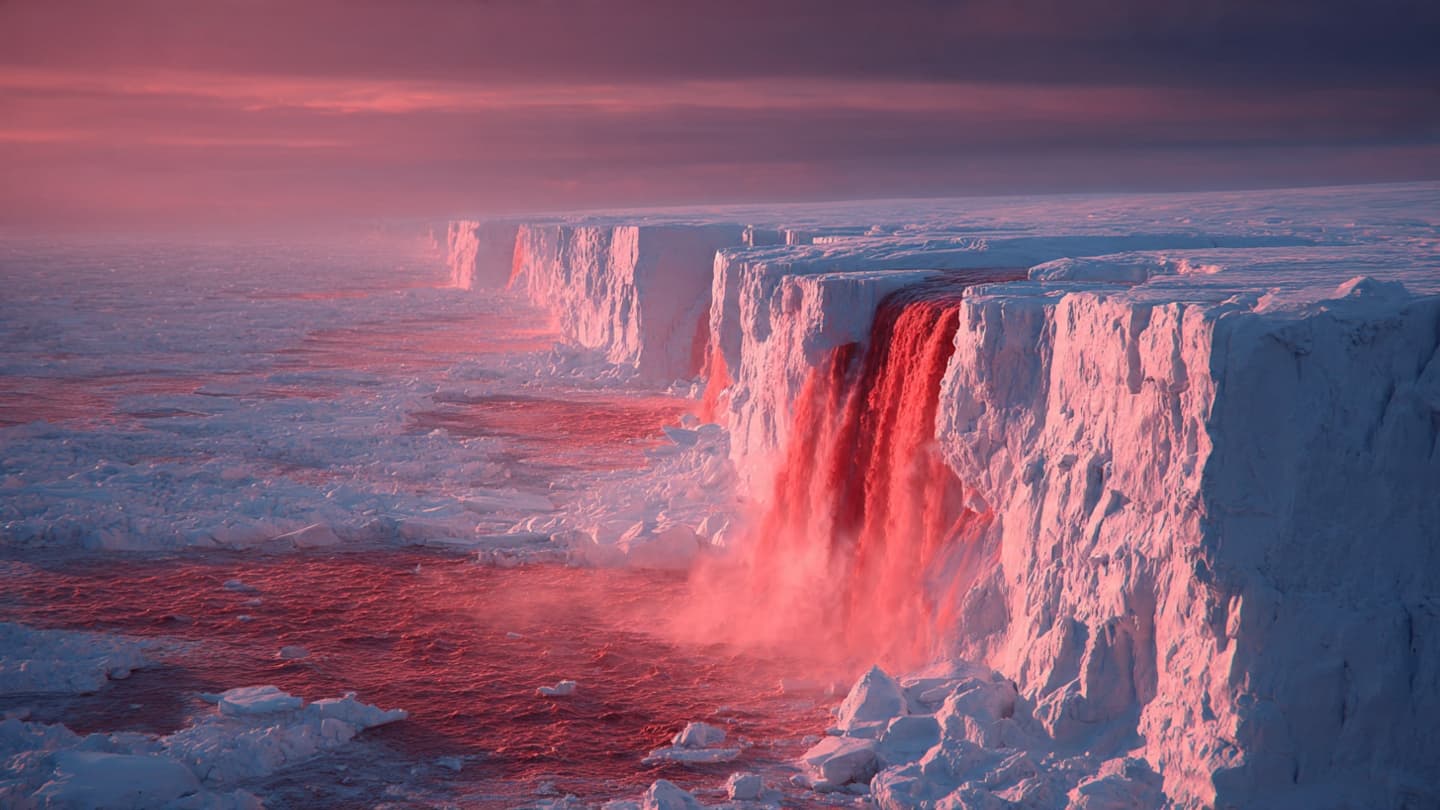
Scientists have discovered ancient marine-like microbes in Antarctica’s Blood Falls, suggesting a hidden subglacial ecosystem that has survived for millions of years.

Researchers use hybrid physics-informed neural networks to model ternary hybrid nanofluid flow in a rotating annulus, offering new insights for thermal engineering and efficiency.

A 2,100-year-old Roman shipwreck carrying hundreds of well-preserved amphorae has been discovered off the coast of Sicily, offering insights into ancient trade.

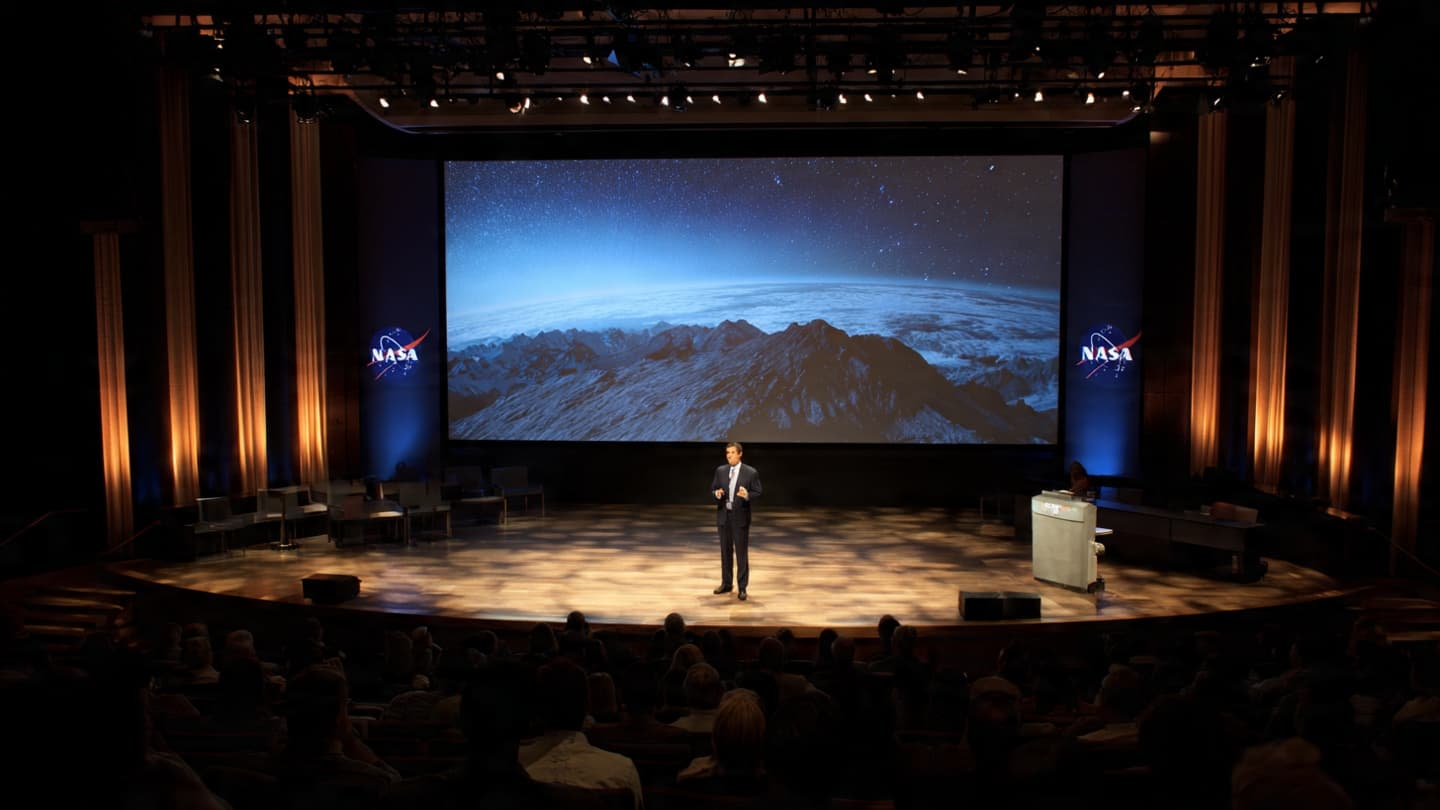
Vernon public speaker Mark DeVolder is celebrating after delivering a successful presentation at NASA, bringing pride to his community and highlighting the power of local talent.

A four-ton SpaceX rocket stage crashed into the Moon, creating a dust cloud that offers scientific data but also highlights the growing problem of space debris for Artemis missions.

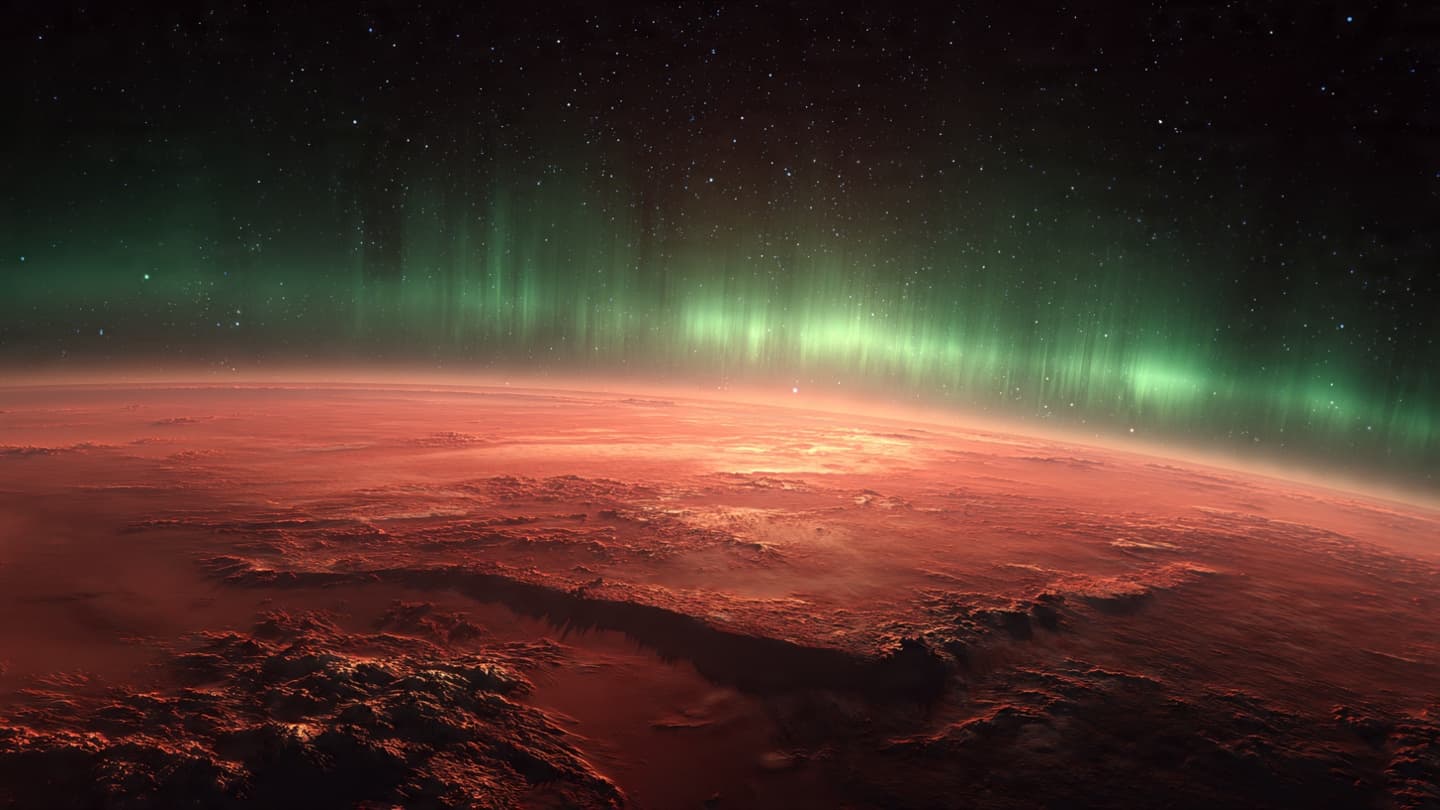
NASA’s MAVEN mission revealed that auroras on Mars are global phenomena driven by solar wind and crustal magnetism, offering insights into the planet’s atmospheric history.

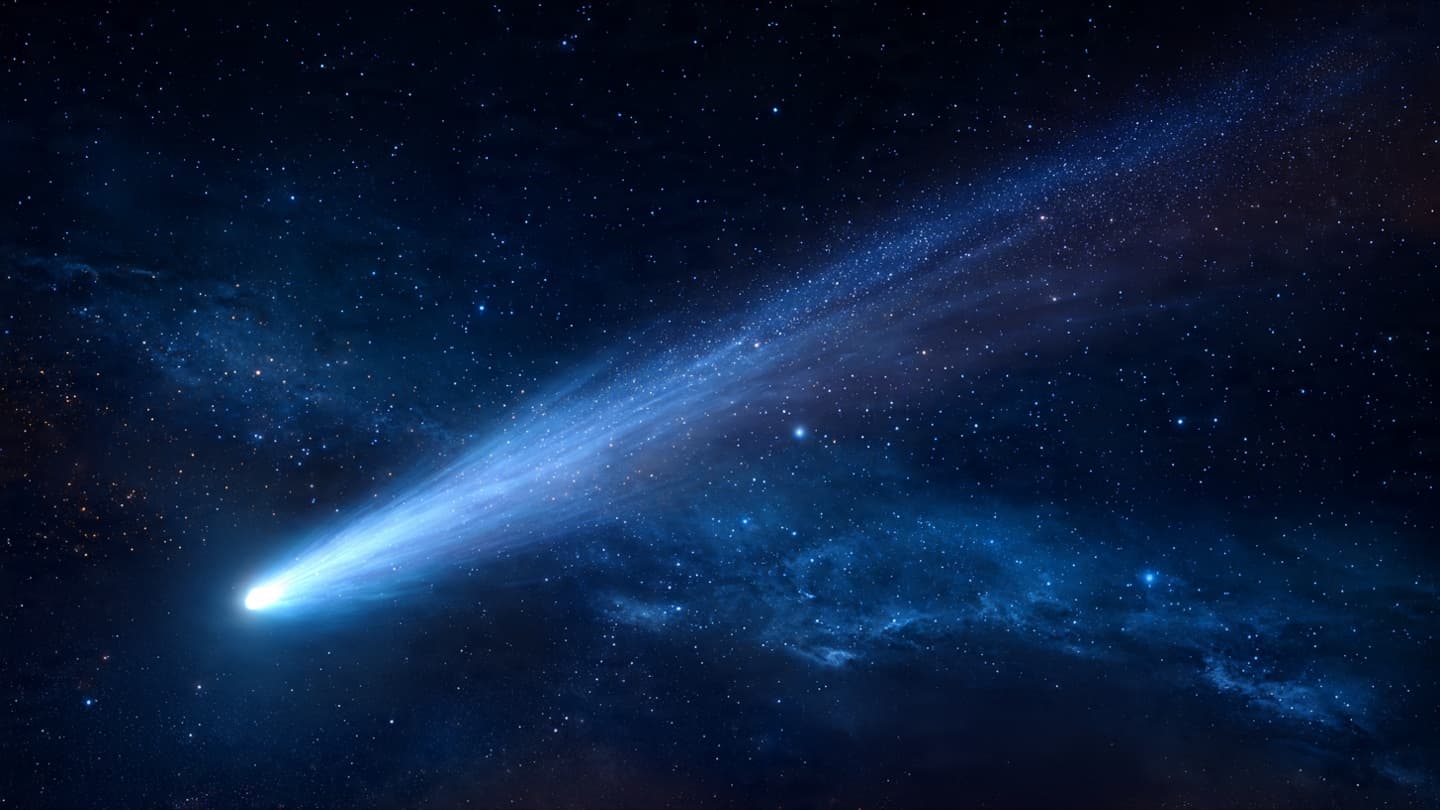
Interstellar comet 3I/ATLAS is releasing two tons of water per second as it passes through our solar system, providing clues about the composition of distant planetary systems.

Scientists have found that dying trees release a significant burst of carbon due to stress and microbial activity, challenging previous assumptions about forest carbon storage.

NASA used high-altitude aircraft to chase a solar eclipse, extending observation time to study the sun’s corona and atmospheric changes during the "slam of shadow."

The total solar eclipse on August 12, 2026, is expected to reveal new phenomena in the sun’s corona, thanks to advanced observational technology and unique alignment conditions.

The Perseid meteor shower is set to peak this week, offering northern hemisphere viewers a spectacular display of shooting stars under dark, new moon skies.

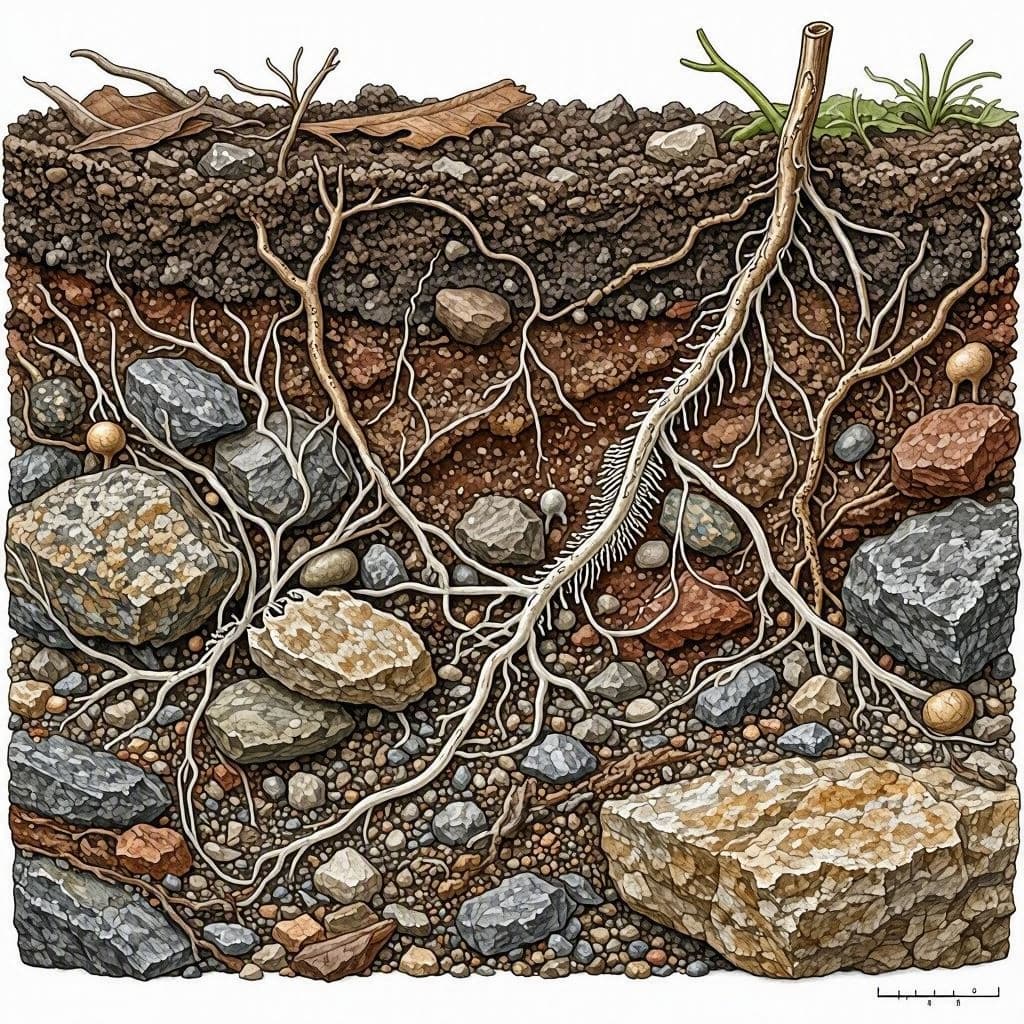
A new study reveals a diverse community of rock-eating fungi in northern Michigan, highlighting their crucial role in soil formation and nutrient cycling in forest ecosystems.