SCIENCE94% credibility
Primordial Past: The Theia Connection
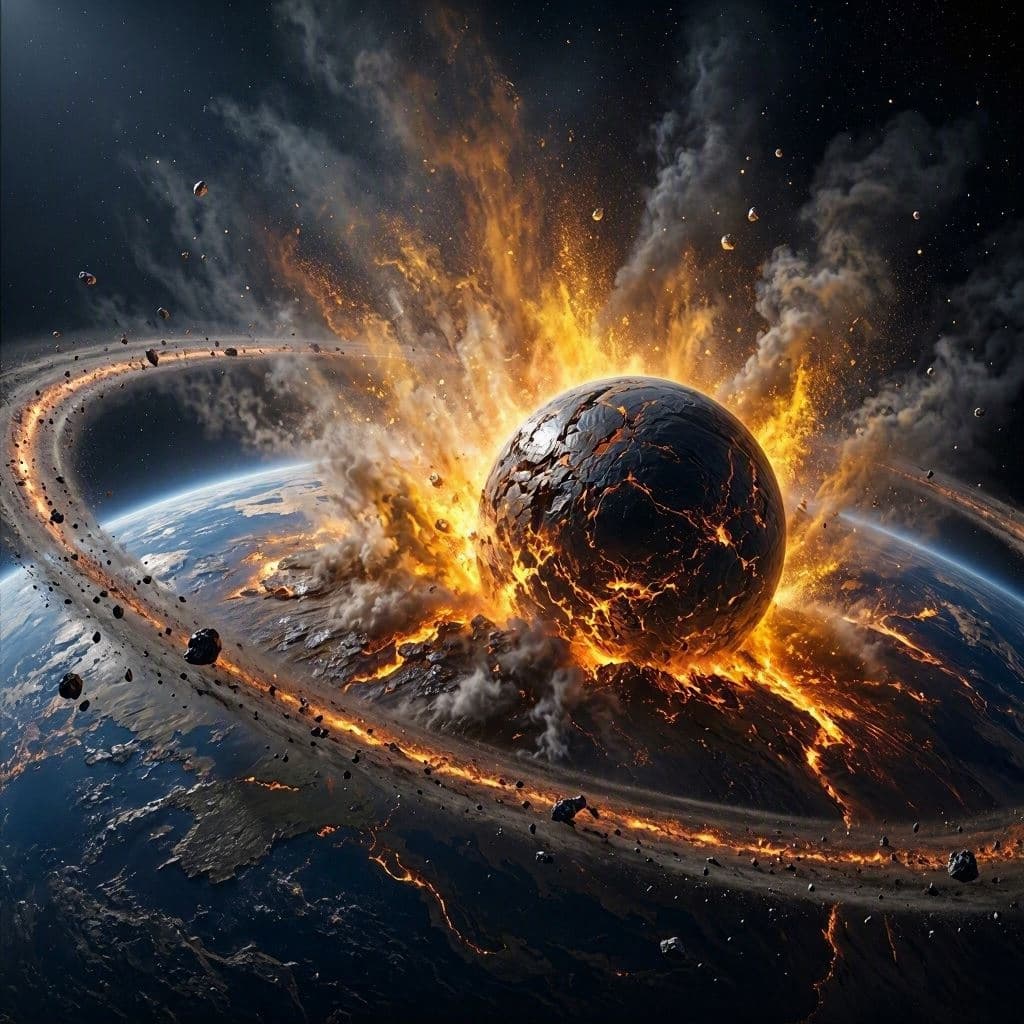
Scientists discovered remnants of Theia, the protoplanet that collided with Earth 4.5 billion years ago, in deep mantle rocks, supporting the Moon’s formation theory.
2 min read

Scientists discovered remnants of Theia, the protoplanet that collided with Earth 4.5 billion years ago, in deep mantle rocks, supporting the Moon’s formation theory.

Scientists achieved a threefold energy gain in laser-driven nuclear fusion by using diamond capsules, marking a significant step toward viable clean energy.
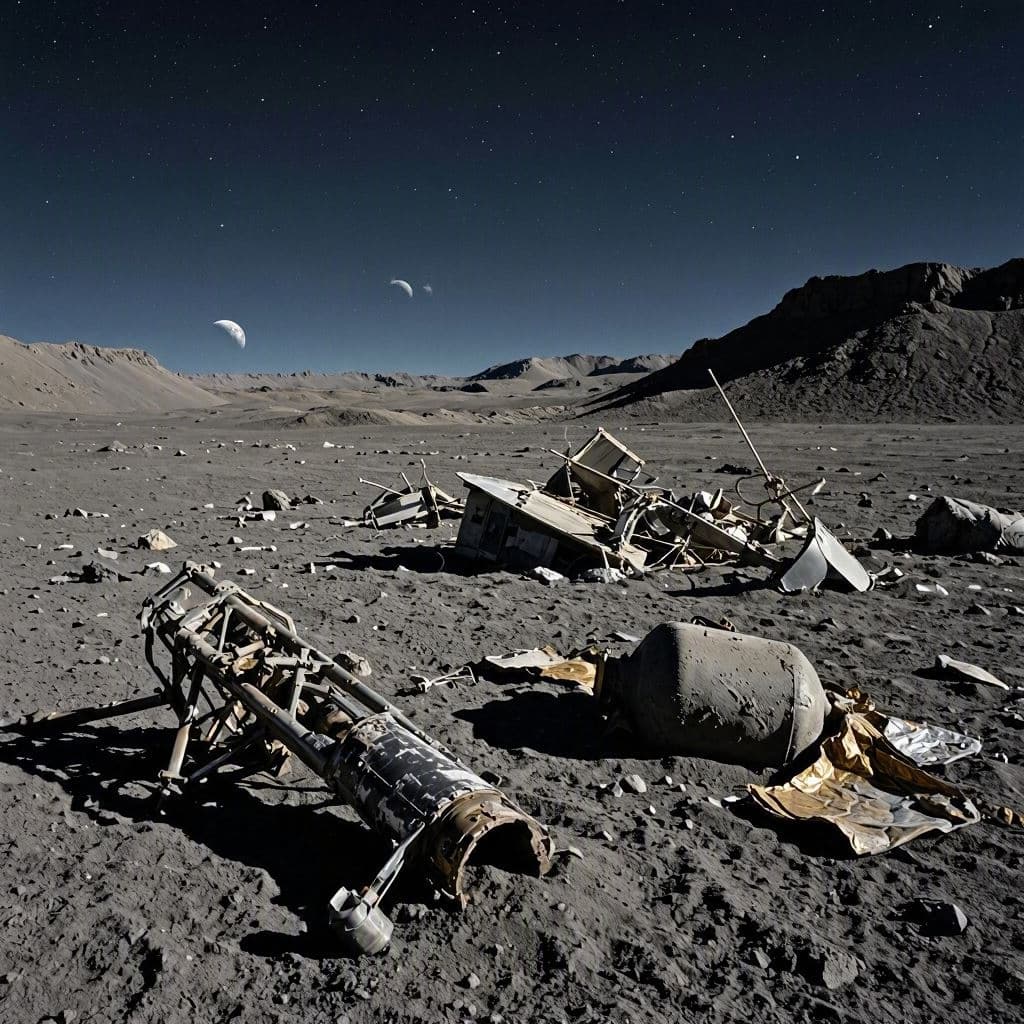
As lunar exploration accelerates, concerns grow about space debris and waste turning the Moon into a dumping ground, highlighting the need for sustainable practices.
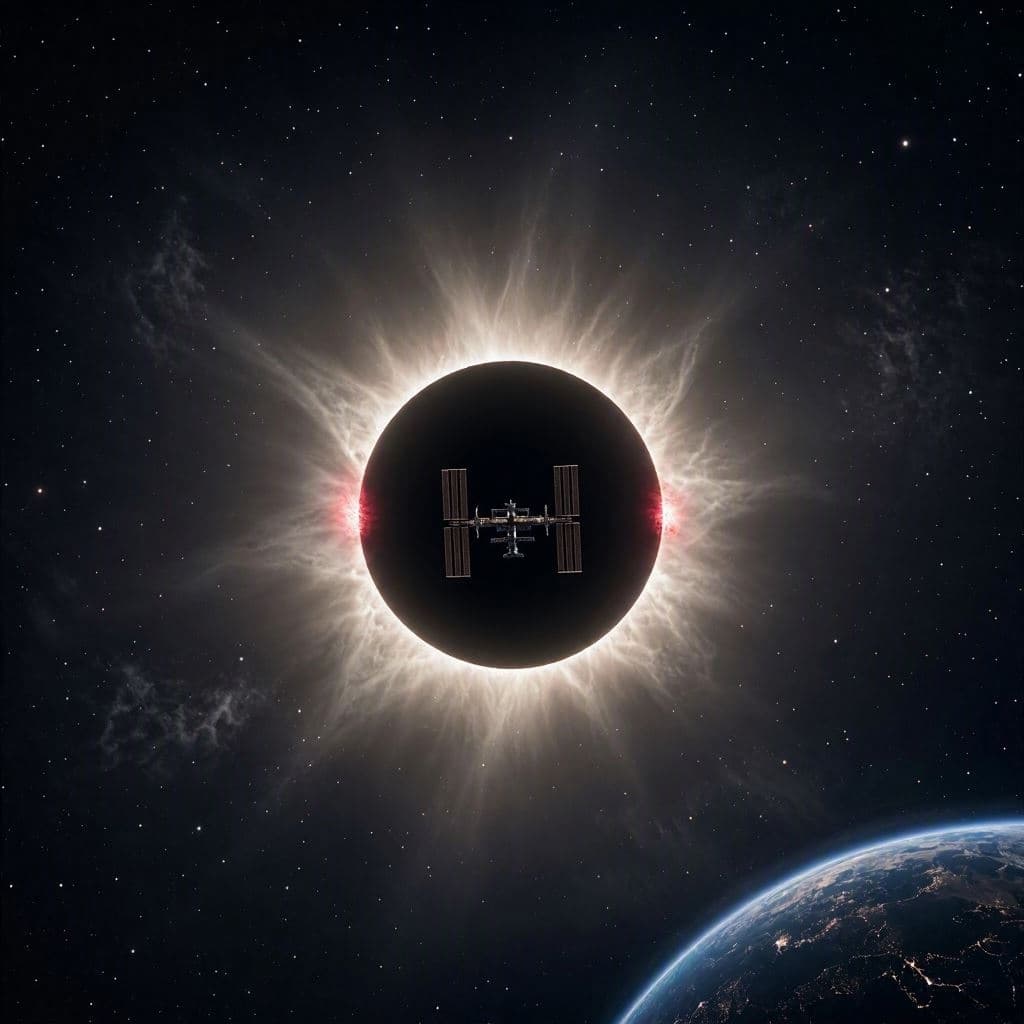
The International Space Station was captured crossing the sun during a solar eclipse on August 14, 2026, creating a striking "photobomb" image.
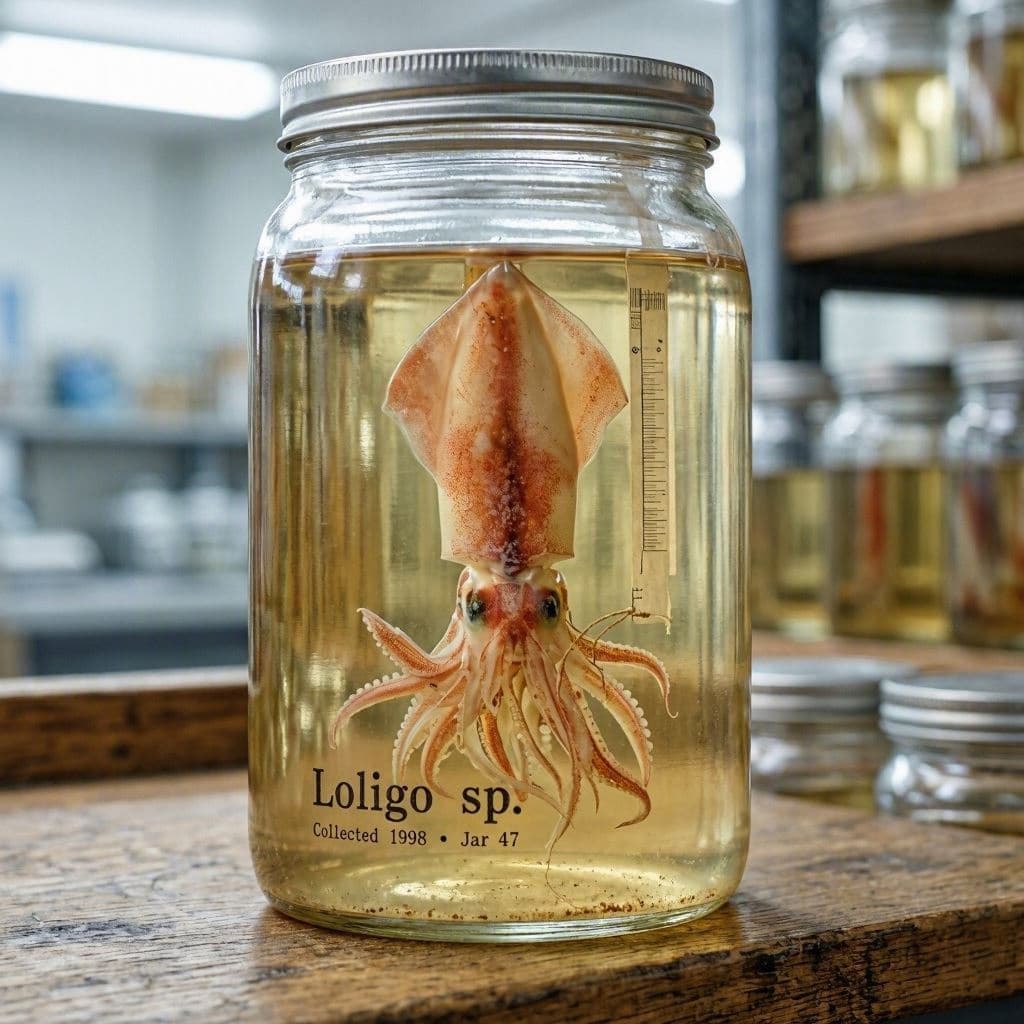
A squid specimen from a 1955 Antarctic whaling expedition has been identified as a new species and family, Mobydickia poseidonii, highlighting the value of historical collections.
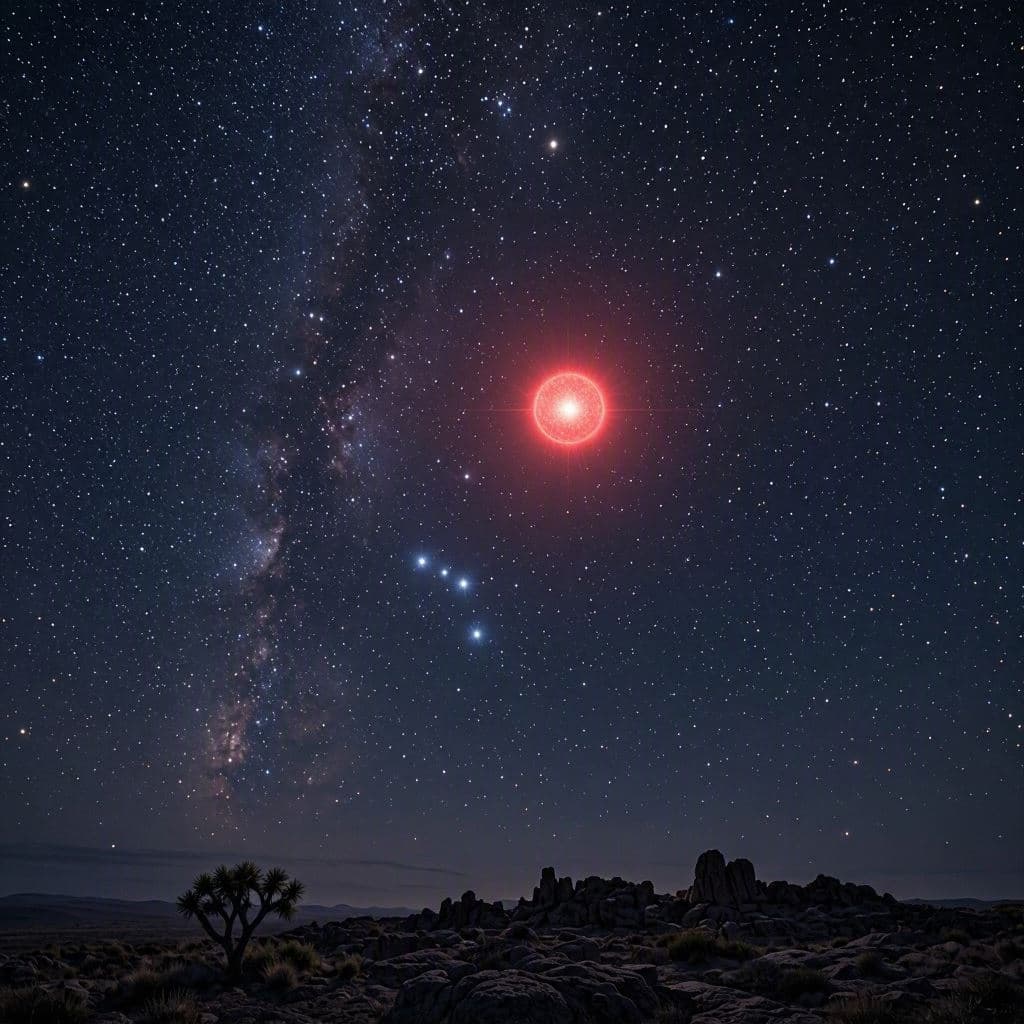
Betelgeuse is expected to go supernova eventually, but the exact timing is uncertain, ranging from years to thousands of years, according to astronomers.
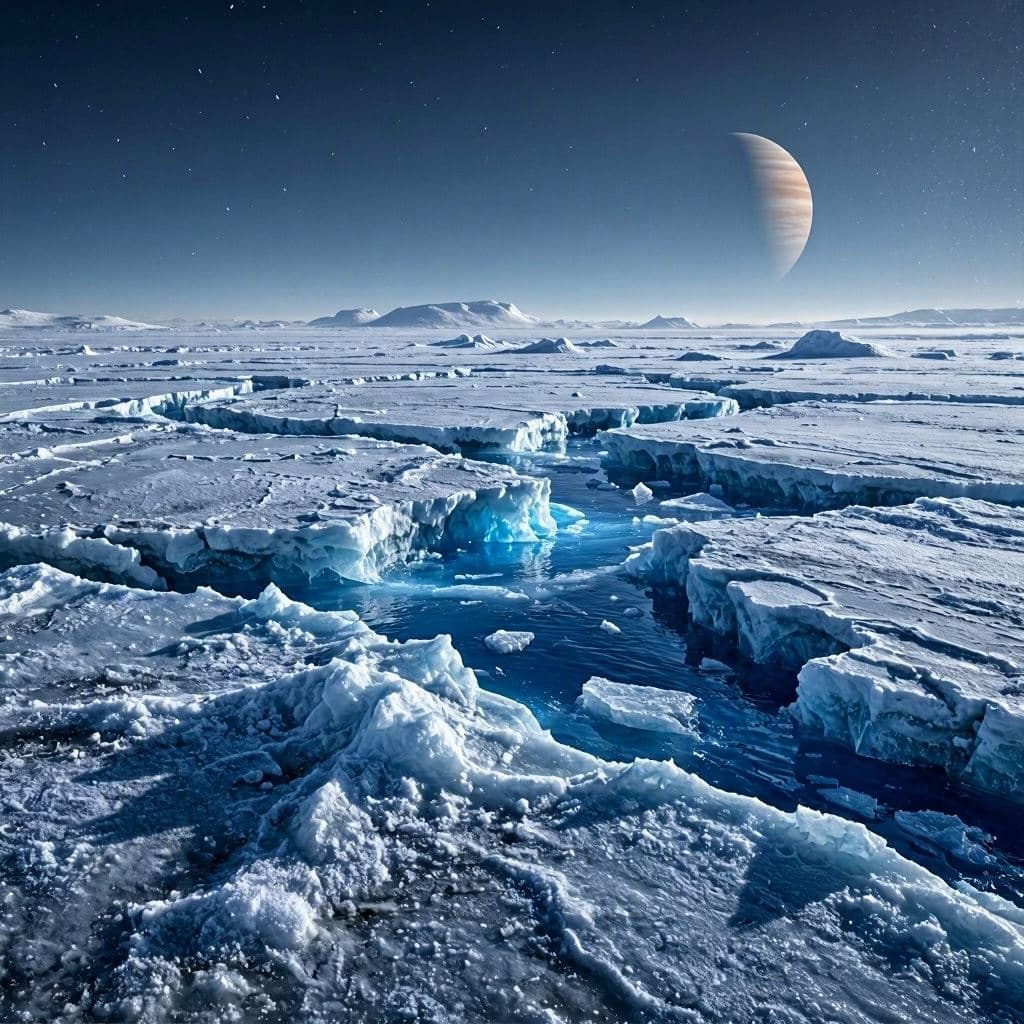
Moons like Europa and Enceladus likely hold more water than Earth, challenging the idea of our planet as the solar system’s ultimate water world.

A study suggests elephants played a key role in early human survival by providing food, materials, and driving social cooperation among ancient communities.
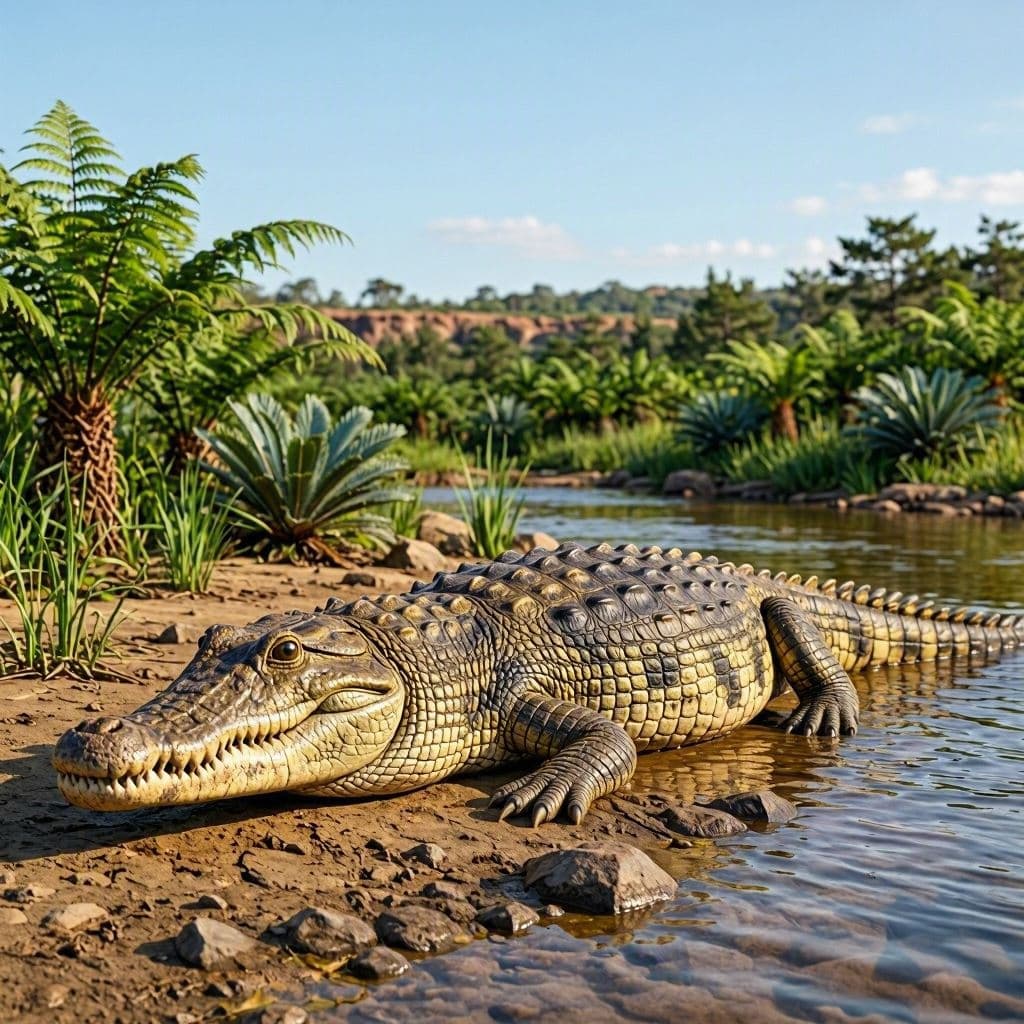
Research suggests crocodiles evolved from warm-blooded ancestors, later reverting to cold-blooded metabolism to suit their ambush predatory lifestyle.
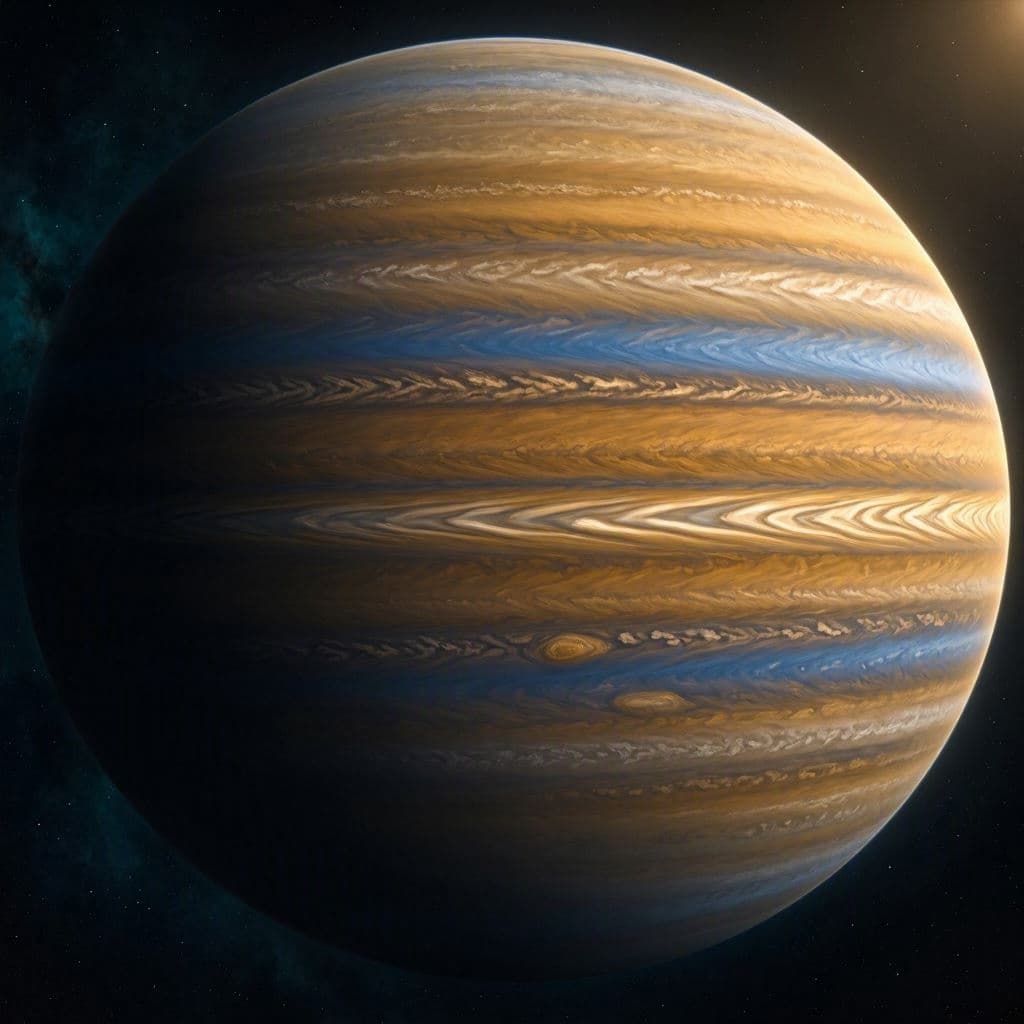
Astronomers discovered supersonic winds on exoplanet WASP-127b reaching 33,000 km/h, the fastest jet stream ever measured, surpassing Neptune’s records.

Temperate forests are disappearing in decades rather than millennia, driven by climate change and human activity, threatening global ecosystems.
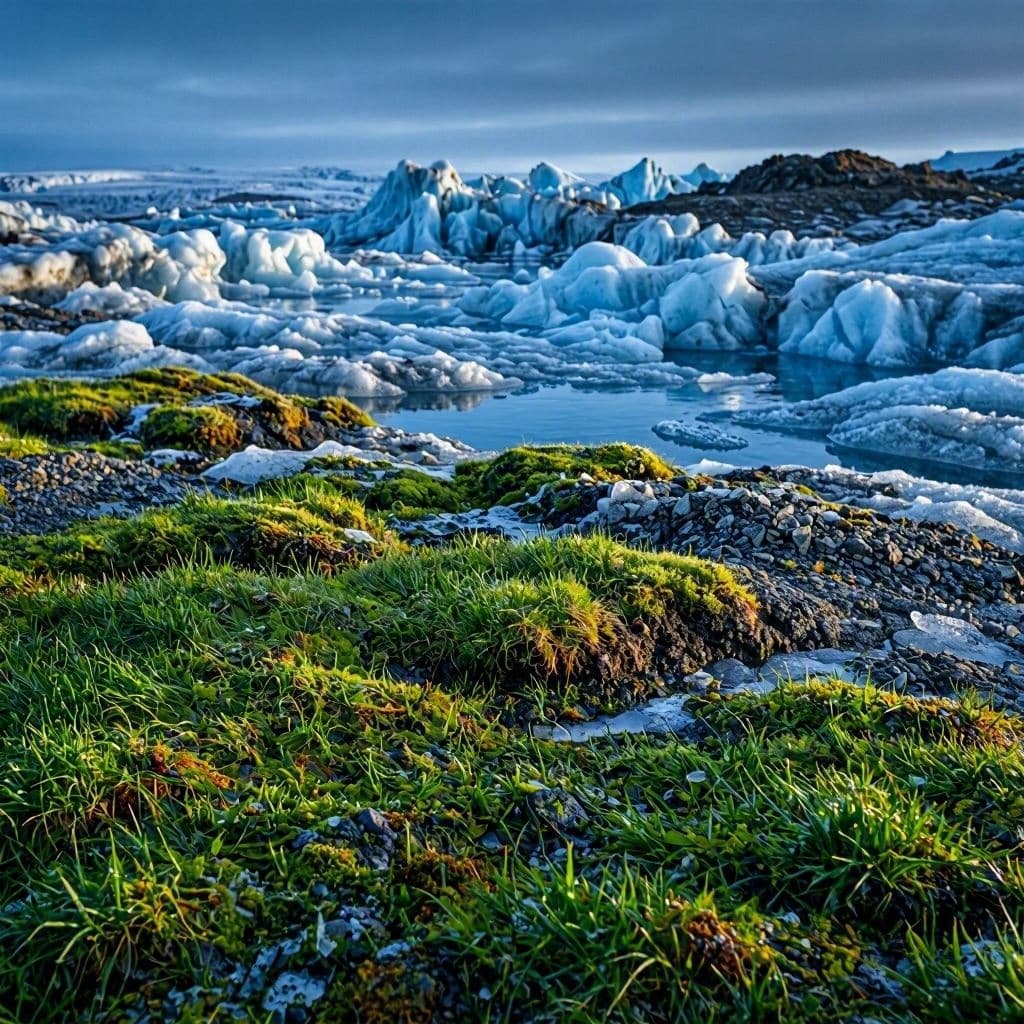
Native grasses in Antarctica are spreading rapidly due to warming, increasing wildfire risks and signaling significant climate change impacts in polar regions.

A 2,000-year-old Roman shipwreck with hundreds of amphorae was discovered off Sicily, contributing to the region’s "underwater museum" of archaeological treasures.

Copper endured extreme heat in US nuclear fusion reactor tests, defying earlier models and offering new insights for reactor material durability.
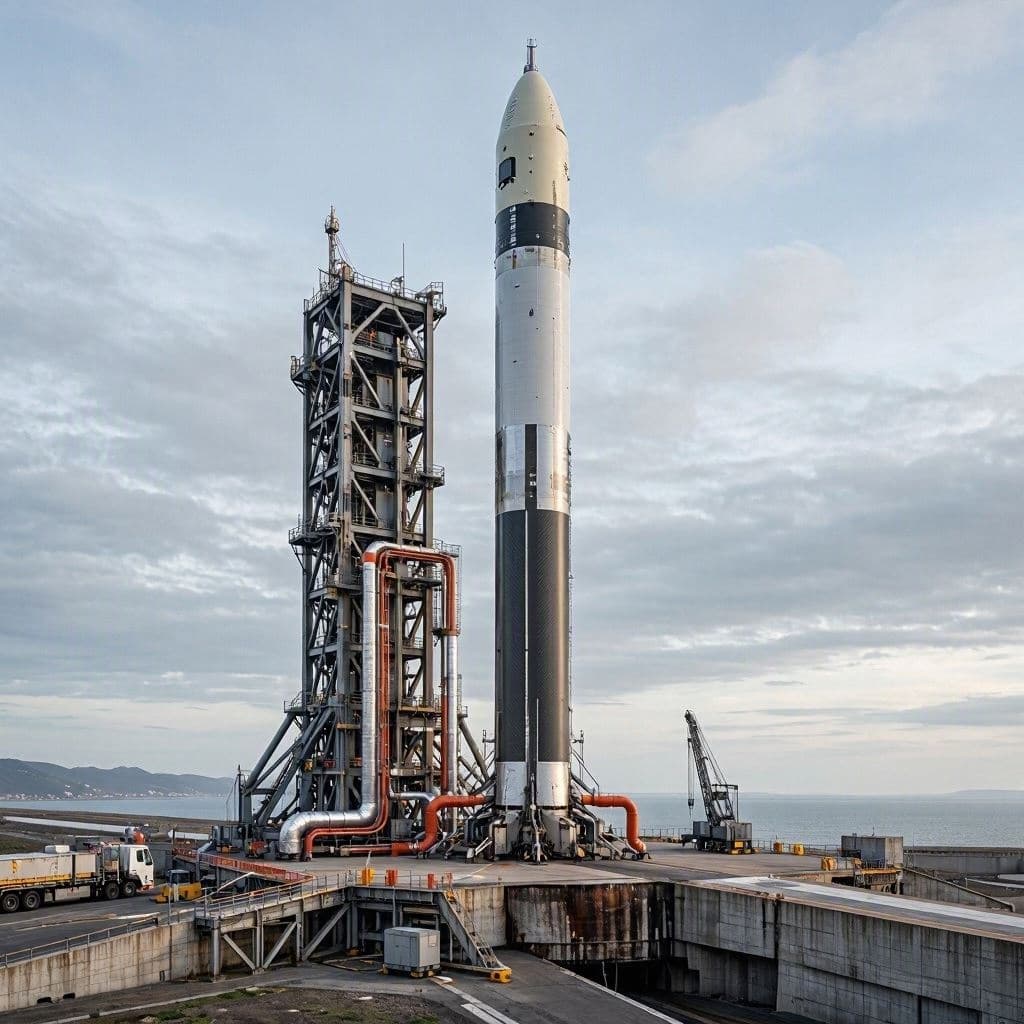
Blue Origin plans to build a second launch pad at Cape Canaveral to support its New Glenn rocket, reflecting growing demand for commercial space launches.
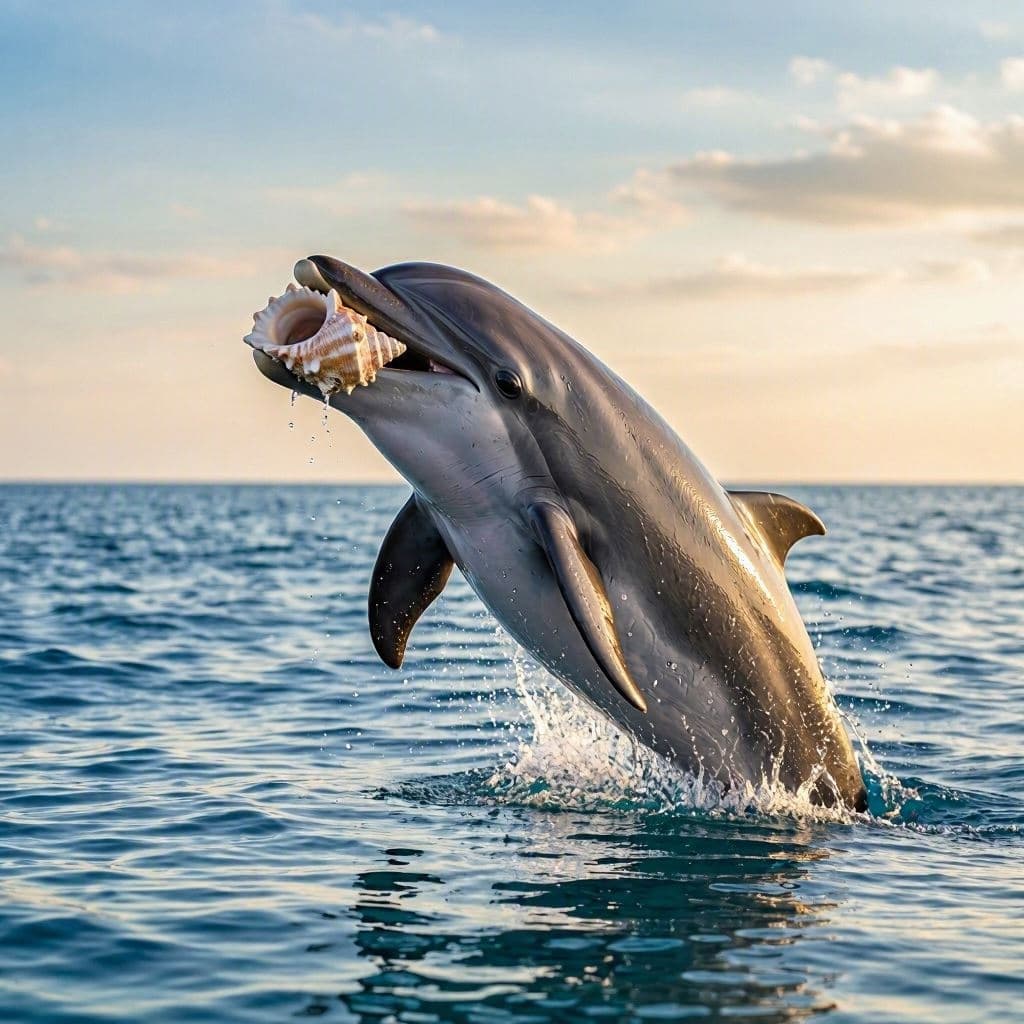
Scientists filmed dolphins using conch shells to trap fish for the first time, revealing advanced cognitive abilities and tool use in marine mammals.
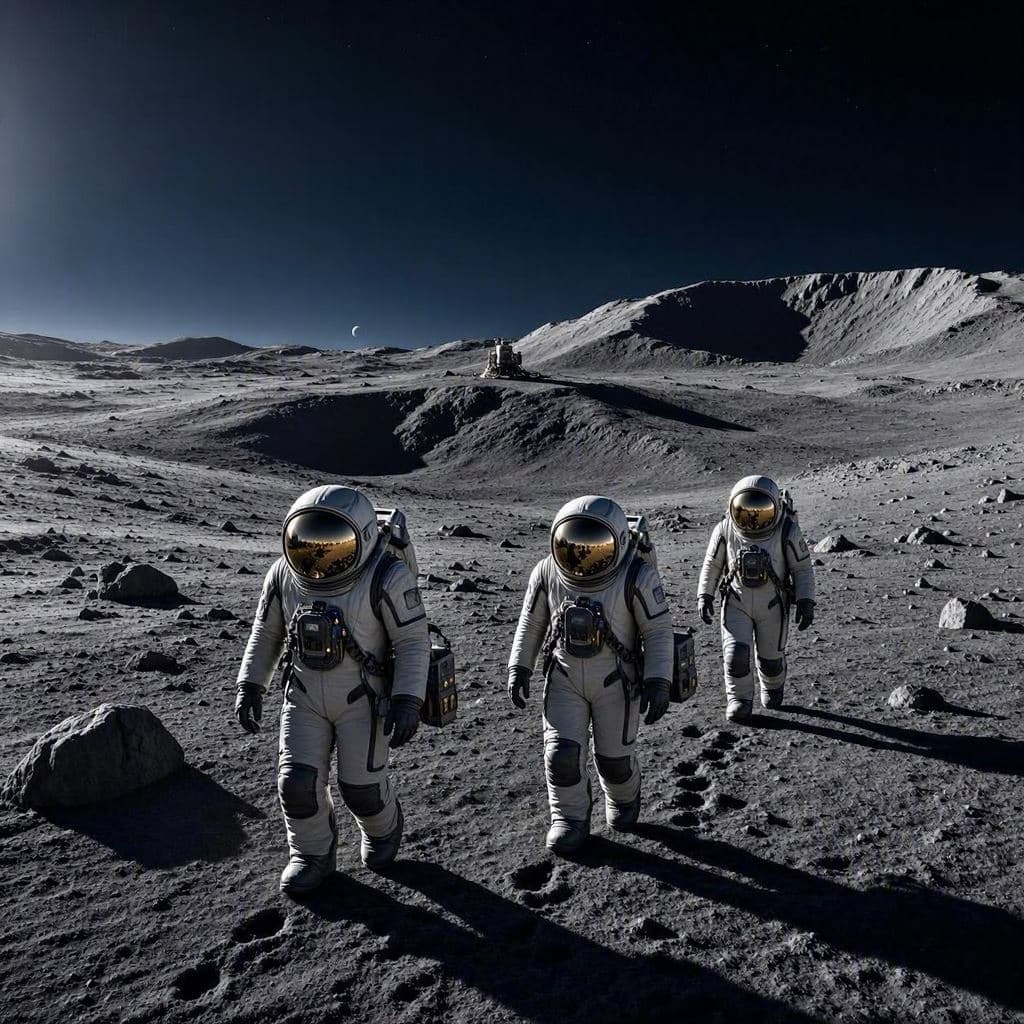
NASA Administrator Bill Nelson is extremely confident in the 2027 launch of Artemis 3, aiming to return humans to the moon despite technical challenges.

Hungary is sinking barges and building a riverbed sill to raise Danube water levels and prevent Paks nuclear shutdown.

Hungary has sunk two barges in the Danube River to raise water levels and keep the Paks nuclear power plant operating during a severe drought.

A 2,500-year-old marble statue was unearthed in Sardis, Turkey, a city mentioned in the Book of Revelation, offering insights into Lydian art.
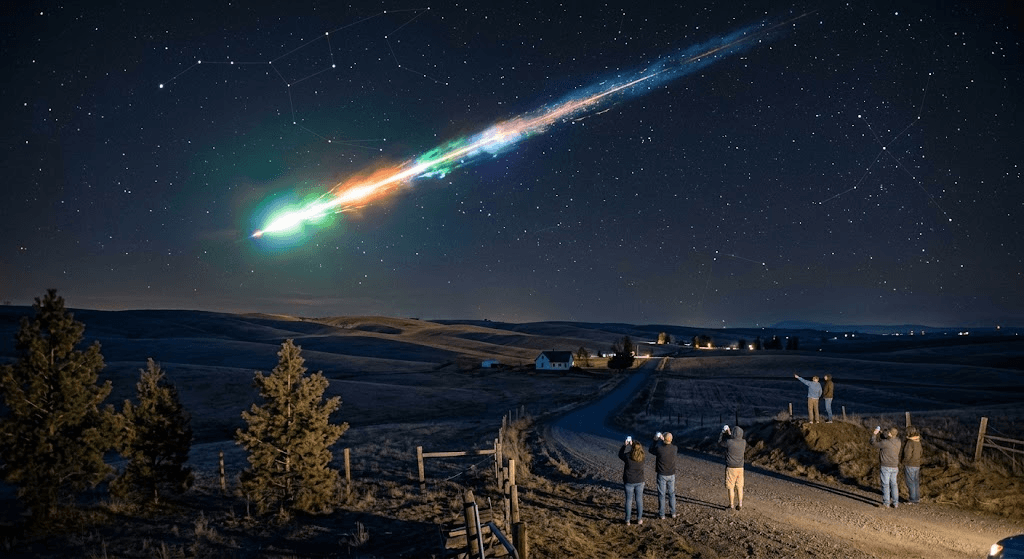
A massive fireball lit up the Pacific Northwest sky, outshining Venus and causing sonic booms. The meteor broke apart harmlessly, leaving no damage but creating a stunning night display.
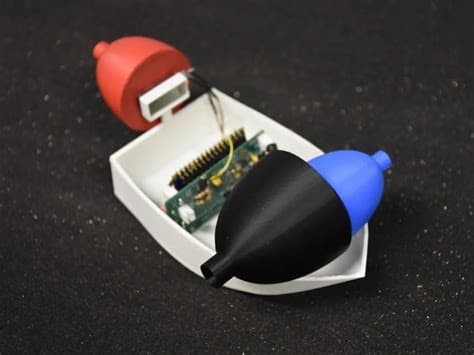
EPFL scientists say sound waves can provide propulsion, creating tiny drones that move without motors or batteries.

Have you ever been in the middle of a dream and suddenly thought — "Wait... this isn't real. I'm dreaming!" ?

NOAA says July 2026 was the hottest month ever recorded across the contiguous United States, averaging 76.89°F.