Artificial Intelligence Is Becoming Astronomy's New Companion in Deep Space
Artificial intelligence is increasingly helping astronomers detect and analyze exoplanets across vast astronomical datasets.

Artificial intelligence is increasingly helping astronomers detect and analyze exoplanets across vast astronomical datasets.

Scientists are developing the Nautilus telescope concept to study exoplanet atmospheres and planetary evolution.

NASA is exploring options to extend the operational life of the Swift space observatory as its orbit gradually declines.

Astronomers are studying interstellar Comet 3I/ATLAS, which may have formed billions of years before the solar system.

A new study has found that some of the last surviving Neanderthals maintained greater genetic diversity than previously believed, suggesting that widespread inbreeding was unlikely to have been the primary cause of their extinction. Instead, researchers argue that climate change, small population sizes, and interactions with modern humans likely combined to shape their fate.

Global investment in artificial intelligence and quantum computing continues to grow as countries compete for technological leadership.

Scientists continue monitoring California's fault systems while emphasizing preparedness as the best defense against future major earthquakes

The U.S. Department of Energy has finalized a strategy aimed at accelerating the commercialization of fusion energy technologies.

NIH scientists report ongoing disruptions affecting U.S. health research, raising concerns about funding stability and scientific continuity.

Experts warn that invasive fire ants could threaten thousands of pets and cause significant environmental and economic damage across Australia.

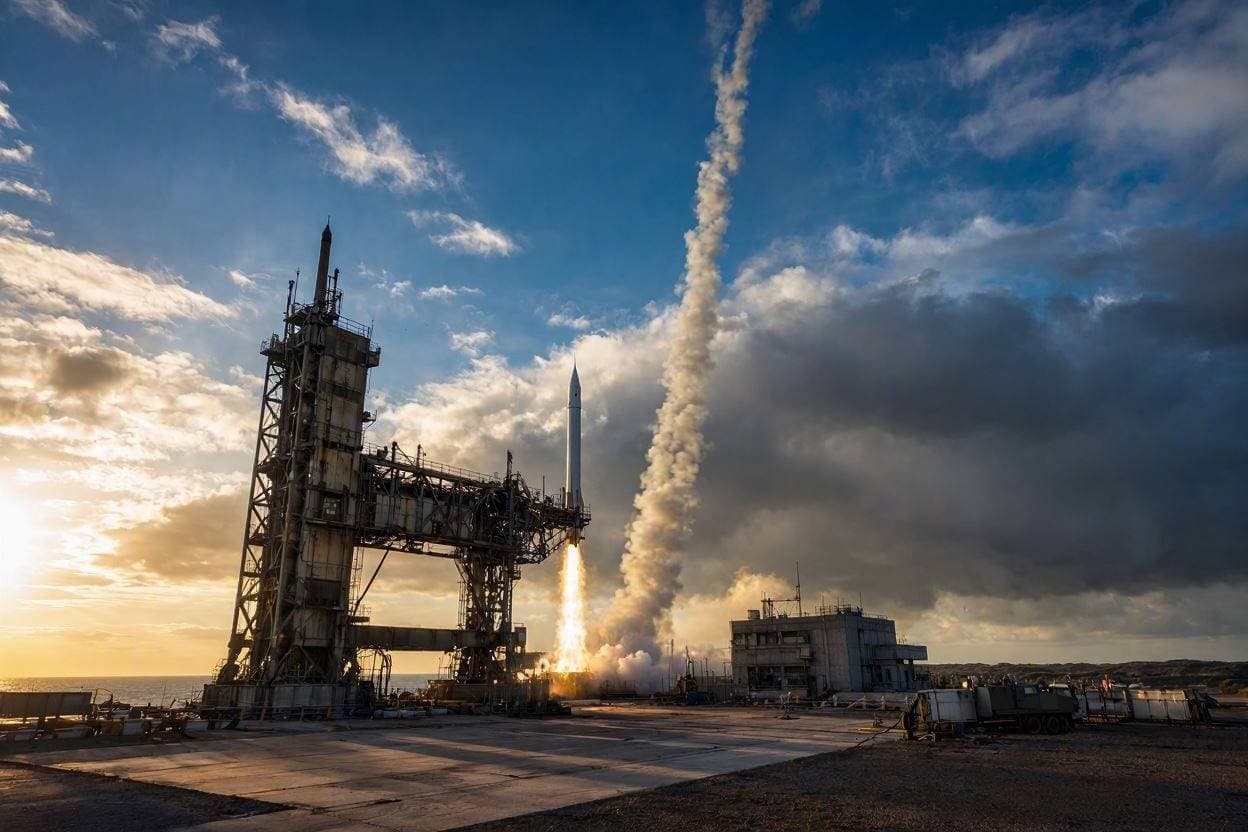
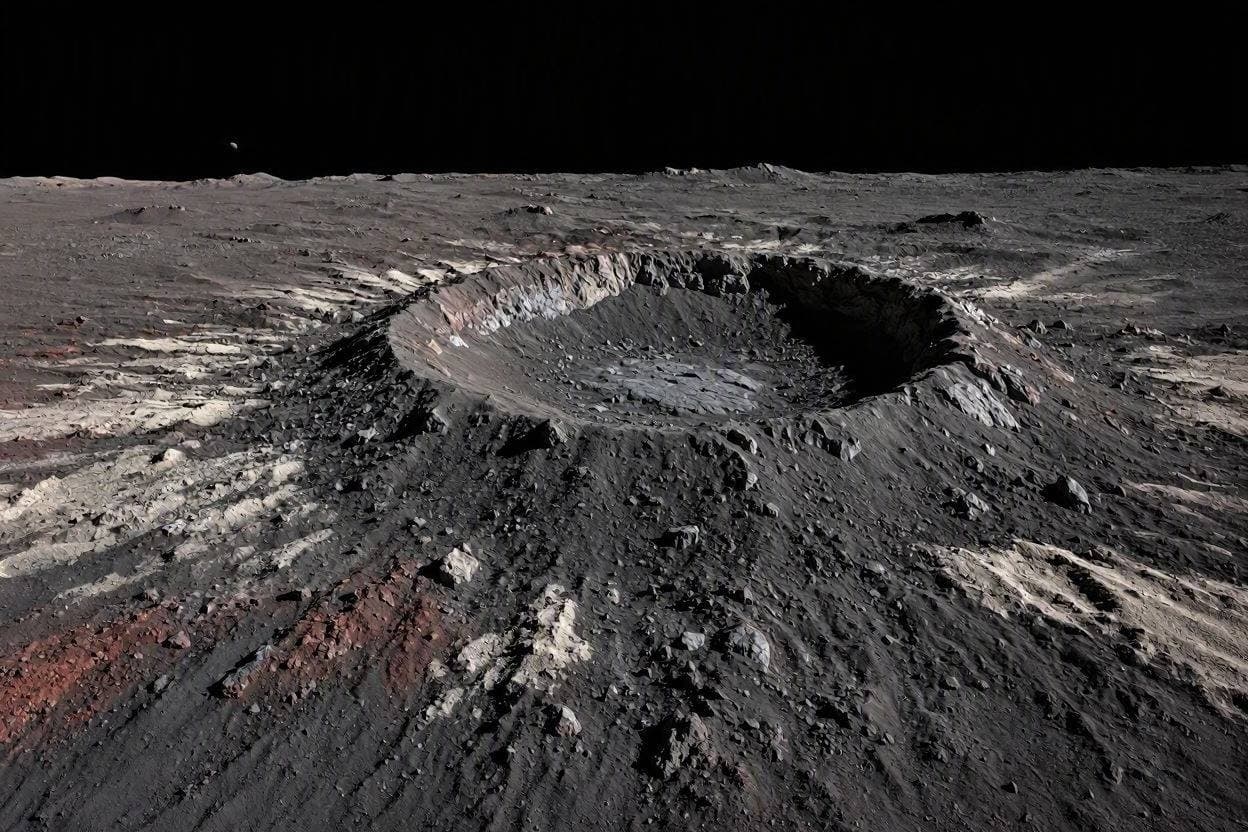
NASA's Artemis program has achieved new milestones as preparations continue for future crewed missions around and eventually onto the Moon.

New NASA satellite imagery suggests increasing stabilization across portions of Nebraska's Sand Hills as vegetation continues to expand.

The SKA project is advancing toward a new phase that could revolutionize radio astronomy and deepen understanding of the universe.

Chinese researchers have released a major real-world dataset designed to support the development of future 6G technologies.

NASA's new observatory has completed crucial calibration work, enabling scientists to better study Earth's outermost atmosphere.

Scientists believe artificial intelligence could revolutionize astrobiology by accelerating data analysis and improving the search for extraterrestrial life.

Proposed changes to the U.S. scientific funding system have sparked discussion about the future of research and innovation.

NASA's Cold Atom Laboratory aboard the ISS has created unique quantum matter states, advancing research into fundamental physics.

NASA is exploring orbital adjustments to extend the Swift Observatory's mission and prevent an uncontrolled return to Earth.

Scientists believe interstellar comet 3I/ATLAS may be up to 12 billion years old, potentially making it one of the oldest known cosmic objects.

NASA's Perseverance rover detected record levels of complex organic molecules in Martian rocks, deepening interest in the planet's ancient habitability.

Scientists have recorded a goblin shark in its natural deep-sea habitat for one of the first times.

Researchers have documented a rare walking shark in Papua New Guinea, underscoring the region's rich marine biodiversity.

The James Webb Space Telescope has detected unusually powerful galactic winds in some of the universe's earliest galaxies.