The climate system is a complex web of interactions, where changes in one part of the world can ripple across oceans to affect distant shores. As scientists predict a historic "super" El Niño, residents of British Columbia are preparing for potential shifts in weather patterns, marine life behavior, and water availability. This phenomenon invites reflection on our interconnectedness with global environmental forces and the adaptability required to face them. It is a moment where local ecosystems respond to planetary rhythms.
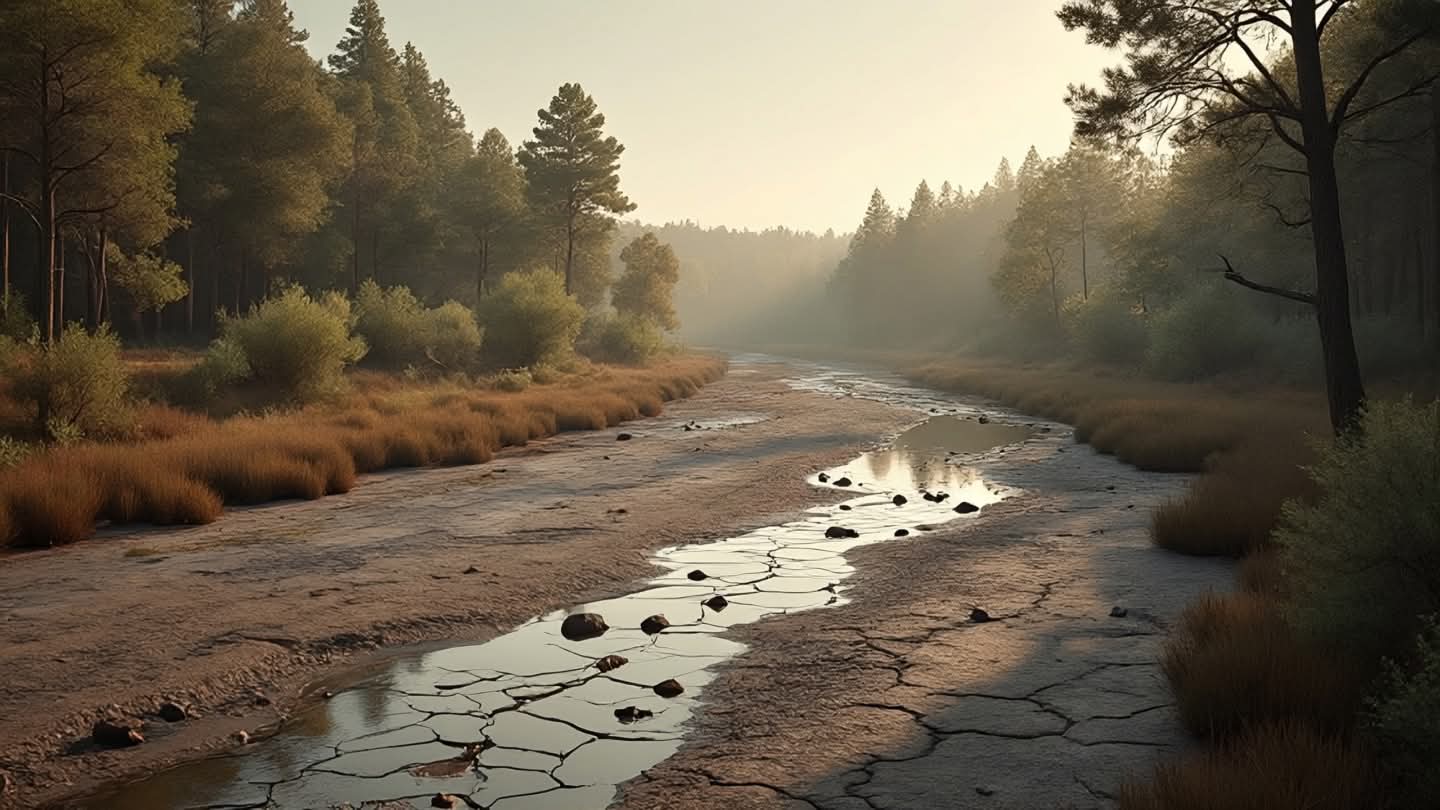
El Niño typically brings warmer and drier conditions to the Pacific Northwest, affecting snowpack levels and river flows. For British Columbia, this could mean reduced water supplies for agriculture and hydroelectric power, as well as increased wildfire risk. Warmth alters balance. Dryness increases risk.
Marine life, including dolphins and other cetaceans, may also be impacted by changes in ocean temperatures and prey distribution. While dolphins are not native to B.C. waters, the term likely refers to broader marine ecosystem shifts, such as the movement of fish stocks that support local wildlife and fisheries. Ocean health matters. Biodiversity is fragile.
Fishermen and coastal communities are monitoring these changes closely, adjusting their practices to accommodate shifting species ranges. Adaptation is key to sustainability. Flexibility ensures survival.
The prediction of a "super" El Niño serves as a warning to prepare for extreme weather events. Emergency management agencies are reviewing plans to address potential floods, droughts, and storms. Preparation prevents panic. Planning saves resources.
For the public, understanding these climate patterns helps in making informed decisions about water usage and energy consumption. Awareness fosters resilience. Knowledge empowers action.
A historic "super" El Niño is expected to impact British Columbia, potentially causing drought, warmer temperatures, and shifts in marine ecosystems. Authorities are advising preparation for water shortages and increased wildfire risk. The hope is for effective mitigation strategies and community readiness.
AI Image Disclaimer: Visuals associated with this article are AI-generated to illustrate the themes of climate change and marine ecology.
Sources: CBC News Environment Canada
Published by Banx Network. This article is part of the Banx decentralized media programme, powered by the BXE token on the XRP Ledger.