SCIENCE81% credibility
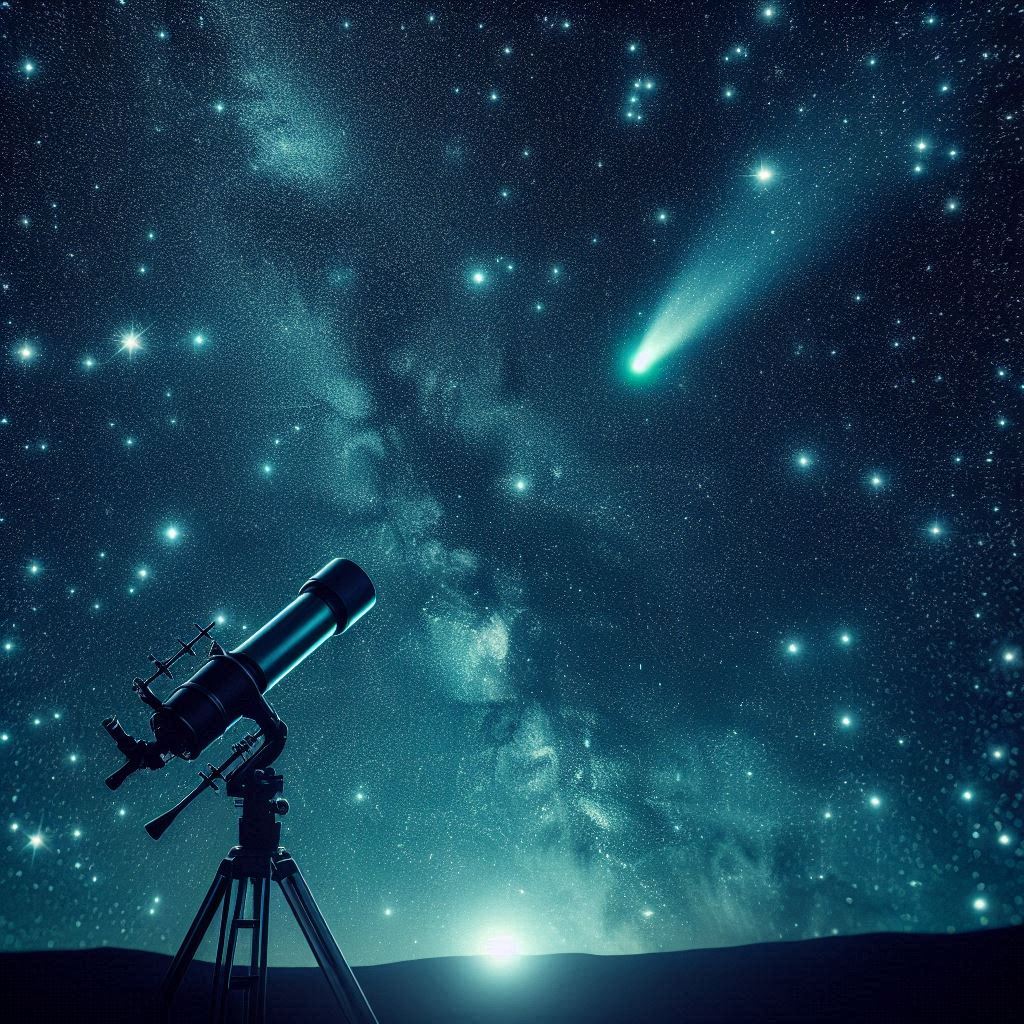
Comet 3I/ATLAS to Pass Closely by Earth in December 2025
Comet 3I/ATLAS will make its closest approach to Earth on December 19, 2025, offering a unique opportunity for astronomers and skywatchers alike.
2 min read

Comet 3I/ATLAS will make its closest approach to Earth on December 19, 2025, offering a unique opportunity for astronomers and skywatchers alike.
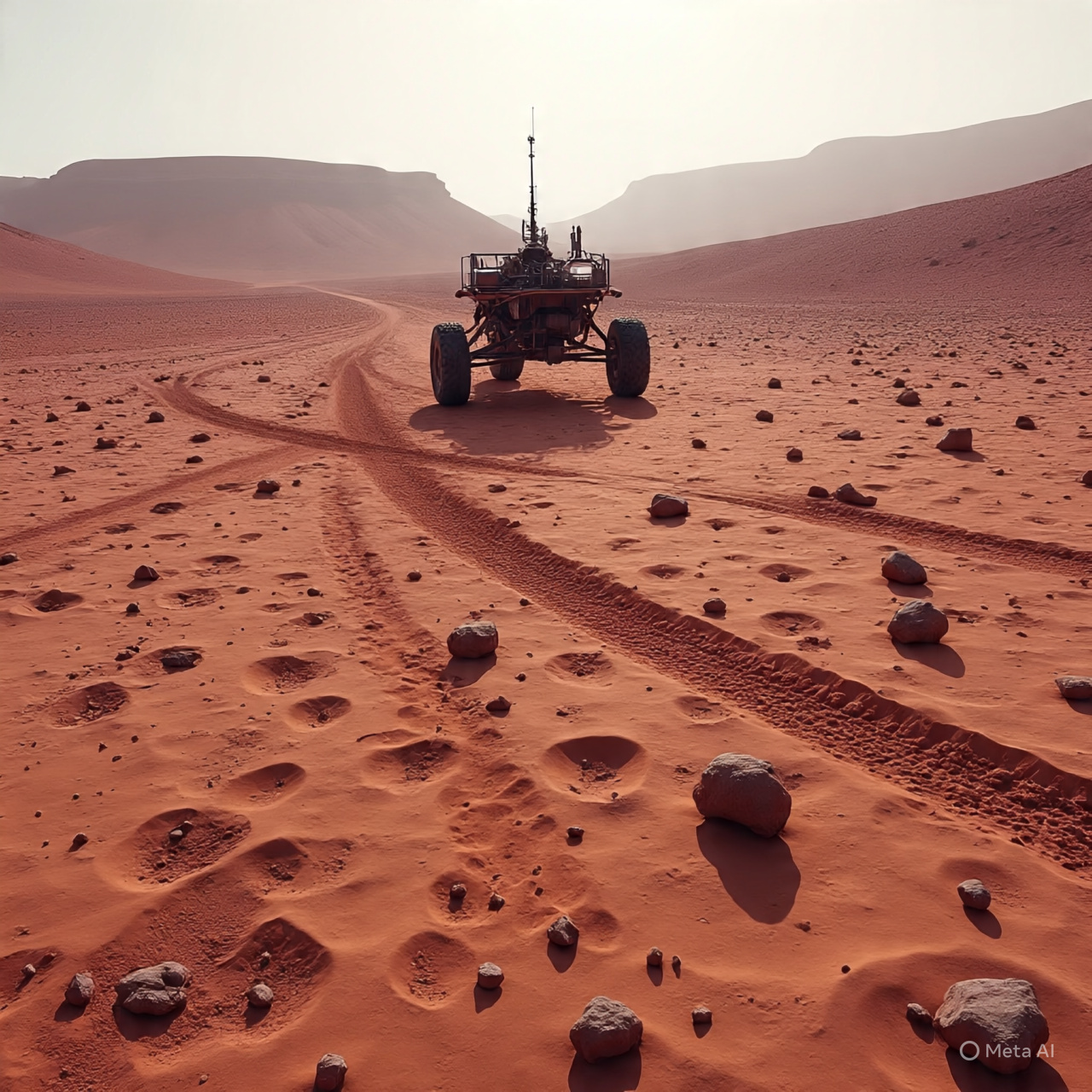
NASA's Perseverance rover embarks on a slow, methodical journey across Mars, focusing on scientific exploration and careful navigation of the terrain.

Researchers document a rare case of a female polar bear adopting an orphaned cub, revealing insights into maternal behaviors and conservation needs.

Vast opens call for scientific research proposals for its Haven-1 private space station, aiming to broaden access to orbital science and innovation.
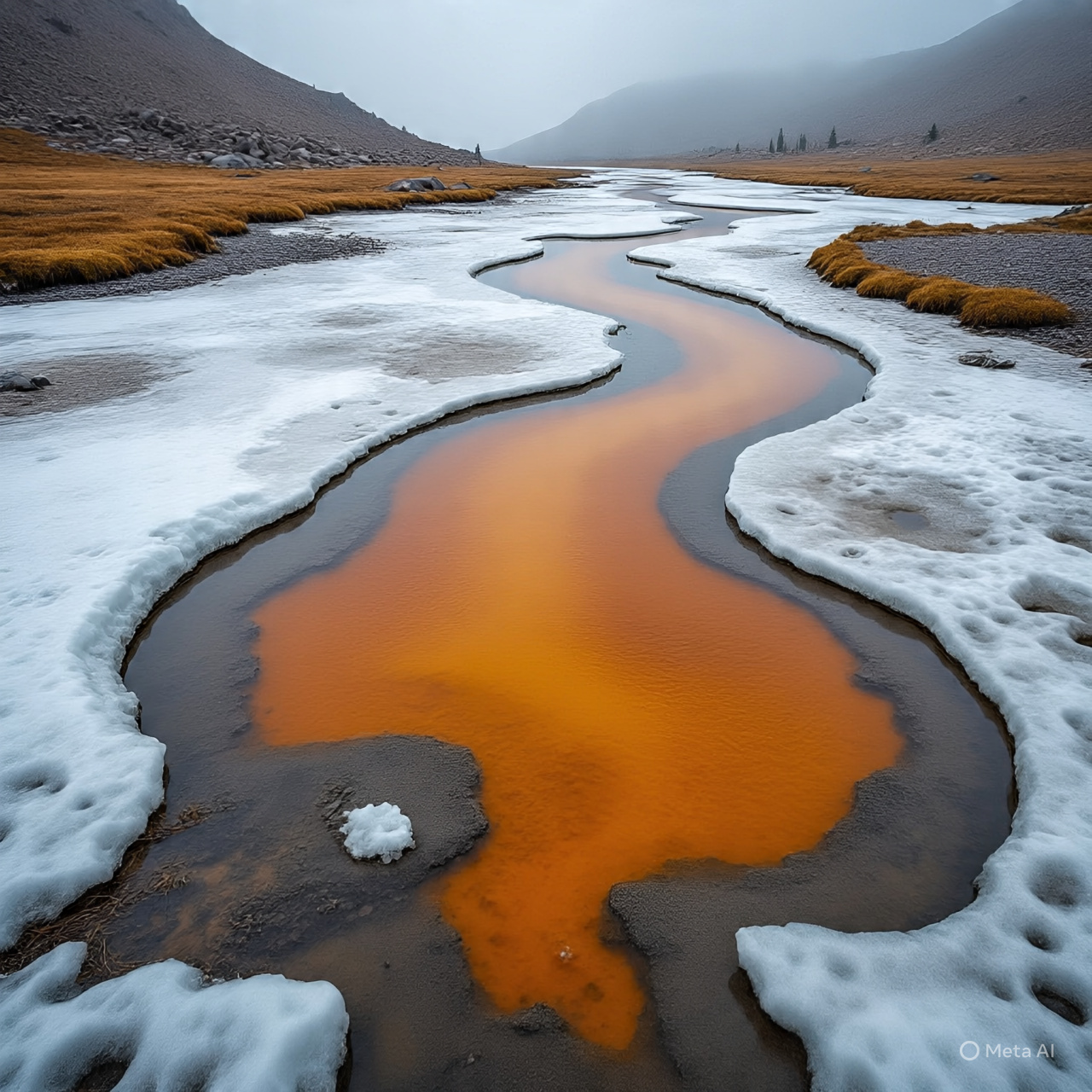
The latest NOAA Arctic Report Card highlights alarming changes in the Arctic, including rust-colored rivers and significant glacier retreat due to climate change.
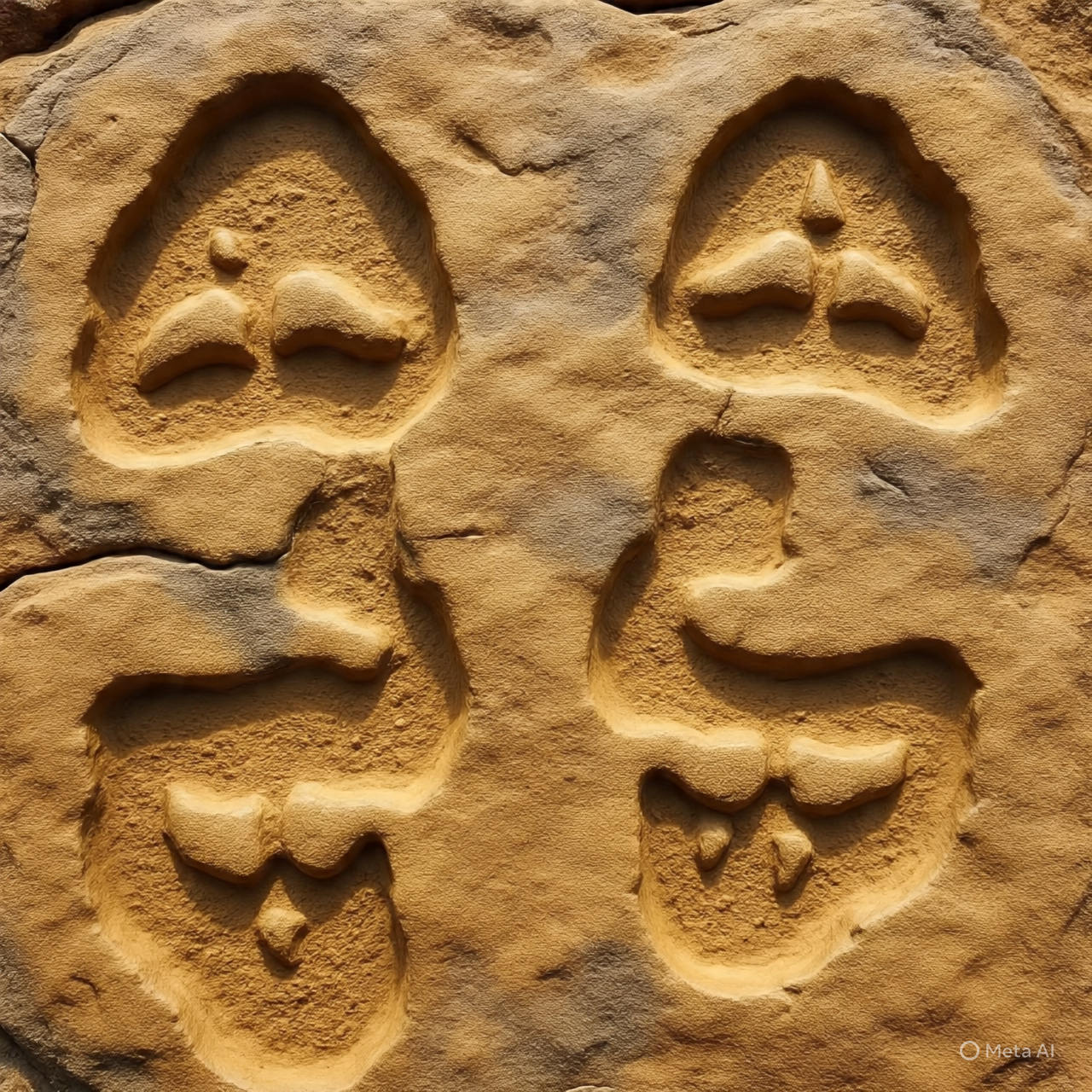
Thousands of dinosaur footprints, dating back over 210 million years, have been discovered in Italy's Stelvio National Park, revealing ancient life and behavior.
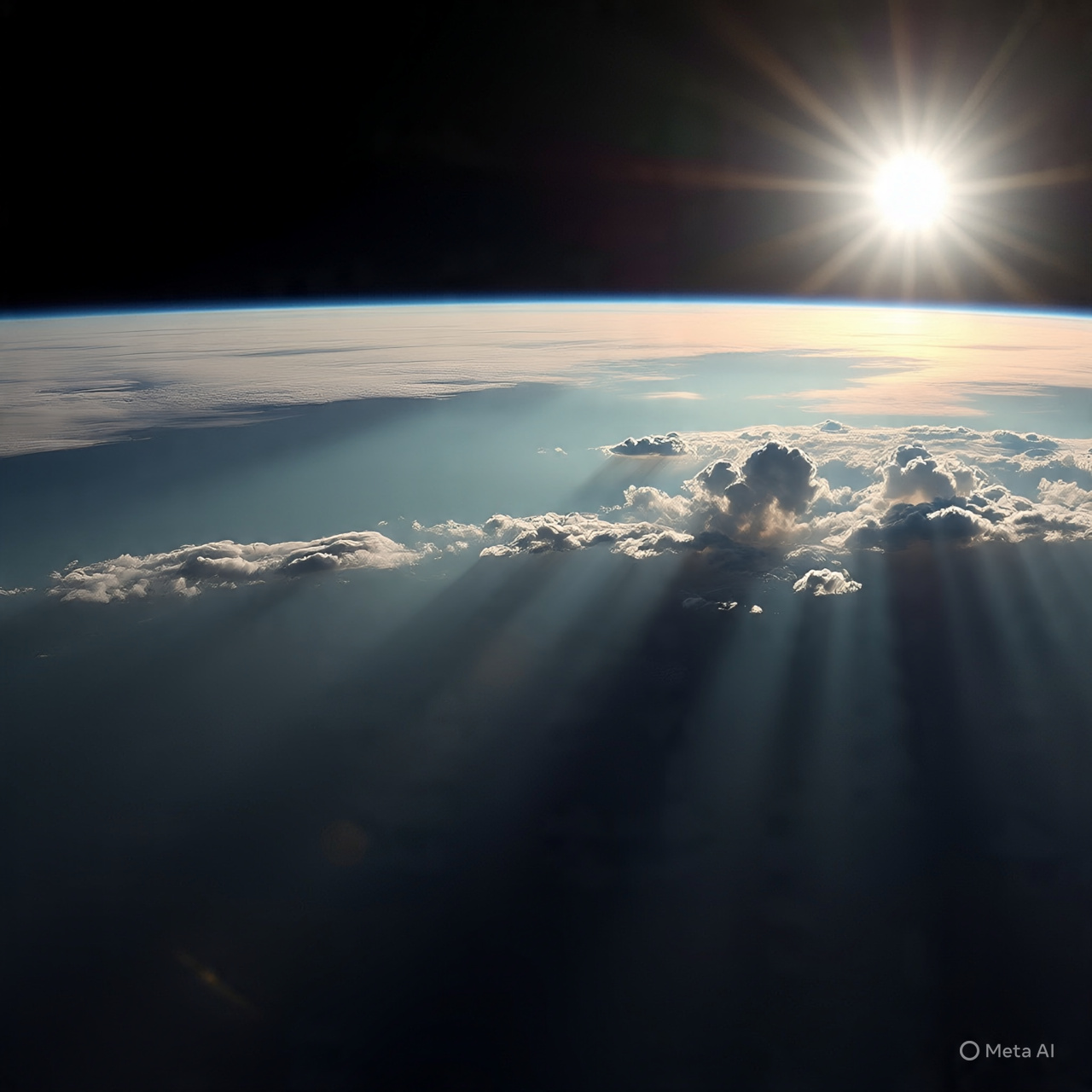
Delve into the complexities of solar geoengineering, a contentious topic in climate science, and its implications for future climate action.
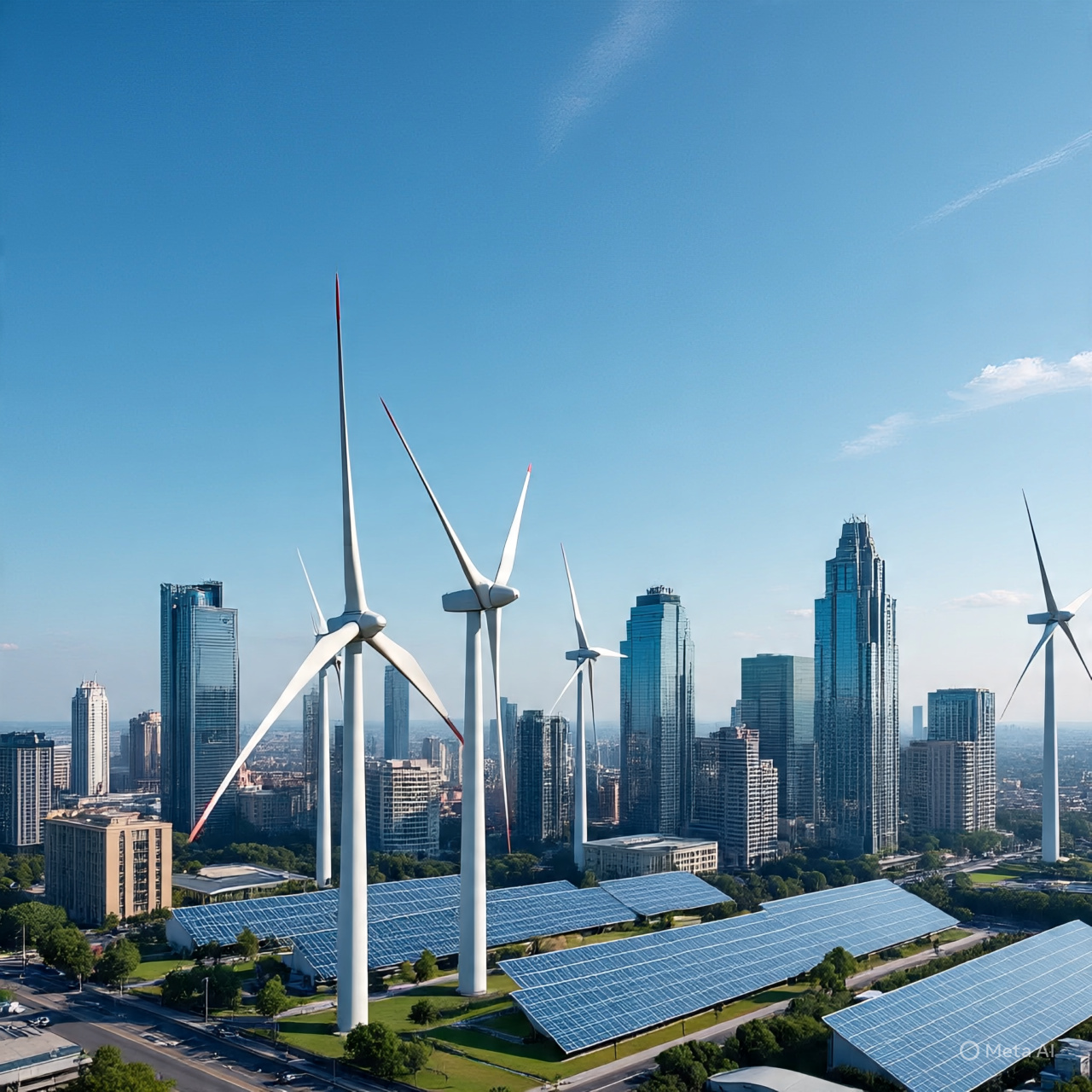
Ten years post-Paris Agreement, global emissions continue to rise, highlighting the gap between ambition and reality in climate action.
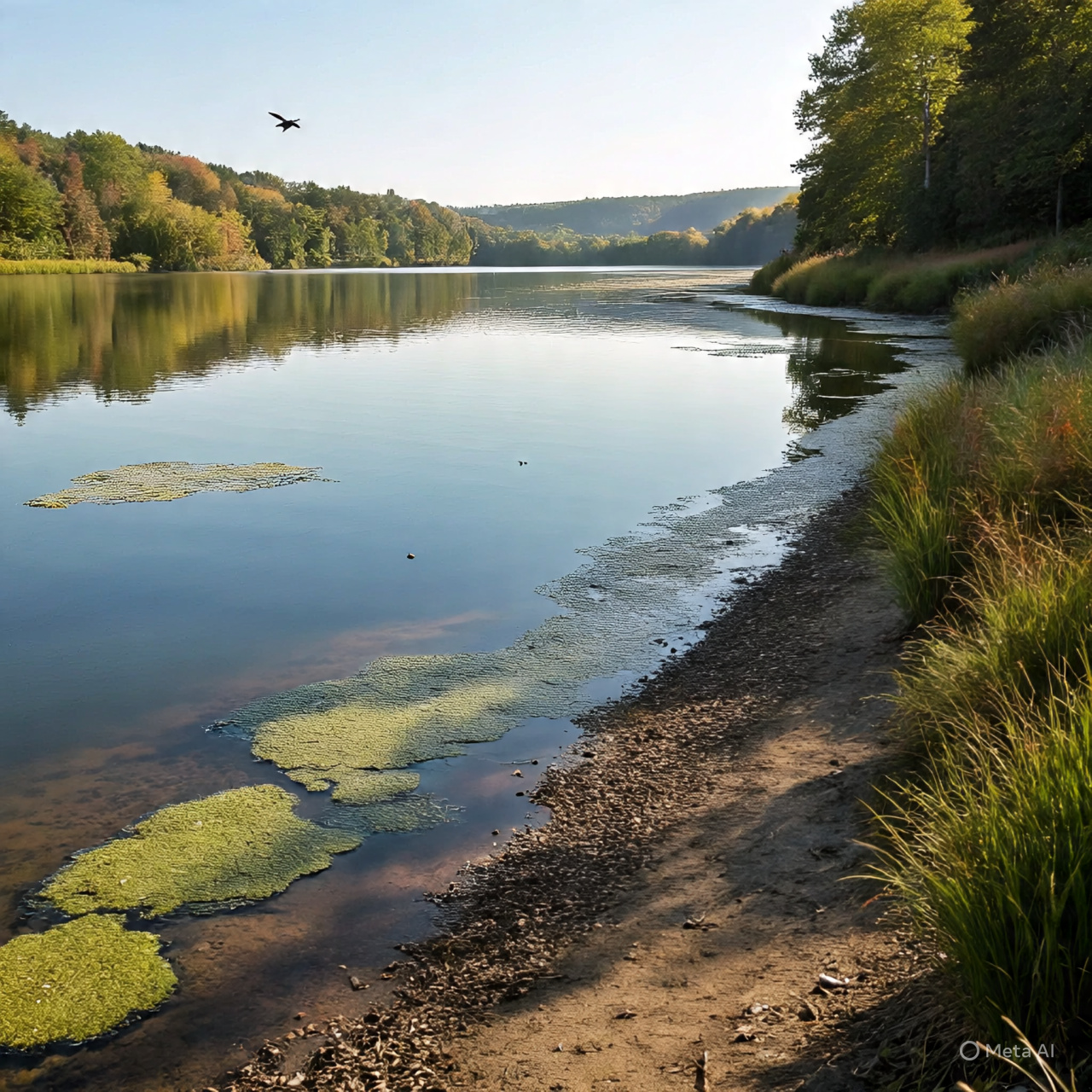
Experts are raising alarms about harmful algal blooms spreading across U.S. waters, posing risks to wildlife, drinking water, and local economies.

Astronomers may have observed a rare superkilonova, a cosmic event combining a supernova and kilonova, shedding light on stellar evolution and element formation.
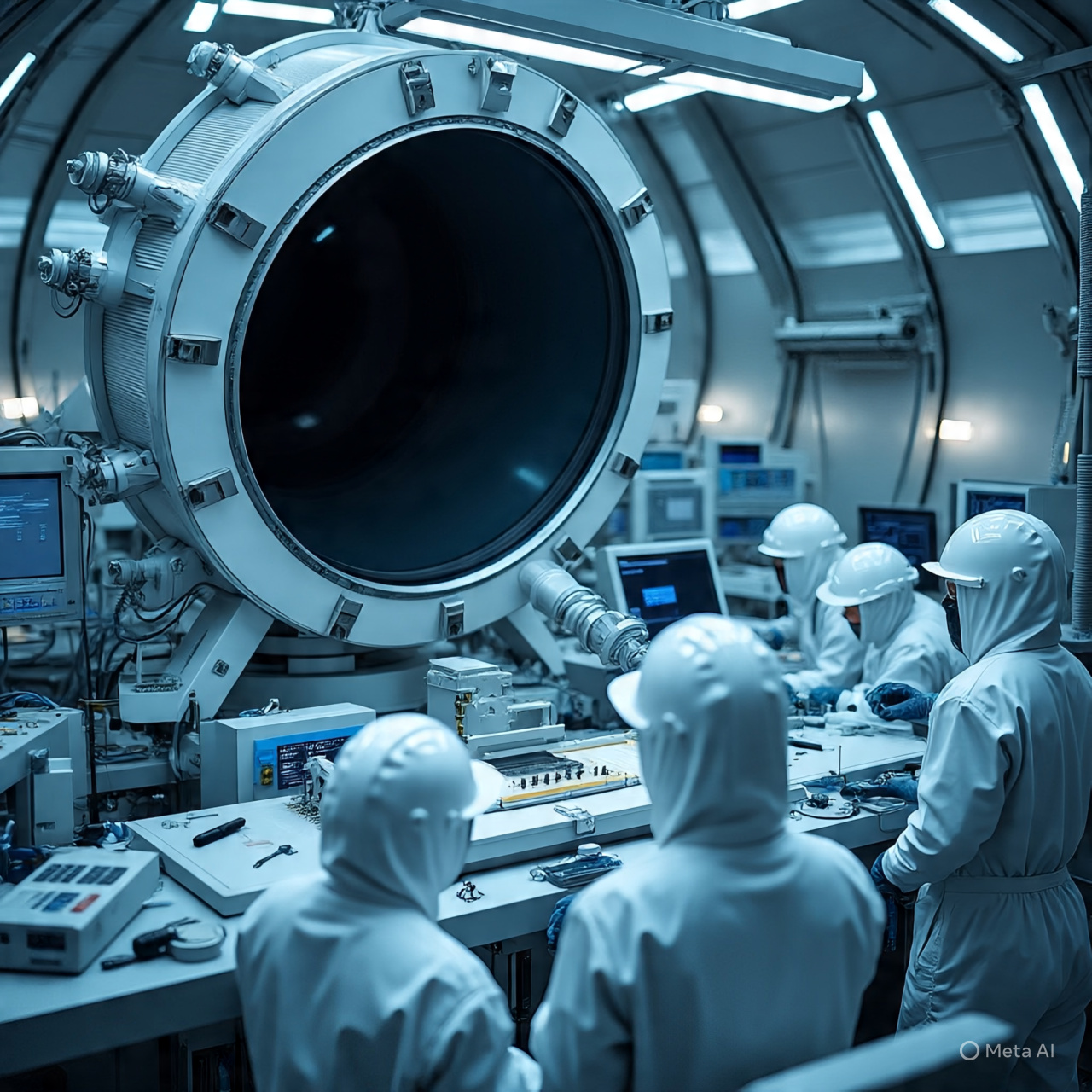
After years of political challenges, a new space telescope is ready for launch, aimed at studying dark energy and the universe's expansion.
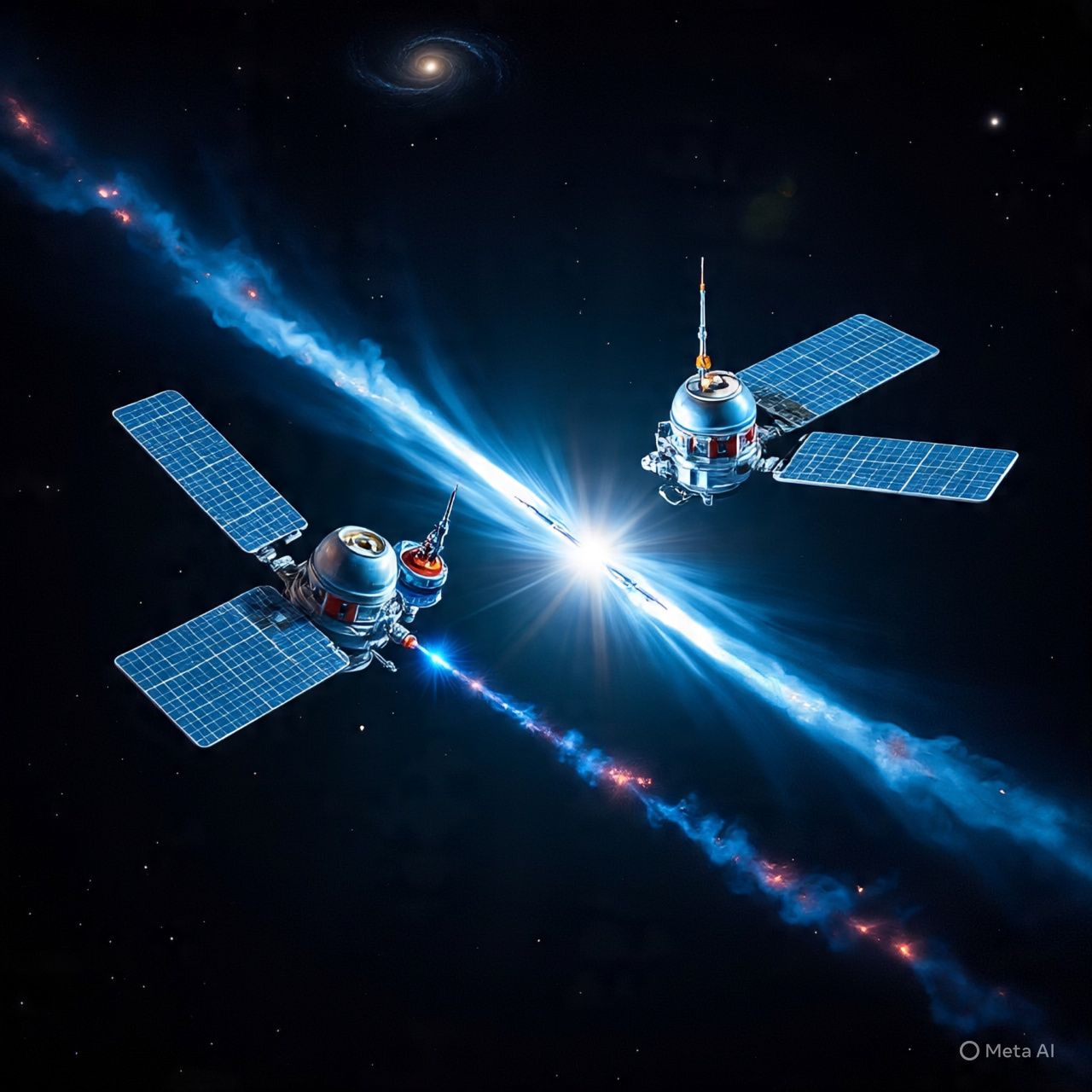
Experts warn that losing satellite control for just days could trigger catastrophic collisions in low Earth orbit, disrupting vital space operations and services.
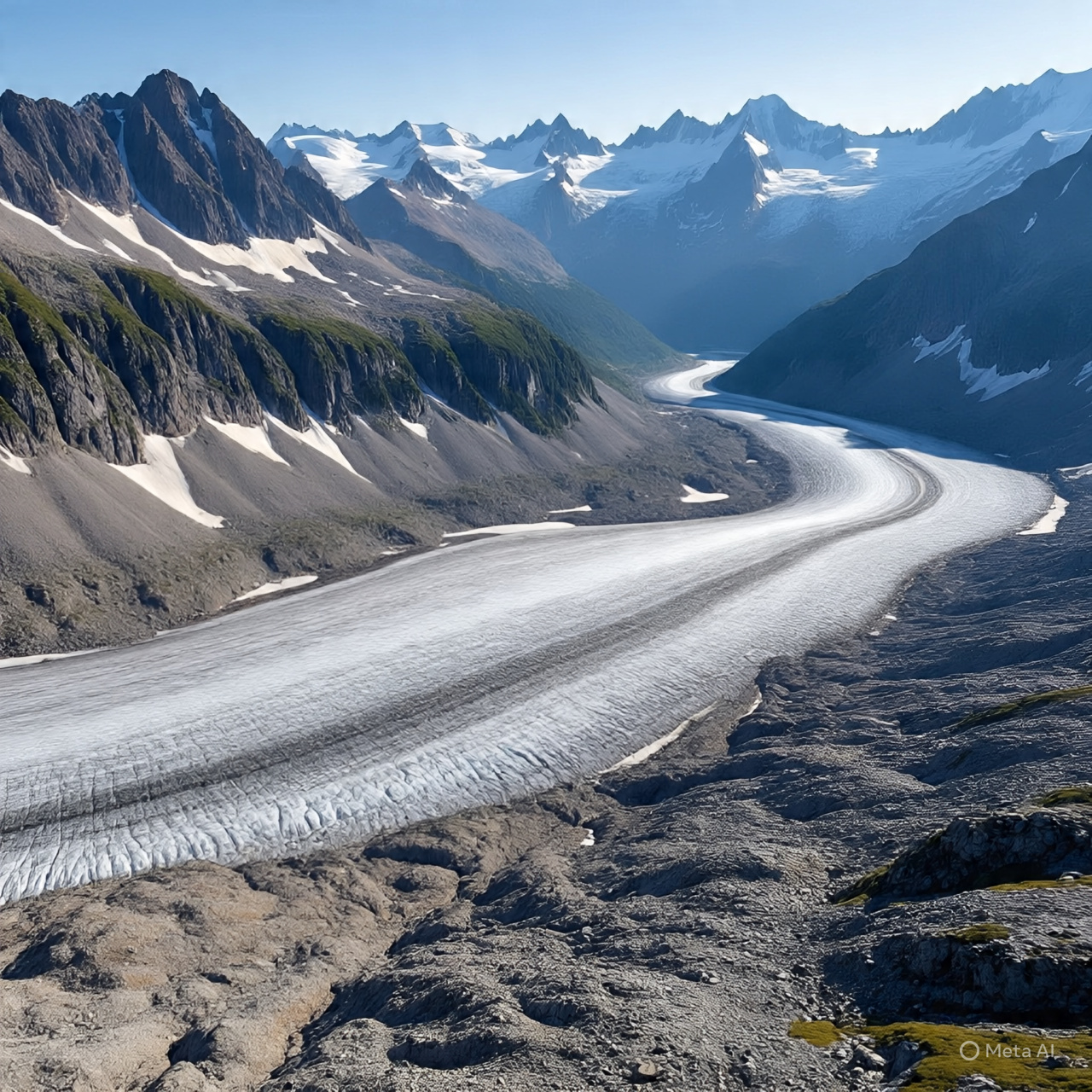
A new study warns that Alpine glaciers could reach peak extinction by 2030 due to rising temperatures, impacting water sources and local economies.

Japan prepares for a future without giant pandas as diplomatic loans conclude, marking the end of a significant cultural relationship with these beloved animals.
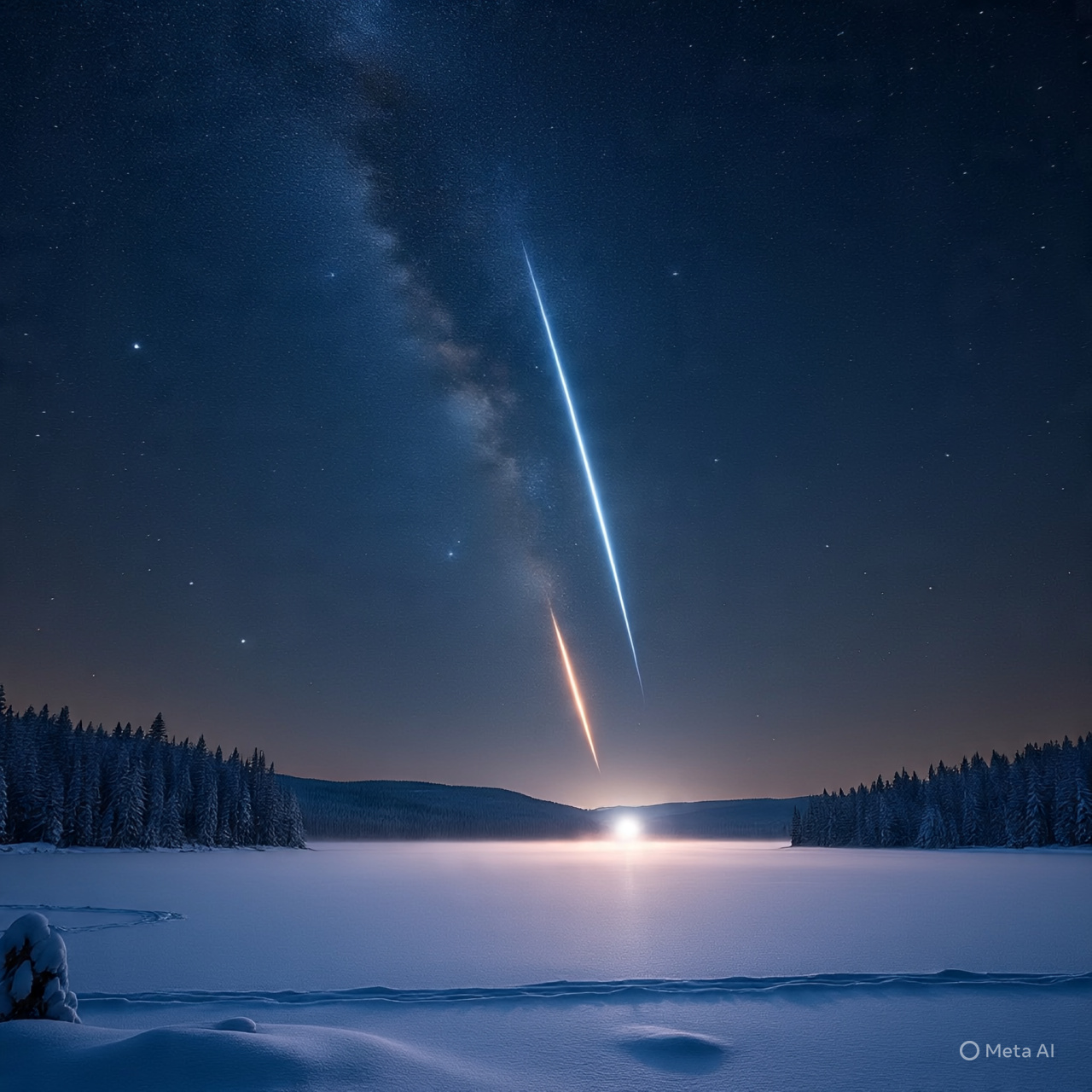
The 2025 Geminid meteor shower captivated skywatchers worldwide, offering a stunning celestial display and a reminder of the universe's rhythm.
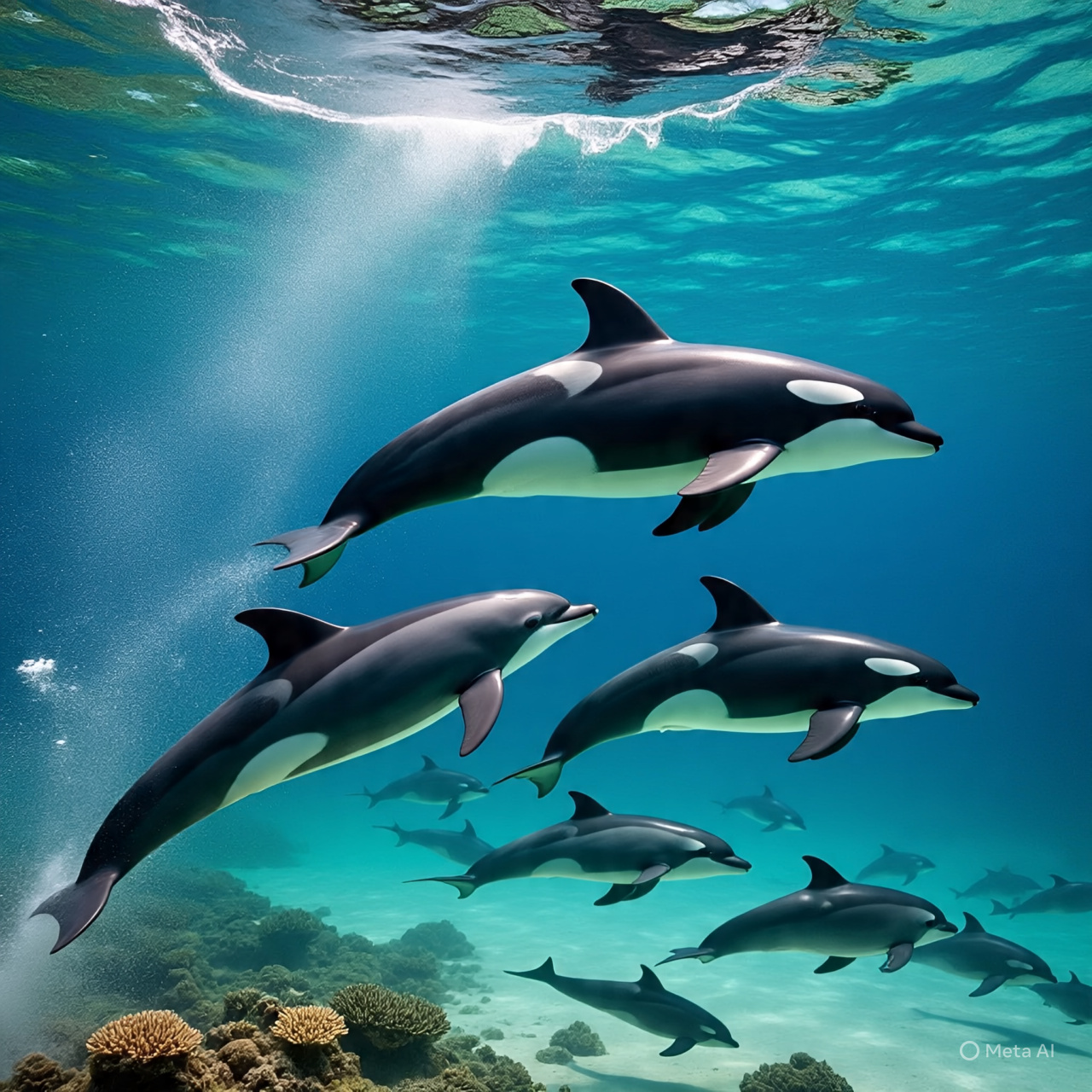
Researchers document a surprising alliance between orcas and dolphins off British Columbia, revealing cooperative hunting behaviors and mutual benefits.
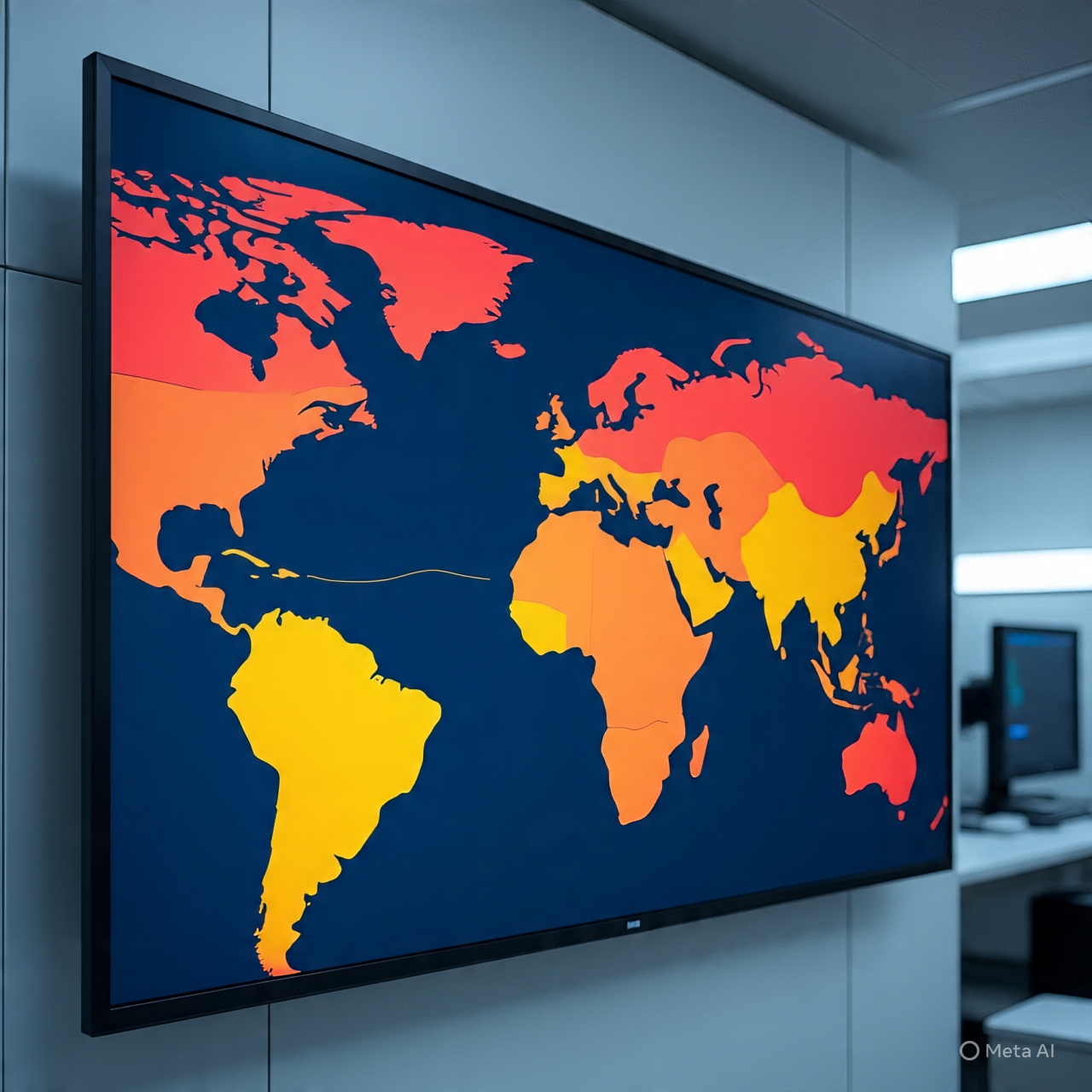
Recent climate data raises questions about Earth's warming measurements, emphasizing the need for precise understanding in climate science discussions.
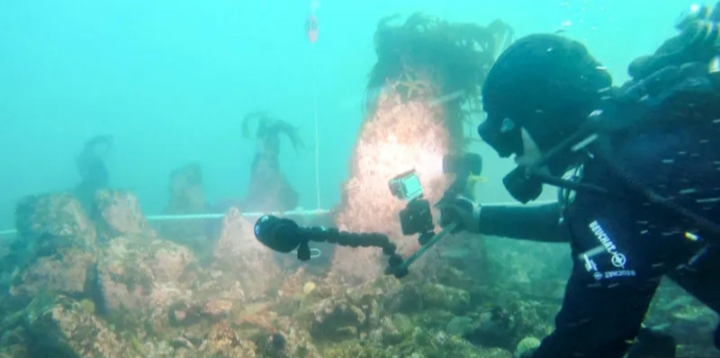
Marine archaeologists uncover a 7,000-year-old undersea wall off France, challenging historical views on early coastal settlements and human engineering.
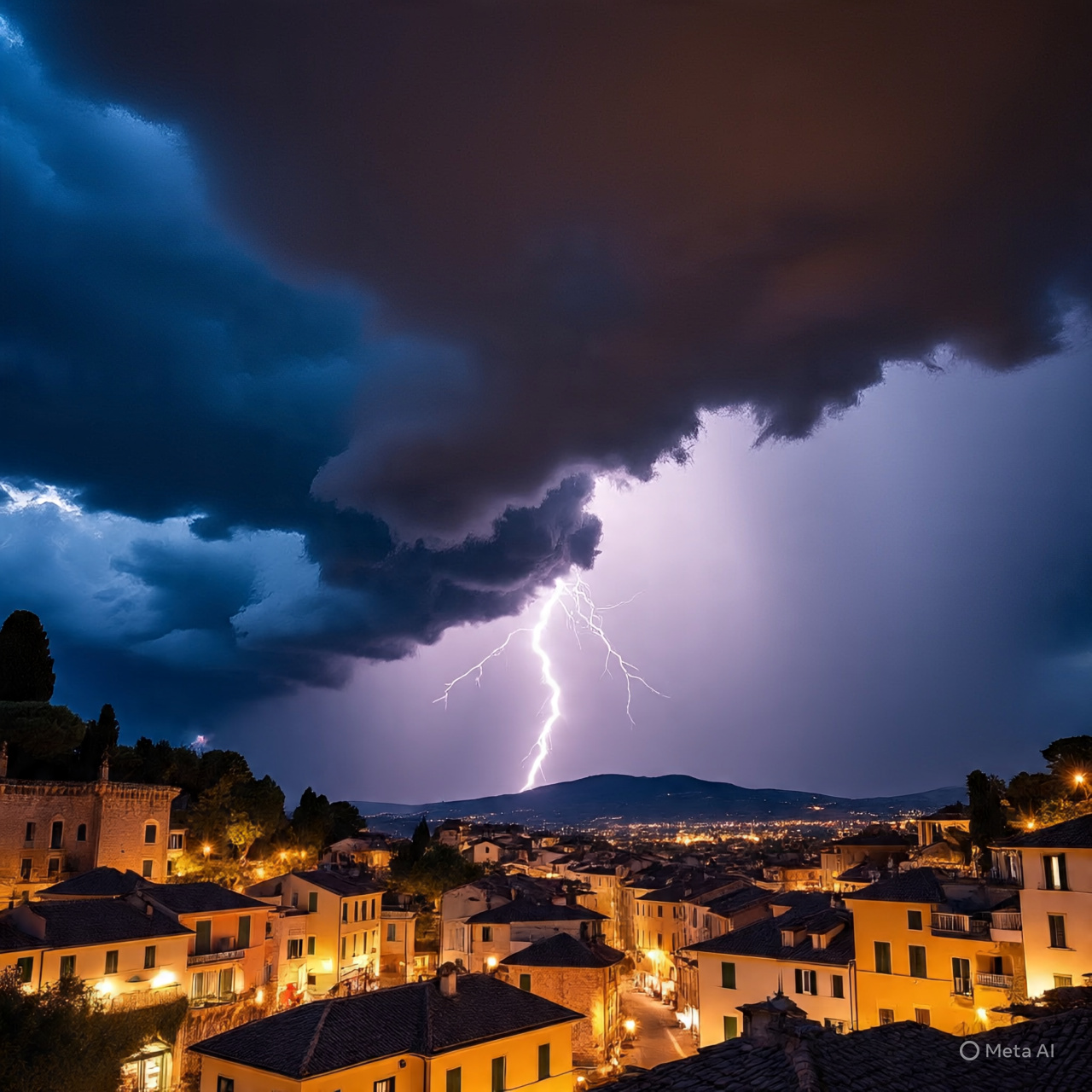
A photographer in Italy captures a rare atmospheric phenomenon for the second time, showcasing a stunning glow in the night sky that defies explanation.
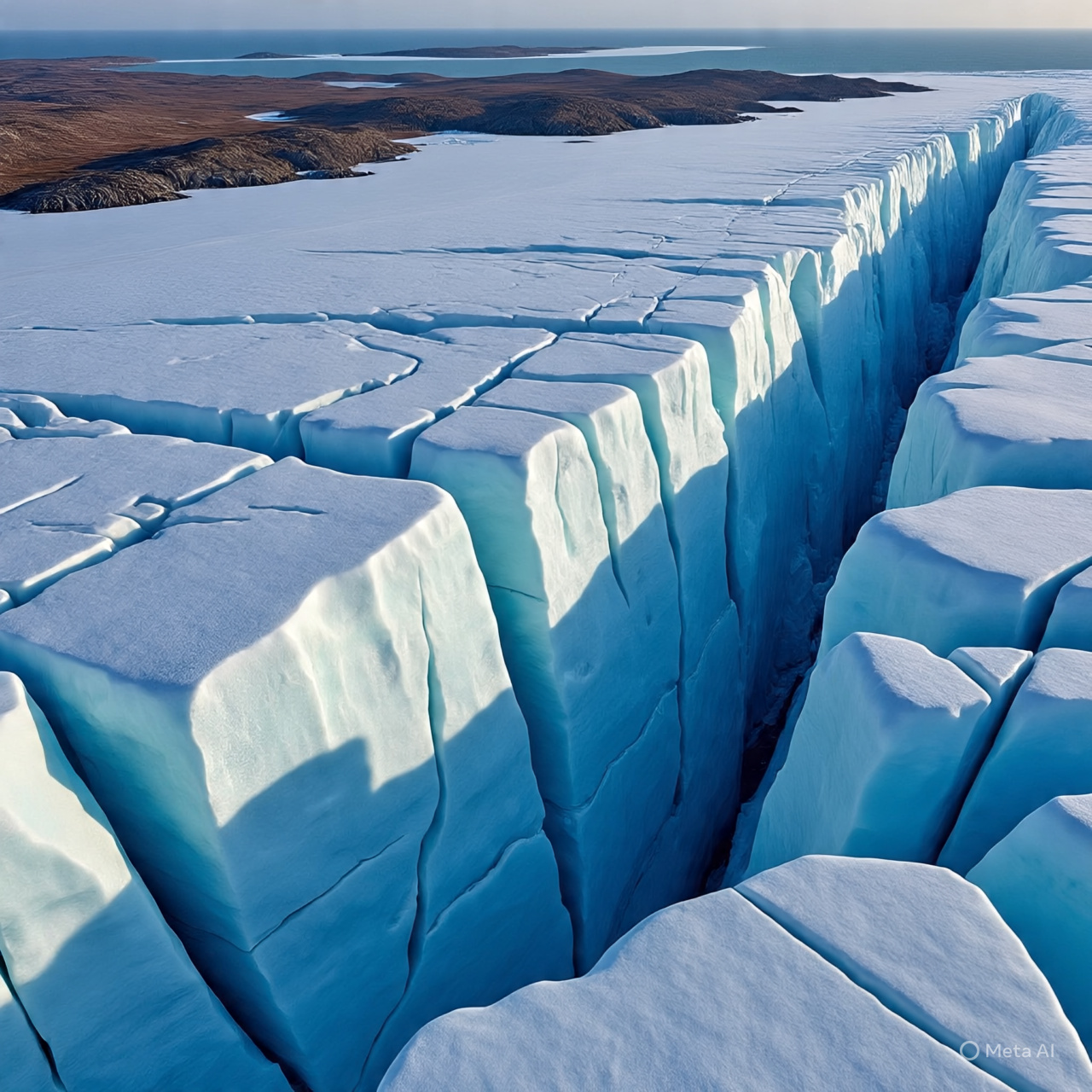
Scientists detect hundreds of earthquakes beneath Thwaites Glacier, raising alarms about potential instability and its implications for global sea levels.
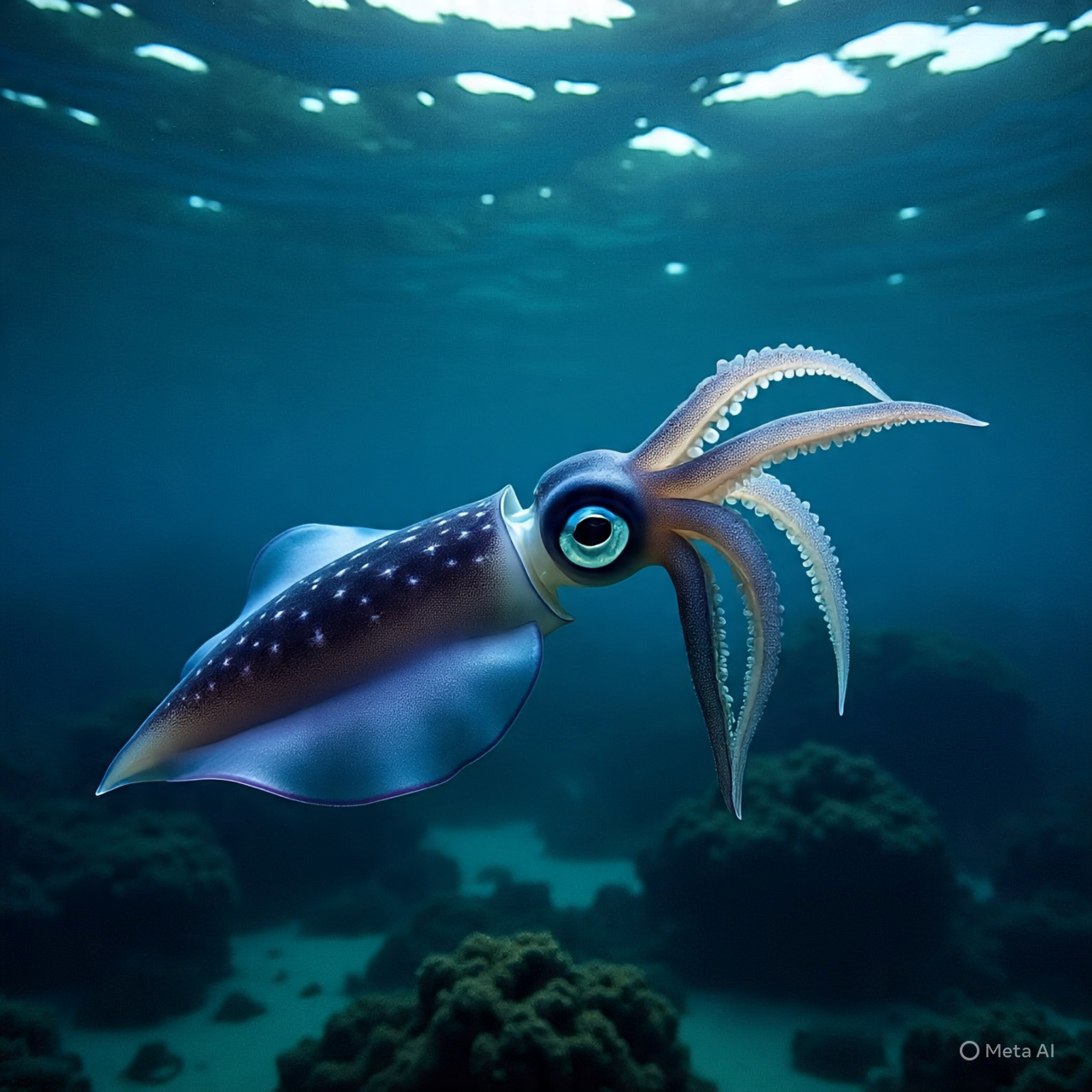
For the first time, scientists have sequenced the vampire squid's genome, revealing insights into its survival in low-oxygen deep-sea environments.
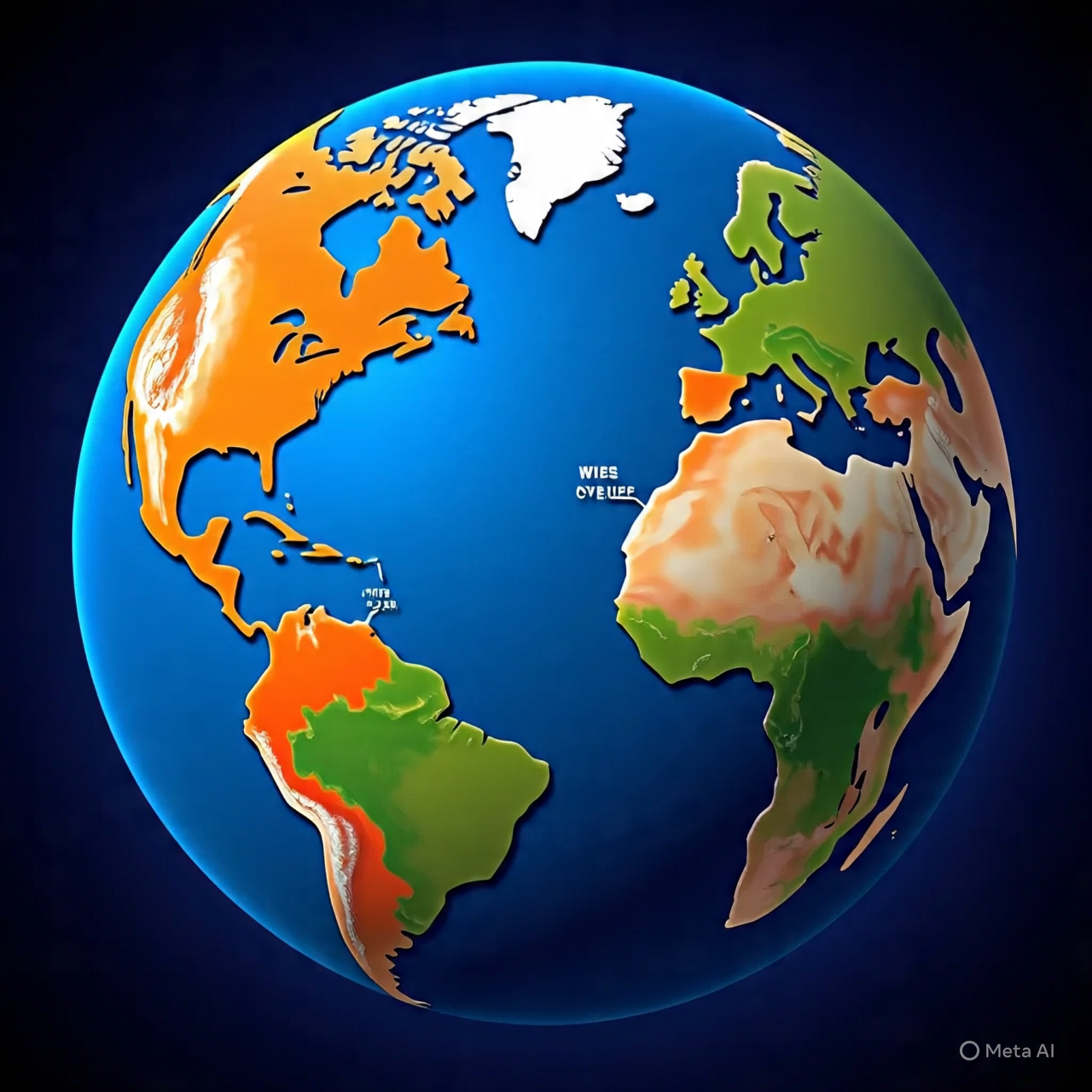
A groundbreaking discovery reveals a vast water reservoir deep within Earth's mantle, reshaping our understanding of the planet's water cycle and geological processes.
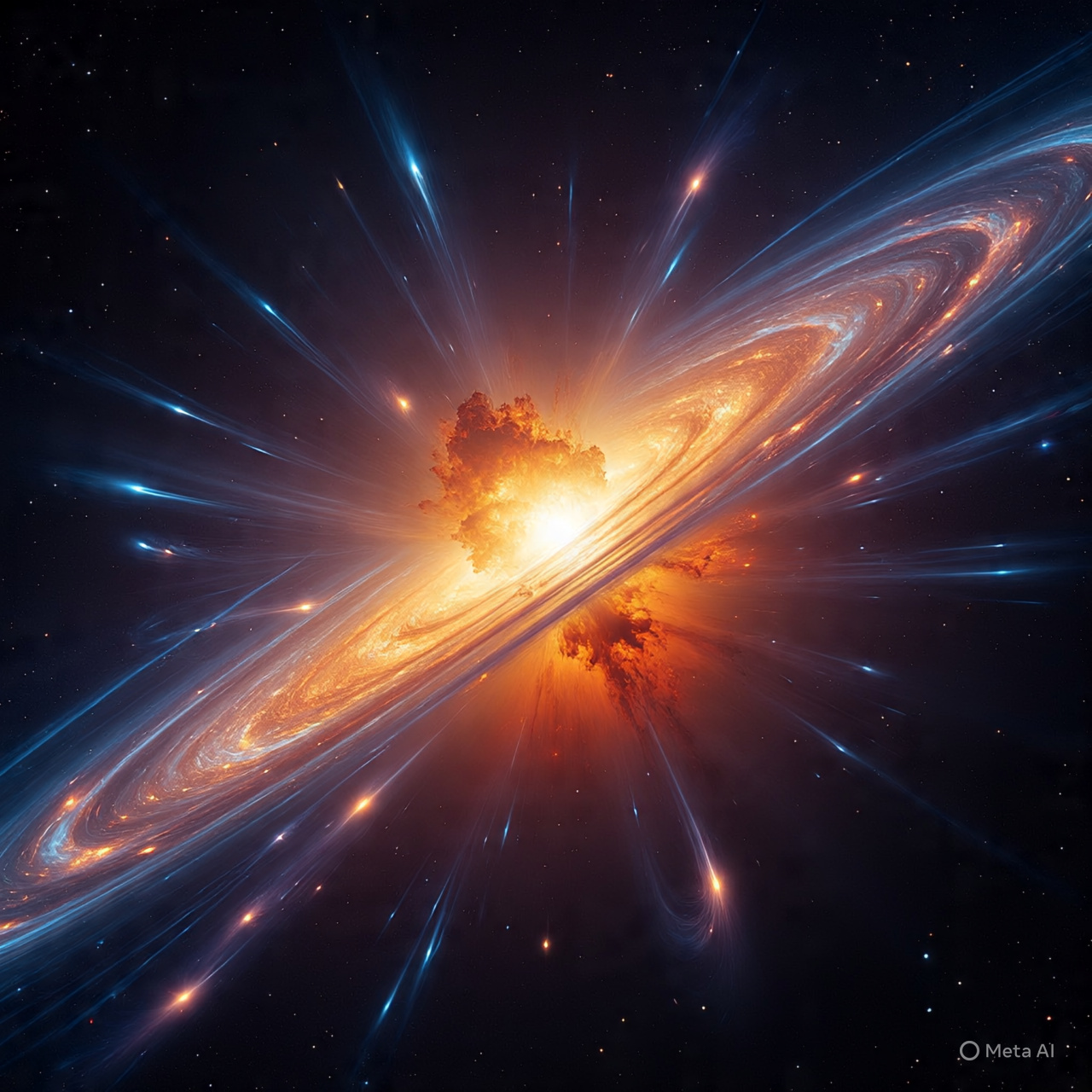
Astronomers have detected a rare cosmic explosion lasting nearly seven hours, challenging existing astrophysical models and opening new avenues for research.
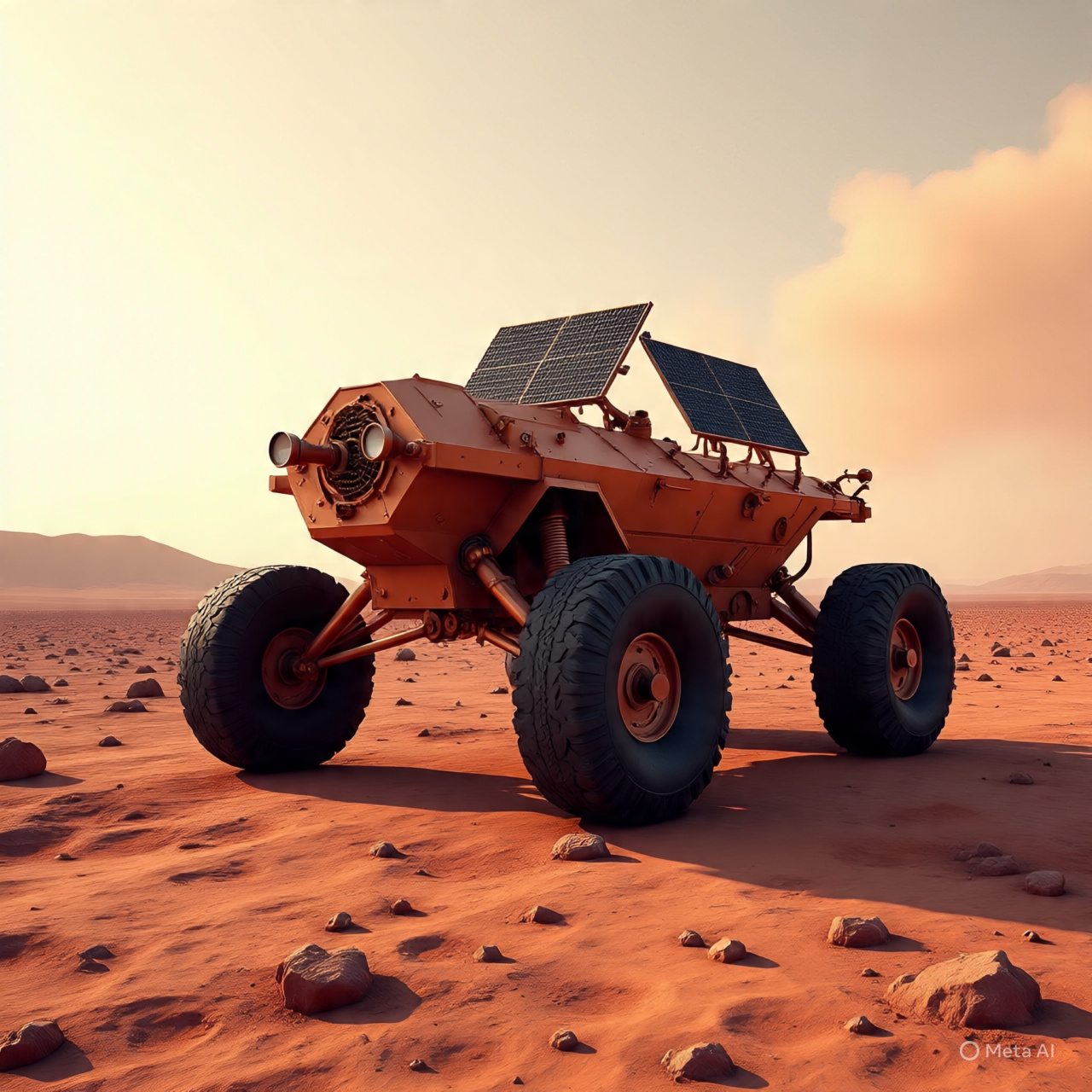
NASA's Curiosity rover uncovers unprecedented evidence of Mars' complex chemical history, hinting at ancient environments capable of sustaining life.