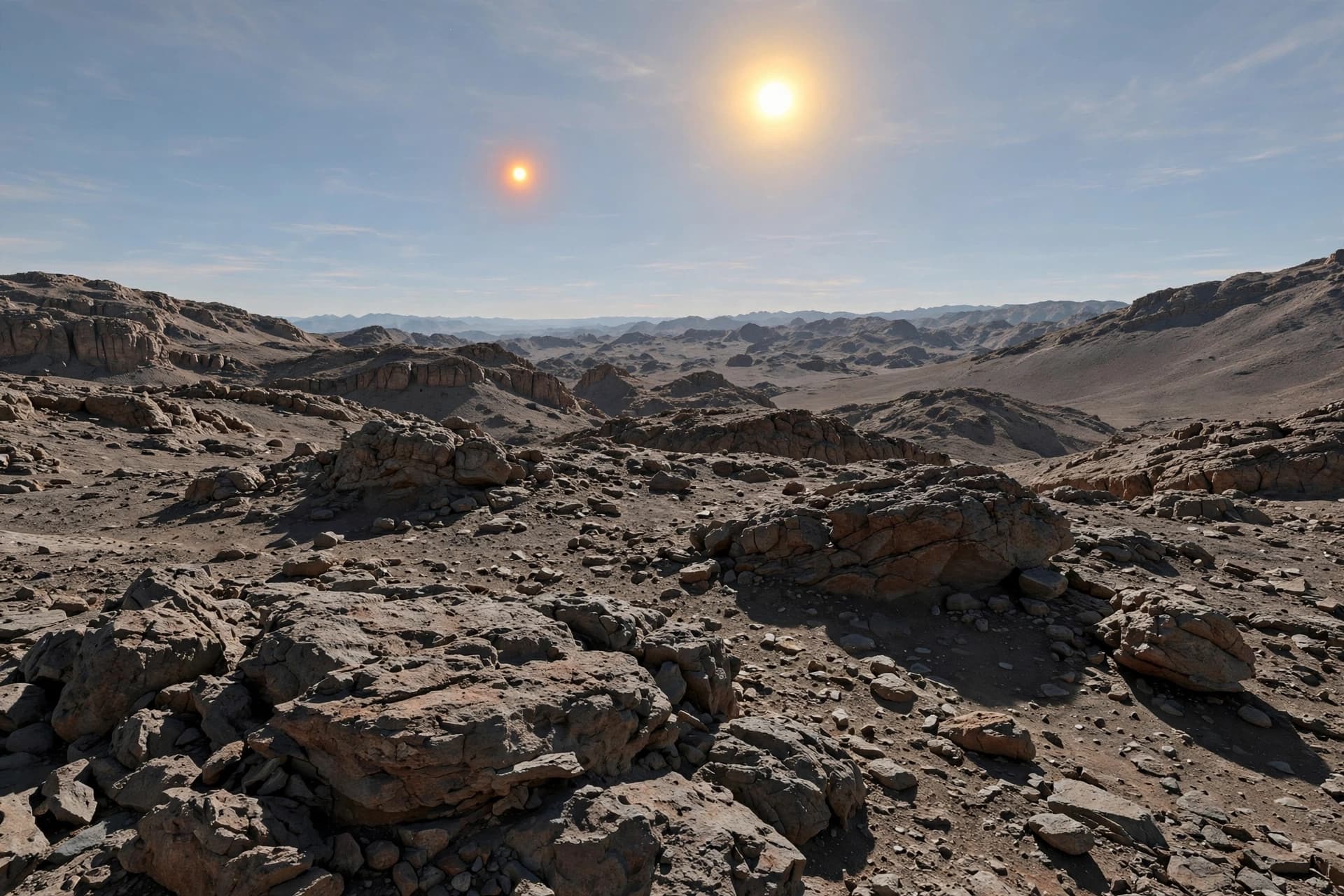
There are ideas that make people uncomfortable simply by existing. Solar geoengineering is one of them — a concept that feels like an intrusion into forces long considered untouchable. The very thought of altering sunlight carries the weight of hubris, as if humanity were reaching too far, too fast.
Yet discomfort alone has never been a sufficient reason to stop asking questions.
Solar geoengineering, often described as techniques that could reflect a small fraction of sunlight to cool the planet, is not a plan waiting to be deployed. It is a field of research, tentative and contested, born from the recognition that climate risks are escalating faster than mitigation alone has so far delivered.
Many scientists emphasize that studying these ideas does not mean endorsing their use. Research, they argue, is about understanding consequences — including unintended ones. Without it, decisions in a future climate emergency could be made blindly, driven by panic rather than evidence.
Opponents worry that even discussing solar geoengineering could distract from emissions cuts or create a false sense of security. These concerns are widely shared, including among researchers themselves. But they also note a parallel risk: that ignorance could prove more dangerous than knowledge.
As global temperatures continue to rise, the world is already conducting an uncontrolled experiment through greenhouse gas emissions. Compared to that reality, carefully governed research — transparent, limited, and international — offers a way to map risks before they are forced upon us.
Importantly, research does not collapse moral boundaries. It can clarify them. By studying potential impacts on weather patterns, ecosystems, and vulnerable regions, scientists can identify what should never be done, as much as what might be possible.
Calls to halt research entirely often come from a desire to protect the planet from further harm. But experts caution that refusing to study an option does not make it disappear. It simply leaves societies unprepared if conditions worsen beyond current expectations.
The future of climate action still rests first on emissions reduction, adaptation, and resilience. Solar geoengineering does not replace those paths. It exists in the background — not as a solution, but as a question.
And questions, especially difficult ones, are not resolved by silence.
Published by Banx Network. This article is part of the Banx decentralized media programme, powered by the BXE token on the XRP Ledger.