SCIENCE84% credibility
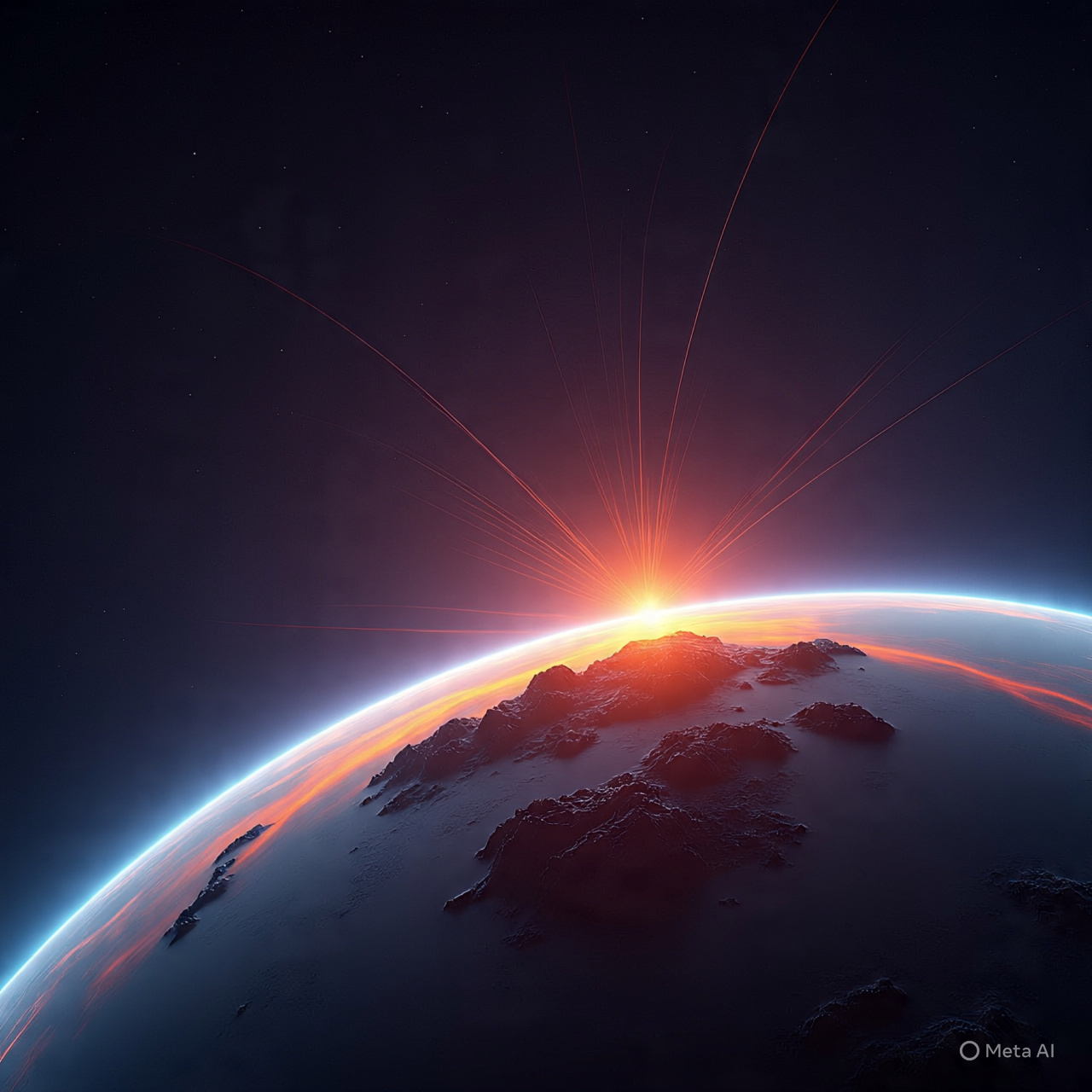
New Evidence Suggests Molten Exoplanets Can Have Atmospheres
Scientists discover strong evidence of atmospheres on molten exoplanets, challenging previous assumptions about planetary evolution and stability.
2 min read

Scientists discover strong evidence of atmospheres on molten exoplanets, challenging previous assumptions about planetary evolution and stability.
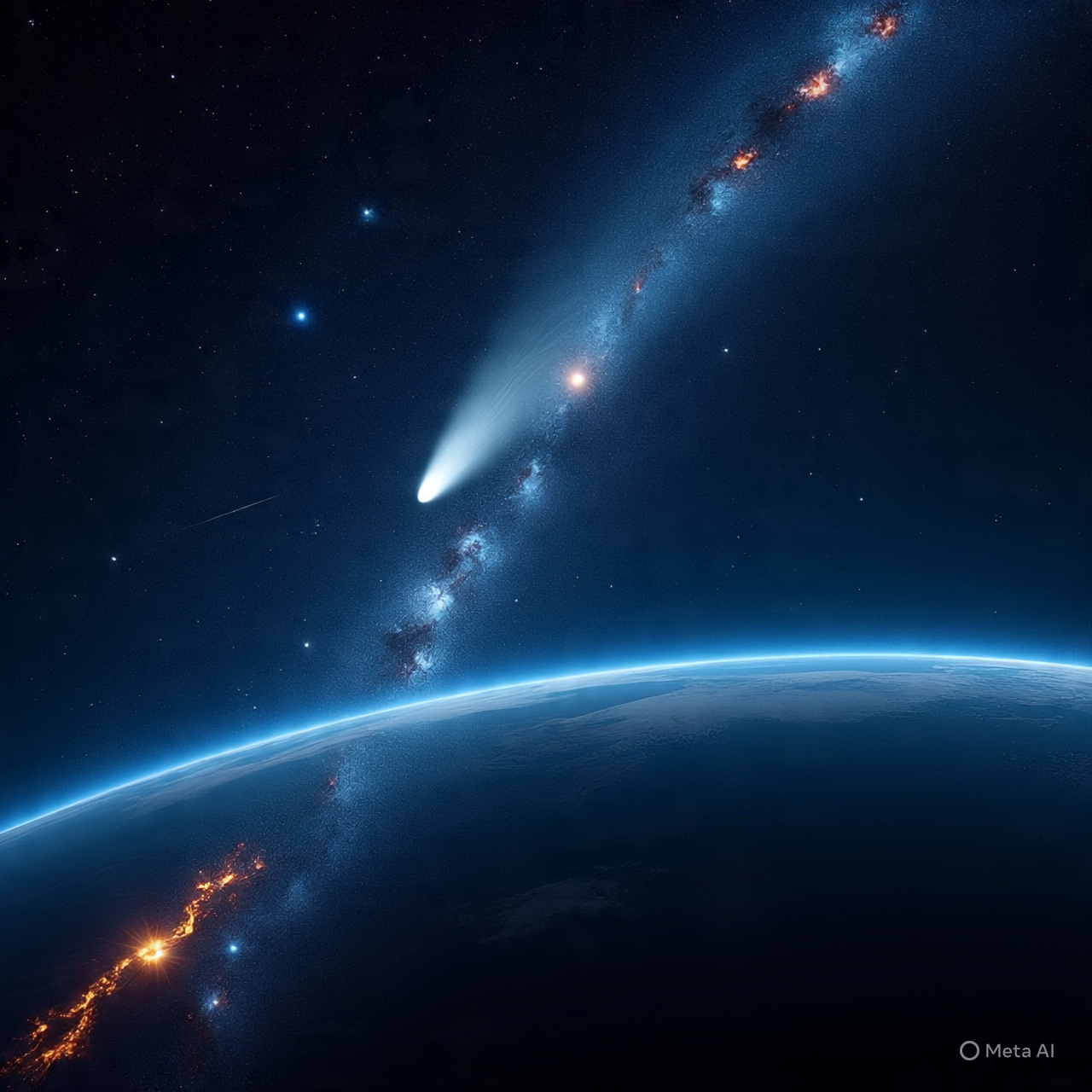
Astronomers prepare to study interstellar comet 3I/ATLAS, a rare opportunity to explore material from beyond our solar system and its implications for planetary formation.
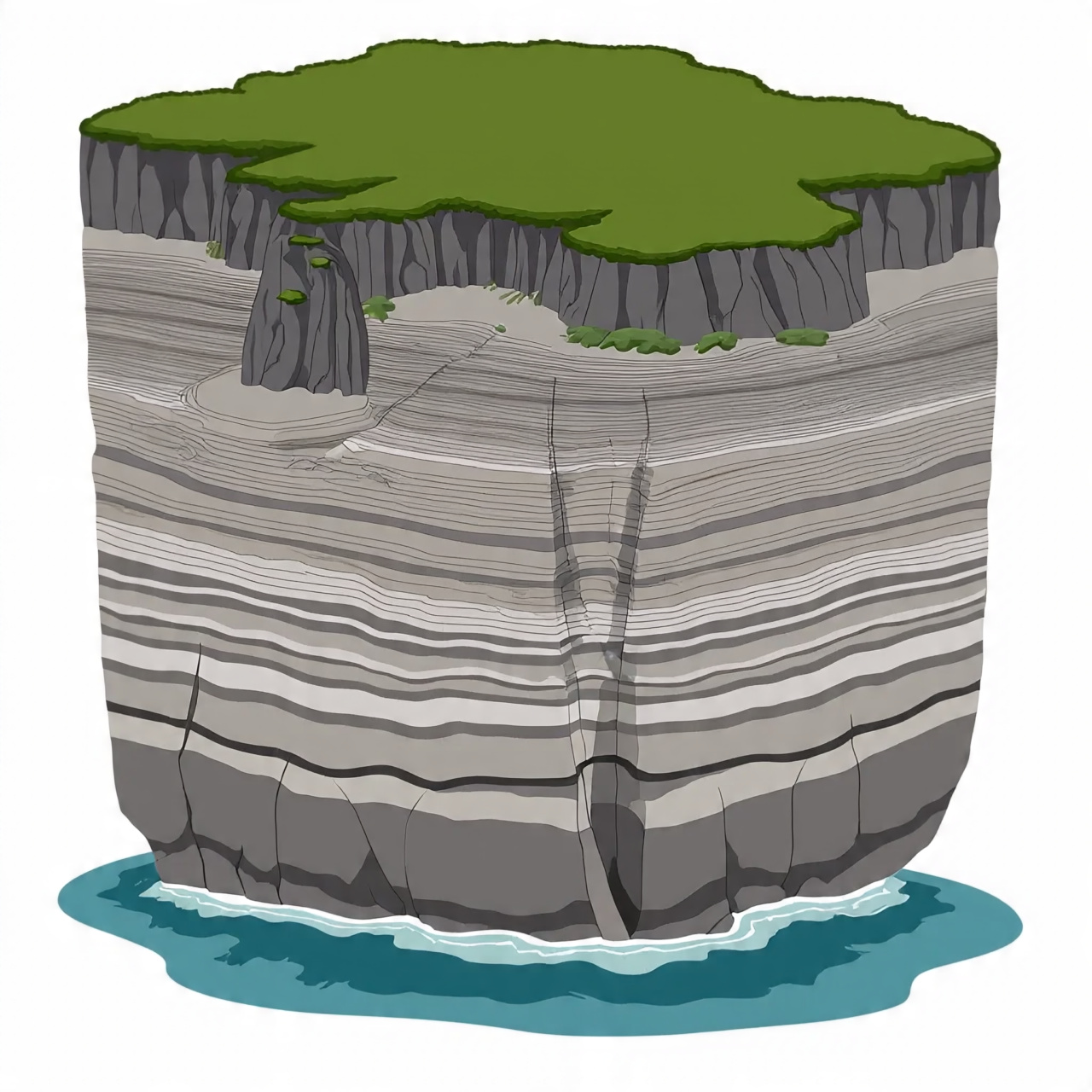
Scientists uncover a vast rock layer beneath an Atlantic island, challenging existing geological theories and revealing complexities in oceanic crust formation.

A team of scientists has uncovered a thick, unique rock layer beneath Bermuda, challenging existing geological theories and revealing Earth's hidden architecture.
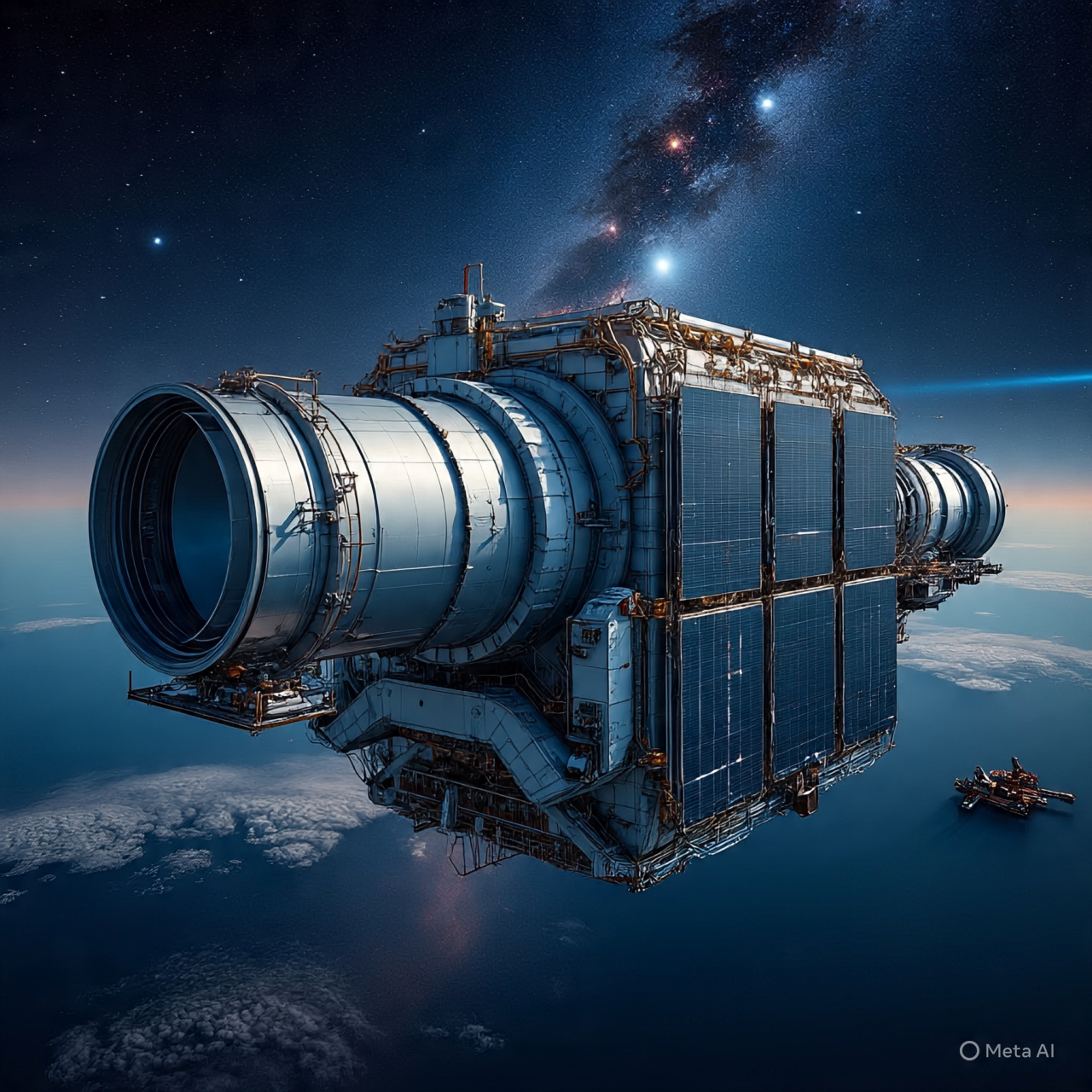
China's Tiangong space station takes steps to protect against space debris, with taikonauts installing new defensive measures during recent spacewalks.
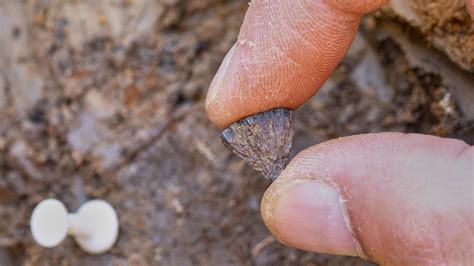
New research reveals Homo heidelbergensis used fire 400,000 years ago, reshaping our understanding of early human evolution and social structures.

Scientists decode the vampire squid's massive genome, revealing evolutionary insights and connections to ancient cephalopods, reshaping our understanding of marine life.
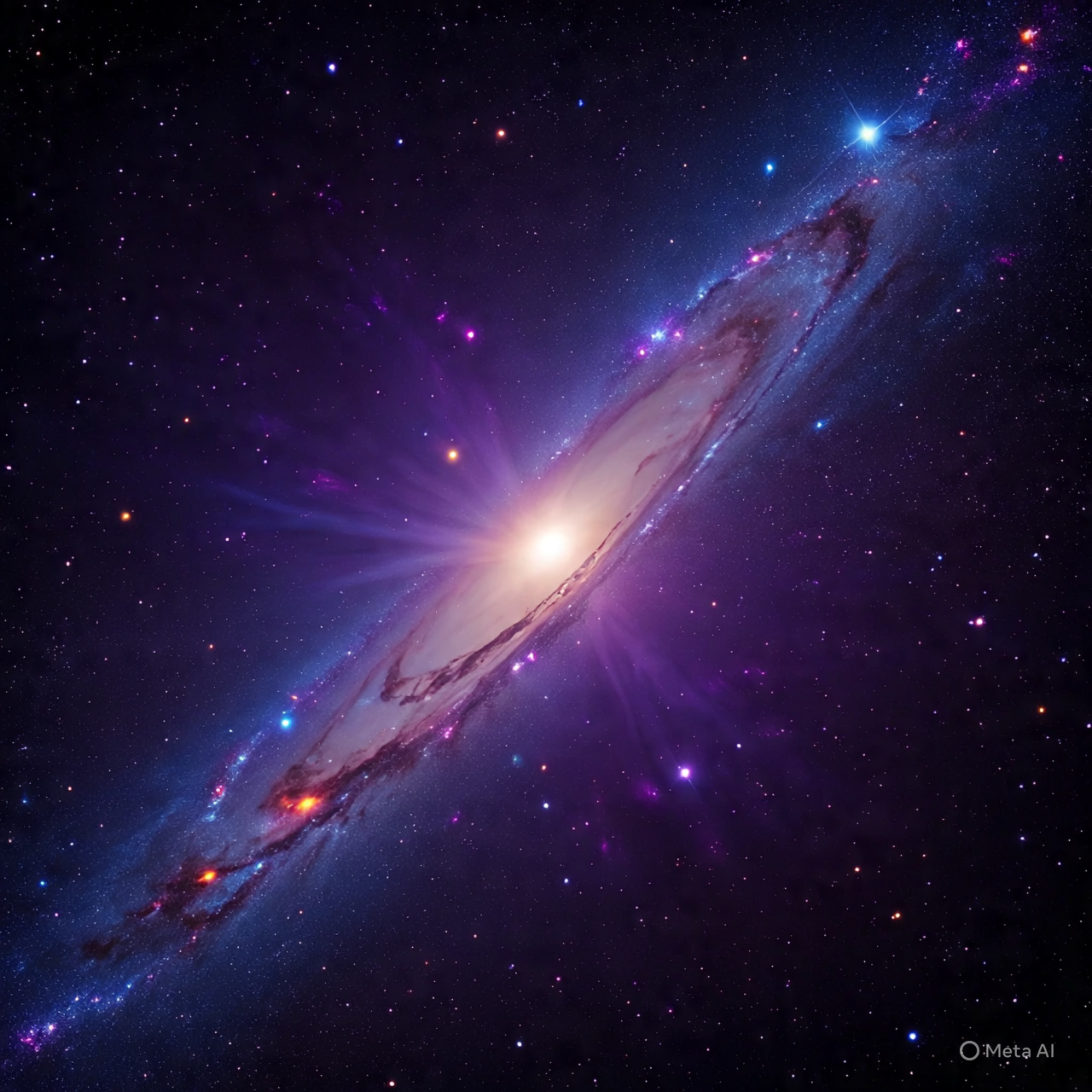
Astronomers observe V Sagittae, a binary star system, as it prepares for a potential nova and supernova explosion visible from Earth.
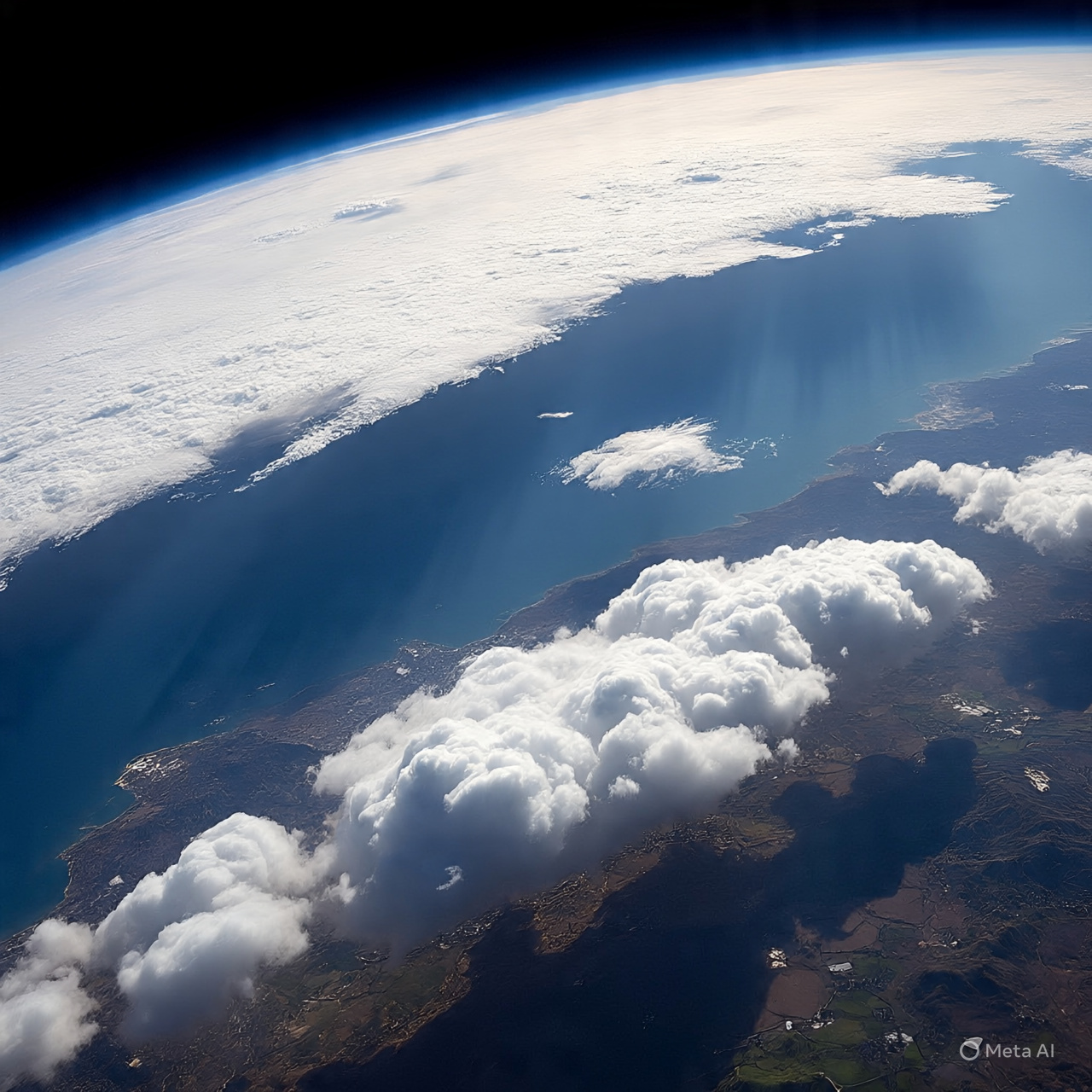
A Japanese astronaut shares stunning images of Earth in December from the ISS, highlighting seasonal changes and the beauty of our planet from space.
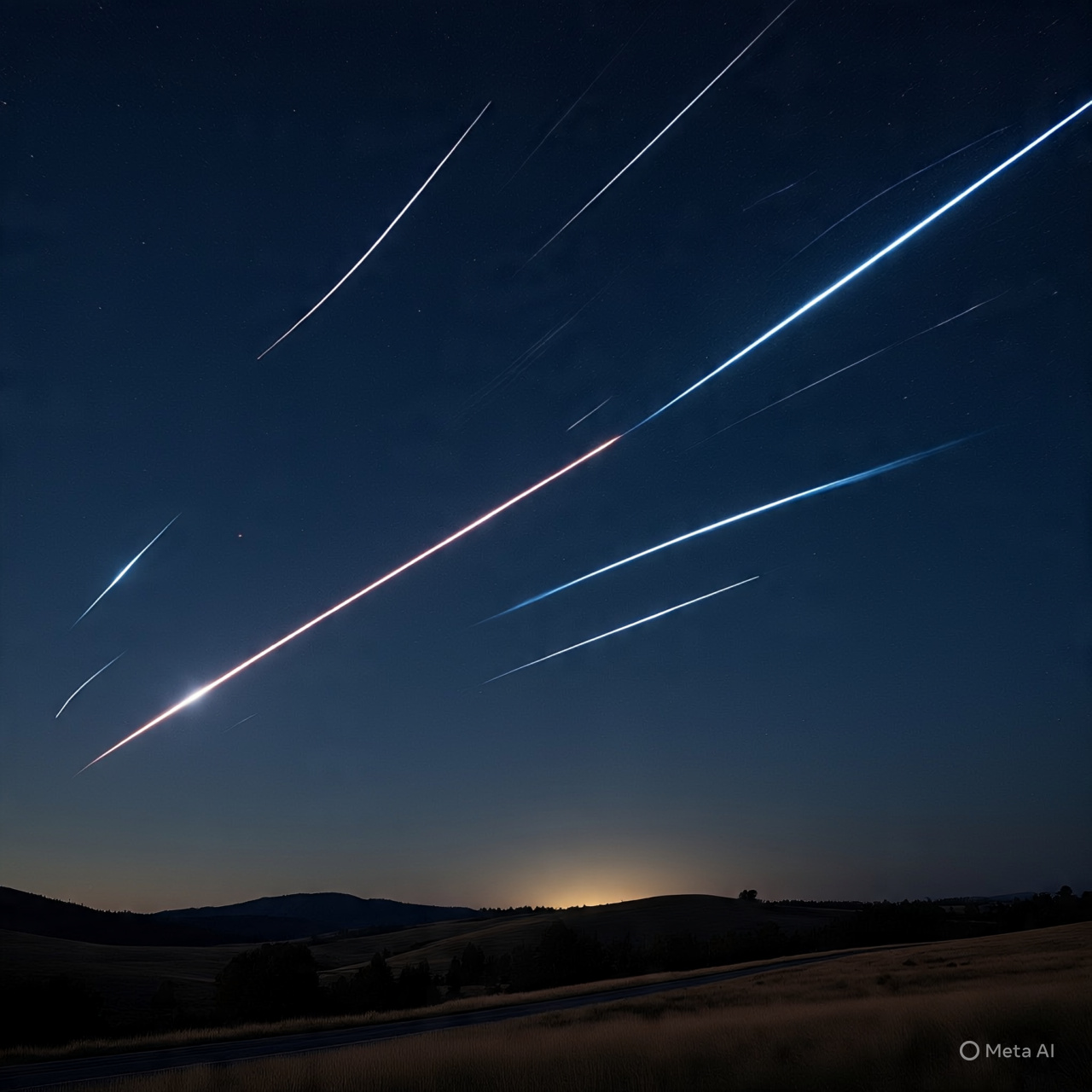
The Geminids meteor shower peaks this December, offering skywatchers a stunning display of bright meteors. Discover how to best view this celestial event.
Explore the intriguing concept of dark stars and their potential influence on the early universe, challenging our understanding of cosmic evolution.
Experience the Geminid meteor shower over the Bay Area this weekend, with up to 120 meteors per hour visible after dark. Ideal viewing tips included.
A cougar struck by a vehicle in Michigan's Upper Peninsula walked away, highlighting the risks wildlife face on rural roads and the importance of driver vigilance.
Experts recommend threatened status for Southern California mountain lions due to habitat loss, vehicle strikes, and genetic isolation, urging immediate action.

The Amazon rainforest is undergoing a hypertropical climate shift, leading to severe droughts and tree mortality, threatening its role as a carbon sink.
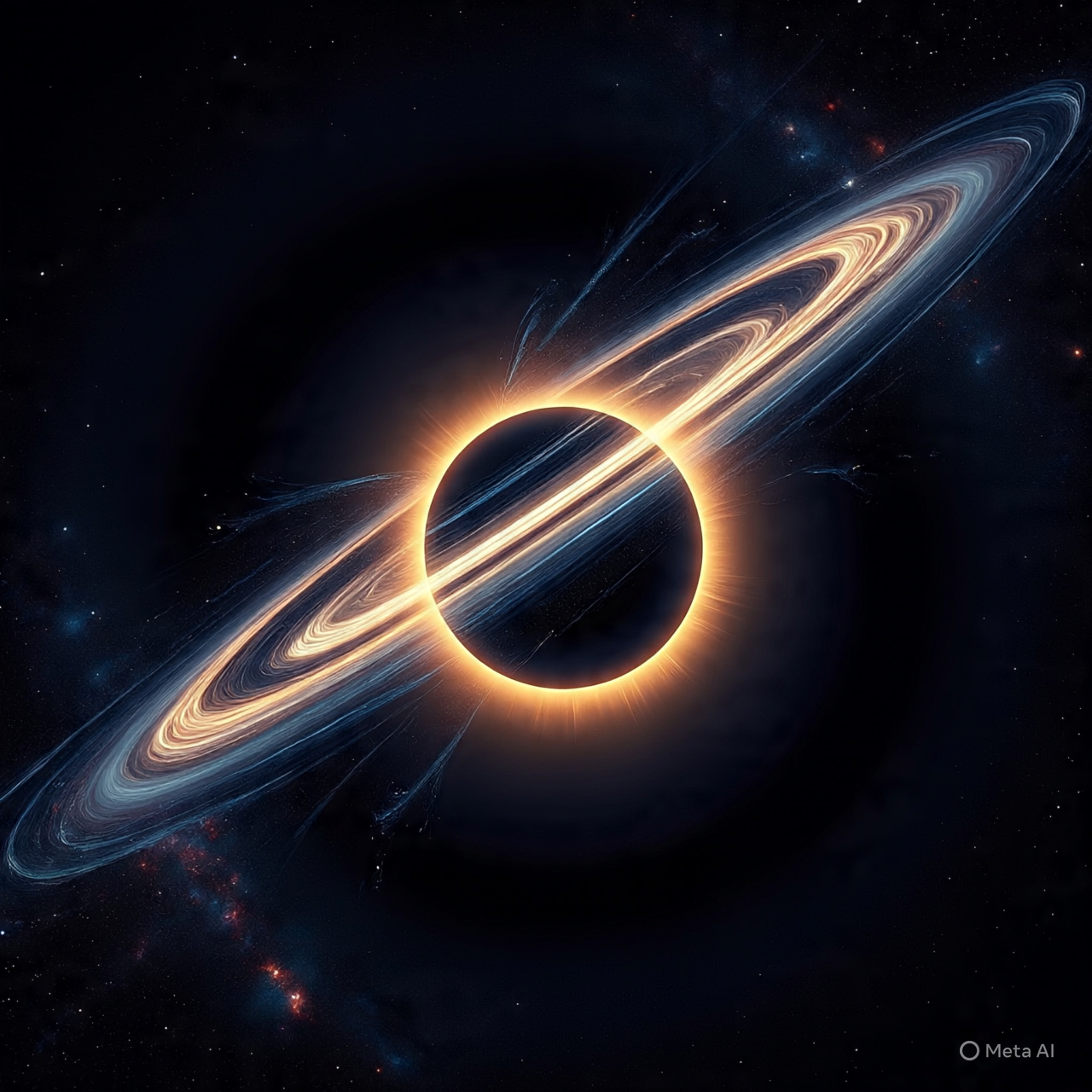
Astronomers have observed a black hole unleashing winds at nearly 130 million miles per hour, reshaping galaxies and influencing cosmic growth.
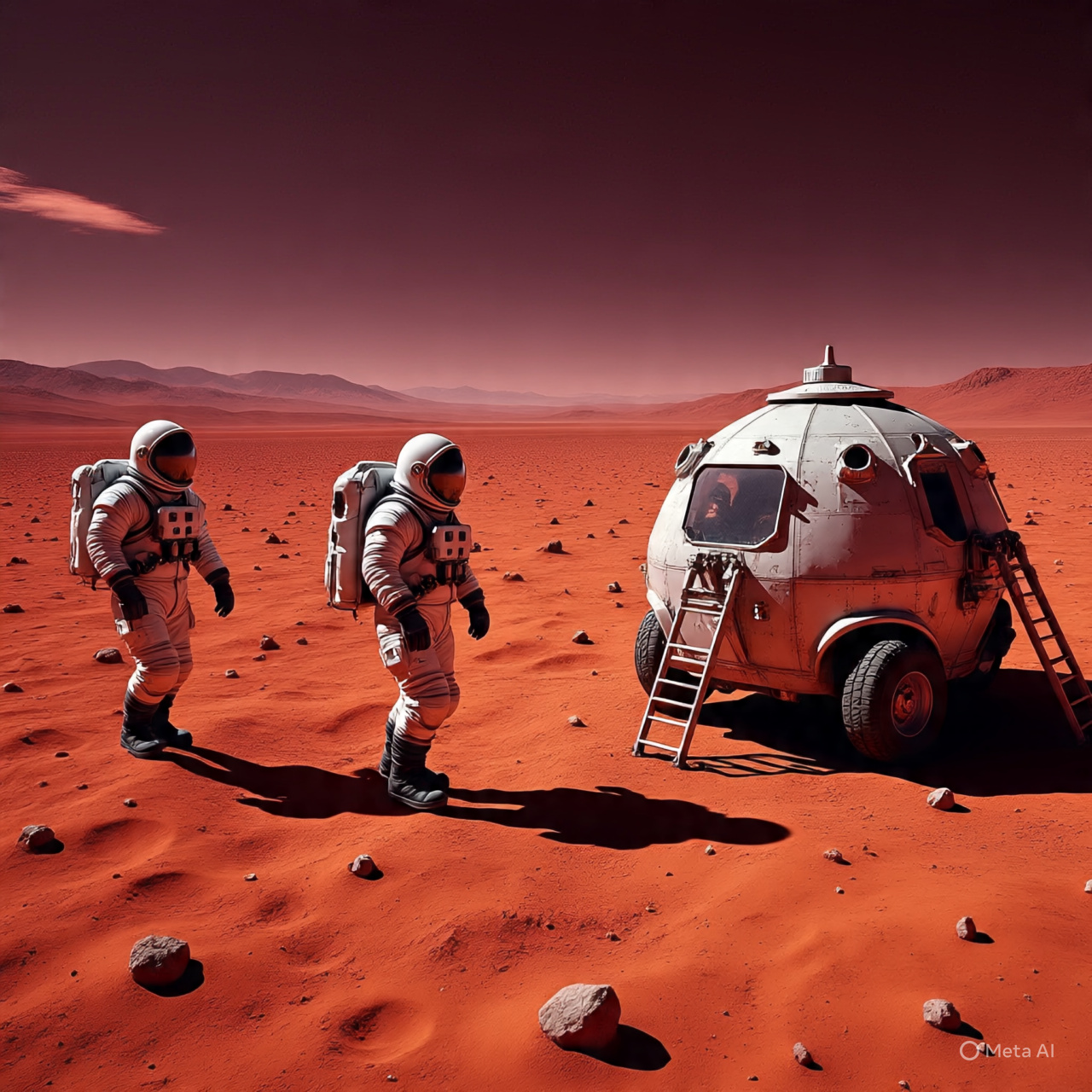
A new scientific report emphasizes the need for human missions to Mars to prioritize the search for alien life, balancing exploration with responsibility.
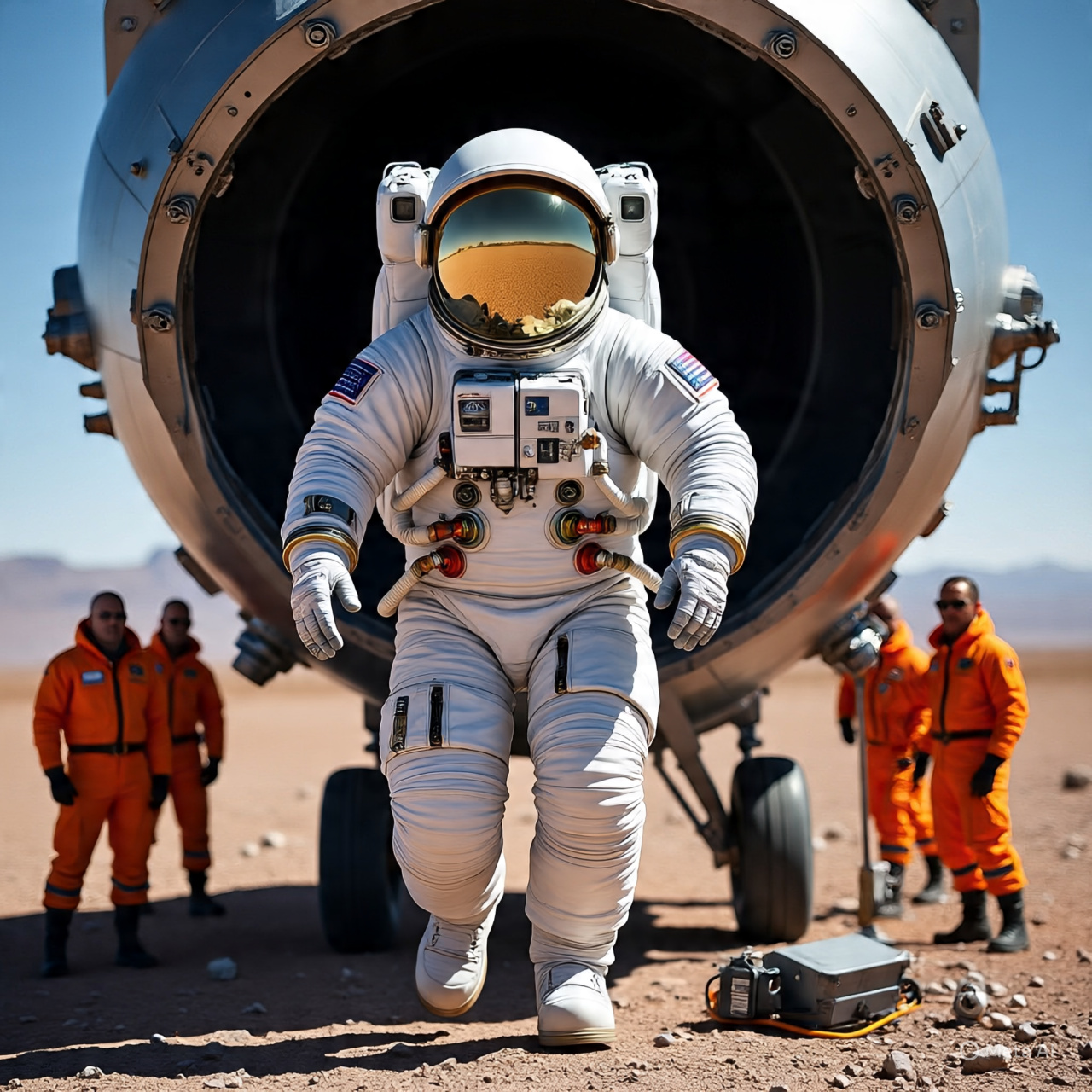
NASA astronaut Jonny Kim returns to Earth after 245 days aboard the ISS, marking a significant milestone in his extraordinary journey from Navy SEAL to astronaut.
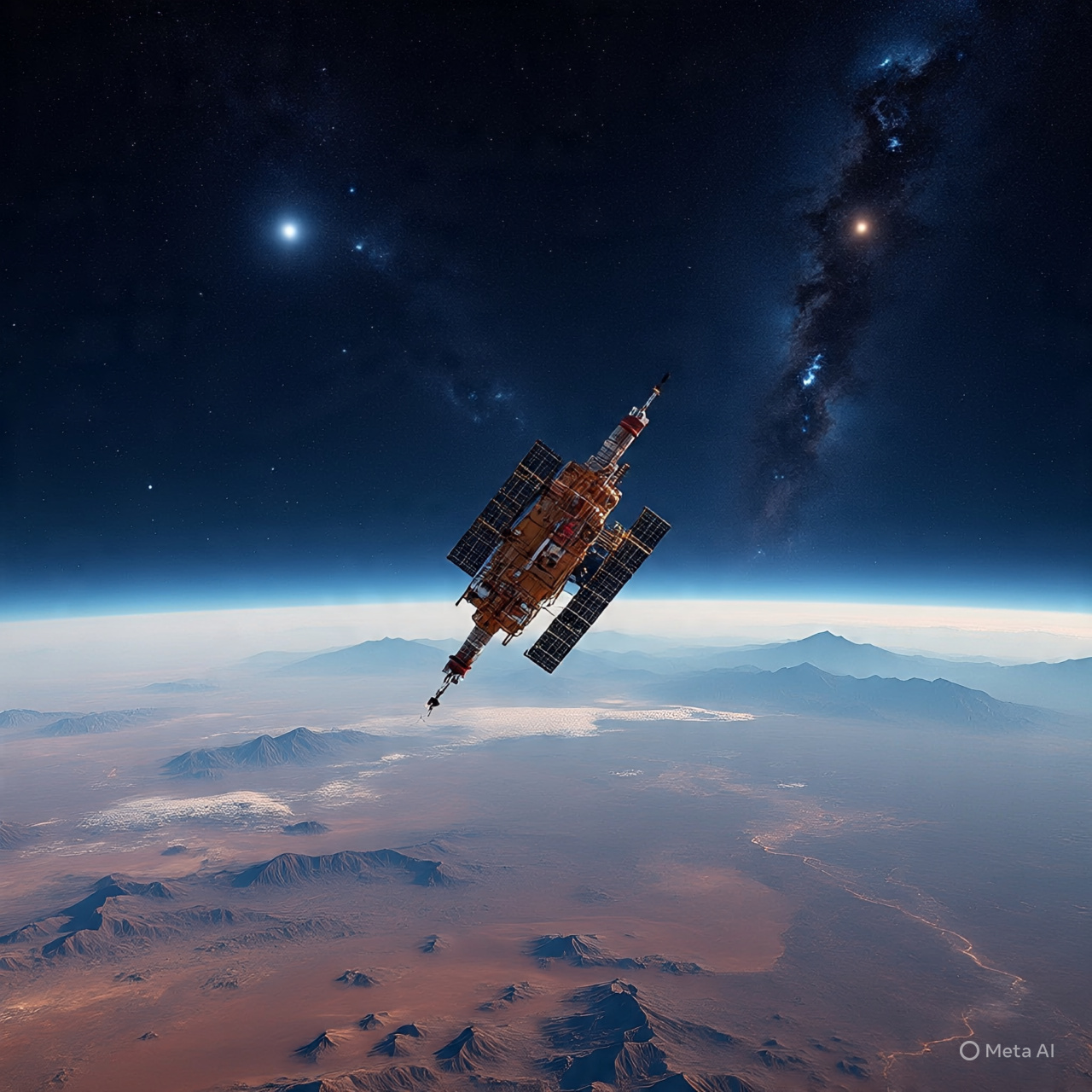
NASA's MAVEN spacecraft, a key player in Mars exploration, has lost contact after a decade of gathering vital atmospheric data. Efforts to reestablish communication are underway.
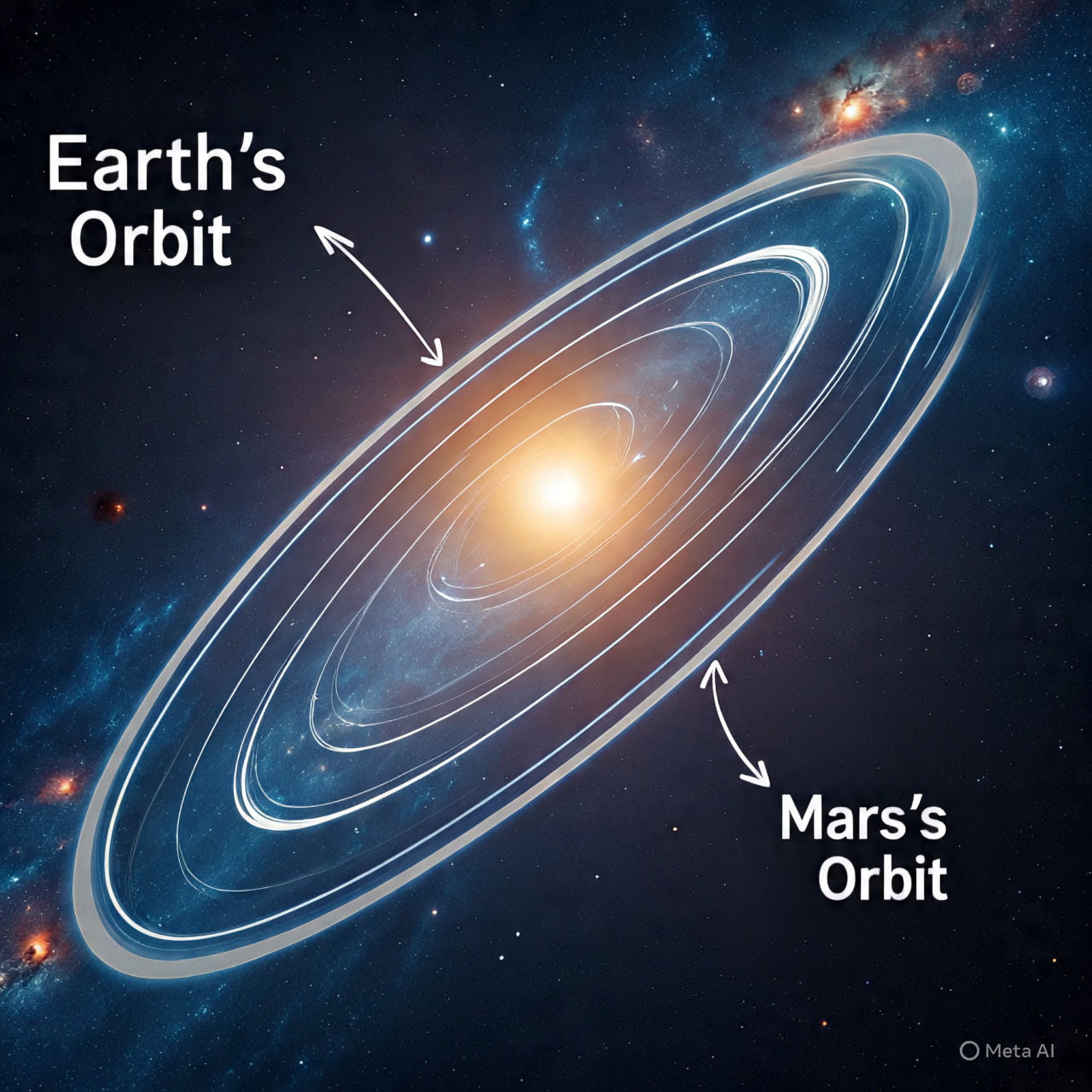
Recent findings show that time on Mars runs faster than on Earth, posing challenges for future interplanetary missions and navigation systems.

California's Fish and Game Commission extends the abalone harvest ban until 2036, addressing ecological changes and the need for marine restoration along the coast.

Two recent earthquakes have shaken communities worldwide, prompting discussions on preparedness and the unpredictability of our planet's geological forces.
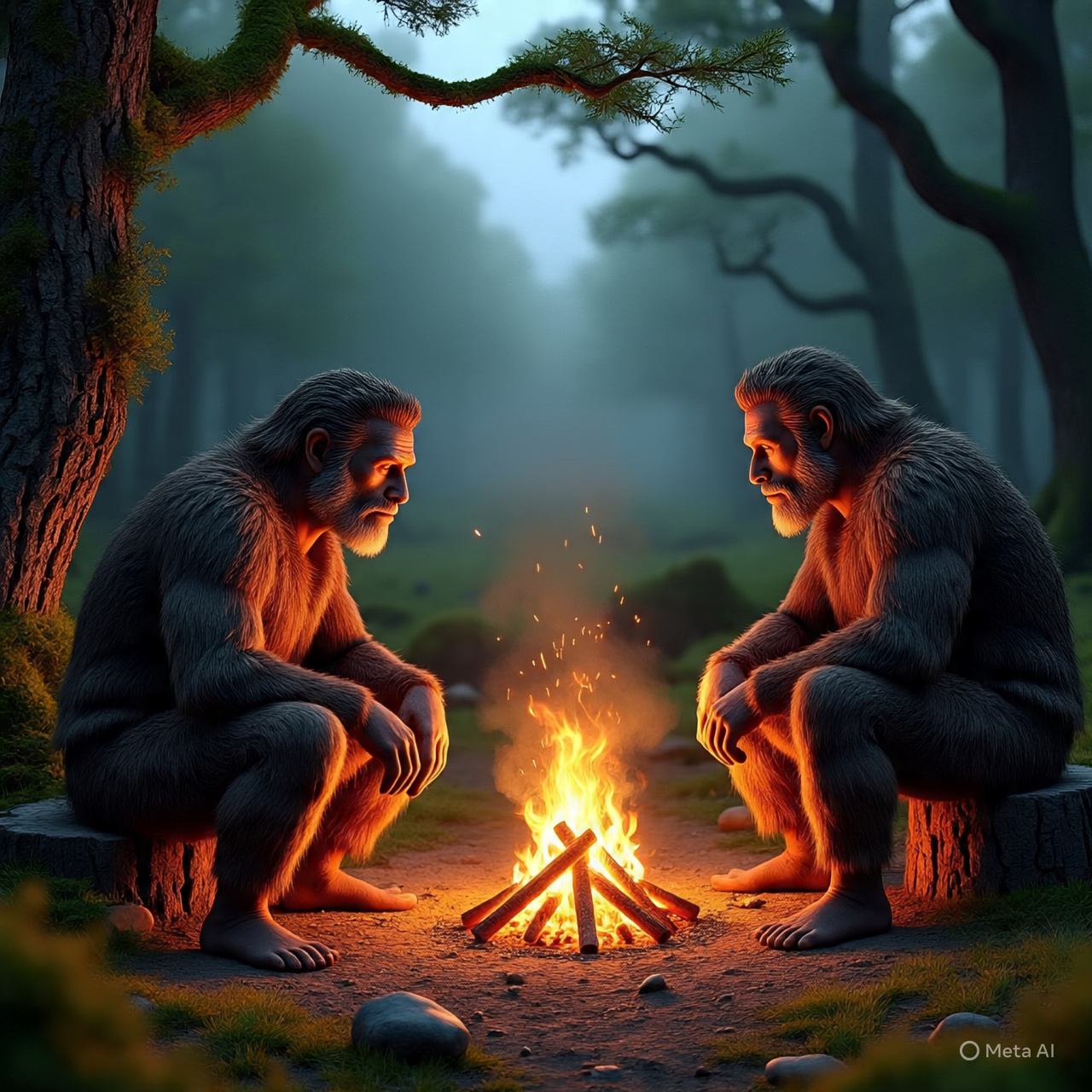
Archaeologists in Suffolk, England, uncover evidence of fire-making 400,000 years ago, reshaping our understanding of early human life and social interaction.

A robotic float's eight-month journey beneath Antarctic ice reveals critical data on ocean conditions, impacting our understanding of climate change and sea-level rise.