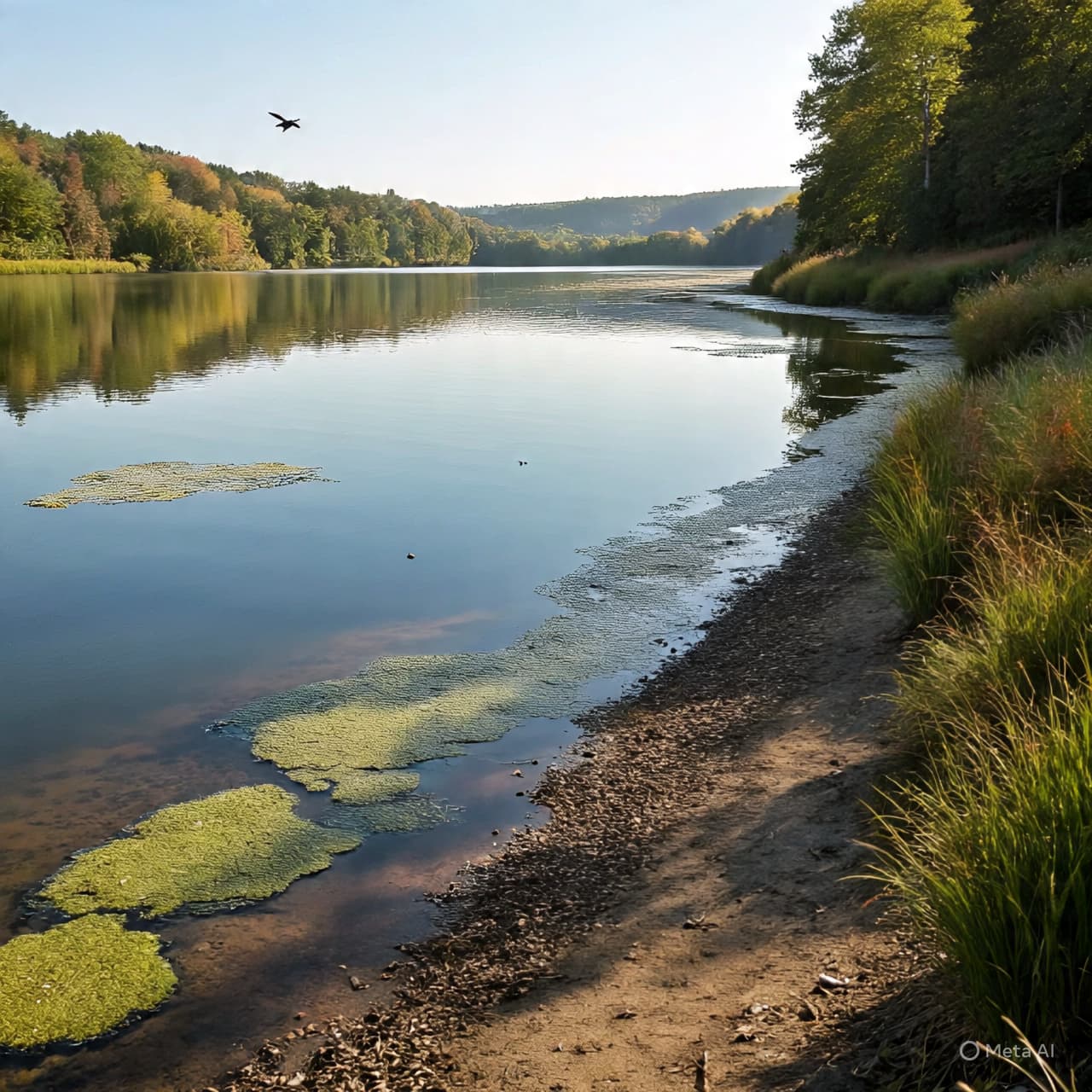
At first, it looks almost ordinary. A discoloration along the water’s edge. A slick sheen that catches the light. But those who have seen it up close describe something far more unsettling. What appears gradual can, in time, become overwhelming.
Experts are warning that a harmful biological growth is spreading rapidly across parts of the United States, raising alarms about environmental damage and potential risks to people and wildlife. In some affected areas, scientists and residents alike have described the scenes as deeply disturbing.
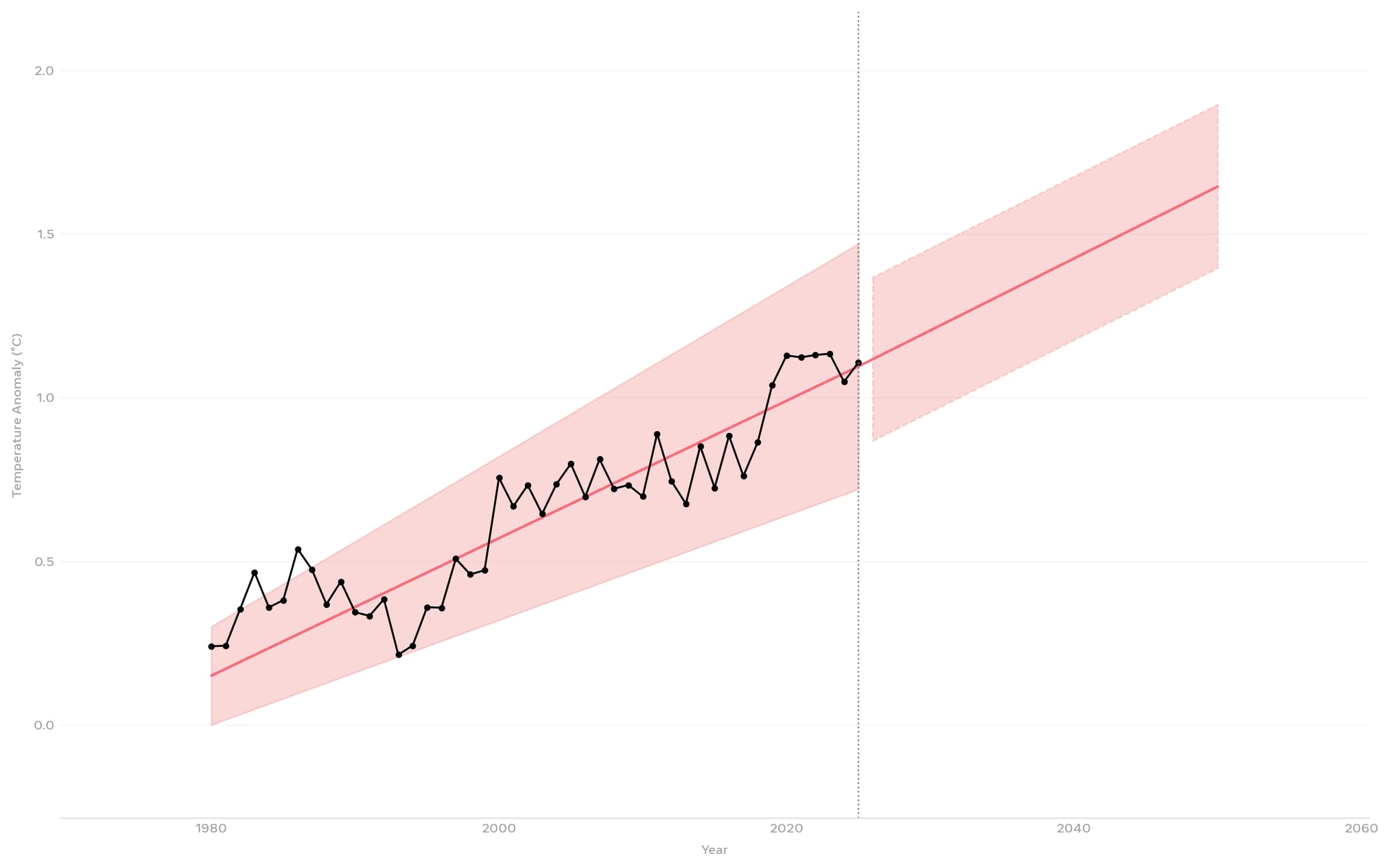
The growth, fueled by a combination of warmer temperatures, nutrient runoff, and stagnant conditions, has expanded beyond what was once considered seasonal or localized. Lakes, rivers, and coastal zones are increasingly vulnerable, turning once-usable waters into places to avoid.
Researchers explain that the problem is not new, but its scale is. Conditions that once limited outbreaks have shifted, allowing the growth to persist longer and spread farther. As a result, ecosystems struggle to recover between episodes, compounding the damage year after year.
The effects ripple outward. Wildlife is exposed to toxins, fish populations decline, and recreational areas close. In some communities, drinking water systems face added strain, while local economies tied to tourism and fishing absorb the consequences.
What troubles experts most is how quickly the situation can deteriorate. A body of water that appears manageable one week can become hazardous the next. That unpredictability complicates response efforts and leaves communities reacting rather than preparing.
Officials urge caution, emphasizing the importance of public awareness and monitoring. Avoiding contact with affected waters, reporting unusual conditions, and supporting long-term mitigation strategies are all part of the response.
Beyond the immediate danger lies a broader question. The spread reflects deeper environmental pressures that are no longer isolated events, but patterns. Addressing the growth means confronting the conditions that allow it to thrive.
For those witnessing it firsthand, the reaction is visceral. The word “horrific” is not used lightly. It reflects the shock of seeing familiar places transformed, and the uneasy recognition that the change may not be temporary.
Published by Banx Network. This article is part of the Banx decentralized media programme, powered by the BXE token on the XRP Ledger.