Ten years ago, the world gathered in Paris with a shared sense of urgency and an uncommon alignment of voices. The agreement reached there was not framed as a finish line, but as a turning point — a moment when ambition might finally begin to outrun emissions.
A decade later, the numbers tell a more complicated story. Global greenhouse gas emissions have not collapsed, nor have they stabilized. Instead, they have continued to rise, though at a slower and uneven pace. For experts tracking the climate, this tension between intent and outcome defines the Paris era.
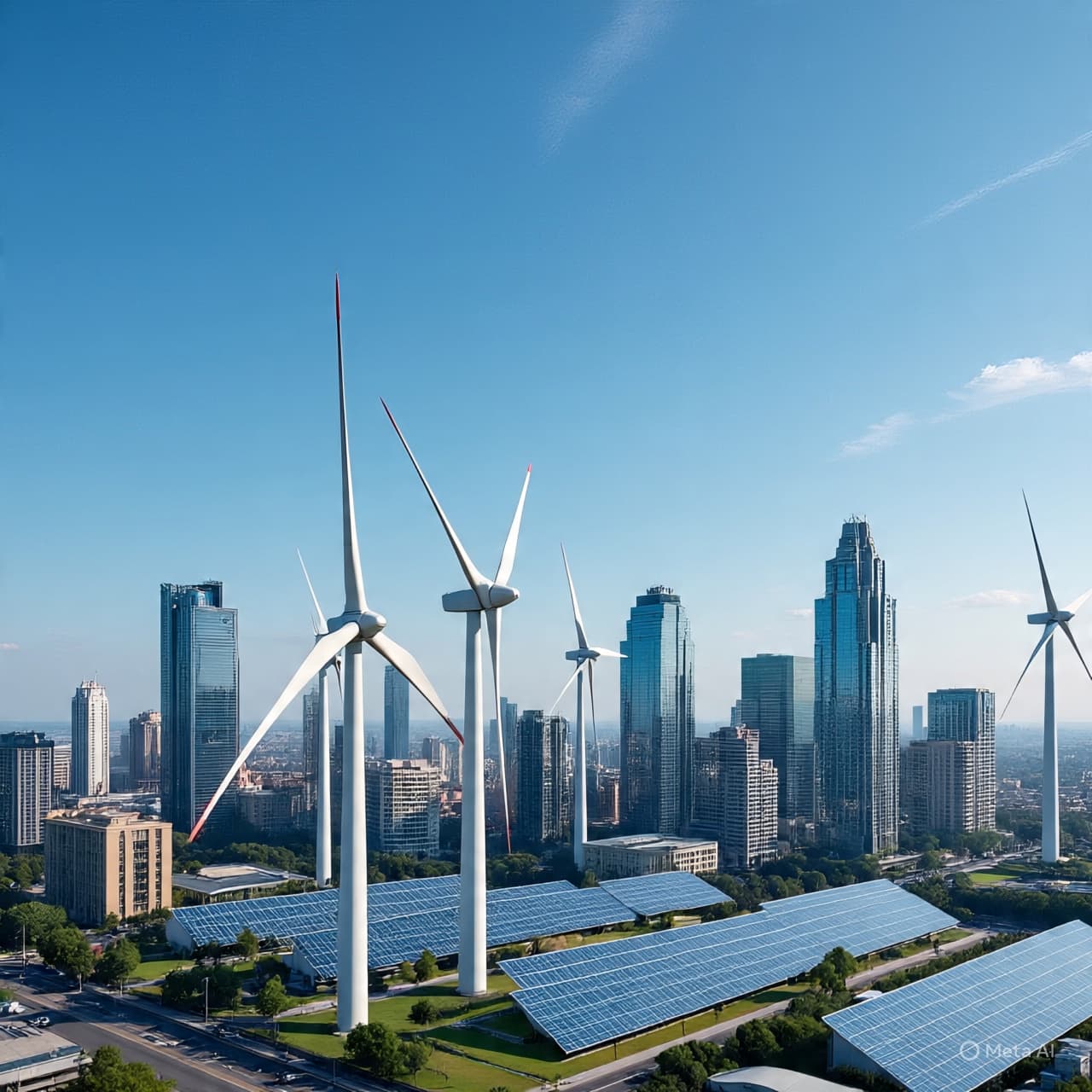
The agreement reshaped how countries talk about climate action. Nearly every nation committed to national targets, many of them updated over time. Renewable energy expanded rapidly, costs fell, and climate policy moved from the margins of diplomacy to its center. Yet emissions, driven by energy demand, industrial growth, and uneven transitions, kept climbing.
Some regions have made measurable progress. Emissions have peaked or declined in parts of Europe and North America, aided by cleaner power grids and efficiency gains. Elsewhere, especially in fast-growing economies, emissions have risen as development and consumption accelerated.
Scientists note that Paris was never designed to deliver immediate reductions on its own. Its strength lies in pressure — political, economic, and social — applied over time. Still, the gap between current trajectories and the agreement’s temperature goals remains wide.
Extreme weather, heat records, and climate-linked disruptions have sharpened public awareness. What once felt abstract is now experienced directly. This shift has pushed governments and companies to move faster, but not yet fast enough to reverse the global curve.
Experts increasingly describe the present moment as decisive. The next decade will determine whether Paris becomes a foundation for transformation or a historical marker of delayed action.
Ten years on, the agreement stands as both achievement and warning. It changed expectations, aligned language, and mobilized investment. What it has not yet done is bend emissions downward at the scale science demands.
That task remains unfinished — and unavoidable.
Published by Banx Network. This article is part of the Banx decentralized media programme, powered by the BXE token on the XRP Ledger.