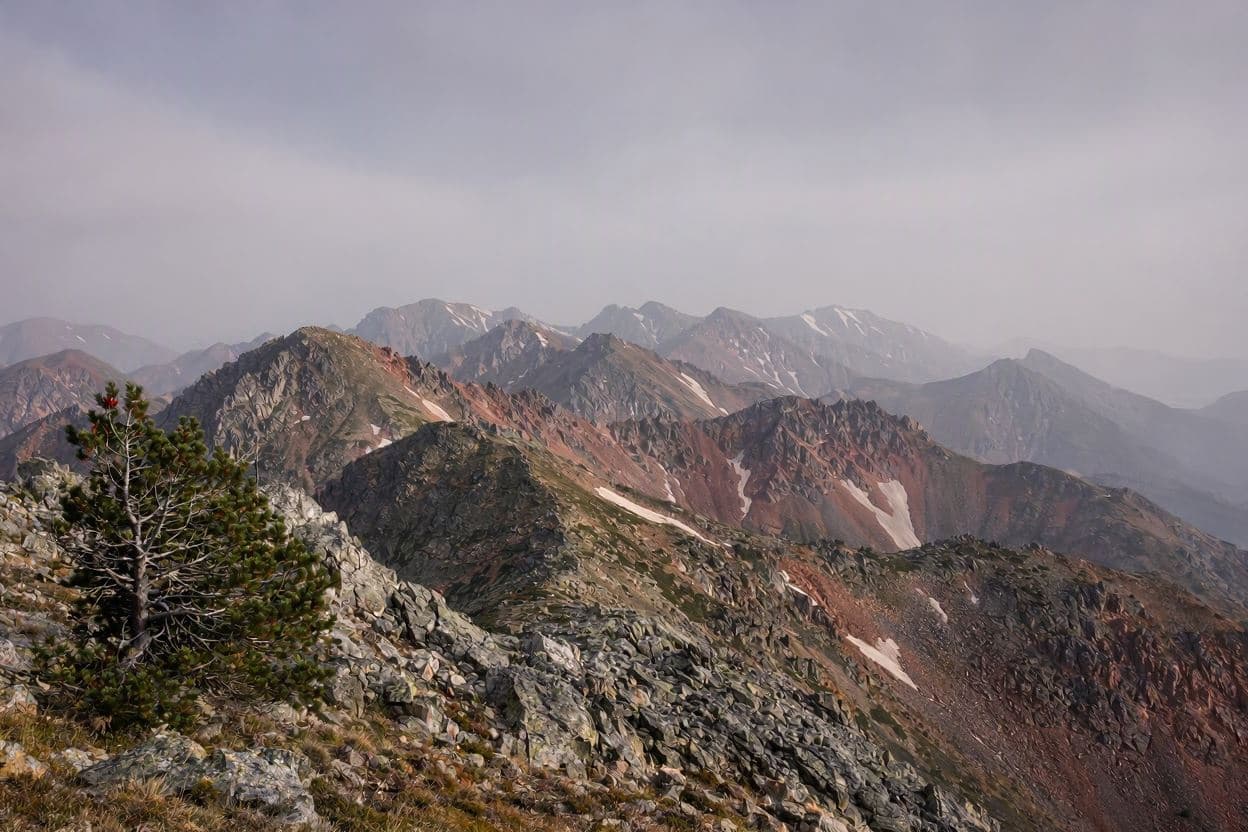
Far above the Arctic Circle, where ice and snow have long defined the landscape, a startling transformation is unfurling — one that scientists say offers a vivid snapshot of climate change in real time. A new U.S. federal assessment — the latest Arctic Report Card from the National Oceanic and Atmospheric Administration (NOAA) — paints a picture of rapid warming at the northernmost edge of the planet, with glaciers shrinking and rivers turning bright orange as long‑frozen ground thaws under rising temperatures.
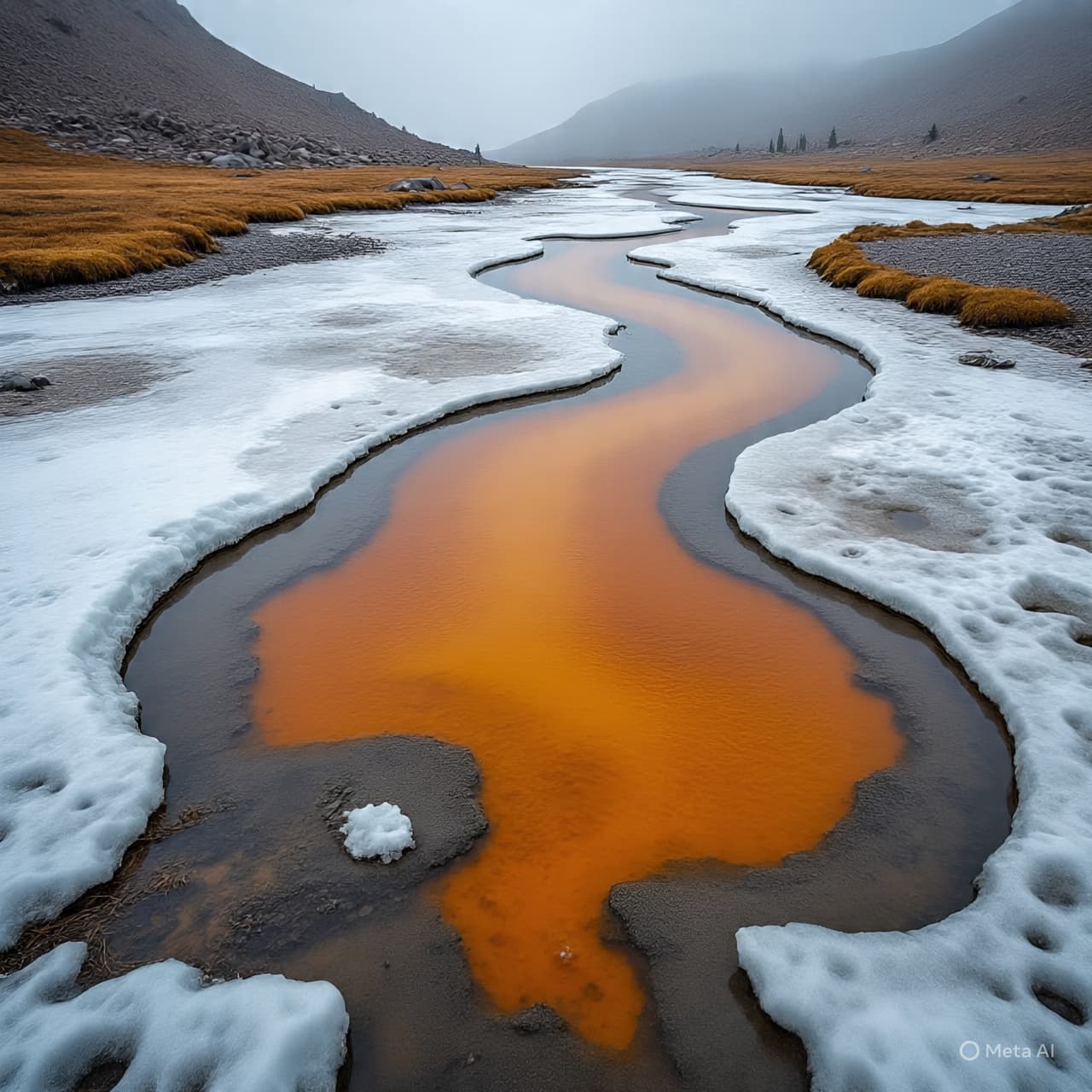
In parts of northern Alaska’s Brooks Range, hundreds of rivers and streams are no longer clear or icy blue but a rust‑coloured orange, a phenomenon scientists call “rusting rivers.” This striking colour comes not from industrial pollution but from iron and other naturally occurring metals leaching out of thawing permafrost into waterways, where water and oxygen combine to create the reddish stain.
These changes appear in NOAA’s annual Arctic Report Card, a decades‑long effort to track environmental trends across a region warming much faster than the global average. According to the report’s lead editor, Matthew Druckenmiller of the National Snow and Ice Data Center, the most recent year has been among the warmest and wettest in the Arctic’s recorded history.
The shifting colours of Arctic rivers offer more than a striking image — they signal deeper ecological change. As permafrost collapses, the release of iron, copper, aluminium and other metals could alter water chemistry and affect fish and other wildlife that depend on these habitats, researchers warn, even as the full scope of ecological consequences remains under study.
Meanwhile, glaciers throughout the region continue to thin and retreat. The Greenland Ice Sheet alone lost some 129 billion tons of ice in 2025, and Arctic glaciers beyond Greenland have thinned markedly over recent decades, contributing to rising global sea levels and reshaping coastlines far from the Arctic itself.
The report also notes record‑low sea ice extent — the smallest maximum area observed in NOAA’s 47‑year satellite record — and a warming ocean that is becoming saltier as Atlantic waters push farther north, a process known as “Atlantification.” These shifts have ramifications for marine ecosystems, weather patterns and even commercial fisheries.
Taken together, the orange waters, melting glaciers and thinning sea ice are stark reminders that the Arctic is changing at an accelerated pace — effects that reverberate well beyond its frozen borders and pose challenges for communities, biodiversity and climate stability around the globe.
AI Image Disclaimer Visuals are AI‑generated illustrations and are not real photographs; they are intended for conceptual representation only.
Sources: NOAA Arctic Report Card coverage from KPBS, WGLT, WPSU and other outlets reporting on the federal assessment and rusting rivers phenomenon.
Published by Banx Network. This article is part of the Banx decentralized media programme, powered by the BXE token on the XRP Ledger.