SCIENCE86% credibility
China's Lunar Spacecraft Concept Signals New Era in Space Exploration
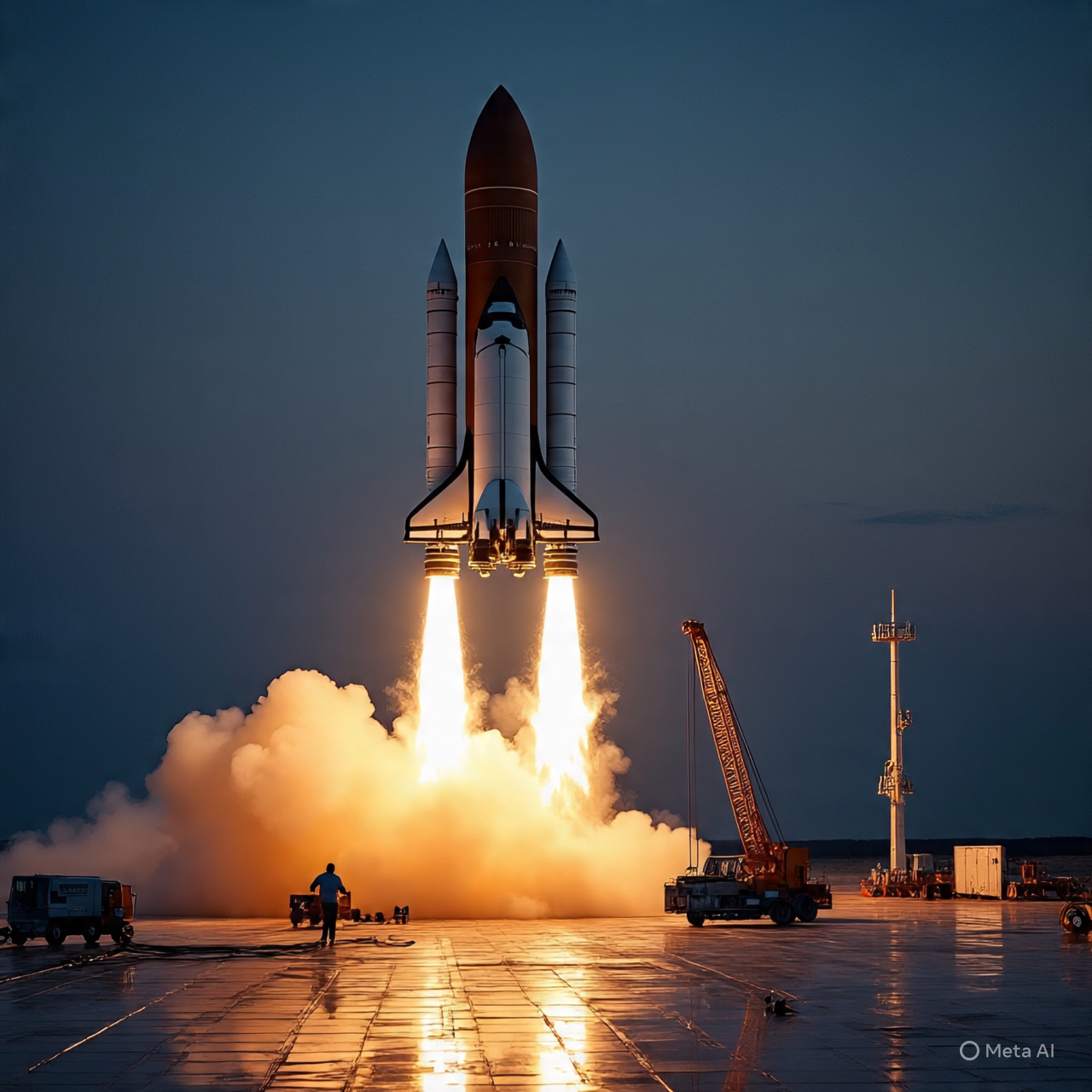
China unveils a new lunar spacecraft concept and reusable rocket test, marking a significant step in its ambitious space exploration plans.
3 min read

China unveils a new lunar spacecraft concept and reusable rocket test, marking a significant step in its ambitious space exploration plans.
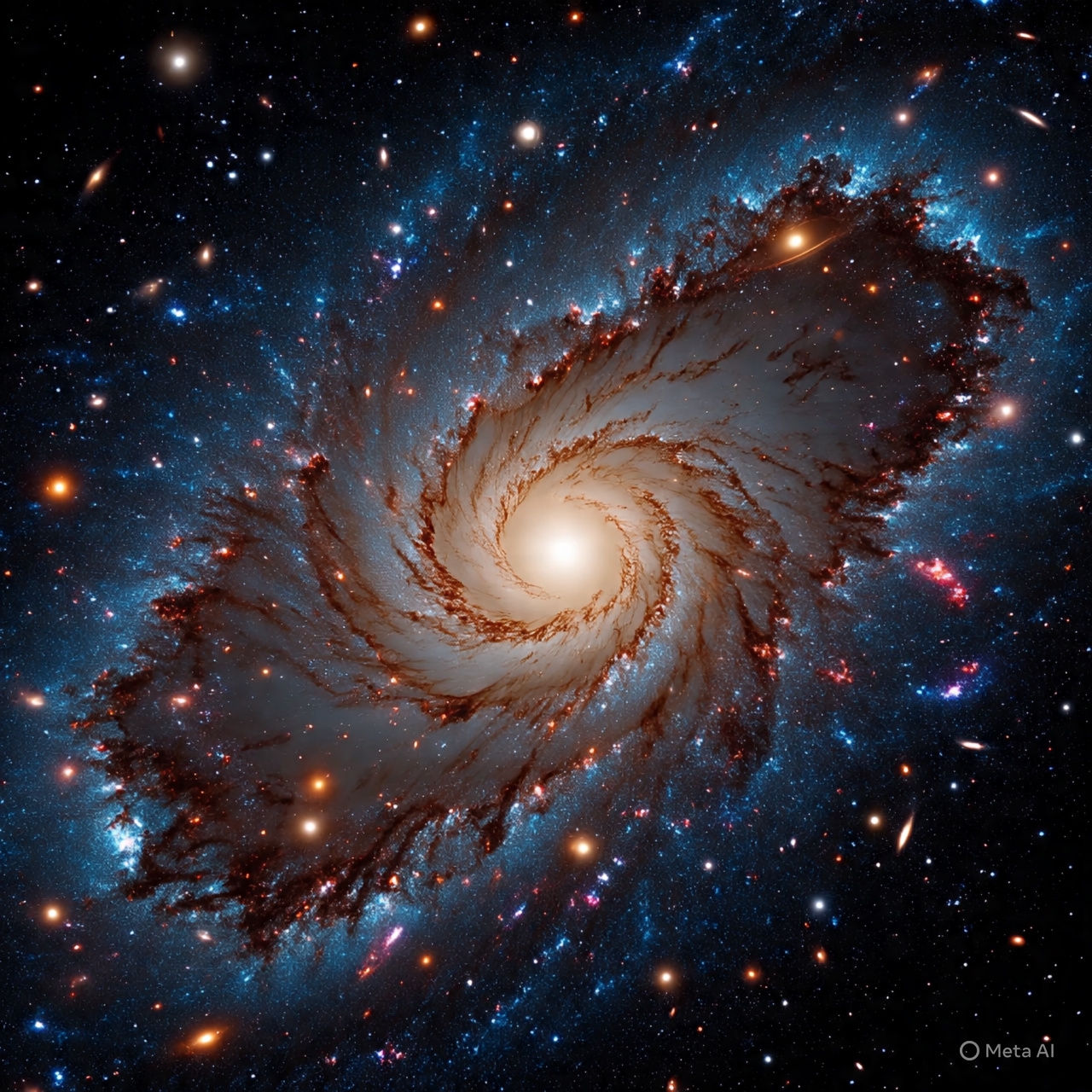
A new study suggests that stellar remnants could explain the missing mass in galaxy clusters, challenging traditional dark matter models and reshaping cosmic understanding.

A record-breaking renewables auction in the UK has awarded 4.9 GW of solar capacity, paving the way for new solar farms and reshaping energy markets.

The red-headed wood pigeon, once critically endangered, has rebounded on Japan's Ogasawara Islands after feral cat removal, showcasing successful conservation efforts.
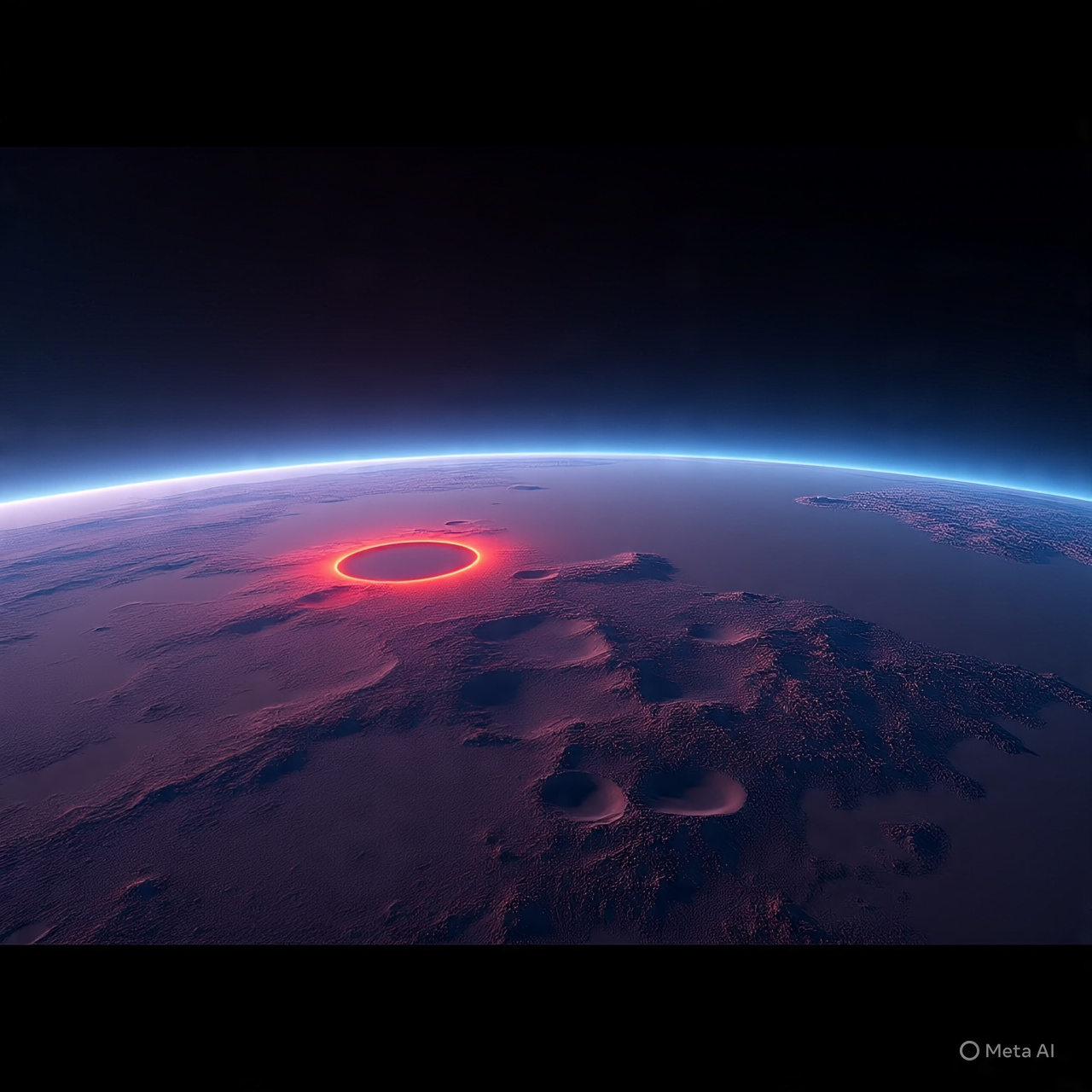
Scientists discover large underground lava tubes on Venus, revealing insights into the planet's geological history and evolution beneath its thick clouds.
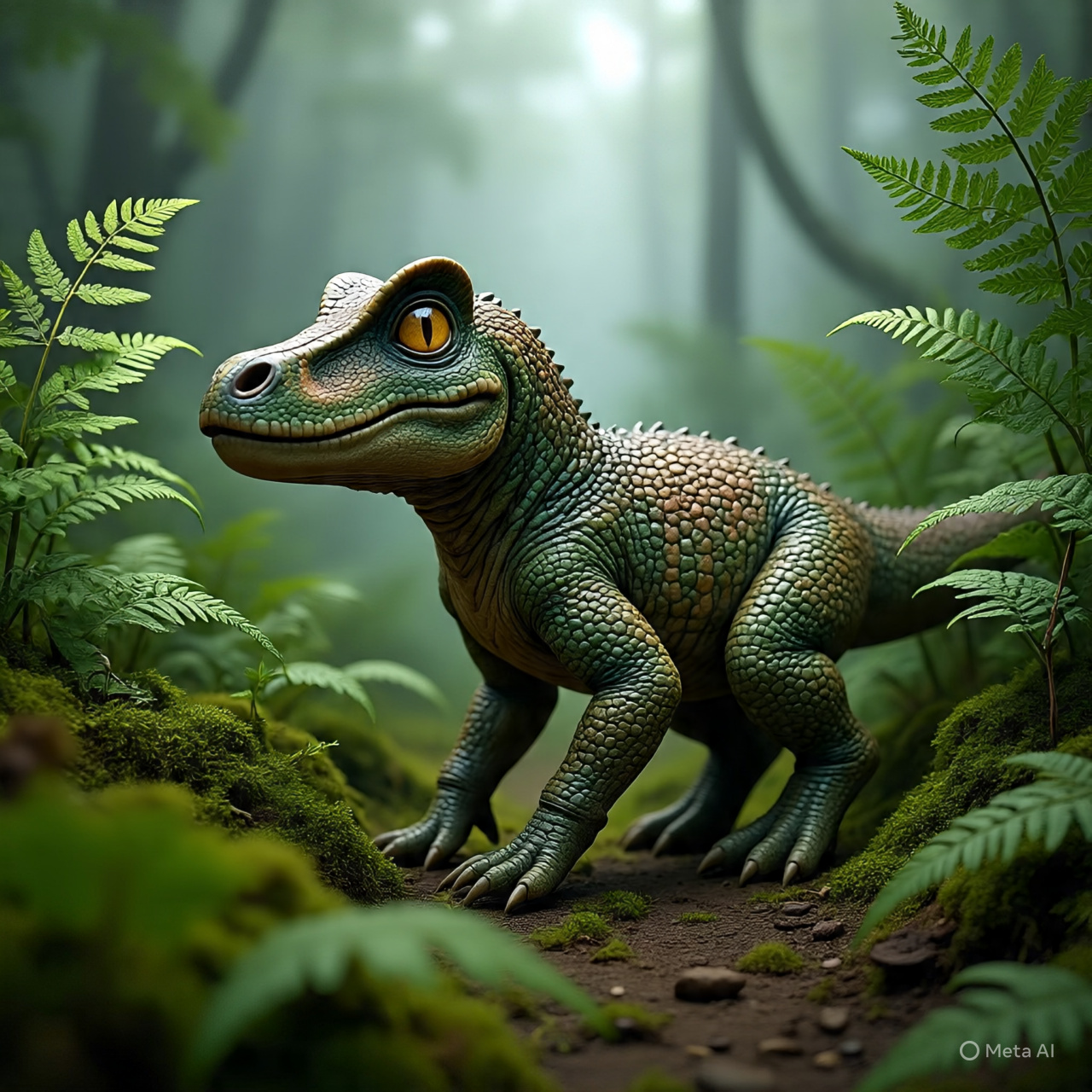
A newly discovered fossil, Tyrannoroter heberti, provides evidence of early vertebrates incorporating plants into their diet, reshaping our understanding of evolution.
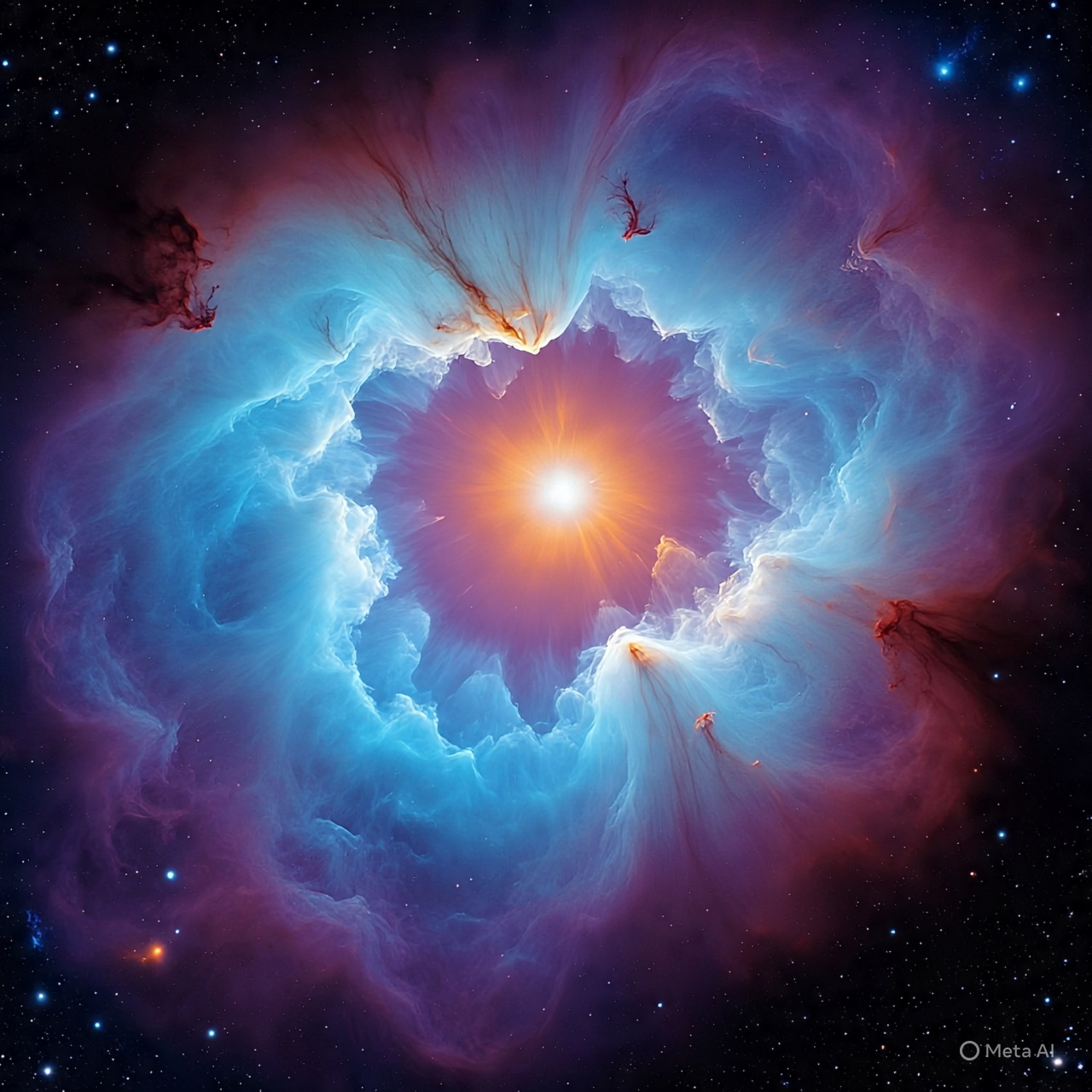
NASA's Hubble Space Telescope reveals the Egg Nebula, showcasing the dramatic light and shadow of a dying star's final transformation in the cosmos.
Explore the interconnectedness of earth, air, fire, and water as climate change alters their relationships and impacts our environment.
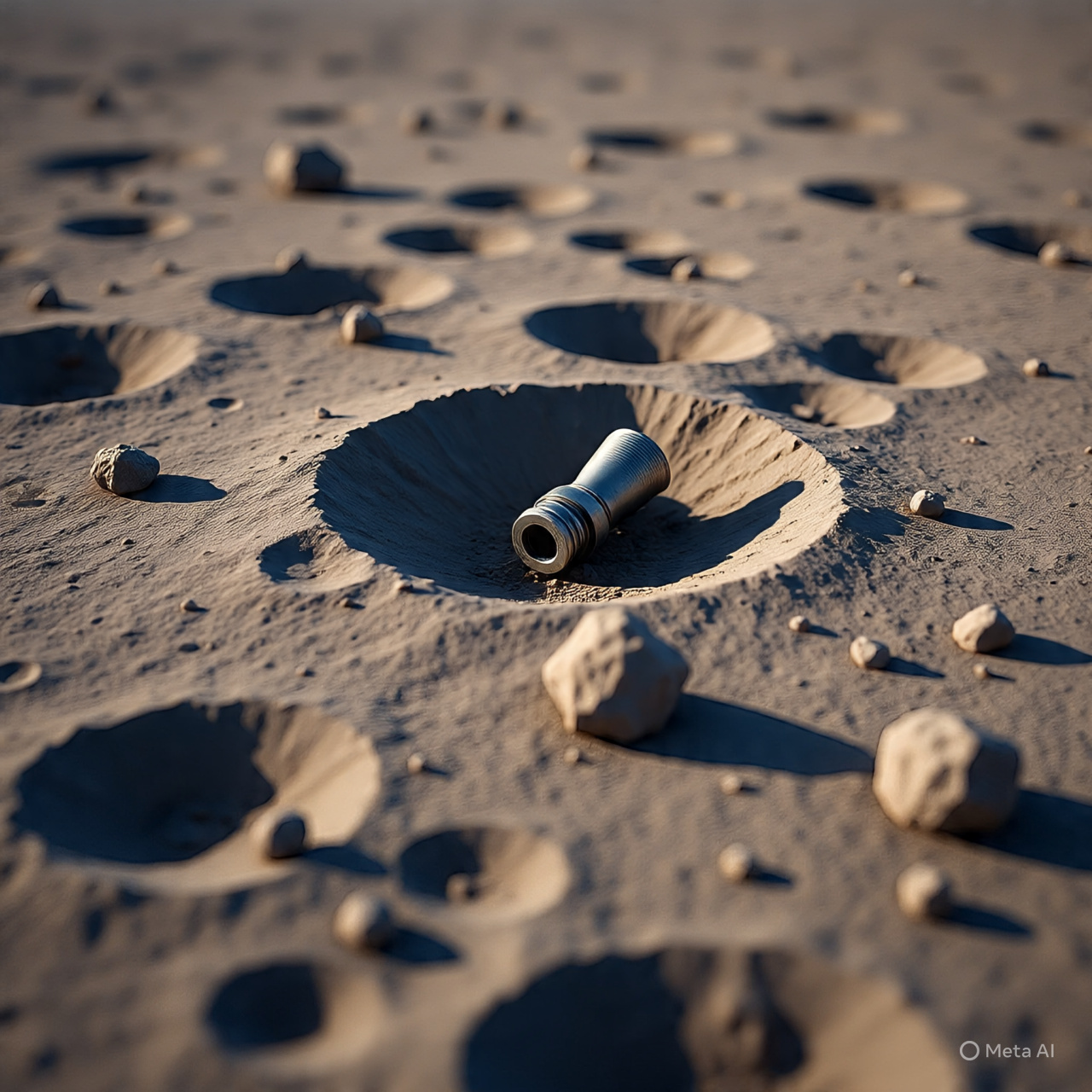
NASA researchers believe they may have located the Luna 9 spacecraft on the Moon, 57 years after its historic landing. Discover the implications of this finding.
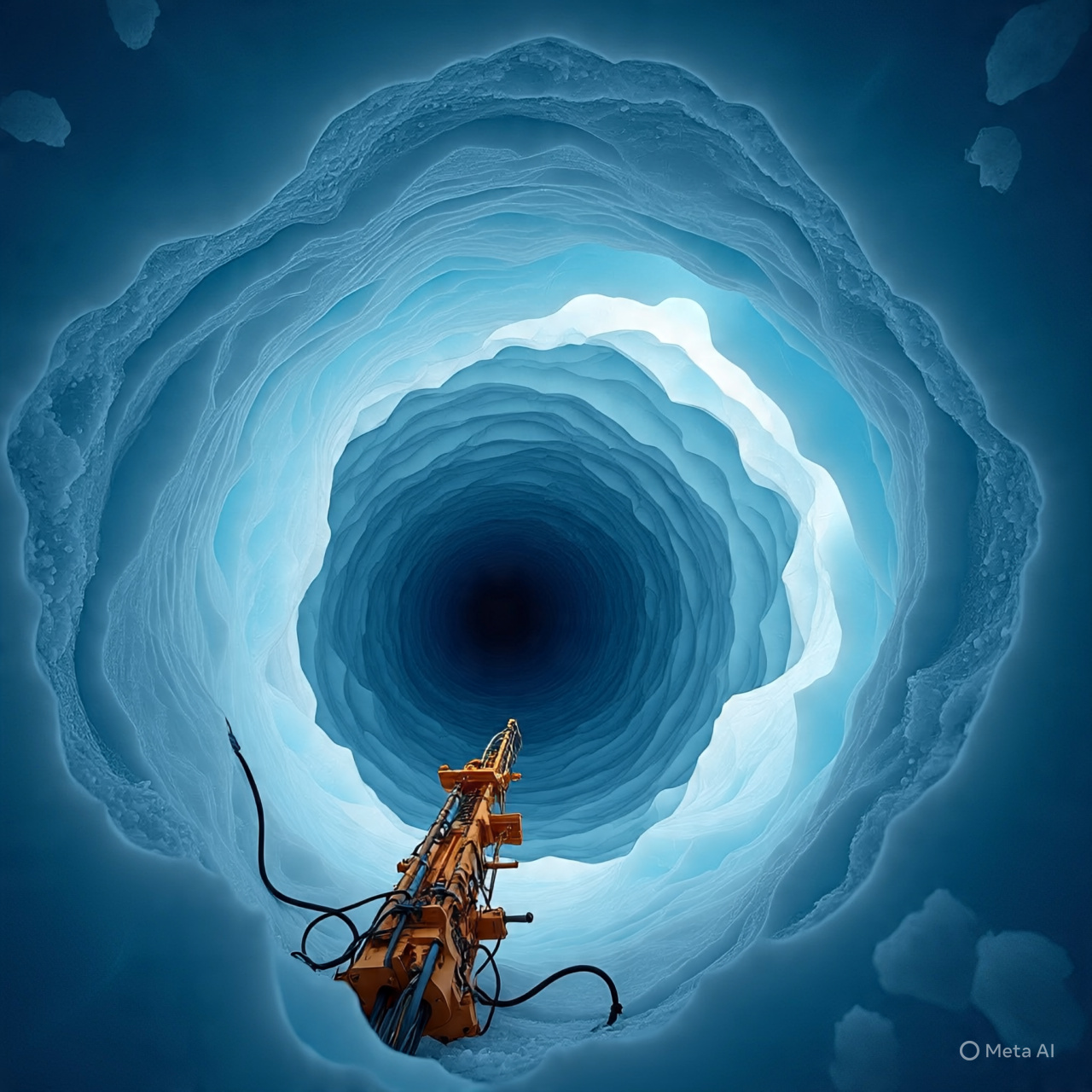
A recent expedition to Thwaites Glacier reveals critical insights into ice melting and climate change, despite setbacks in equipment deployment.
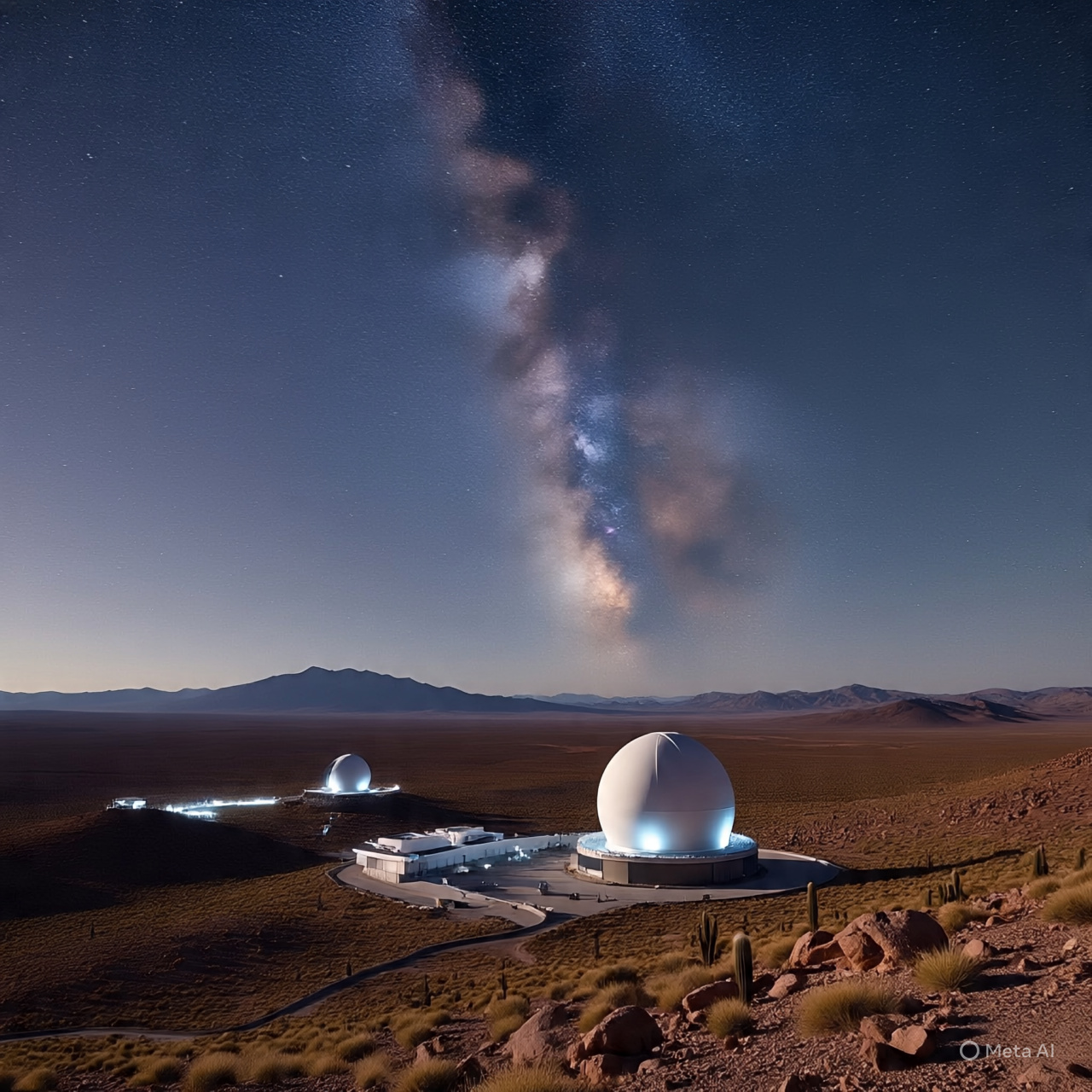
Chile's decision to cancel the $10 billion INNA project safeguards the Atacama Desert's dark skies, crucial for astronomical research and discovery.
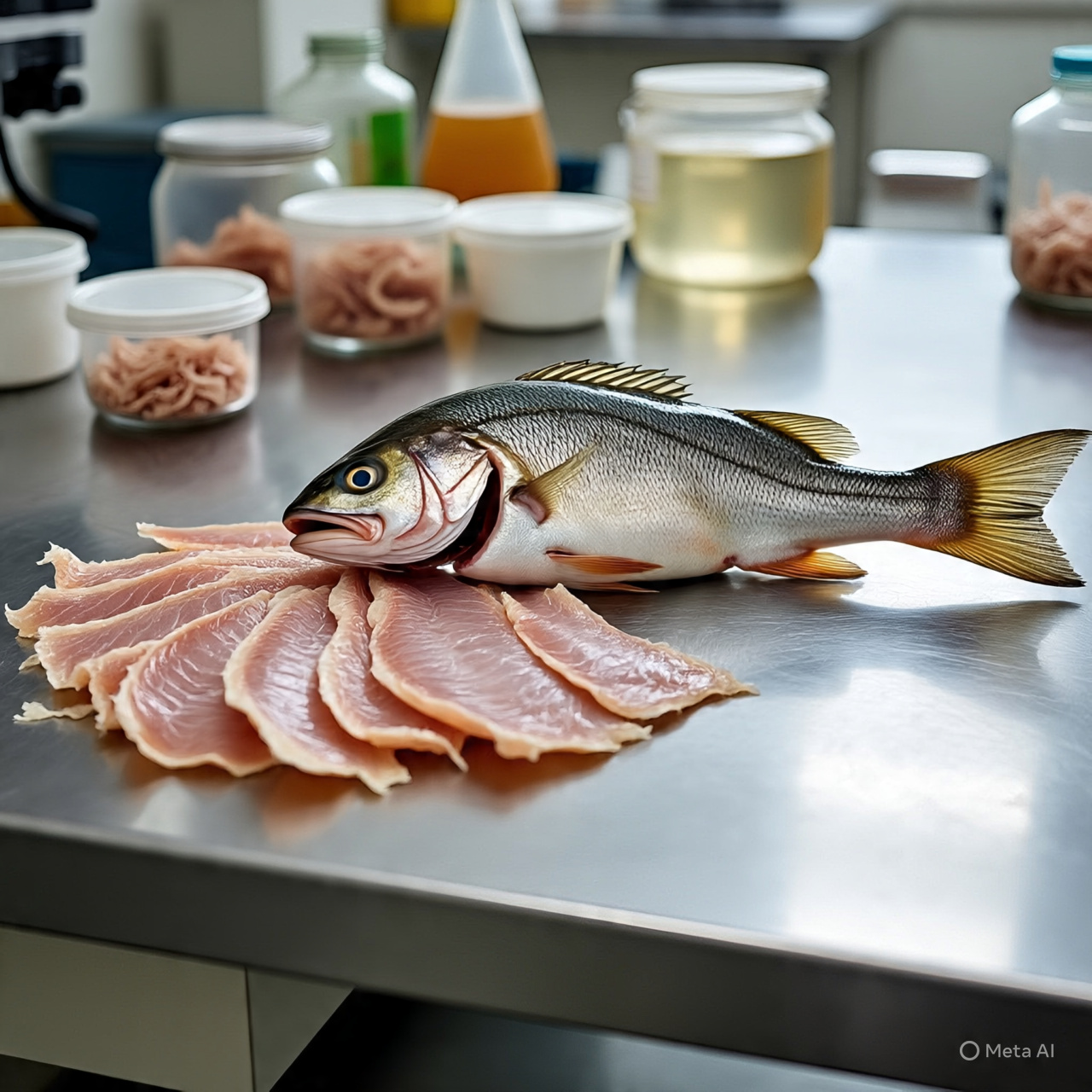
Brazilian scientists developed a biodegradable food packaging film from tambatinga fish skin, offering a plastic alternative while adding value to aquaculture waste.
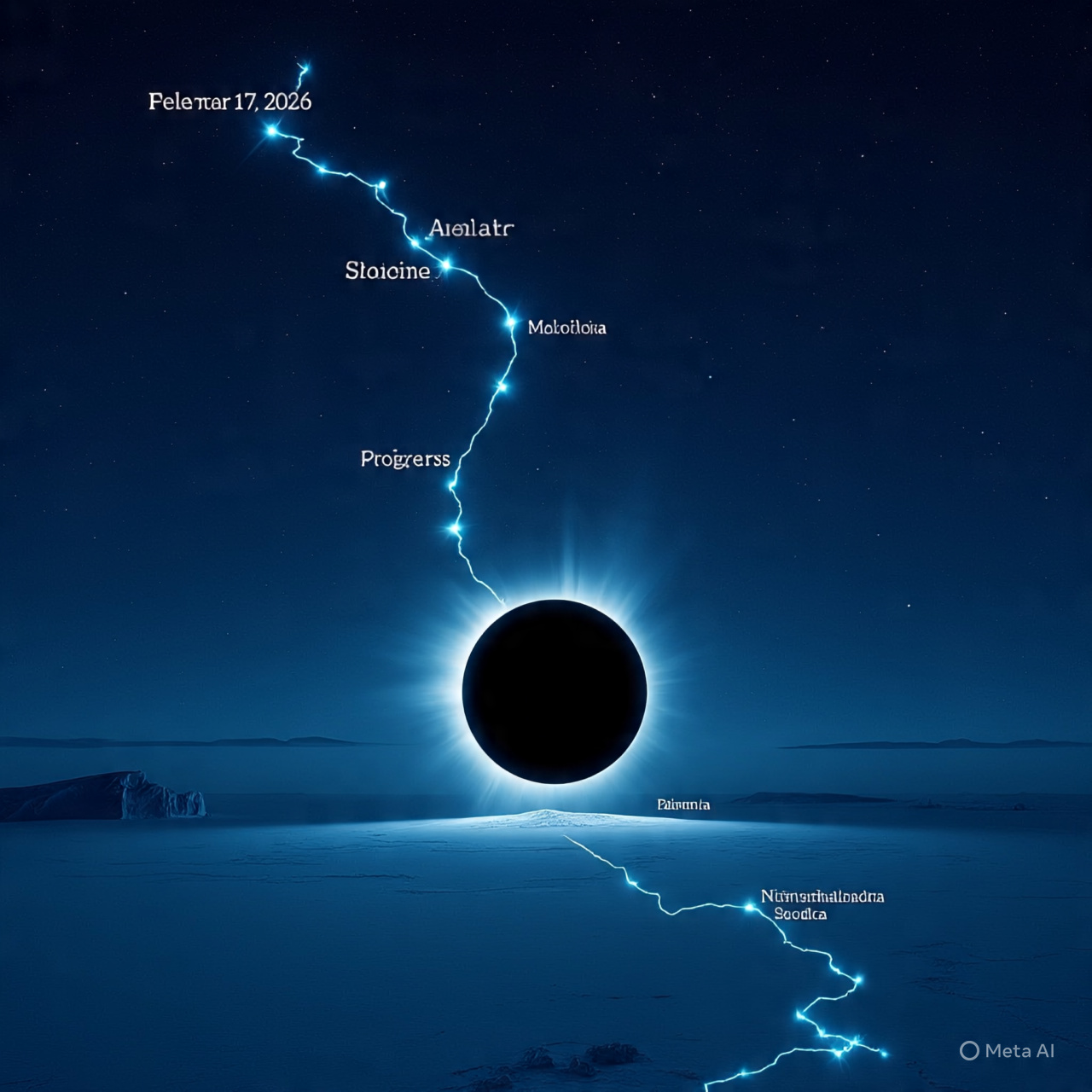
Witness the annular solar eclipse on February 17, 2026, as it creates a stunning 'Ring of Fire' effect across Antarctica and parts of South America.
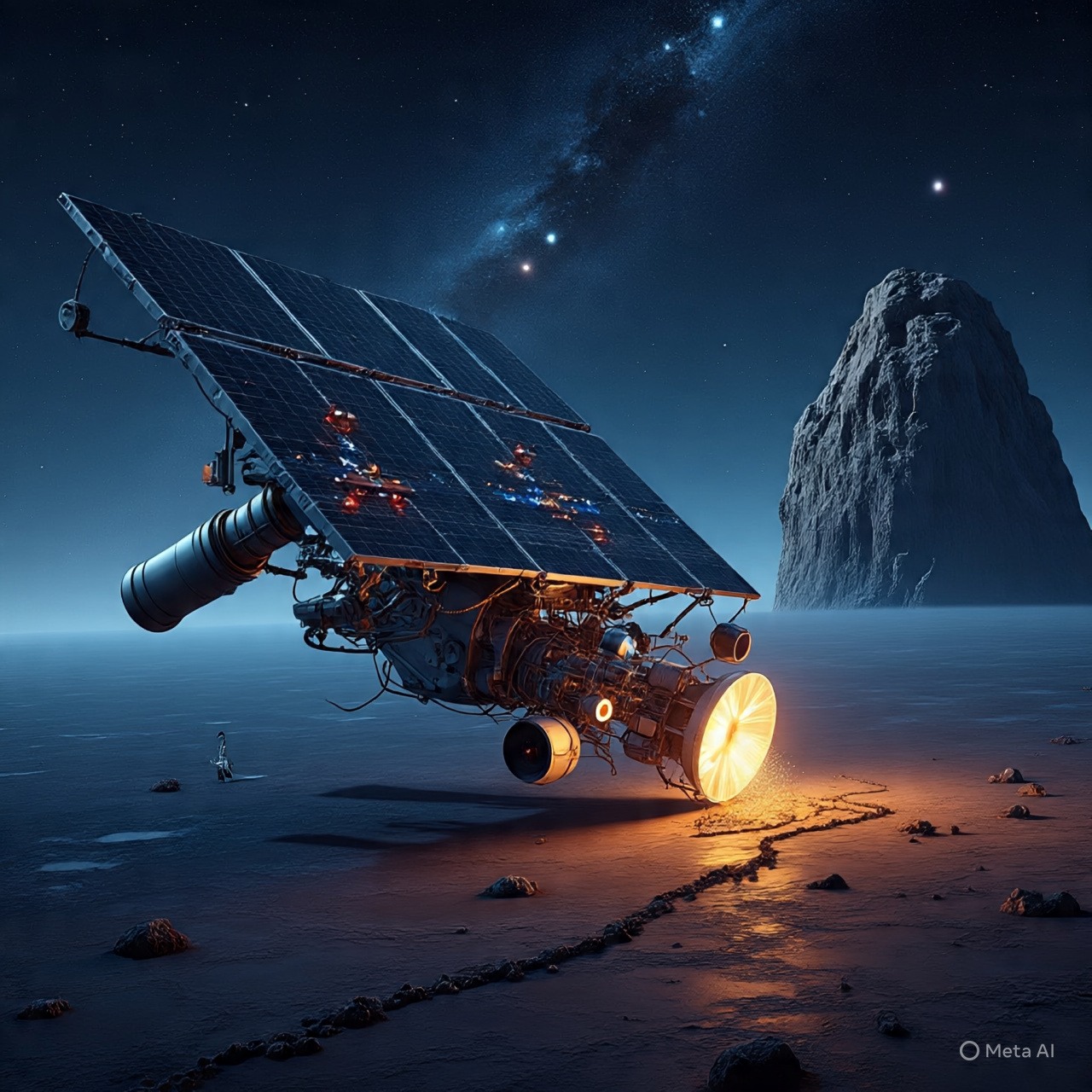
The European Space Agency's Ramses mission aims to study asteroid Apophis during its close approach to Earth in April 2029, enhancing our understanding of space.
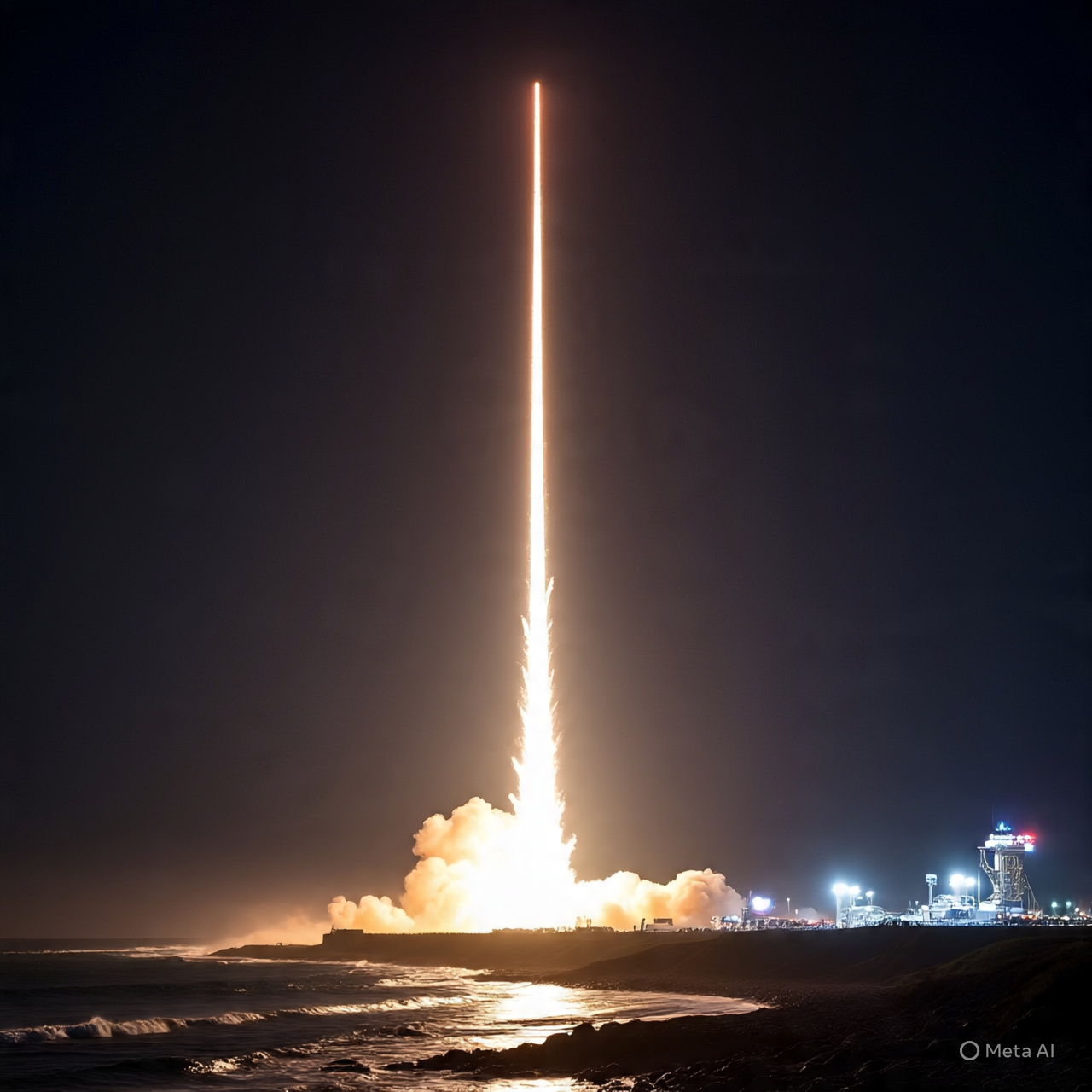
As a rocket prepares for a late-night launch, communities along Florida's Space Coast brace for the unique sounds of the event. Here's what to expect.
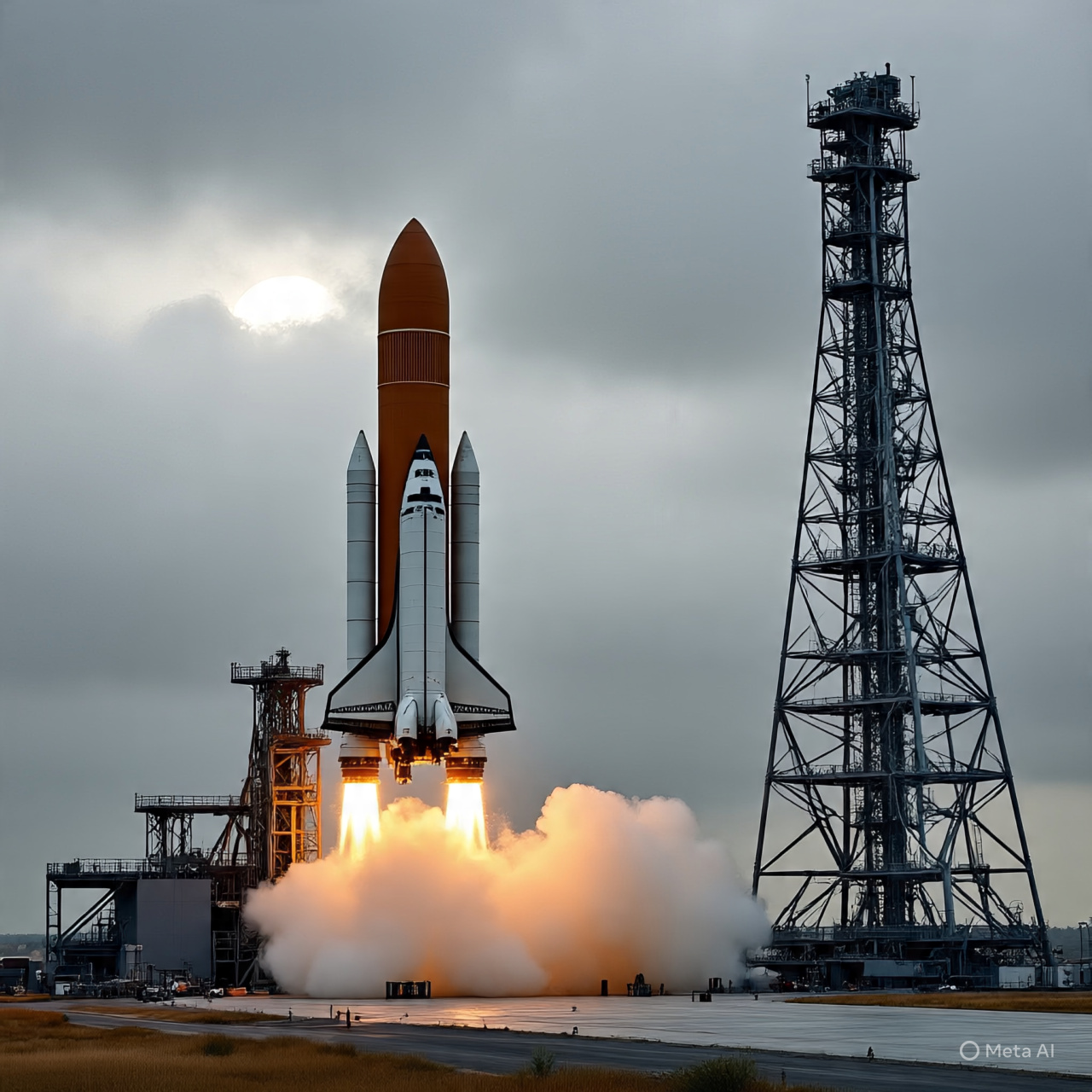
Explore how new scientific perspectives are reshaping our understanding of the Viking missions' findings on Mars and the possibility of life beyond Earth.
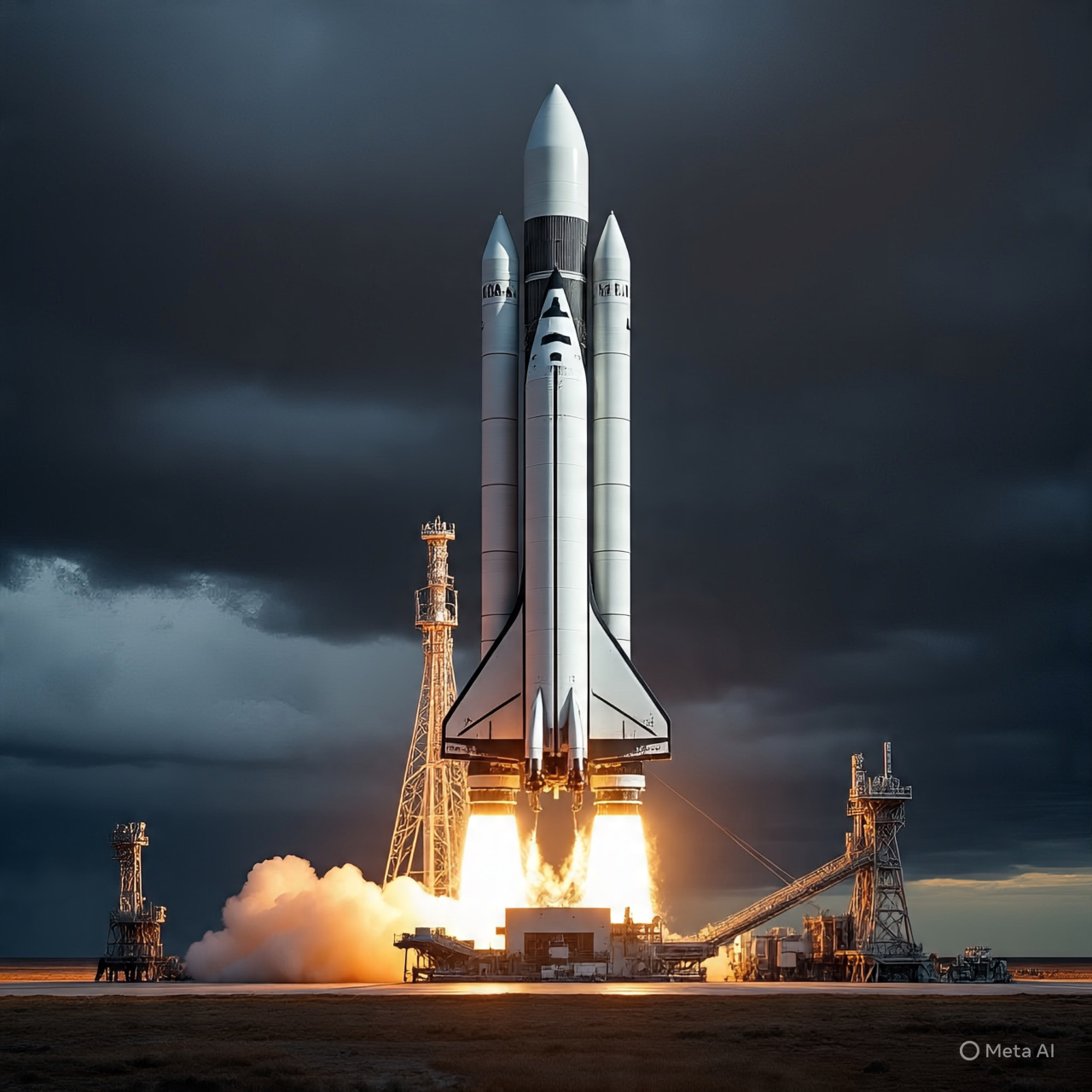
NASA's Artemis II mission encounters delays as engineers address liquid hydrogen leaks, impacting schedules and testing timelines for the Moon-bound journey.
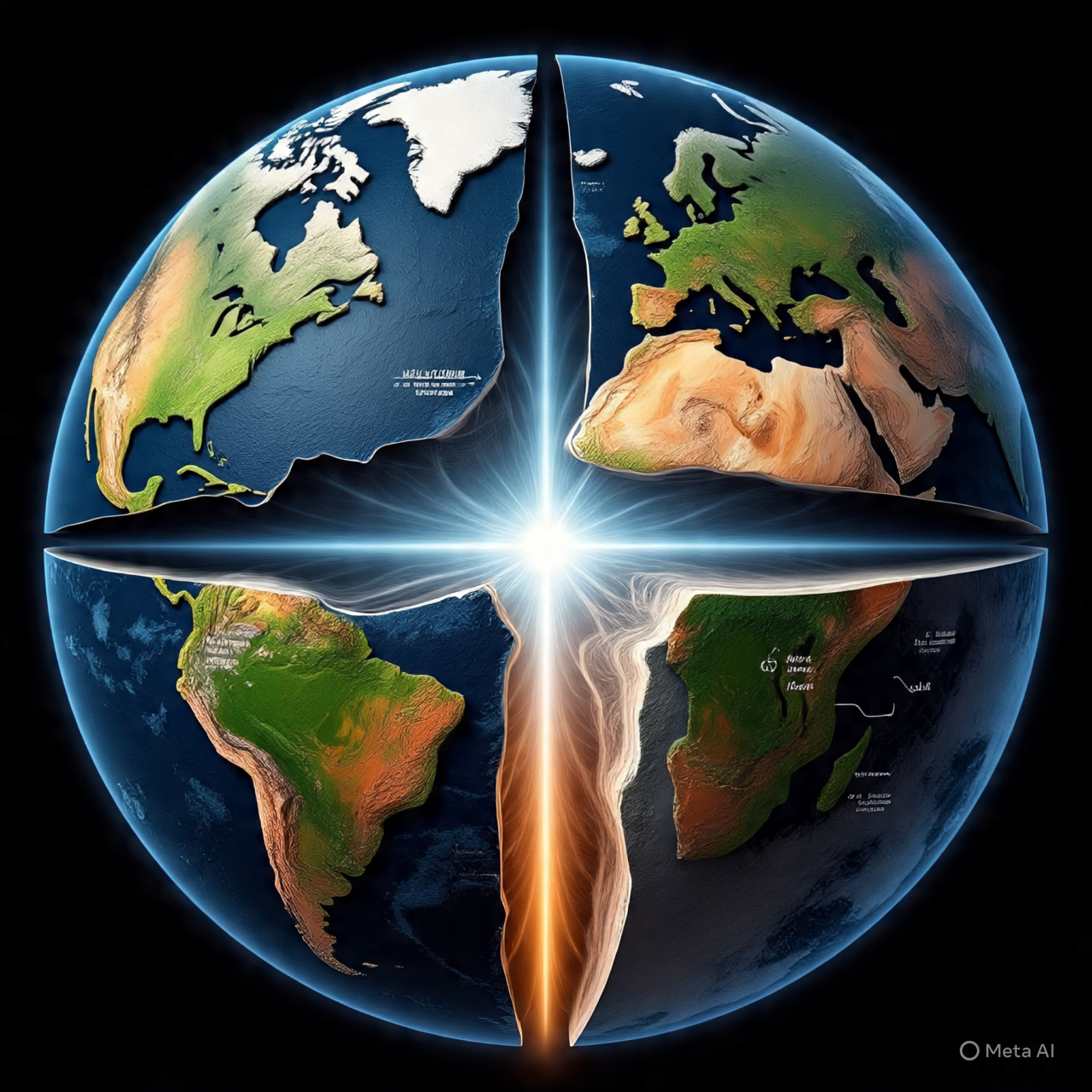
Experiments suggest Earth’s core may store up to 45 oceans’ worth of hydrogen, reshaping ideas about planetary formation, density, and deep internal processes.
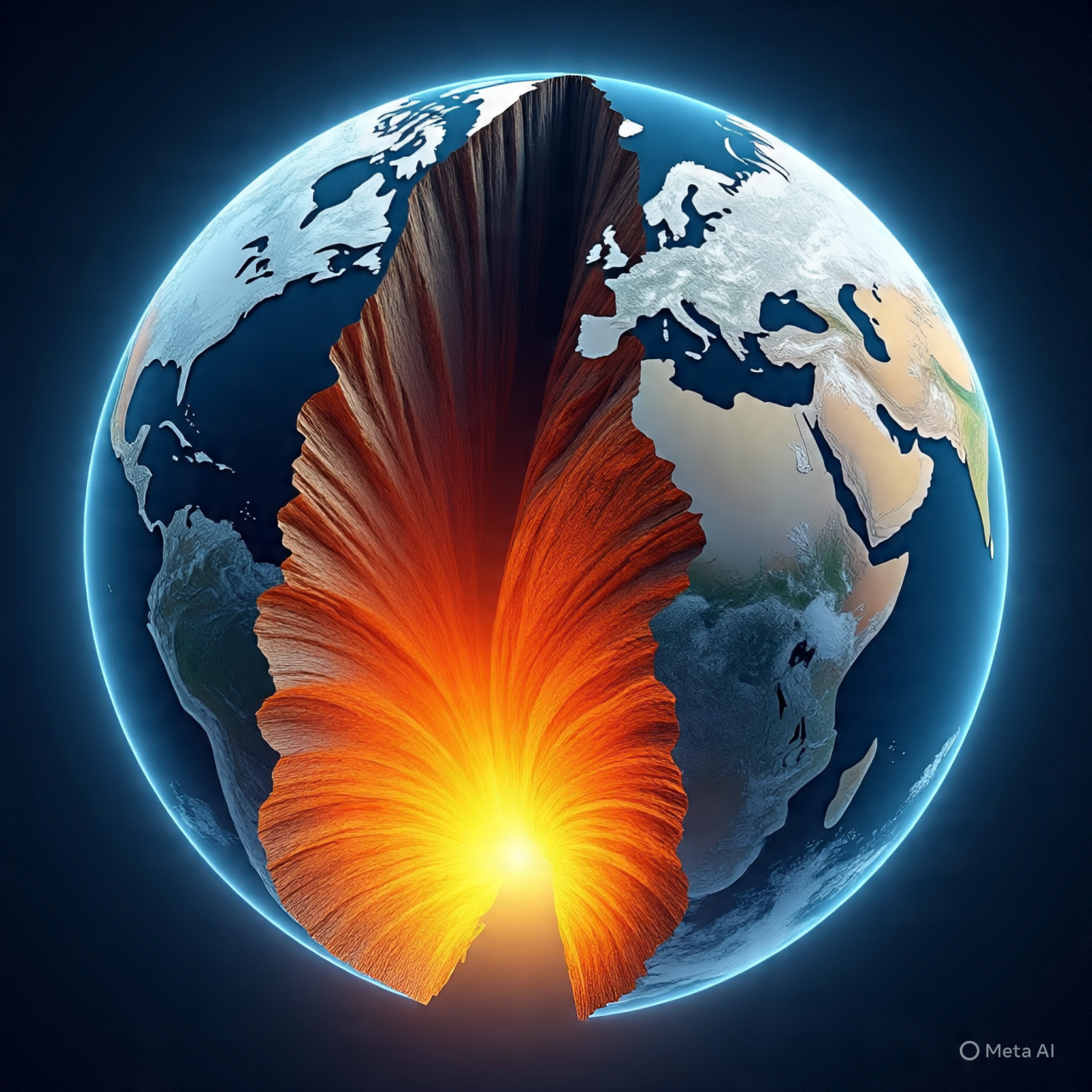
Recent studies suggest Earth's core may contain vast amounts of hydrogen, reshaping our understanding of its formation and geological processes.
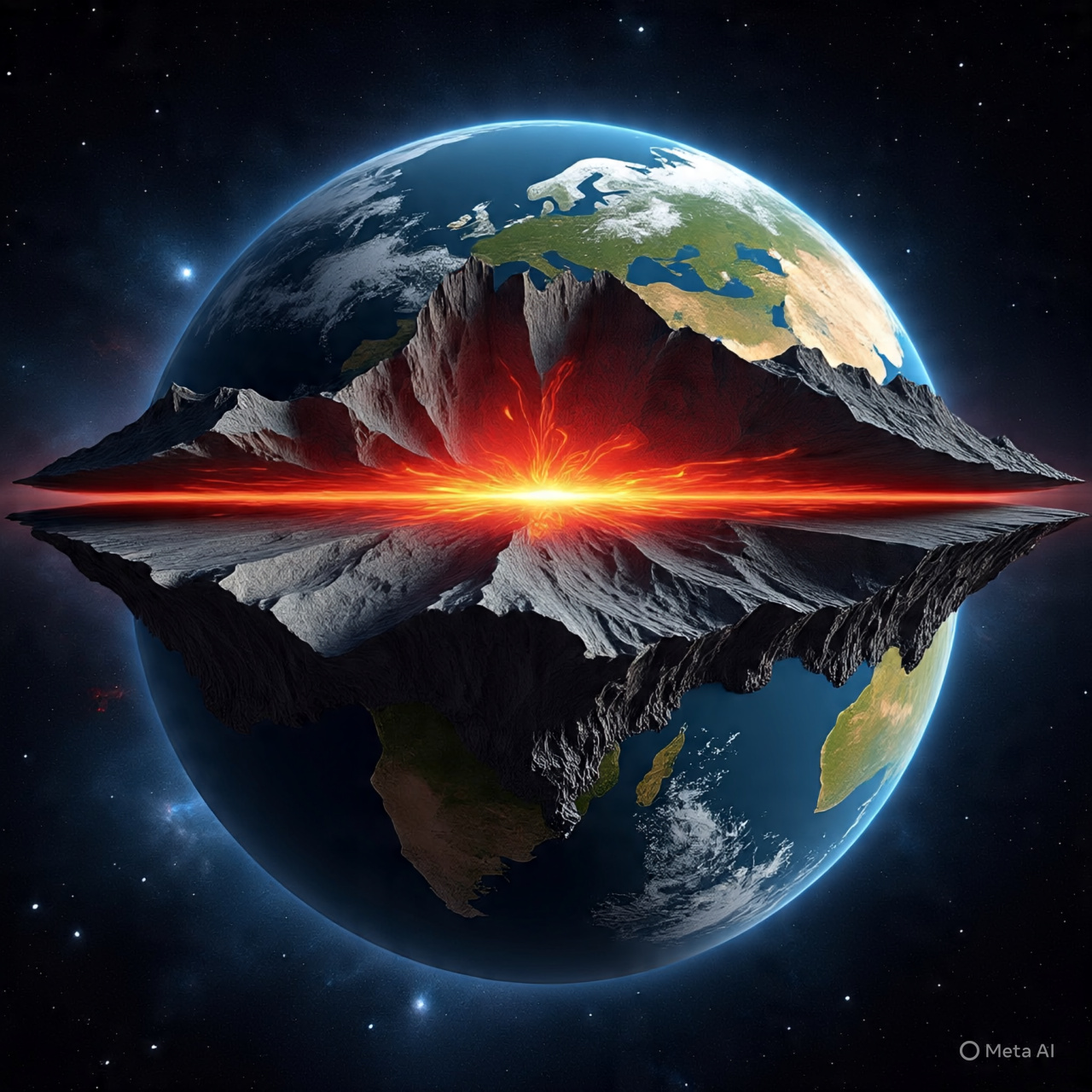
Recent studies indicate that Earth's core may contain vast reserves of hydrogen, a key element for life, reshaping our understanding of planetary formation.
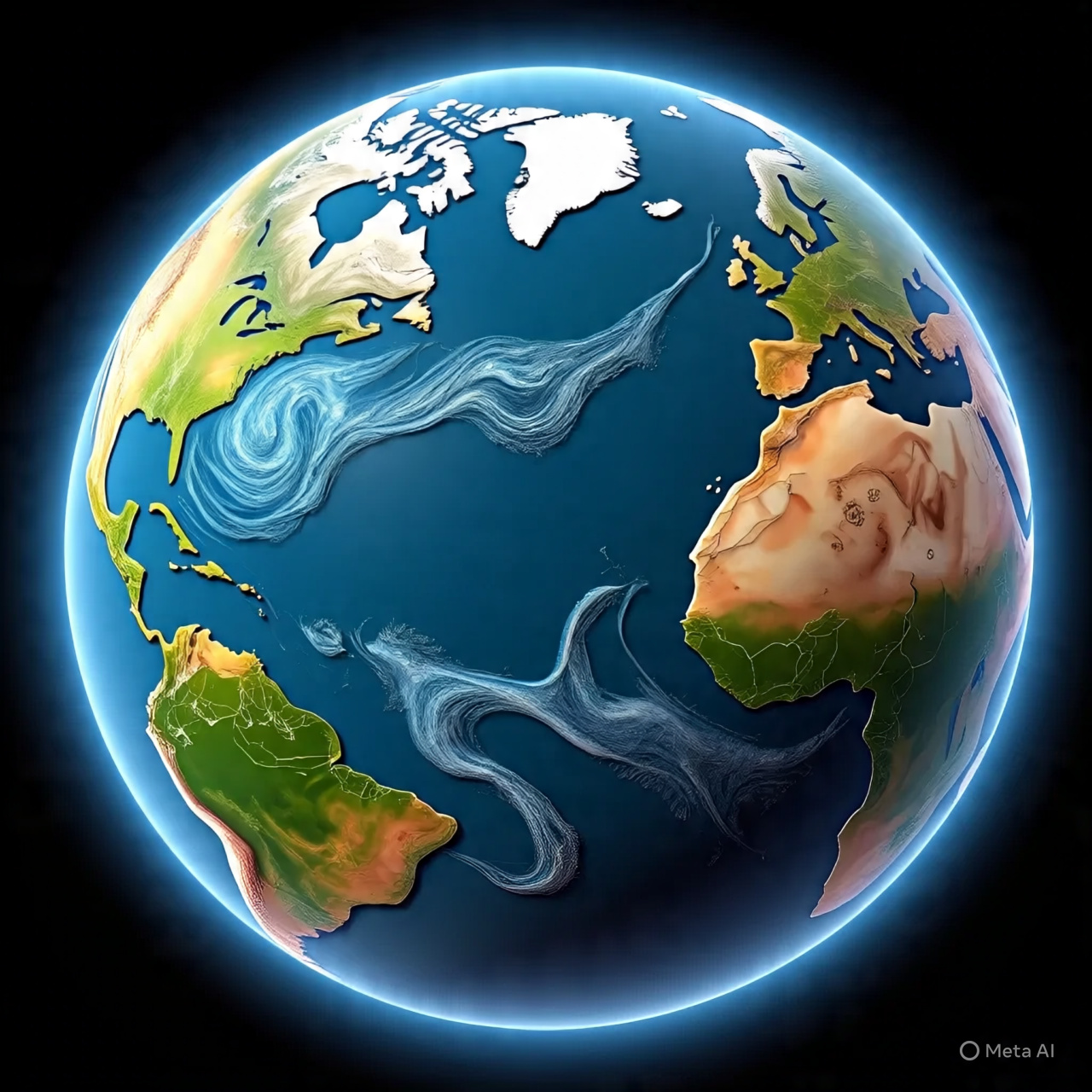
Recent studies reveal that Earth's core may contain vast amounts of hydrogen, reshaping our understanding of the planet's water cycle and geological processes.
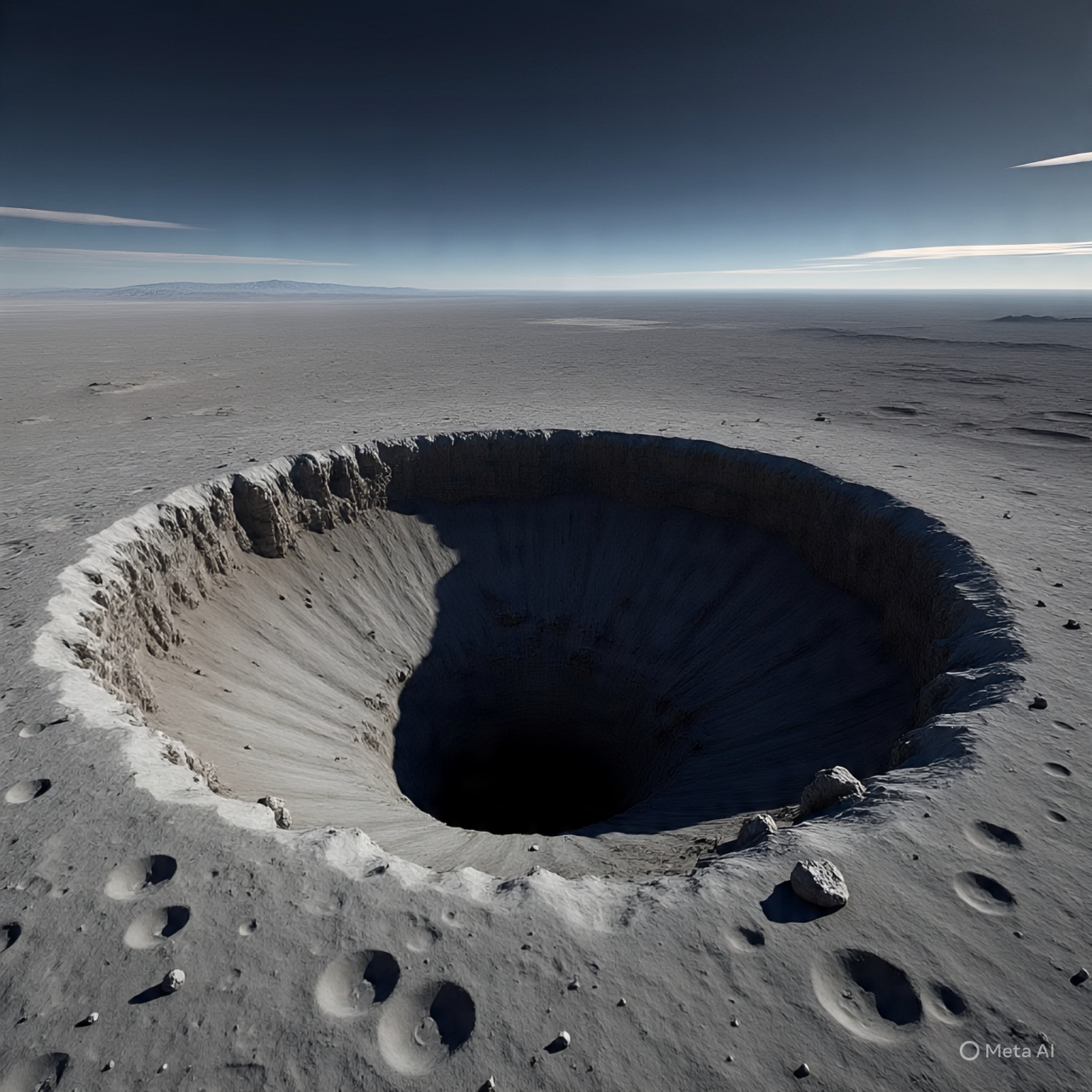
Researchers are using AI to identify potential sites of the lost Luna 9 spacecraft on the Moon, over 60 years after its historic landing.
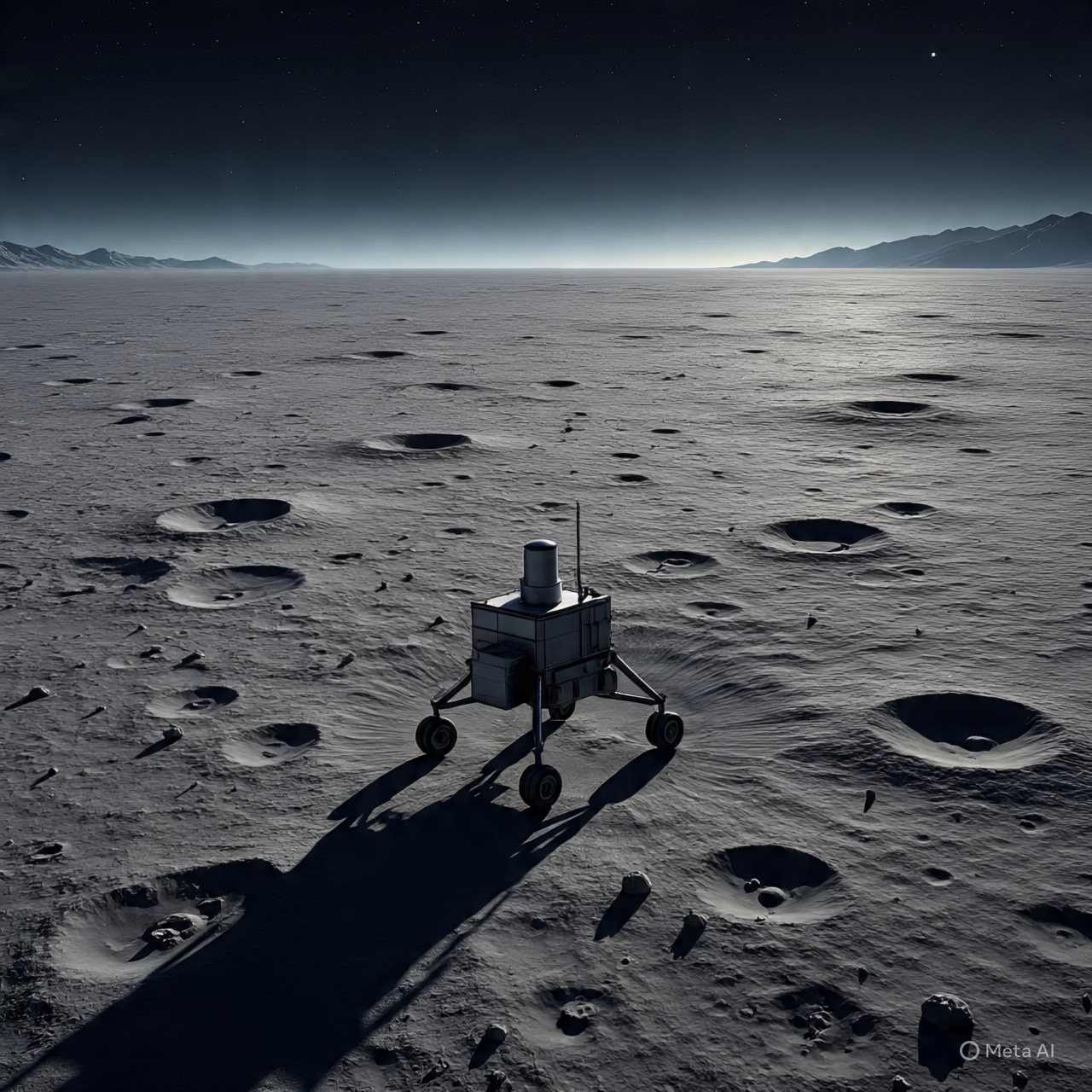
Researchers leverage AI and lunar imagery to identify potential sites of Luna 9, the first spacecraft to land on the Moon, revealing new insights into space exploration history.
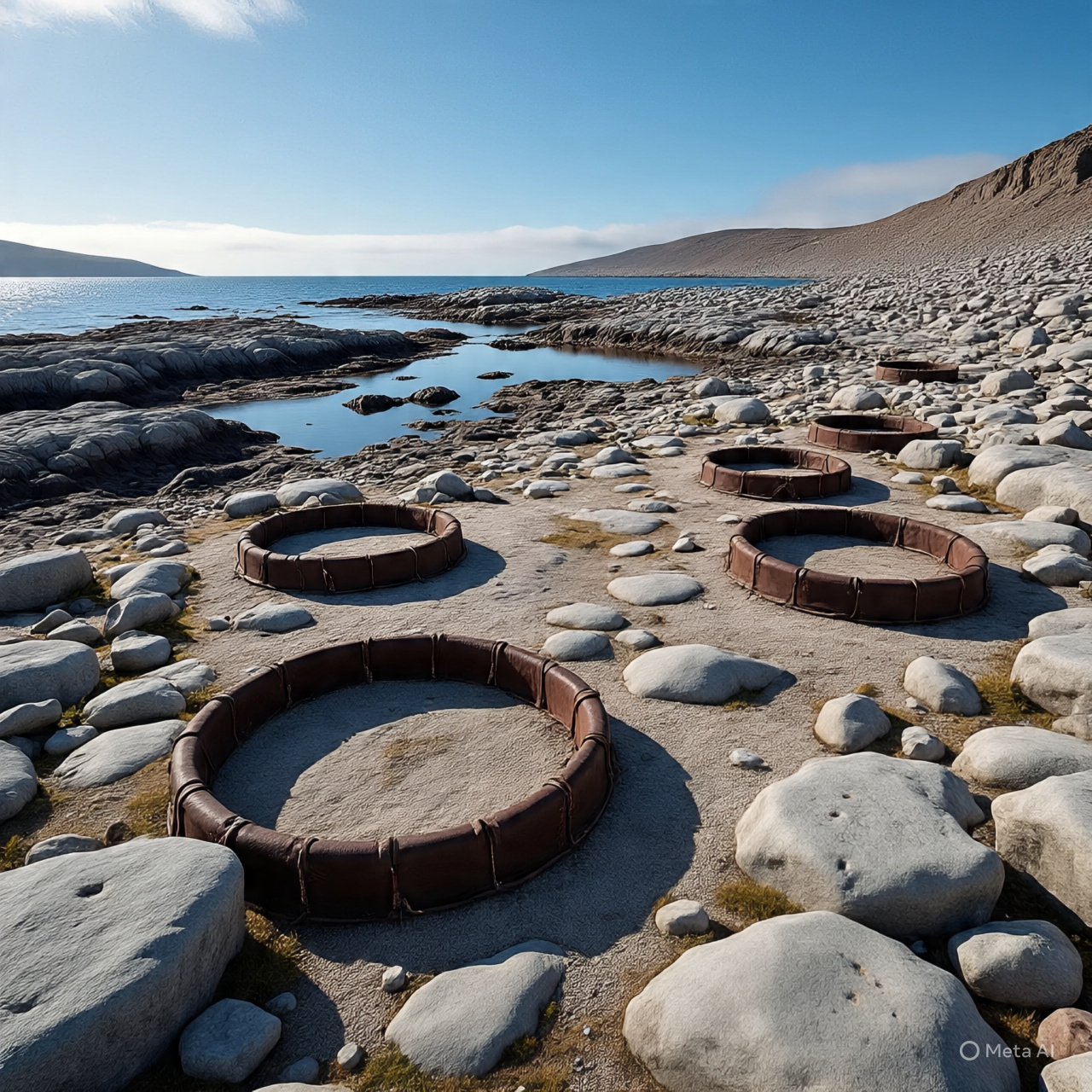
Discover how ancient Arctic peoples shaped ecosystems and their enduring legacy in today's climate discussions, revealing a rich ecological history.