
Key Highlights
- Ancient human presence in the Arctic dates back at least 4,500 years.
- Paleo-Inuit communities demonstrated advanced maritime skills and ecological understanding.
- Indigenous knowledge continues to influence modern climate and conservation efforts.
[Historical Context of Human Presence]
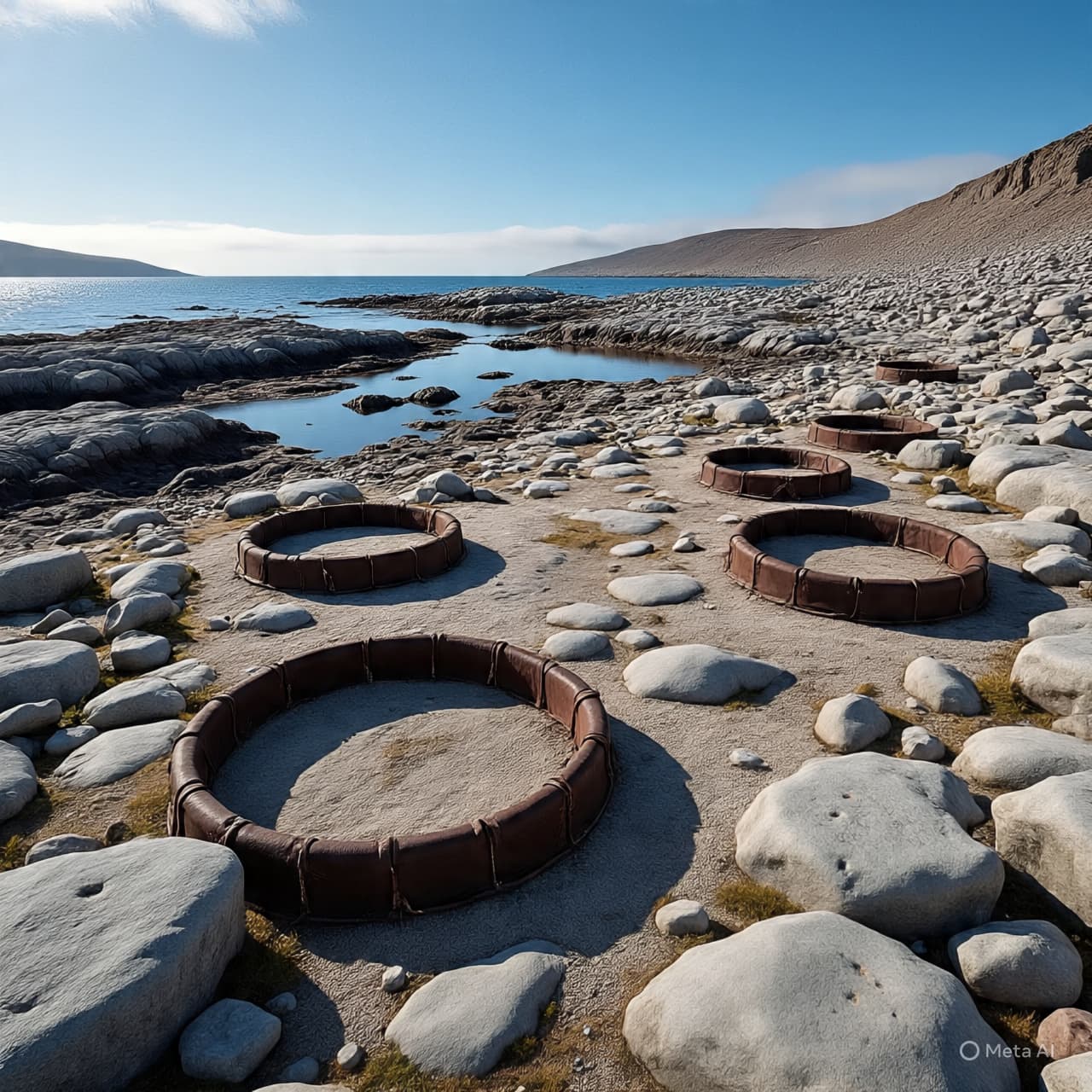
In the silent stillness that blankets the Arctic for much of the year, it’s easy to imagine that the land and sea were once untouched by human hands — a pristine expanse ruled only by ice, wind, and wildlife. However, archaeological evidence reveals a more complex narrative. Long before modern explorers ventured into these latitudes, ancient peoples were already navigating, harvesting, and shaping the intricate mosaic of life in the High Arctic. Evidence from remote island clusters north of Greenland confirms that humans reached these bitter northern reaches at least 4,500 years ago, shortly after glaciers retreated. These were not accidental wanderers but skilled seafarers making regular voyages across open water, crossing up to 50 kilometers of unforgiving sea ice to access seasonal resources like seabird colonies.
[The Role of Paleo-Inuit Communities]
This remarkable maritime skill reveals a deep connection to both terrestrial and marine ecosystems, long before the region became the object of scientific inquiry. For these early Paleo-Inuit communities, life in the Arctic required an intimate understanding of shifting ice, animal migrations, and seasonal rhythms. In seeking food, clothing, and shelter, they did more than survive; they interacted with key species and landscapes, moving nutrients between sea and land and acting as early ecological engineers in what we now understand as a dynamic environment shaped by human and biological forces alike.
[Indigenous Knowledge and Ecological Stewardship]
This interdependence of people and place echoes through centuries of Indigenous presence across the circumpolar north. Traditional ecological knowledge — passed down through generations — has long informed sustainable hunting, fishing, and migration practices, revealing a nuanced and adaptive stewardship of land and sea. These approaches reflect a worldview that sees ecosystems not as inert backdrops but as living partners in survival and learning. The knowledge of these communities is not merely historical; it remains vital in contemporary discussions about environmental management and climate adaptation.
[Modern Implications of Ancient Practices]
Today, as scientists and policymakers grapple with rapid Arctic change, there is a growing appreciation for this deep ecological legacy. Indigenous knowledge continues to inform climate research, conservation efforts, and sustainable governance at local and international levels. This recognition underscores the importance of integrating traditional practices with modern science to address the challenges posed by climate change. The Arctic’s history is inseparable from the people who first called it home, and their insights are crucial in navigating the future.
[The Ongoing Dialogue Between Humans and Nature]
In this light, the Arctic’s ancient past and its unfolding present resemble a long, unfinished conversation between human ingenuity and ecological resilience — a dialogue that continues to shape how we understand and care for one of the planet’s most fragile and vital regions. As we face unprecedented environmental challenges, the lessons learned from Indigenous practices and the historical context of human interaction with the Arctic ecosystem can guide us toward more sustainable futures.
Published by Banx Network. This article is part of the Banx decentralized media programme, powered by the BXE token on the XRP Ledger.



