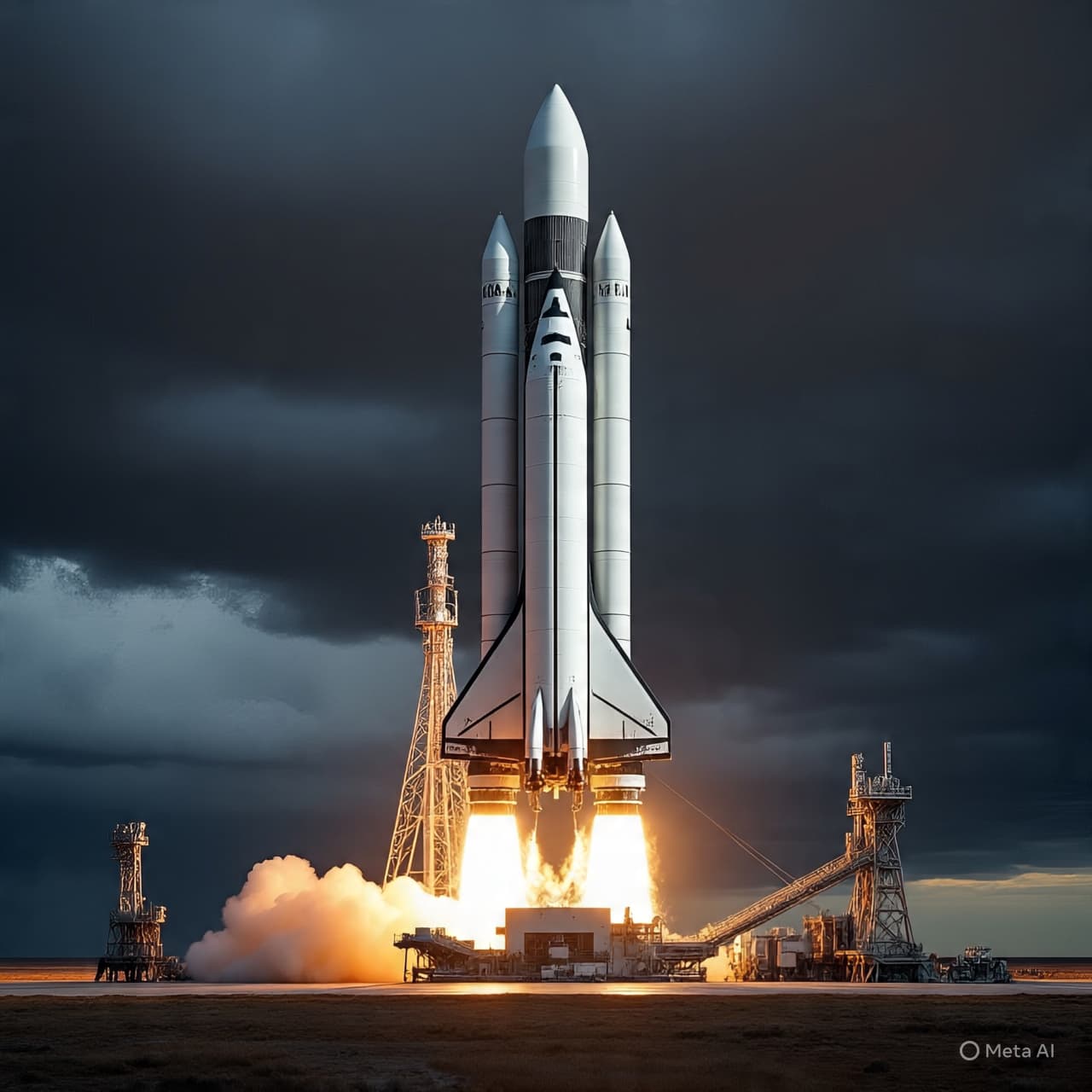
There is a particular kind of patience demanded by spaceflight. It is the patience of engineers who listen for whispers inside machines, of countdown clocks paused not by drama but by caution. On the launchpad, the Artemis II mission sits beneath the sky like a promise still being rehearsed, its delays marked not by spectacle, but by something far quieter: liquid hydrogen slipping away.
NASA has confirmed ongoing liquid hydrogen leaks within the Space Launch System fueling infrastructure for Artemis II, a crewed mission intended to carry astronauts around the Moon. Hydrogen, the lightest of elements, has long been both an enabler and a challenge in space exploration. It powers immense thrust, yet resists containment, escaping through seals that would hold heavier fuels without complaint.
Engineers have traced the leaks to connections within the core stage and ground systems, areas refined repeatedly since Artemis I. Each repair narrows the margin of uncertainty, but the persistence of the issue has begun to influence schedules, testing timelines, and mission readiness assessments. While no immediate safety risk has been declared, hydrogen’s volatility leaves little room for compromise.
NASA officials emphasize that caution remains central to the program’s philosophy. Artemis II carries people, not just payloads, and every system must perform reliably before the mission is cleared to proceed. The agency has framed the delays as part of an intentional, methodical process rather than a setback, noting that early identification of issues is preferable to discoveries made too late.
As work continues, Artemis II remains on track in principle, though its calendar is increasingly shaped by engineering realities rather than launch aspirations. The leaks are not a failure of ambition, but a reminder of the unforgiving environment that spaceflight inhabits, where even invisible molecules can determine when humanity moves forward.
AI IMAGE DISCLAIMER Illustrations were produced with AI and serve as conceptual depictions.
SOURCES (MEDIA NAMES ONLY) NASA Ars Technica Space.com Reuters The New York Times
Published by Banx Network. This article is part of the Banx decentralized media programme, powered by the BXE token on the XRP Ledger.