Late at night, when streets soften and windows glow with half-dreams, sound travels differently. A passing train feels closer. A distant storm seems intimate. In these hours, the sky itself can speak, and sometimes it does so with a deep, rolling voice that arrives before explanation. For some, it may feel like thunder with no rain. For others, like the Earth briefly clearing its throat.
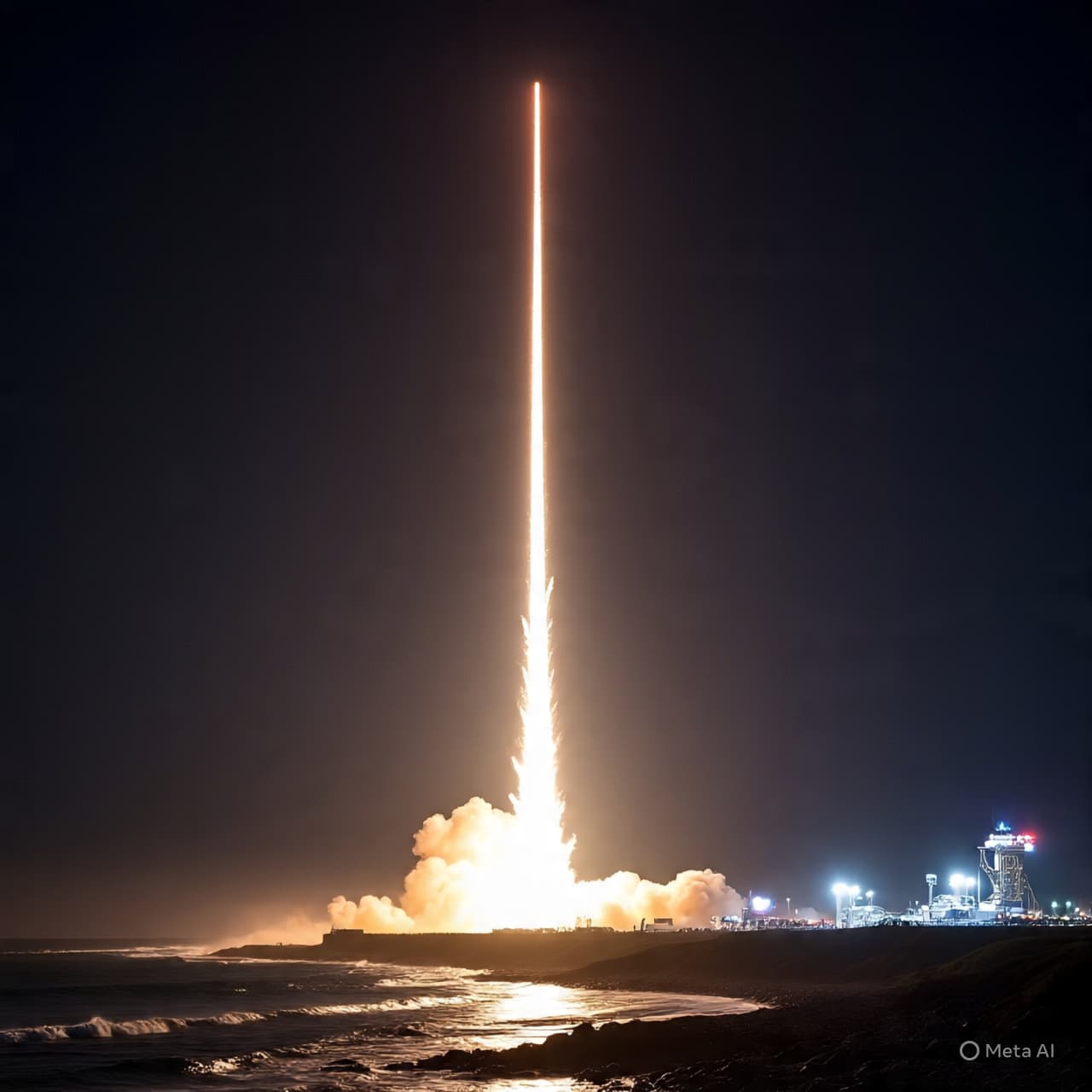
That sound may soon come from a United Launch Alliance rocket lifting away from Florida’s Space Coast. Scheduled for a late-night launch window, the mission is expected to send a powerful vehicle into orbit while much of the region is asleep. Yet even in rest, the ground remembers motion. The rumble produced by the rocket’s engines can carry for miles, shaped by weather, humidity, and the quiet stillness of nighttime air.
Residents familiar with launches know the sensation well. Windows may vibrate softly. Pets may stir. The noise does not arrive sharply but rolls in waves, sometimes delayed, sometimes stronger than expected. Engineers explain that cooler night air allows sound to travel farther, bending and reflecting in ways daytime noise rarely does. What begins as controlled force at the launch pad becomes a shared experience across neighborhoods.
The rocket itself is part of a routine that is anything but ordinary. Built to deliver satellites and scientific payloads, ULA’s vehicles represent decades of incremental progress, careful testing, and measured confidence. Each launch carries practical goals, yet the moment of ignition still belongs partly to wonder. Even unseen, the ascent announces itself.
Officials emphasize that the sound, while startling, is normal and brief. There is no cause for alarm, no sign of danger. The rumble fades as the rocket climbs, leaving behind silence that feels slightly rearranged. By morning, only news reports and lingering conversations remain.
As the launch approaches, communities are advised simply to be aware. The night may speak loudly for a moment. Then it will settle again, as it always does.
AI Image Disclaimer Visuals are created with AI tools and are not real photographs.
Source Check (credible media found): Associated Press Space.com Florida Today CNN CBS News
Published by Banx Network. This article is part of the Banx decentralized media programme, powered by the BXE token on the XRP Ledger.