In the stillness of space, where dust holds the echoes of first footsteps and silent relics of human ambition linger on cratered plains, mysteries of old still beckon. One such enigma is Luna 9, the Soviet spacecraft that made history by becoming the first to soft-land on the Moon in 1966. For nearly six decades, its precise resting place was a matter of curiosity and careful speculation — a cosmic whisper buried among millions of images of lunar regolith. Now, thanks to modern tools and fresh eyes, that whisper may have been heard anew.
The quest to locate Luna 9 has been unlike many other hunts for lost space hardware. Unlike probes that vanished in mid-flight, Luna 9’s landing was confirmed and celebrated on Earth, yet its exact coordinates remained uncertain as the decades passed and lunar cartography advanced. Researchers have turned to machine learning and vast archives of imagery from NASA’s Lunar Reconnaissance Orbiter (LRO), the long-lived spacecraft that has mapped the Moon in exquisite detail since 2009.
Leading this technological revival of a historical puzzle is a team that trained a lightweight computer-vision algorithm — known by the evocative name YOLO-ETA (You Only Look Once – Extraterrestrial Artifact) — on known lunar landing sites. By teaching the algorithm to recognize subtle visual signatures of human-made objects in Apollo mission imagery, researchers could then let it scour the probable landing region of Luna 9 for clues. Within this area, the tool highlighted several candidate sites where surface features and shadows align with expectations for a 1960s spacecraft.
These promising markers offer more than maps and numbers; they present a bridge between human ingenuity of the mid-20th century and the digital tools of today. The terrain at these candidate spots matches the landscapes captured by the lander’s own cameras more than half a century ago, with flat lunar vistas and horizon lines that feel familiar when compared to Luna 9’s historic surface images.
Yet, caution remains the hallmark of scientific integrity. Orbital imagery alone — even at the resolution offered by LRO — cannot yet guarantee that what we see are fragments of Luna 9 rather than coincidental geological patterns. To transform possibility into certainty, researchers await follow-up imaging from other lunar orbiters, including planned passes over the area by India’s Chandrayaan-2 mission in the coming months, which may provide the high-resolution confirmation needed to validate these identifications.
This endeavor, unfolding at the intersection of history, technology, and exploration, reminds us that even the most distant artifacts of humanity can be rediscovered through patience and innovation. By applying machine learning to the vast repositories of lunar data, scientists are not only retracing the footprints of early space pioneers — they are refining the methods that will guide future explorations, preserving the heritage of spaceflight as humanity sets its sights once more on the Moon and beyond.
In gentle closing news: researchers using AI-driven analysis of Lunar Reconnaissance Orbiter images have identified candidate sites that may correspond to the long-lost Soviet Luna 9 lander on the Moon, more than 60 years after its historic mission. Future imaging from lunar orbiters could confirm these findings.
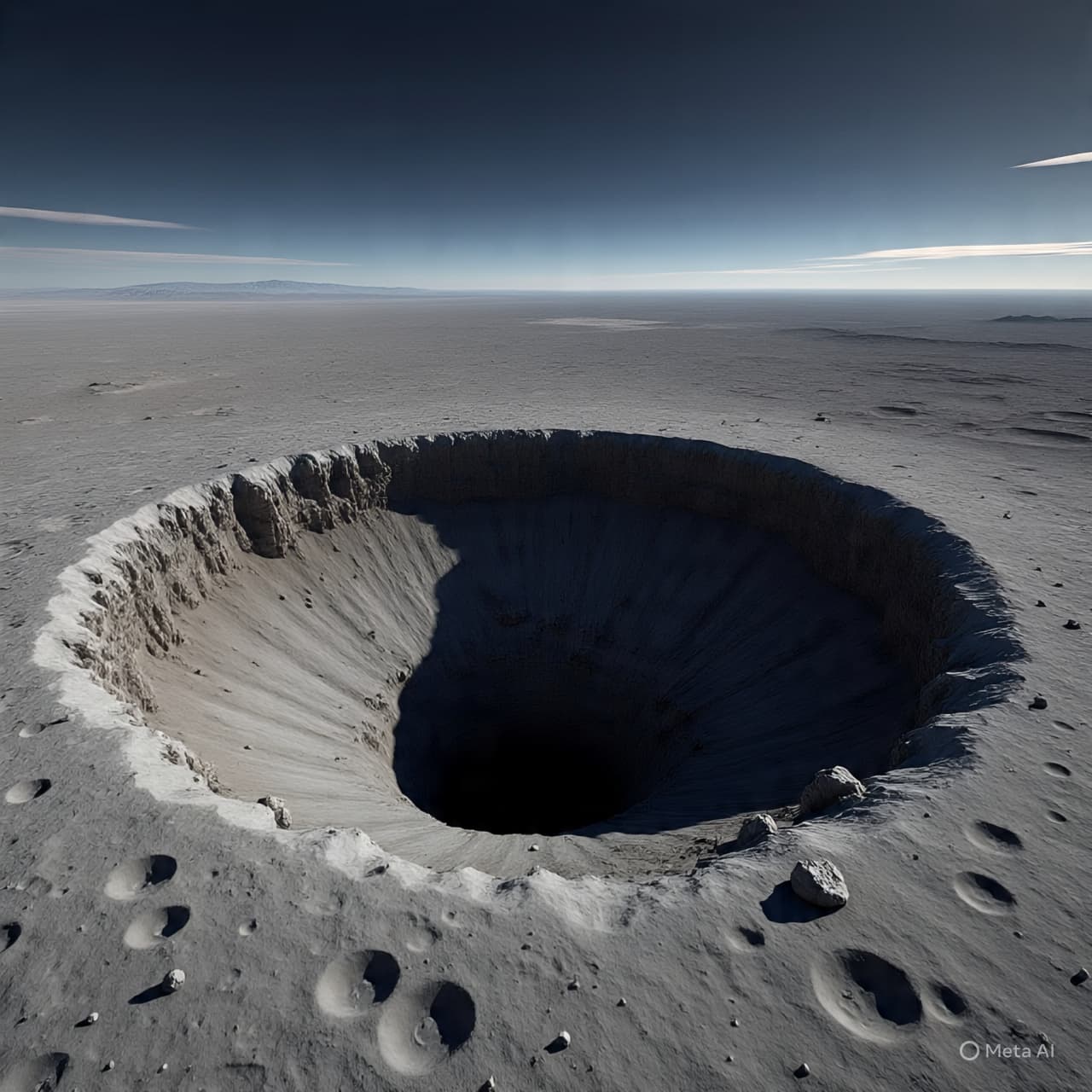
AI Image Disclaimer Visuals are created with AI tools and are not real photographs.
Sources (Media Names Only) IFLScience SETI Institute News Scientific American Popular Science ChosunBiz
Published by Banx Network. This article is part of the Banx decentralized media programme, powered by the BXE token on the XRP Ledger.