Jupiter's Hidden Complexity: New Findings Challenge Old Assumptions
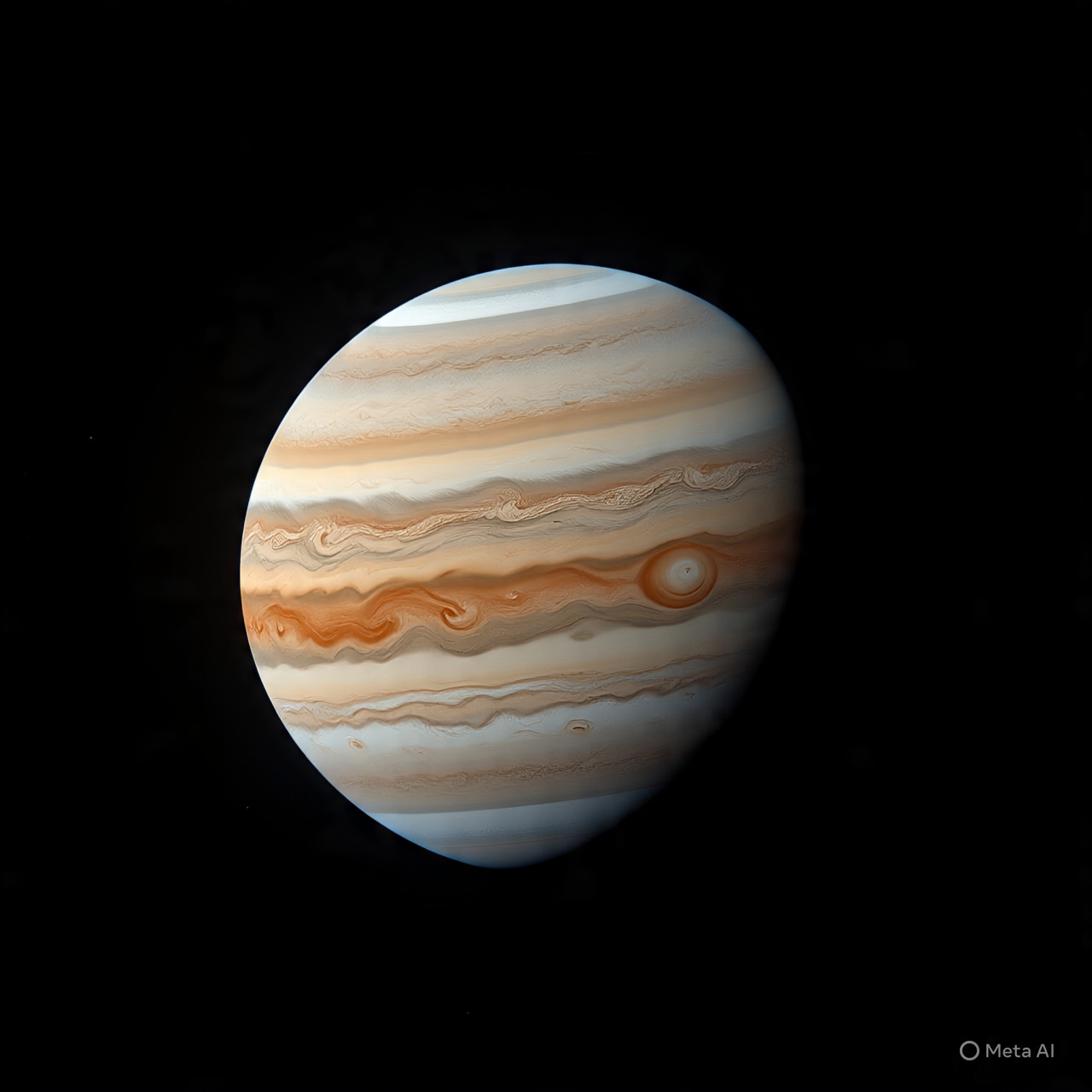
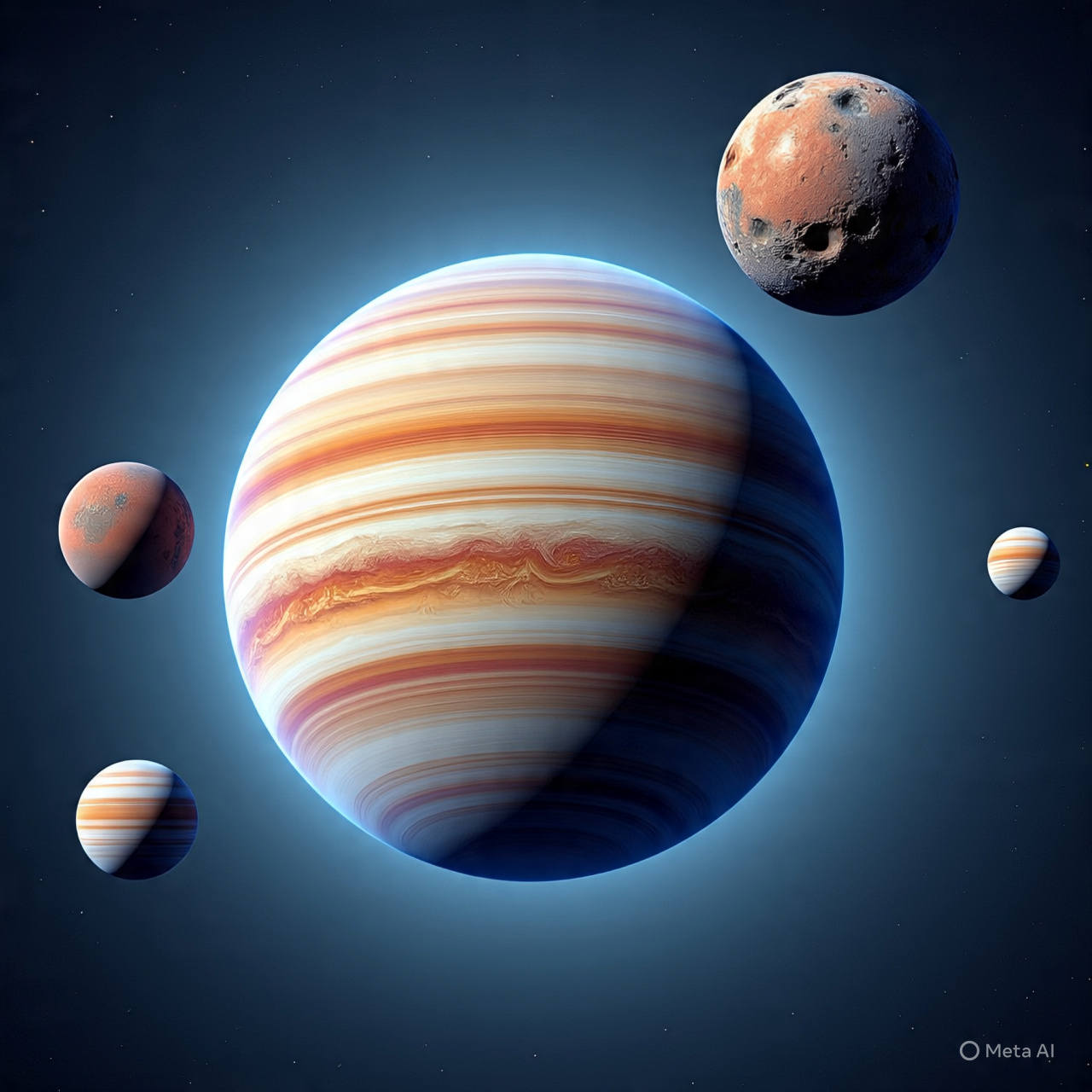
Recent research reveals Jupiter's internal structure is more complex than previously thought, challenging long-held beliefs about gas giants and their formation.

Recent research reveals Jupiter's internal structure is more complex than previously thought, challenging long-held beliefs about gas giants and their formation.

New research reveals antibodies not only defend but also shape B cell diversity, influencing immune responses and vaccine development strategies.

Researchers have successfully created and controlled three-dimensional magnetic Hopfions, opening new avenues in condensed matter physics and potential data storage technologies.

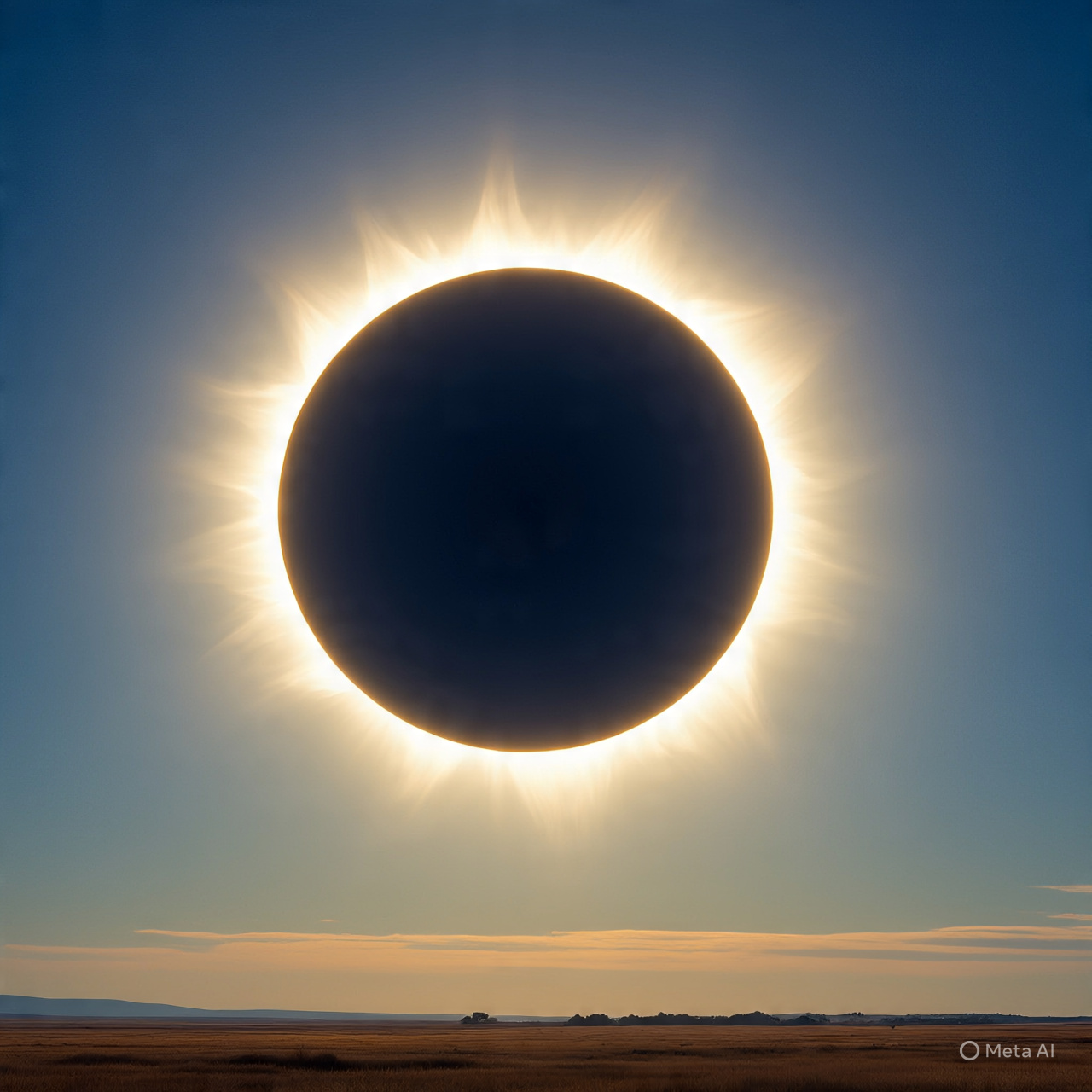
A rare 'ring of fire' solar eclipse will soon grace Antarctica, offering a stunning celestial display to researchers and wildlife alike. Learn more about this event.

ESA's latest discovery reveals an 'inside-out' planetary system, challenging traditional models of planetary formation and expanding our understanding of cosmic diversity.

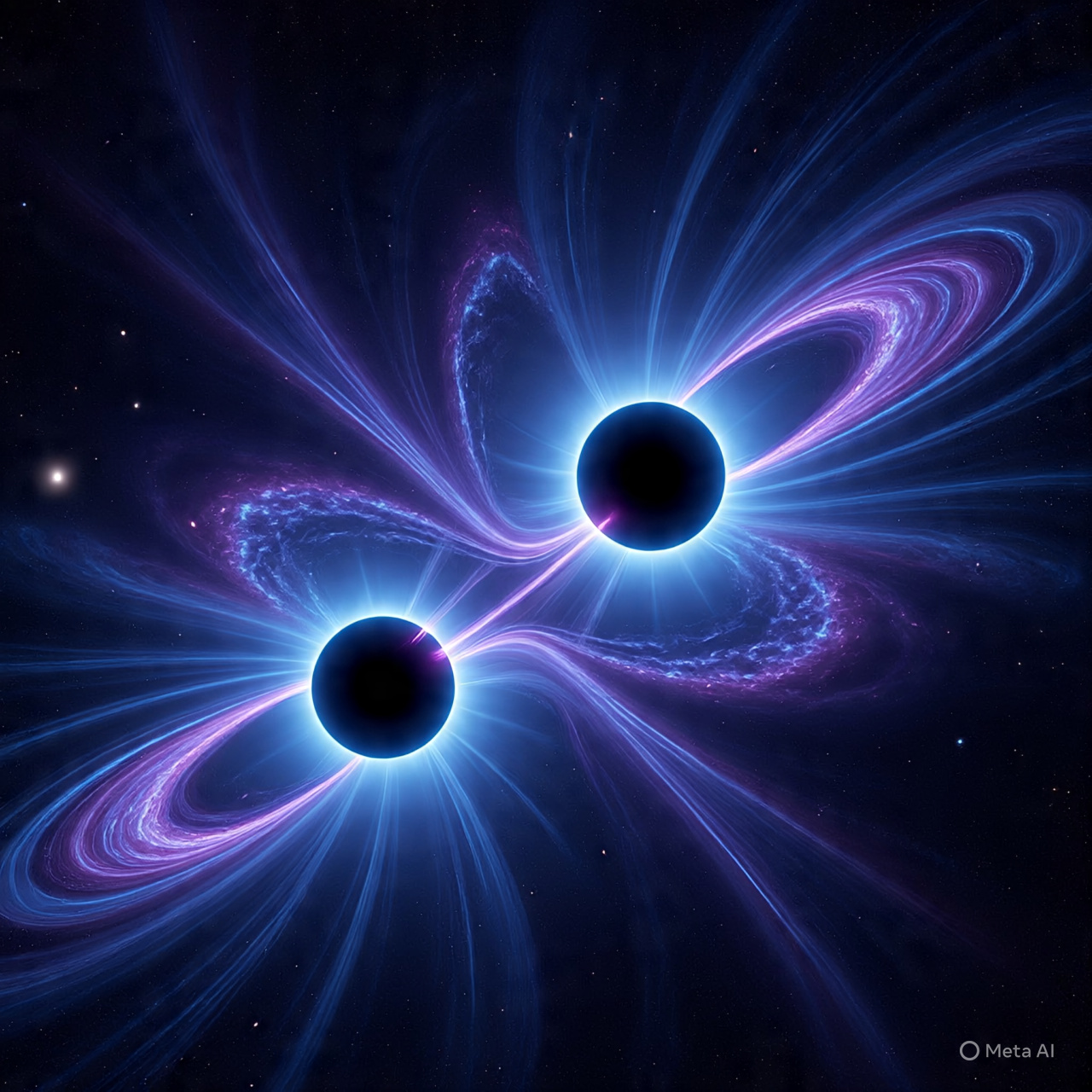
A powerful gravitational wave from a black hole merger tests Einstein's theory of relativity, providing new insights into cosmic events and black hole populations.

Cyclones disrupt Australia and Madagascar while Northern Europe faces extreme cold. Weather patterns reveal the impact of climate change on global conditions.

A newly discovered star system features an inside-out arrangement of planets, challenging existing models of planetary formation and evolution.

Explore the impact of China's fishing ban on the Yangtze River, revealing early signs of ecological recovery and the challenges faced by local communities.

Explore the nuanced impact of wolves on Yellowstone's ecosystem, revealing the complexity of nature's balance beyond simple narratives of change.

Explore how Neanderthals and early humans influenced Europe's forests, reshaping ecosystems through fire and hunting practices over millennia.

Recent observations reveal striped patterns on Mercury, suggesting the planet may still be geologically active, challenging previous assumptions of its dormancy.

Archaeologists discover ancient sewing tools in Oregon, suggesting early humans had complex sewing skills tens of thousands of years ago, reshaping our understanding of their creativity.

NASA's latest study reveals ancient organic molecules on Mars, sparking new questions about the planet's potential for life and its geological history.

Discover how the Taklamakan Desert is evolving into a carbon sink thanks to extensive greening efforts, revealing new ecological insights and climate solutions.

Recent radar analyses hint at the existence of massive lava tubes beneath Venus's surface, reshaping our understanding of its volcanic history.

Explore the timeline of Earth's magnetic field reversals and what recent sediment studies reveal about future changes in polarity and intensity.

Astronomers report the quiet collapse of a massive star in Andromeda into a black hole, revealing insights into stellar evolution and black hole formation.

China's recent lunar spacecraft test showcases advancements in space technology, marking a significant step towards future Moon missions and international collaboration.

A newly detected ultra-high-energy neutrino from the Mediterranean deep sea may challenge existing cosmological models, prompting further investigation into cosmic origins.

China's carbon emissions have remained flat or falling for 21 months. Explore the implications of this trend for global climate policy and energy transition.

NASA's latest research on organic molecules in Martian rocks raises questions about the potential for ancient life on Mars, inviting further exploration and study.

Explore how human activity has reshaped Caribbean coral reef food chains over millennia, affecting ecosystems and conservation efforts today.

Discover where to view the February 2026 annular solar eclipse, including Antarctica and parts of South America, and learn about safety precautions.