Half a century has passed since the Viking landers settled onto the rusted plains of Mars, their instruments quiet but attentive, listening for signs of a world that might once have stirred. In the thin Martian air, their experiments unfolded like careful questions whispered into an ancient landscape, answers arriving slowly, and never quite settling into certainty.
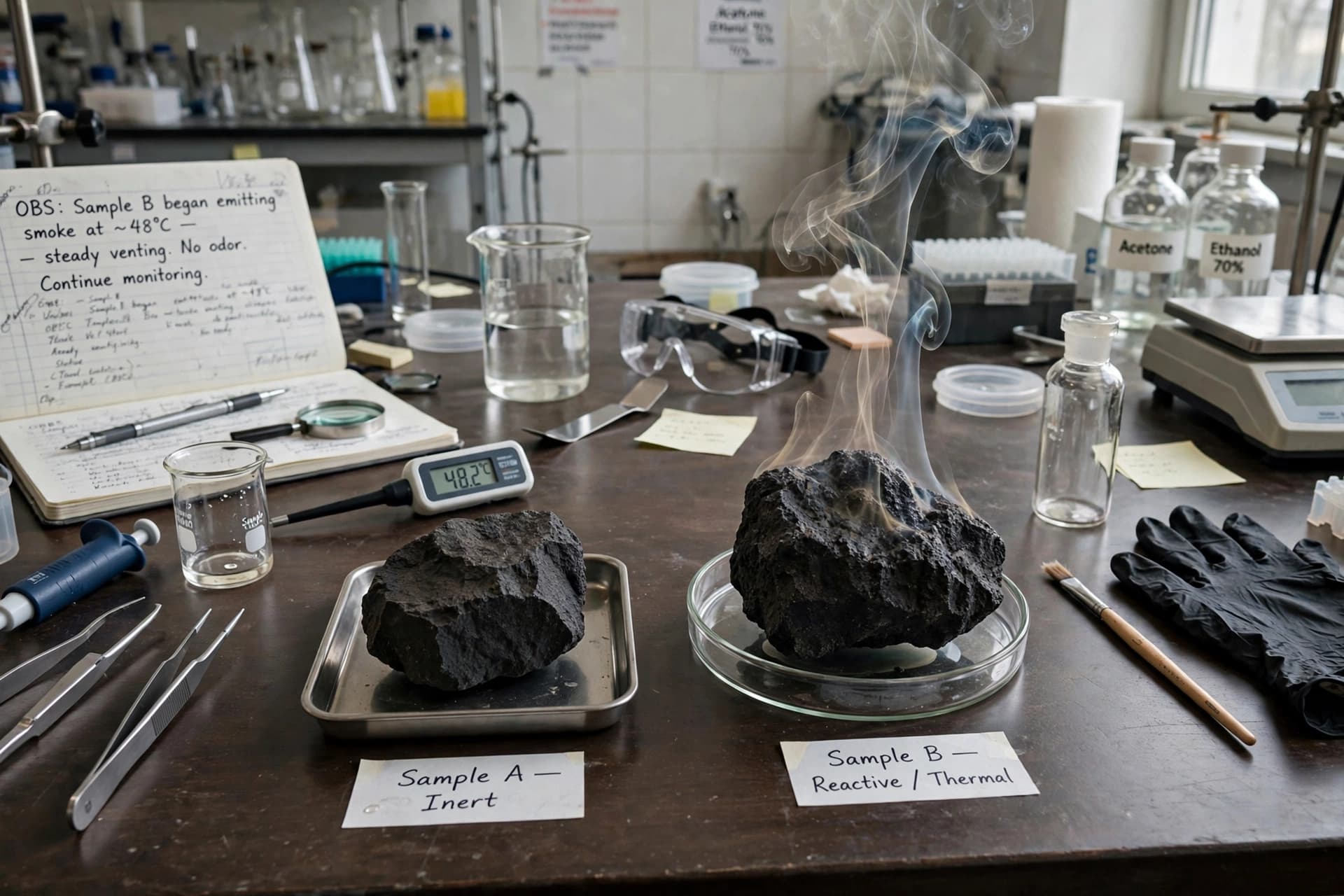
In 1976, NASA’s Viking missions conducted the first dedicated life-detection experiments on another planet. Among them, the Labeled Release experiment produced results that surprised even its designers: a rapid response suggesting metabolic activity after Martian soil was exposed to nutrients. At the time, the findings were cautiously interpreted, then largely set aside, attributed to unfamiliar chemistry rather than biology.
Today, a growing group of scientists is revisiting those conclusions. Advances in planetary science, a deeper understanding of extremophile life on Earth, and decades of Mars exploration have reframed what once seemed implausible. Researchers now argue that the Viking data, viewed through a modern lens, align more closely with biological explanations than purely chemical ones.
This renewed debate does not claim certainty. Instead, it reflects a shift in scientific humility, acknowledging that assumptions made in the 1970s were shaped by limited knowledge of how life might survive in harsh, oxidizing environments. Discoveries of microbes thriving in Earth’s most extreme regions have expanded the boundaries of what life can be.
NASA has not revised its official stance, maintaining that Viking did not conclusively detect life. Yet the conversation itself has changed. What was once dismissed is now discussed with measured curiosity, not as proof, but as possibility. The Viking landers may not have answered the question of life on Mars, but they may have asked it more clearly than we realized.
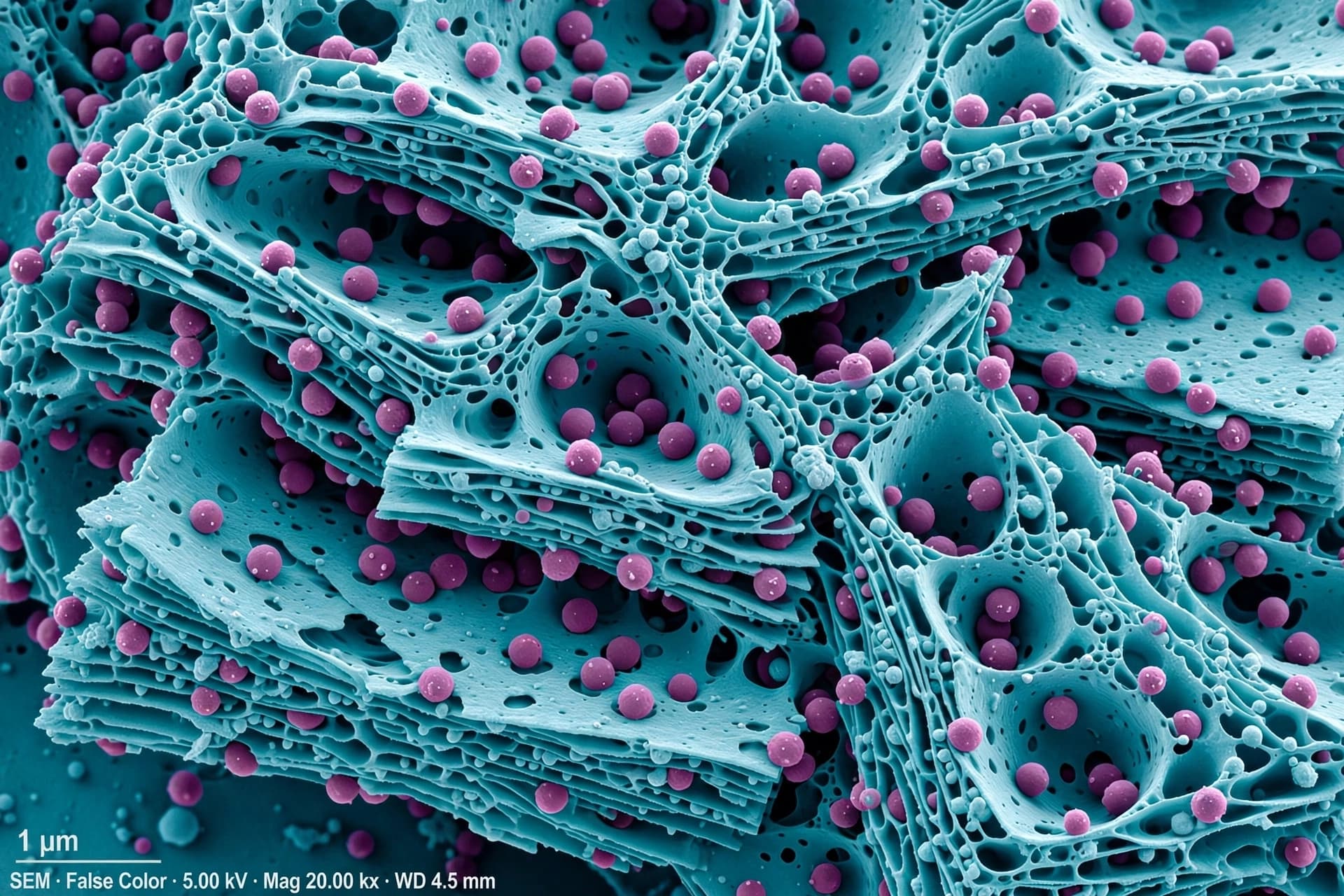
AI IMAGE DISCLAIMER Graphics are AI-generated and intended for representation, not reality.
SOURCES (MEDIA NAMES ONLY) NASA Scientific American Nature The Guardian Space.com
Published by Banx Network. This article is part of the Banx decentralized media programme, powered by the BXE token on the XRP Ledger.