
SCIENCE89% credibility
New Discoveries from 160 Days Exploring the Deep Ocean
A recent expedition reveals surprising findings from 160 days of deep-sea exploration, challenging our understanding of ocean life and ecosystems.
2 min read

A recent expedition reveals surprising findings from 160 days of deep-sea exploration, challenging our understanding of ocean life and ecosystems.
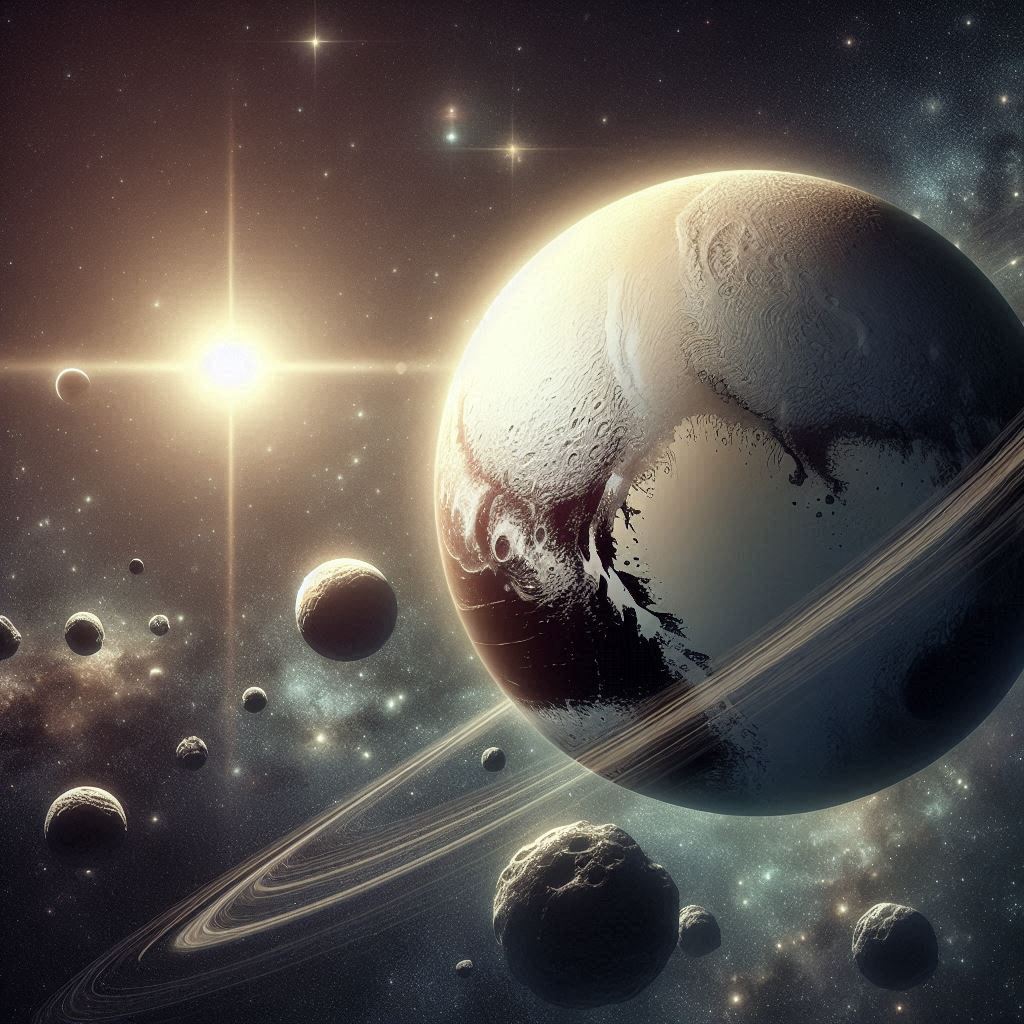
Recent research reveals Pluto's subtle gravitational influence on distant Kuiper Belt objects, reshaping our understanding of the solar system's structure.

New research suggests Earth's core could contain hydrogen equivalent to 45 oceans, reshaping our understanding of water and volatile elements deep within.
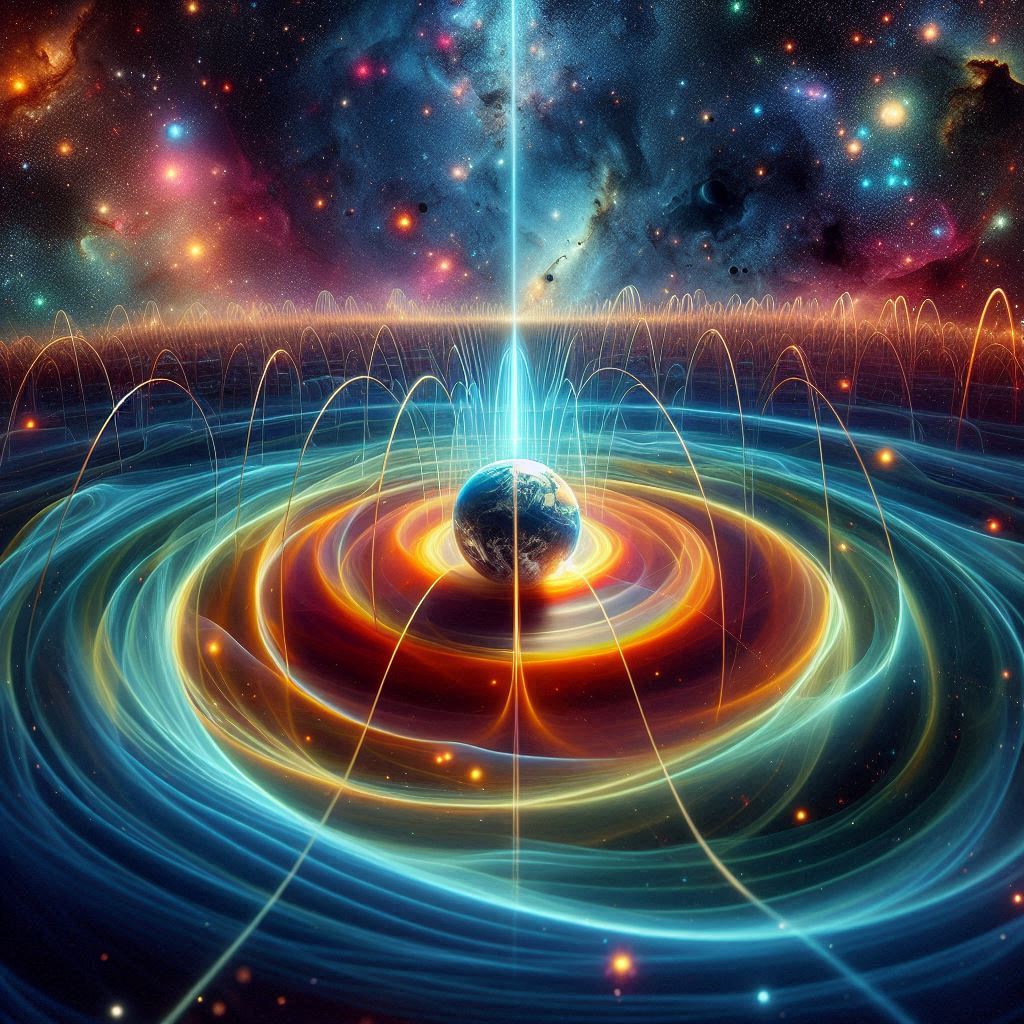
Astronomers have detected a mysterious pulsing radio signal from space, challenging existing models and prompting further investigation into its origins.
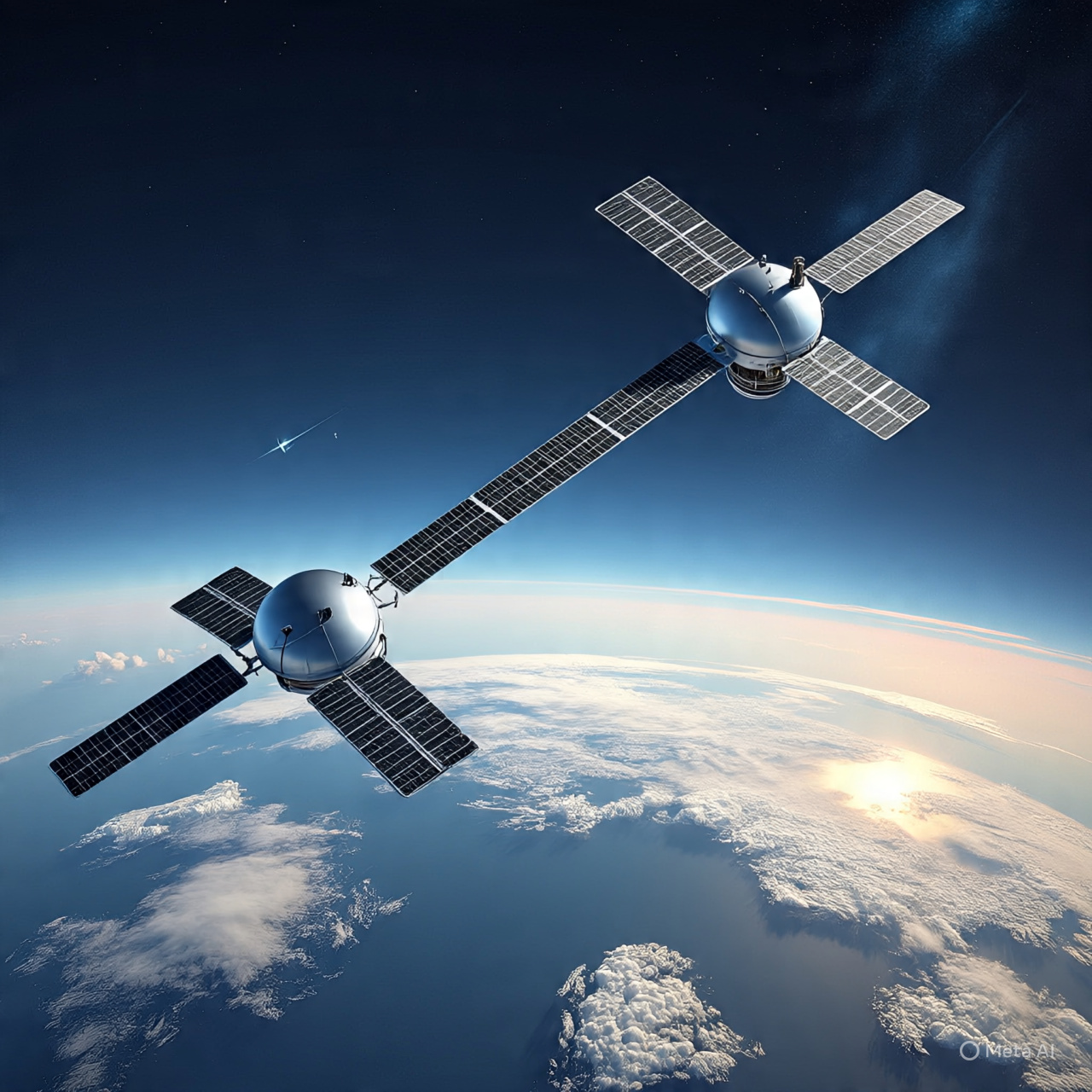
On February 12, 2026, the Vulcan Centaur rocket launched satellites for space surveillance, enhancing safety in geostationary orbit.
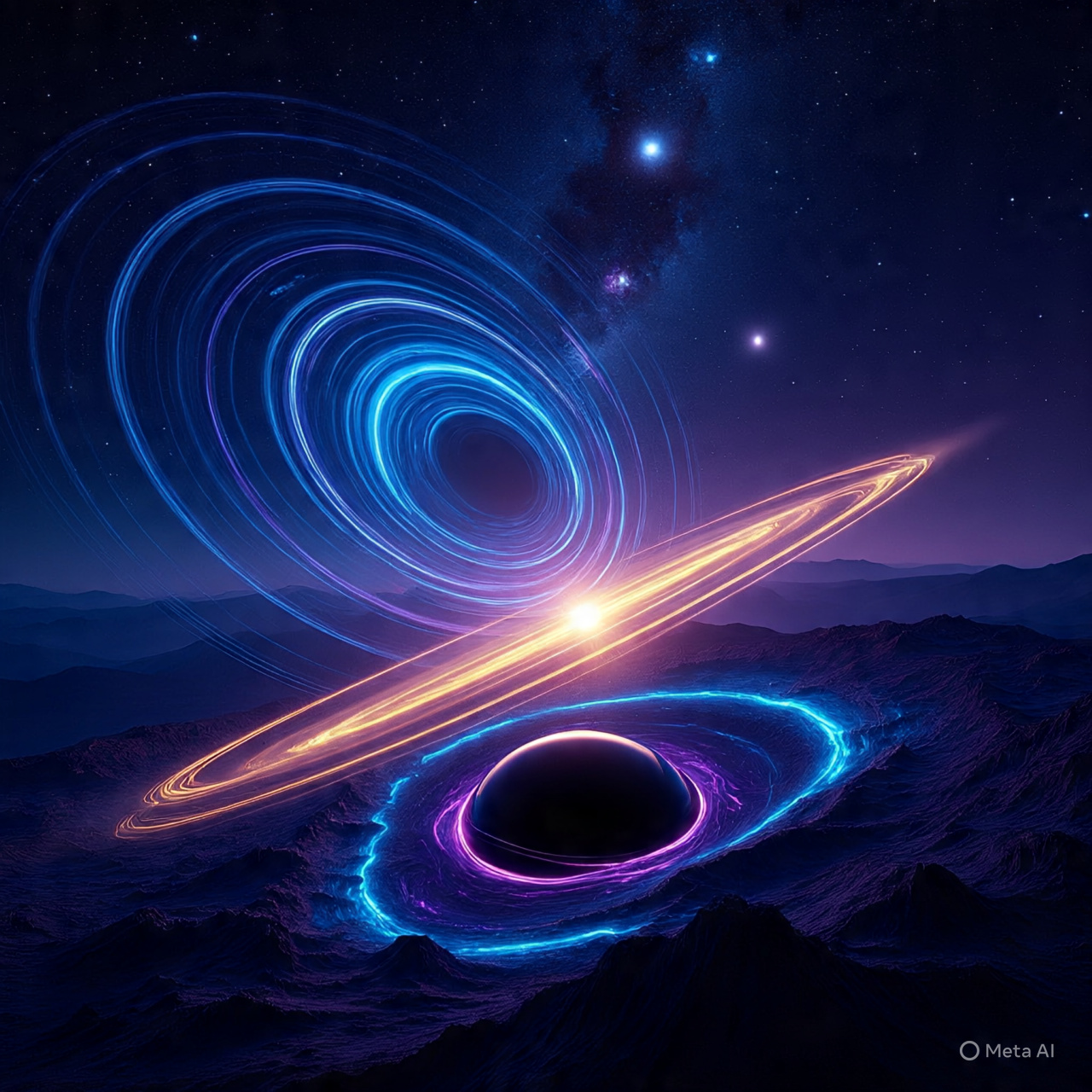
Astronomers detect new radio waves near Sagittarius A*, hinting at a pulsar and offering insights into the fabric of spacetime and gravity.
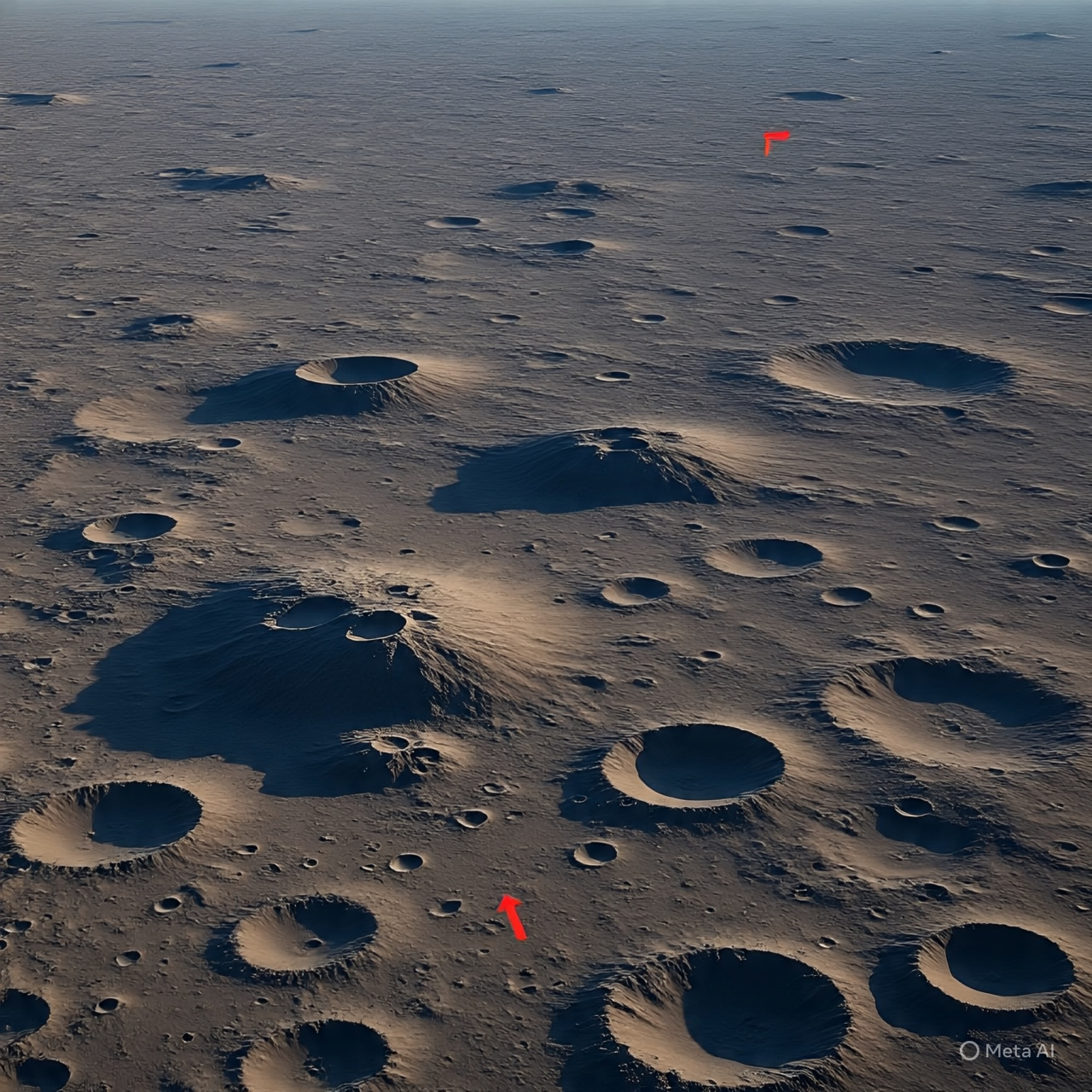
Researchers believe they have identified the resting place of Luna 9, the first spacecraft to land on the Moon, using advanced AI technology and lunar imagery.

Explore how Earth's rare chemical conditions may have uniquely contributed to the emergence of life, reshaping our understanding of habitability in the universe.
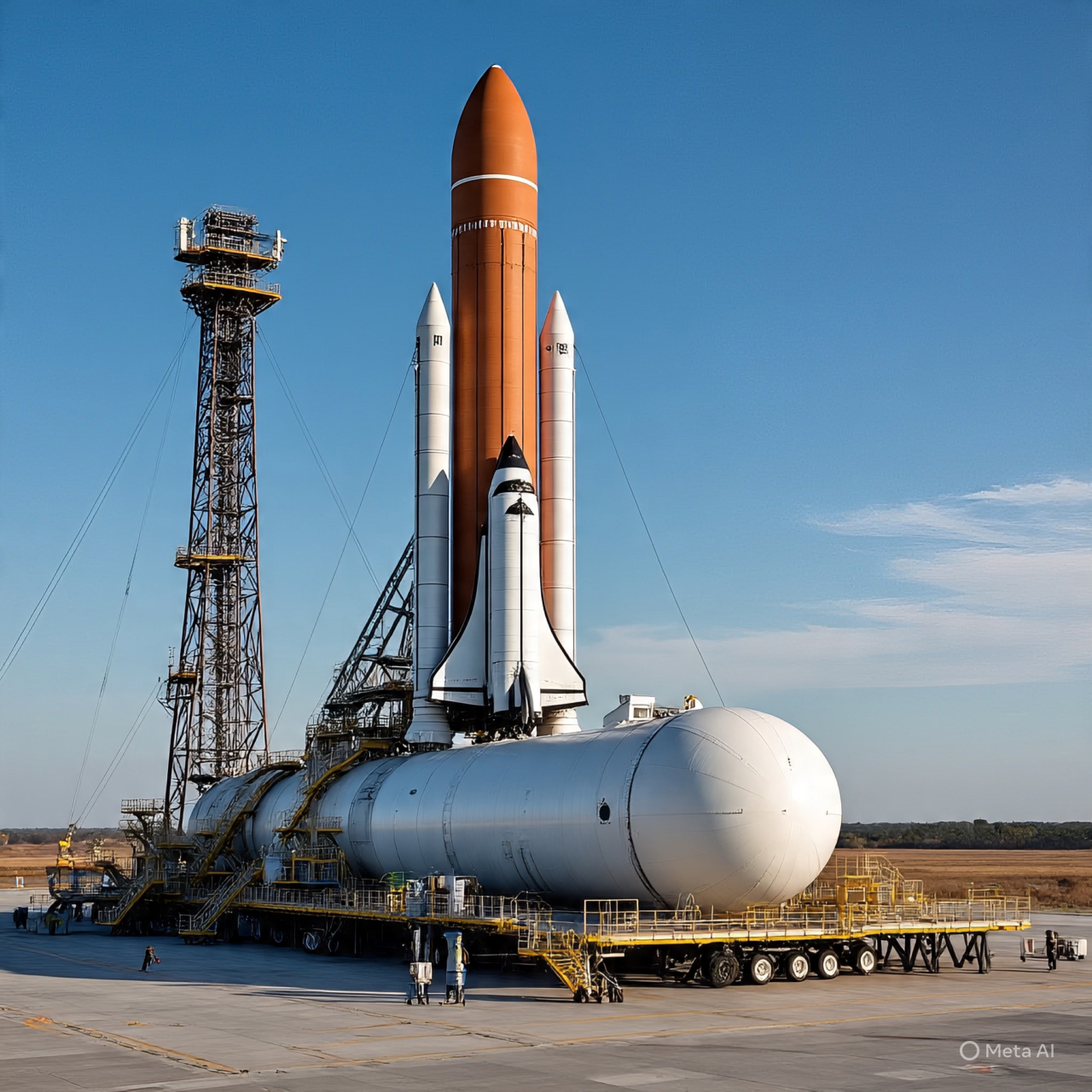
NASA's Starliner spacecraft aims for an April launch, but past delays raise skepticism. Explore the mission's history and future implications for space travel.
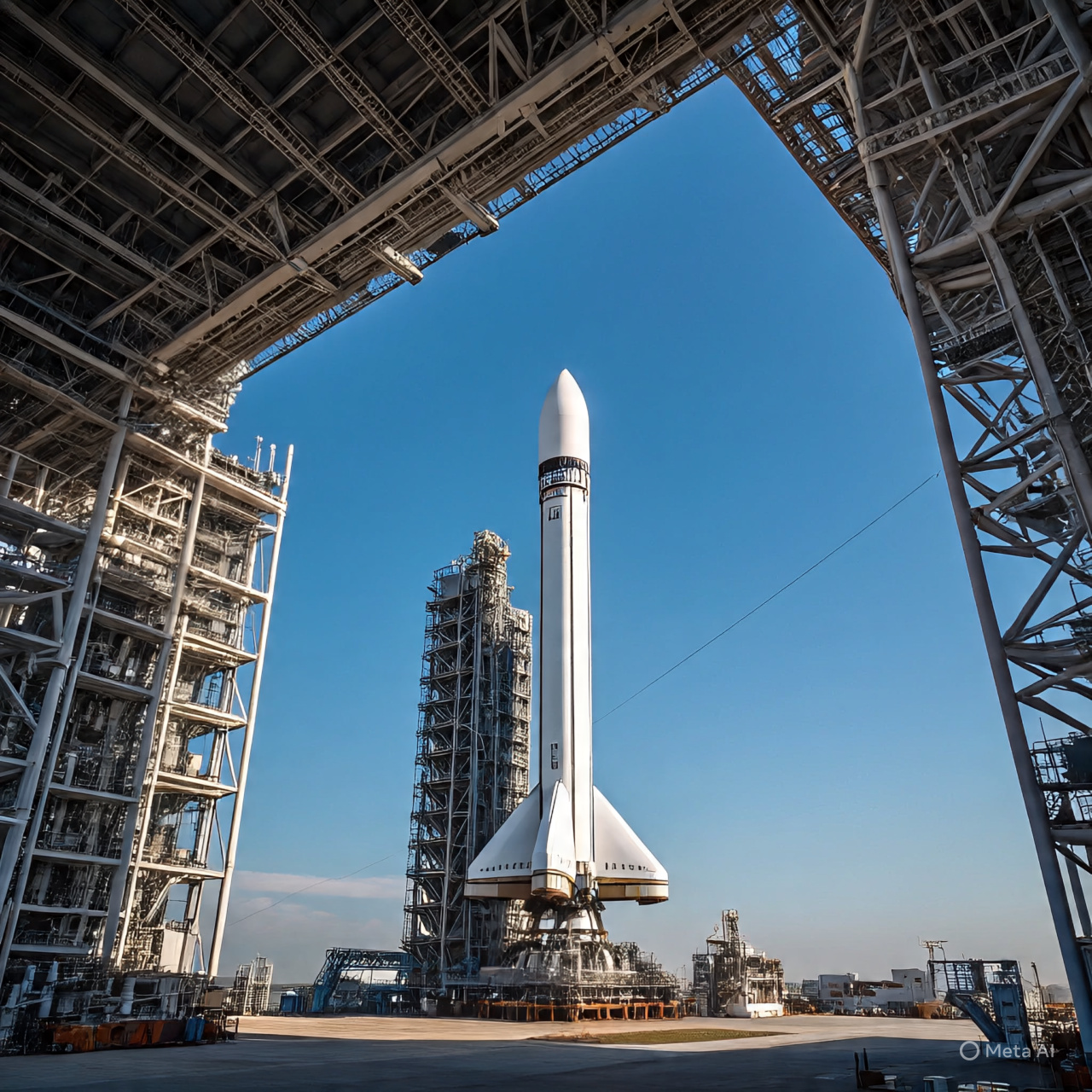
China's recent test of its next-generation lunar spacecraft and reusable rocket marks a significant step towards future crewed lunar missions by 2030.
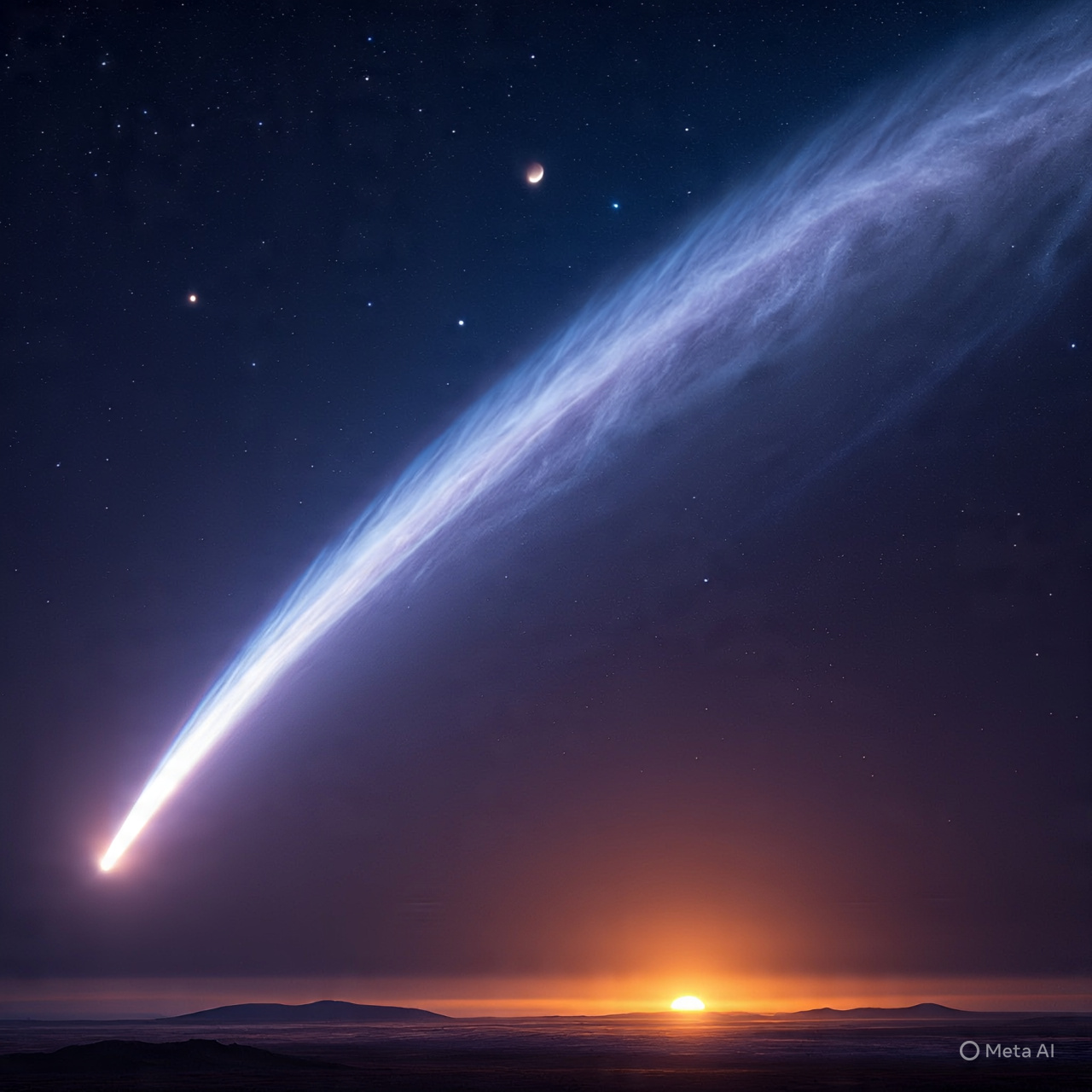
Comet A1 MAPS, discovered in 2026, is expected to brighten the dawn sky in April. Learn about its journey and significance for skywatchers.

Recent studies reveal that Mars' volcanic activity was more complex than previously thought, indicating long-lived magmatic systems beneath its surface.

Researchers have demonstrated stable Majorana qubits, marking a significant advancement in quantum computing and paving the way for more reliable systems.
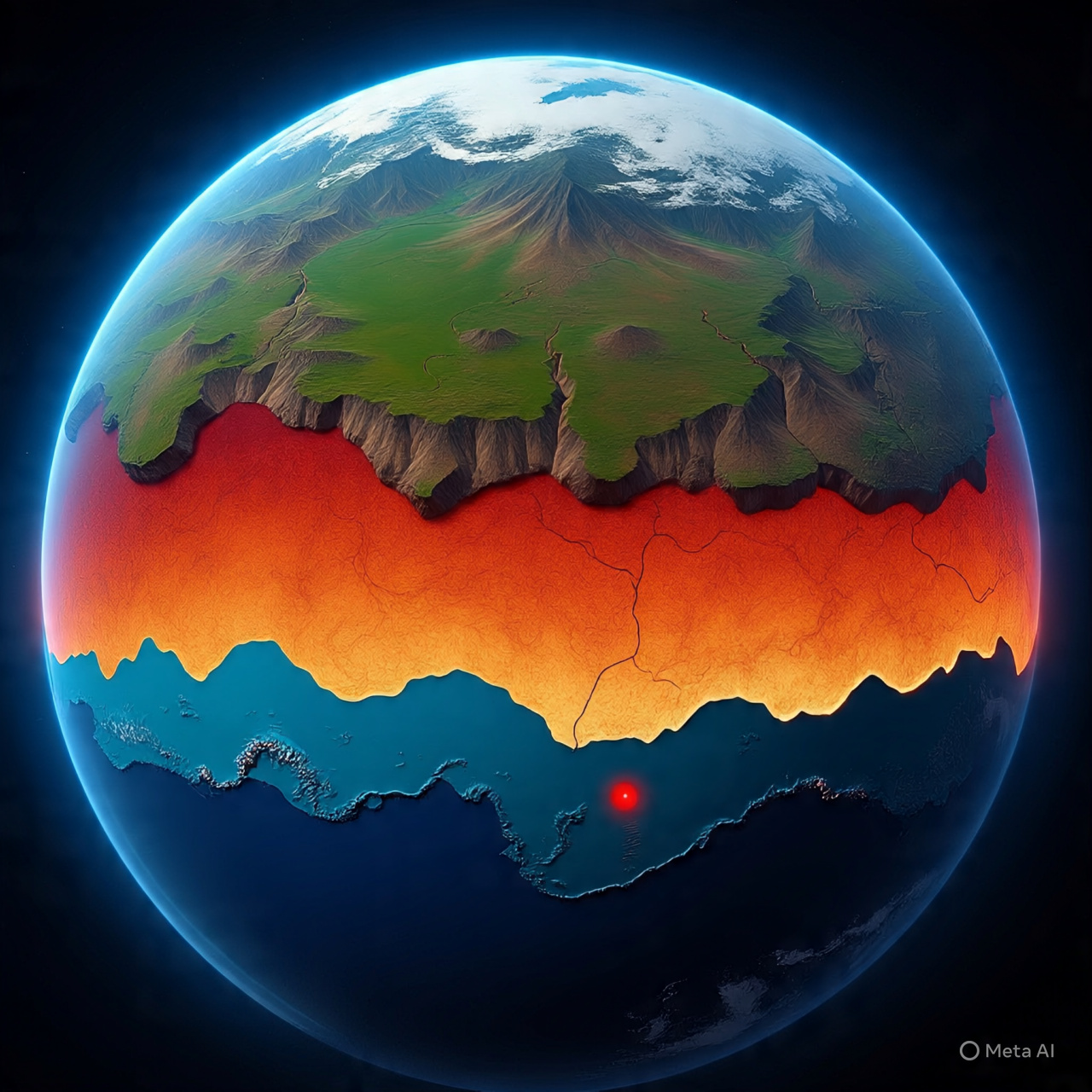
Discover how hidden continental mantle earthquakes reveal complex dynamics of Earth's interior, reshaping our understanding of tectonic processes.
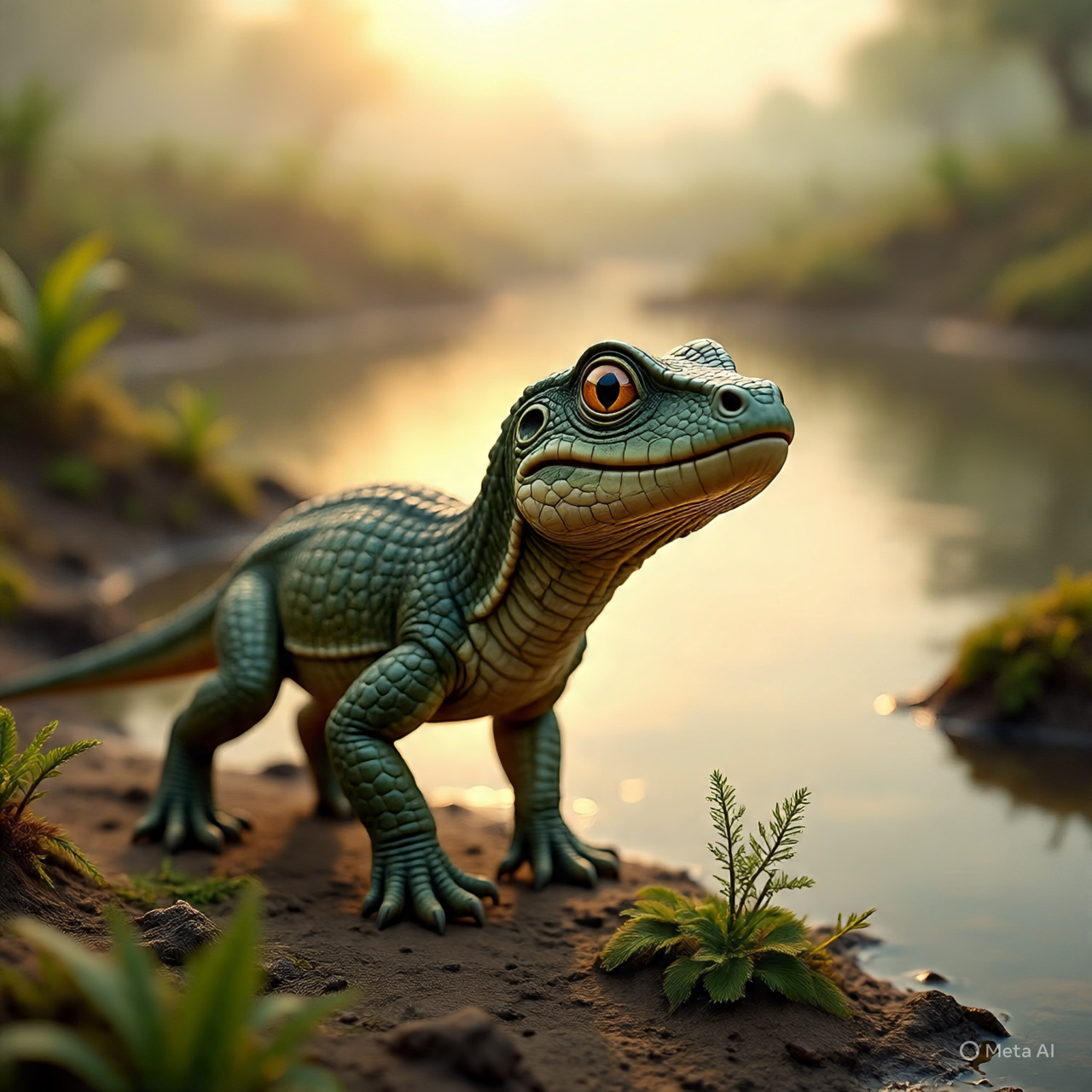
Fossil evidence suggests a football-sized land animal may have been among the earliest plant-eaters, potentially reshaping the timeline of herbivory’s origins on Earth.
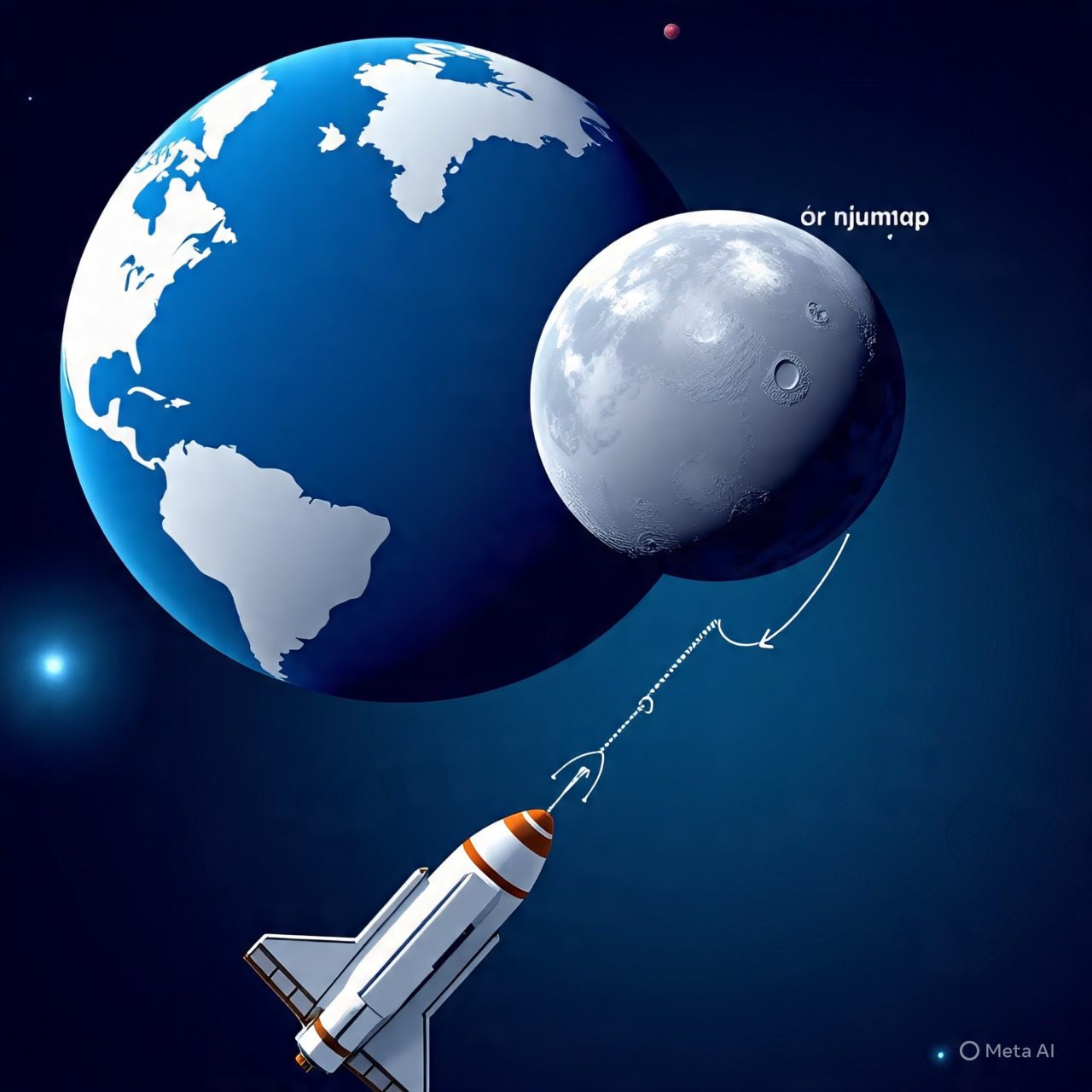
NASA's Artemis II mission faces limited launch windows due to precise celestial alignments. Discover the factors influencing its timeline and safety.
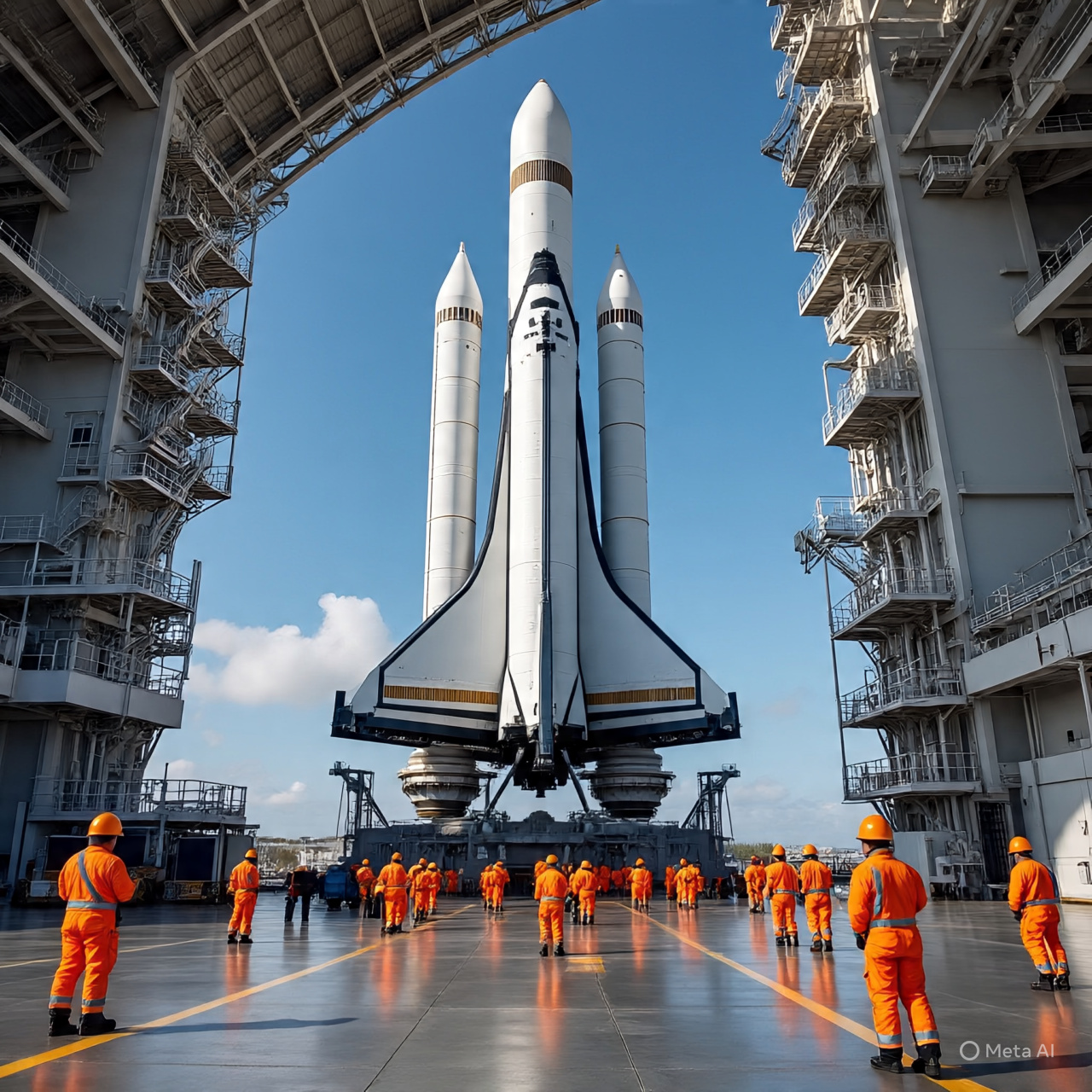
NASA's Artemis II rocket undergoes repairs at Kennedy Space Center after hydrogen leaks were detected during a wet dress rehearsal, impacting the launch timeline.
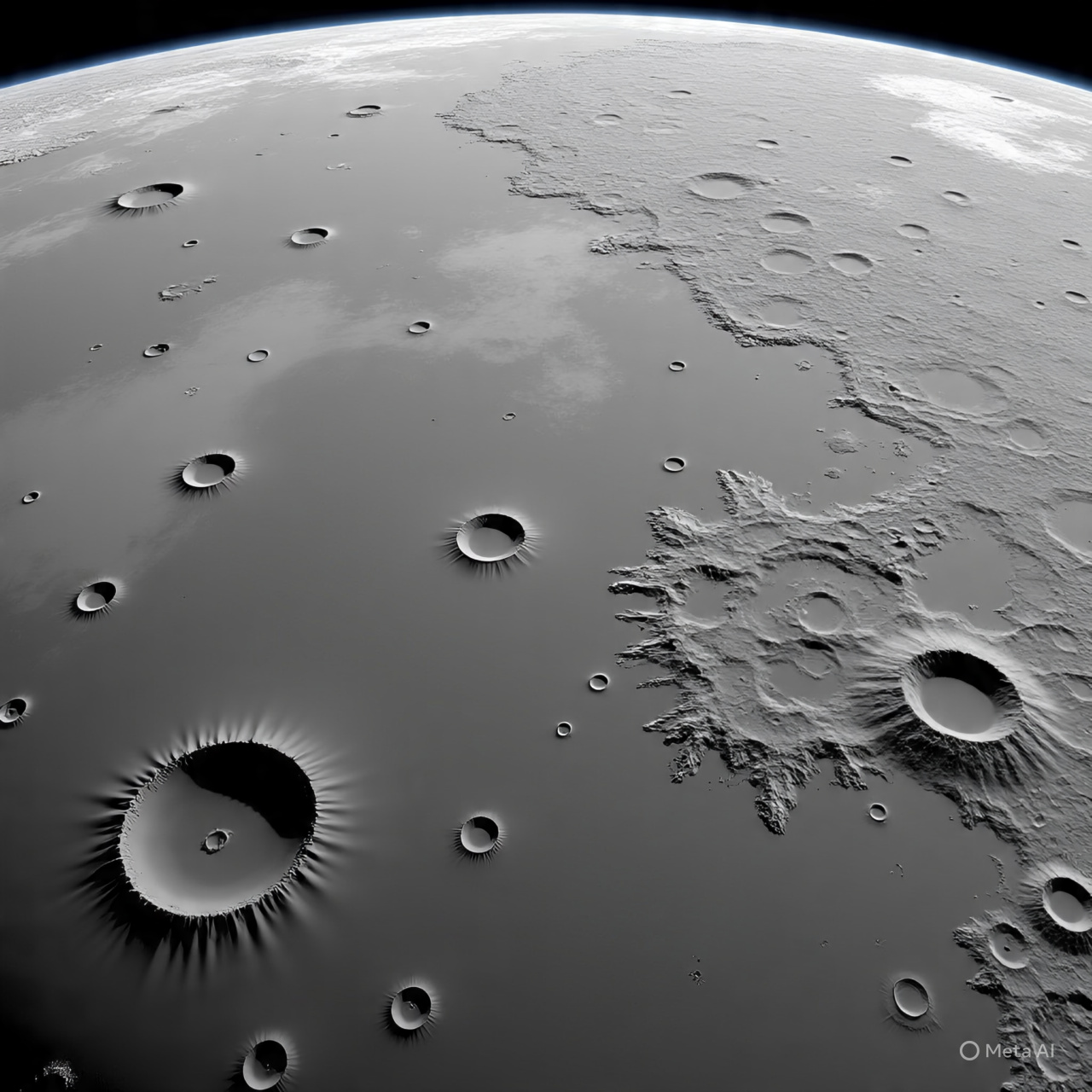
Two independent teams may have found the Luna 9 lander, the first spacecraft to land on the Moon, using NASA's Lunar Reconnaissance Orbiter images.
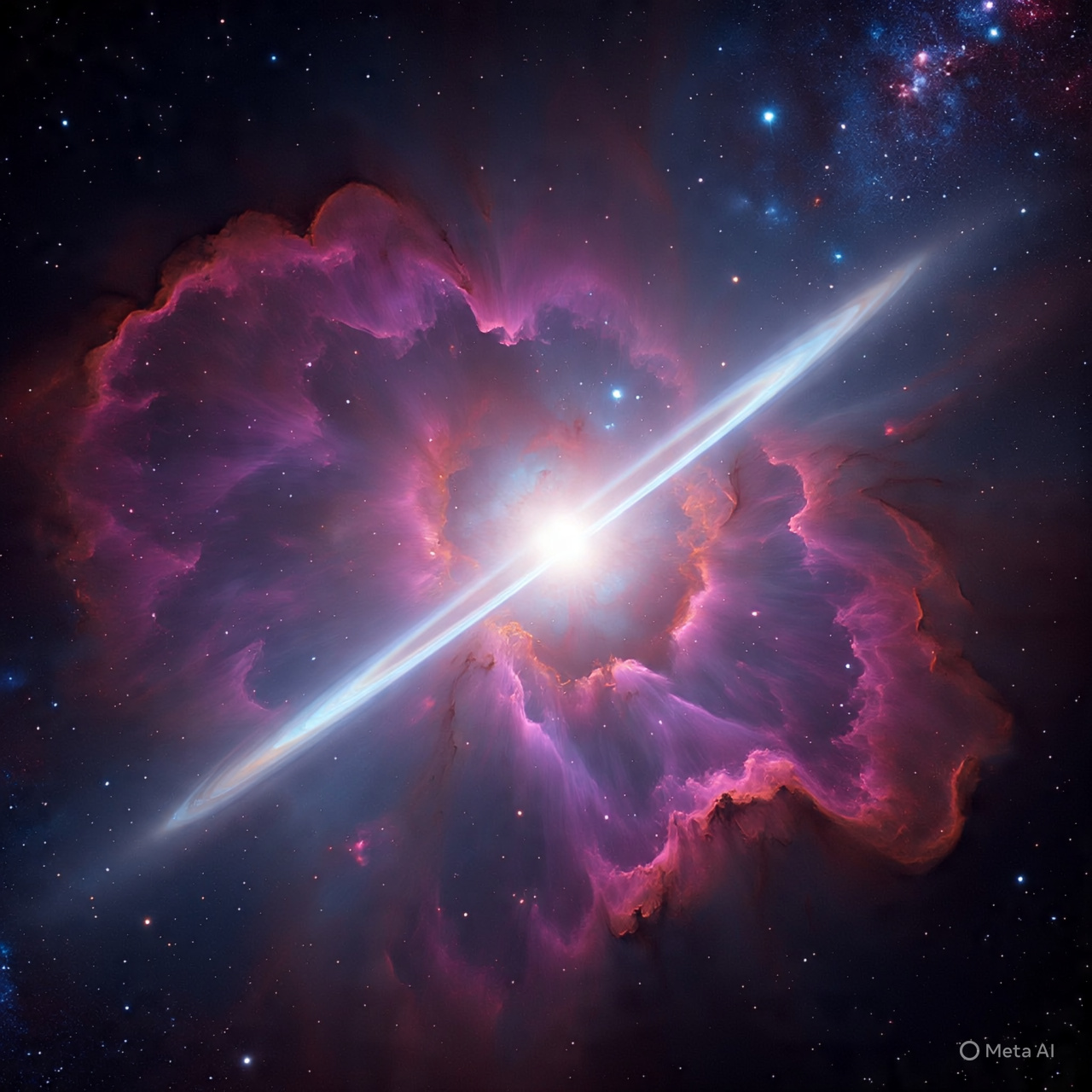
NASA's Hubble Space Telescope reveals breathtaking images of a dying star in the Egg Nebula, showcasing cosmic transformation and stellar evolution.
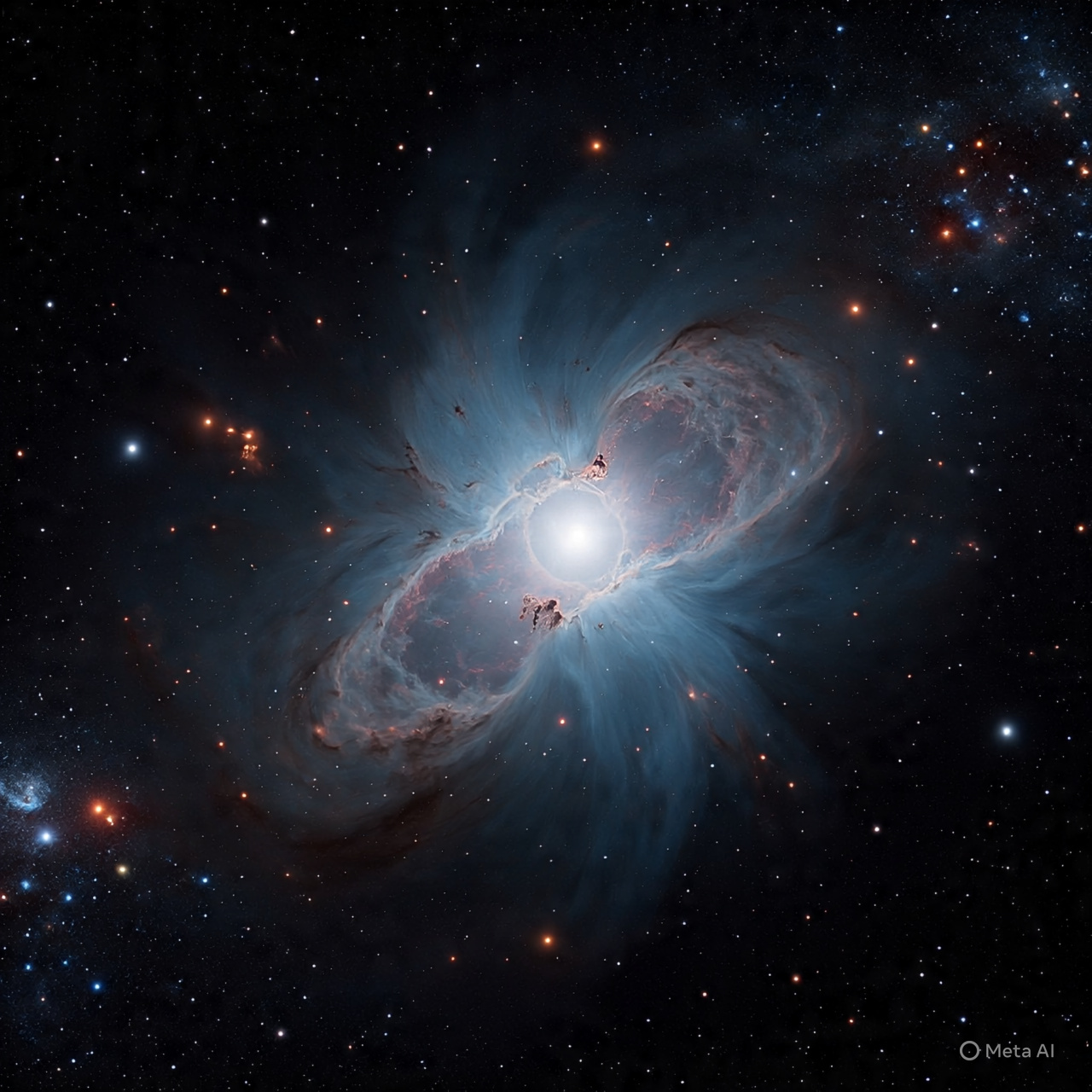
NASA's Hubble Space Telescope captures breathtaking images of the Egg Nebula, showcasing the final stages of a dying star's evolution in Cygnus.
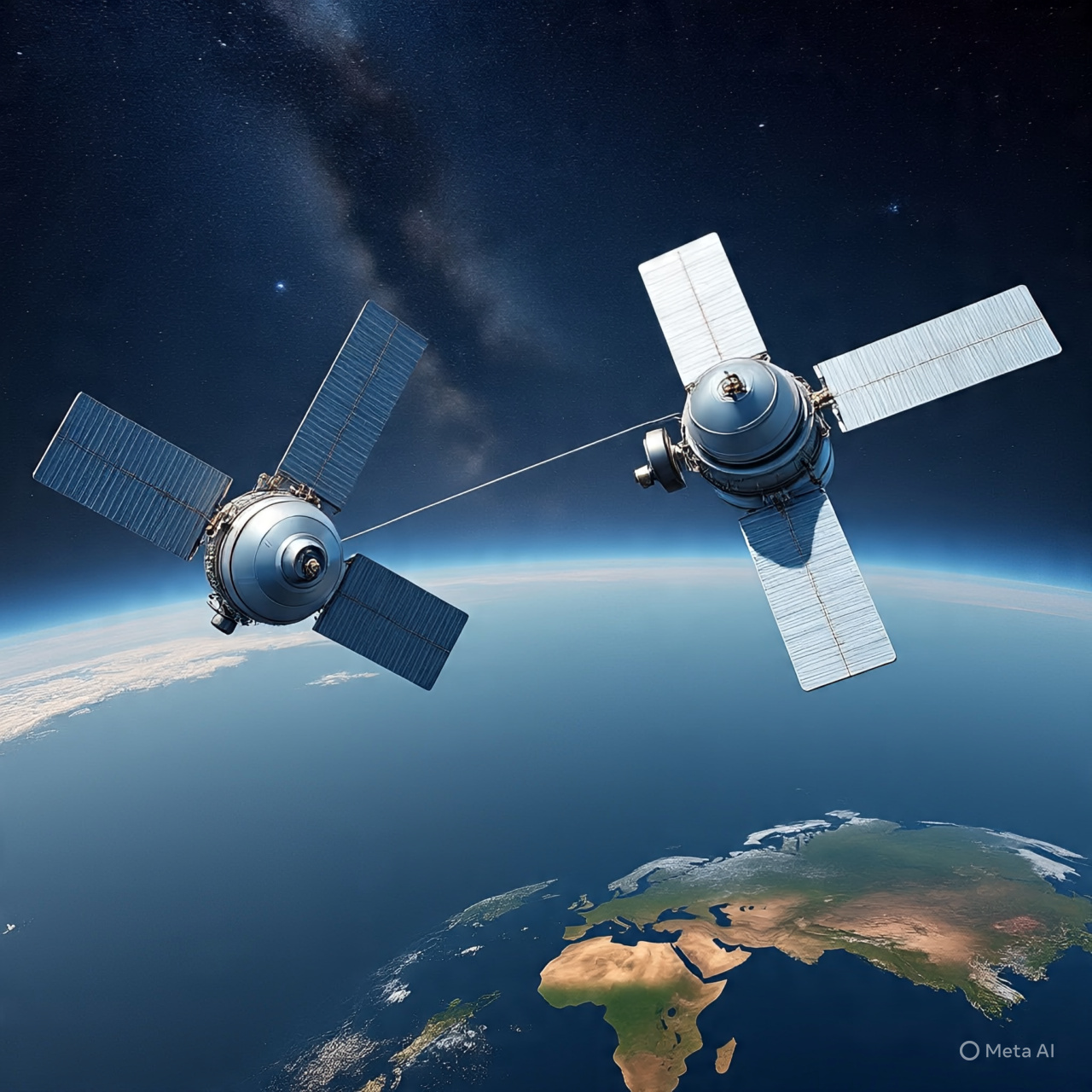
The Vulcan Centaur rocket is scheduled to launch the USSF-87 mission on February 12, deploying satellites for space surveillance and safety.
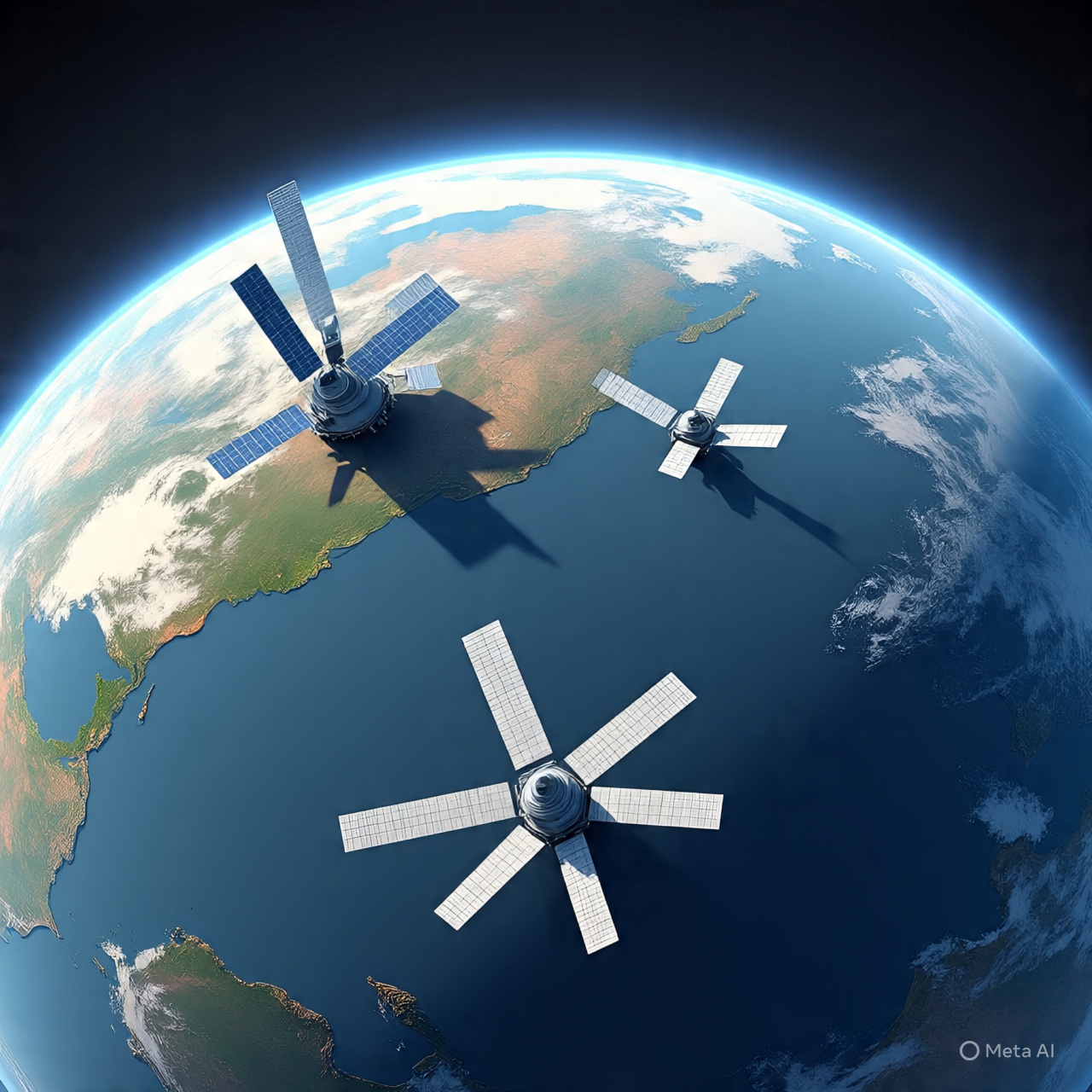
The USSF-87 mission, carrying GSSAP satellites, is scheduled for launch at 3:30 a.m. EST from Cape Canaveral, enhancing U.S. space surveillance capabilities.
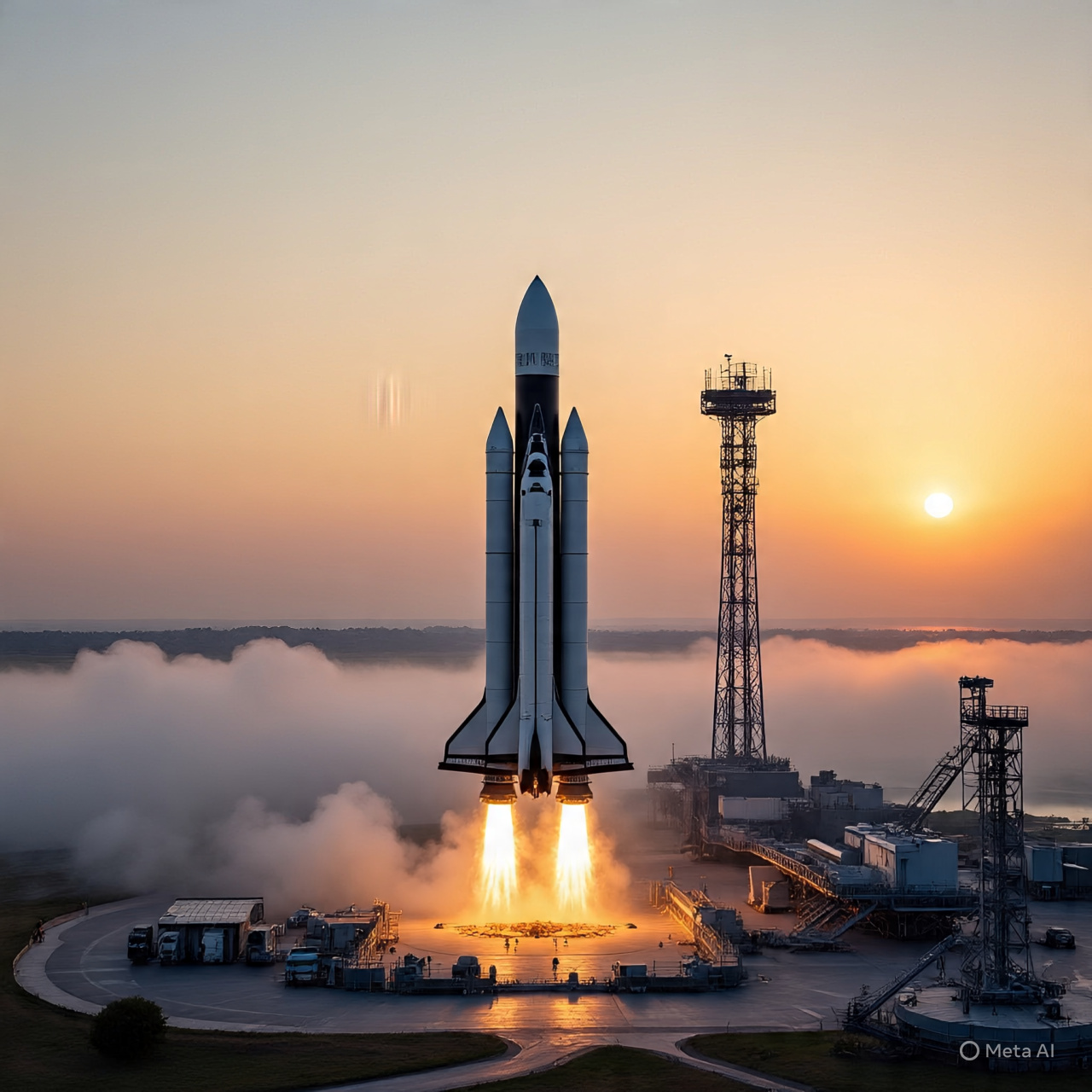
NASA's Crew-12 mission is scheduled for launch on February 13, carrying four astronauts to the International Space Station for ongoing research and operations.

Explore the implications of a rapidly aging global population, including changes in family dynamics, healthcare, and societal structures.