Dark Energy Survey Reveals New Insights Into Cosmic Expansion
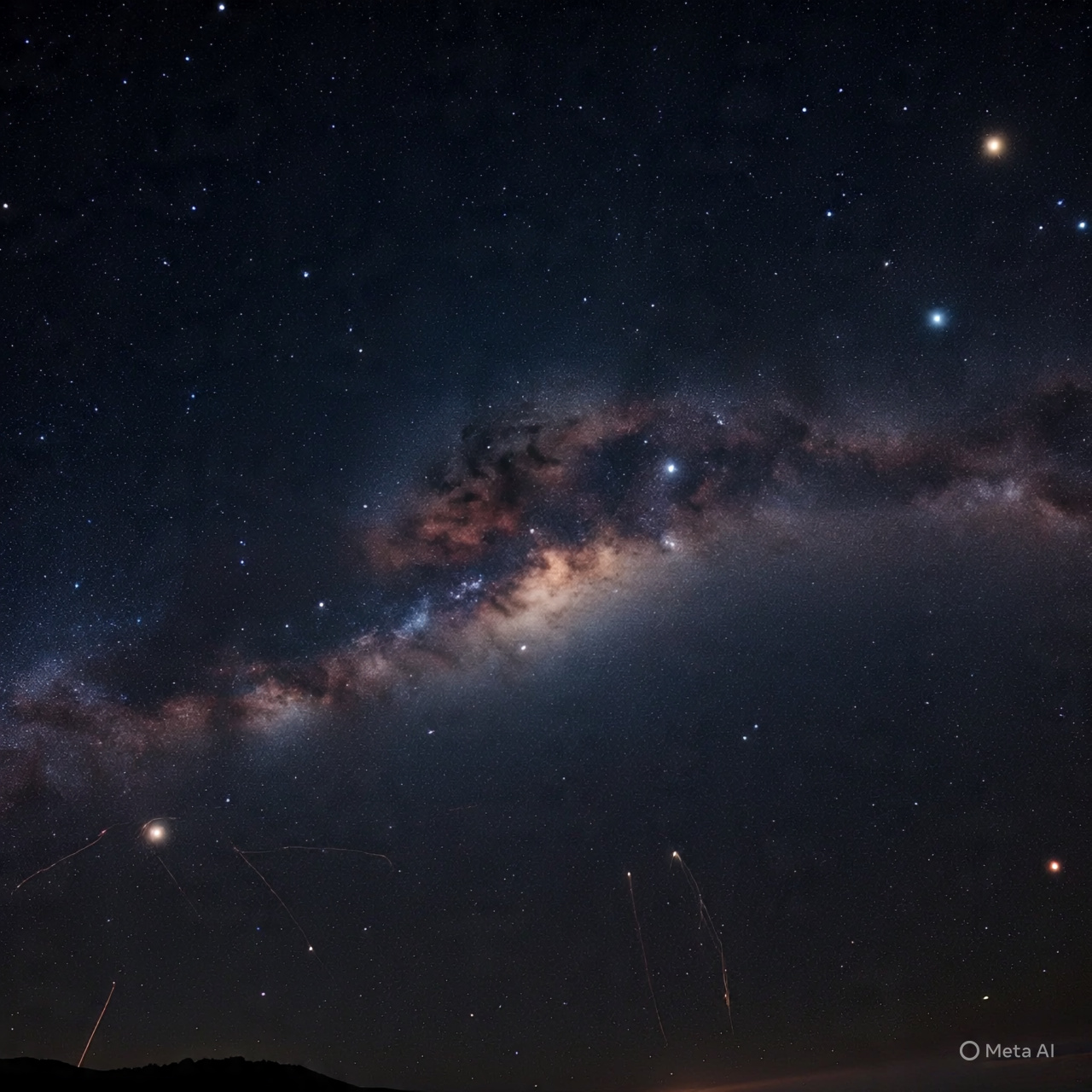
The Dark Energy Survey unveils its most comprehensive analysis of cosmic expansion, revealing new insights into dark energy and the universe's growth over billions of years.

The Dark Energy Survey unveils its most comprehensive analysis of cosmic expansion, revealing new insights into dark energy and the universe's growth over billions of years.

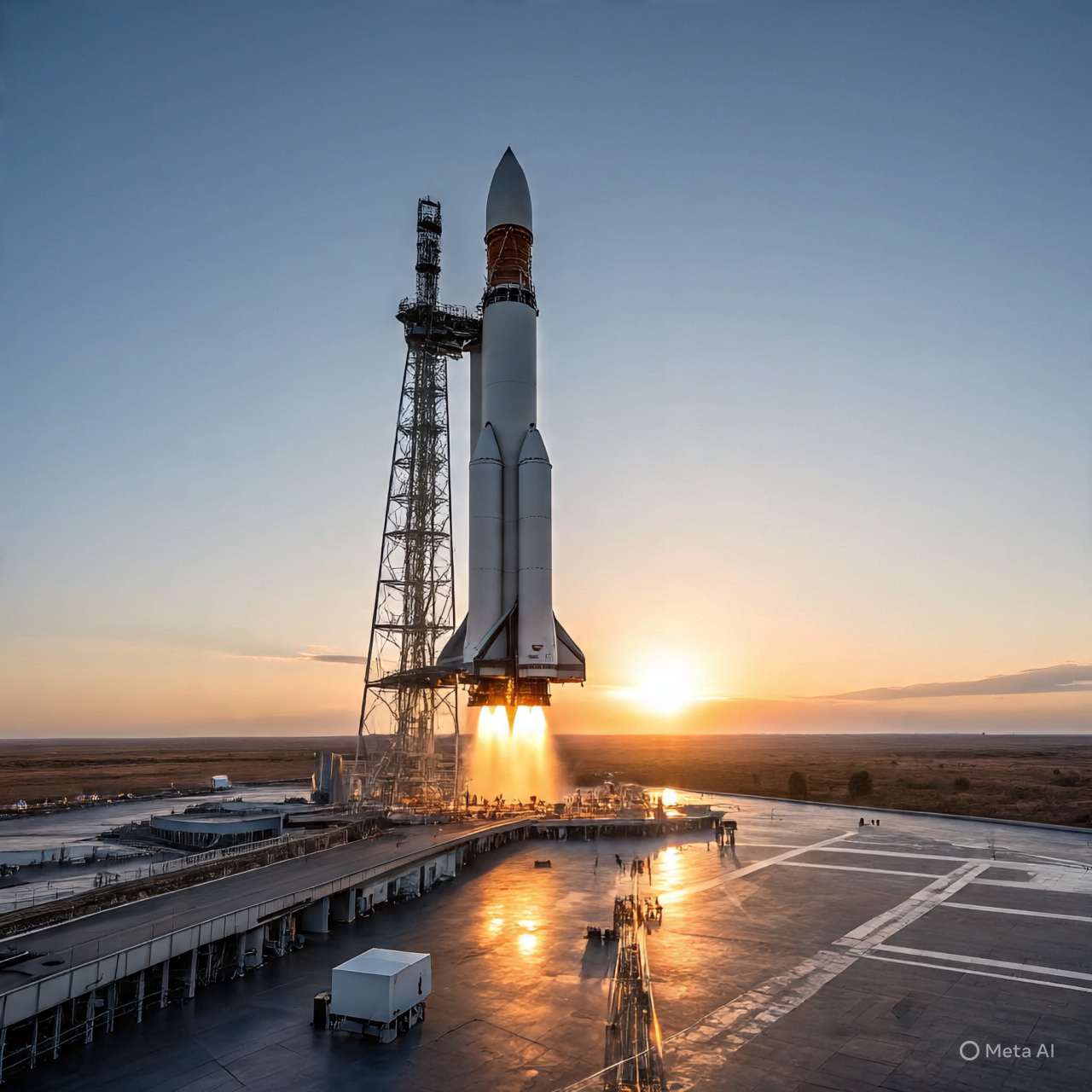
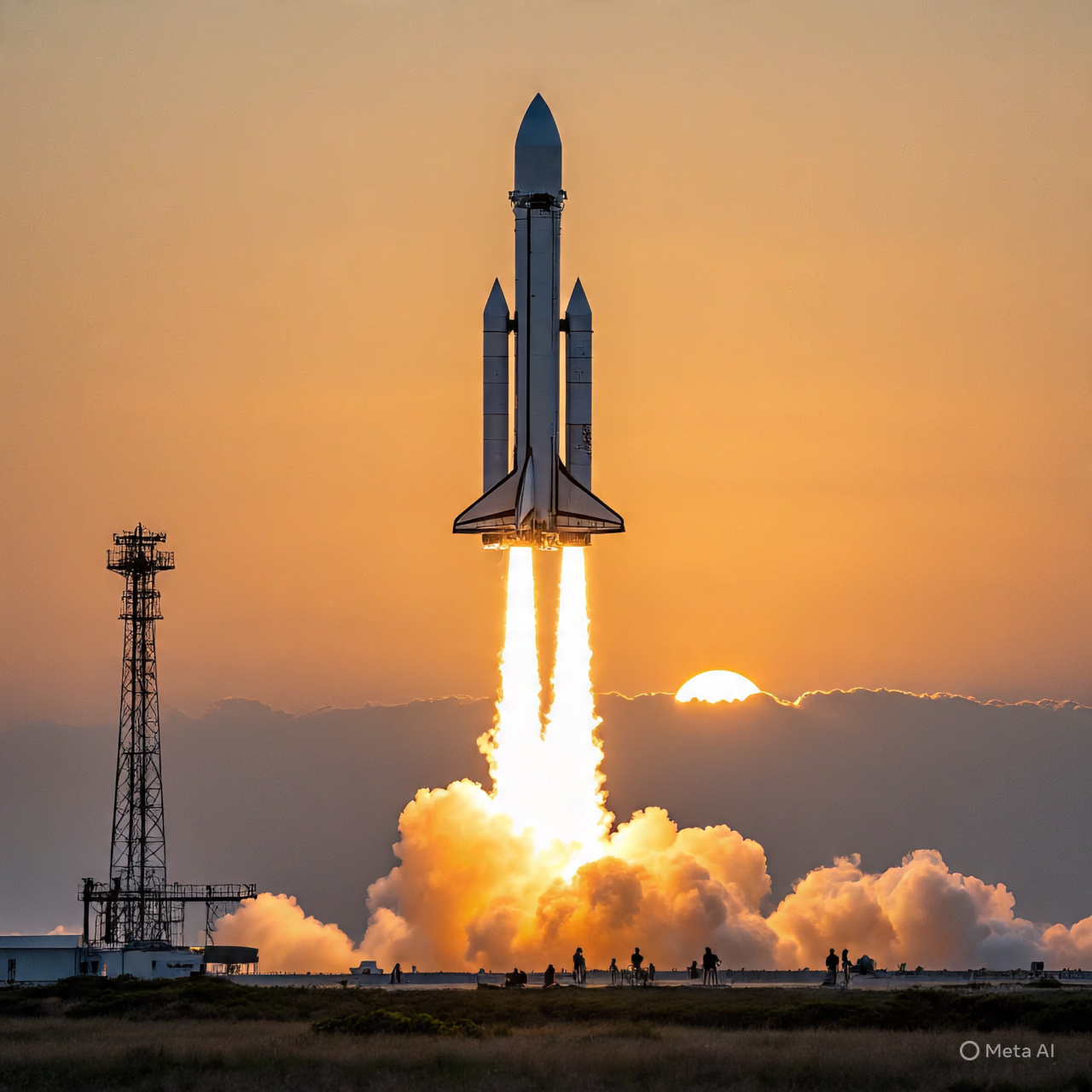
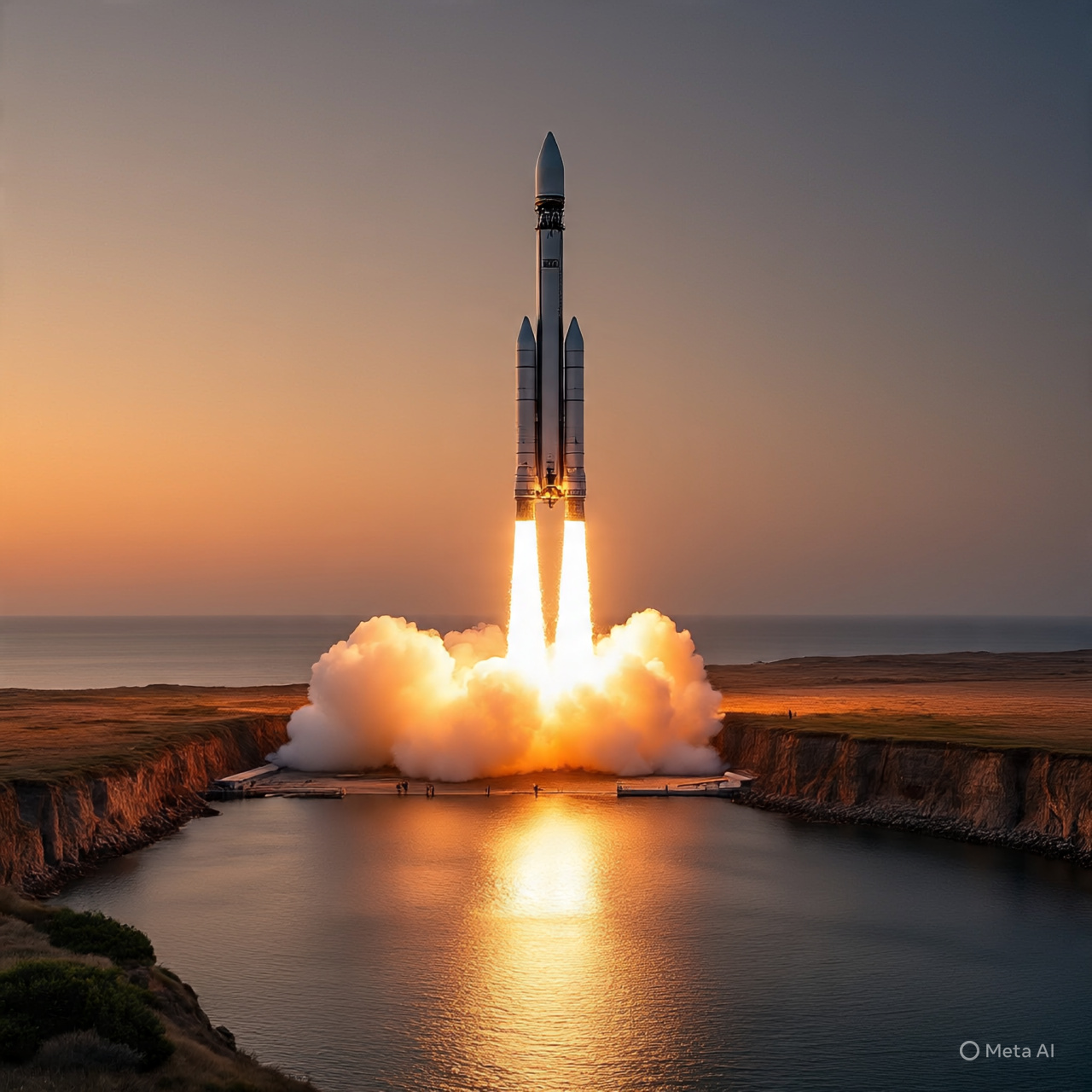
NASA prepares for the Artemis II mission, targeting a March launch. The mission marks a significant step in lunar exploration with international collaboration.

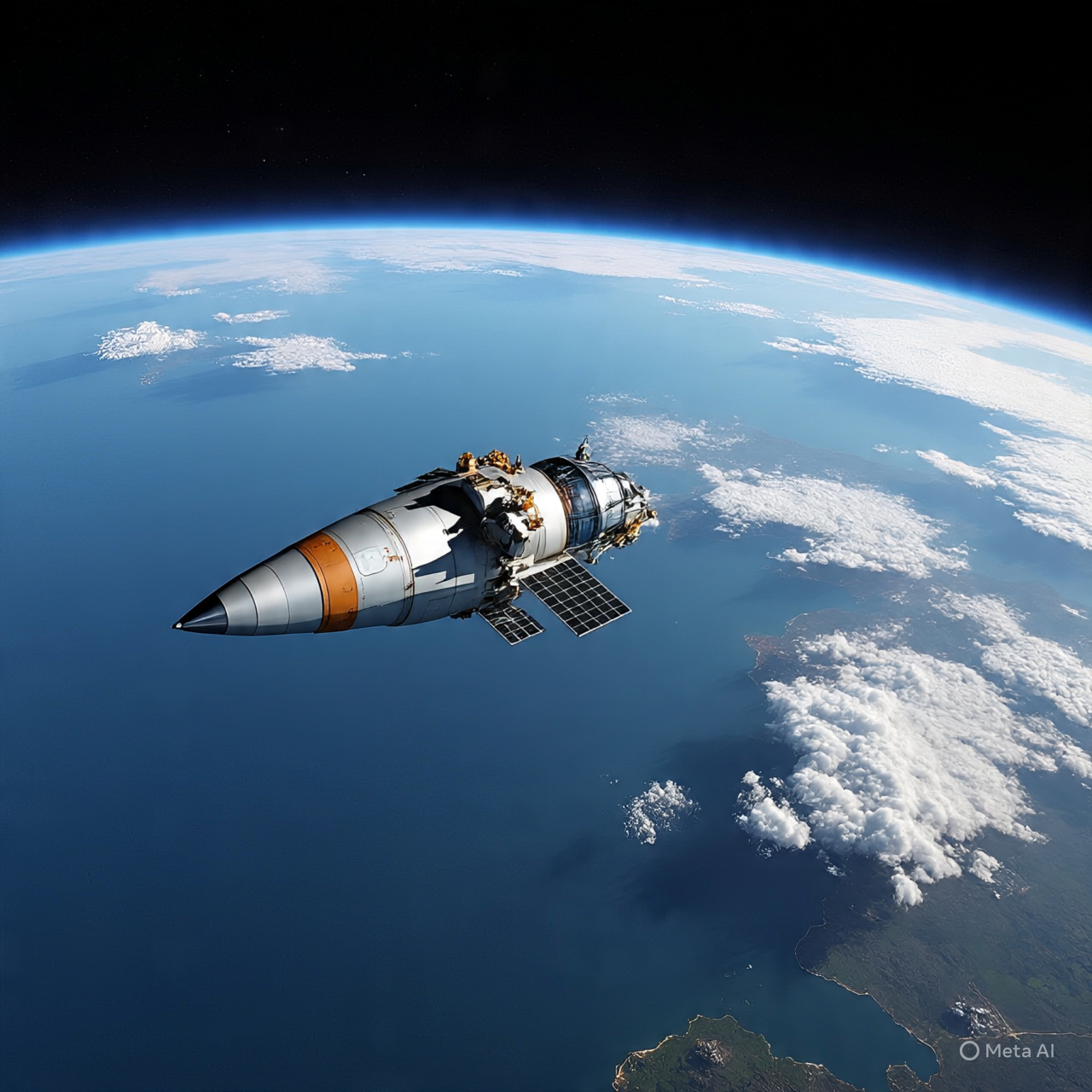
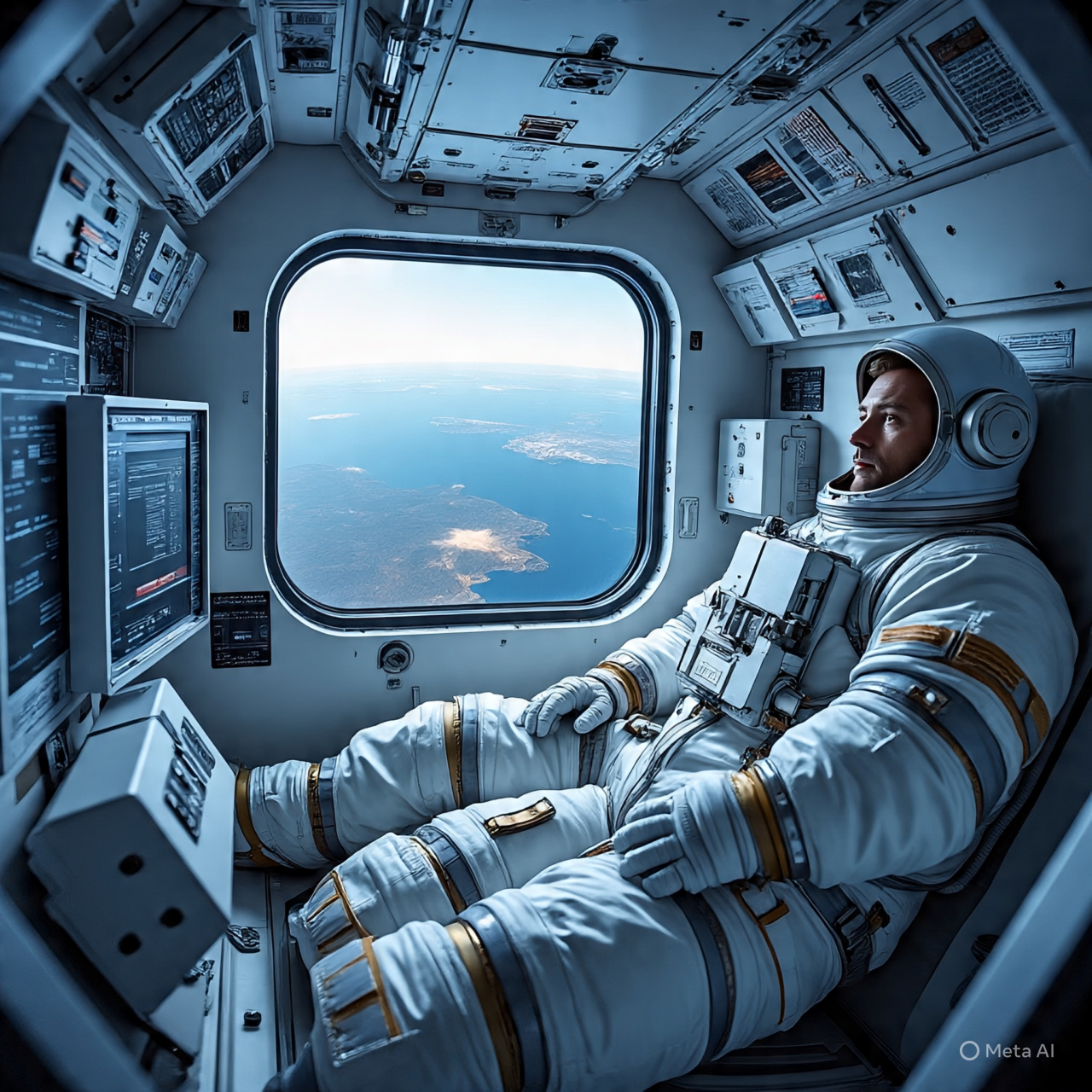
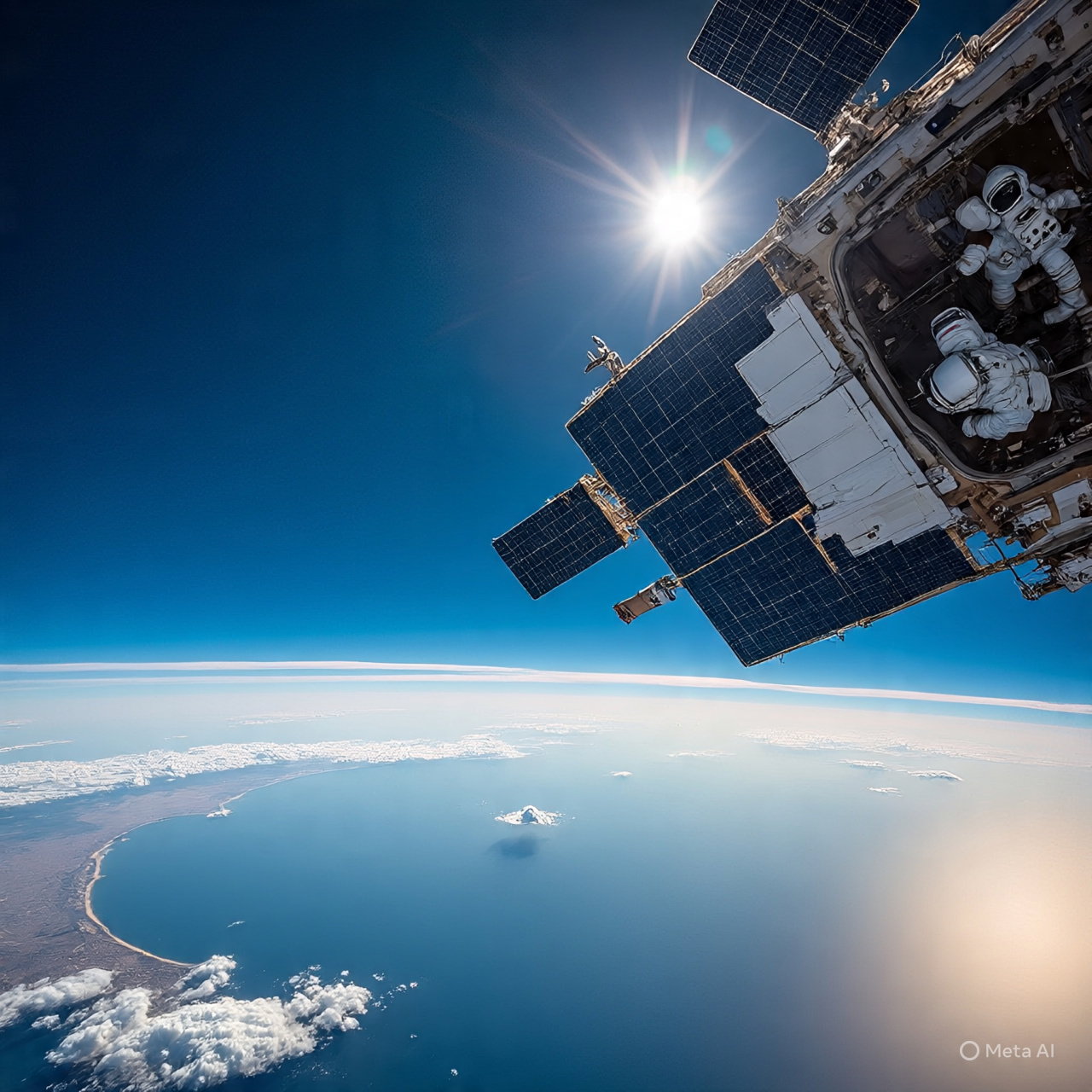
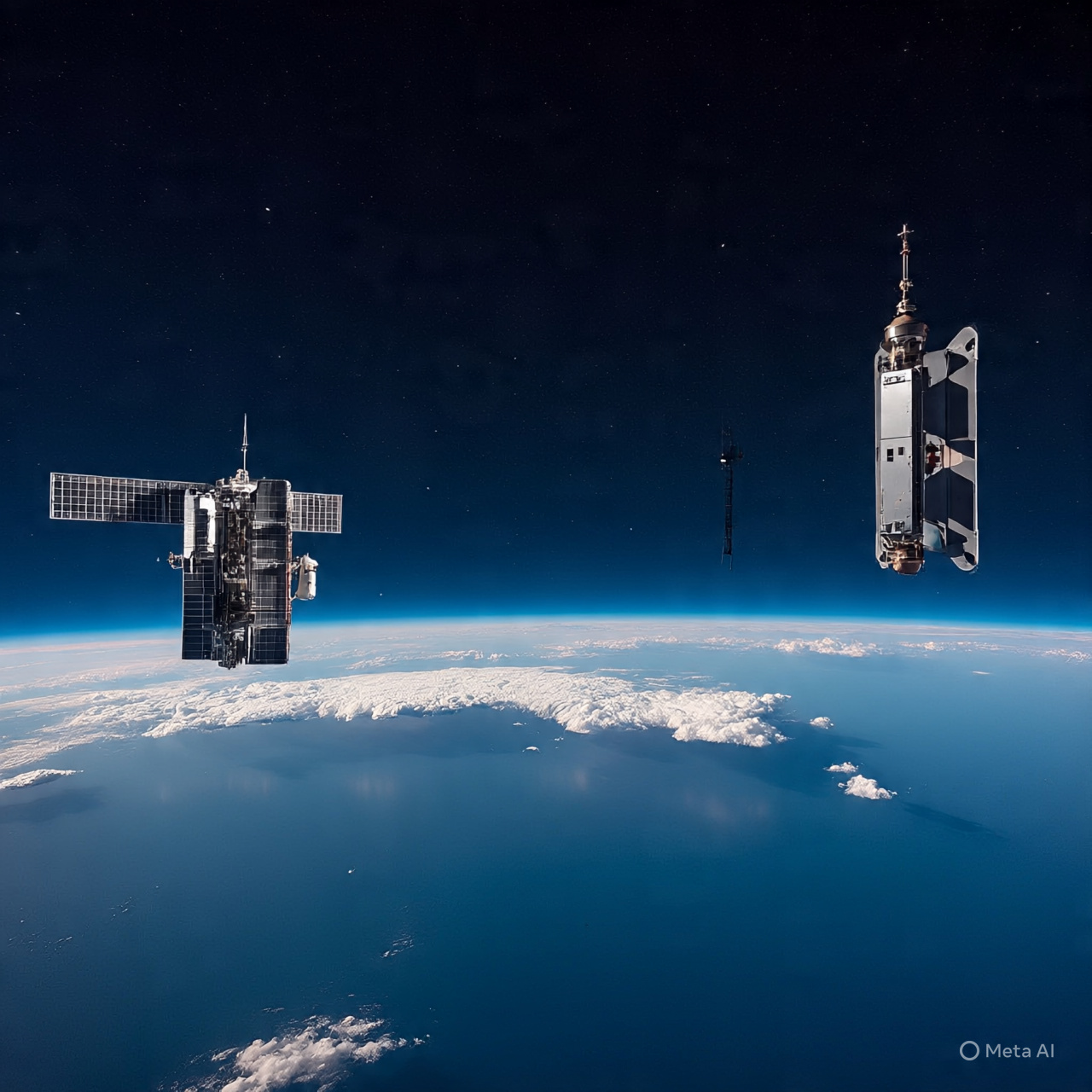
French astronaut Sophie Adenot arrives at the ISS, marking a significant milestone in international space cooperation and scientific research.

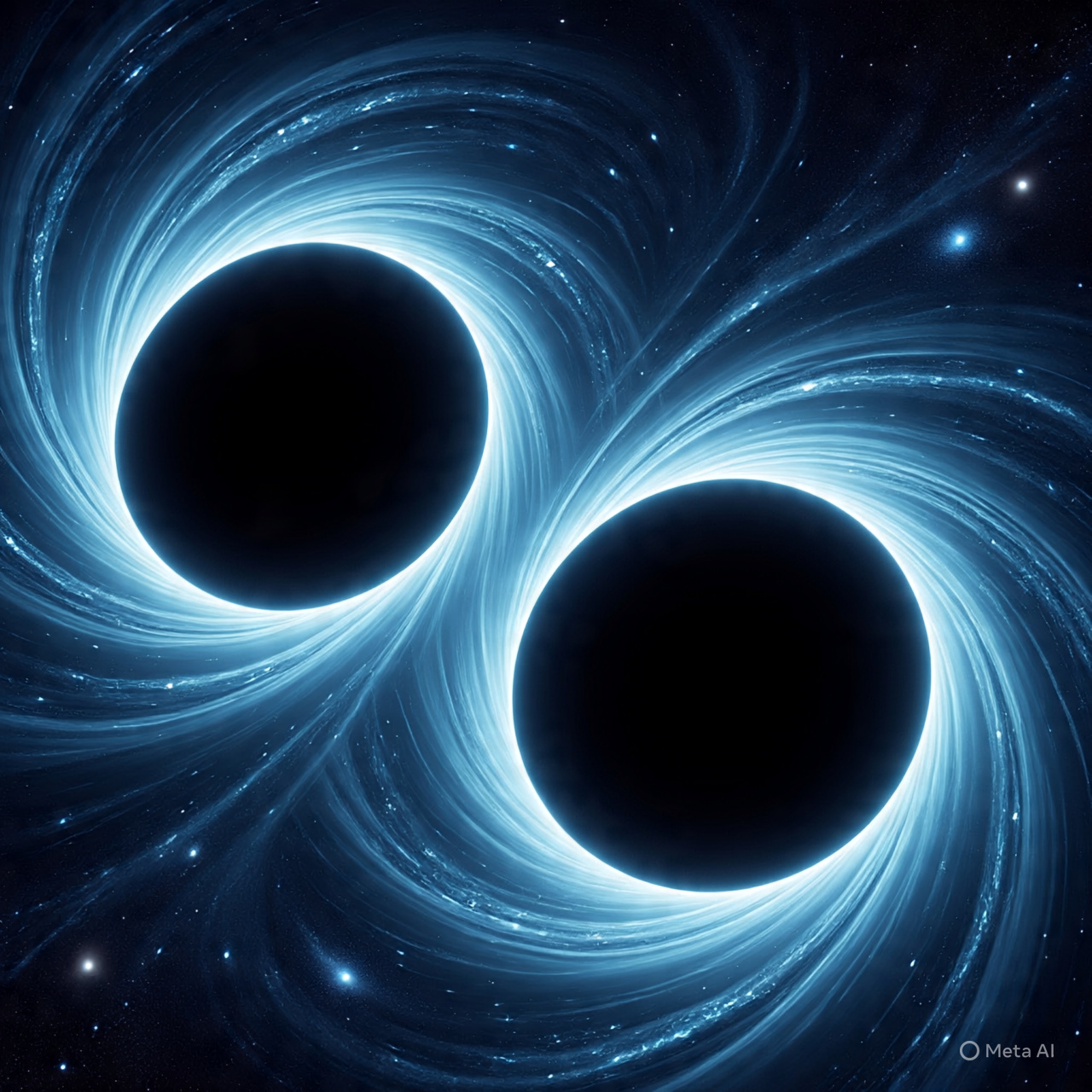
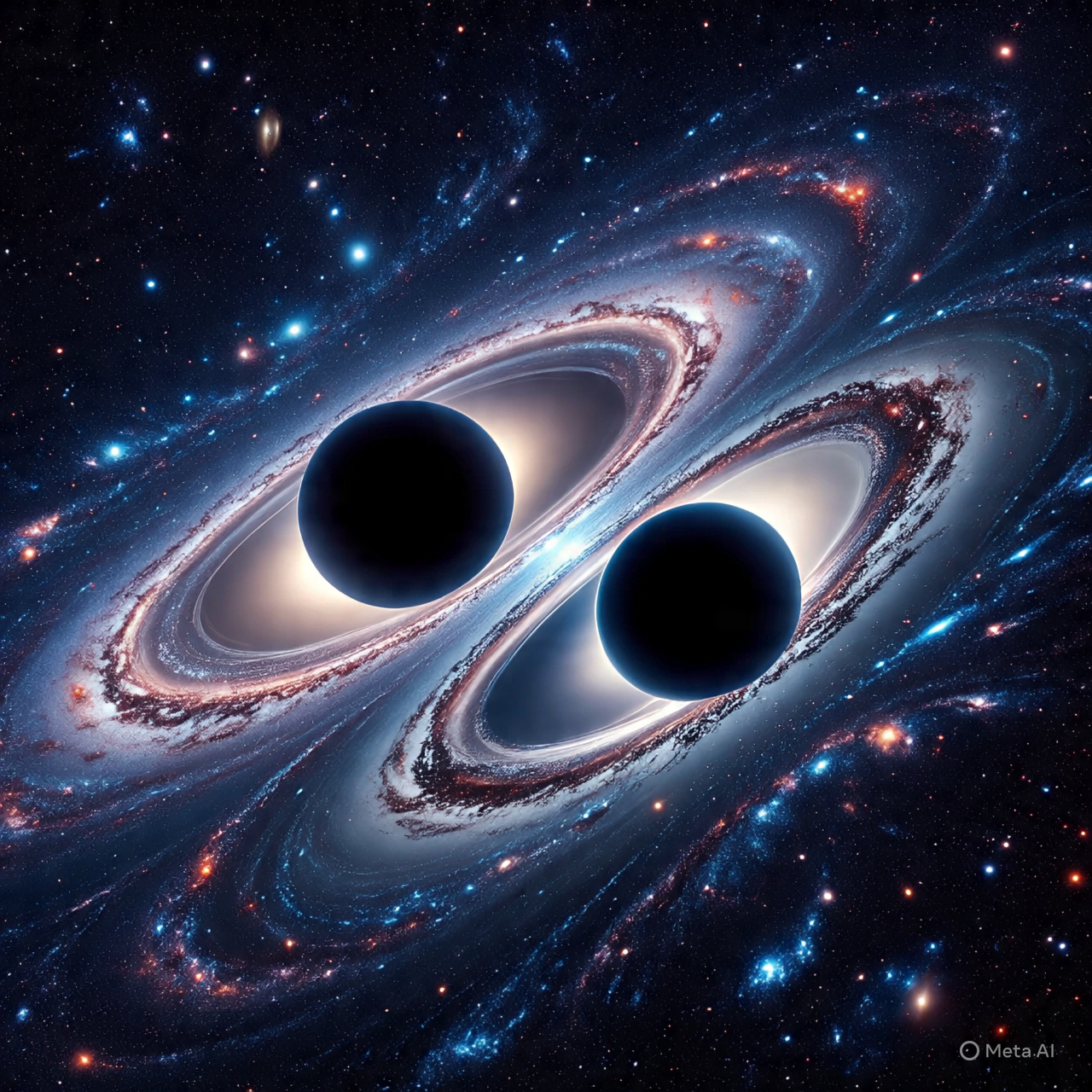
A powerful gravitational wave detected reinforces Einstein's century-old equations, revealing new insights into black holes and the fabric of space-time.

Four astronauts have arrived at the ISS, ensuring continuity in research and operations following the early departure of their predecessors.

European officials suggest Alexei Navalny was poisoned with toxins from dart frogs, complicating Russia's denial and straining diplomatic relations.

On Valentine’s Day, SpaceX's Crew-12 mission docks at the ISS, restoring crew capacity and marking a significant achievement in space exploration.

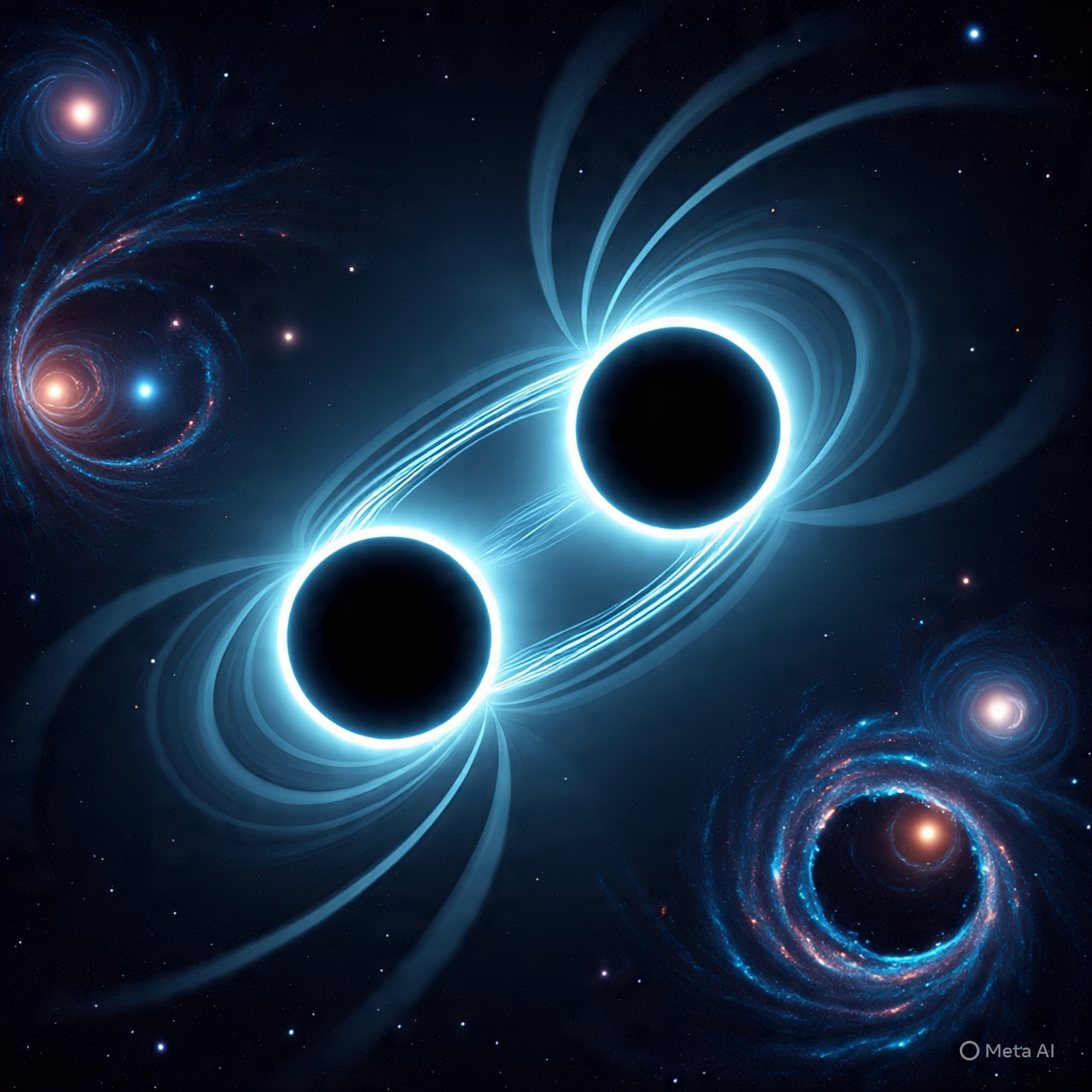
Astrophysicists propose a novel technique to detect binary black holes early by observing their gravitational lensing effects on starlight.

Recent gravitational wave detection reaffirms Einstein's century-old theory of relativity, showcasing the precision of modern astrophysics in understanding spacetime.

The Crew-12 mission marks a significant step in space exploration as astronauts dock with the ISS, restoring its full operational capacity.

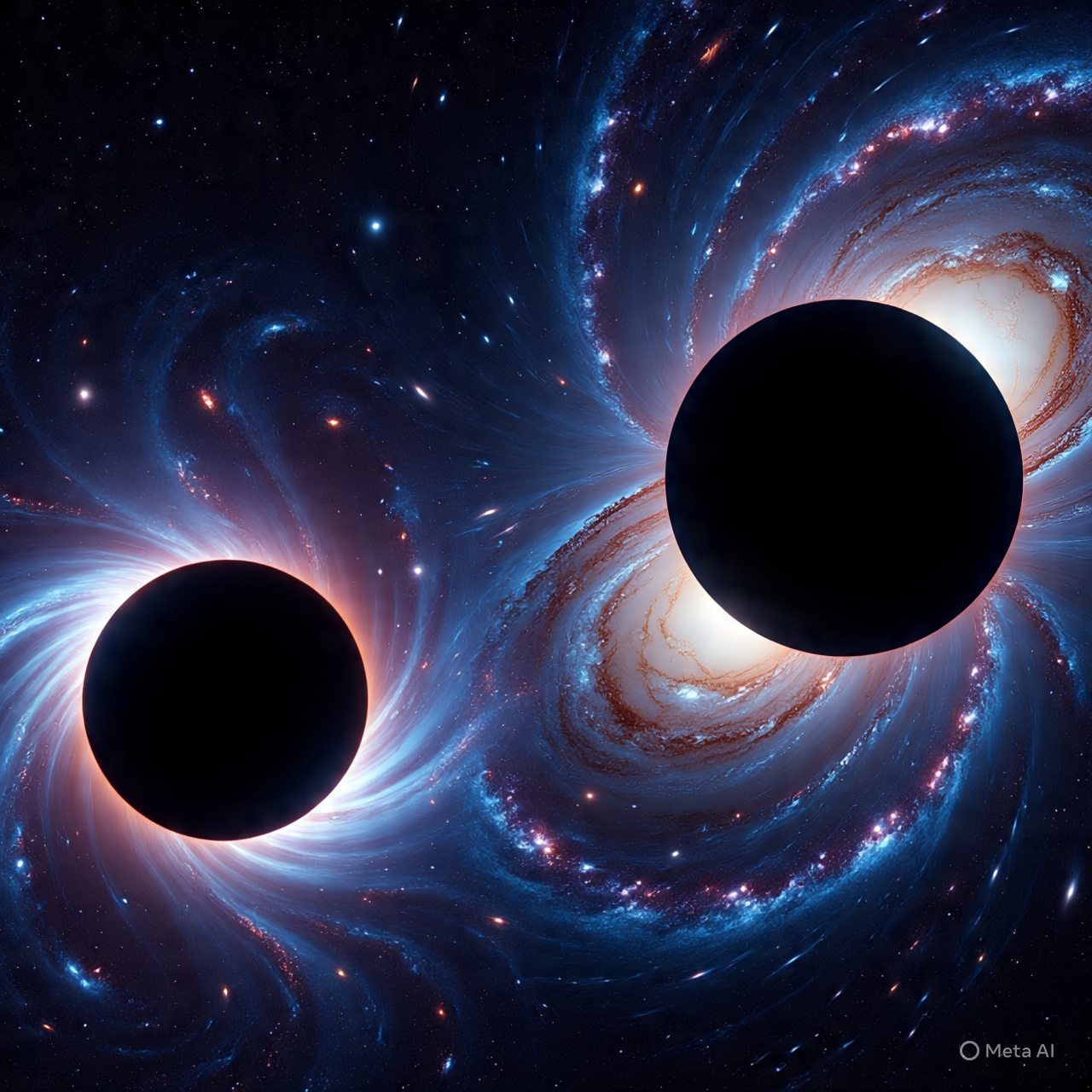
Researchers name merging supermassive black holes after Tolkien's Middle-earth, bridging science and mythology in a cosmic discovery.

As permafrost thaws, ancient microbes awaken, releasing greenhouse gases and reshaping our climate future. Discover the implications of this phenomenon.

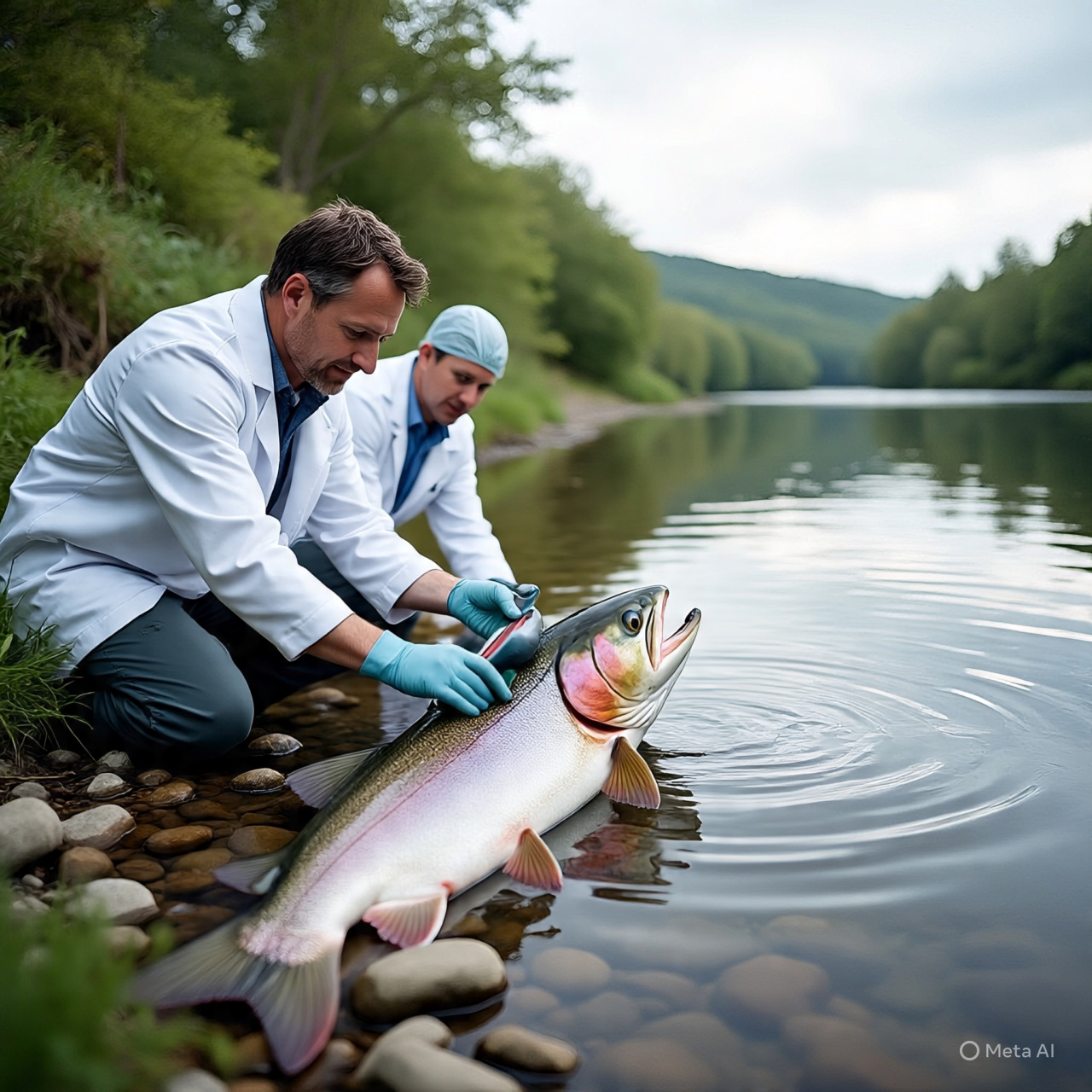
The Mekong giant catfish faces dramatic size decline due to human impact, affecting local communities and ecosystems. Conservation efforts offer hope.

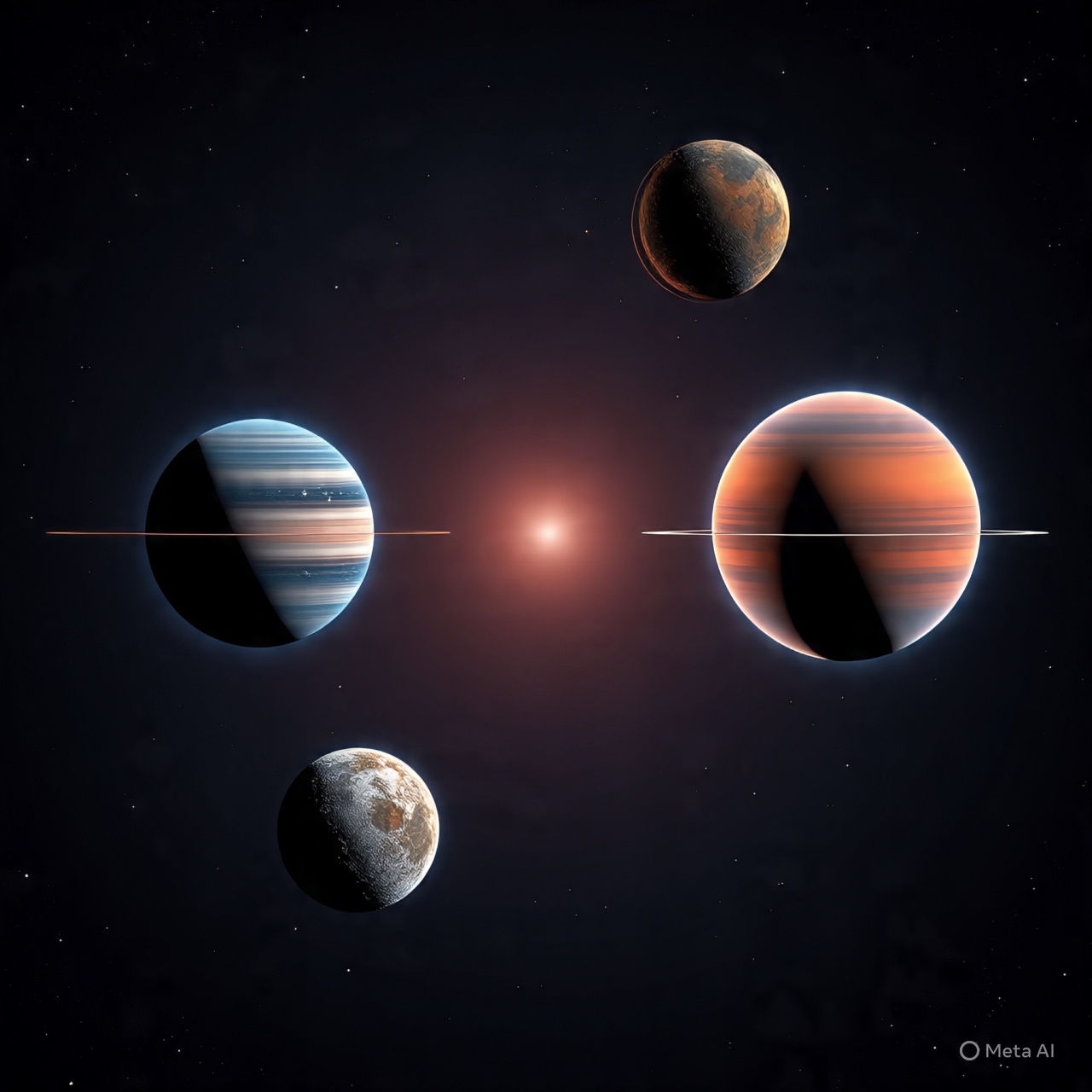
Astronomers reveal surprising planetary arrangements around LHS 1903, challenging traditional views on planet formation and inviting new cosmic reflections.

A new crew has launched to the ISS following a medical evacuation, ensuring continuity of experiments, maintenance, and operations aboard the orbiting laboratory.

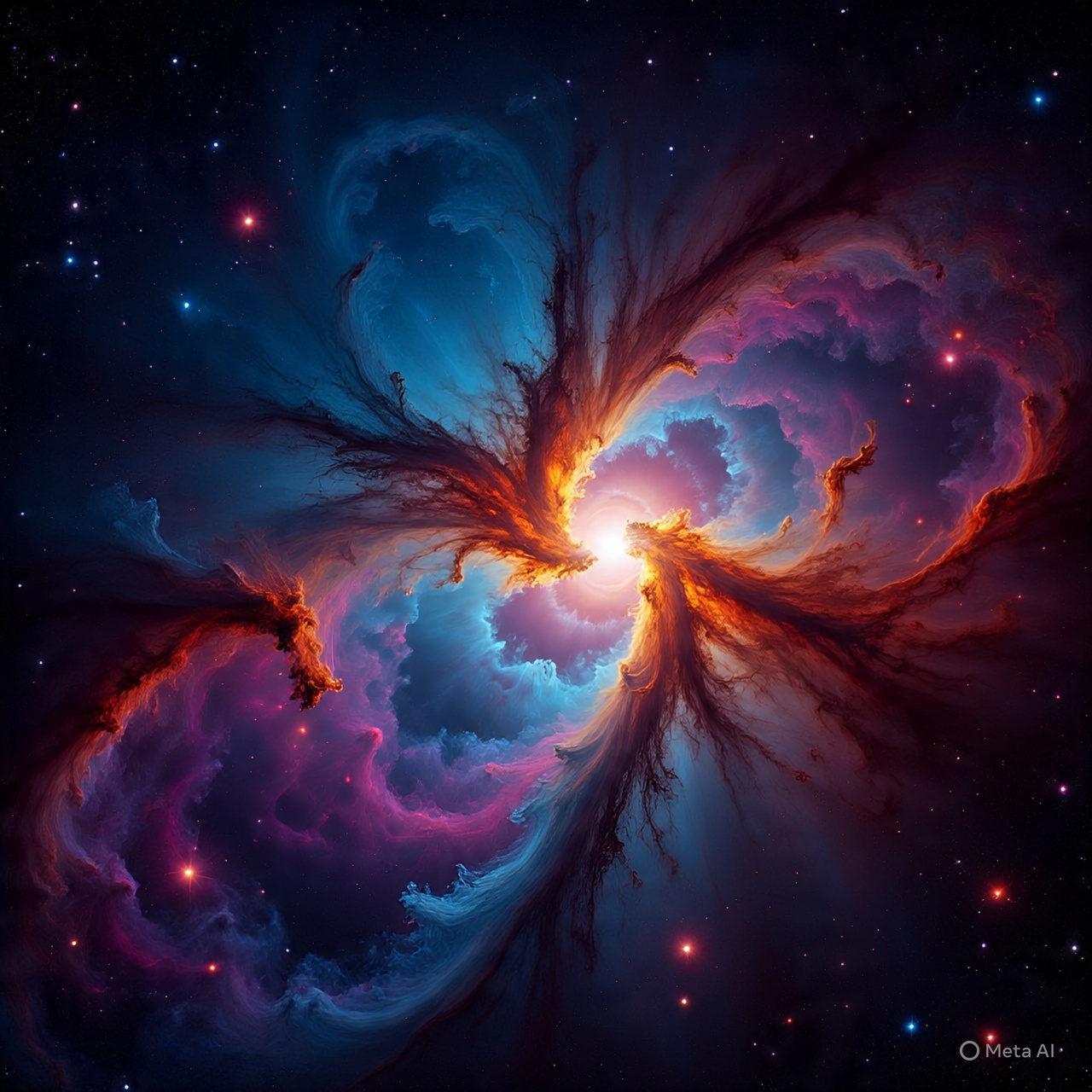
NASA's Hubble Space Telescope captures the Egg Nebula, showcasing a dying star's final stages with detailed images of gas and dust shells.

NASA has chosen Vast for a private astronaut mission to the ISS, set for summer 2027, marking a significant step in commercial space exploration.

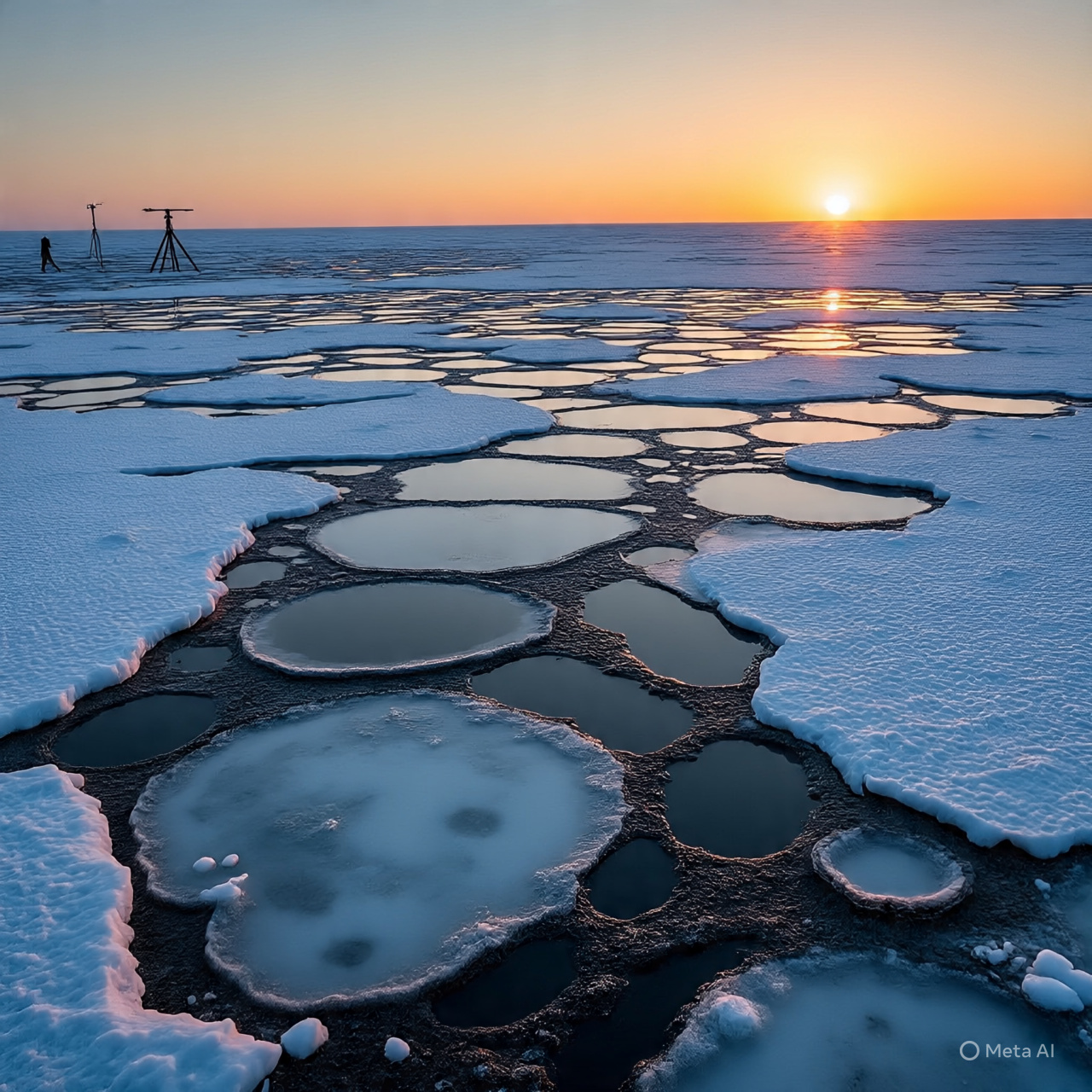
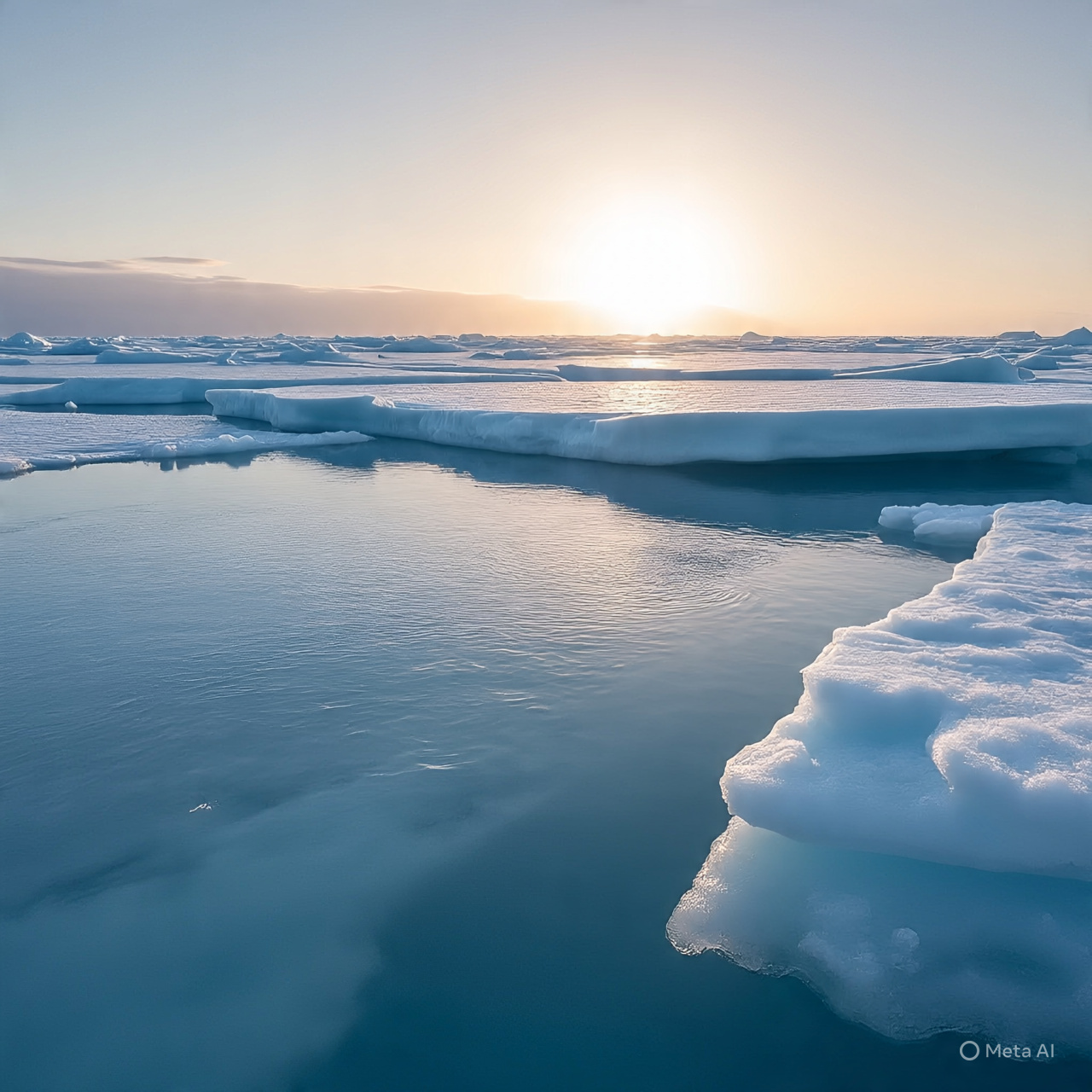
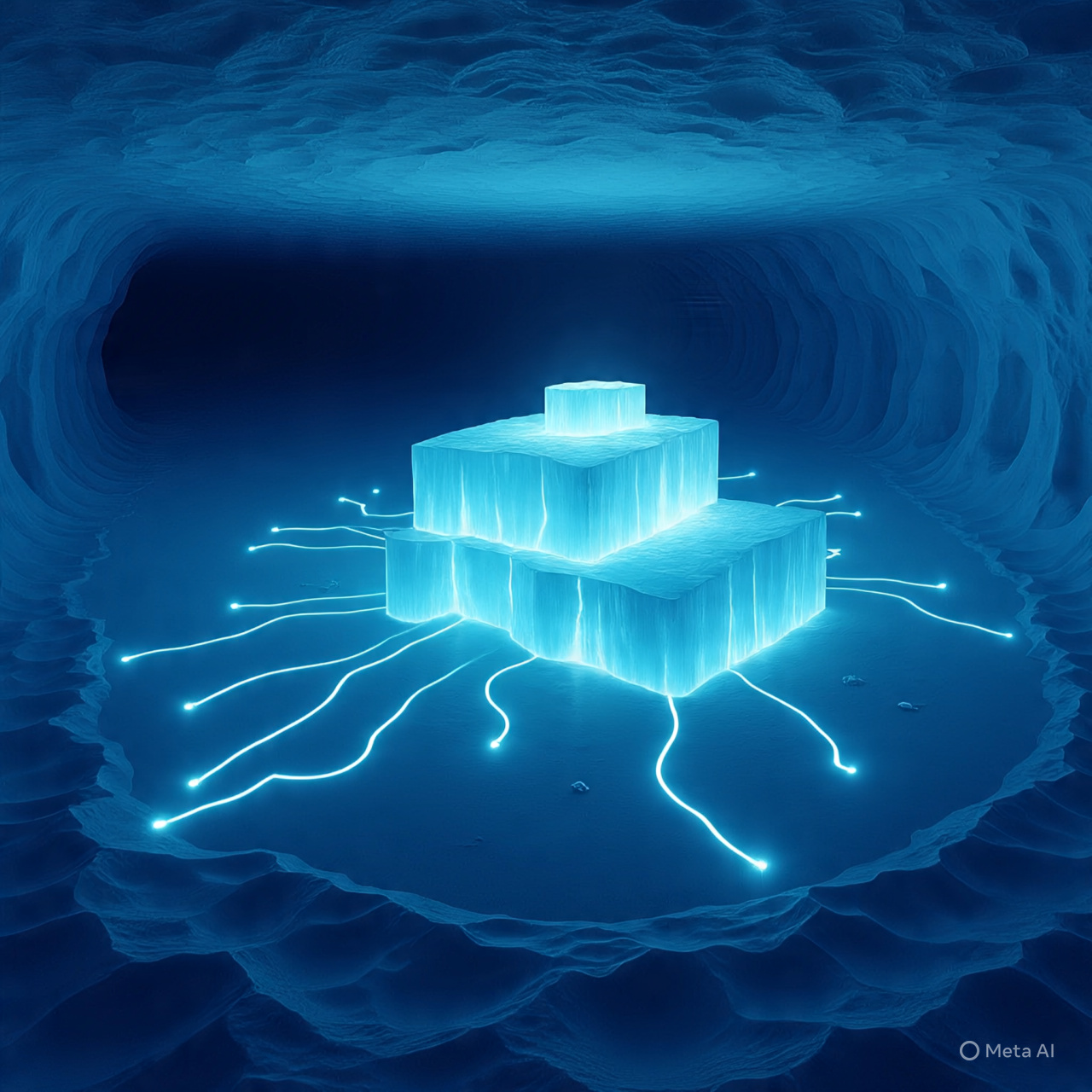
Researchers propose an underwater barrier to slow the melting of Thwaites Glacier, aiming to mitigate climate change impacts on global coastlines.

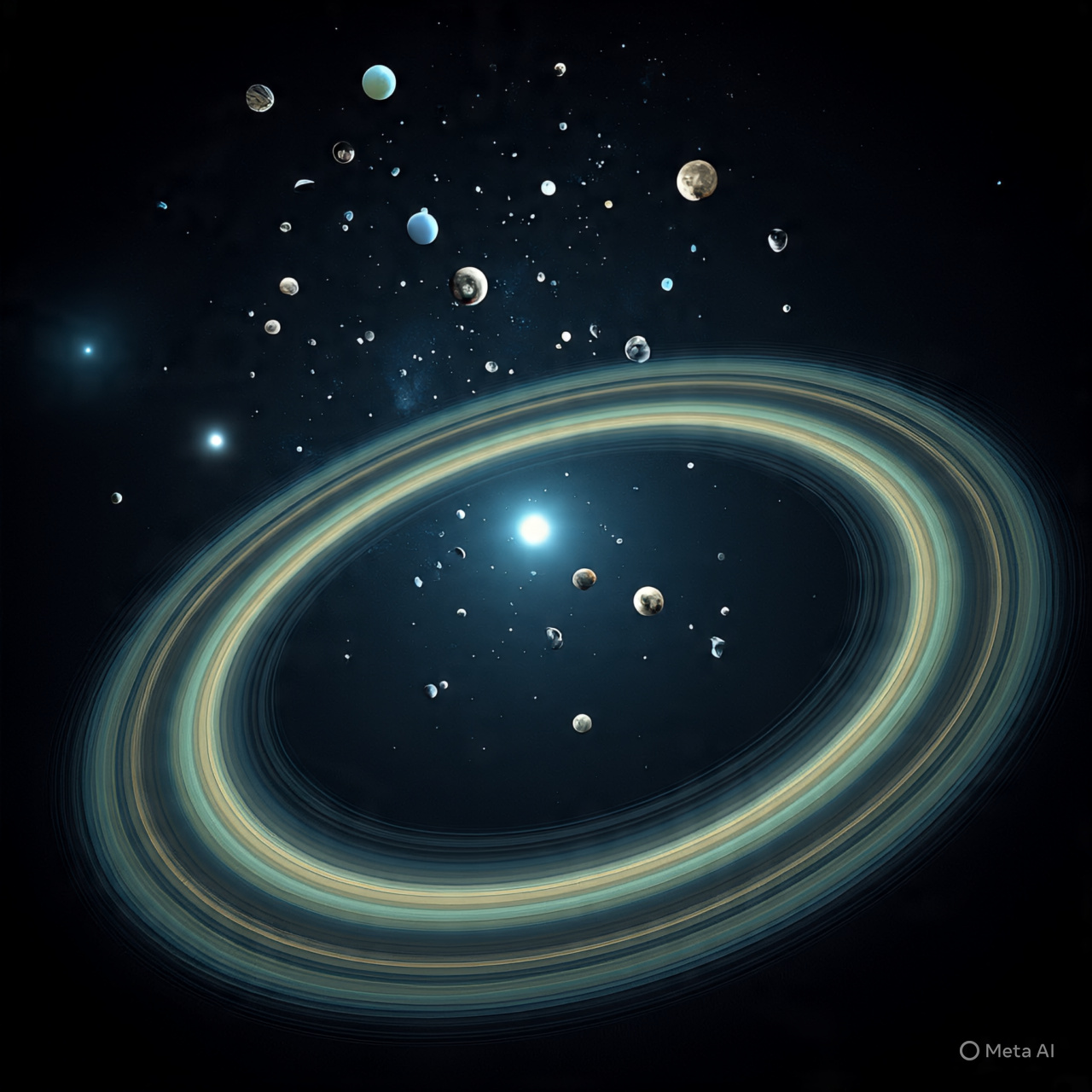
Recent simulations suggest Saturn's moon Titan formed from a collision of ancient moons, impacting the rings' formation and other satellites' orbits.

Astronomers have named two merging supermassive black holes Rohan and Gondor, marking a significant step in understanding cosmic phenomena and gravitational waves.

A new study reveals how telehealth enhances genetic testing access for childhood cancer survivors, improving early screening and personalized care options.

The IceCube Neutrino Observatory in Antarctica is enhancing its capabilities to detect neutrinos, revealing cosmic mysteries and fundamental physics.

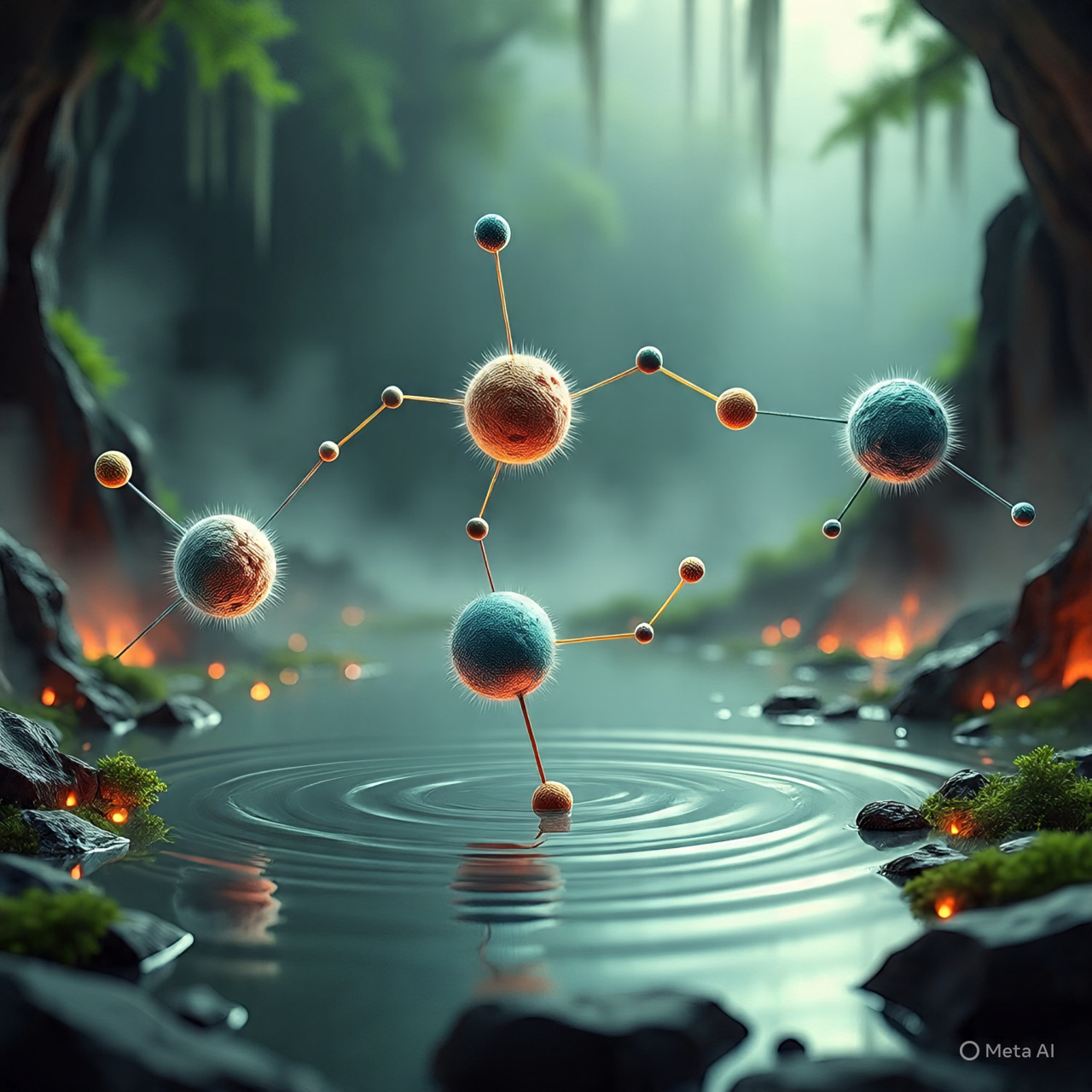
Recent research shows a 45-base RNA molecule can self-replicate, shedding light on the origins of life and the simplicity of biological processes.

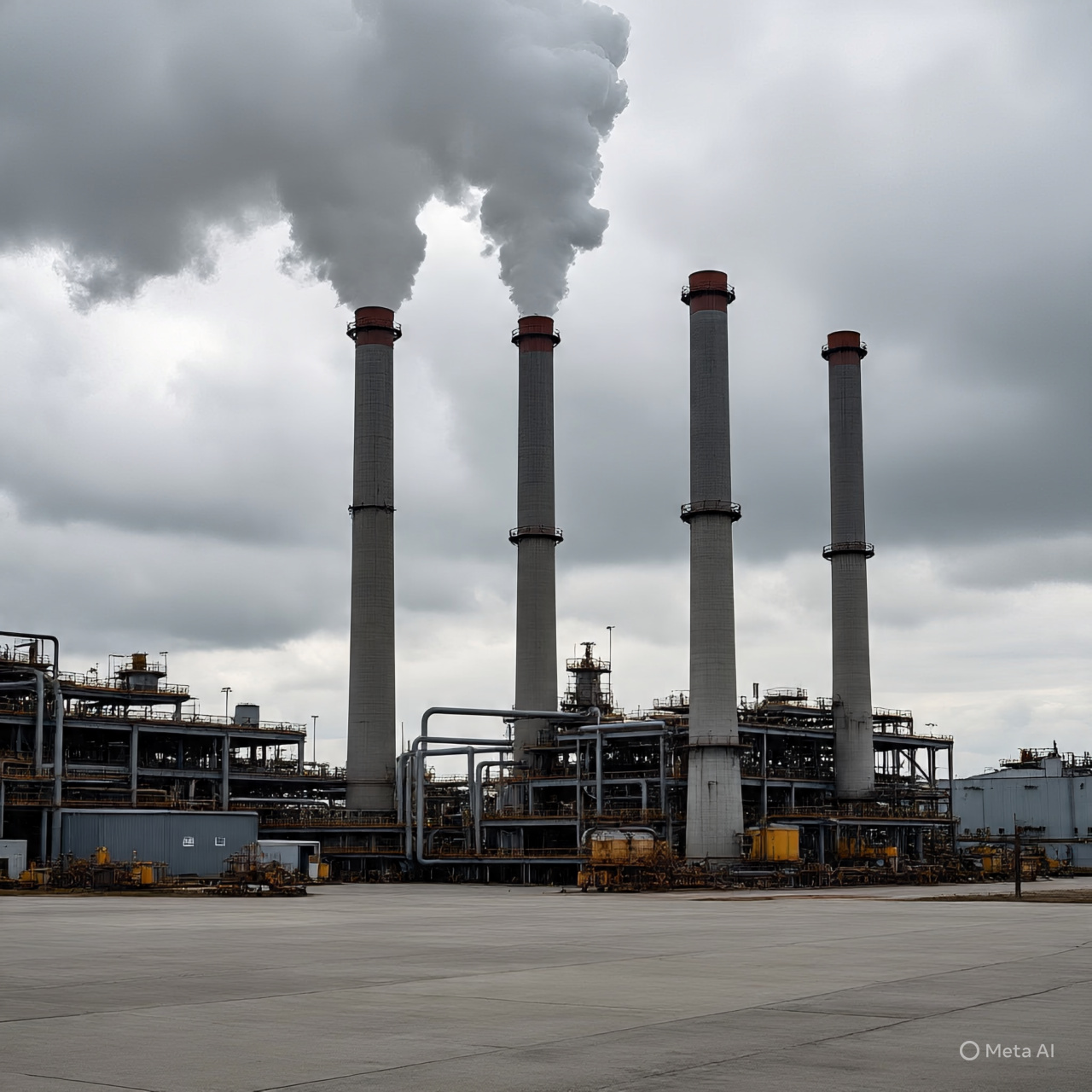
In Q3 2025, EU greenhouse gas emissions rose by 1.1%, prompting reflection on climate policies amid economic recovery and energy challenges.