The vast darkness holds its breath where distant lights flicker, and there — a little over a thousand light‑years away — a dying star whispers its final gesture. Like the hushed last notes of a song that once blazed with fire, its remnants shimmer through the cosmic dust, revealing themselves in subtle arcs and reflective shells. Here, in the constellation of Cygnus, the Egg Nebula offers a moment of quiet wonder: a celestial portrait of a star at the threshold between life and loss.
This nebula, for all its egg‑shaped form and delicate glow, is not merely a poetic shape in the sky but the fading grandeur of a Sun‑like star shedding its outer layers. Scientists observing with the Hubble Space Telescope have now released what astronomers describe as the clearest image yet of this structure, unveiling a delicate interplay of light and shadow that has been forming over millennia. In this picture, concentric shells of gas and dust — remnants of stellar winds and ancient pulses — embrace a central core obscured by its own creation, as twin beams of starlight pierce the cloak like searchlights through fog.
The Egg Nebula, formally known as CRL 2688, emerges in these observations as a testament to the final stages of medium‑mass stars: the pre‑planetary nebula phase, a fleeting chapter in cosmic evolution that lasts mere thousands of years. Unlike the brilliant explosion of a supernova, this quiet exhalation of matter isn’t marked by violent detonation but by patterned symmetry — flowing arcs and lobes shaped perhaps in part by unseen companions or by forces within the dying star itself. It is a moment of transformation where ordered beauty arises from decay, and radiation sculpts cosmic dust into forms both ephemeral and profound.
These newest observations bring together decades of Hubble’s gaze — from early visible and infrared images to the more recent wide‑field captures — creating a layered portrait that allows astronomers to trace the nebula’s structure with greater nuance. Each shell, each ray of escaping light, tells a part of the star’s story — how it gave up its outer material, how gravity and time shaped that material, and how, at this very instant, light illuminates a scene few beings could ever witness firsthand.
In straight news language: NASA and ESA’s Hubble Space Telescope has produced the most detailed image yet of the Egg Nebula, a pre‑planetary nebula surrounding a dying Sun‑like star approximately 1,000 light‑years away in the constellation Cygnus. The image shows concentric shells of gas and dust and twin beams of starlight emerging from the nebula’s center. These observations help astronomers study the final stages of stellar evolution as the star transitions toward becoming a planetary nebula.
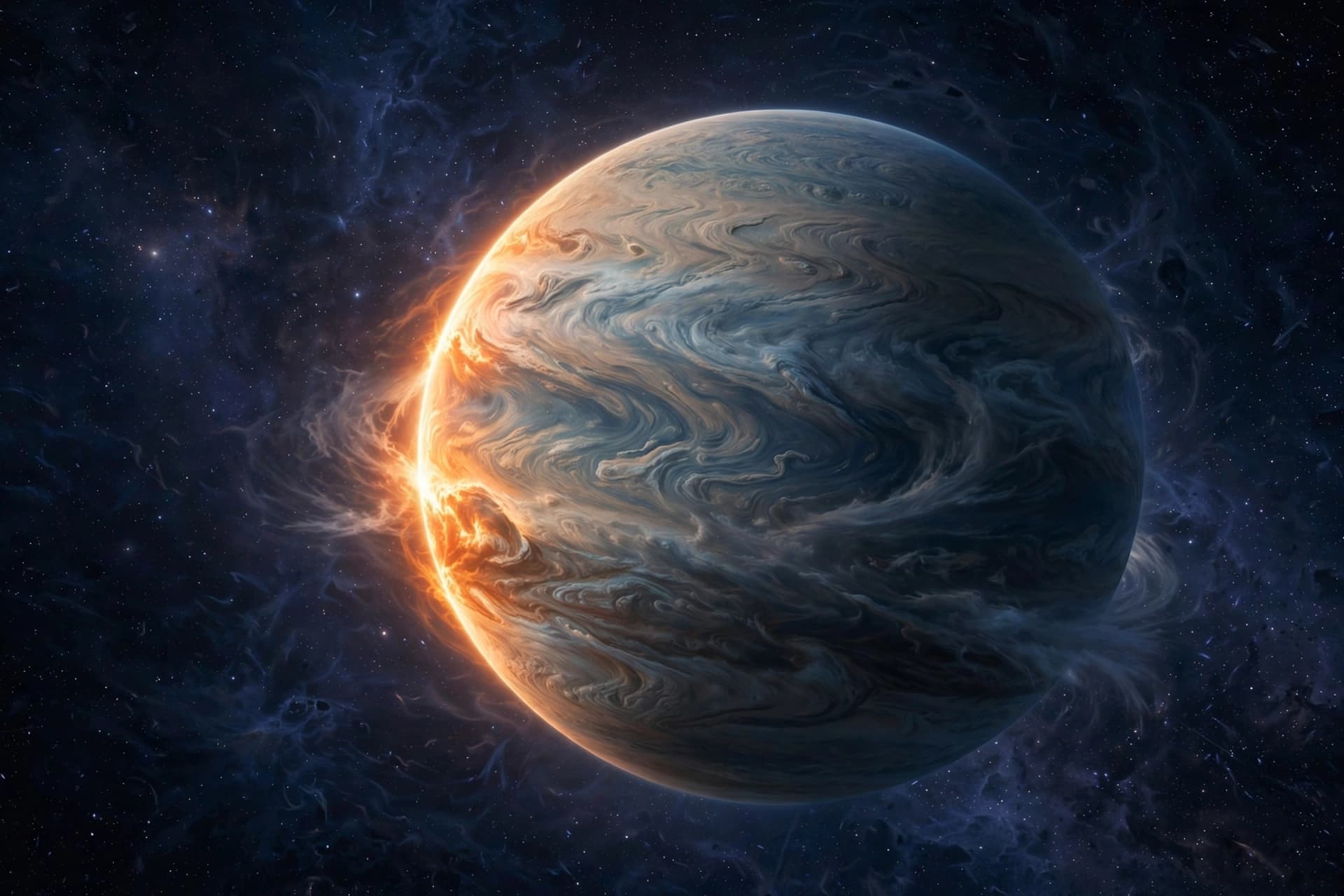
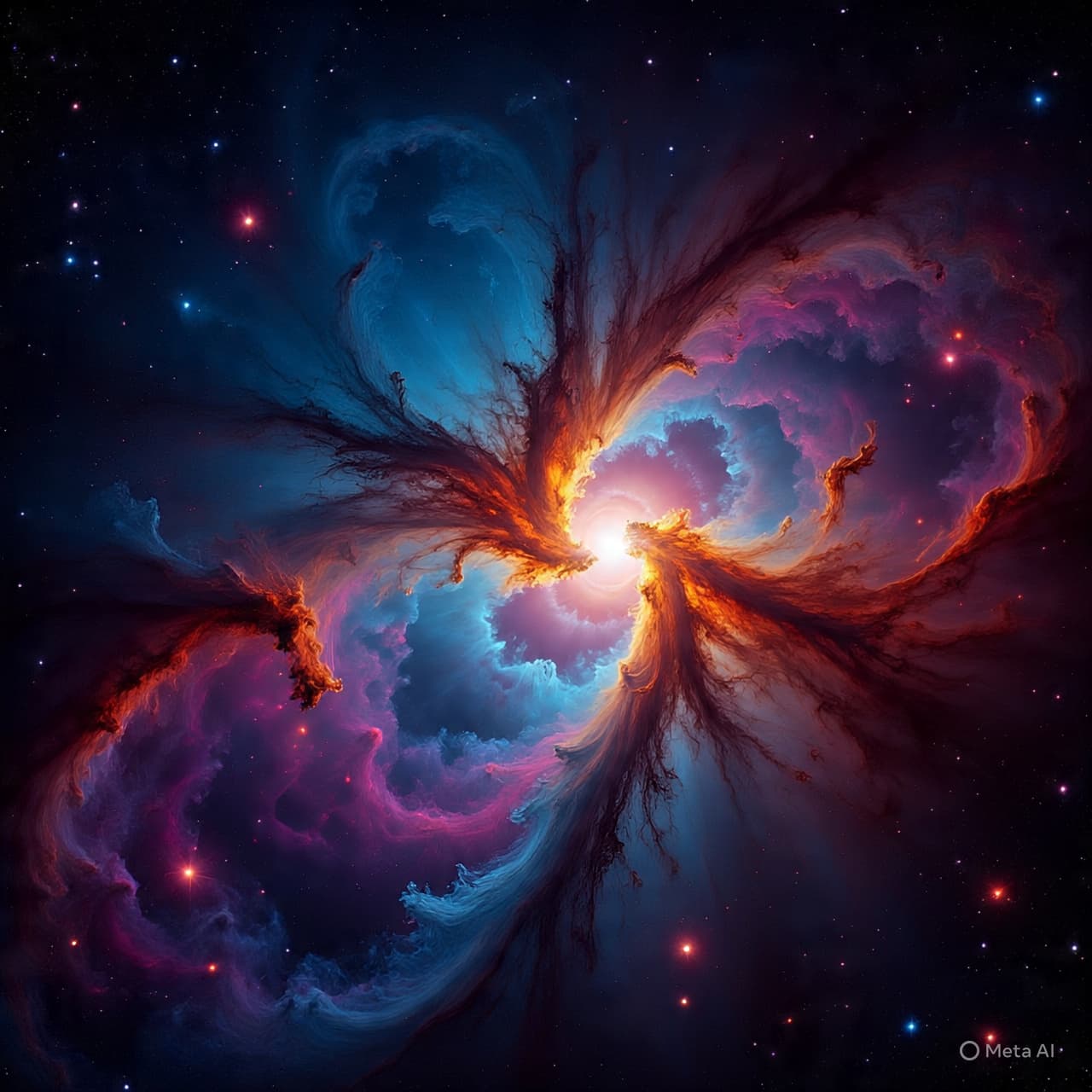
AI Image Disclaimer “Illustrations were created using AI tools and serve as conceptual representations.”
Sources (Media Names Only) NASA ESA/Hubble ScienceDaily Times of India Yahoo News
Published by Banx Network. This article is part of the Banx decentralized media programme, powered by the BXE token on the XRP Ledger.