SCIENCE79% credibility
Exploring Wine Chemistry: How NMR Unveils Hidden Flavors
Discover how nuclear magnetic resonance (NMR) reveals the complex chemistry of wine, enhancing understanding of flavors, quality, and authenticity.
3 min read

Discover how nuclear magnetic resonance (NMR) reveals the complex chemistry of wine, enhancing understanding of flavors, quality, and authenticity.
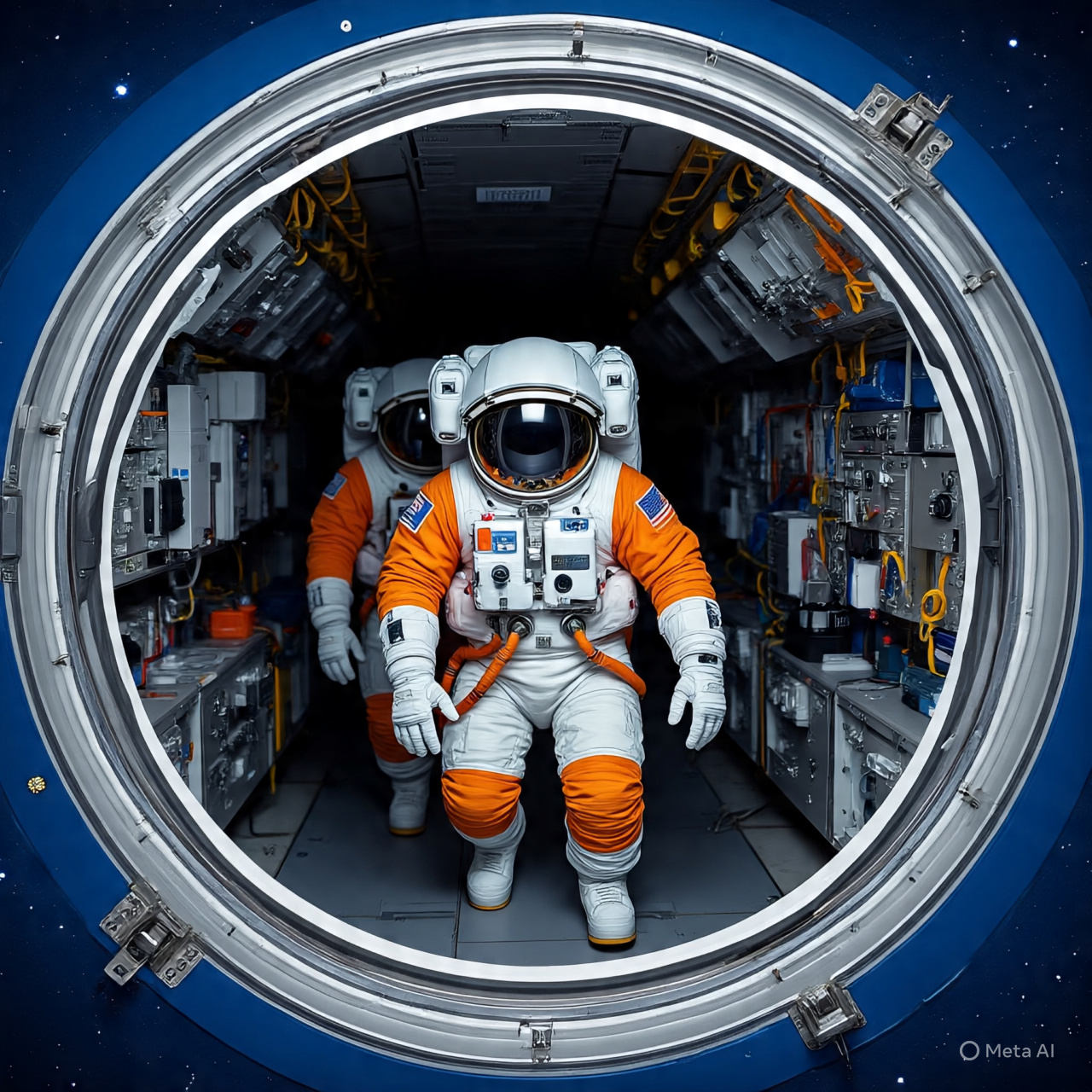
On February 14, 2026, SpaceX's Crew Dragon docked with the ISS, restoring its crew to seven astronauts after a month of reduced operations.
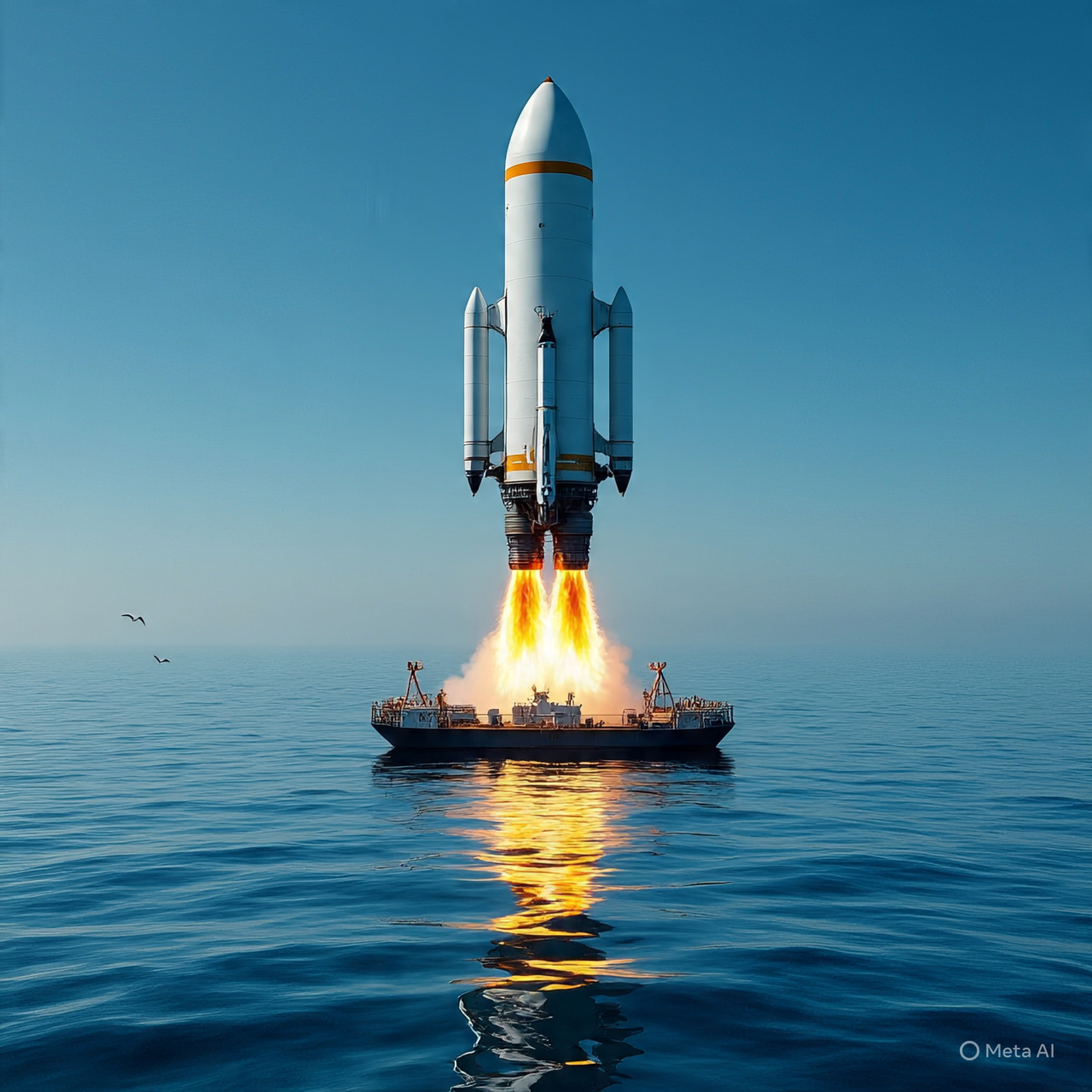
SpaceX successfully launched its 600th Falcon 9 rocket, deploying 24 Starlink satellites into orbit from Vandenberg Space Force Base, marking a significant milestone.
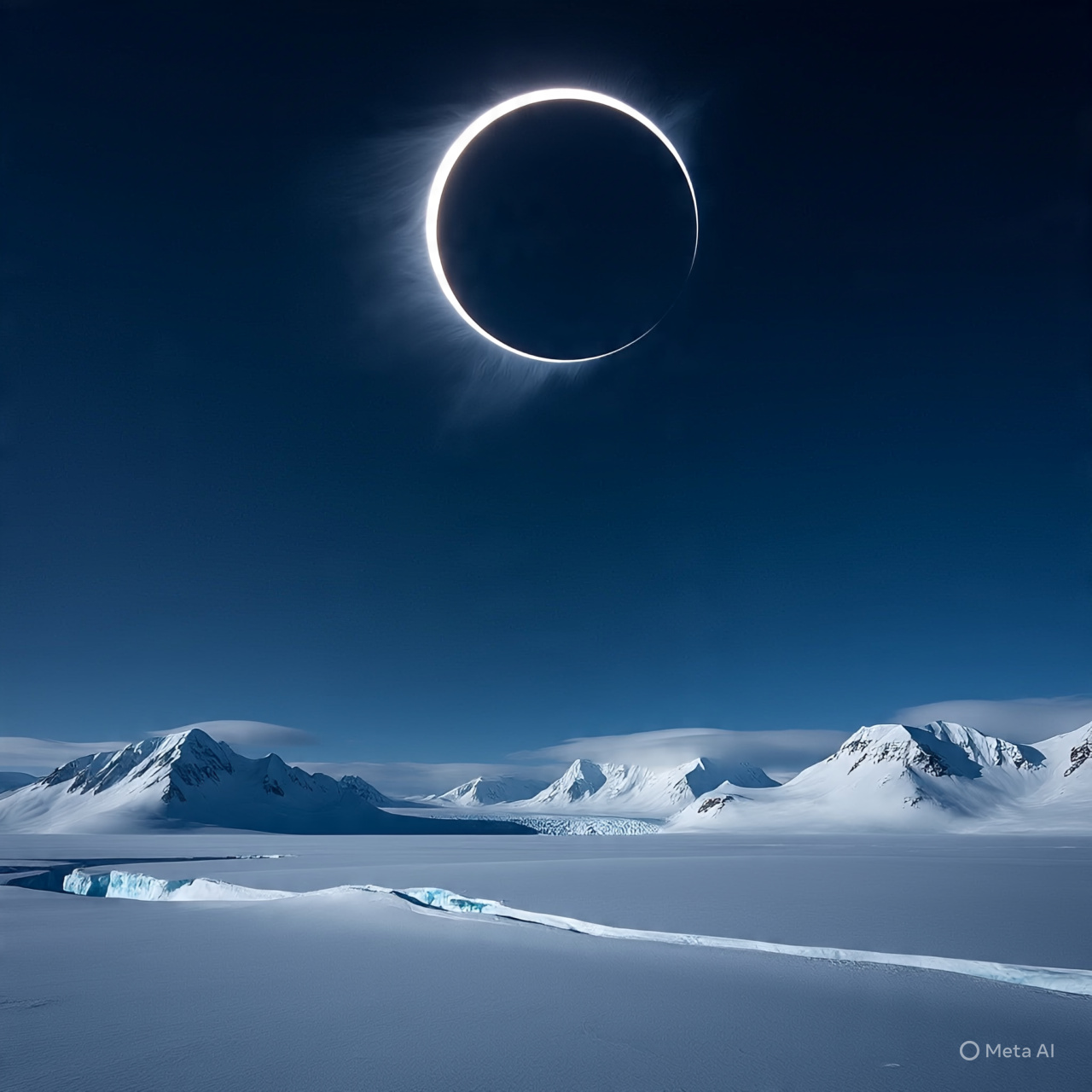
On February 17, 2026, Antarctica will experience a rare annular solar eclipse, creating a stunning 'ring of fire' visible to few observers.
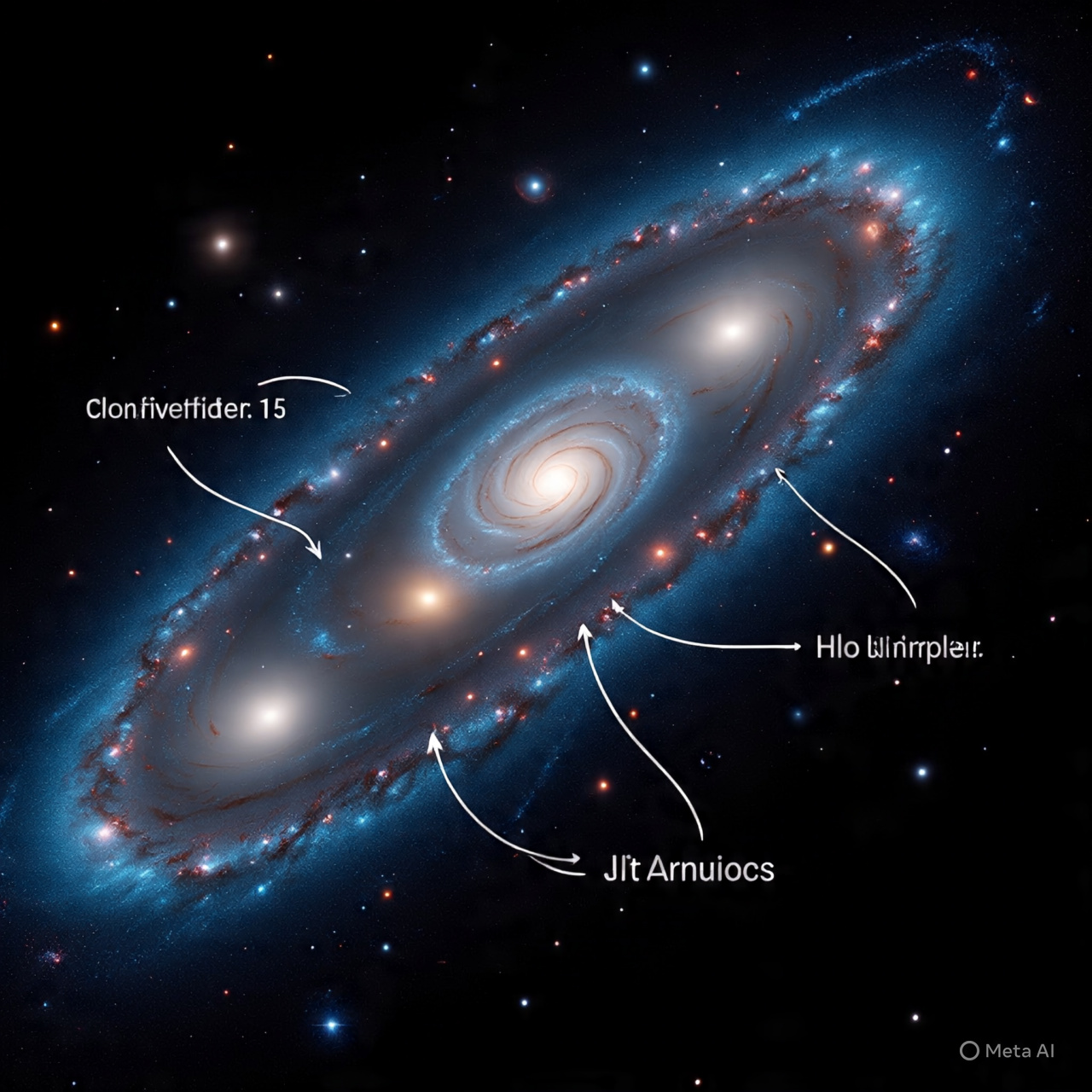
Astronomers reveal JADES-ID1, a distant galaxy cluster formed when the universe was just one billion years old, challenging existing cosmic formation models.
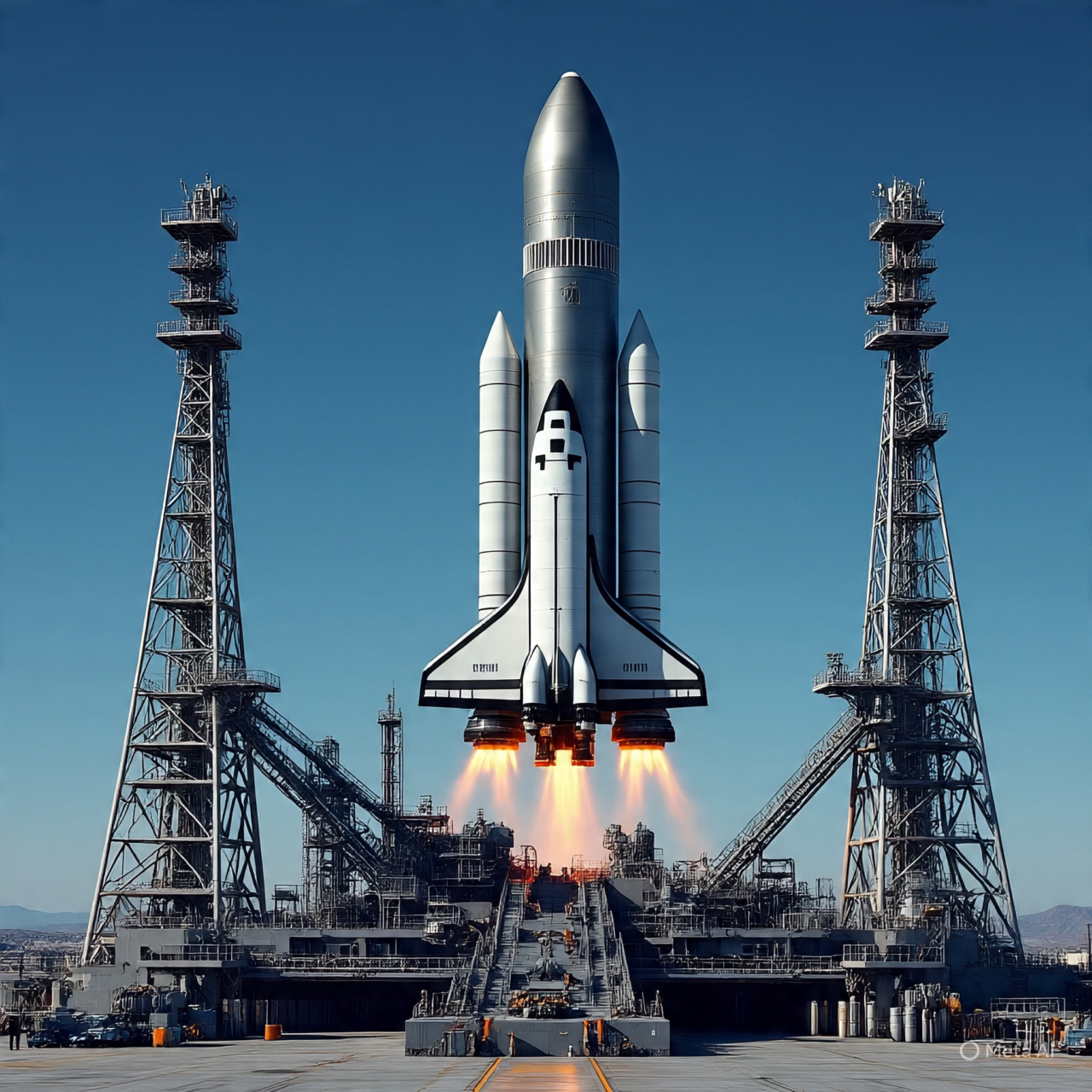
NASA's Artemis II mission encounters hydrogen leaks during pre-launch tests, delaying the launch originally scheduled for this month to March 2024.
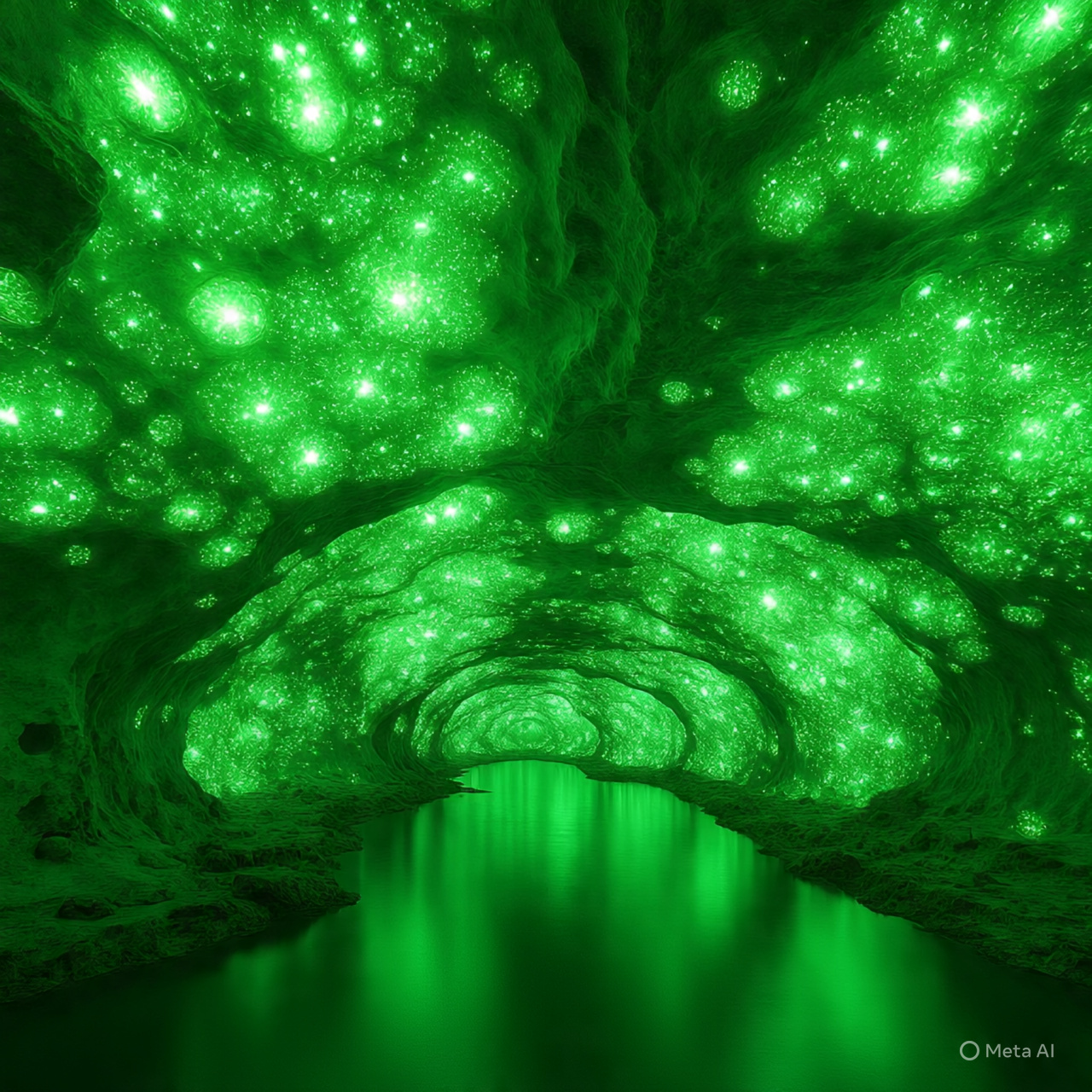
Researchers uncover ancient cyanobacteria in Carlsbad Caverns, revealing how life can thrive in extreme conditions using near-infrared light.

This Valentine's Day weekend, a G1-class geomagnetic storm could bring the aurora borealis to northern states, offering a stunning celestial display.
Explore Stephen Hawking's reflections on AI, technology, and humanity's future, blending caution with hope for a sustainable tomorrow.
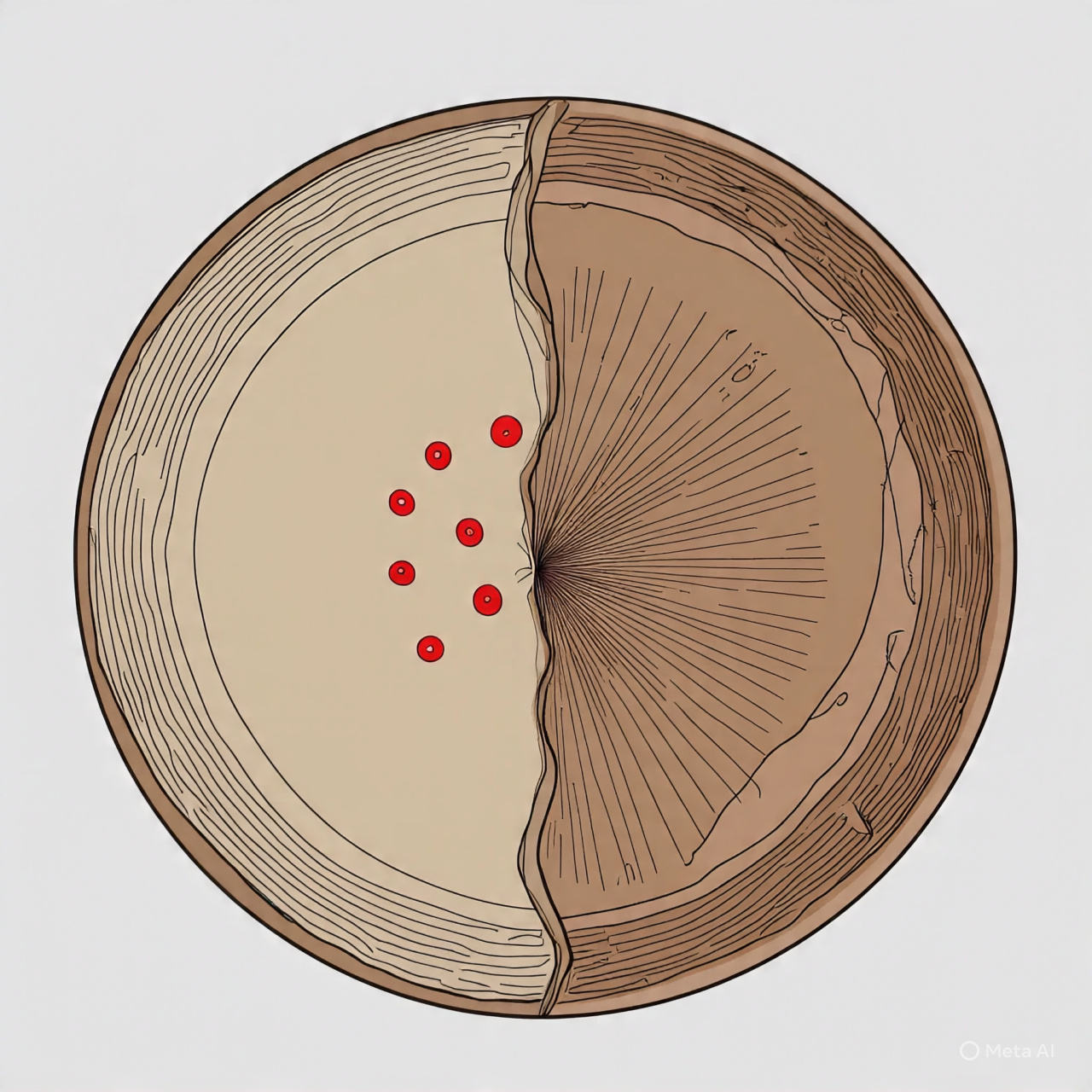
Recent research reveals new insights into deep earthquakes originating in Earth's mantle, reshaping our understanding of tectonic processes and seismic activity.
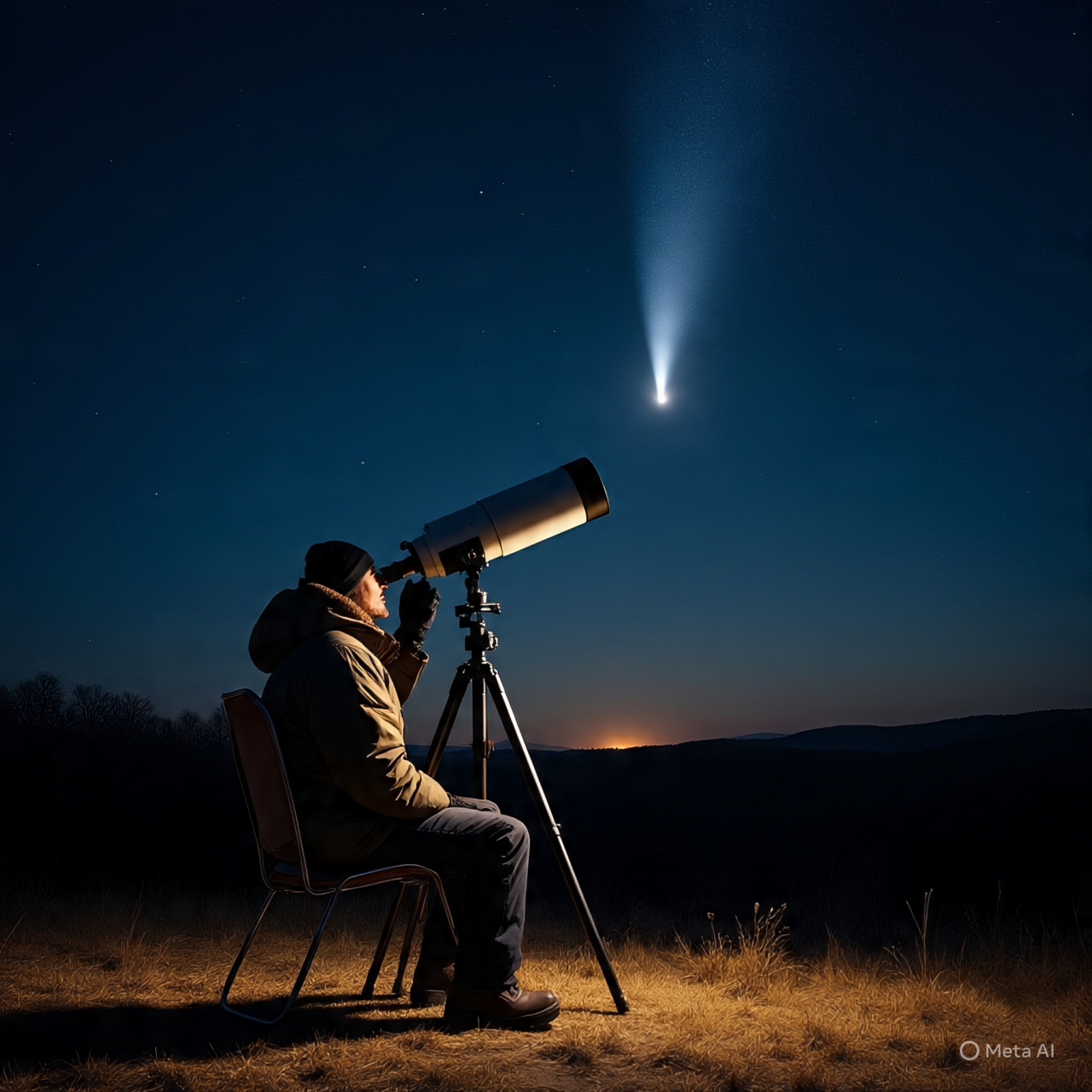
Comet C/2024 E1 emerges from the Oort Cloud, brightening as it approaches Mars and Earth, marking a unique passage through our solar system.
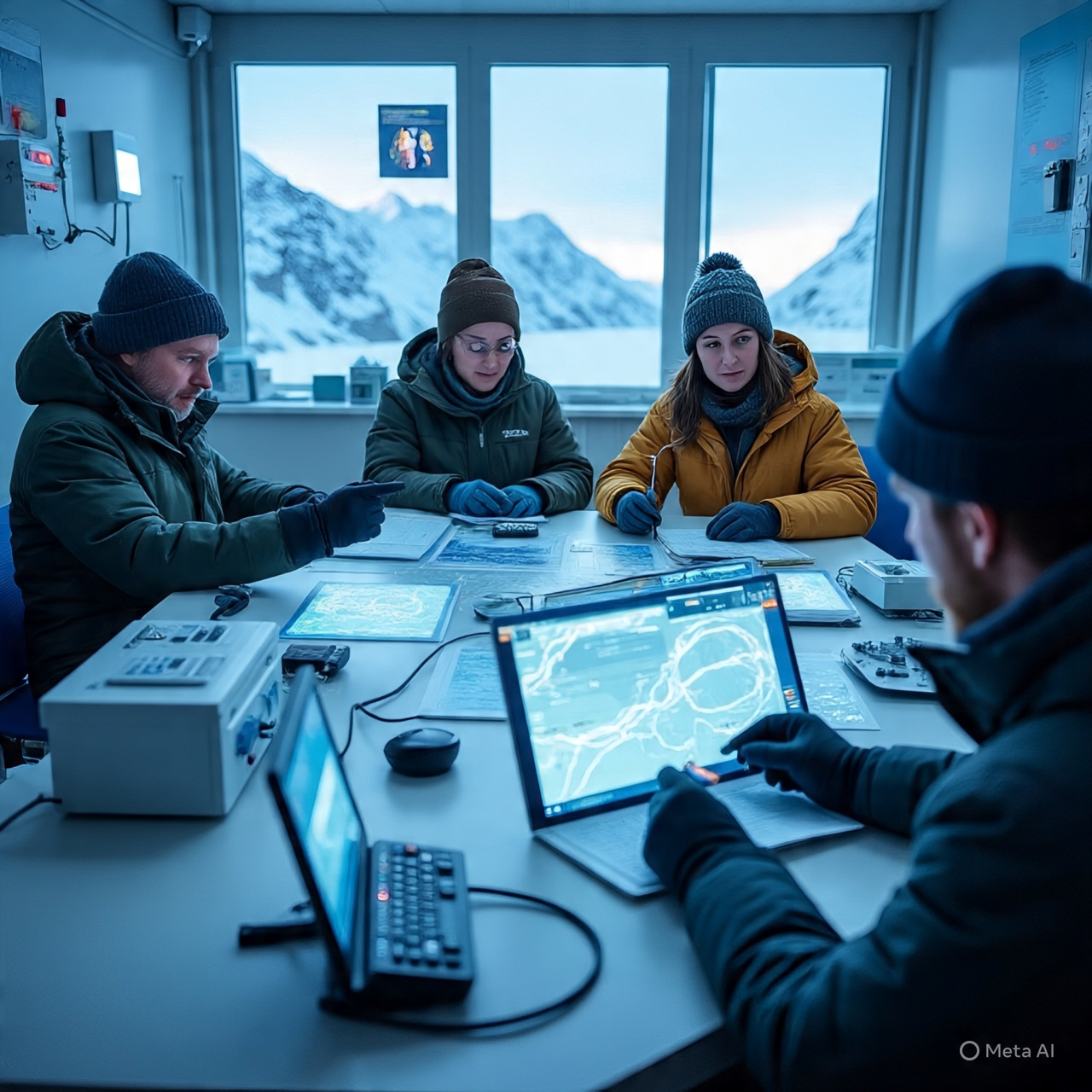
Scientists uncover a 34-million-year-old landscape beneath Antarctica's ice, revealing insights into Earth's prehistoric climate and ecosystems.
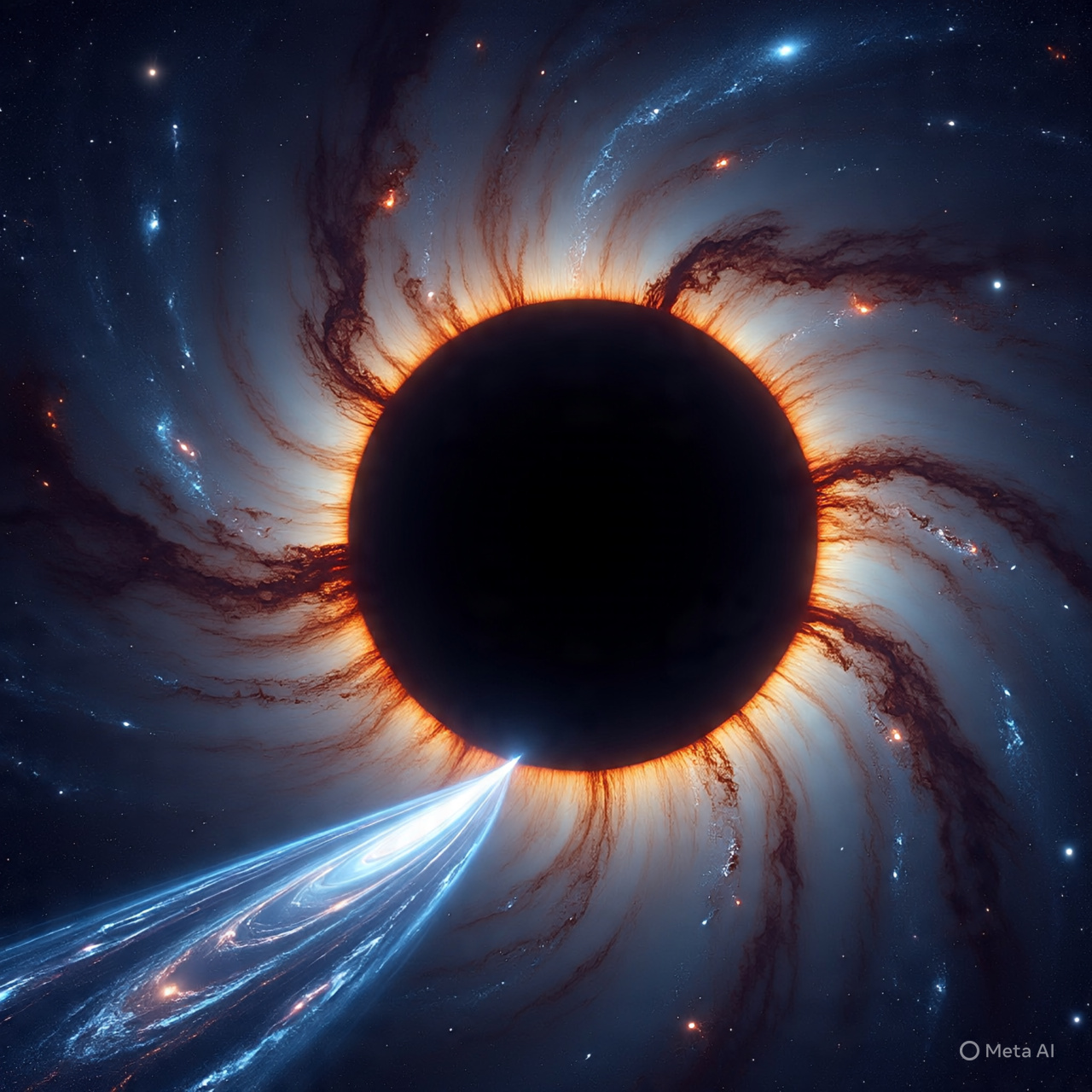
Astronomers track a star's final moments near a black hole, revealing a powerful energy output that challenges our understanding of cosmic phenomena.
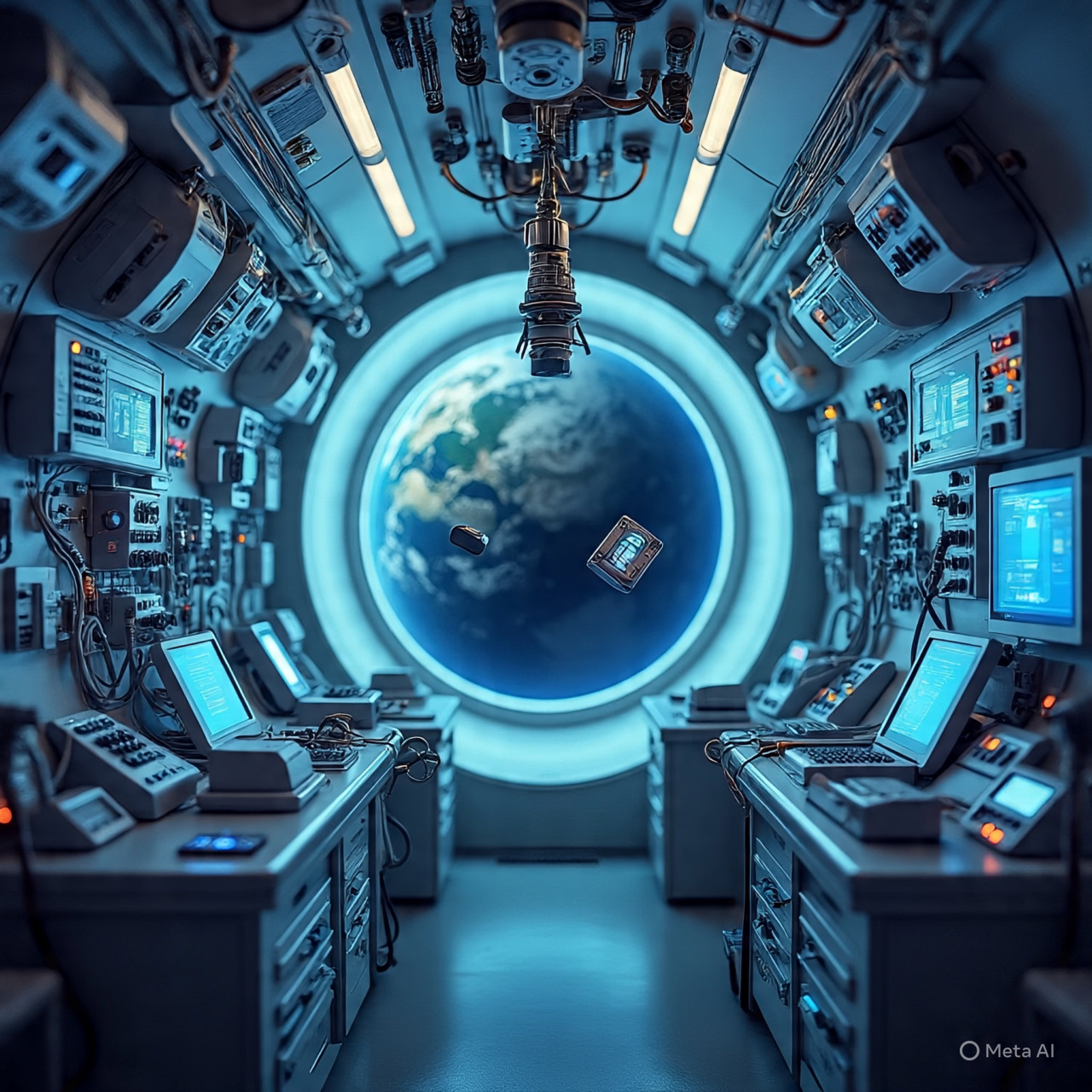
Investigating the potential for human reproduction in space, this article explores the challenges posed by microgravity and cosmic radiation on embryonic development.

UK railway stations are introducing bee hotels and bird boxes, creating vital habitats for pollinators amid urban development and enhancing biodiversity.

Researchers combine field notes and algorithms to predict scorpion risk, enhancing public health strategies and safety measures in vulnerable regions.
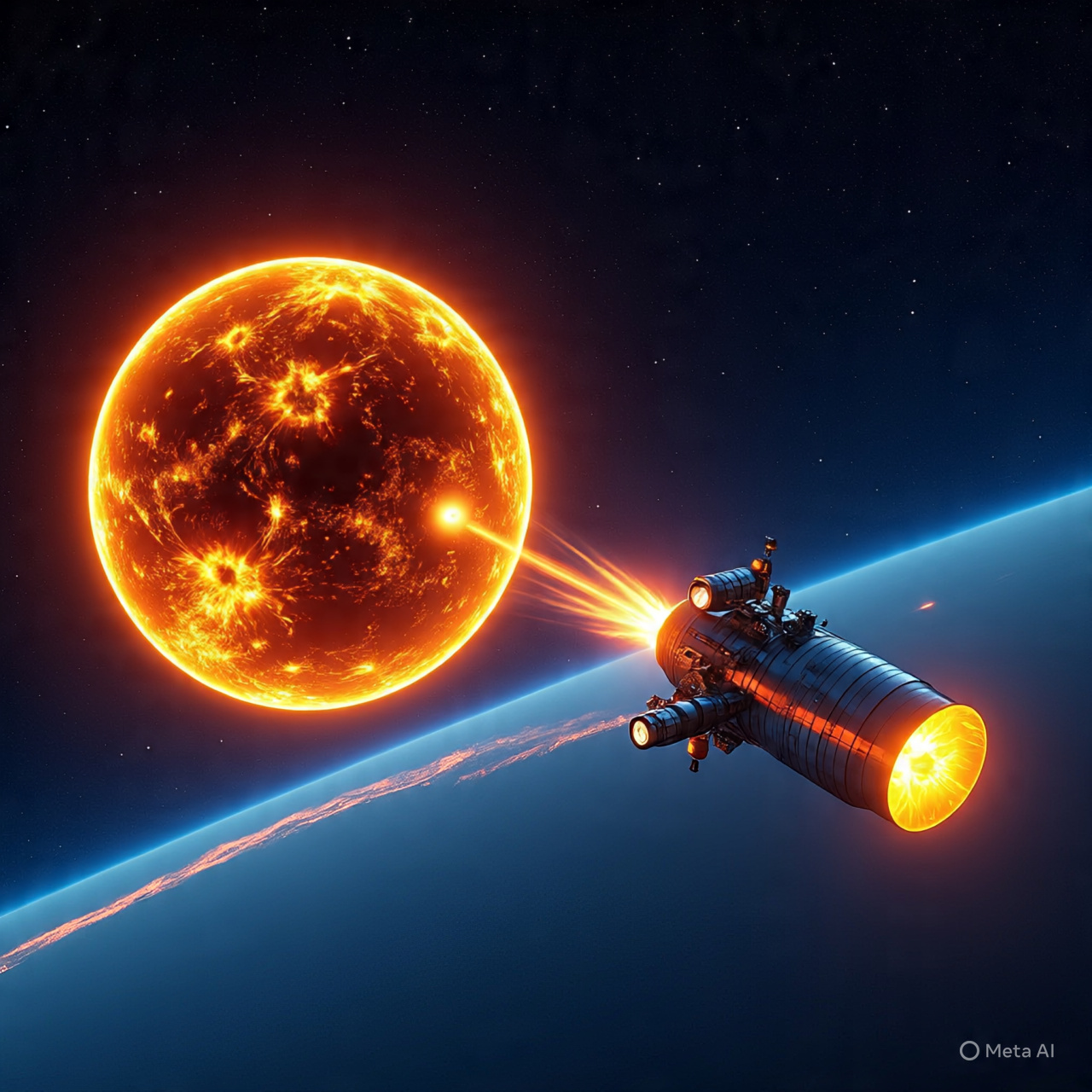
The Parker Solar Probe's mission reveals insights into the Sun's corona, addressing the century-old mystery of its extreme temperatures and solar activity.
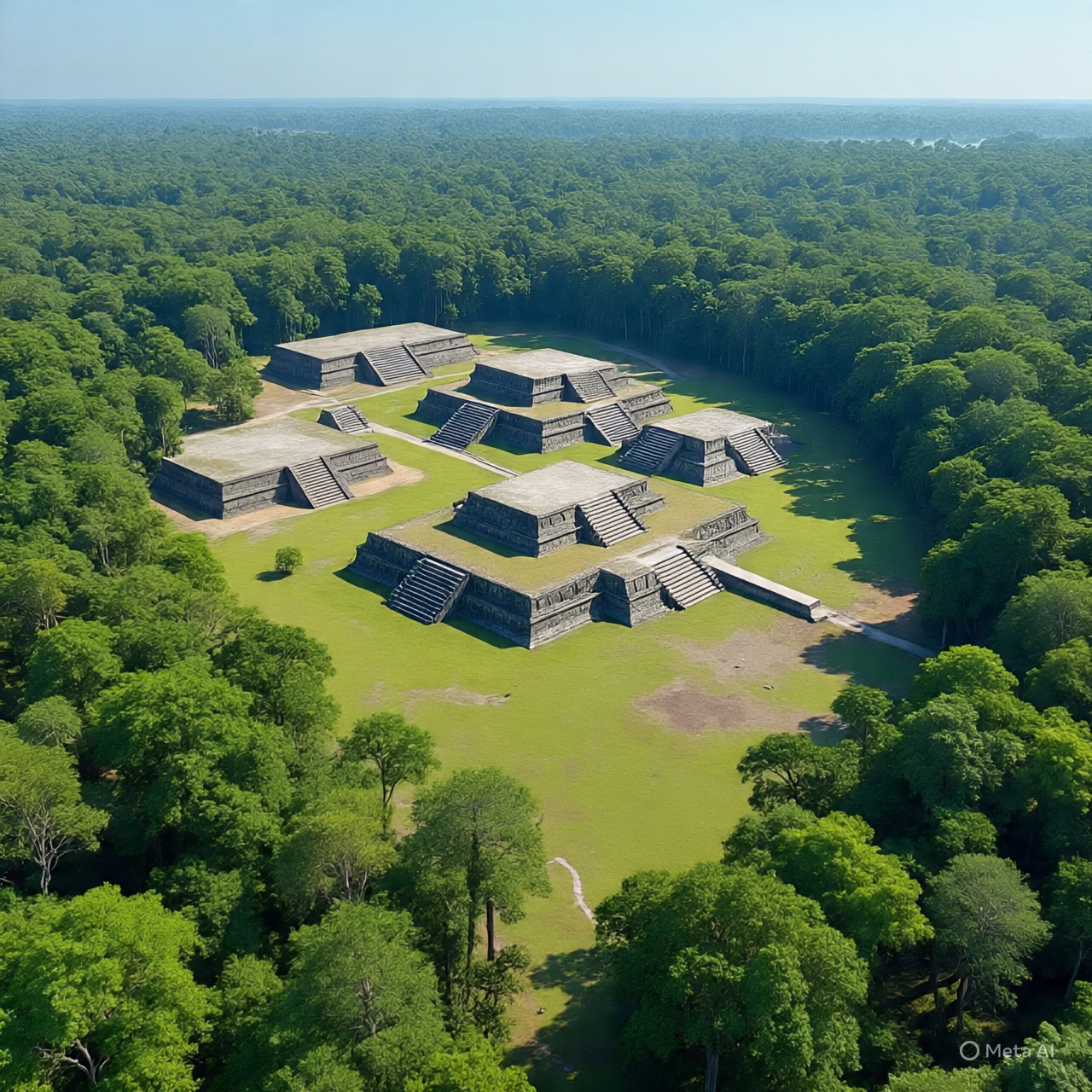
Recent archaeological findings using LiDAR technology reveal new insights into the ancient Maya civilization, challenging long-held beliefs about their collapse and cultural continuity.
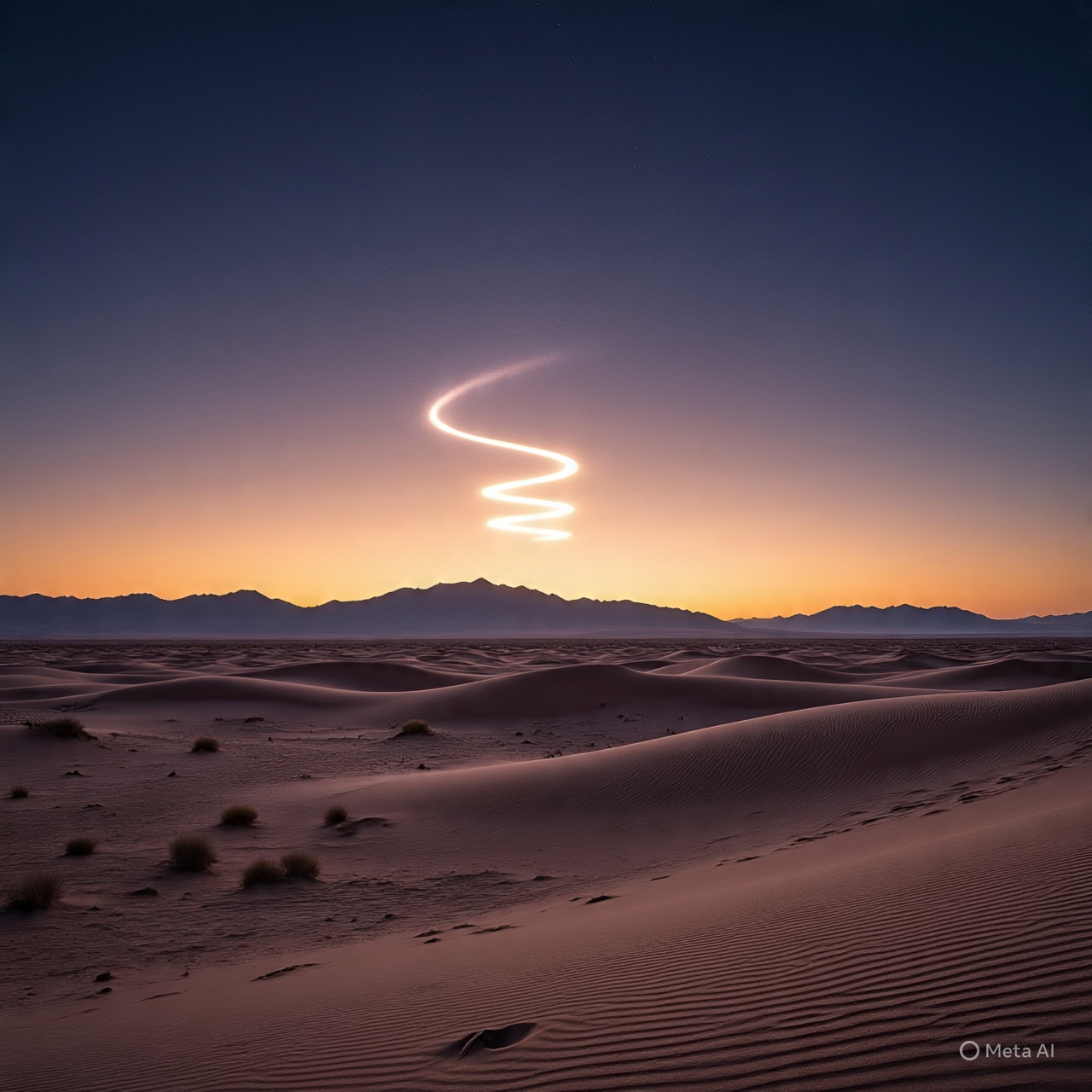
Witness the breathtaking spiral of light from the recent SpaceX Falcon 9 launch in California, captivating observers and igniting community wonder.
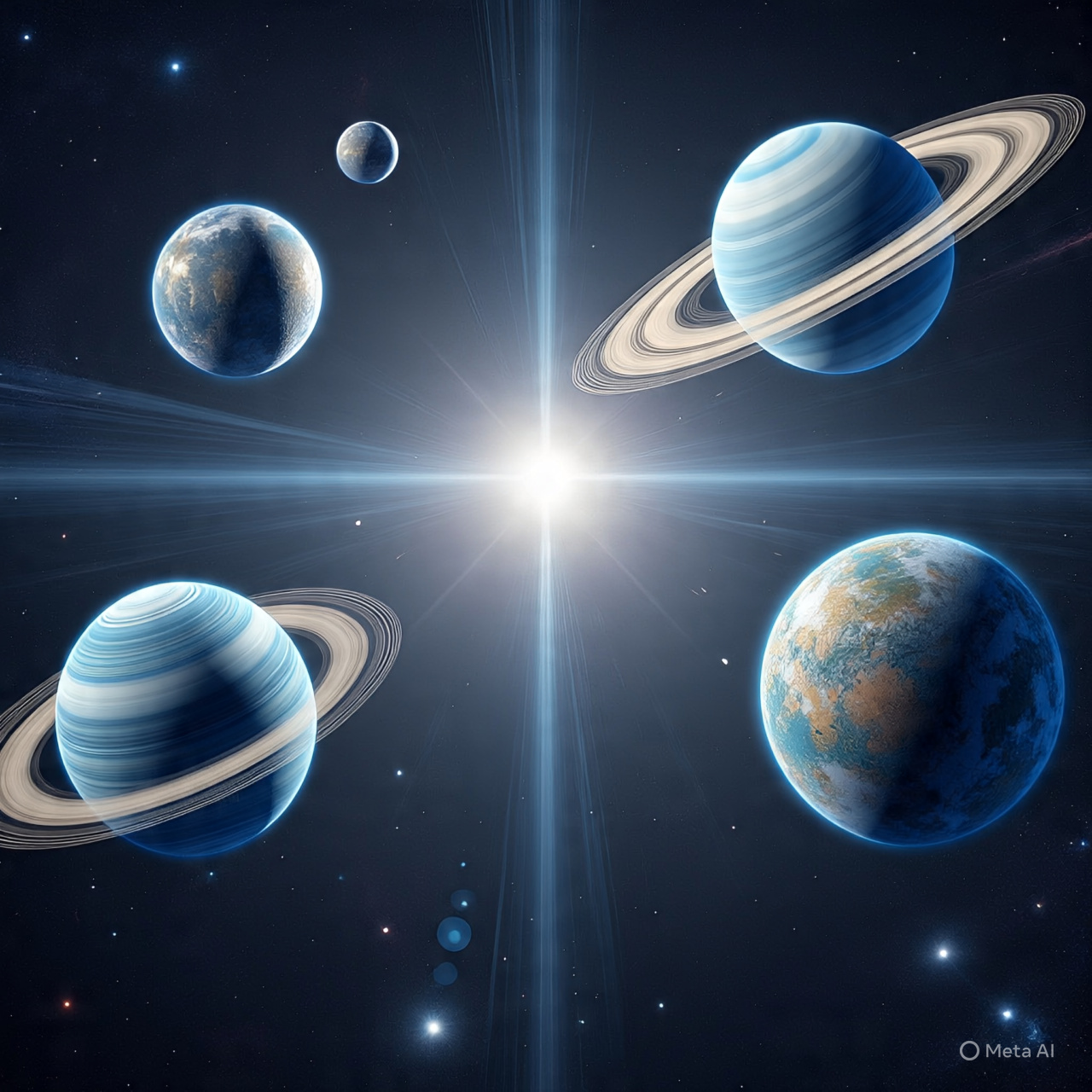
A newly found star system defies expectations: gas giants orbit closer to their star than a rocky world farther out, prompting scientists to rethink standard planet formation models.
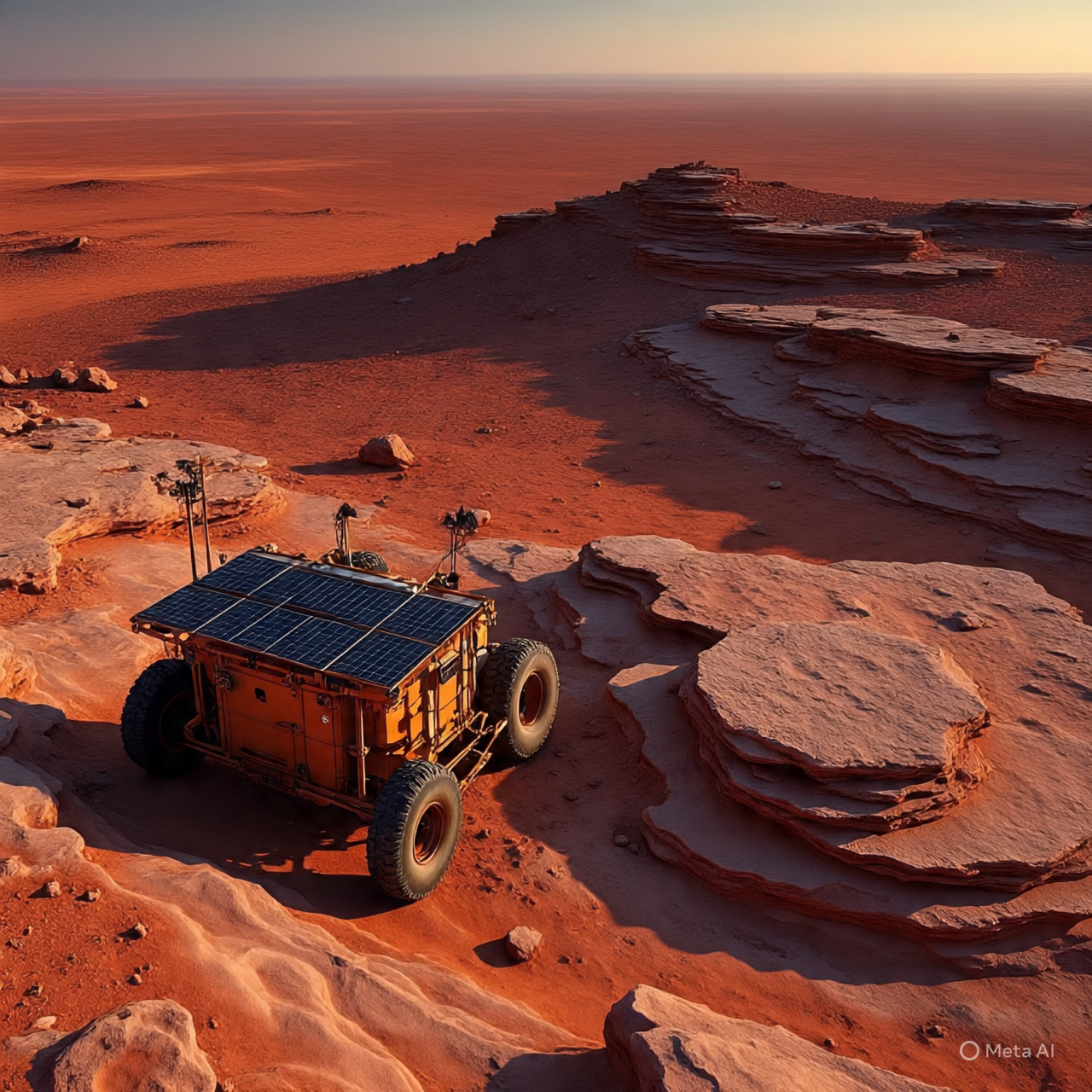
NASA's Mars rovers reveal intriguing organic molecules, hinting at the possibility of ancient life on the Red Planet. Discover the latest findings.
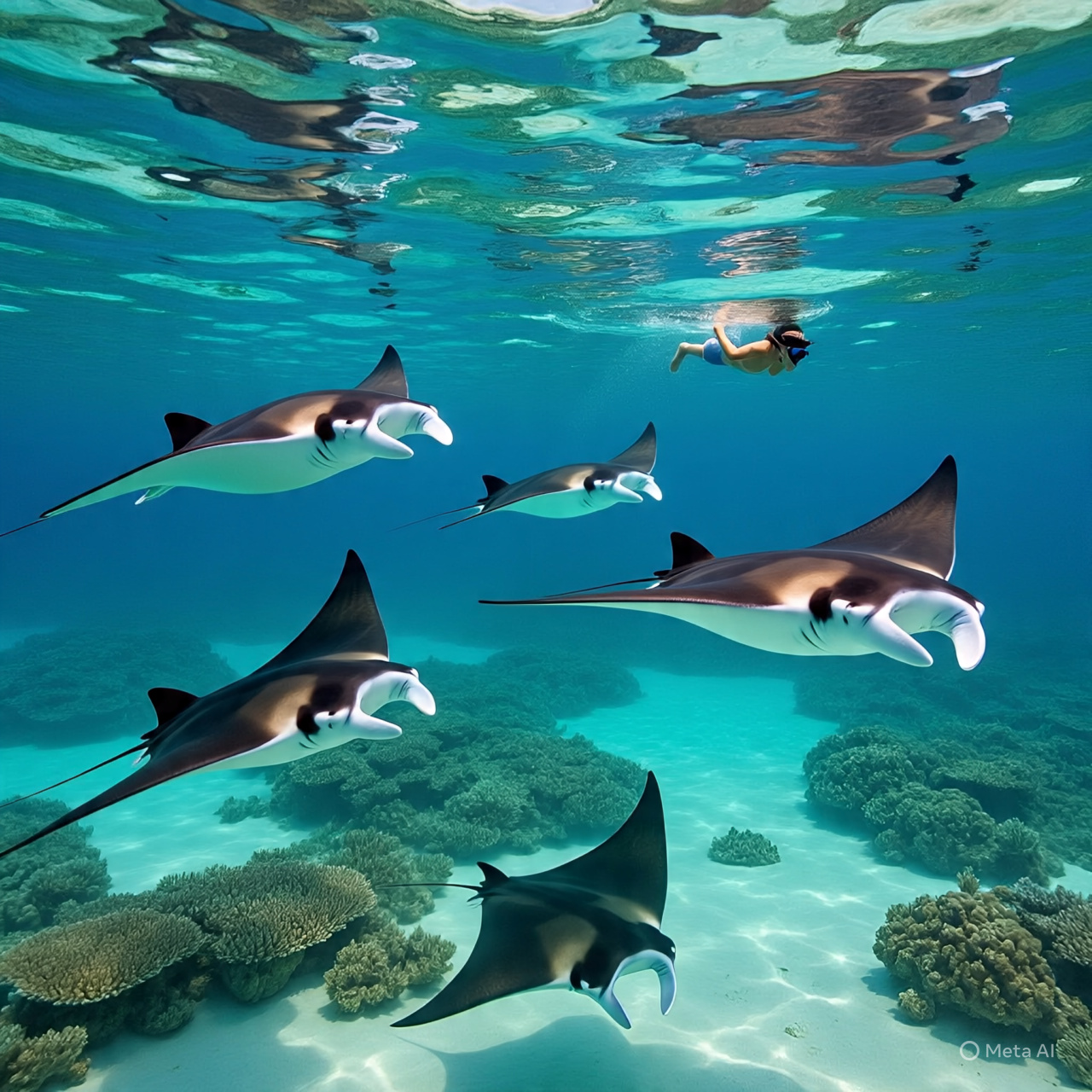
Discover the serene beauty of swimming with manta rays, their graceful movements, and the importance of marine conservation in popular diving destinations.
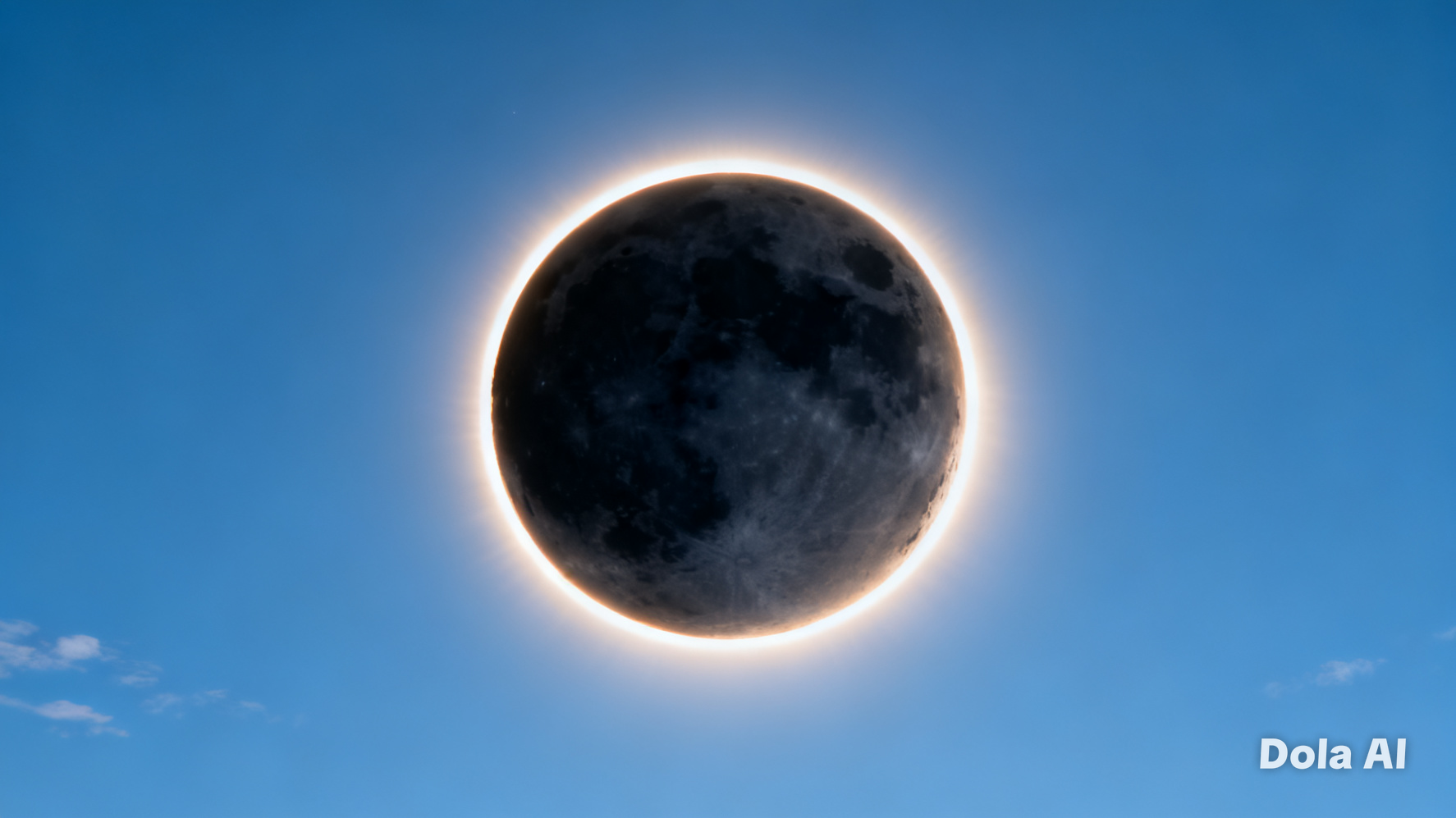
On February 17, 2026, a solar eclipse will occur, offering partial views in Indonesia. Learn about visibility, safety tips, and celestial significance.
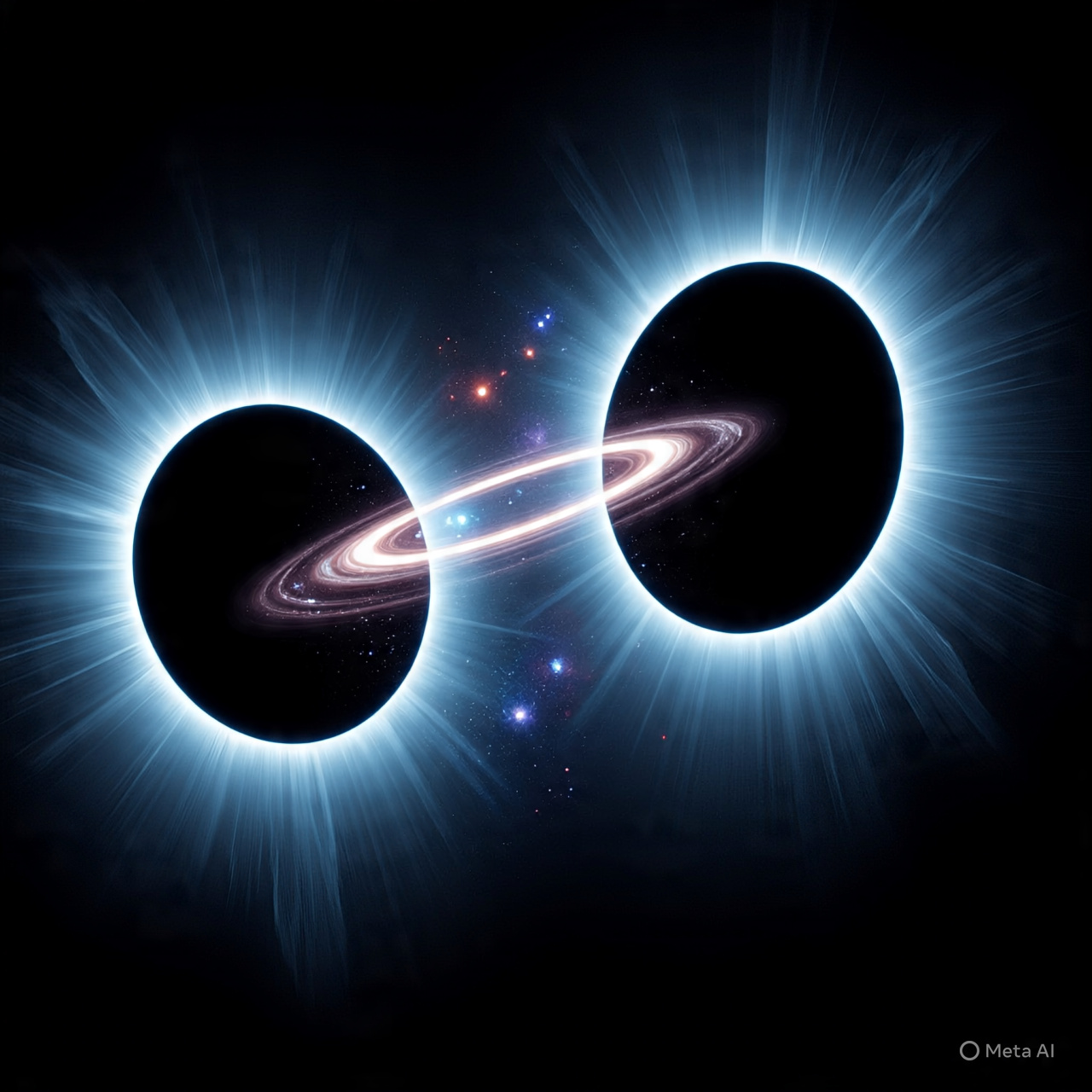
Researchers propose a novel technique to detect supermassive black hole binaries through gravitational lensing, enhancing our understanding of the universe.