The morning sky carries a quiet promise, a gentle gradient of blue fading toward the unseen curvature of Earth. In boardrooms and labs far below, engineers and dreamers watch that sky as though reading a tide — not of water, but of possibility. There is a kind of threshold in the air these days: not a thunderstorm or a gale, but the soft building of momentum, a blending of ambition and patience. From this cusp of quiet motion comes the news that a private voyage — one not born in government halls but in commercial halls — may soon brush the rim of the world’s premier orbiting laboratory.
NASA has selected Vast for a private astronaut mission to visit the International Space Station no earlier than the summer of 2027. This mission — the sixth in a series of NASA’s private astronaut flights to the orbiting outpost — is expected to bring a crew of up to four aboard for a stint of roughly two weeks.
For NASA, this selection is more than a scheduling detail; it is part of a broader narrative unfolding in low Earth orbit, where the venerable space station now plays both host and mentor. Since the early 2020s, NASA has been nurturing an emerging ecosystem of commercial partners capable of expanding humanity’s reach beyond traditional government programs. By opening its doors to companies such as Vast, the agency encourages new entrants, new ideas, and new approaches to life among the stars — even as discussions continue about the station’s eventual retirement and the next generation of orbital habitats.
The crew destined for this private mission will train alongside NASA’s seasoned professionals and international partners, learning not only the technical demands of life in microgravity but also the rhythms of shared endeavor. Transportation to and from orbit will be provided by a Crew Dragon spacecraft, reflecting the collaborative nature of this moment in spaceflight history — a moment where public and private, astronaut and engineer, mission planner and researcher all interlace.
For Vast, the journey is both symbolic and practical. The company, founded with an eye toward building its own commercial space stations and fostering a broad orbital economy, has been progressing steadily toward deploying its first independent habitat in orbit. These early private astronaut missions allow newer entrants to gain operational experience, refine procedures, and deepen partnerships that may one day support broader human presence off Earth.
In calmer news language: NASA has selected Vast for the sixth private astronaut mission to the International Space Station, scheduled to launch no earlier than summer 2027. The mission will last up to 14 days with a crew of four. Vast and its crew will train with NASA and international partners and launch aboard a SpaceX Crew Dragon spacecraft. This step underscores NASA’s broader strategy of developing commercial capabilities and expanding access to orbital research platforms as the space station’s eventual retirement draws nearer.
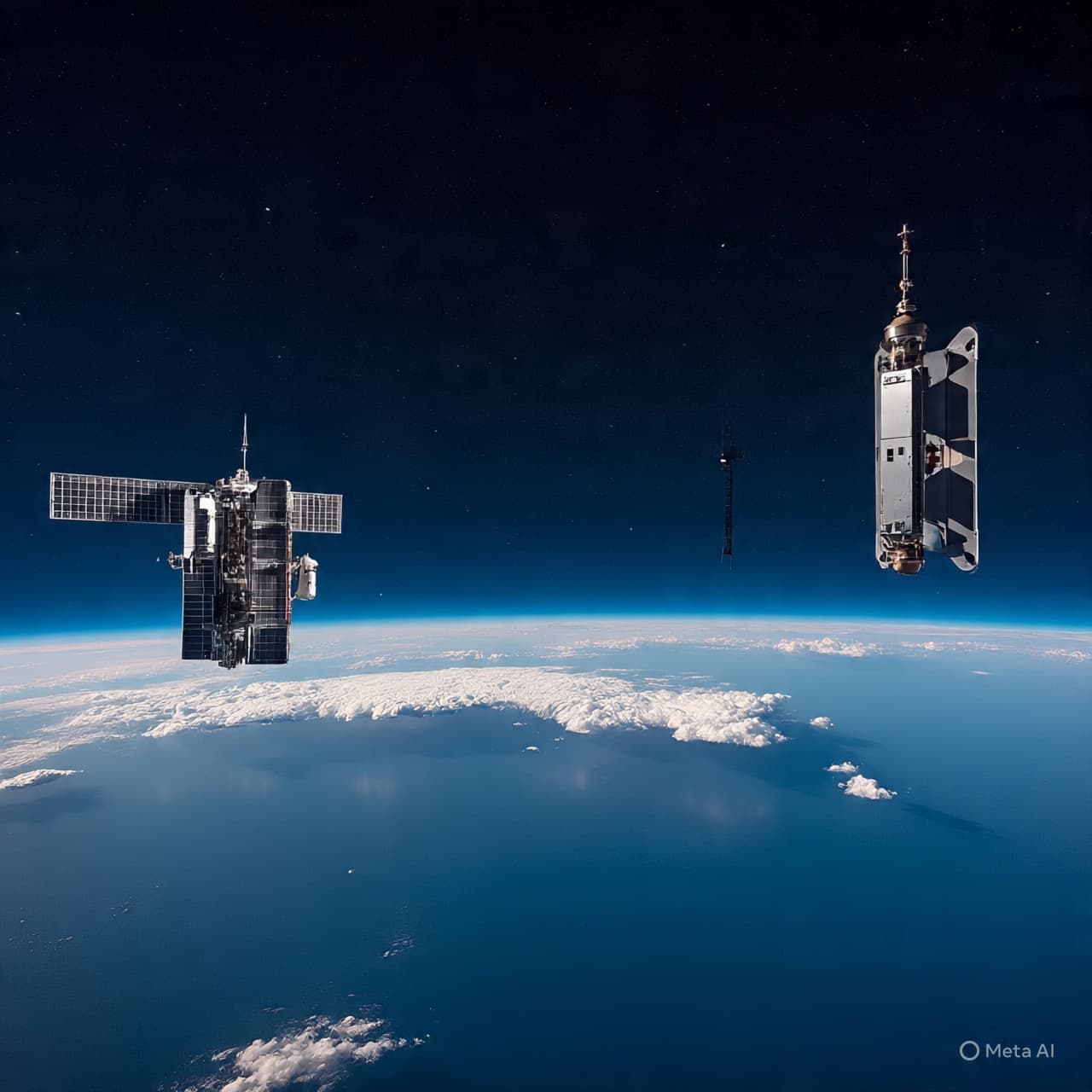
AI Image Disclaimer Illustrations were created using AI tools and serve as conceptual representations.
Sources (Media Names Only) NASA Payload Aviation Week Space.com Singularity Hub
Published by Banx Network. This article is part of the Banx decentralized media programme, powered by the BXE token on the XRP Ledger.