
Key Highlights
- Emissions in the EU rose by 1.1% in Q3 2025 compared to the previous year.
- Economic activity in sectors like industry and transport contributed to the increase.
- Policymakers emphasize the need for ongoing investment in renewable energy.
In the third quarter of 2025, Europe faced a pivotal moment in its climate journey as greenhouse gas emissions edged upward by 1.1% compared to the same period the previous year. This increase, while modest, marks a significant shift after several quarters of stabilization and slight declines, prompting renewed discussions among policymakers and analysts about the trajectory of the EU's climate strategy.
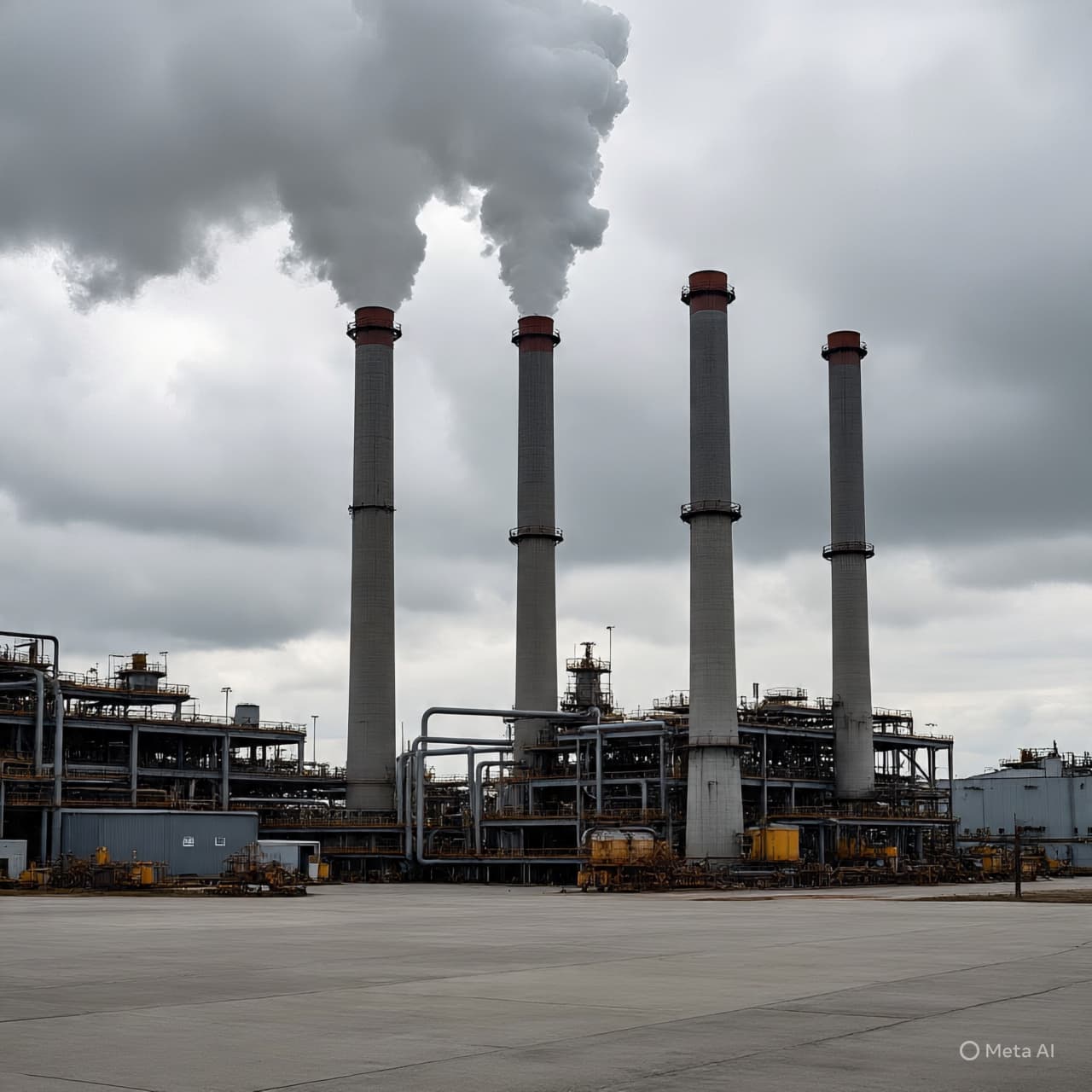
The rise in emissions can be attributed to a combination of factors, including a resurgence in economic activity across various sectors such as industry, transport, and energy use. As manufacturing demand began to recover unevenly across member states, fossil-fuel-based power generation saw a temporary uptick, particularly in regions where renewable energy output was affected by fluctuating weather patterns. This nuanced interplay of economic and environmental factors serves as a reminder that progress in climate policy is rarely linear.
For much of the past decade, Europe has operated under the premise that emissions could decline even as economies grow. This assumption has been bolstered by advancements in energy efficiency, the transition to cleaner energy sources, and robust regulatory frameworks. However, the latest data underscores the sensitivity of emissions to short-term economic fluctuations and environmental conditions, challenging the notion of a straightforward path to sustainability.
In response to the data, officials and analysts have adopted a measured tone, interpreting the increase not as a failure of policy but as a call to action. The focus remains on accelerating investments in renewable energy, enhancing carbon pricing mechanisms, and supporting industries through necessary transitions. These discussions are critical as Europe navigates the complexities of balancing economic growth with environmental responsibility.
As the year progresses, the narrative surrounding Europe’s climate accounting continues to evolve. The recent rise in emissions serves as a reminder that achieving climate goals requires ongoing vigilance, adaptability, and a commitment to long-term strategies. The figures are now part of the public discourse, setting the stage for future developments in the EU's climate agenda.
The interplay between growth and green initiatives will remain a central theme as Europe seeks to reconcile its economic ambitions with its environmental commitments. Policymakers are tasked with ensuring that the path forward is not only sustainable but also equitable, fostering a transition that benefits all member states.
Published by Banx Network. This article is part of the Banx decentralized media programme, powered by the BXE token on the XRP Ledger.



