There are moments in science when the universe seems to lean closer, as if lowering its voice to share a secret. For a century, the cosmos has whispered through equations—curves and symbols penned by a thoughtful mind in 1915. Those equations, born from the imagination of Albert Einstein, suggested that space itself could ripple, bend, and tremble. For decades, the idea felt almost poetic, like a message written in invisible ink across the night sky.
Now, that message has grown louder.
Scientists have recorded what is described as the most powerful gravitational wave ever detected, a deep tremor in the fabric of space-time. Gravitational waves—first directly observed in 2015 by the LIGO collaboration—are produced when massive cosmic bodies, such as black holes, collide and merge. When these titanic forces meet, they release energy so immense that it radiates outward, stretching and compressing space itself in faint but measurable pulses.
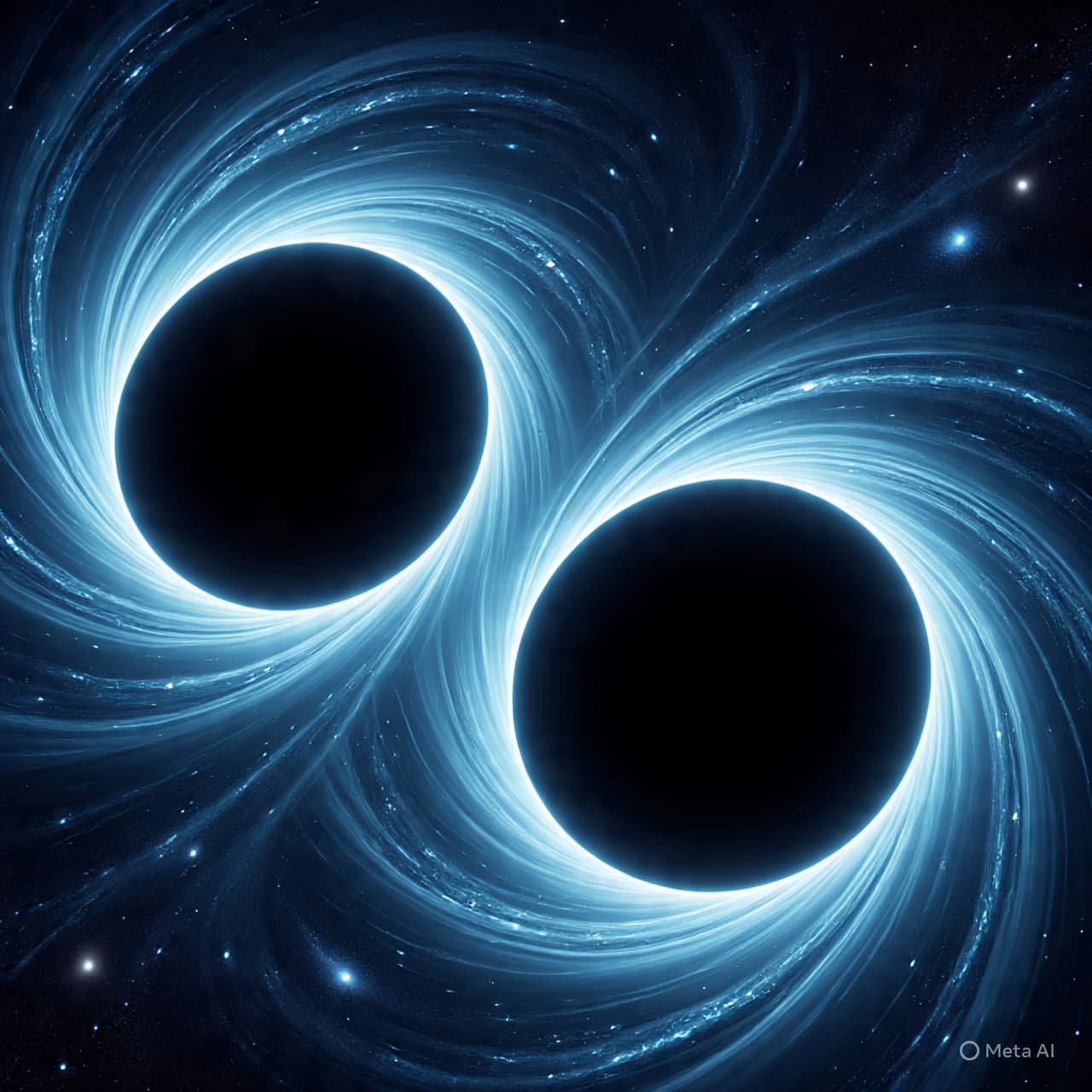
This latest detection stands apart for its intensity. Researchers believe it likely originated from the merger of two extraordinarily massive black holes, far heavier than those previously recorded. The signal traveled billions of years before brushing past Earth, where ultra-sensitive instruments captured its passing ripple. In doing so, they not only registered a cosmic event of staggering scale, but also reinforced the mathematical framework Einstein laid out more than a century ago in his theory of general relativity.
The idea that space can curve and time can slow is no longer confined to textbooks. It is something we can measure. The instruments involved—capable of detecting distortions smaller than the width of a proton—function like patient listeners, tuned to the faintest vibrations of the universe. And when the signal arrived, it did not shout in sound but appeared as a delicate shift in laser beams, a subtle pattern etched into data.
Each detection adds clarity to a larger portrait. Scientists study these waves not only to confirm theory, but to understand how black holes form, grow, and evolve. The newly recorded event suggests that some black holes may reach sizes once thought improbable, challenging existing models of stellar evolution. In that sense, confirmation and curiosity move hand in hand: while Einstein’s predictions stand firm, the universe continues to surprise.
There is something humbling in this process. The signal that scientists decoded this year began its journey long before human civilization. It traveled across expanding space, past galaxies and clusters, indifferent to whether anyone would be there to hear it. Yet here we are—tiny, earthbound observers—capable of noticing the faint tremble of distant cataclysms.
This is the quiet triumph of modern astrophysics. Not a conquest, but a conversation. Not a declaration of certainty, but an unfolding dialogue between theory and observation.
The loudest gravitational wave ever recorded does not overturn Einstein’s century-old insight. Instead, it strengthens it. The equations remain intact, still describing the cosmos with astonishing accuracy. And yet, each new detection feels less like a repetition and more like an invitation—to keep listening, to keep refining, to keep wondering.
In the vast silence of space, even the strongest ripple is still a whisper. But it is a whisper that reminds us that the universe is dynamic, restless, and deeply interconnected. And that sometimes, ideas written in ink can echo across a hundred years—and across billions of light-years—before revealing their full resonance.
AI Image Disclaimer
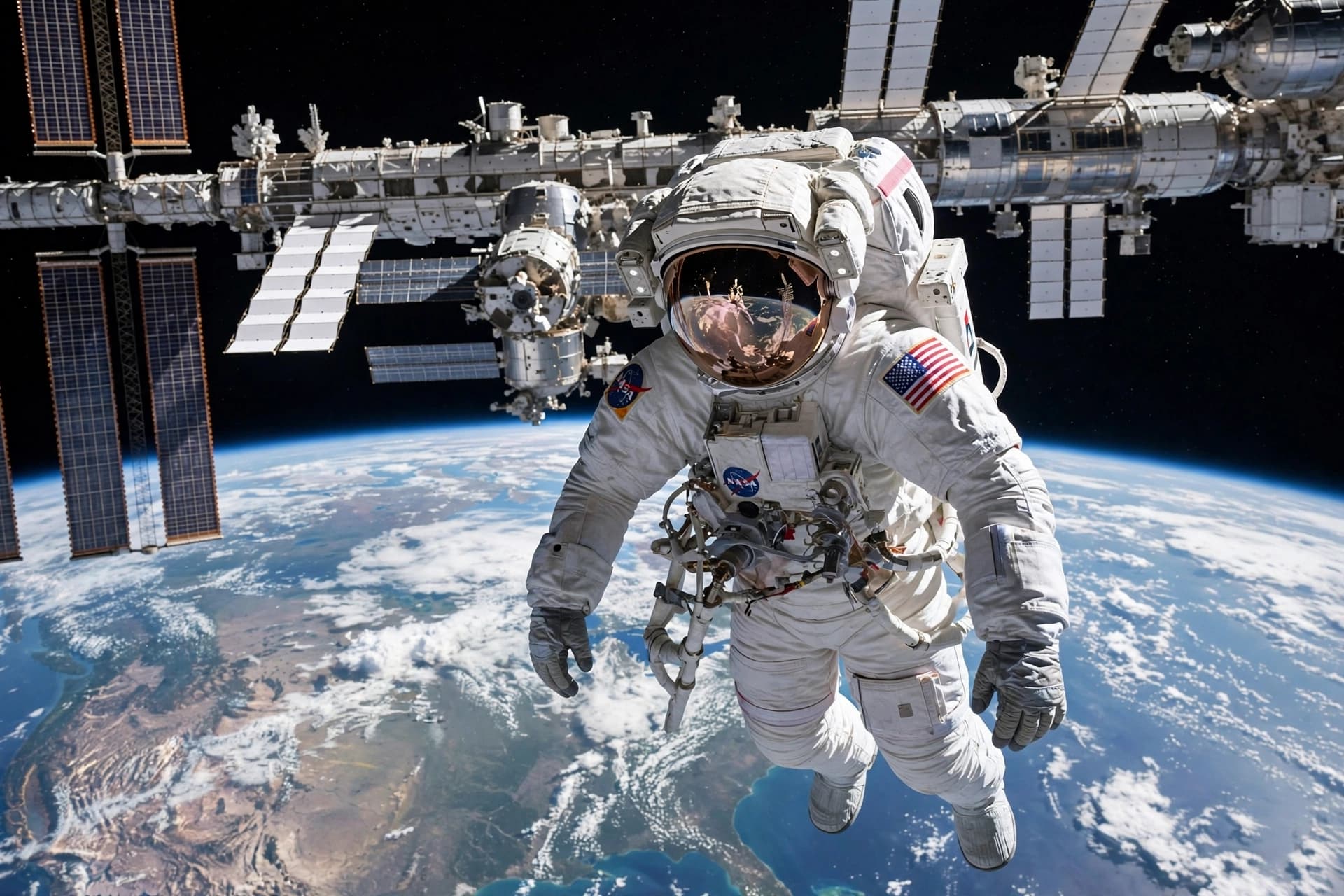
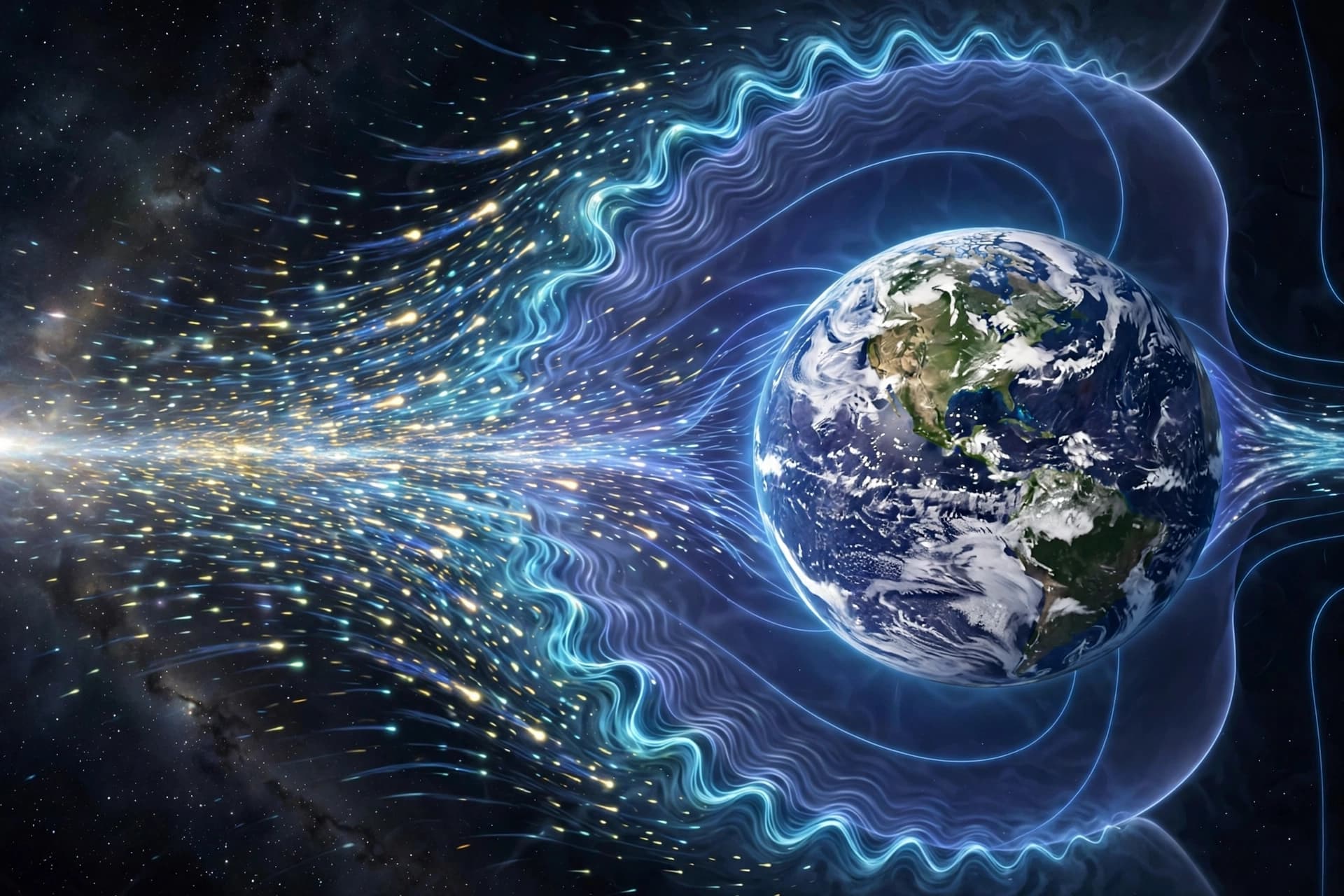
Illustrations were produced with AI and serve as conceptual depictions.
Source Check
Credible mainstream and science-focused sources covering this development include:
1. BBC 2. The Guardian 3. Reuters 4. The New York Times 5. Nature
Published by Banx Network. This article is part of the Banx decentralized media programme, powered by the BXE token on the XRP Ledger.