Beyond the Flag: The Real Mission on Mars
Human missions to Mars will prioritize searching for signs of life and conducting geological research, potentially solving the mystery of whether life exists beyond Earth.

Human missions to Mars will prioritize searching for signs of life and conducting geological research, potentially solving the mystery of whether life exists beyond Earth.

The "Hobbit" species Homo floresiensis likely vanished from Indonesia due to a long drought that destroyed their forest habitat and food supply.

Fast charging causes slightly more battery degradation due to heat, but modern safeguards minimize the risk, making it safe for most users despite minor long-term impacts.

A deep-sea robot in the Atlantic’s Doldrums discovered new hydrothermal vents and massive giant amphipods, stunning scientists with the region’s unexpected biodiversity.

Critics warn that a Trump administration proposal to let political appointees review grants could undermine scientific merit and peer review in federal funding.

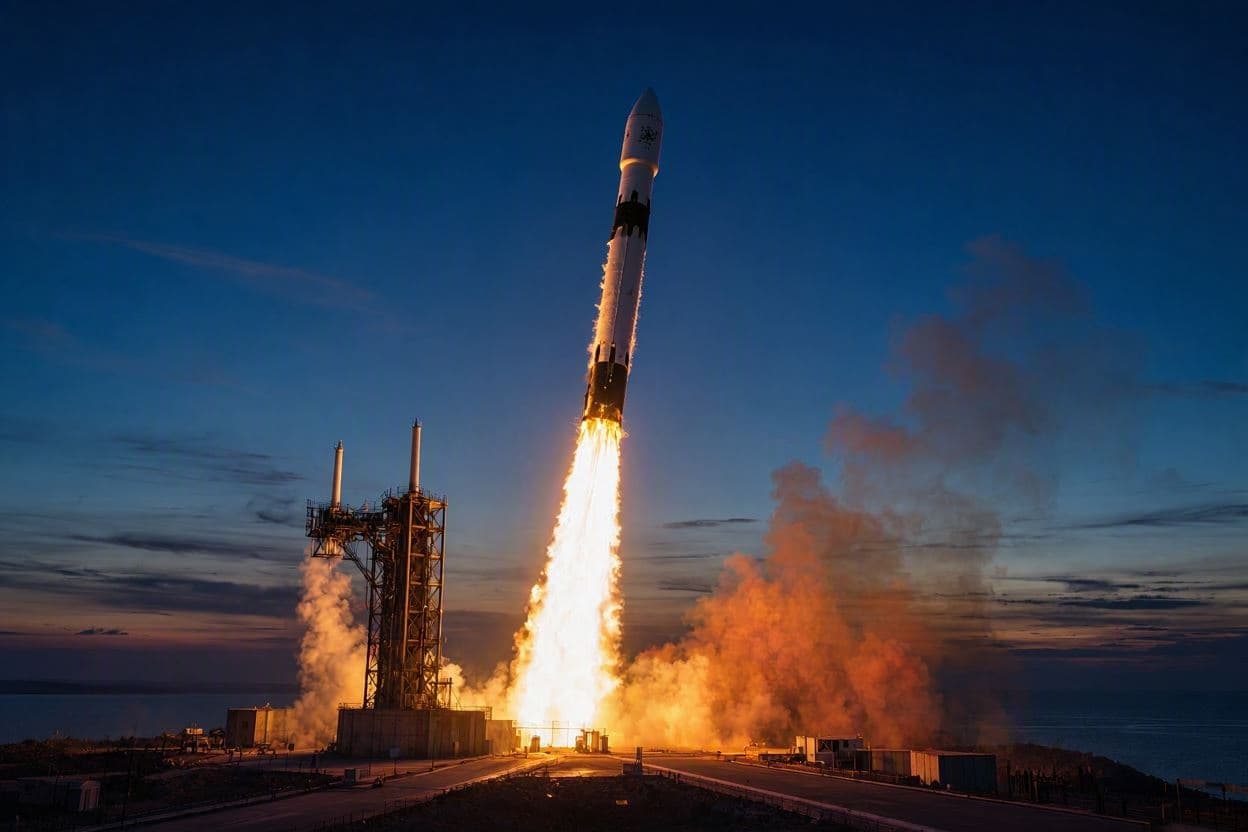
China successfully retrieved a reusable rocket booster in a suborbital test, marking a major breakthrough in cost-effective space launch technology.

The Rubin Observatory released initial findings showing thousands of new celestial objects, aiding planetary defense and cosmic research, per NSF/NOIRLab.

Australian scientists discovered new marine species in the Southern Ocean's deep waters, underscoring the need for conservation and offering insights into climate resilience

NASA released new research on solar activity and space weather, enhancing predictions for solar storms to protect technology and space missions.

CSIRO scientists are developing efficient solar panel recycling tech, backed by a $24.7M pilot program to handle growing PV waste and boost sustainability.

A heat dome is set to topple temperature records in the drought-stricken Plains and Western states, increasing wildfire risks and straining energy resources.

Researchers have identified the mechanism behind short circuits in solid-state batteries, paving the way for safer, more durable energy storage solutions for electric vehicles and electronics.

China’s Tianwen-2 spacecraft has begun scientific testing near asteroid 2016 HO3, marking a critical phase in its sample-return mission and demonstrating advanced deep-space navigation capabilities.

NASA’s Perseverance rover has detected complex organic carbon in Mars’ Bright Angel formation, suggesting ancient preservation in a watery environment and advancing the search for potential biosignatures.

UNESCO has launched a new science diplomacy project to enhance international research collaboration, focusing on global challenges like climate change and AI ethics to foster peace and sustainable development.

Swedish researchers are developing new rare-earth-free magnetic materials, potentially reducing global dependency on critical minerals and enhancing sustainability in tech and energy sectors.

Guatemala’s National Zoo La Aurora has expanded its successful captive breeding program for the endangered Guatemalan beaded lizard, aiming to prevent extinction and restore wild populations.

Nature highlights international scientific efforts, including robotic servicing and collaborative data analysis, to extend the operational life and scientific utility of the Hubble Space Telescope.

Astronomers have used advanced techniques to reveal hidden magnetic fields and gas filaments in the Orion Nebula, providing new insights into the mechanics of star formation.

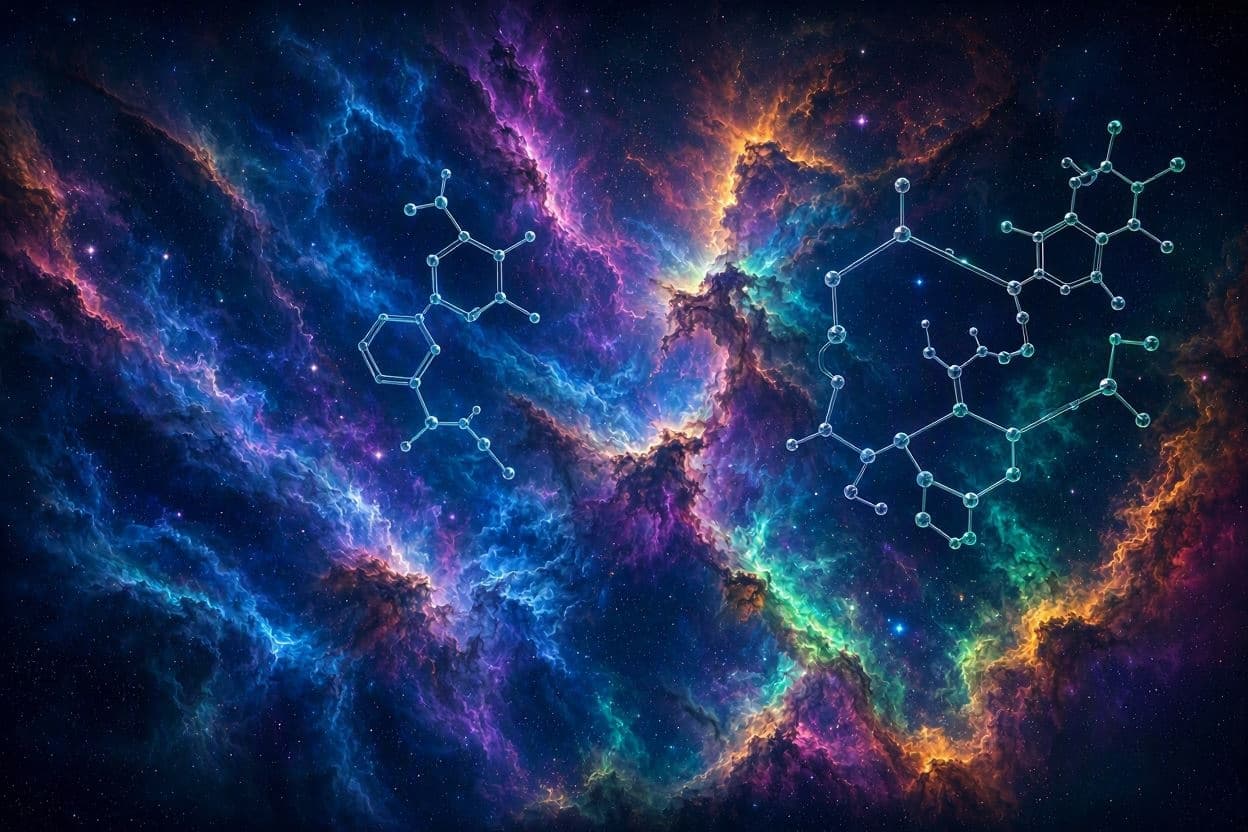
The James Webb Space Telescope has identified a previously unconfirmed complex organic molecule in the plumes of Saturn’s moon Enceladus, enhancing its potential for habitability.

NASA’s July 2026 skywatching guide highlights optimal viewing times for Saturn, the Milky Way core, and potential comets, encouraging public engagement with amateur astronomy.

Reuters reports the discovery of ancient quasars from the early universe, challenging existing theories on how supermassive black holes grew so rapidly after the Big Bang.

Astronomers have analyzed the atmosphere of exoplanet Beta Pictoris b, detecting water and carbon monoxide, which provides critical insights into the formation processes of young gas giants.

Scientists have identified Nagatitan chaiyaphumensis, a massive 27-ton sauropod found in Thailand, marking the largest dinosaur discovery in Southeast Asia and enriching our understanding of Cretaceous ecosystems.