SCIENCE94% credibility
Uncovering the Hidden Warmth of the Red Planet
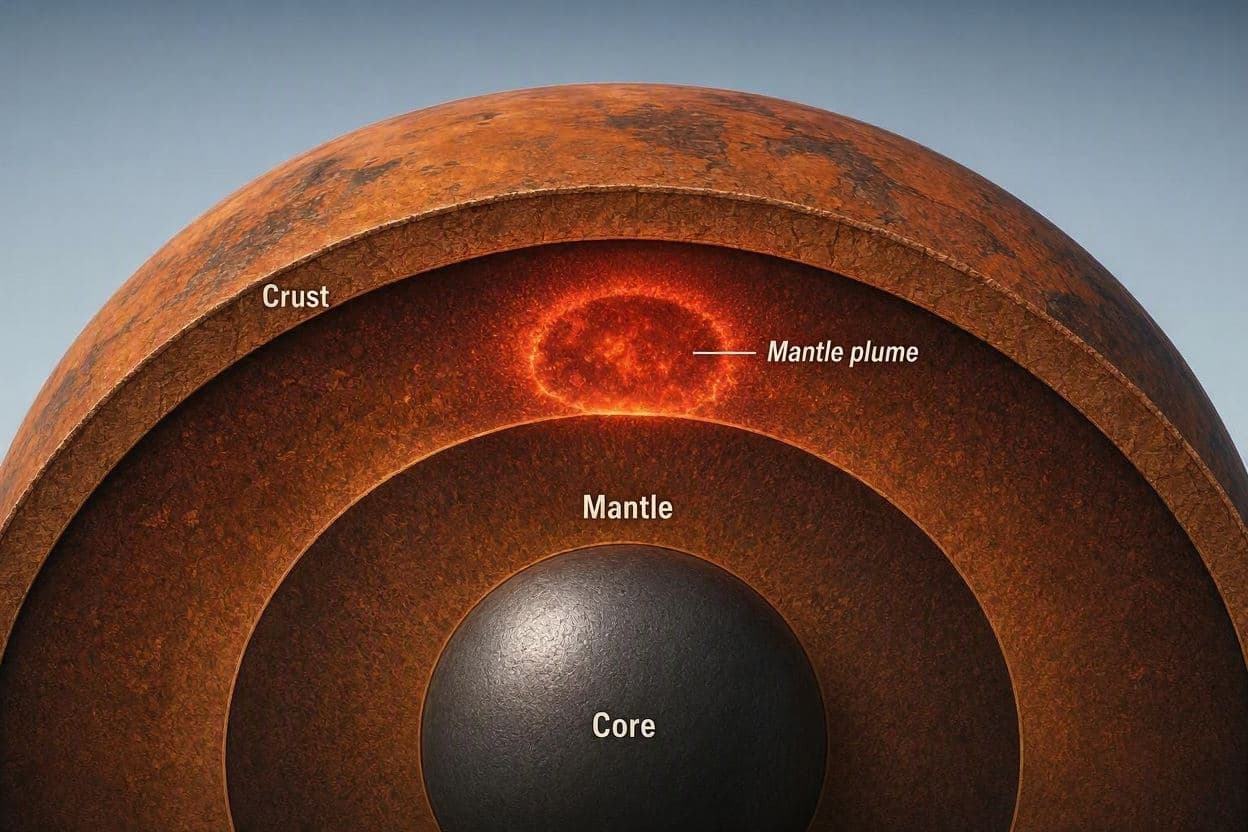
Scientists have discovered a massive thermal anomaly beneath Mars’ surface, suggesting the planet is more geologically active than previously believed.
3 min read

Scientists have discovered a massive thermal anomaly beneath Mars’ surface, suggesting the planet is more geologically active than previously believed.
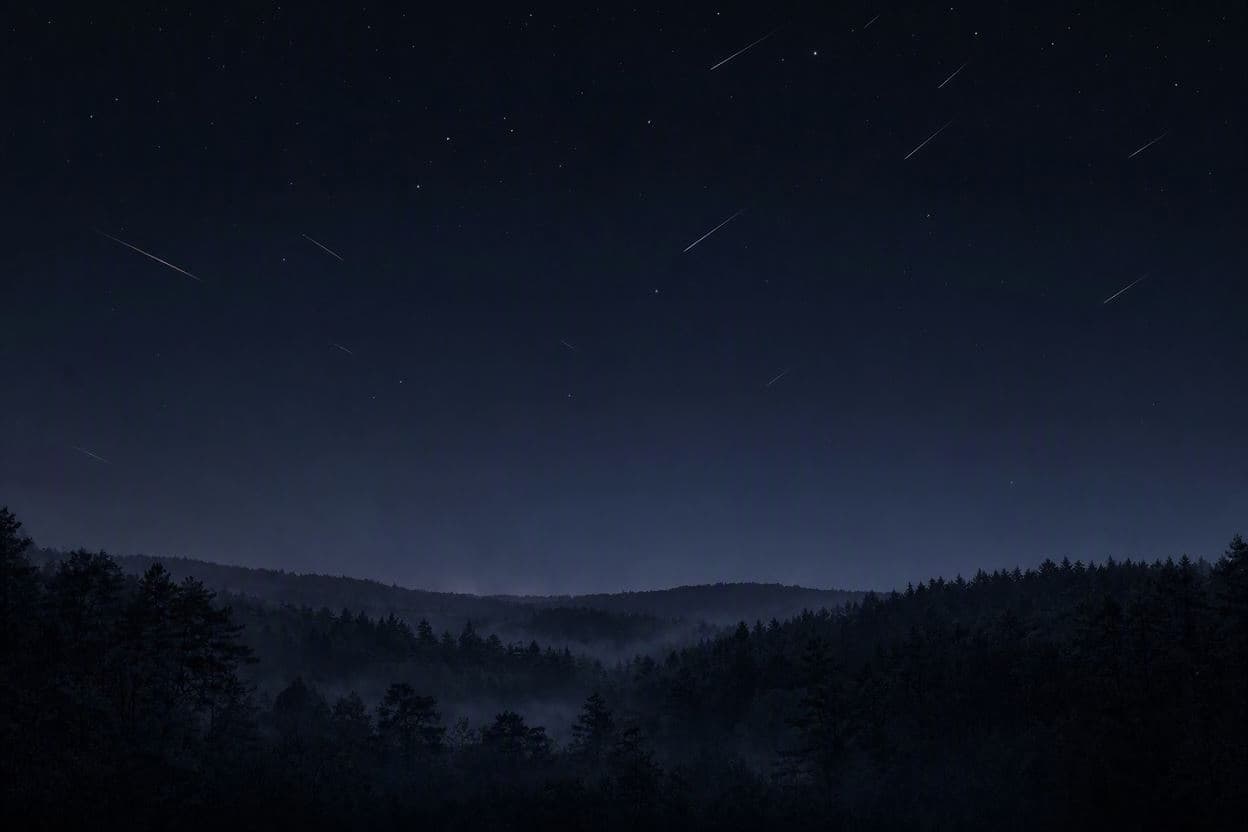
The Aurigids meteor shower peaks in early September, offering a subtle but beautiful celestial display that invites reflection and connection with the cosmos.
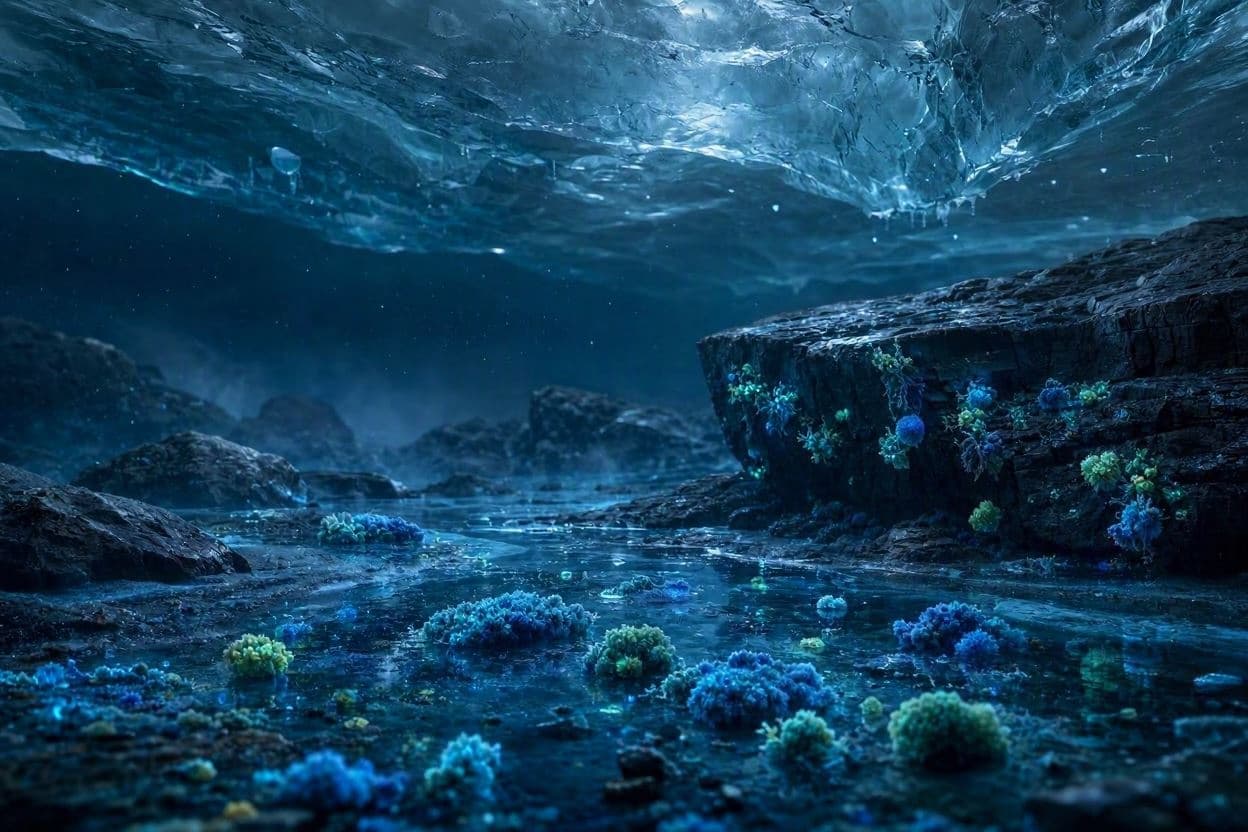
Scientists have discovered unique microbial communities in Antarctica’s subglacial environments, isolated for millions of years, offering insights into extreme survival and potential extraterrestrial life.
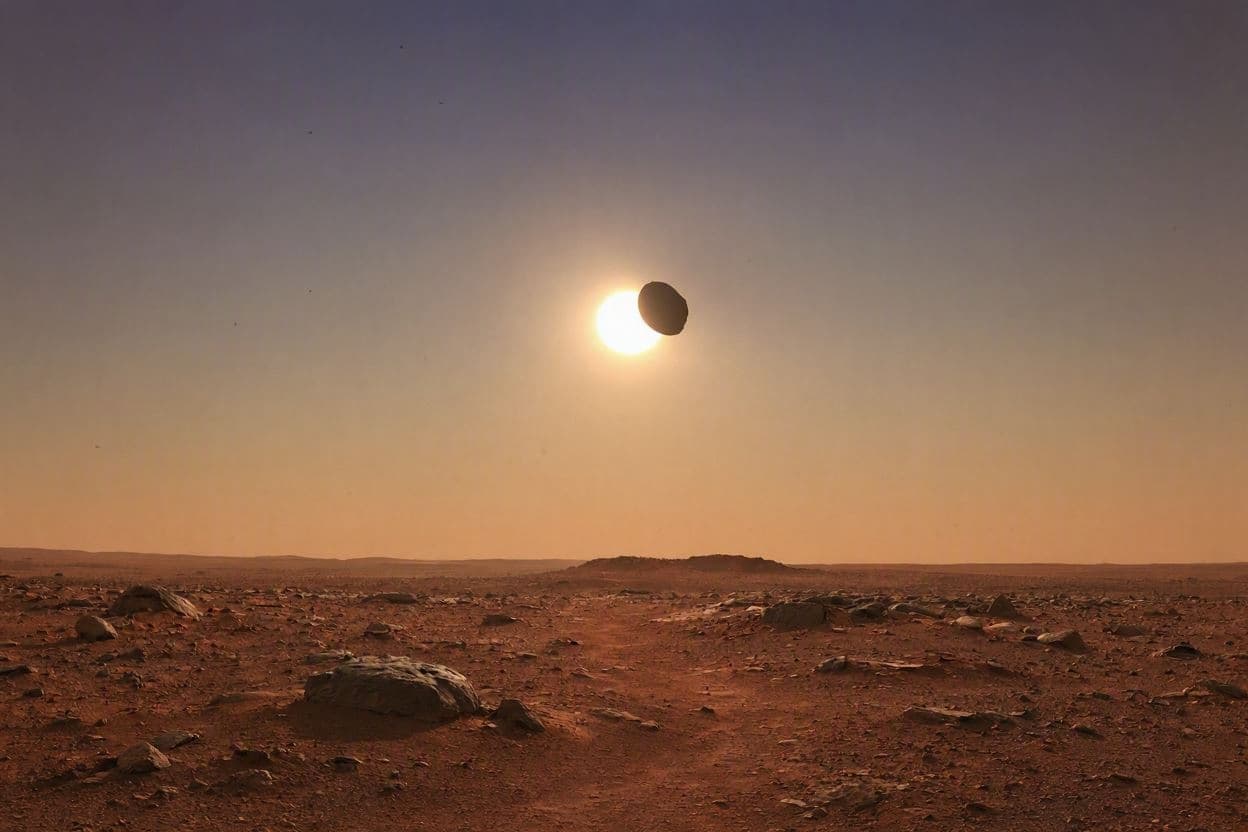
NASA’s Perseverance rover captured a transit of Phobos across the Sun, providing valuable data on the moon’s orbit and structure while offering a glimpse of the unique Martian sky.
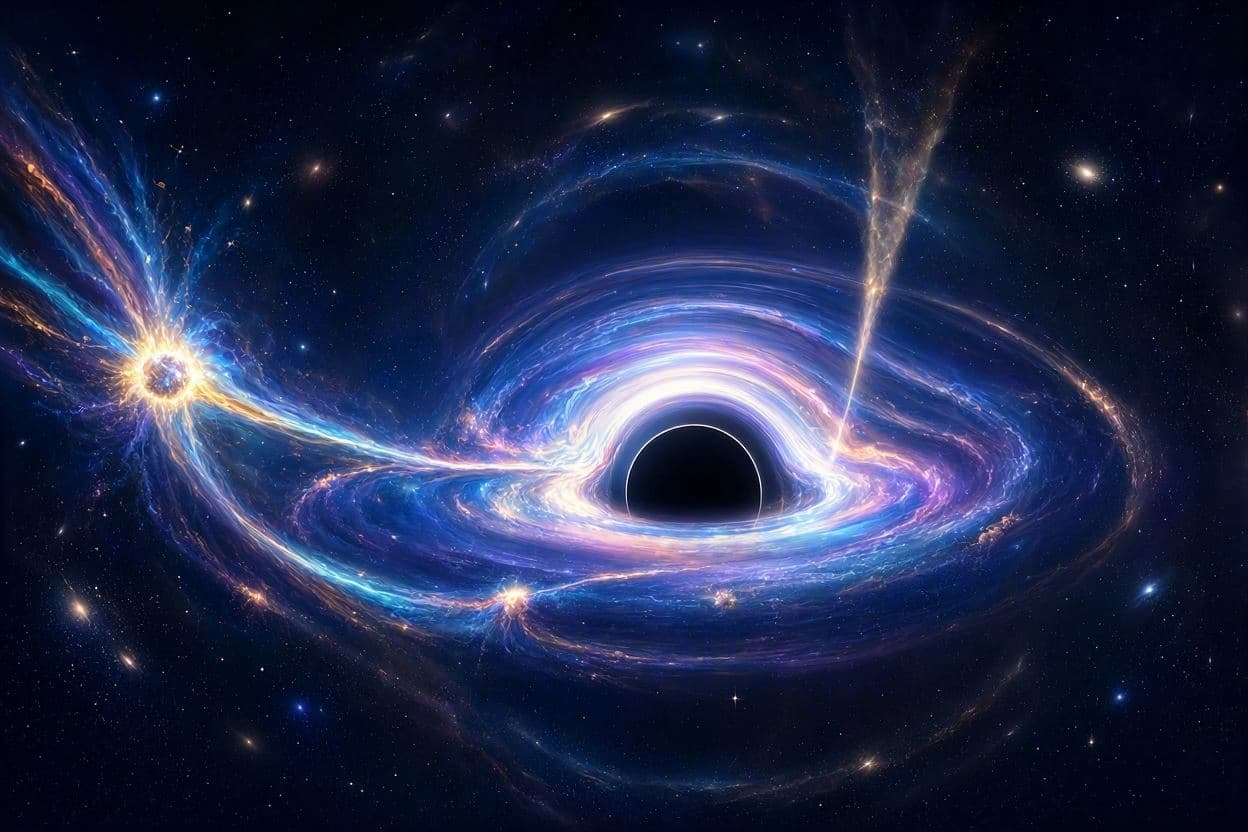
When a rapidly spinning star encounters a black hole, tidal forces tear it apart, creating complex accretion disks and jets that provide insights into gravity, black hole growth, and high-energy astrophysics.
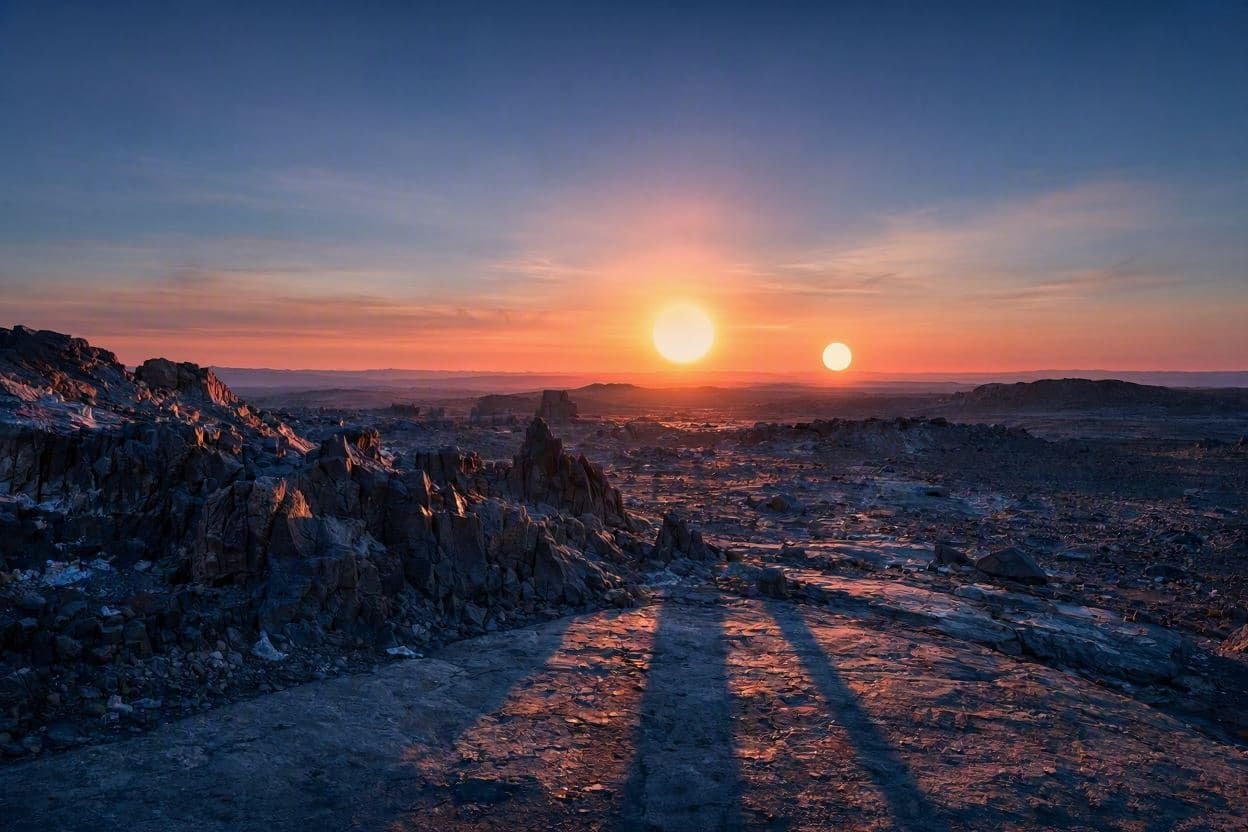
Astronomers are expanding the search for habitable exoplanets to include binary star systems, overcoming gravitational and observational challenges to find Earth-like worlds under the light of two suns.
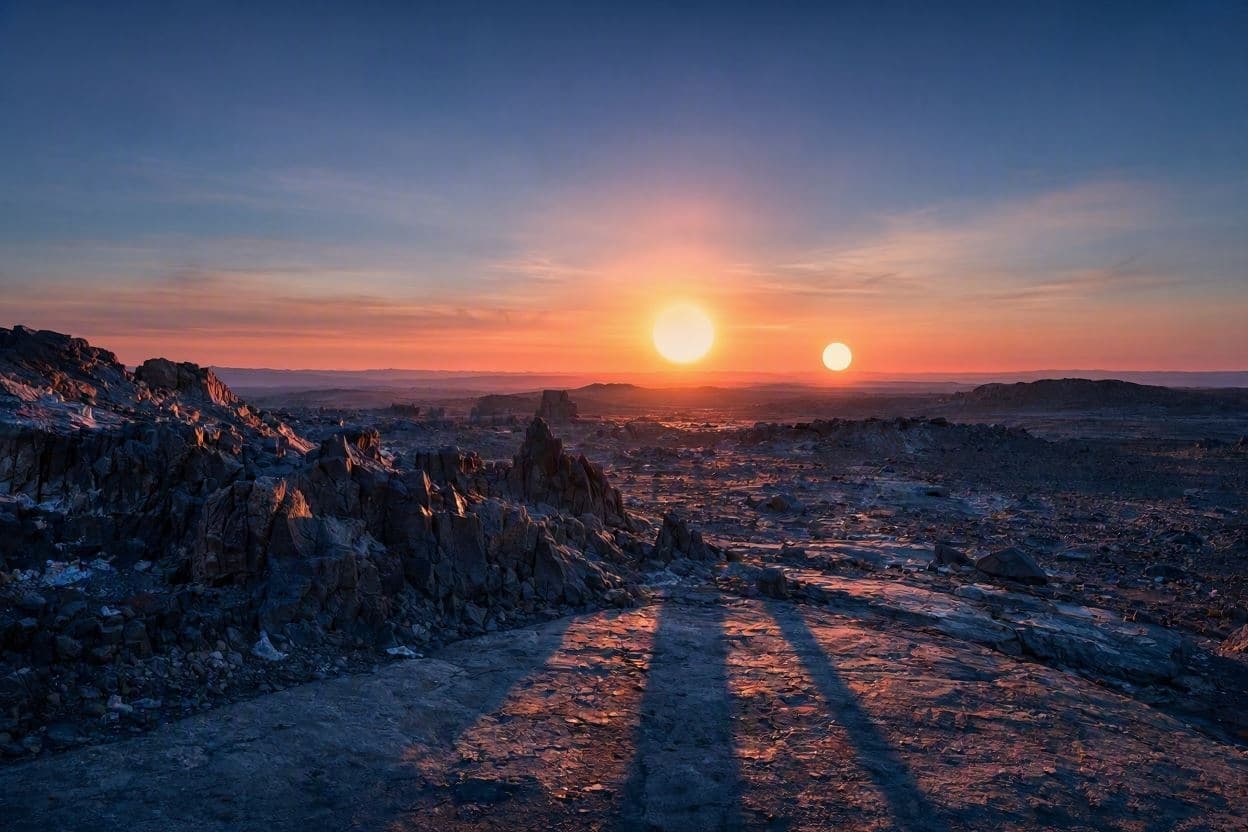
NASA conducted tests firing rocket exhaust into simulated moon dust to study plume-surface interactions, helping to mitigate risks of erosion and damage for future Artemis lunar landings.
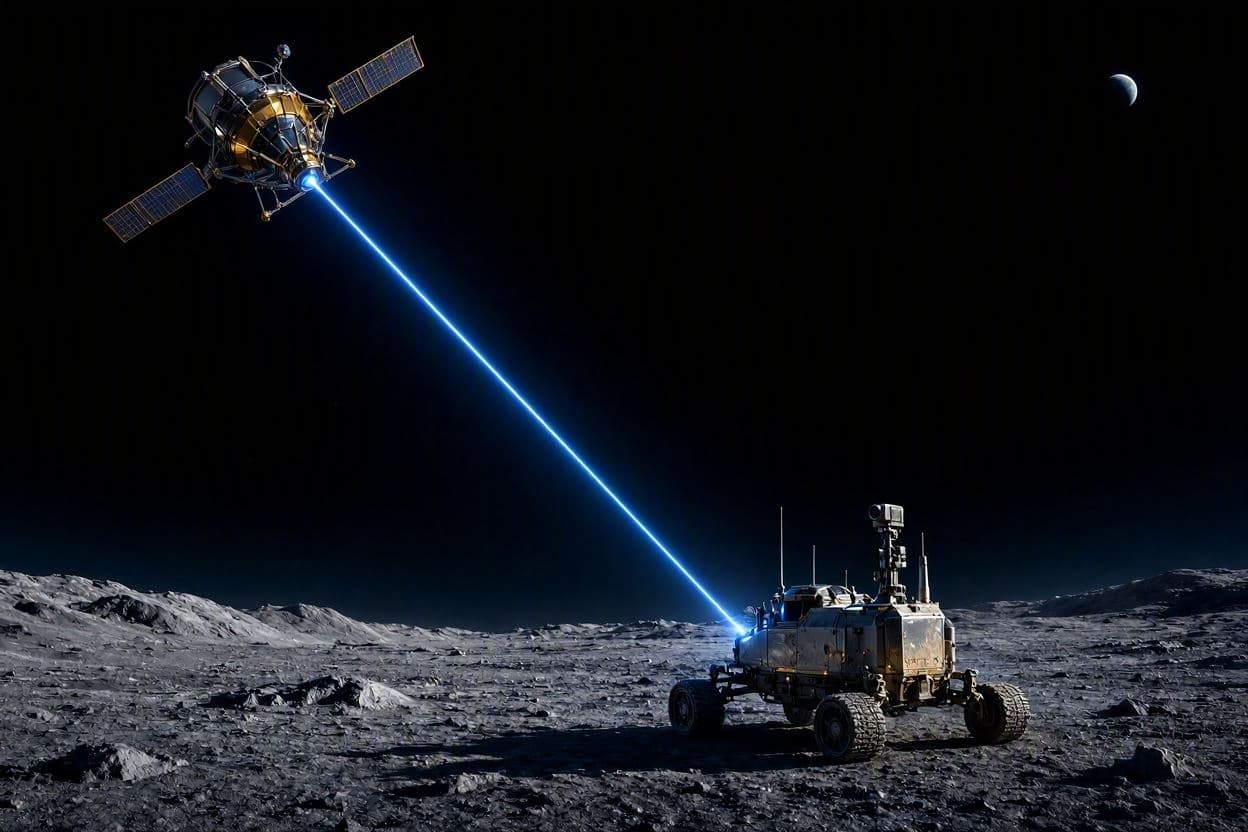
High-orbit laser satellites are proposed to provide precise navigation and high-speed communication for future lunar missions, acting as a GPS-like system to guide travelers and enhance connectivity on the Moon.
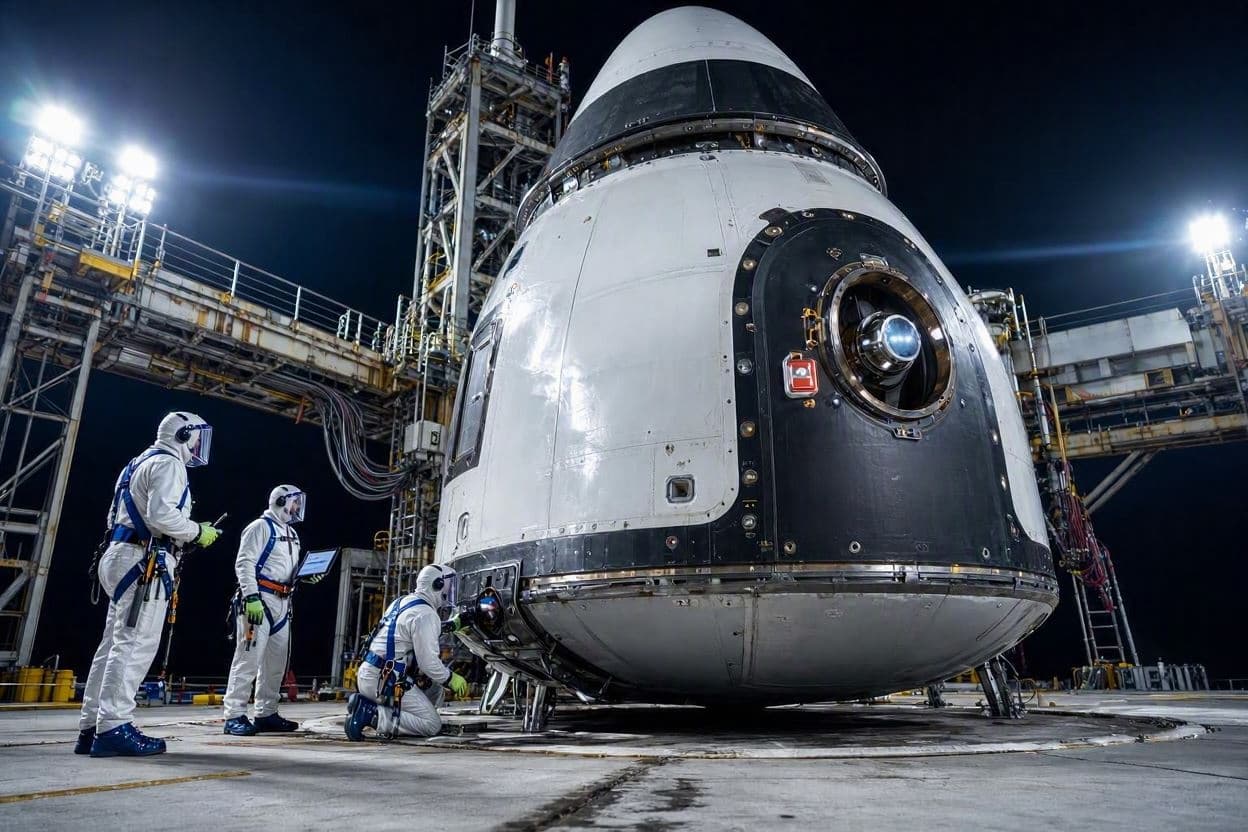
NASA and SpaceX delayed the next crewed launch to the ISS after detecting a minor propellant leak on the Dragon spacecraft, prioritizing astronaut safety and thorough inspection over schedule adherence.
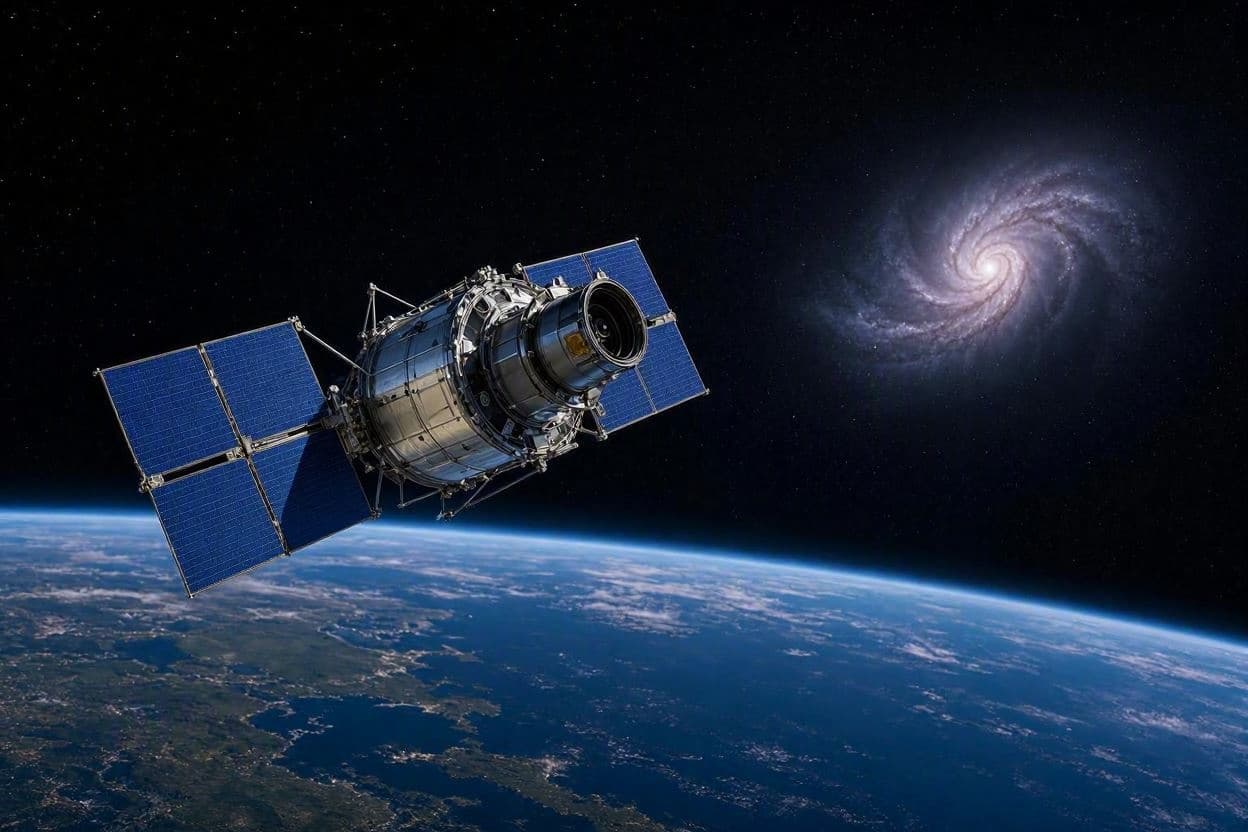
NASA’s Swift space telescope has restarted science operations despite a failed rescue attempt for a gyroscope failure, extending its mission to study gamma-ray bursts and high-energy cosmic events.
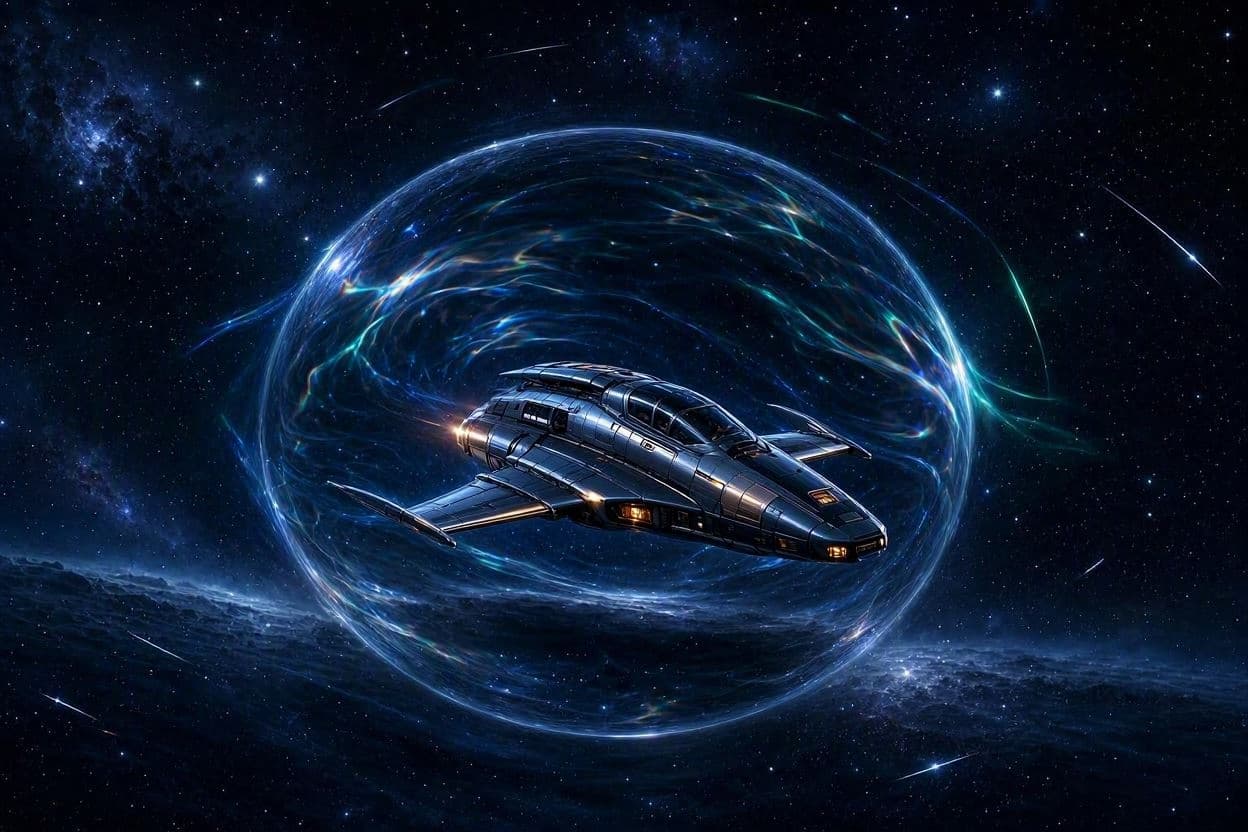
Theoretical physics explores warp drives, wormholes, and halo drives as potential methods for interstellar travel, pushing the boundaries of spacetime manipulation and gravitational propulsion despite current technological limits.
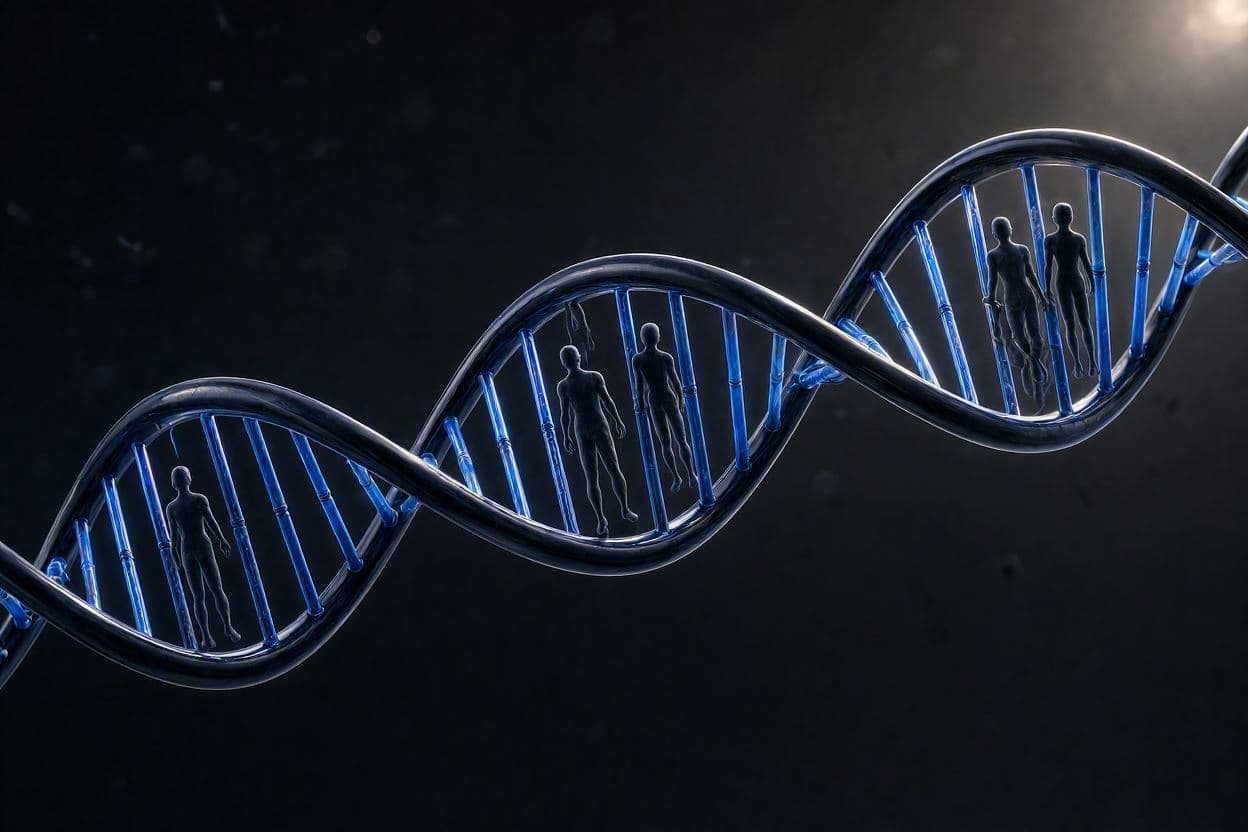
Genomic analysis reveals traces of two unknown "ghost" ancestral lineages in modern human DNA, suggesting a more complex, interwoven history of hominin interbreeding than fossils alone indicate.
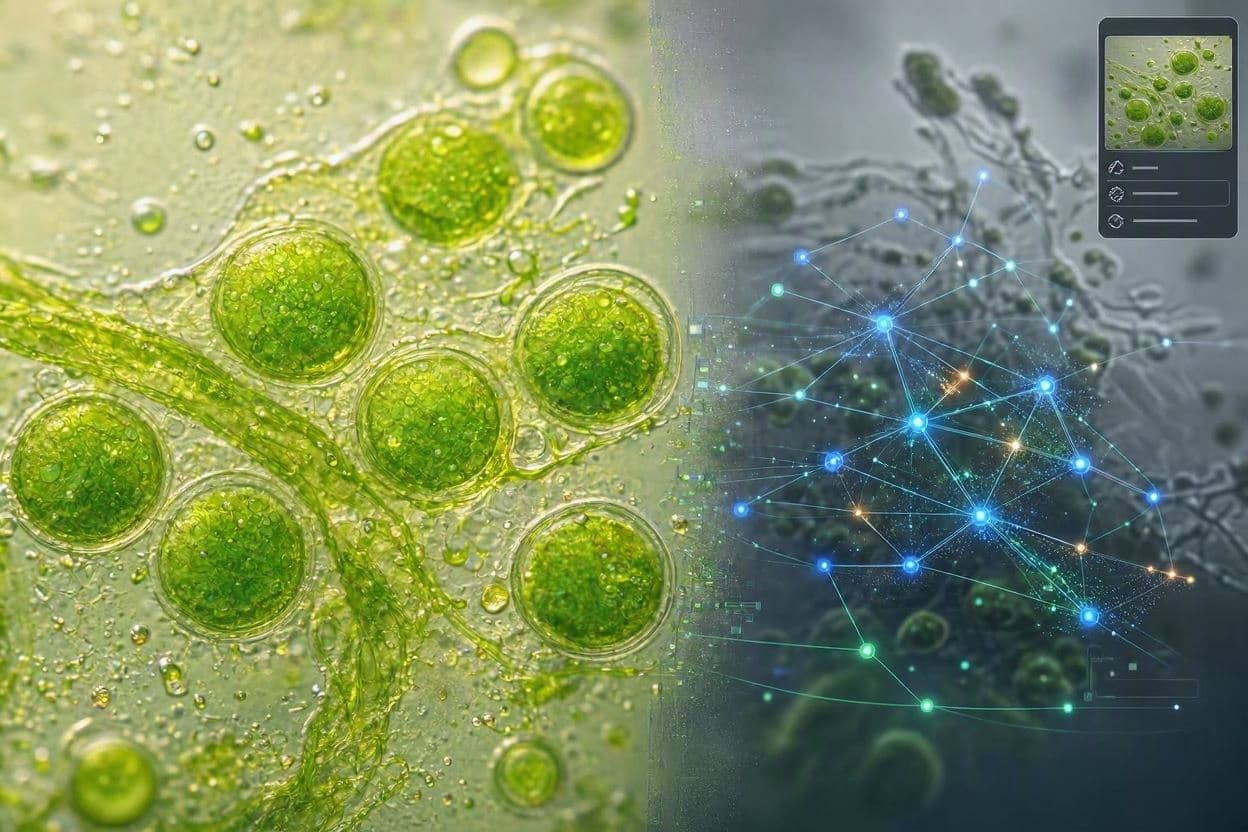
Scientists use AI to analyze individual algal cells, identifying high-lipid producers to optimize biofuel generation, enhancing the efficiency and sustainability of algae-based renewable energy.
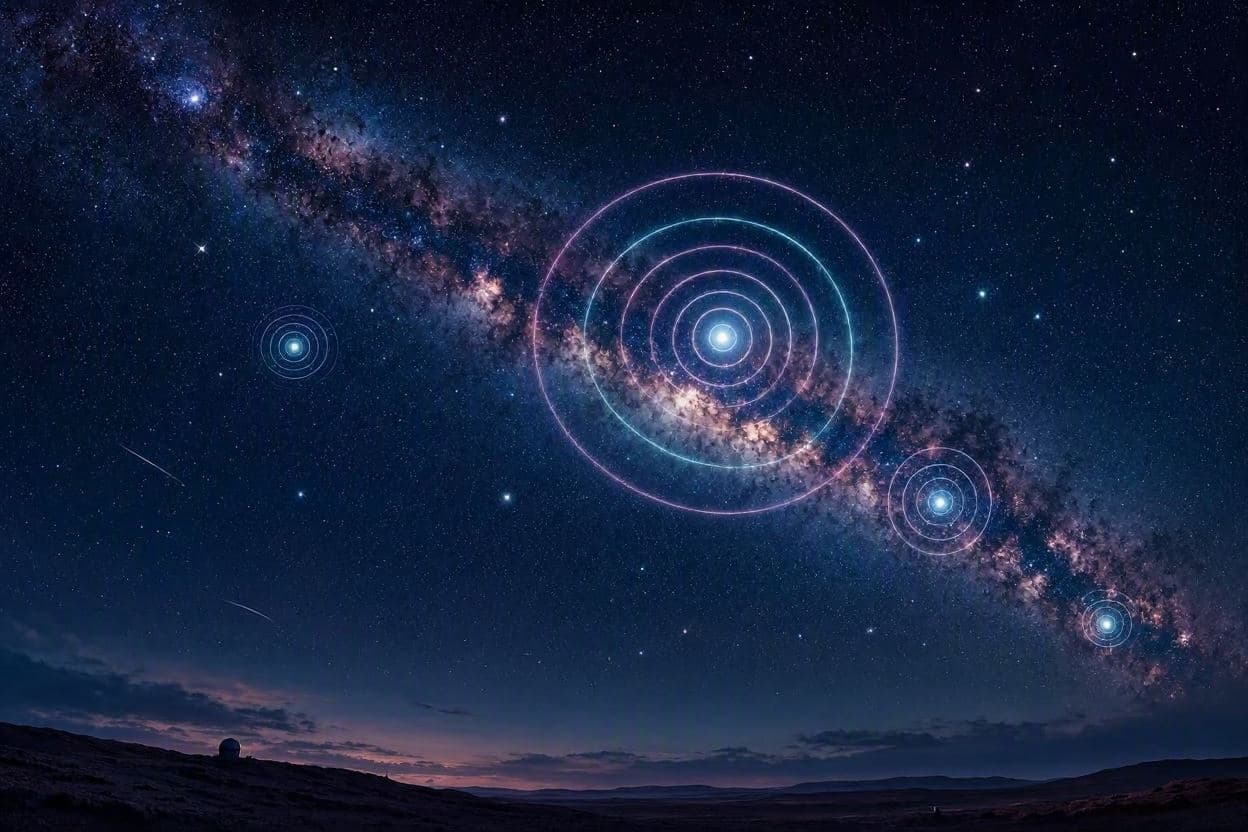
Astronomers have detected 27 bright, mysterious radio sources within the Milky Way, potentially representing rare stellar objects like magnetars or binary systems, expanding our understanding of galactic radio emissions.
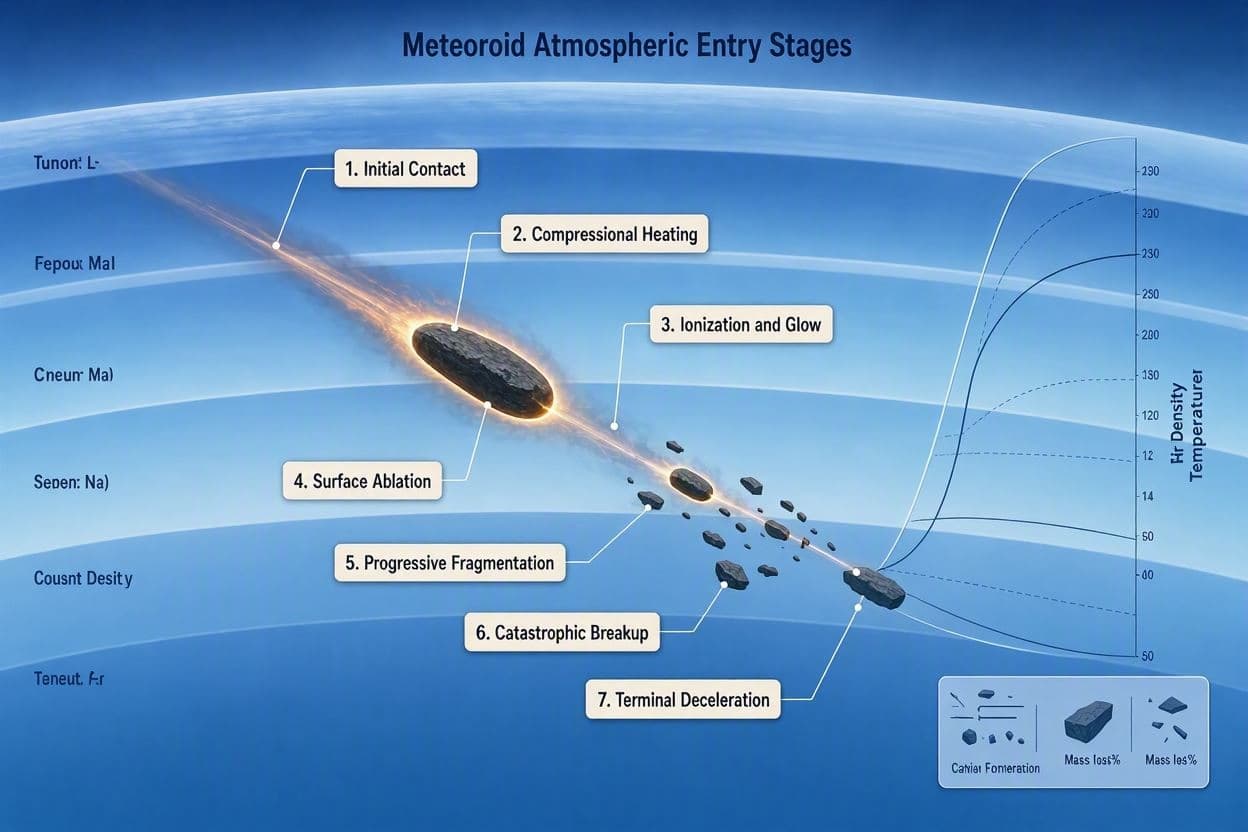
Research identifies seven distinct stages in a meteoroid’s atmospheric entry, explaining how heat, fragmentation, and deceleration allow space rocks to survive and reach Earth’s surface.
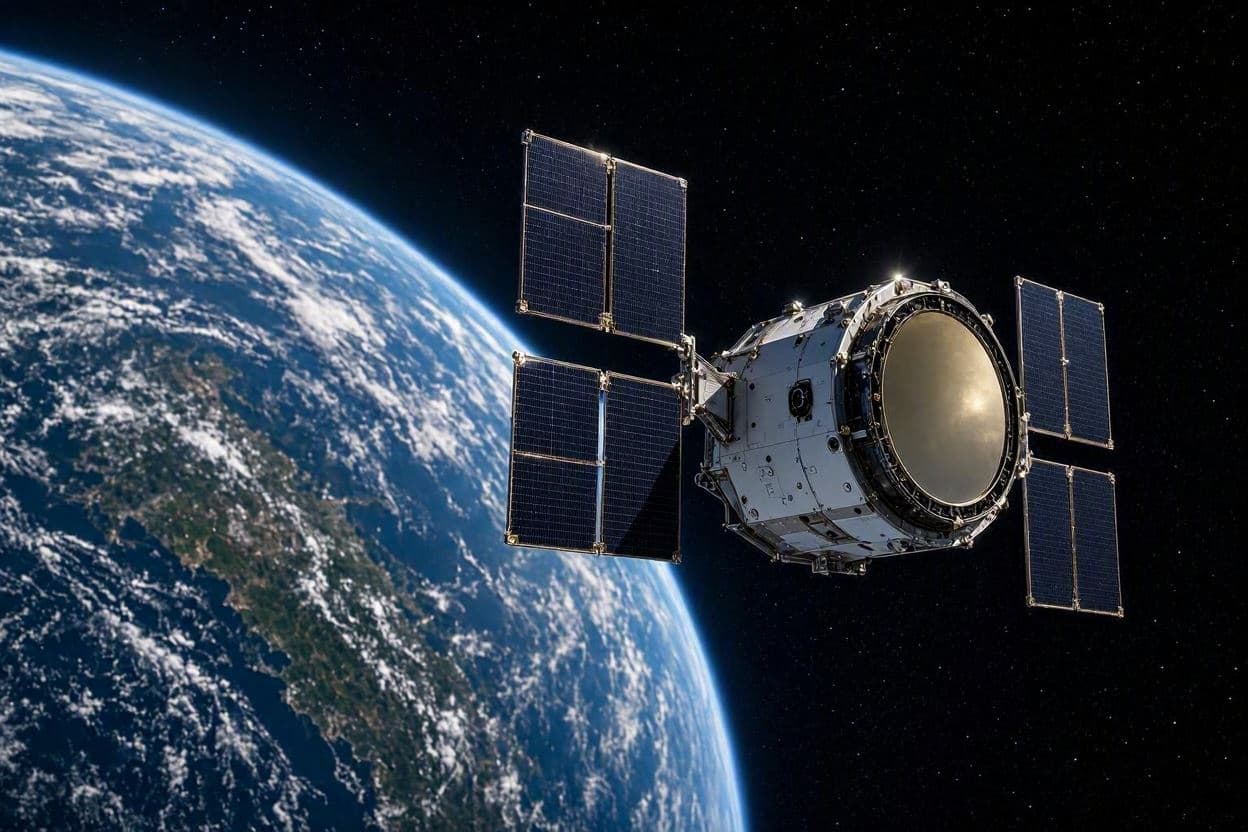
The Nancy Grace Roman Space Telescope successfully separated from its rocket on August 31, 2026, marking the start of its mission to explore dark energy and exoplanets, captured in a striking space photo.

Australian PM Albanese visits Palau to discuss critical issues including sea-level rise, fuel shortages, and regional security, aiming to strengthen partnerships and address urgent Pacific challenges.
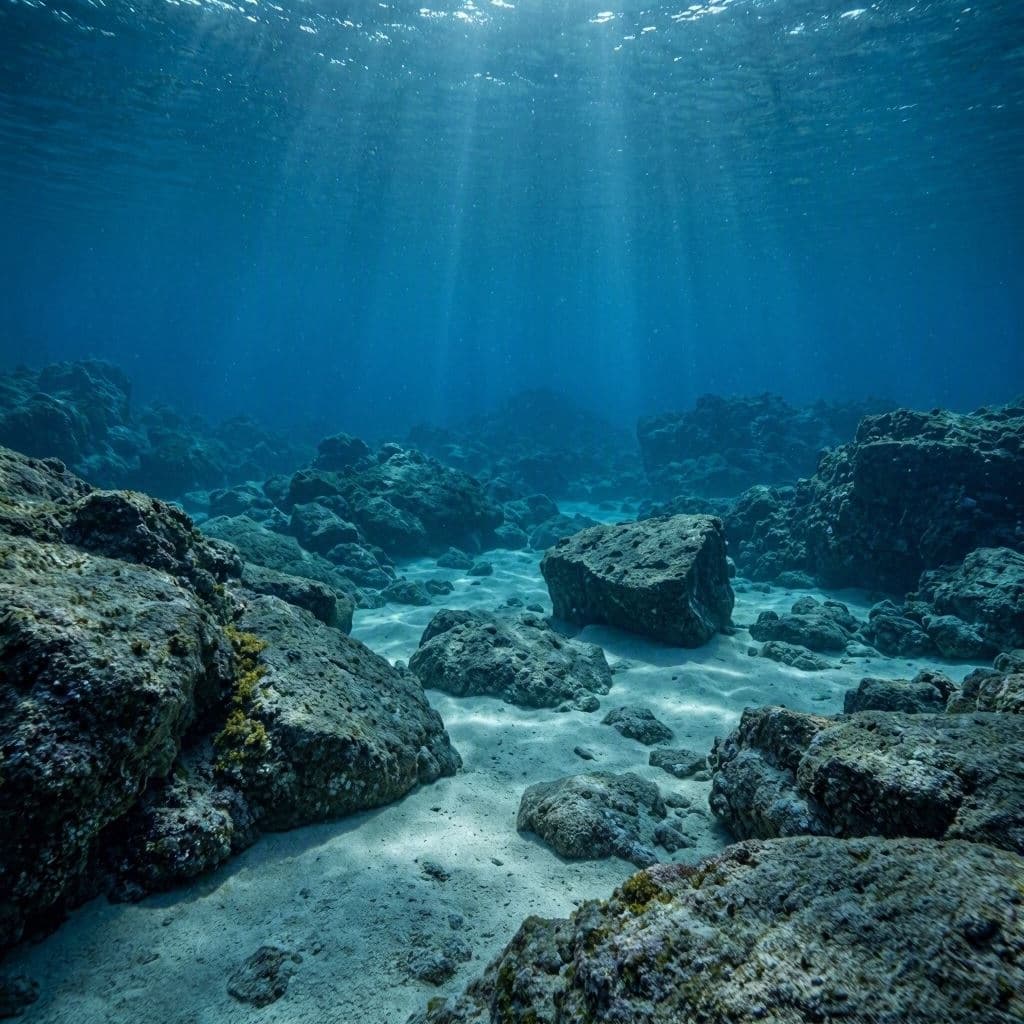
Australia’s annual giant cuttlefish mating event is absent this year, raising concerns about ocean health, climate impacts, and local economic losses.

A glacial fall triggered a deadly 100-km flood surge in Nepal, highlighting the increasing risks of climate change-induced glacial hazards in the Himalayas.
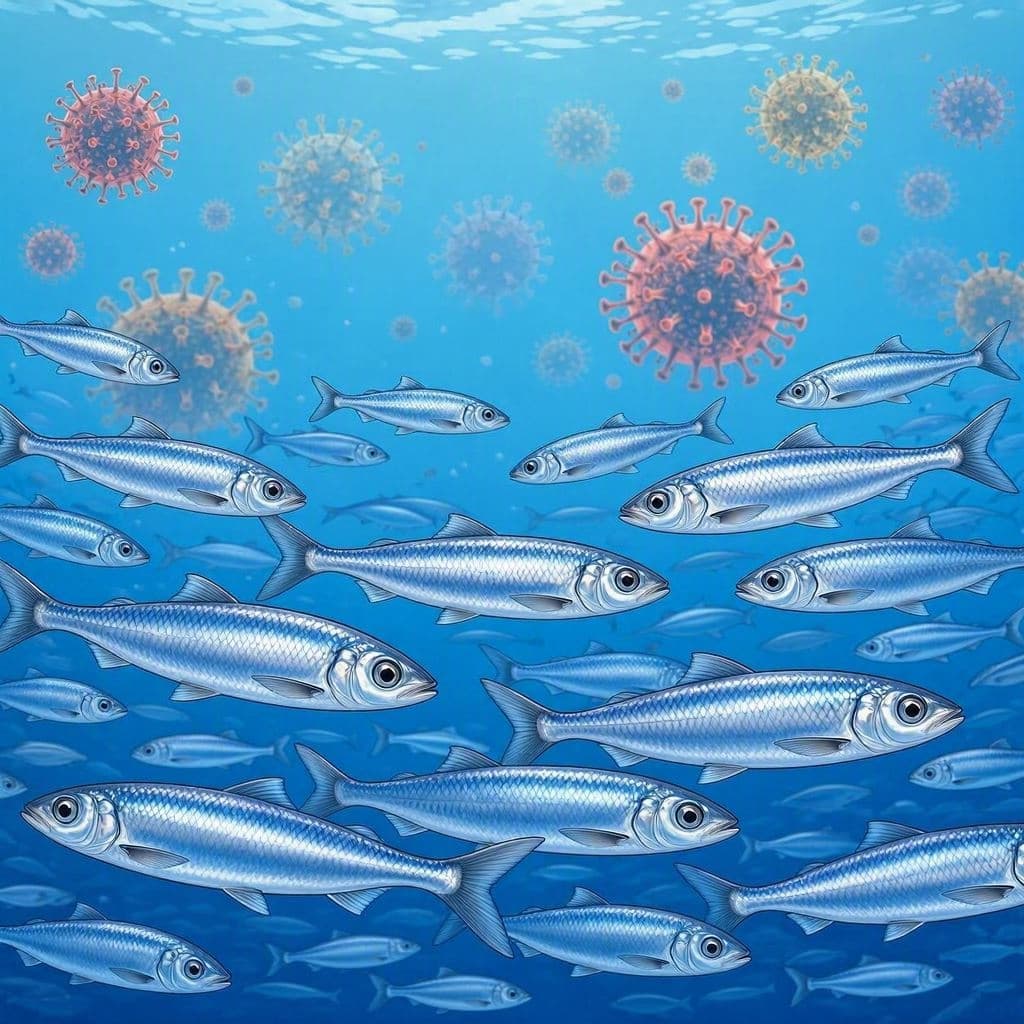
Scientists are investigating whether a herpes virus is causing mass sardine deaths off South Africa, highlighting the fragility of marine ecosystems and economic impacts.
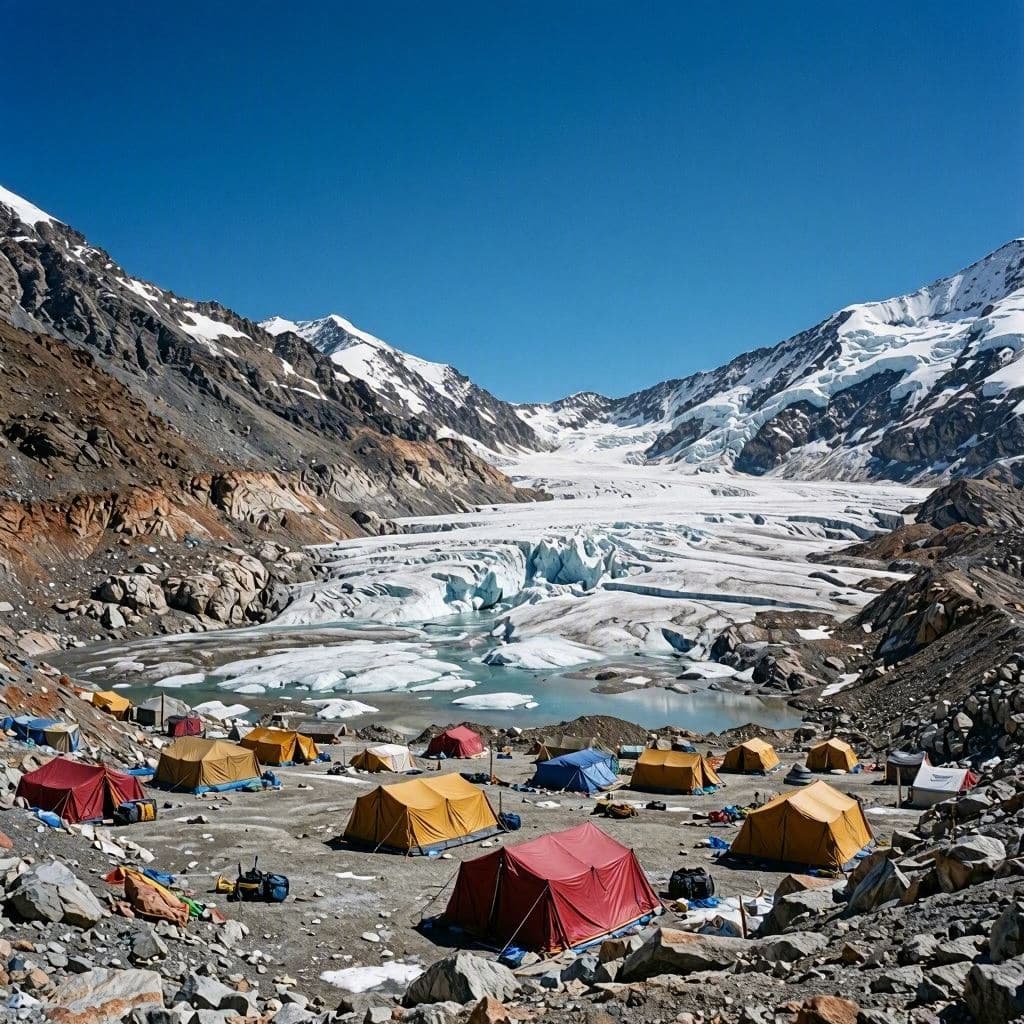
Mount Everest Base Camp is melting due to climate change and local factors like human urine, highlighting the need for better waste management and environmental stewardship.
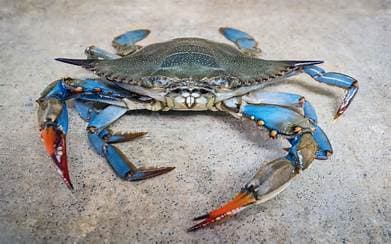
Italian scientists are studying octopuses as a possible tool to control invasive crabs, hoping predators can help restore ecosystems.
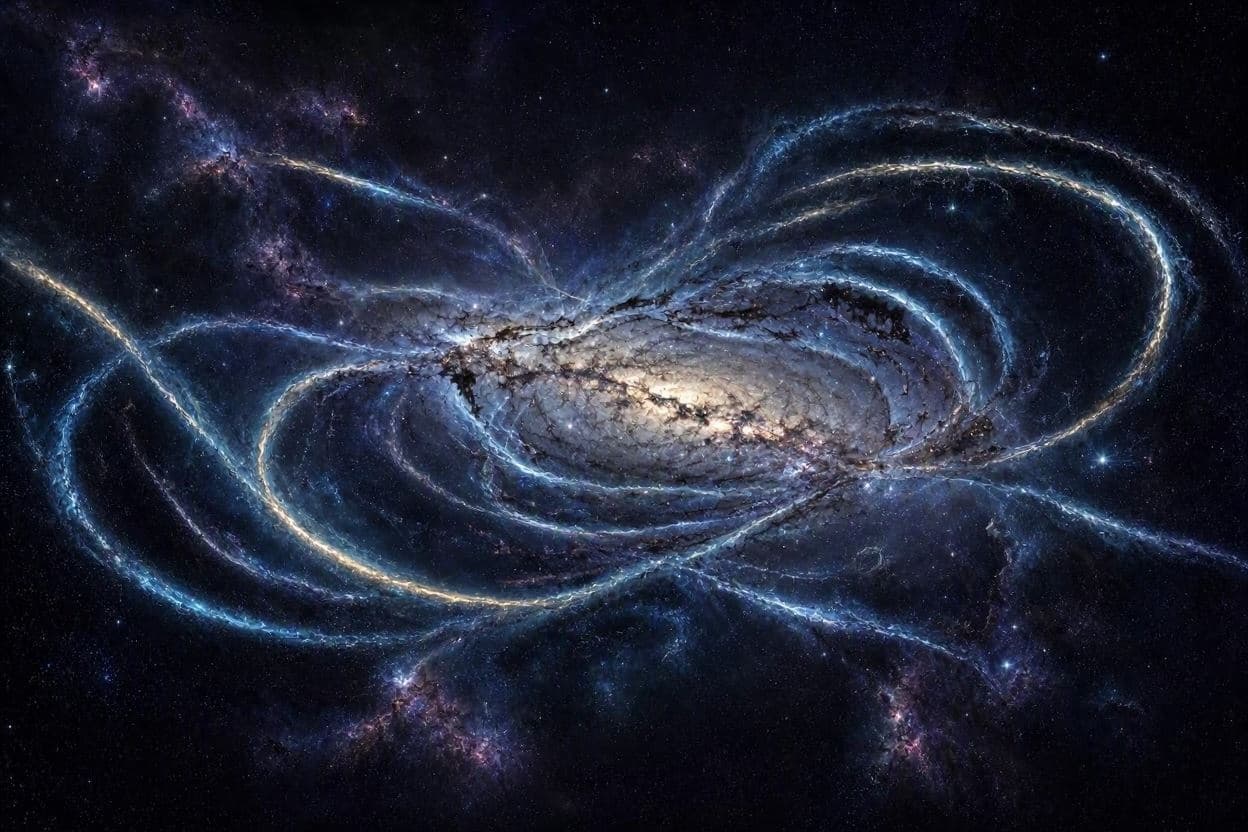
New simulations suggest that the Milky Way’s own gravitational structures, such as its bar and spiral arms, can create stellar stream distortions that mimic dark matter signals.
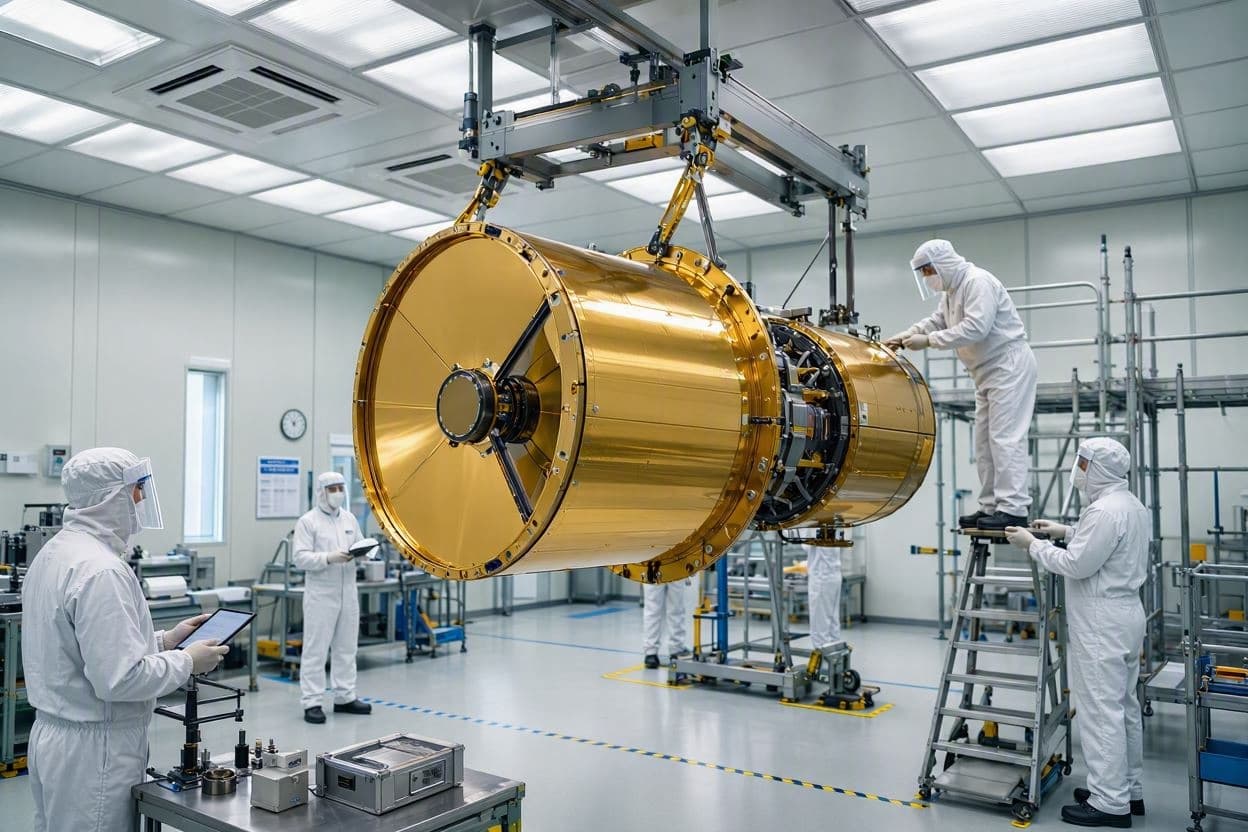
Despite previous attempts to cancel it, NASA’s Nancy Grace Roman Space Telescope is now ready for launch, promising groundbreaking insights into dark energy and exoplanets.