The Routine Miracle of Reusable Rockets
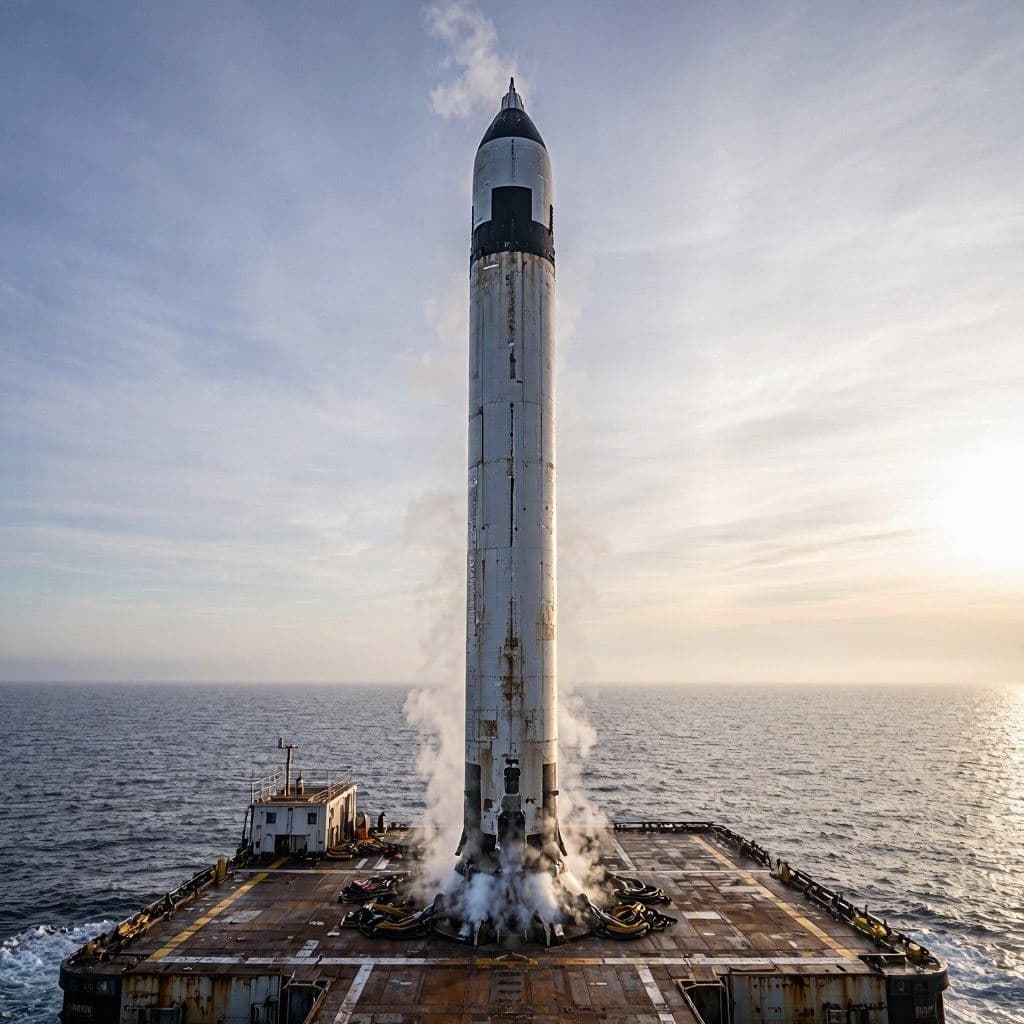
SpaceX successfully launched 27 Starlink satellites and landed the Falcon 9 booster on a drone ship at sea, demonstrating the continued reliability and efficiency of reusable rocket technology.

SpaceX successfully launched 27 Starlink satellites and landed the Falcon 9 booster on a drone ship at sea, demonstrating the continued reliability and efficiency of reusable rocket technology.

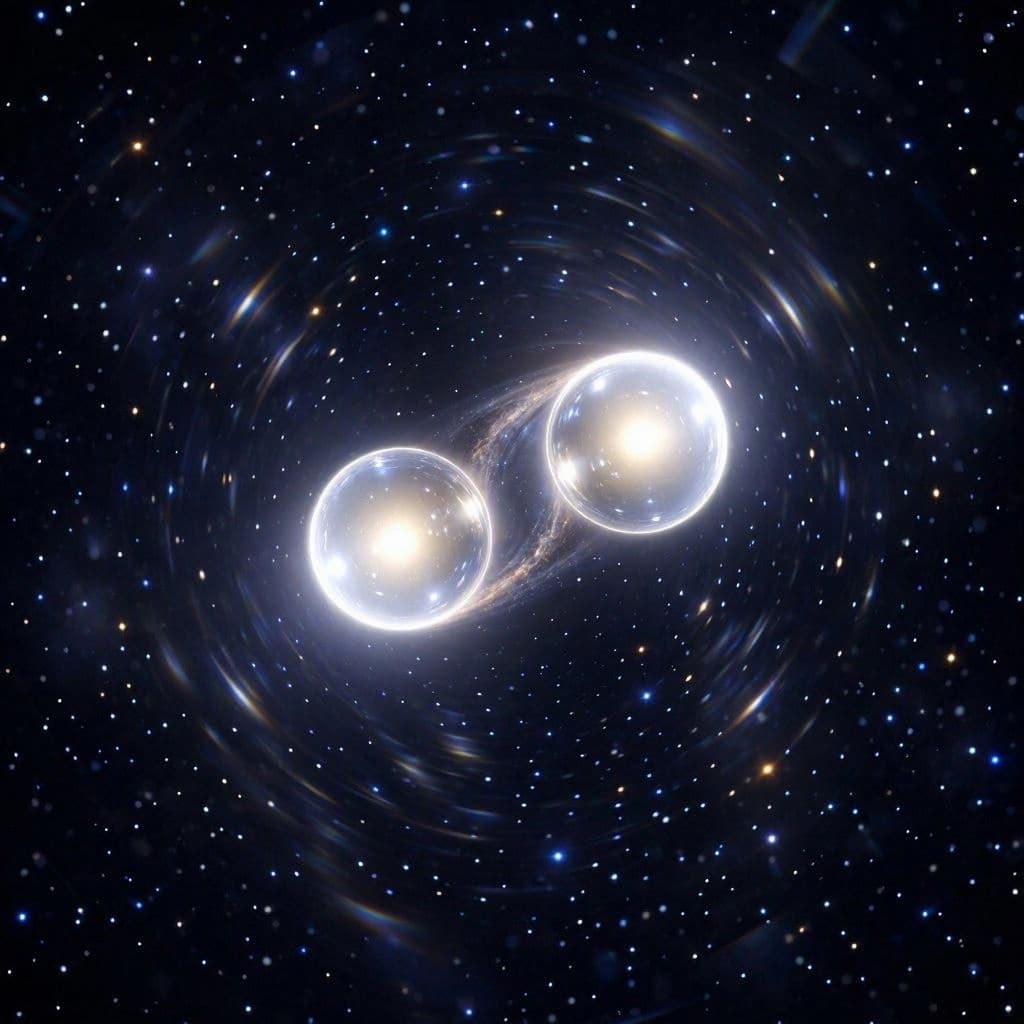
Two white dwarfs orbiting each other every six minutes generate gravitational waves, offering a future target for space-based detectors like LISA to study stellar evolution.

A new method using descriptor completion and cascade transfer improves the accuracy of strength predictions for high-strength steels, reducing the need for extensive physical testing.

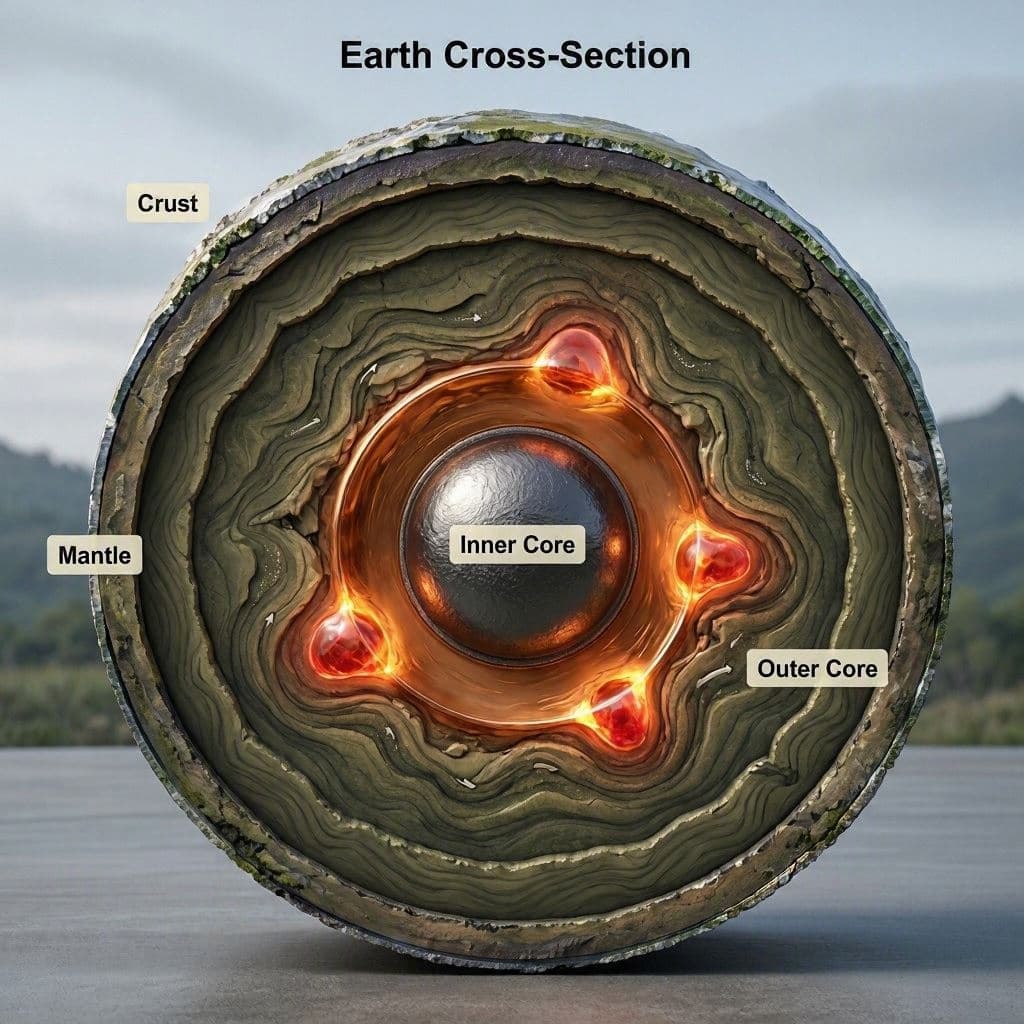
Deep learning algorithms have helped scientists identify six unusual structures at Earth’s core-mantle boundary, offering new insights into the planet’s internal composition and dynamics.

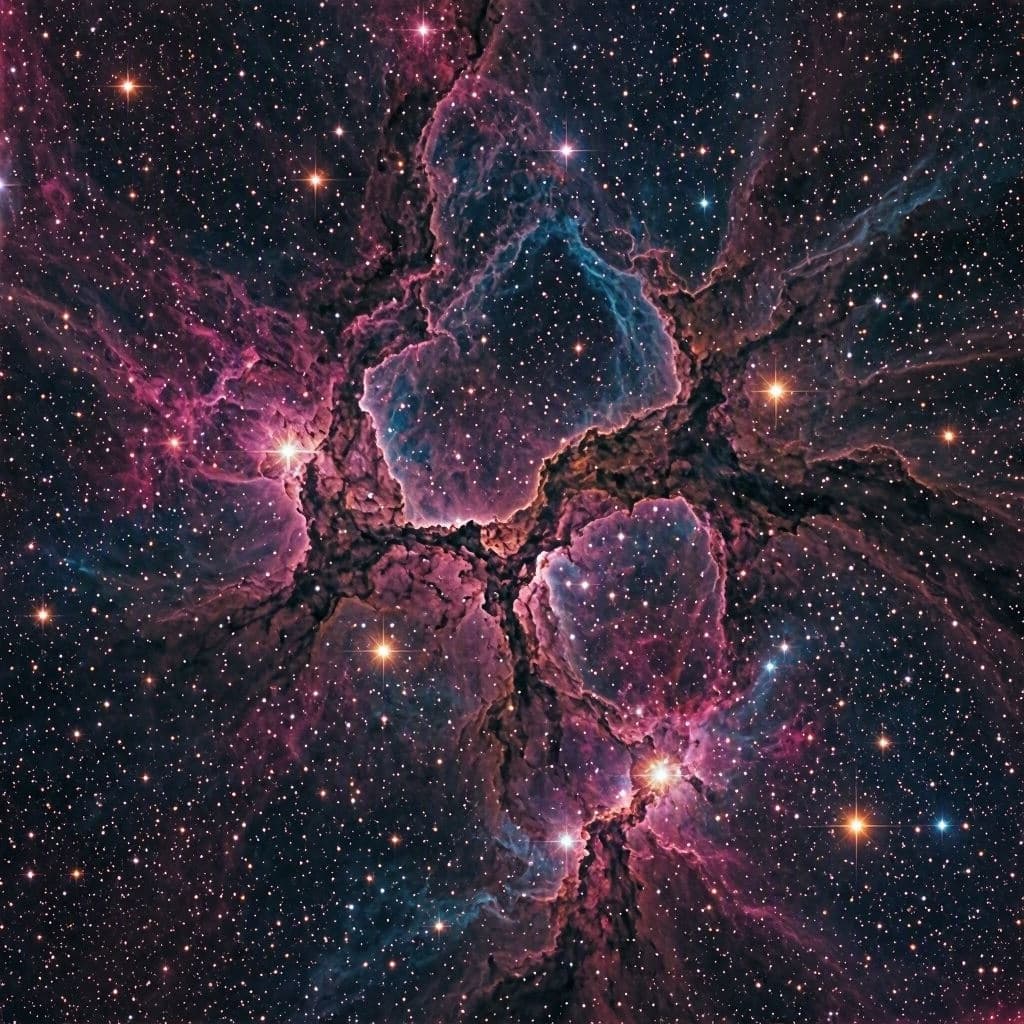
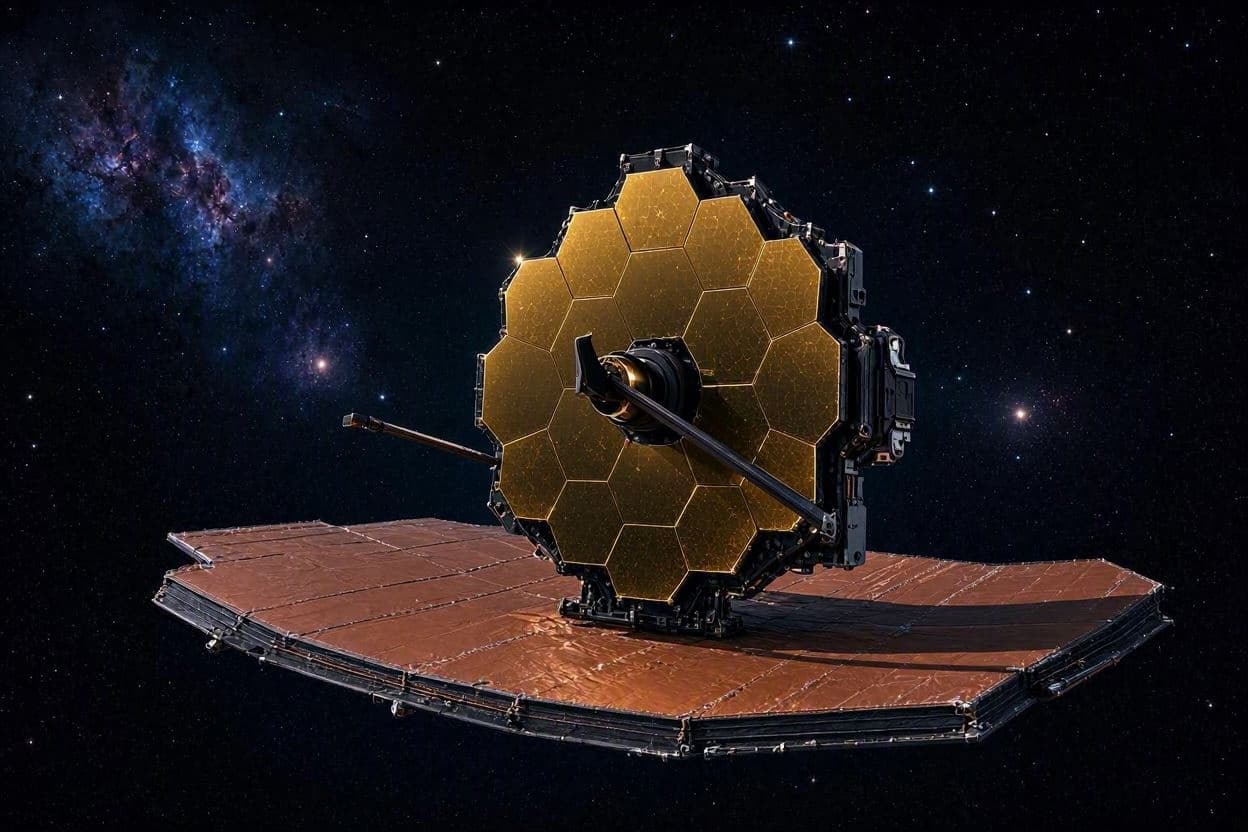
The James Webb Space Telescope discovered a rare star within the "Treasure Chest" dark nebula, showcasing the power of infrared imaging to reveal hidden stellar formations

Researchers demonstrate how infrared quantum emission from boron-nitride nanotubes can be tuned, offering new opportunities for advanced optical technologies and quantum communication.

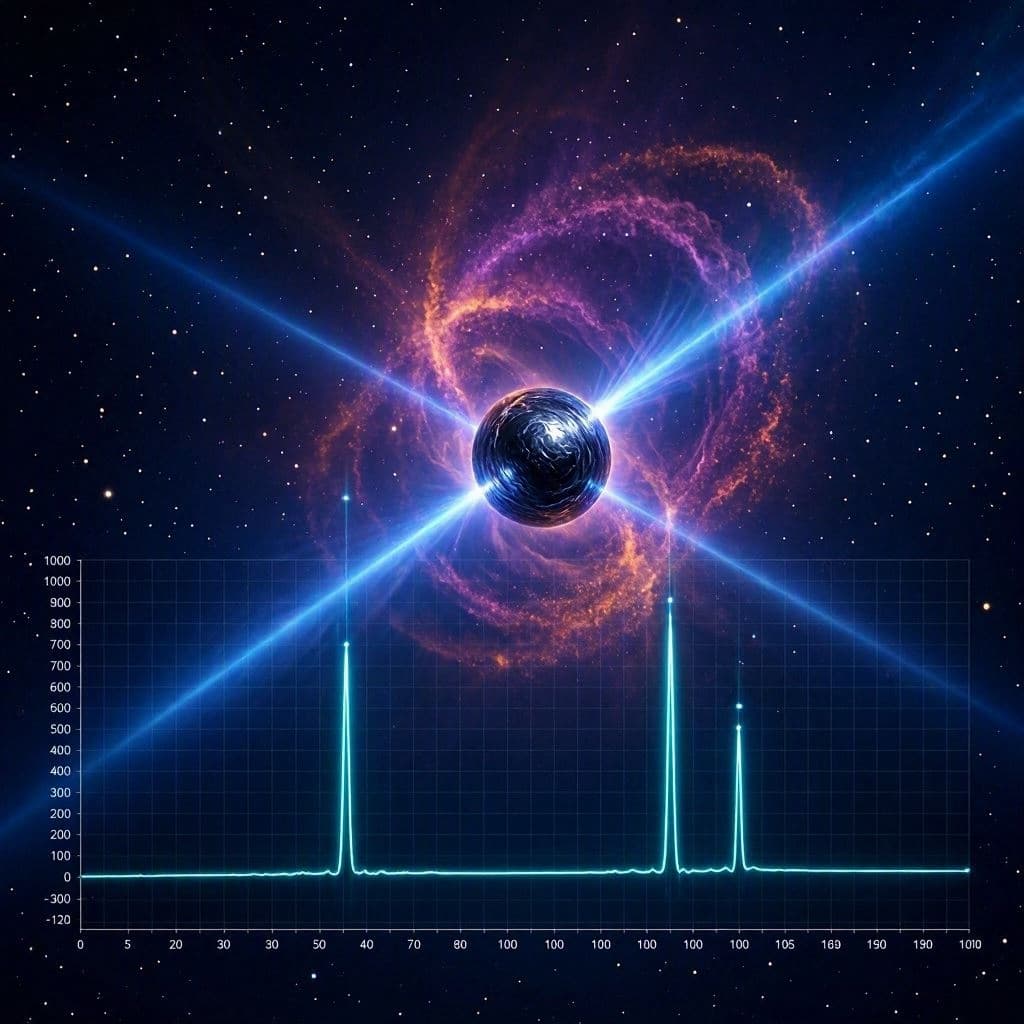
A long-term study reveals that a previously stable pulsar experienced three rotational glitches over 15 years, offering new insights into the internal dynamics of neutron stars.

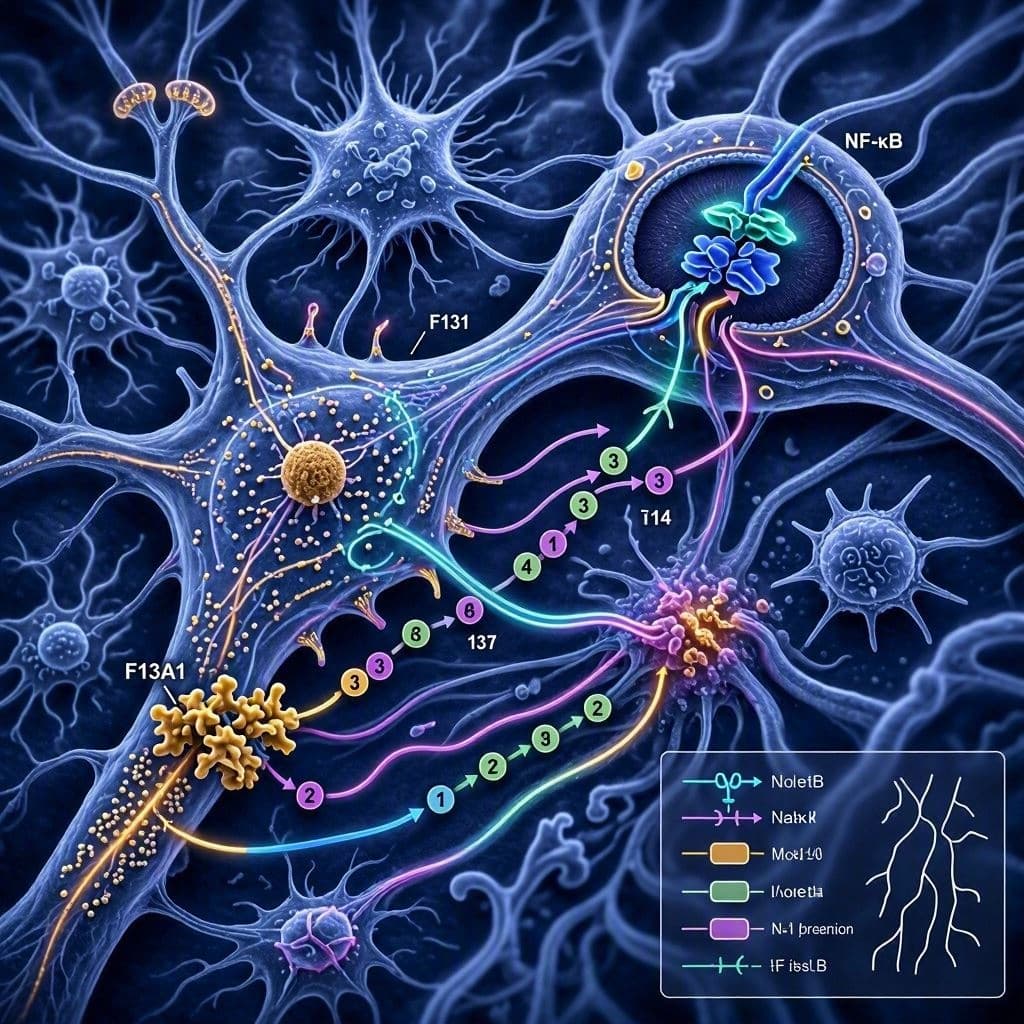
Research shows that the protein F13A1 enhances resistance to the chemotherapy drug temozolomide in glioblastoma by activating the NF-κB signaling pathway, suggesting new targets for therapy.

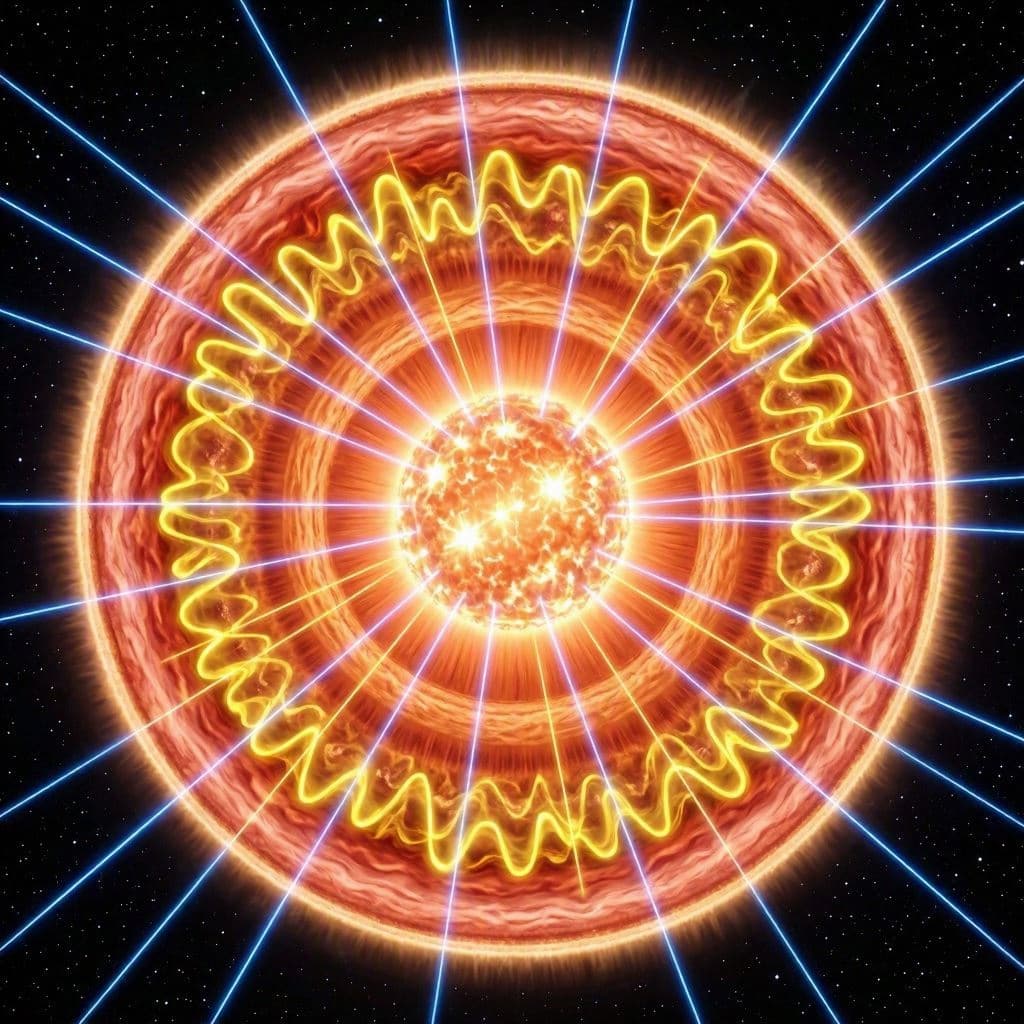
While neutrinos from the Sun’s core reach the surface in seconds, photons take approximately 170,000 years to escape due to constant scattering, highlighting the difference in particle interactions.

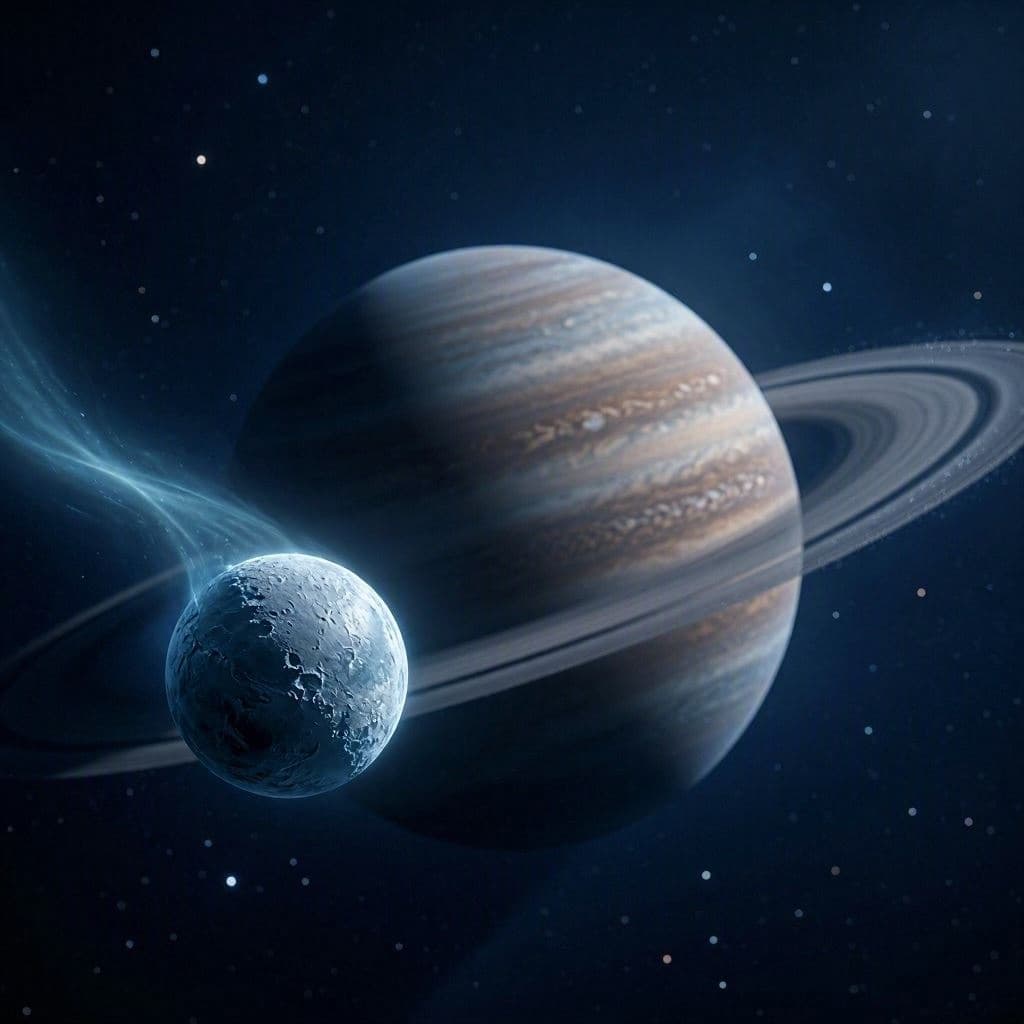
A 2026 study reveals that Saturn’s moon Enceladus creates an electromagnetic wake stretching 504,000 kilometers, demonstrating its significant influence on the planet’s magnetosphere despite its small size.

Local administrators in Sikkim on September 6, 2026 mobilized monitoring teams after a massive landslide partially blocked two local rivers.

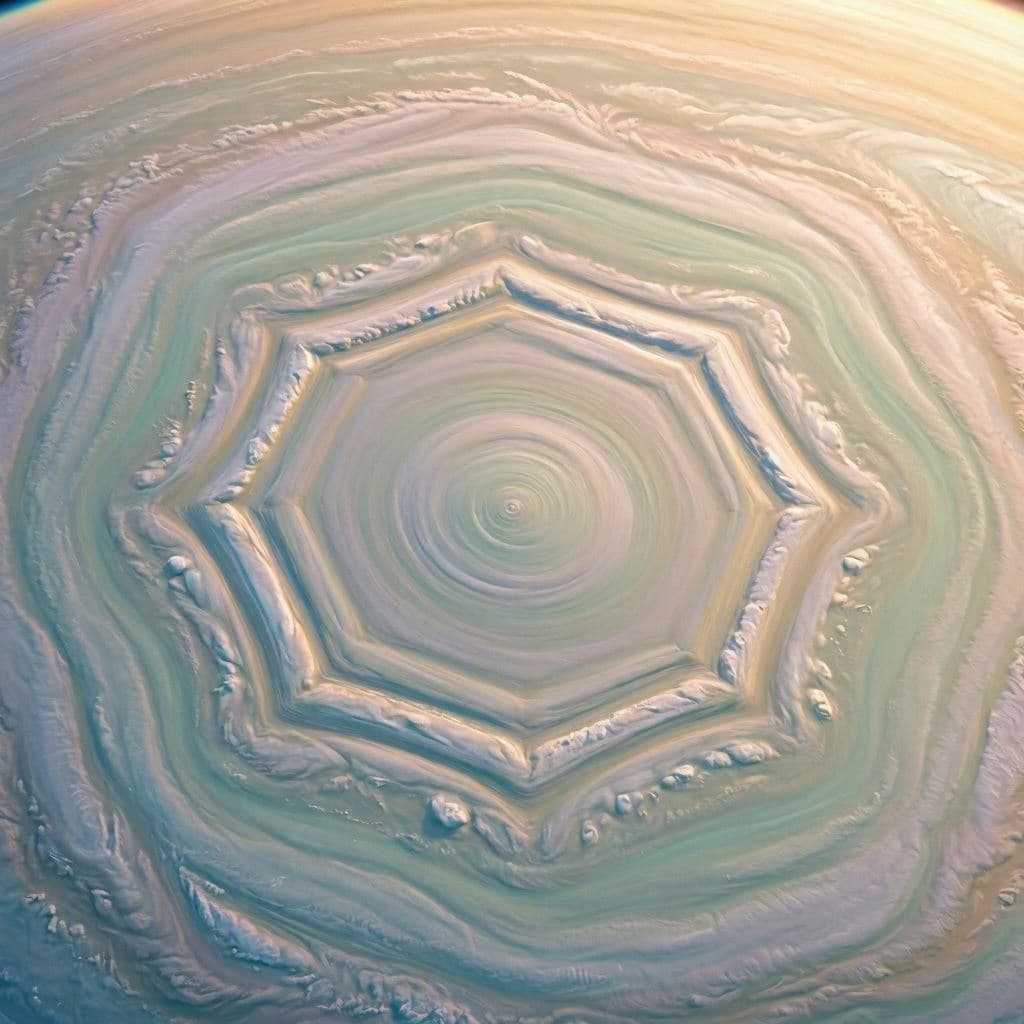
After Saturn’s south pole emerged from winter darkness, astronomers discovered a giant ten-sided storm pattern, a feature hidden from the Cassini spacecraft during its 13-year mission due to seasonal tilting.

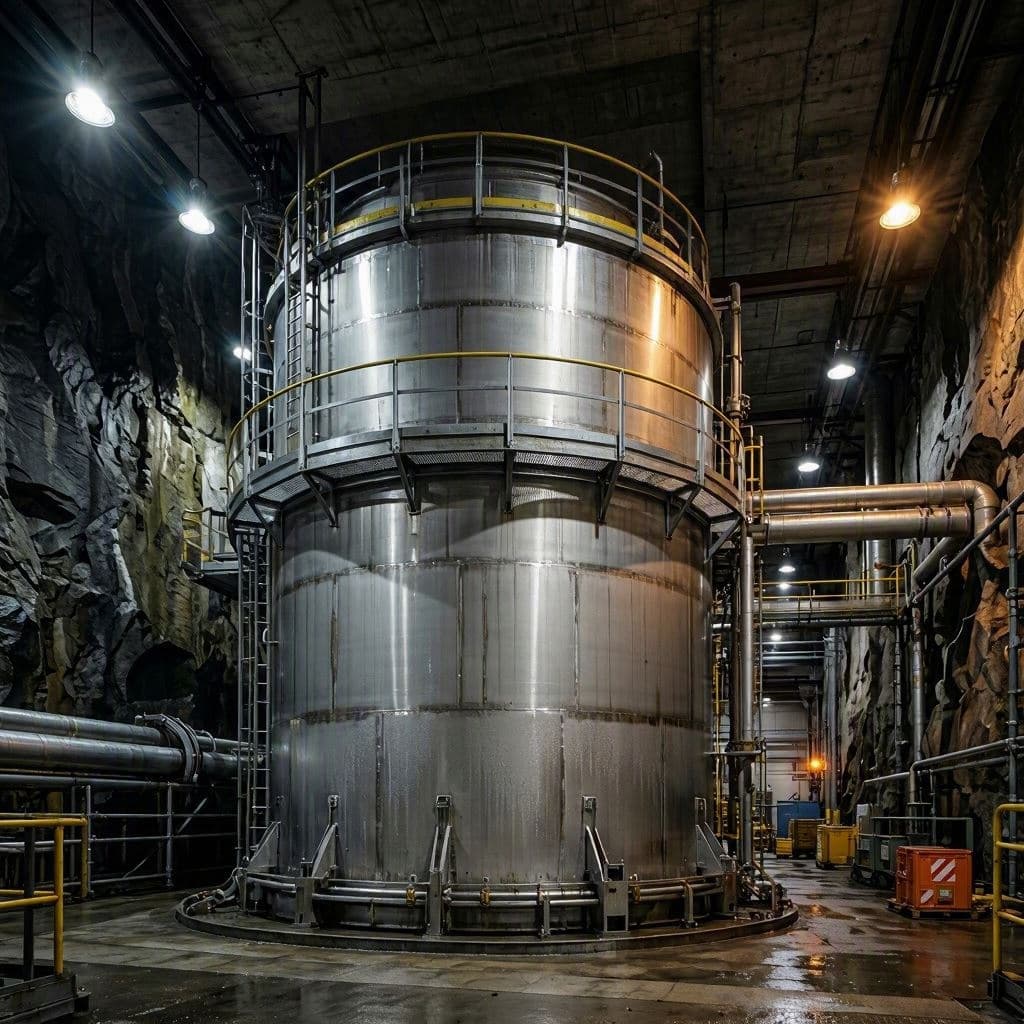
Scientists at a South Dakota underground lab report a potential dark matter detection, a finding that, if verified, could revolutionize our understanding of the universe’s composition and gravitational structure.

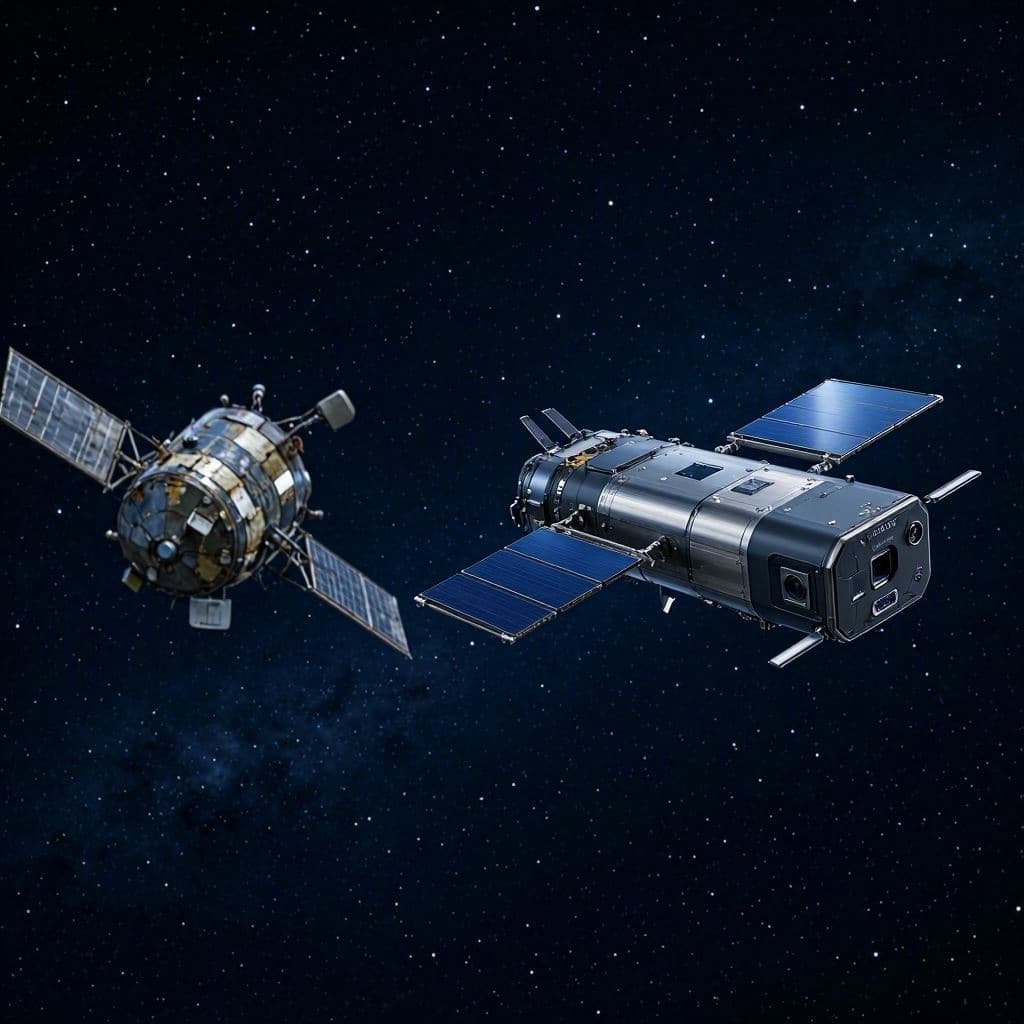
A rescue satellite successfully approached a defunct NASA telescope, demonstrating critical on-orbit servicing skills despite being unable to repair the instrument, marking a step forward for space sustainability.

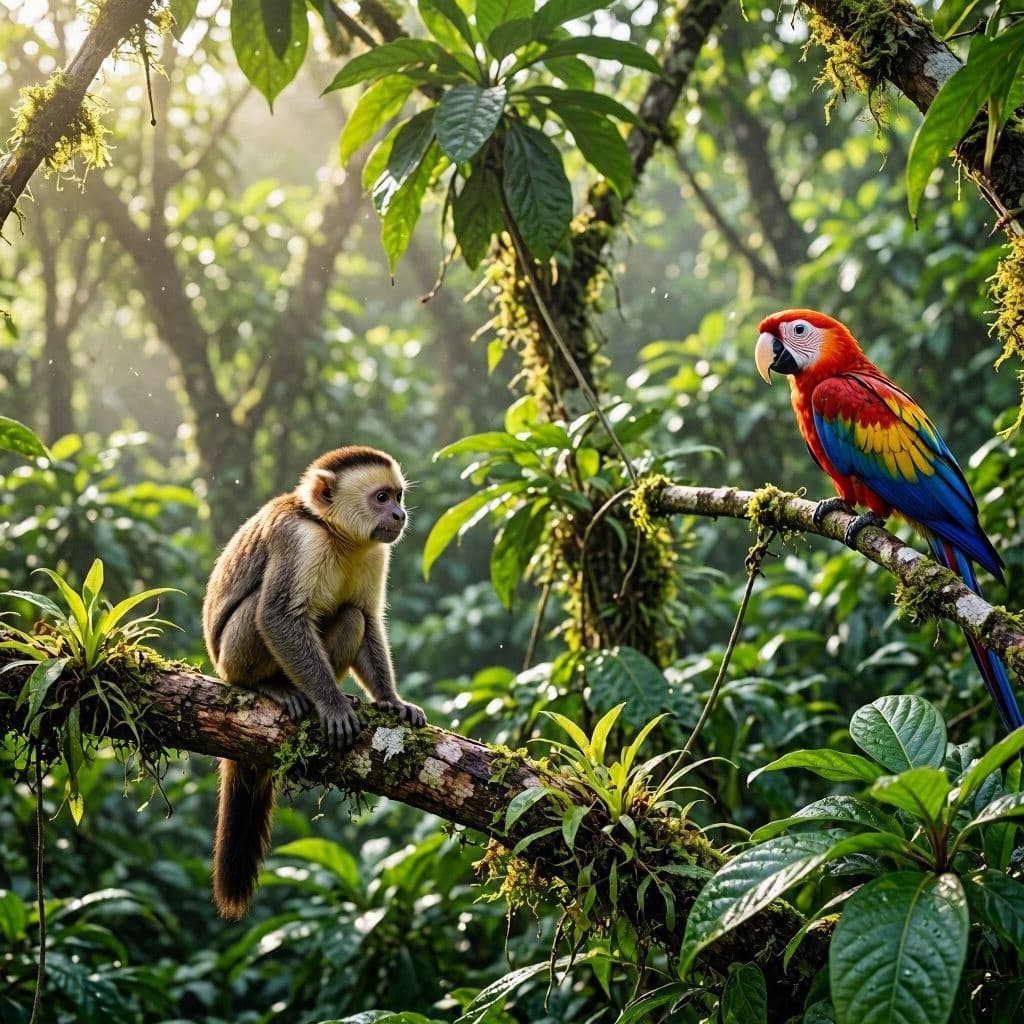
Researchers in the Amazon discovered that birds and monkeys share predator warnings across species, creating a ripple effect of alarms that enhances collective survival in the rainforest canopy.

Research indicates that Betelgeuse’s asymmetric and spotty atmosphere may be influenced by a nearby companion star, reshaping our understanding of the red supergiant’s structure and evolution.

Scientists have observed a comet becoming active in the Kuiper Belt, 3 billion miles away, offering new insights into early solar system dynamics and the composition of ancient icy bodies.

New analysis of 1978 Pioneer Venus data suggests the planet’s clouds contain 60% bound water in hydrated salts, challenging the long-held belief that they are purely sulfuric acid and reopening discussions on atmospheric habitability.

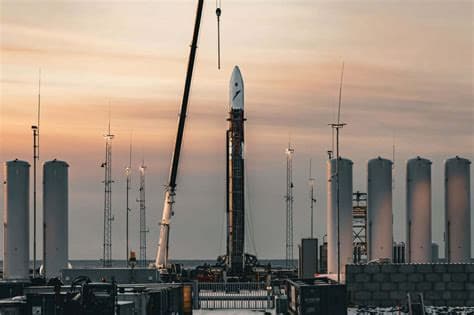
A German startup has launched Europe’s first commercial rocket into space, marking a milestone for the continent’s private sector today.

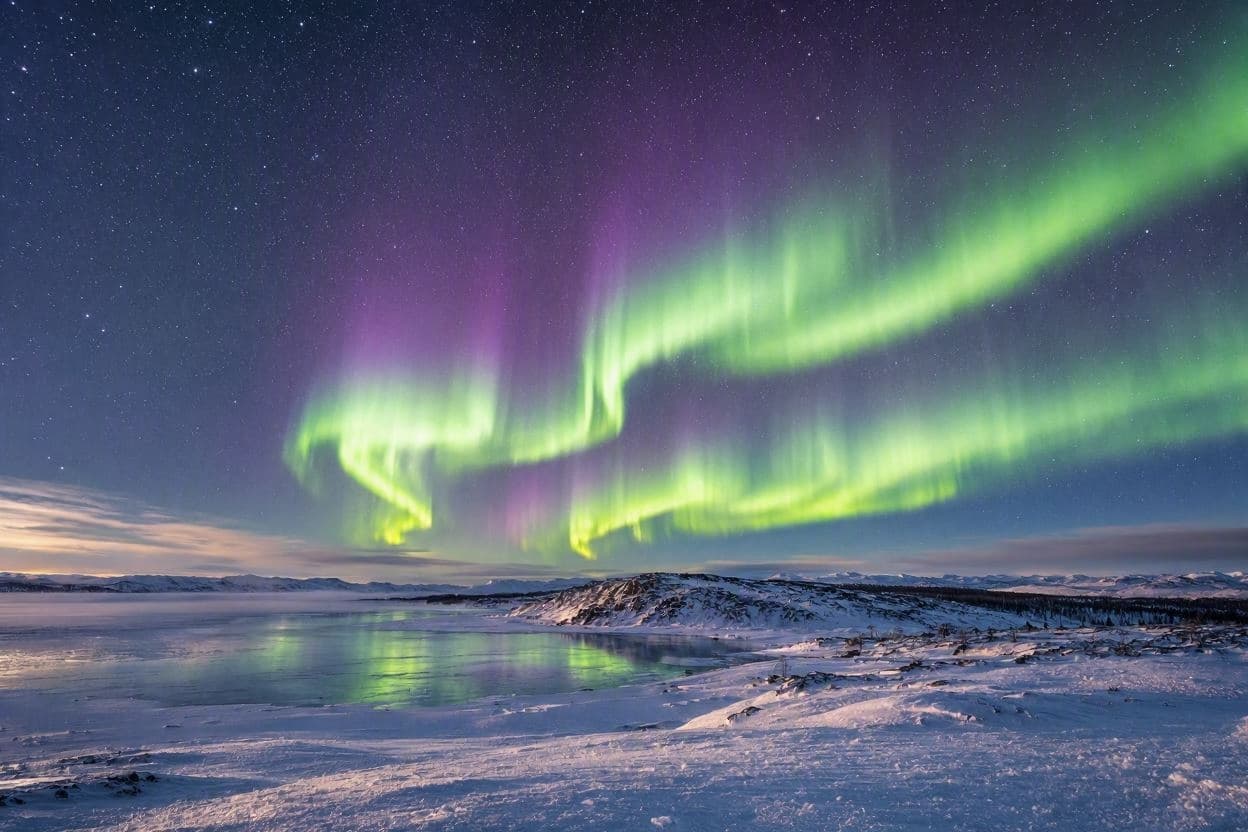
New research from Alaska indicates that extreme solar storms may be more powerful than expected, posing increased risks to power grids and technology due to amplified geomagnetic currents.

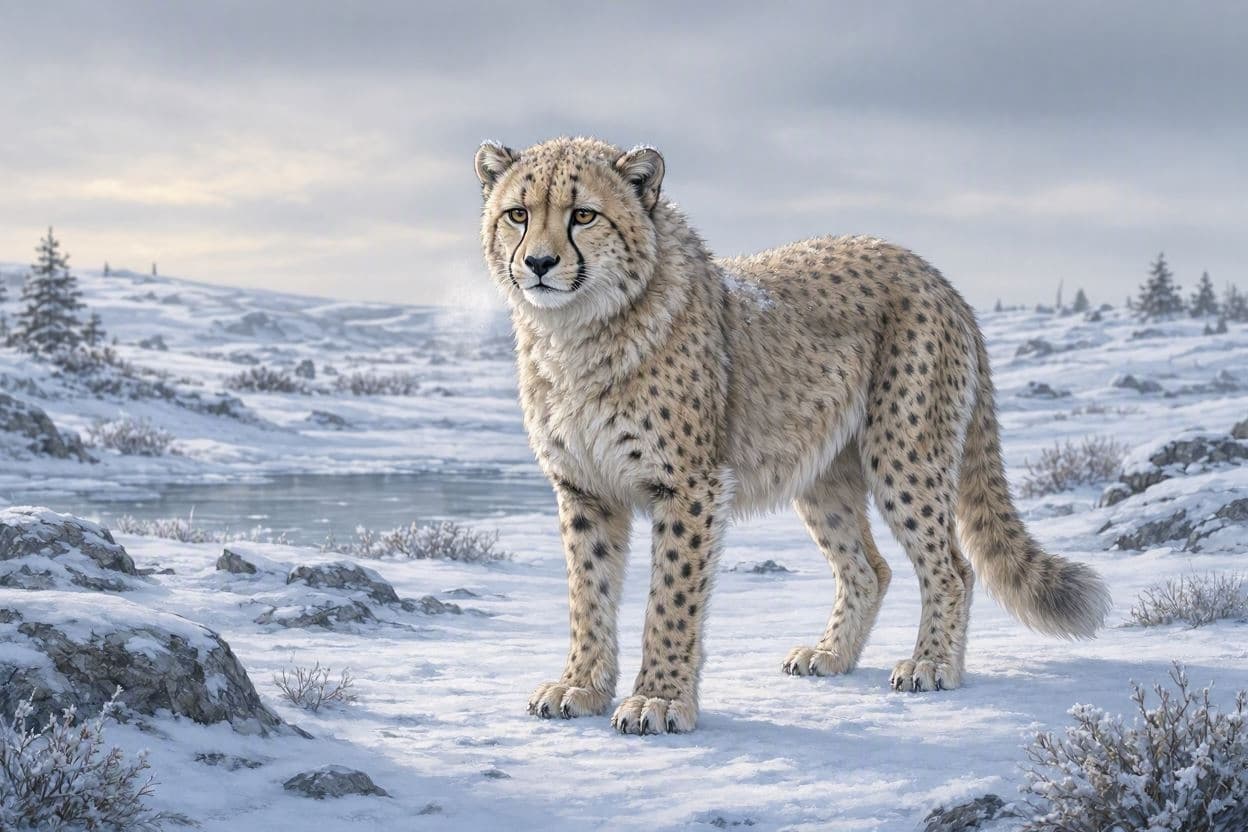
Bones discovered in the Yukon have been identified as belonging to an ice-age cheetah, providing new insights into the prehistoric fauna and migration patterns of North America.

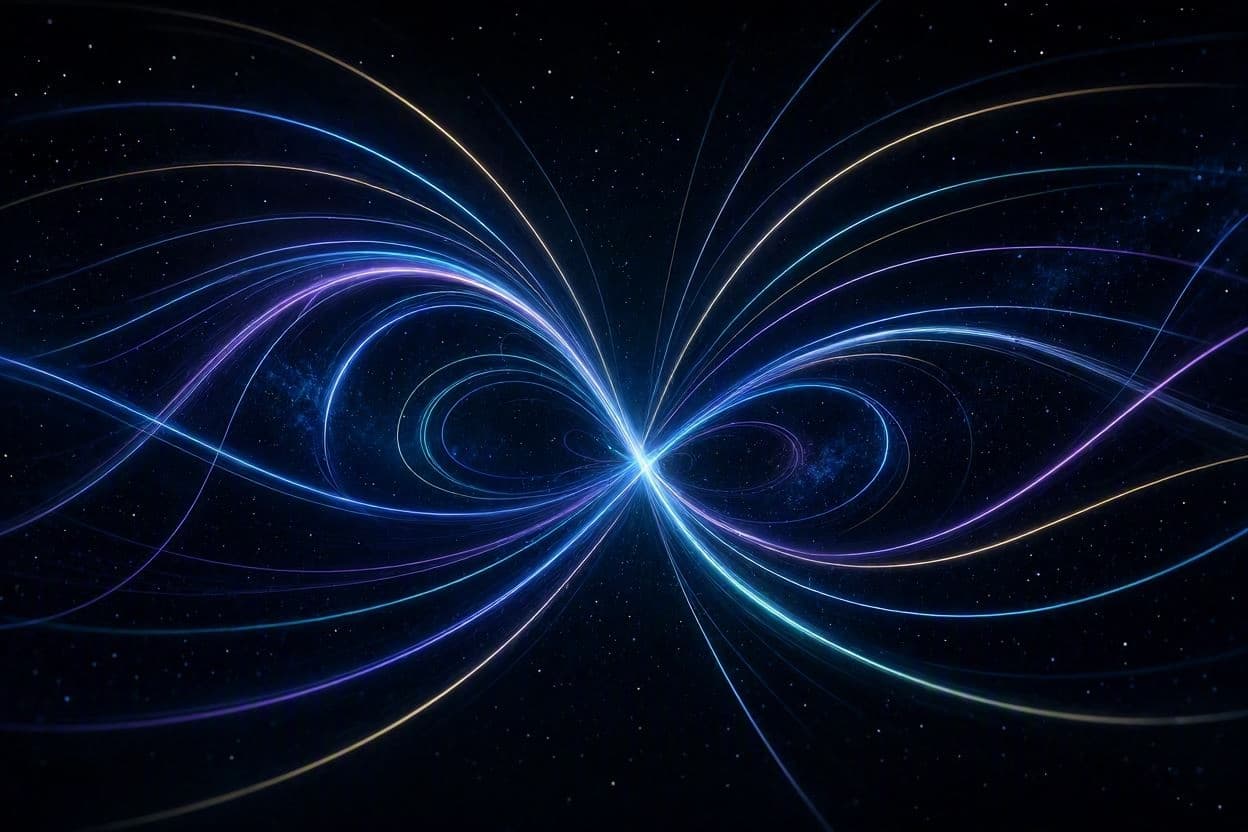
A new 2026 3D model shows the Milky Way’s magnetic boundary near the Sagittarius Arm is a tilted plane, not a vertical wall, reshaping our understanding of galactic structure.

The James Webb Space Telescope has detected a unique "black hole star," a transitional object that blends features of a massive star and a black hole, challenging current astrophysical models.

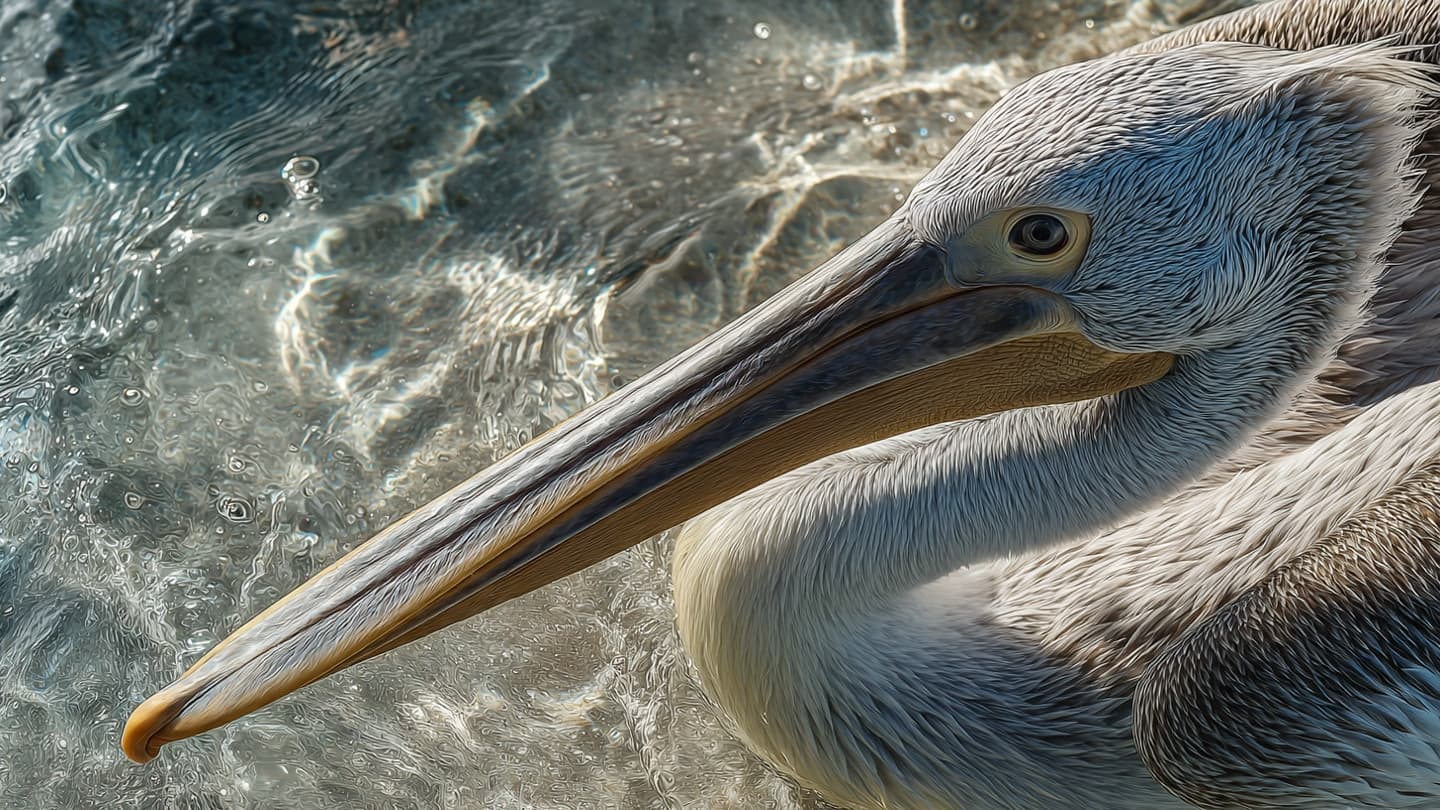
The American White Pelican population in Manitoba is steadily growing due to successful conservation efforts and habitat protection, offering a hopeful sign for regional biodiversity.