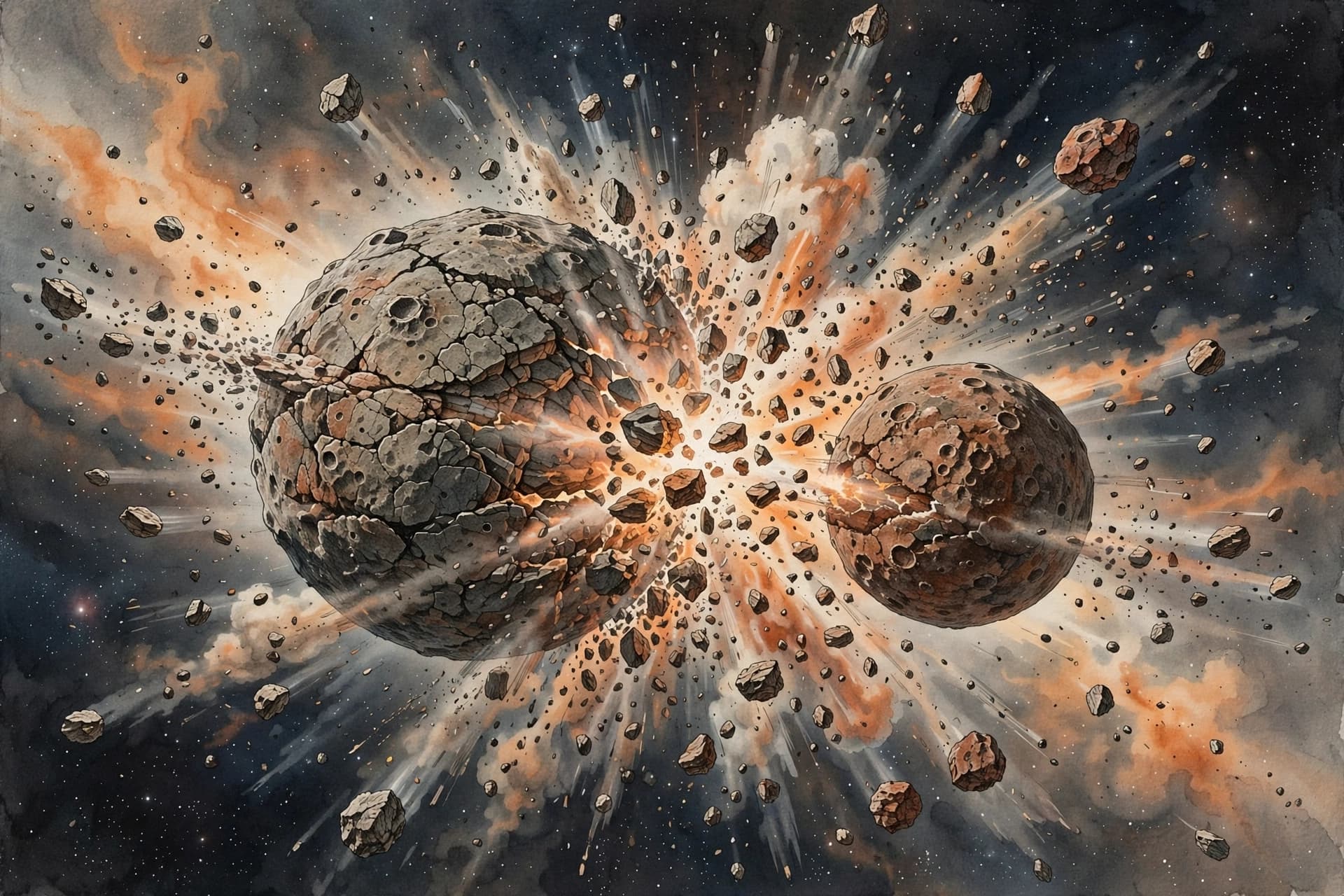
A Violent History: The Milky Way’s Early Collisions
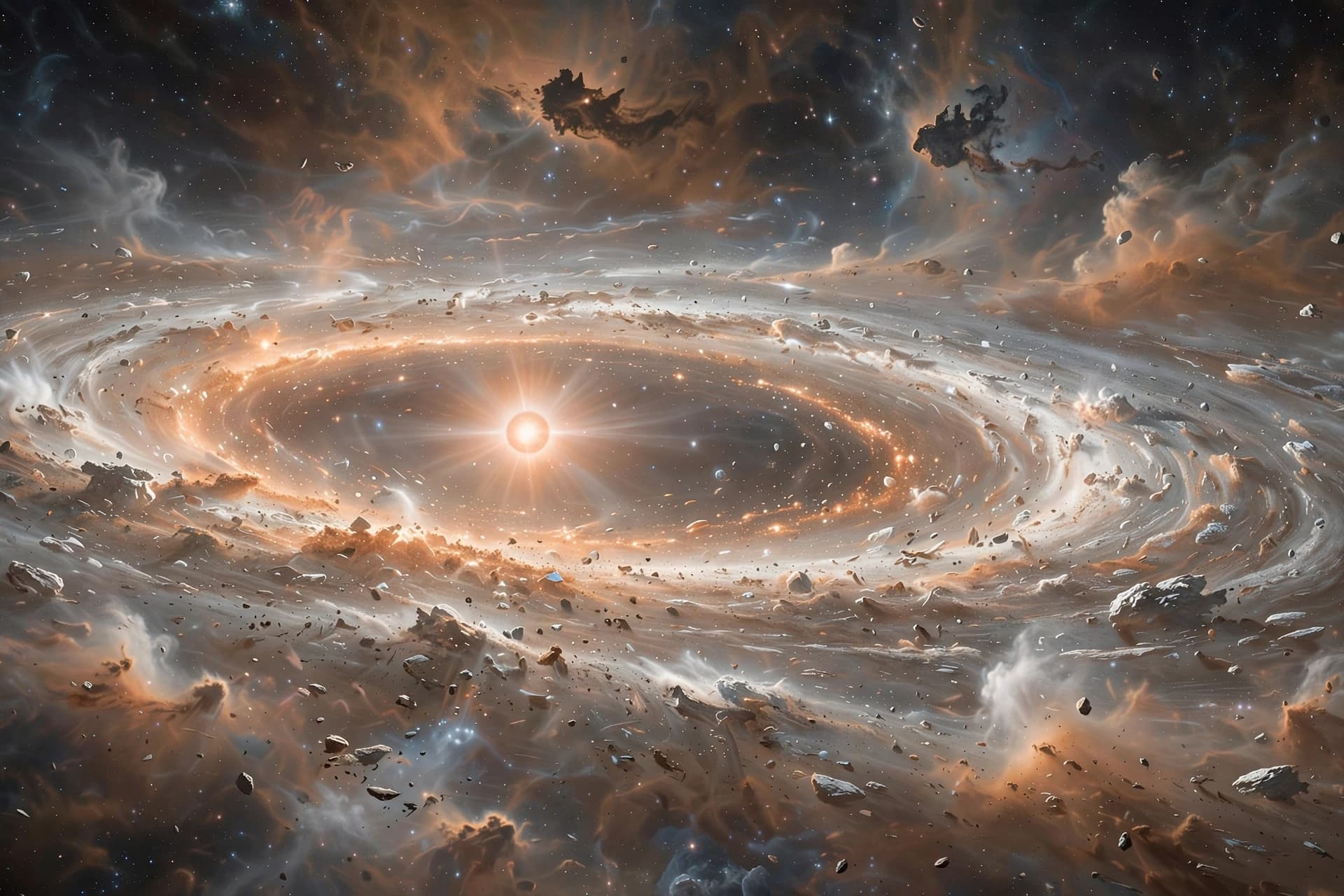
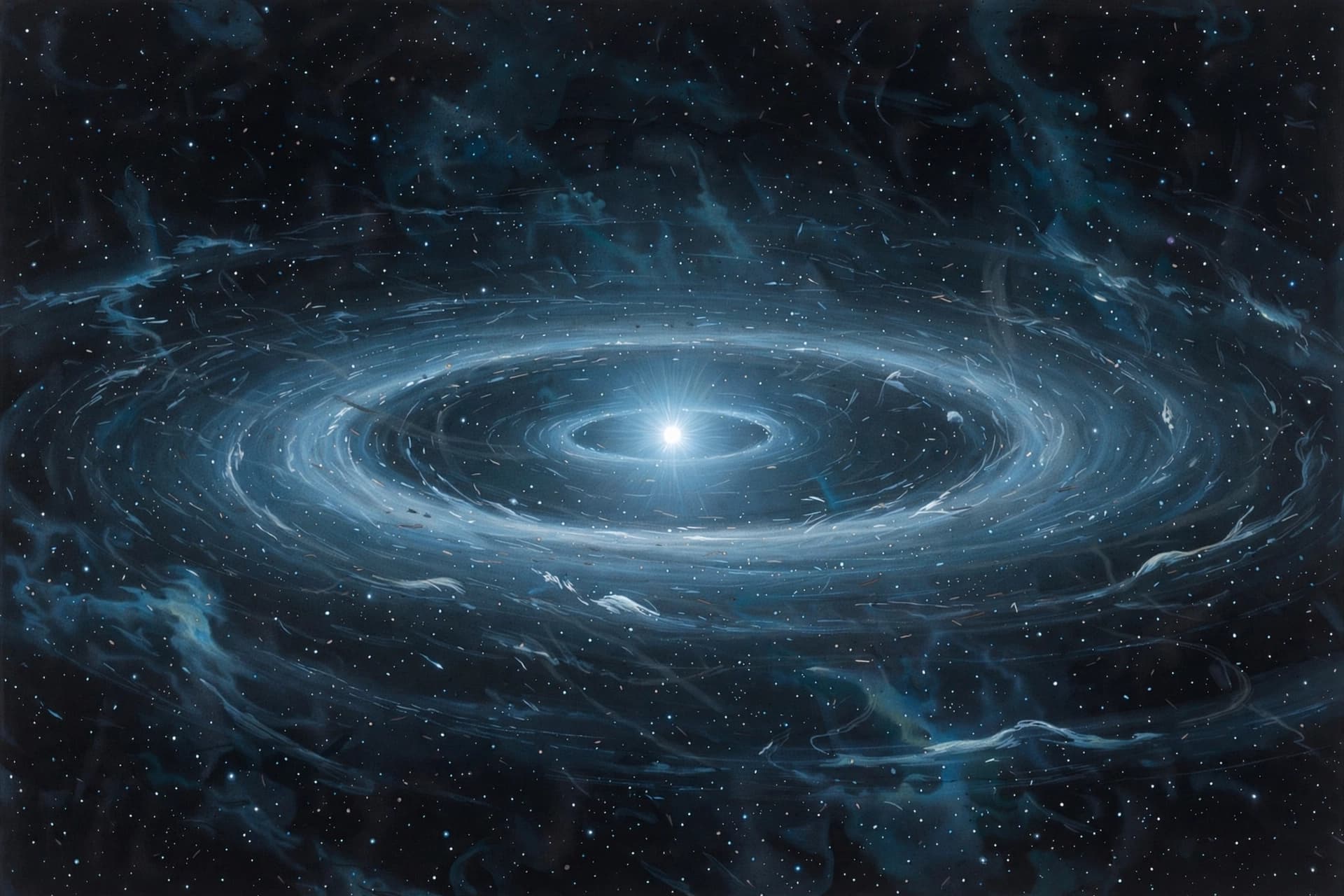
Astronomers have identified a "scar" in the Milky Way’s heart caused by the merger with an early dwarf galaxy, revealing insights into our galaxy’s formation.

Astronomers have identified a "scar" in the Milky Way’s heart caused by the merger with an early dwarf galaxy, revealing insights into our galaxy’s formation.

Researchers are deciphering the ubiquitin code to identify new drug targets for cancer and neurodegenerative diseases by regulating protein degradation.

LST-1 and MAGIC telescopes detected very high-energy gamma rays from blazar OP 313, 8 billion light-years away, setting a new distance record.

A study suggests that Earth microbes could survive on the Lunar South Pole if shielded from radiation, raising concerns about forward contamination in future missions.

Researchers have used magnetic fields to detect heat signatures in graphene electron flow, offering new insights into thermal management for nanoscale devices.

Researchers have mapped an ancient river valley system beneath the southern Great Barrier Reef, revealing a landscape exposed during the last Ice Age.

New research suggests that chemical reactions in porous rocks at hydrothermal vents on the sea floor may have created the first organic molecules, sparking life on Earth.

Researchers have detected signatures of exotic parafermion zero modes, a discovery that could lead to more stable and powerful quantum computers.

A researcher has created the first comprehensive global map of Earth’s sand dunes using satellite imagery and AI, revealing their extensive distribution and ecological importance.

Humpback whales frequently interrupt orca hunts to save other species, such as seals and gray whale calves, a behavior scientists struggle to fully explain.

Researchers in Colorado propose that quantum entanglement may link the universe on a broad, cosmic scale, connecting distant structures.

Theoretical research suggests that topological defects called disclinations could significantly distort light and wave propagation through wormholes.

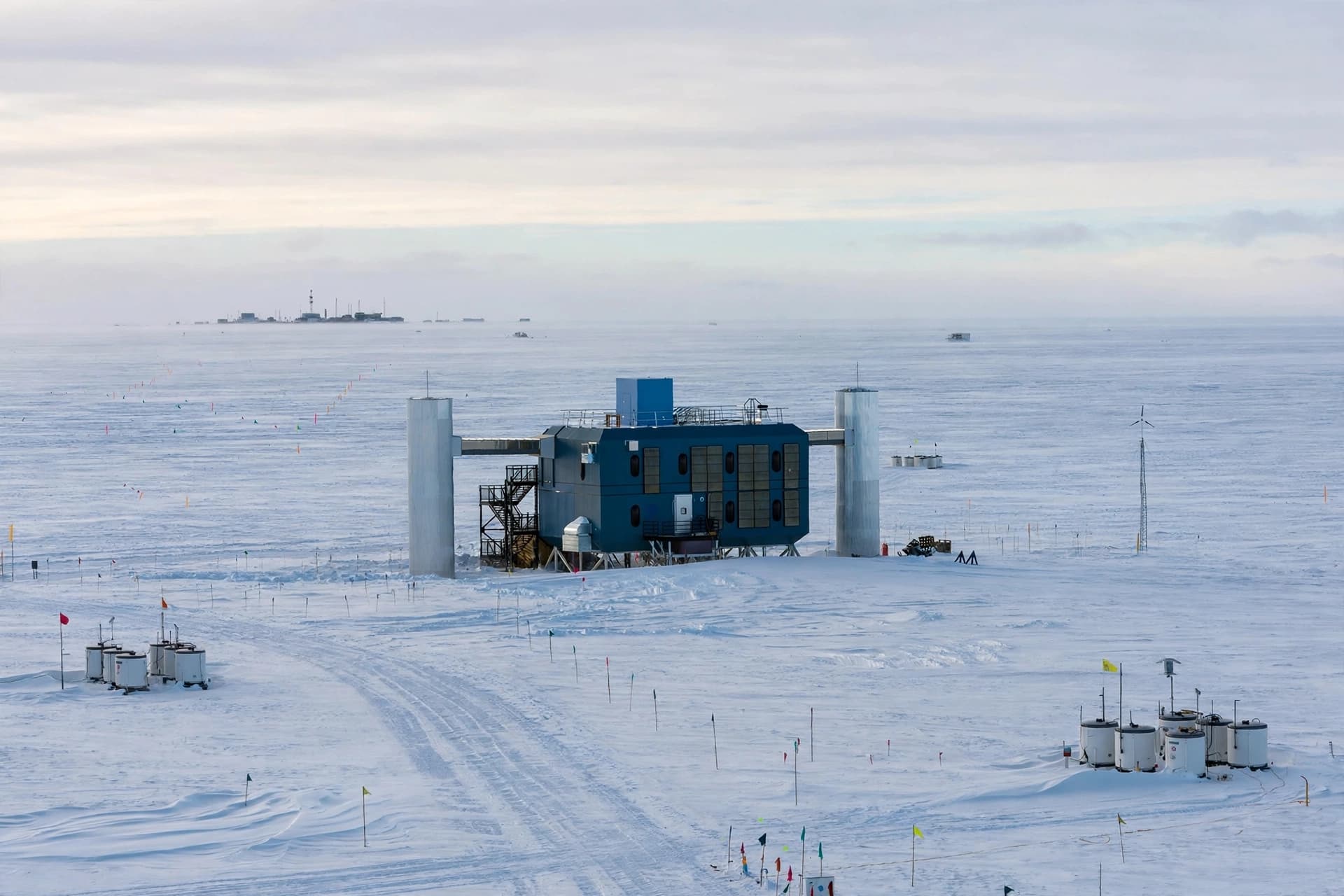
A neutrino detected in Antarctica led astronomers to the "Shadow Blaster," a young galaxy 11 billion light-years away, magnified by gravitational lensing.

Although water covers 71% of Earth's surface, it accounts for only 0.02% of its mass, with the rest being rock and metal.

Singapore is reconsidering plans to clear much of Maju Forest for public housing after environmental concerns drew unusual public attention.

Chinese startup LandSpace successfully recovered a Zhuque-3 orbital booster, marking a major step for the country's private reusable-rocket industry.

A partial lunar eclipse will be visible across Canada this week, offering skywatchers a chance to see Earth’s shadow cross the moon’s surface.

A newly discovered stellar stream, or "ghostly ribbon" of stars, shows distortions that reveal the presence and distribution of hidden dark matter clumps.

A beginner-friendly Celestron telescope is currently 25% off, offering an affordable way to view the upcoming lunar eclipse and other celestial events.

An evolutionary arms race between predators and marine snails in the Cenozoic era led to diverse shell adaptations and shaped modern marine biodiversity.

The Artemis II crew will receive the Congressional Space Medal of Honor from President Trump for their historic lunar flyby mission in April 2026.

Research indicates that over 70% of London’s trees are at risk from climate change, prompting a shift toward more resilient, climate-ready species.

The location of the UK’s rarest bird, the polyamorous Montagu’s harrier, is kept secret to protect its ground nests from disturbance, ensuring successful breeding.

El Niño is currently influencing global weather patterns, but its specific impact on crop yields remains uncertain due to varying regional conditions and the complexity of agricultural systems.