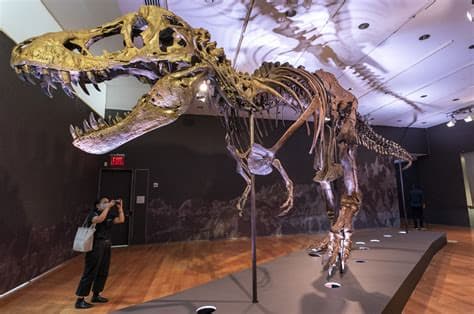
Rare fossil of T. rex cousin goes on display in New York before heading to auction
A rare tyrannosaur fossil is being displayed in New York ahead of auction, drawing attention to its age, completeness and scientific value.

A rare tyrannosaur fossil is being displayed in New York ahead of auction, drawing attention to its age, completeness and scientific value.

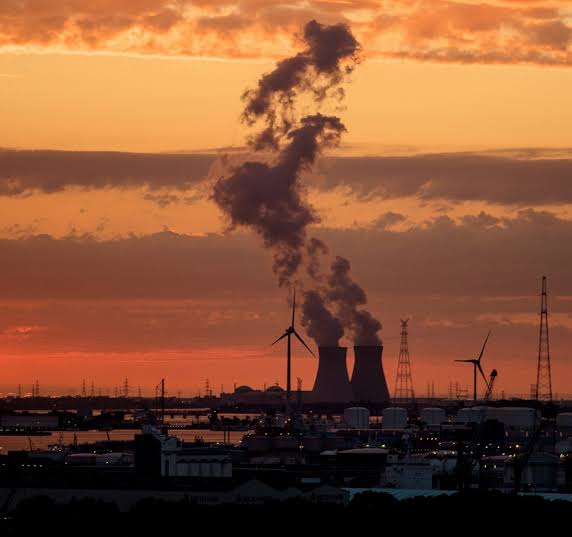
Global solar generation exceeded nuclear output in 2025, marking a first as rapidly expanding renewables outpaced the world’s slowly growing nuclear fleet.

Seven of 16 climate indicators have reached record extremes, as scientists warn of accelerating warming and growing risks to Earth’s life-support systems.

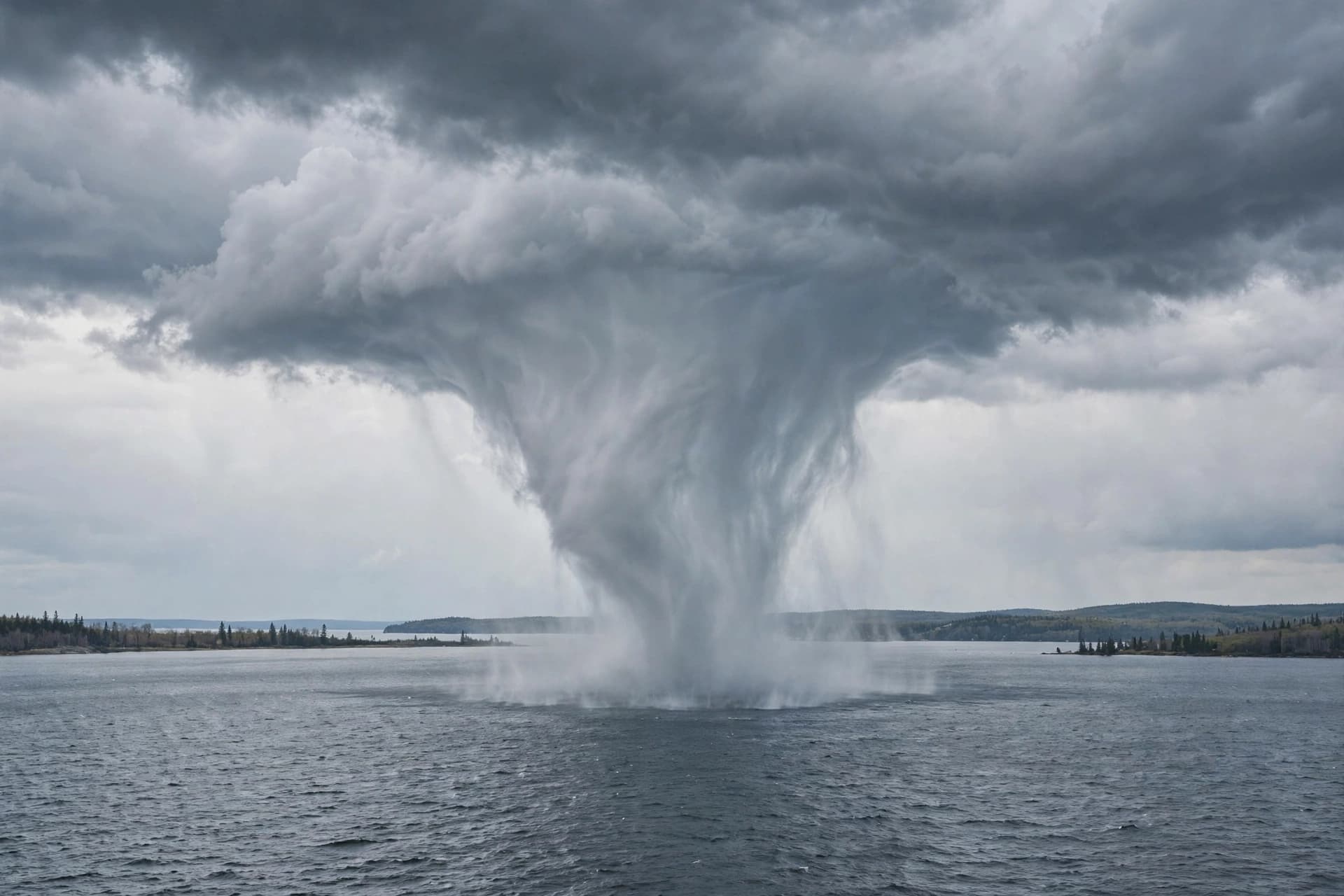
A rare October tornado over Georgian Bay was captured on drone video by Beausoleil firefighters and confirmed by the Northern Tornadoes Project as an EF0 event with no damage.

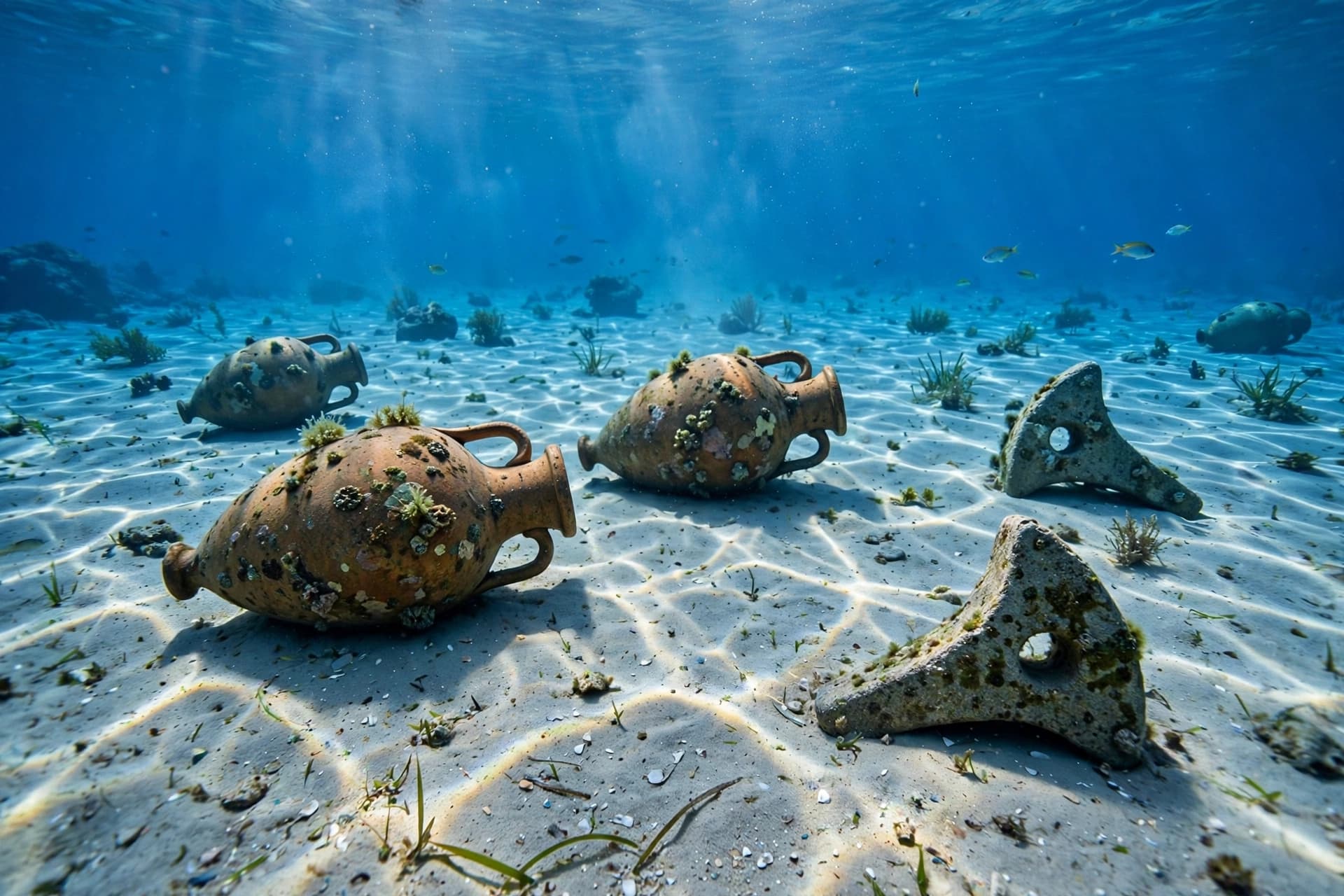
Archaeologists found a 4,400–4,700-year-old shipwreck off Turkey's coast, the oldest known, carrying Bronze Age trade goods and stone anchors.

A new BioScience report finds seven of sixteen climate vital signs at record extremes, with warming accelerating, but notes renewable energy growth offers hope.

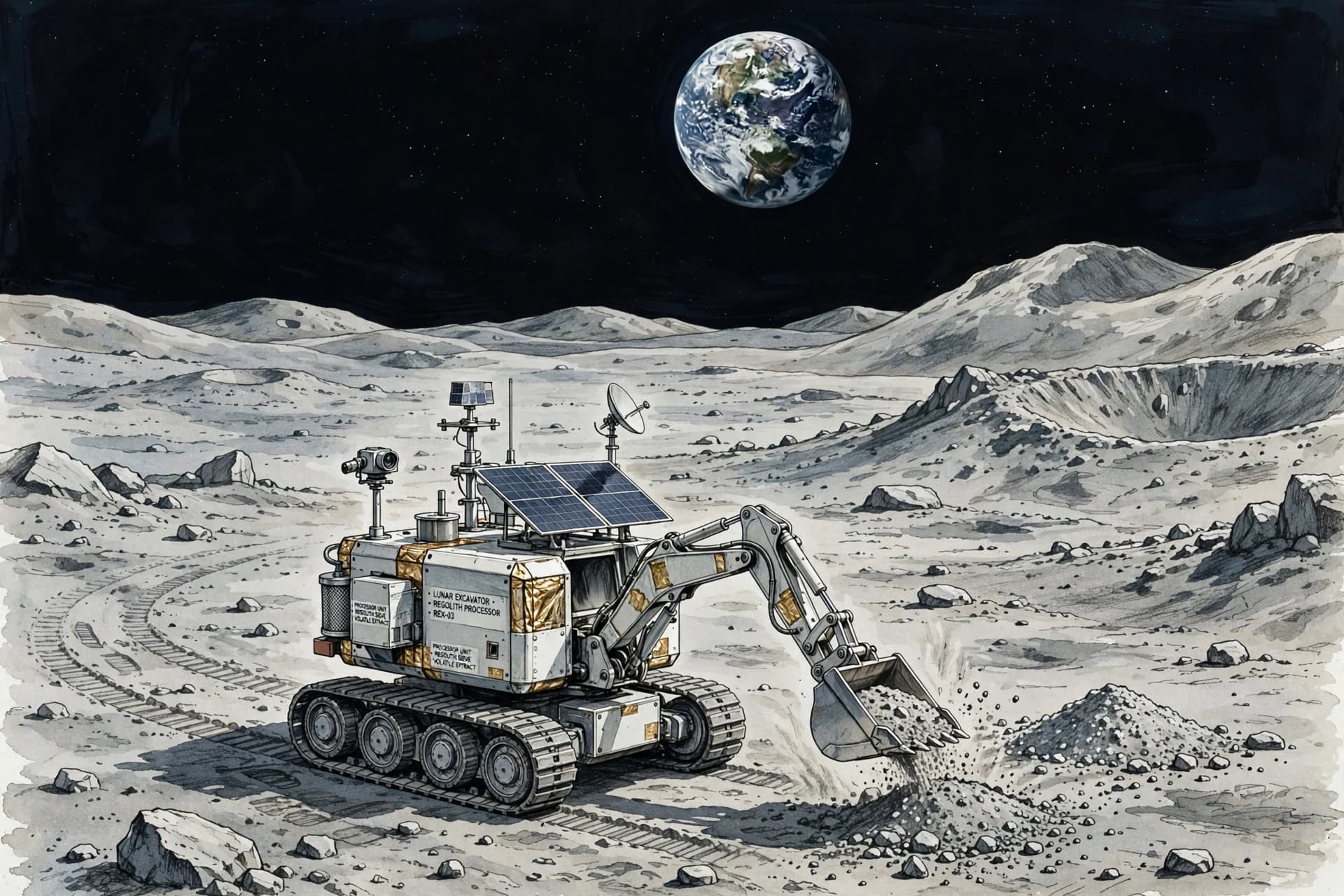
A UK Space Agency review finds British strengths in ISRU prospecting, oxygen extraction, and materials science, but identifies a funding and testing gap at higher technology readiness levels.

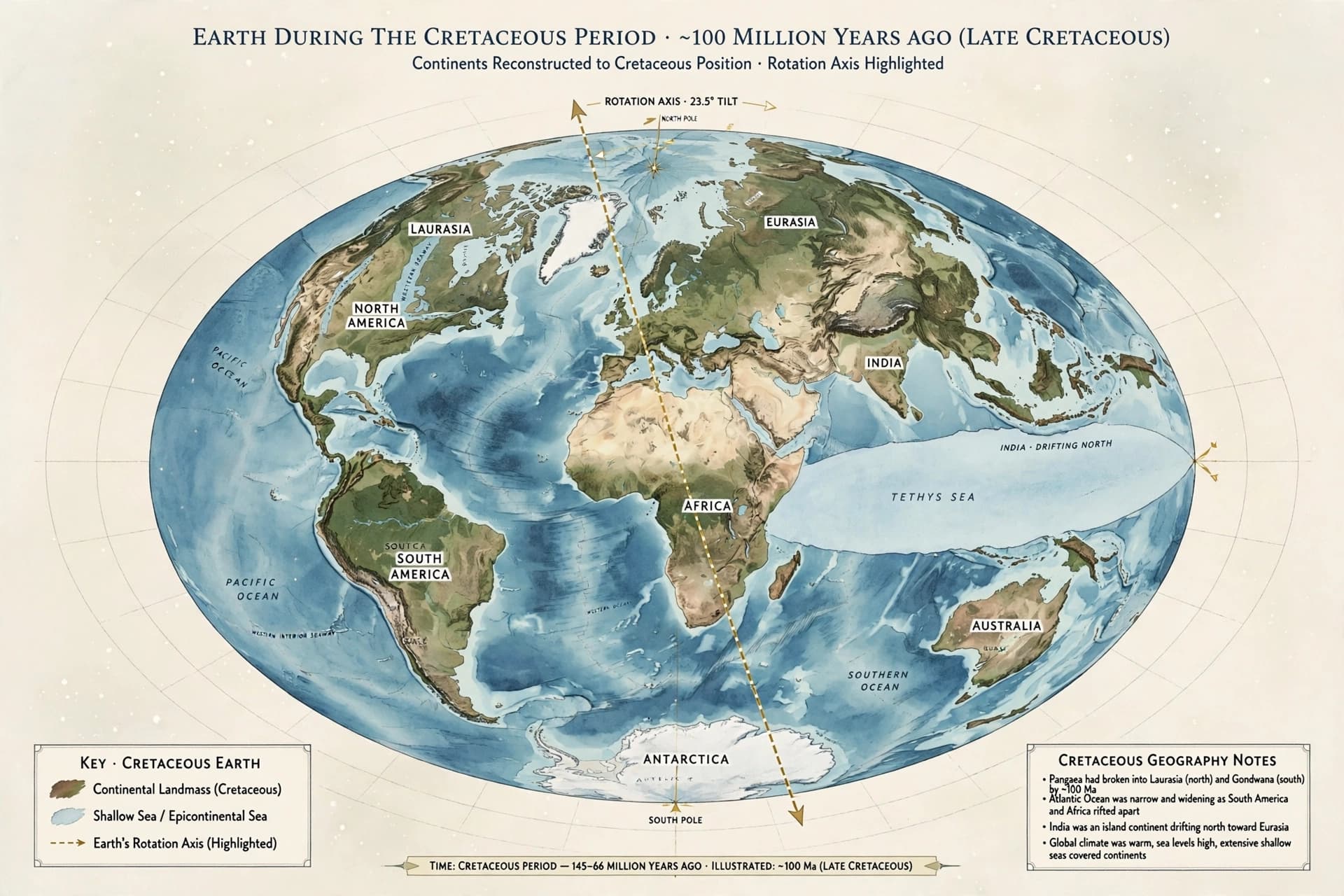
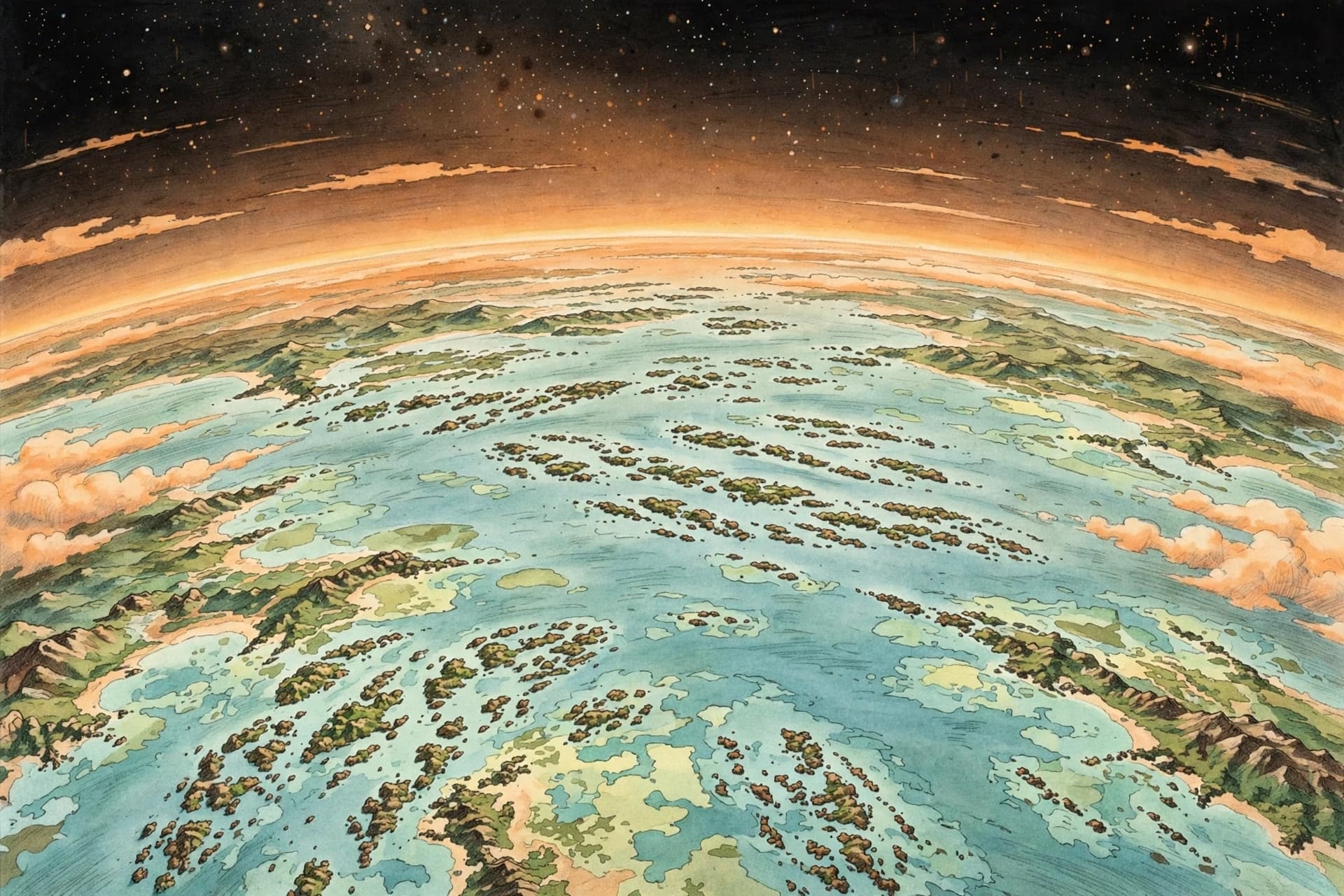
Ancient sea-level records reveal that Earth underwent episodes of rapid true polar wander during the Jurassic and Cretaceous, shifting its crust relative to its spin axis and reshaping continents.

Research shows mushroom-derived peptides can enhance saltiness perception by up to 70% by interacting with the TMC4 taste receptor, offering a natural path to low-sodium foods.

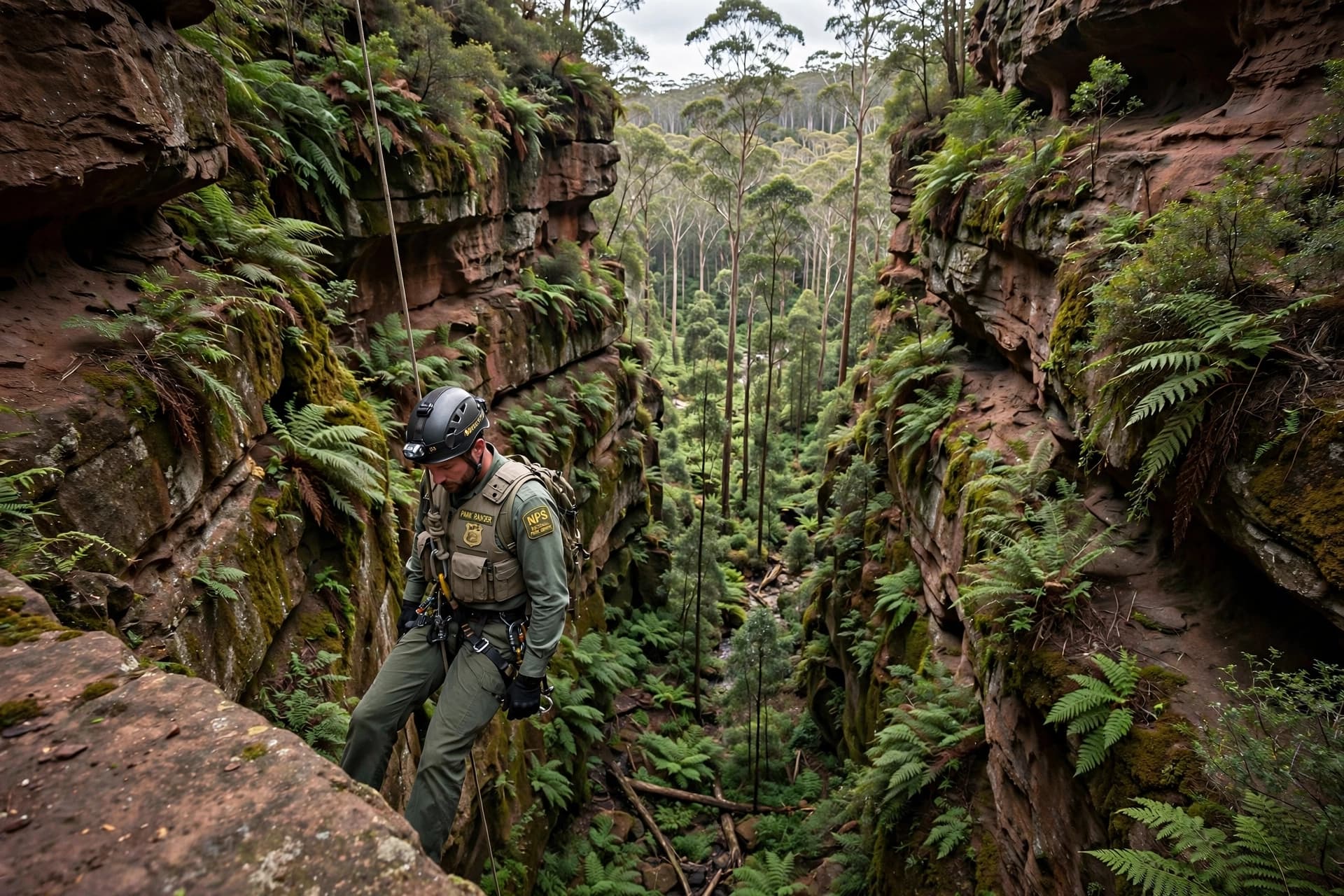
In 1994, a park ranger discovered a stand of Wollemi pines in a remote Australian canyon—a species known only from fossils dating back 200 million years, hidden from the world until that moment.

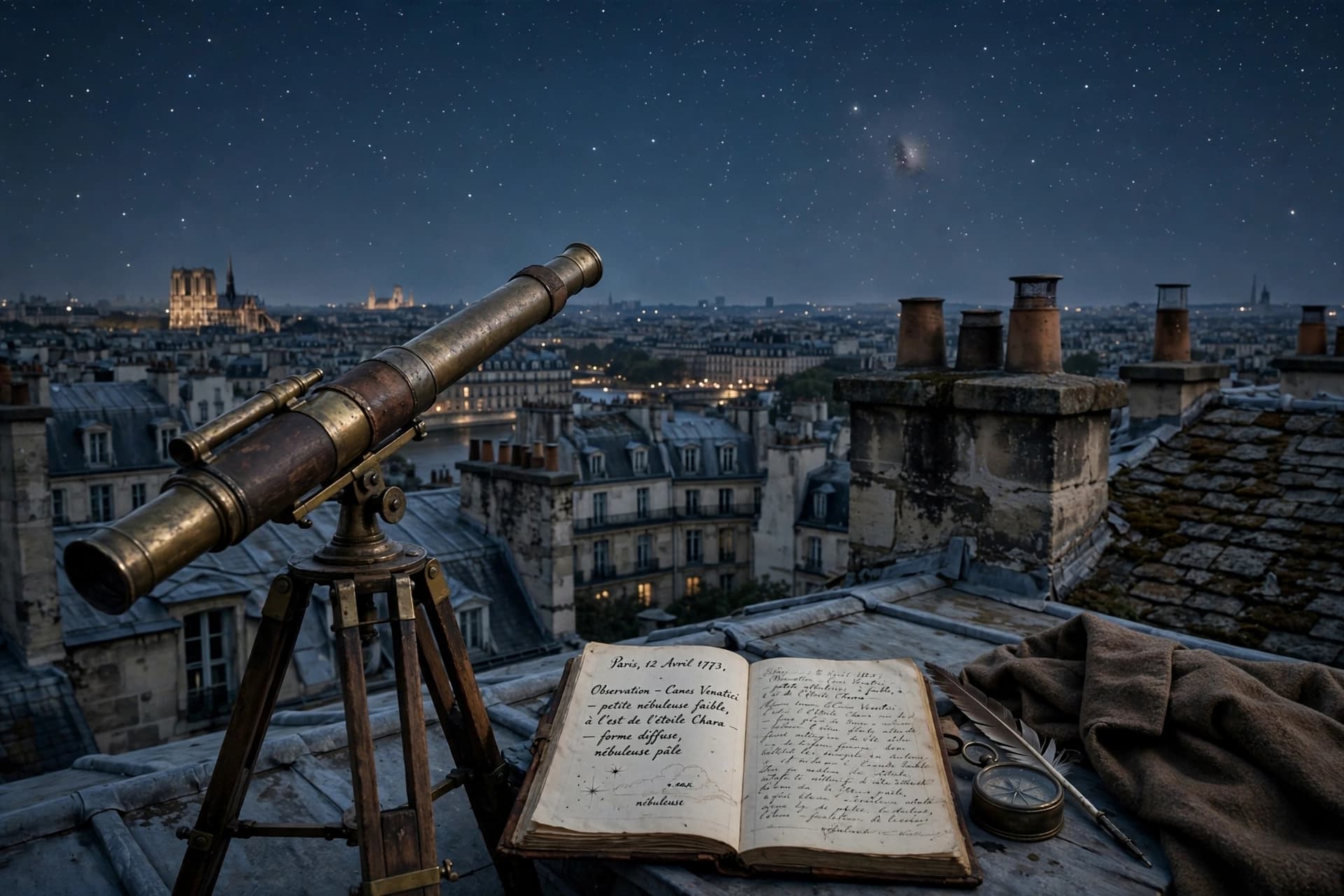
On October 13, 1773, Charles Messier discovered the Whirlpool Galaxy while searching for comets, cataloging it as a fuzzy nuisance without knowing it was a galaxy 23 million light-years away.

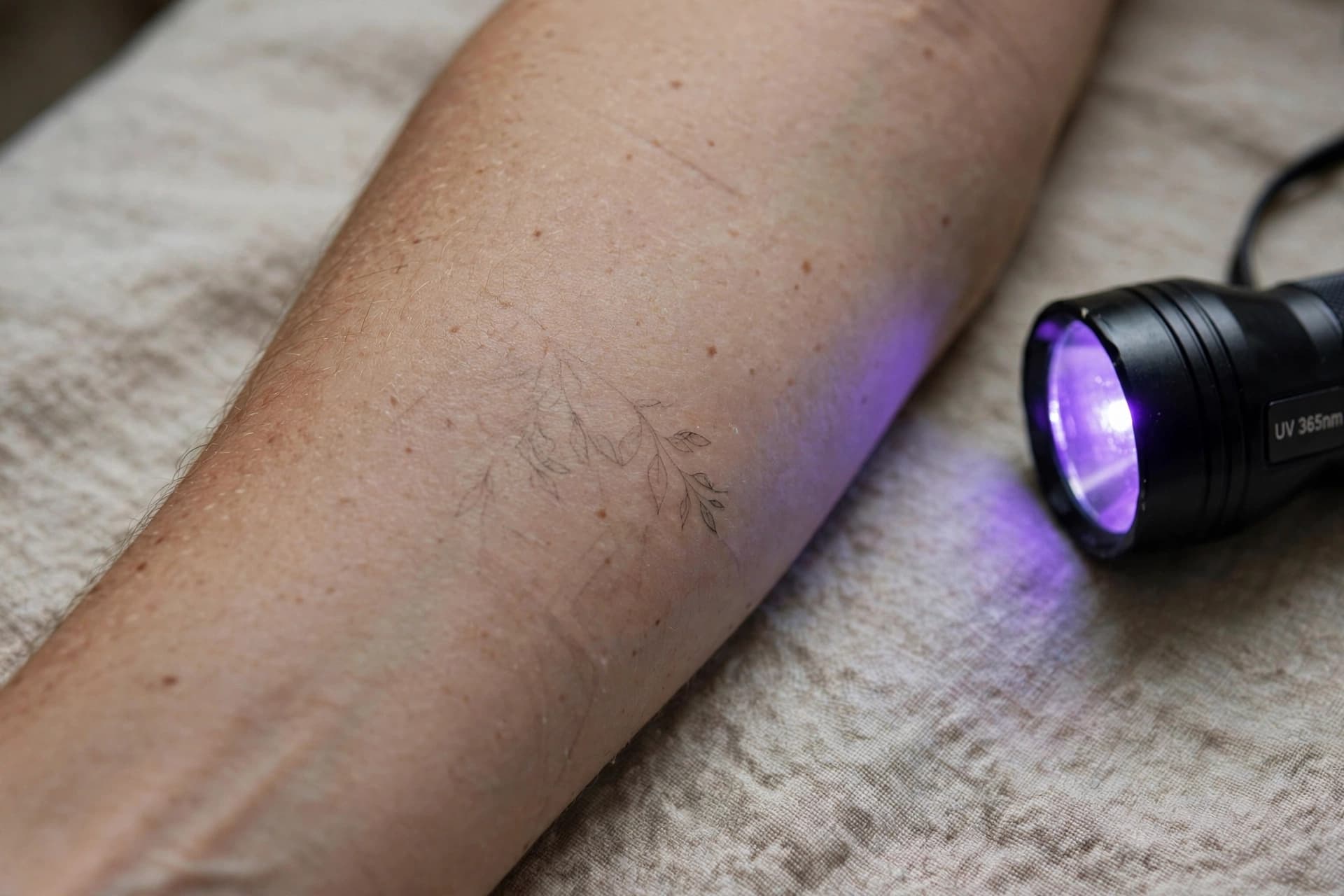
Researchers at CU Boulder have developed PhotoTat, light-sensitive tattoo inks that remain invisible under ordinary light but reveal vivid colors under UV light, with potential medical and cosmetic applications.

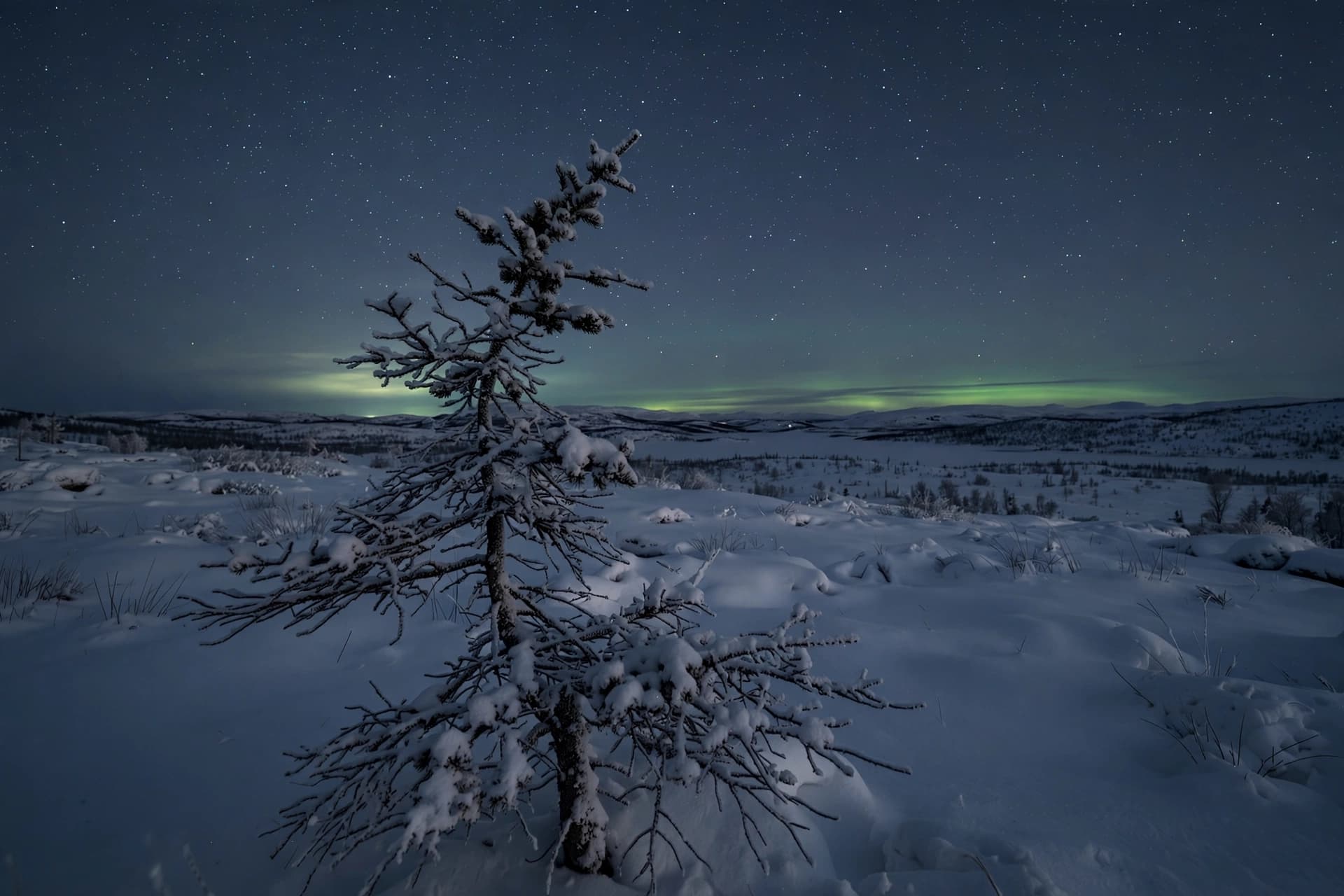
NOAA forecasts a Kp 4 geomagnetic storm Tuesday, potentially making the aurora visible from nine northern U.S. states including Washington, Montana, North Dakota, and Michigan’s Upper Peninsula.

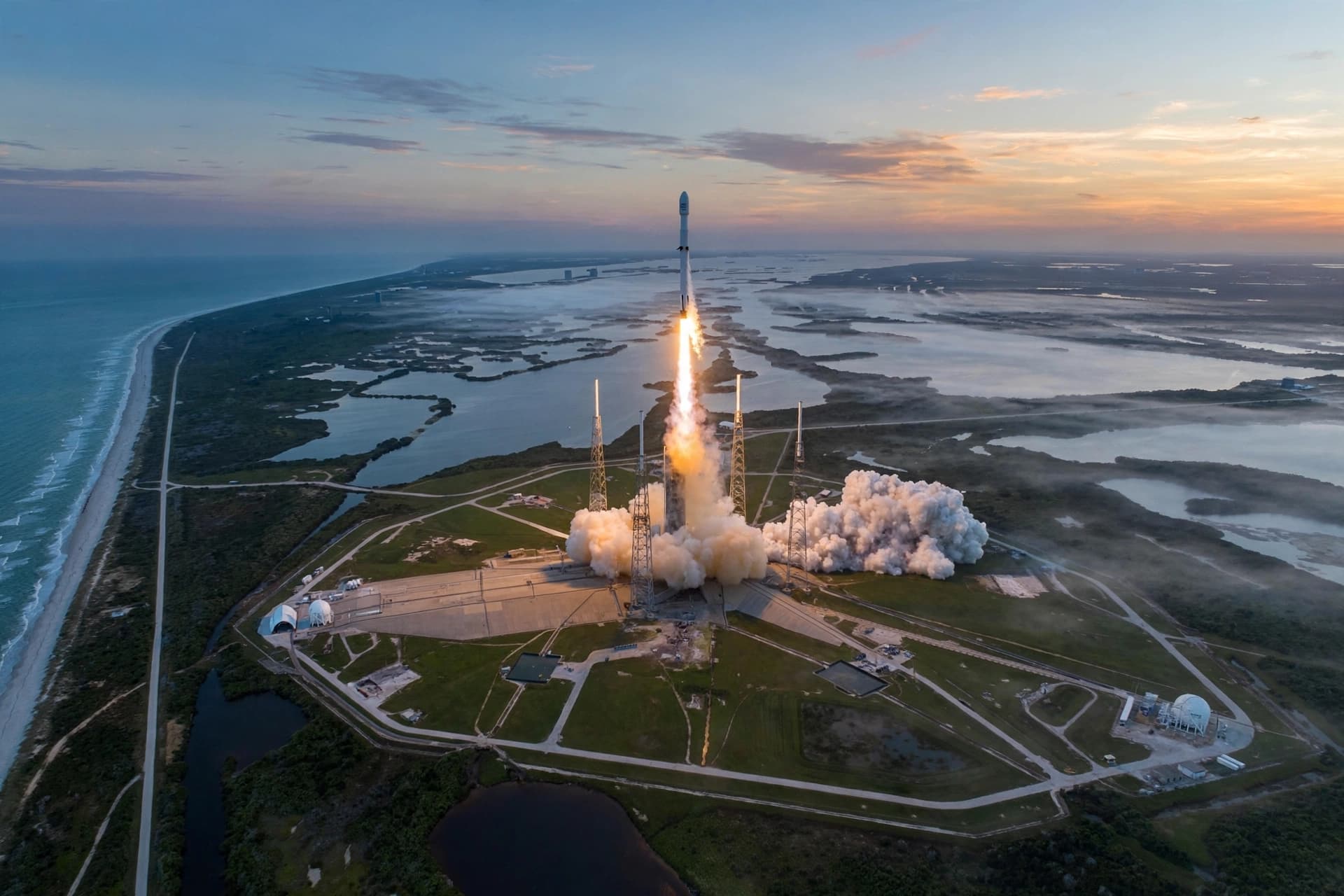
SpaceX launched its 35th resupply mission to the ISS, carrying 6,300 pounds of cargo including the final roll-out solar arrays and experiments on artificial retinas and brain organoids.

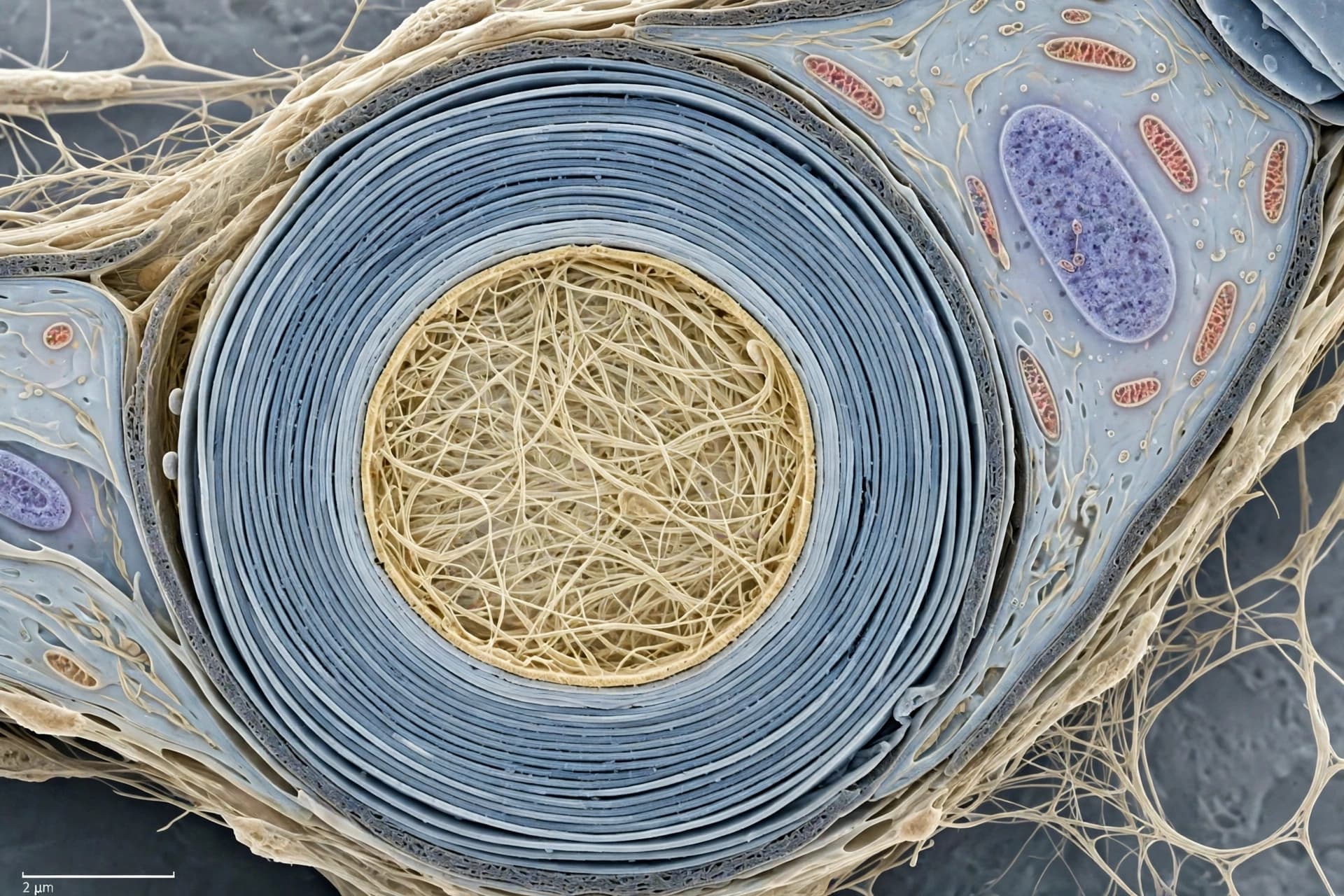
New research is revealing how Schwann cells respond to nerve injury through dedifferentiation, cholesterol metabolism, and molecular signaling, offering clues for improving peripheral nerve regeneration.

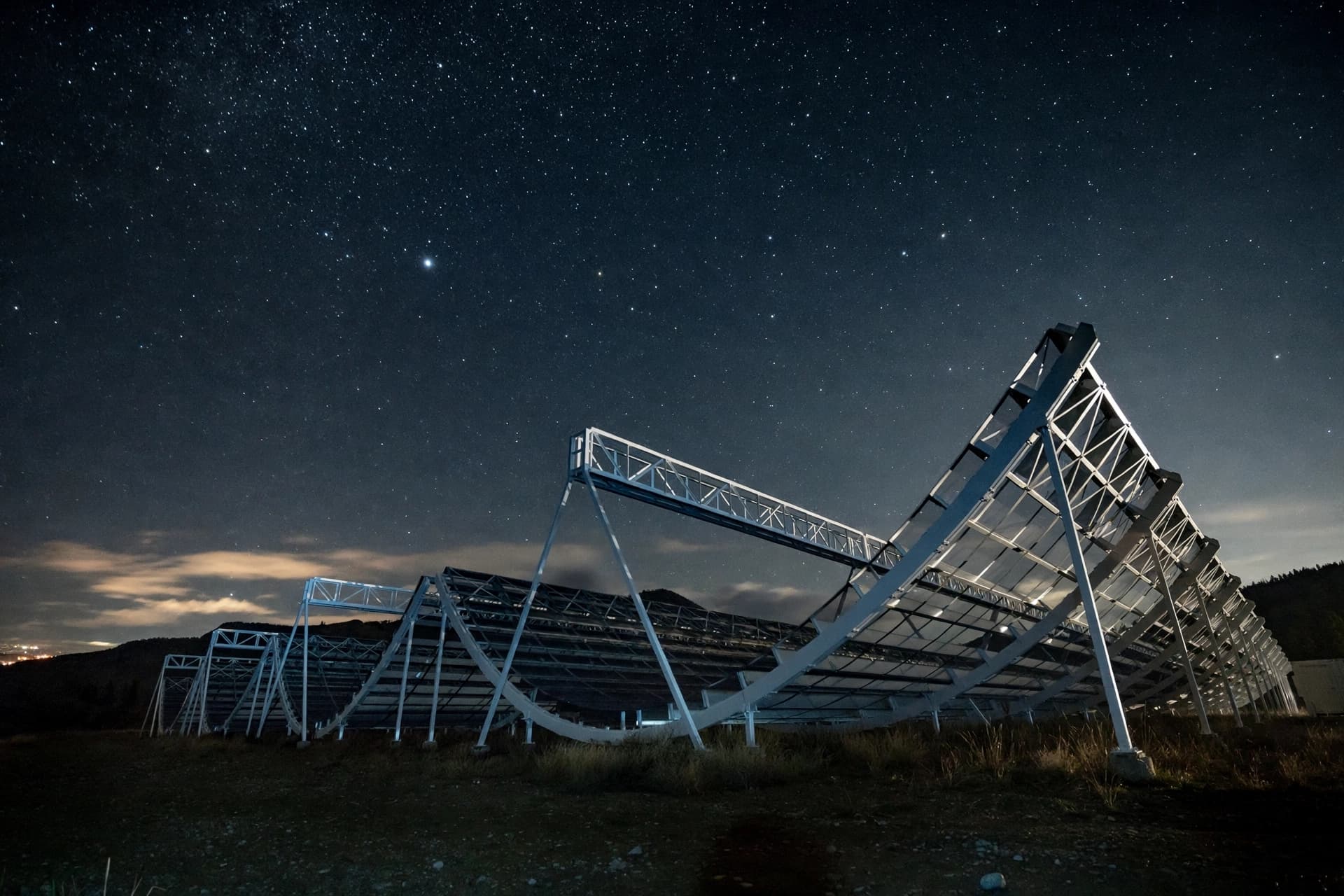
The CHIME telescope has made its first standalone detection of hydrogen's faint glow from the early universe, offering a new, less expensive way to investigate dark energy.

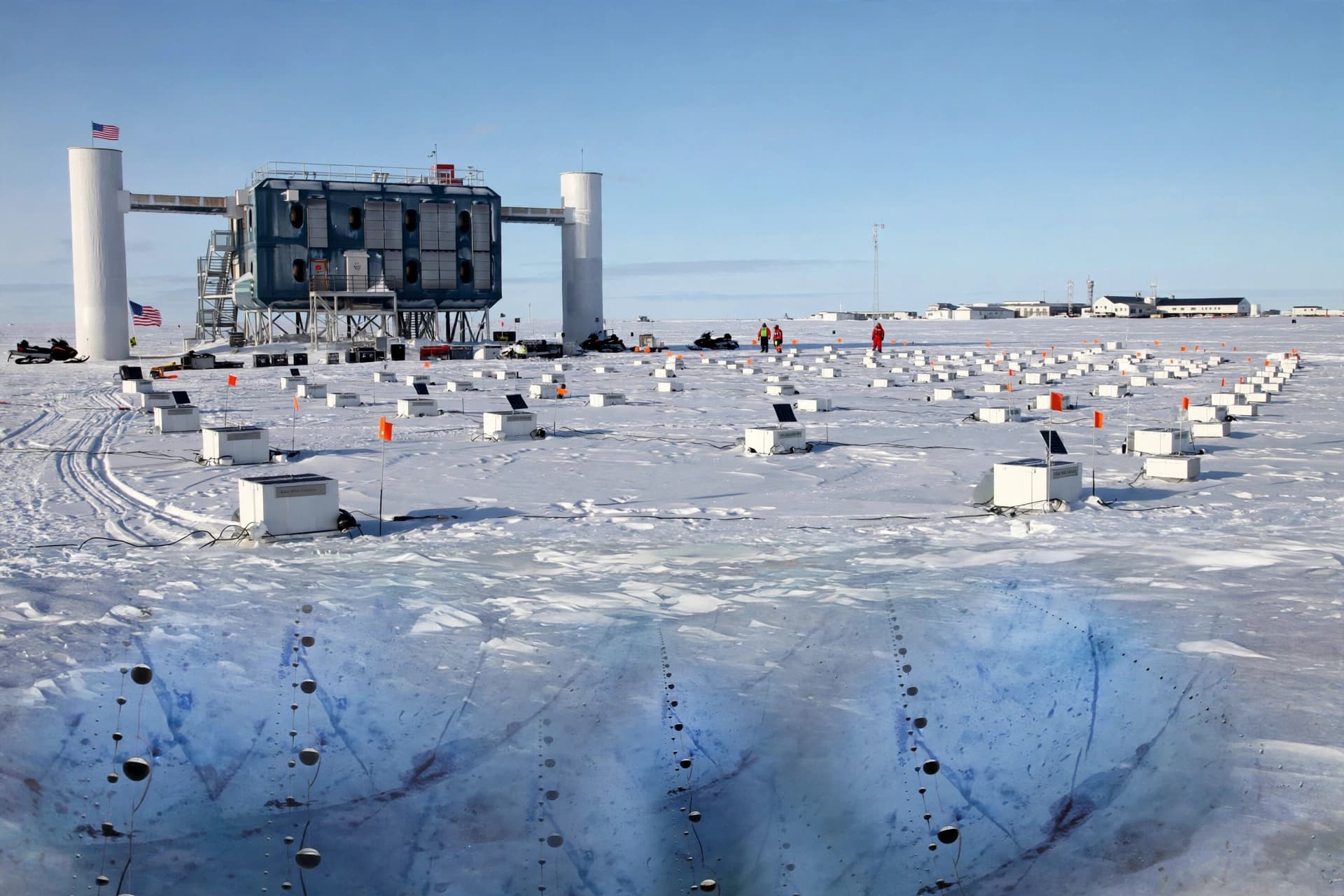
Francis Halzen has won the 2026 Nobel Prize in Physics for his work building the IceCube Neutrino Observatory at the South Pole and discovering high-energy astrophysical neutrinos.

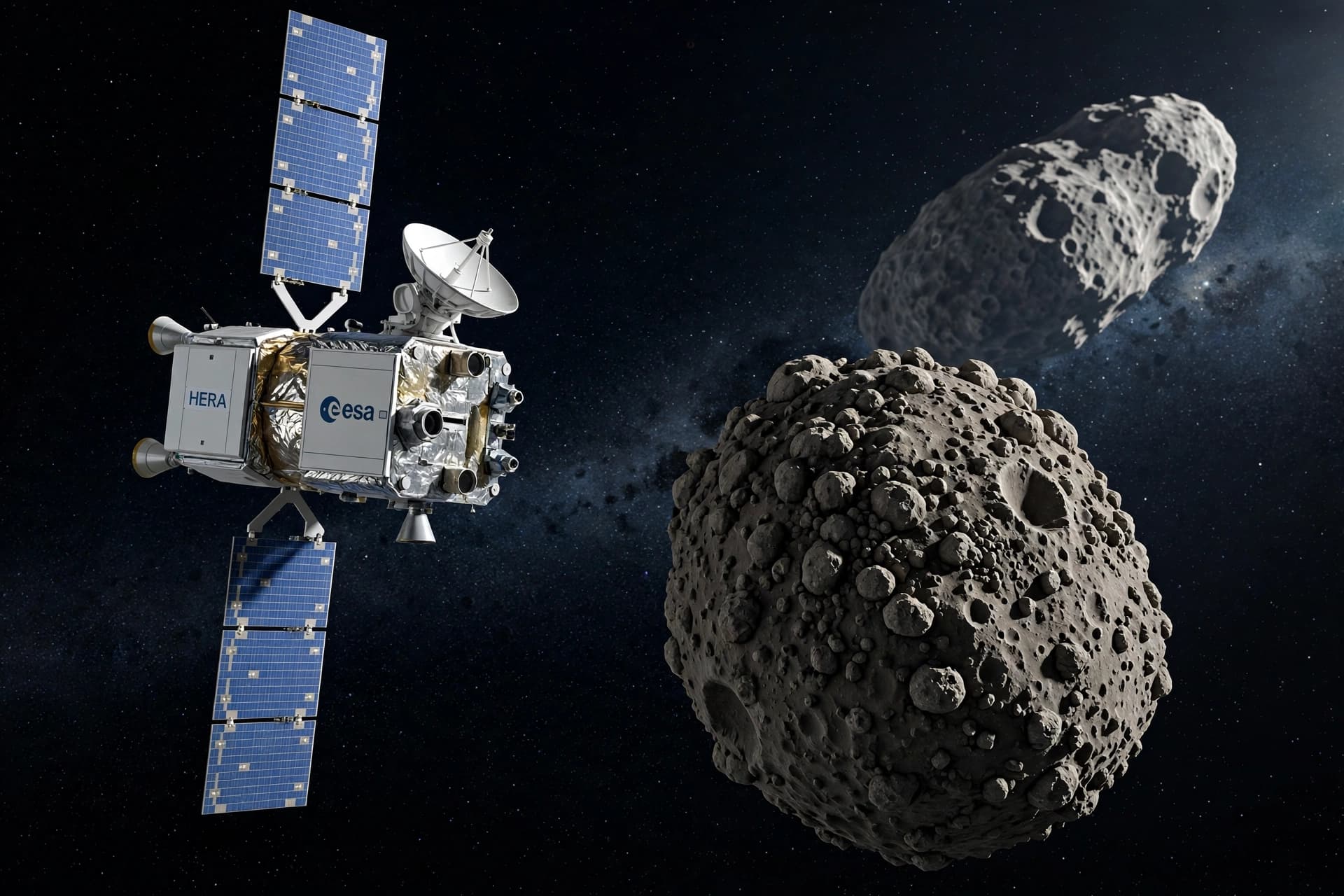
ESA's Hera mission will rendezvous with the Dimorphos-Didymos binary asteroid pair in November 2026 to survey the aftermath of NASA's DART impact and advance planetary defense.

Nova Scotia Health has expanded AI-powered weapons screening to another hospital, following a system that intercepts roughly one weapon per 100 people screened and aims to protect staff and patients.

Astrobiologists propose that superhabitable worlds—larger, warmer, older planets orbiting stable K-dwarf stars—may be more suitable for complex life than Earth, and some may already be observable.

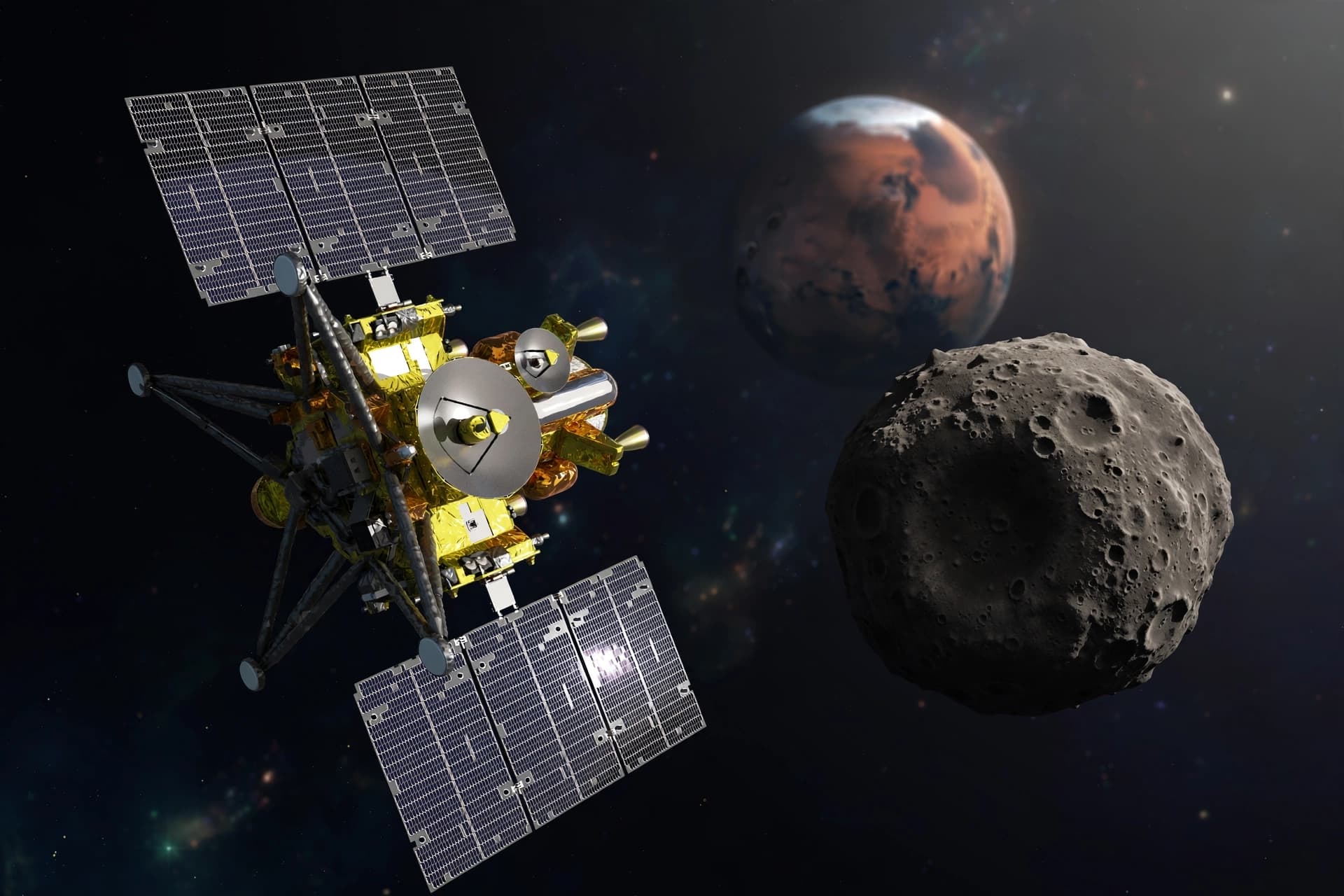
The JAXA-led MMX mission launches October 19 to explore Mars's moons, deploy a rover on Phobos, and return the first samples from a Martian moon to Earth in 2031.

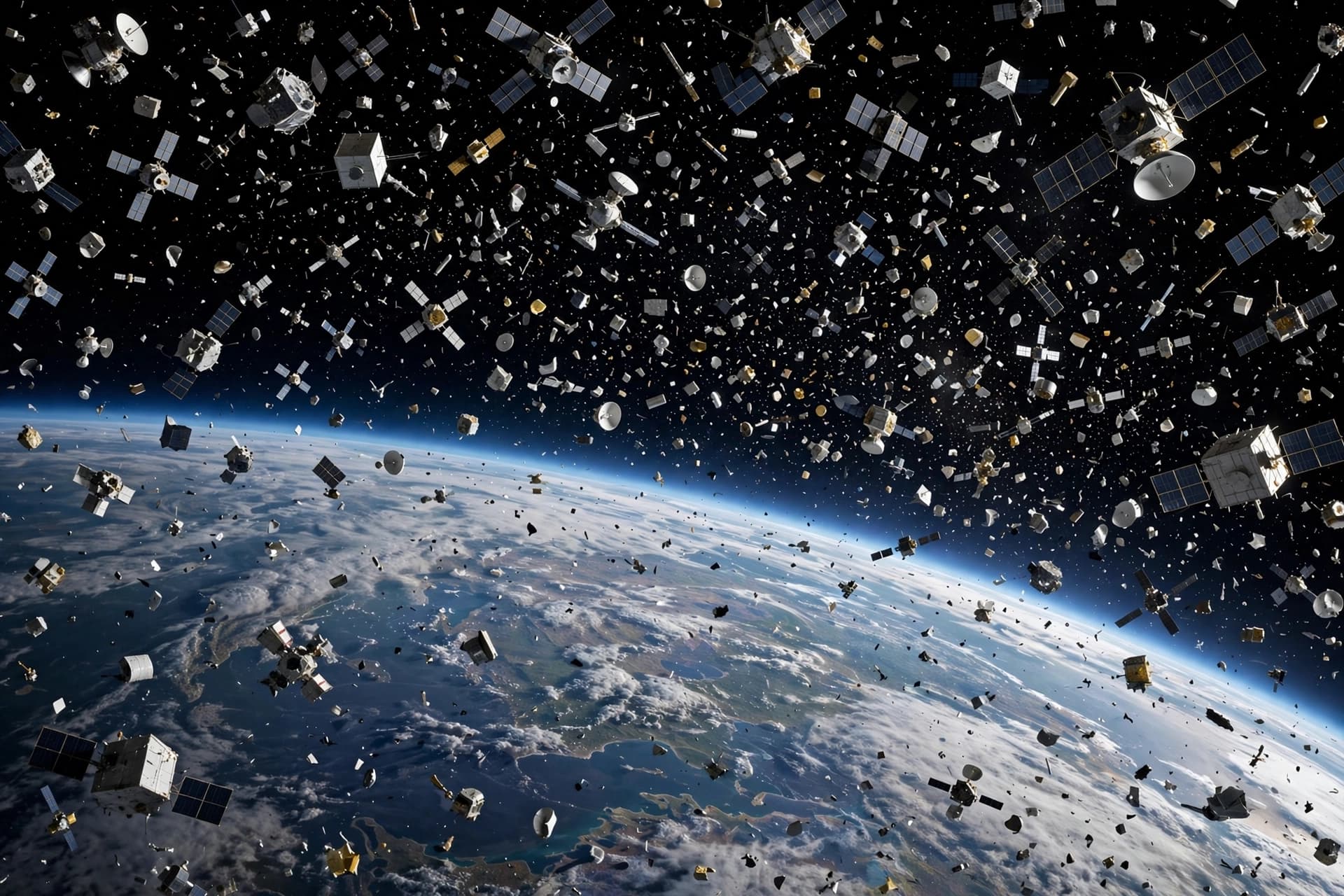
A new analysis argues that fisheries management offers a model for governing Earth's orbital space, proposing an orbital space management organization to prevent environmental degradation.

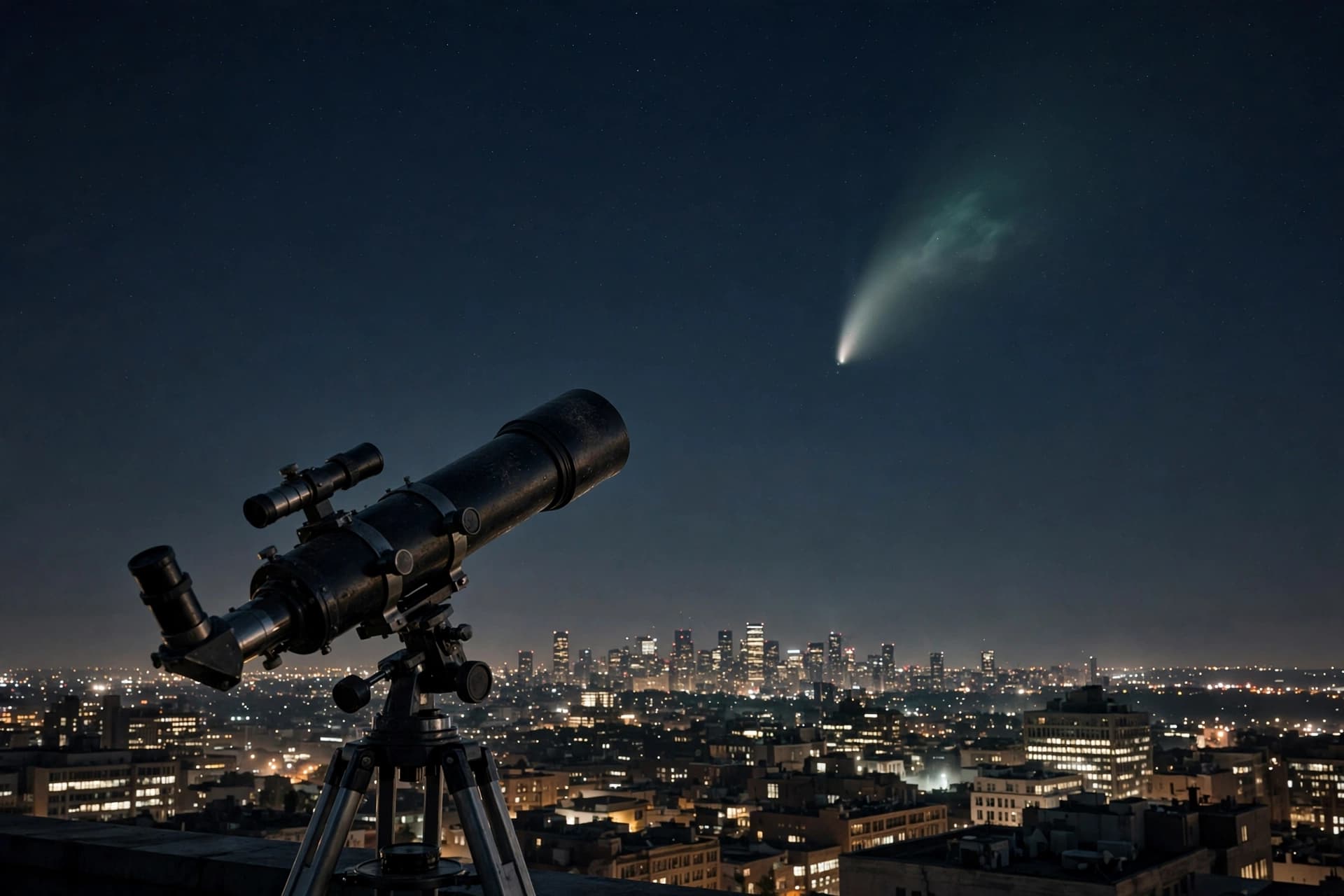
The 1986 return of Halley's Comet disappointed the public but an international fleet of spacecraft revealed the first detailed view of a cometary nucleus, transforming astronomy.

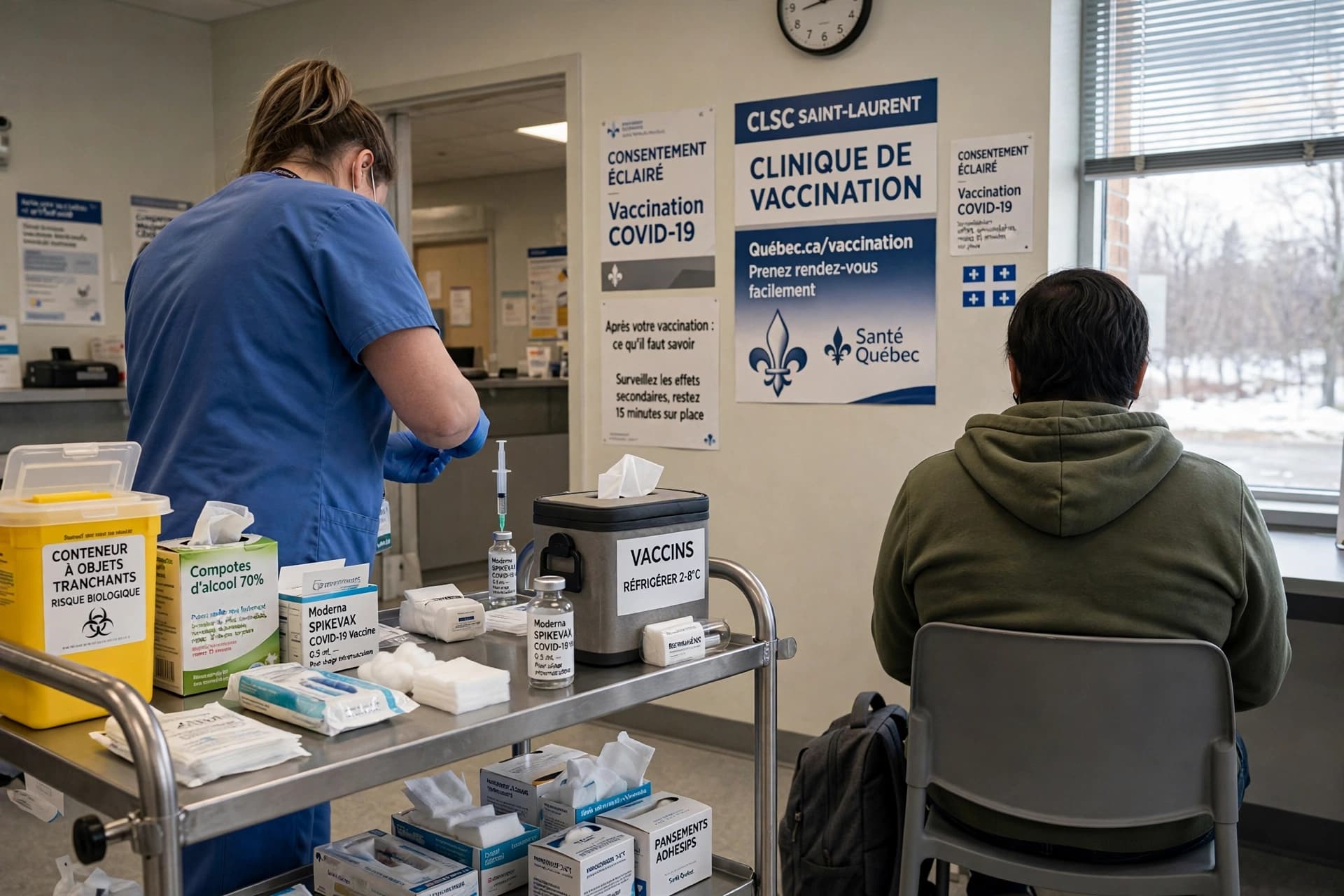
Quebec has opened vaccination appointments for flu, COVID-19, and RSV, warning of a potentially early flu season and urging eligible residents to get vaccinated before the holidays.