Routine Rocketry: The Future of US Spaceflight
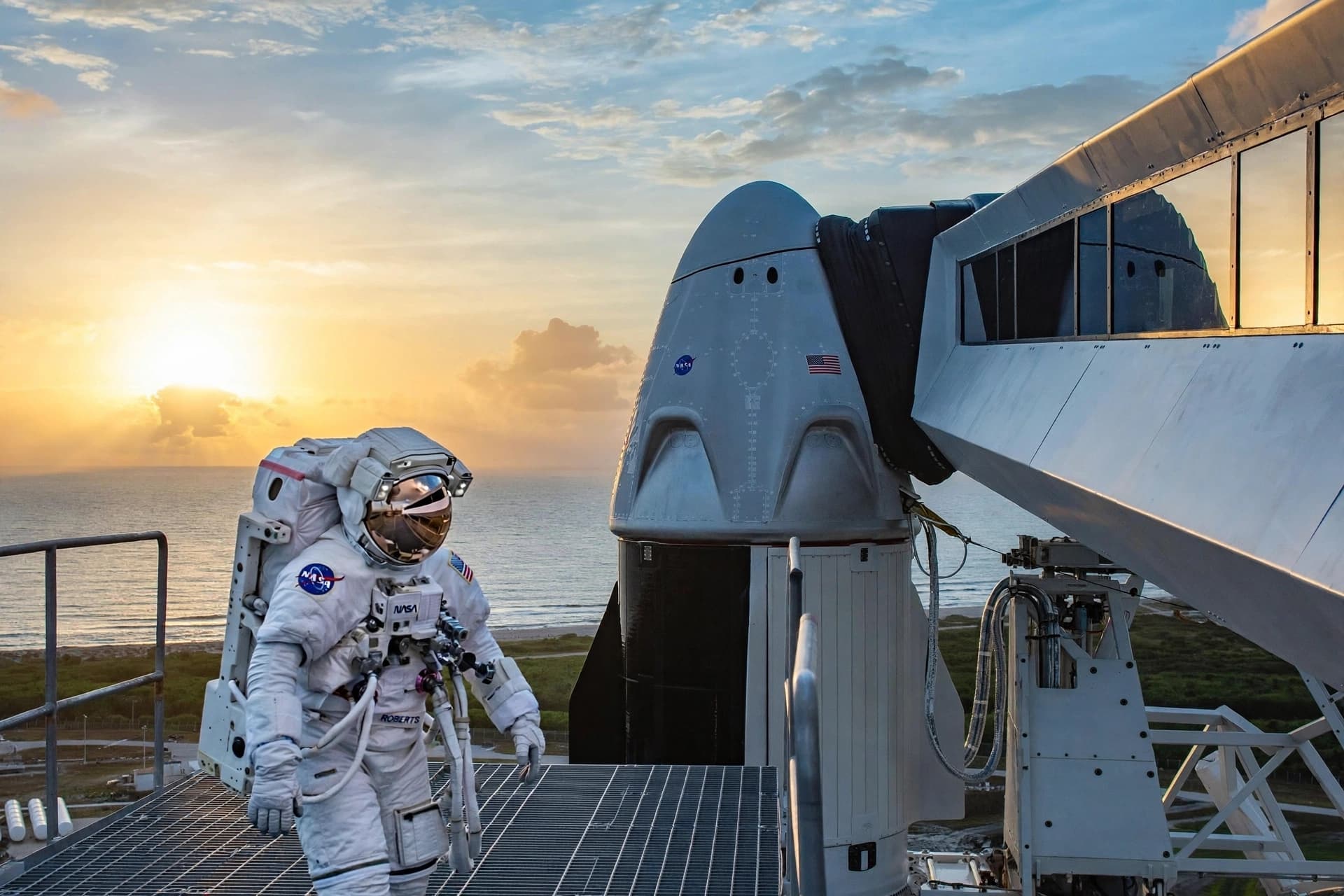
President Trump signed a policy targeting 1,000 US space launches per year by 2030. The plan aims to make spaceflight routine, boosting the commercial industry and national leadership.

President Trump signed a policy targeting 1,000 US space launches per year by 2030. The plan aims to make spaceflight routine, boosting the commercial industry and national leadership.

Britain’s Met Office expects the developing El Niño to become the strongest in living memory, with global weather effects.

An “off the charts” El Niño has already become the strongest on record, raising concerns about extreme weather worldwide.

Skywatchers in Spain can observe the Moon almost completely covered during an eclipse on August 28, weather permitting and safely.

A climber’s body, lost for nearly a century, was found on Mount Everest. The discovery may provide new insights into early expeditions and the mountain’s history.

NASA research shows Aspergillus niger, a common black mold, can survive simulated lunar conditions better than radiation-resistant bacteria. This highlights challenges for planetary protection.

A deep partial lunar eclipse will be visible across the Americas on August 27–28, 2026. With 96% coverage, it offers a stunning view of the moon passing through Earth’s shadow.

Rising CO2 levels are causing woody plants to overtake grasses in African savannas. This "woody encroachment" affects biodiversity, fire regimes, and local livelihoods, requiring new management strategies.

Carrion crows in Japan have been observed using cars to crack walnuts at traffic lights. This behavior, recorded over 21 months, highlights their intelligence and adaptability in urban environments.

Paleontologists discovered a massive shark fossil site in Egypt’s Western Desert, revealing a thriving marine ecosystem from 40 million years ago. The find offers insights into evolutionary history and climate change.

A collection of 68 strange natural phenomena, from glowing lights to pink lakes, highlights the mystery and diversity of Earth. These events inspire curiosity and scientific inquiry.

A 76-square-kilometer ice island has calved from Greenland’s Petermann Glacier. The event highlights glacial dynamics and contributes to ongoing research on Arctic ice loss.

New simulations show that nonlinear plasma dynamics prevent dark photons from heating the early universe, invalidating previous constraints and reopening the search for dark photon dark matter.

China is preparing Chang’e-7, a complex lunar mission designed to search for water ice near the Moon’s south pole.

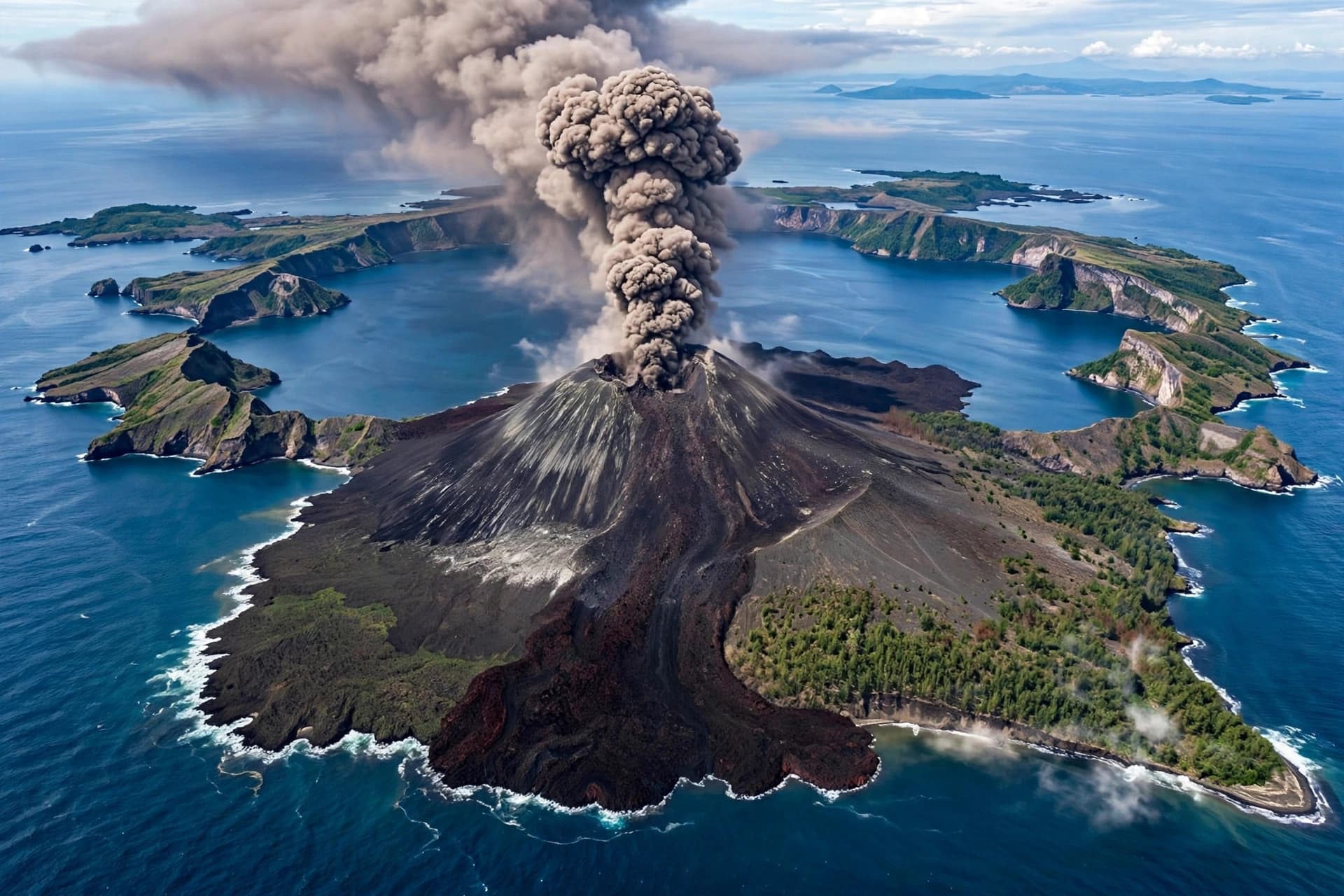
The 1815 eruption of Mount Tambora caused global cooling and "The Year Without a Summer." Studying this event provides insights into climate sensitivity and disaster preparedness.

Conservation experts are implementing innovative strategies to protect species threatened by record-breaking heatwaves. The effort highlights the urgent link between climate change and biodiversity loss.

Archaeologists in Poland discovered a 17th-century burial of a young woman with a sickle and padlock, intended to prevent her from rising as a vampire. The find offers insights into historical folklore and fear.

Scientists predict the current El Niño could be the strongest on record, potentially bringing extreme weather to Europe. Authorities urge preparation for milder, wetter winters or other disruptions.

A four-year-old boy in Calgary scored 160 on an IQ test, earning acceptance into Mensa. His achievement highlights the importance of supporting gifted children early on.

Champagne began its earliest recorded grape harvest on August 12 as heat and drought accelerated ripening and reduced yields.

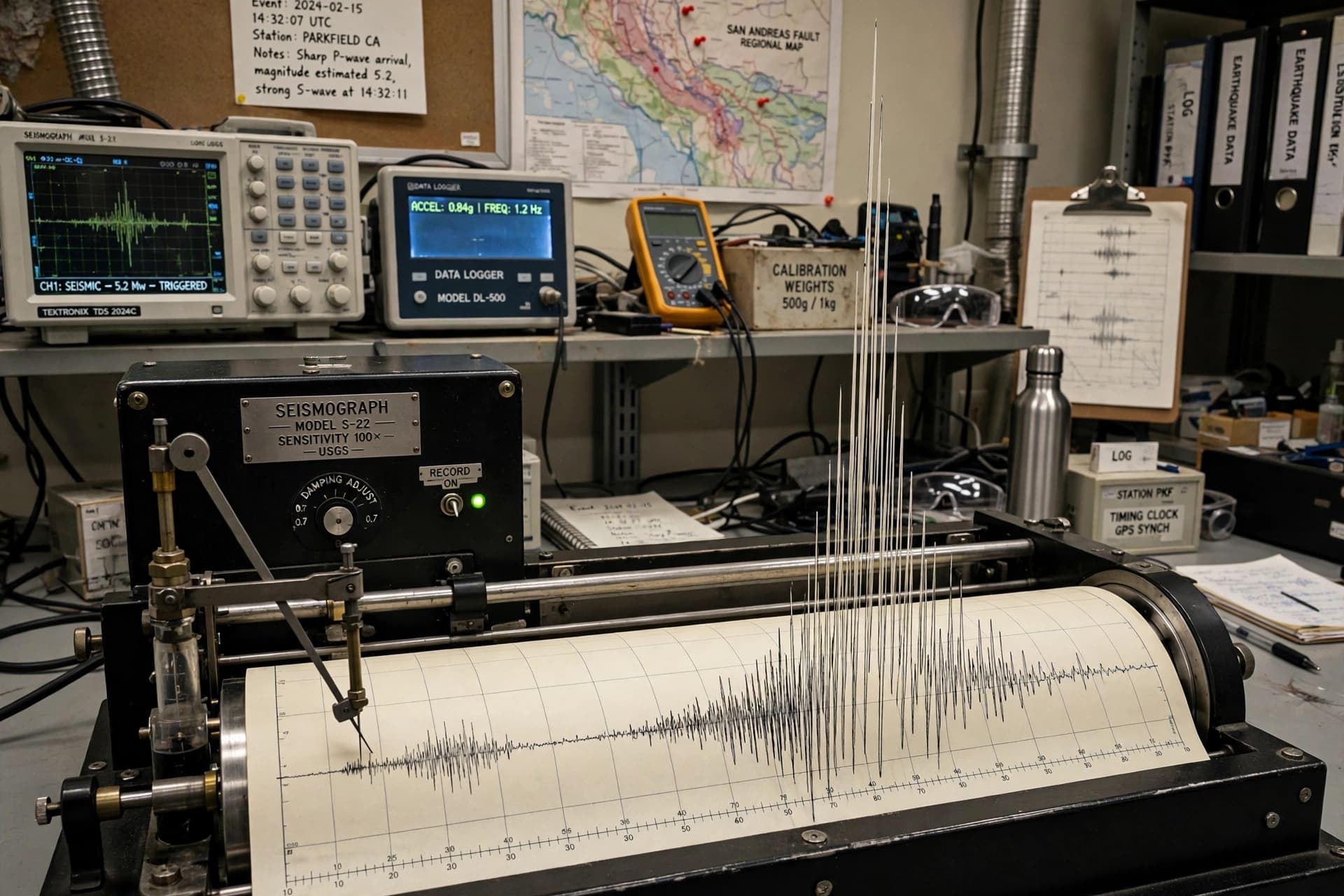
A magnitude 5.9 earthquake struck Indonesia’s Flores region on August 20, according to the European-Mediterranean Seismological Centre

NASA has called off the rescue mission for the Swift Observatory, dooming the telescope to a controlled reentry into Earth’s atmosphere. The decision ends a 20-year mission of astronomical discovery.

China’s planned lunar missions will search for water ice, a resource that could support future exploration, research and sustained operations.

Miami recorded an all-time high temperature of 100°F on Tuesday. The event highlights the growing impact of climate change and urban heat islands on coastal cities.