There is a quiet reliability to the rituals of spaceflight—the countdowns, the launches, the docking of a spacecraft carrying not just cargo, but the accumulated hopes of researchers who have waited years for their experiments to reach orbit. This month, that ritual unfolds once more, as NASA and SpaceX prepare for the 35th commercial resupply mission to the International Space Station.
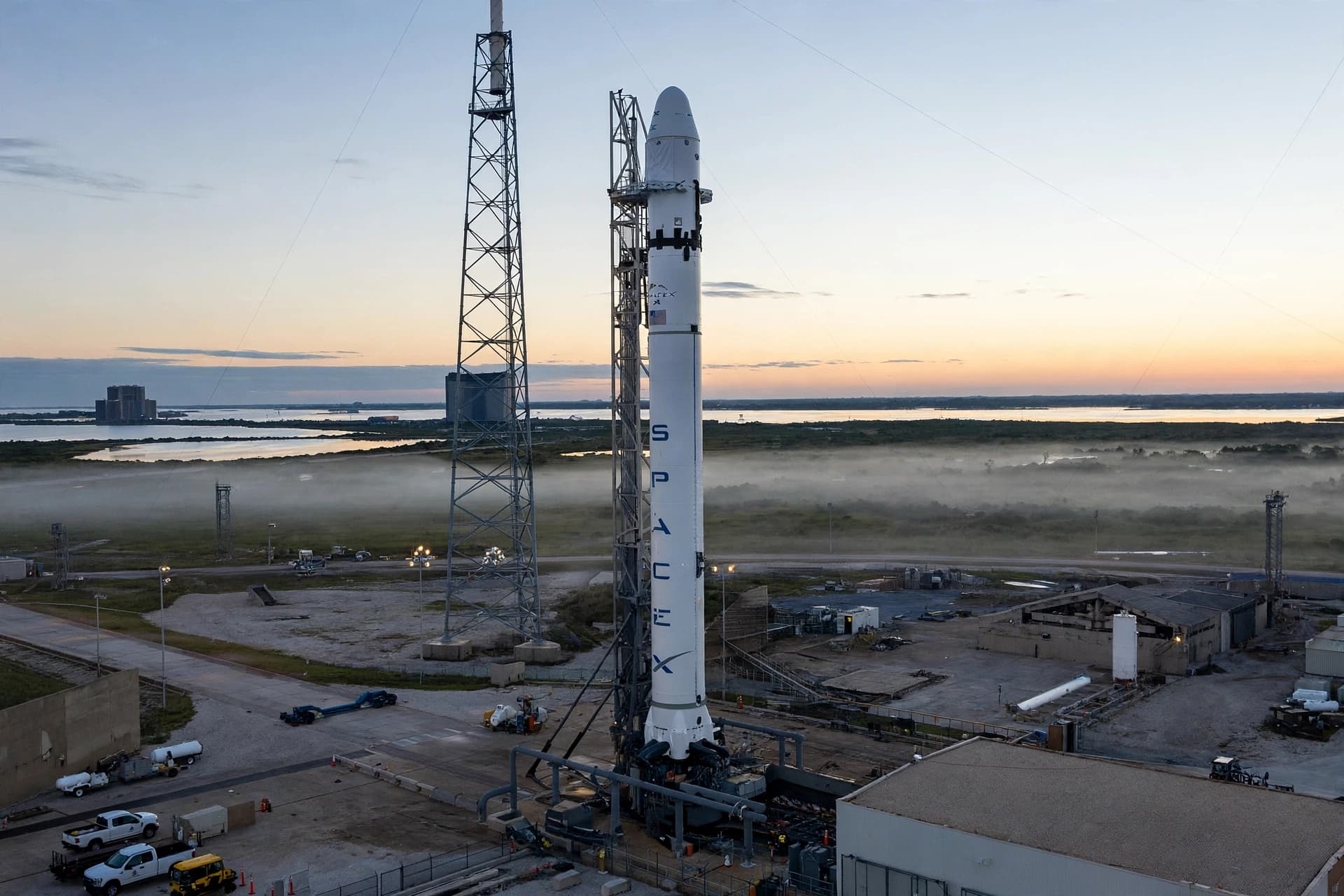
The mission is targeting no earlier than Tuesday, October 13, for launch from Space Launch Complex 40 at Cape Canaveral Space Force Station in Florida. A SpaceX Falcon 9 rocket will carry a Dragon spacecraft loaded with more than 6,300 pounds of supplies, scientific investigations, and equipment. Dragon will dock autonomously to the space-facing port of the station's Harmony module, with NASA astronauts Anil Menon and Jessica Watkins monitoring its arrival .
Among the cargo is the final pair of International Space Station Roll-Out Solar Arrays (IROSA), which will complete the augmentation of the station's power system. These arrays are critical not only for current operations but for the station's eventual safe and controlled deorbit. A collapsible contingency urinal and supporting hardware will also fly, serving as a demonstration unit for NASA's Artemis III mission .
The scientific payload reflects the breadth of research conducted aboard the orbiting laboratory. The LambdaVision-1 experiment will test the manufacture of artificial eye retinas in microgravity, building them one thin layer at a time. Reduced settling in microgravity may create more uniform, stable layers, potentially improving implants' performance for patients on Earth with currently incurable retinal diseases. The Stellar Spheroids investigation will study how microgravity affects the growth and function of 3D human heart tissue models, assessing whether it improves the formation of advanced vascular networks. ELF-Unconventional Glass 2 will examine how glass forms in microgravity, with potential applications for spacecraft and habitats. And the MINDS experiment will study brain organoids to better understand inflammation linked to neurodegenerative diseases like Alzheimer's, Parkinson's, and multiple sclerosis .
The Dragon spacecraft is scheduled to remain at the station for about a month before departing in mid-November. When it returns, it will bring back the failed Canadarm2 joint for analysis and refurbishment, a spacesuit for ground refurbishment, and hardware from the station's water and urine processing systems .
For more than 25 years, the International Space Station has supported research from scientists in more than 110 countries, enabling over 4,000 experiments in microgravity. The 35th SpaceX resupply mission adds another chapter to that record, carrying with it the quiet, persistent work of understanding how life and materials behave when gravity no longer holds them down.
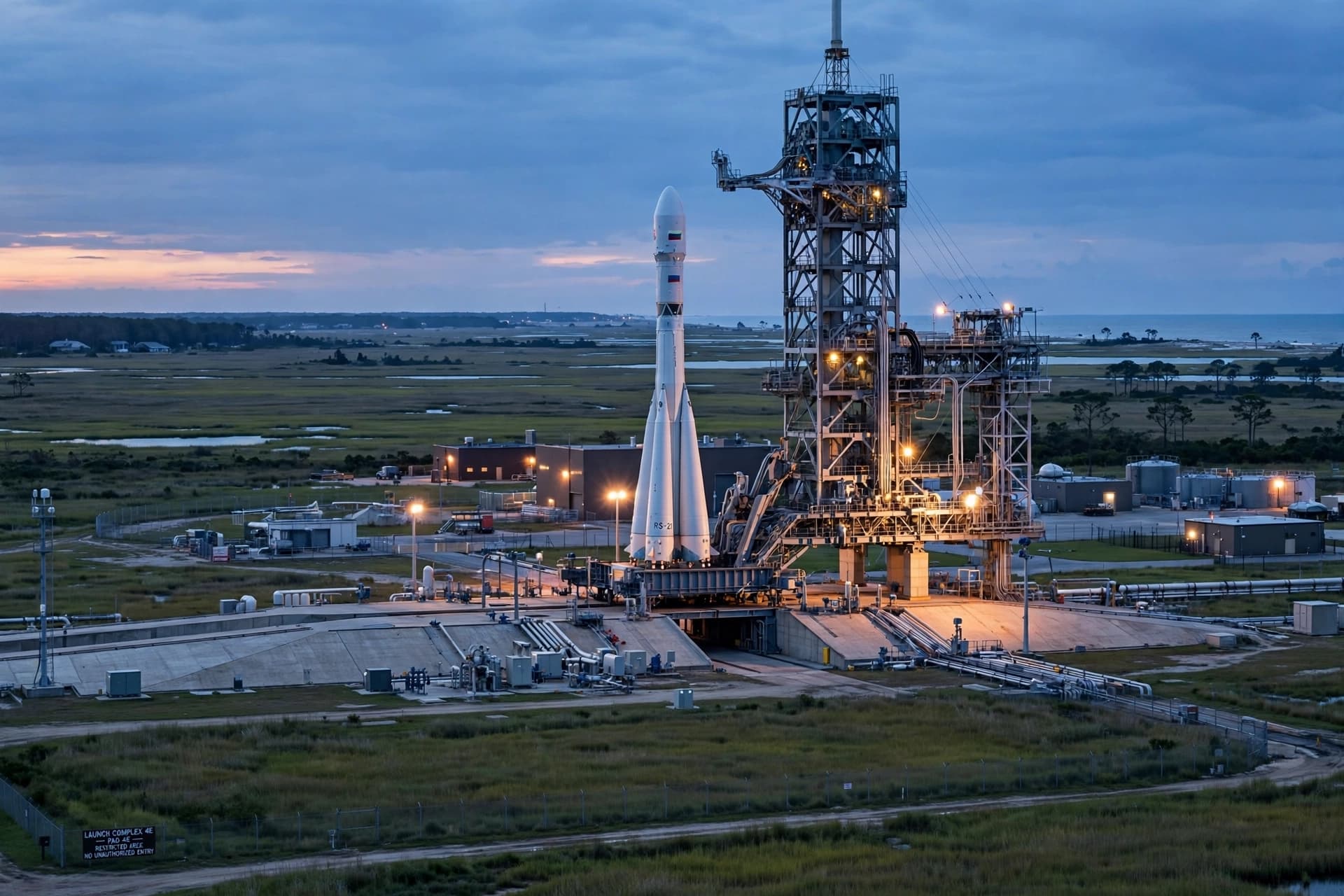
AI Image Disclaimer: The images accompanying this article are generated by artificial intelligence and are intended for illustrative purposes only.
Sources: NASA
Published by Banx Network. This article is part of the Banx decentralized media programme, powered by the BXE token on the XRP Ledger.