The Supernova That Left a Necklace of Gas
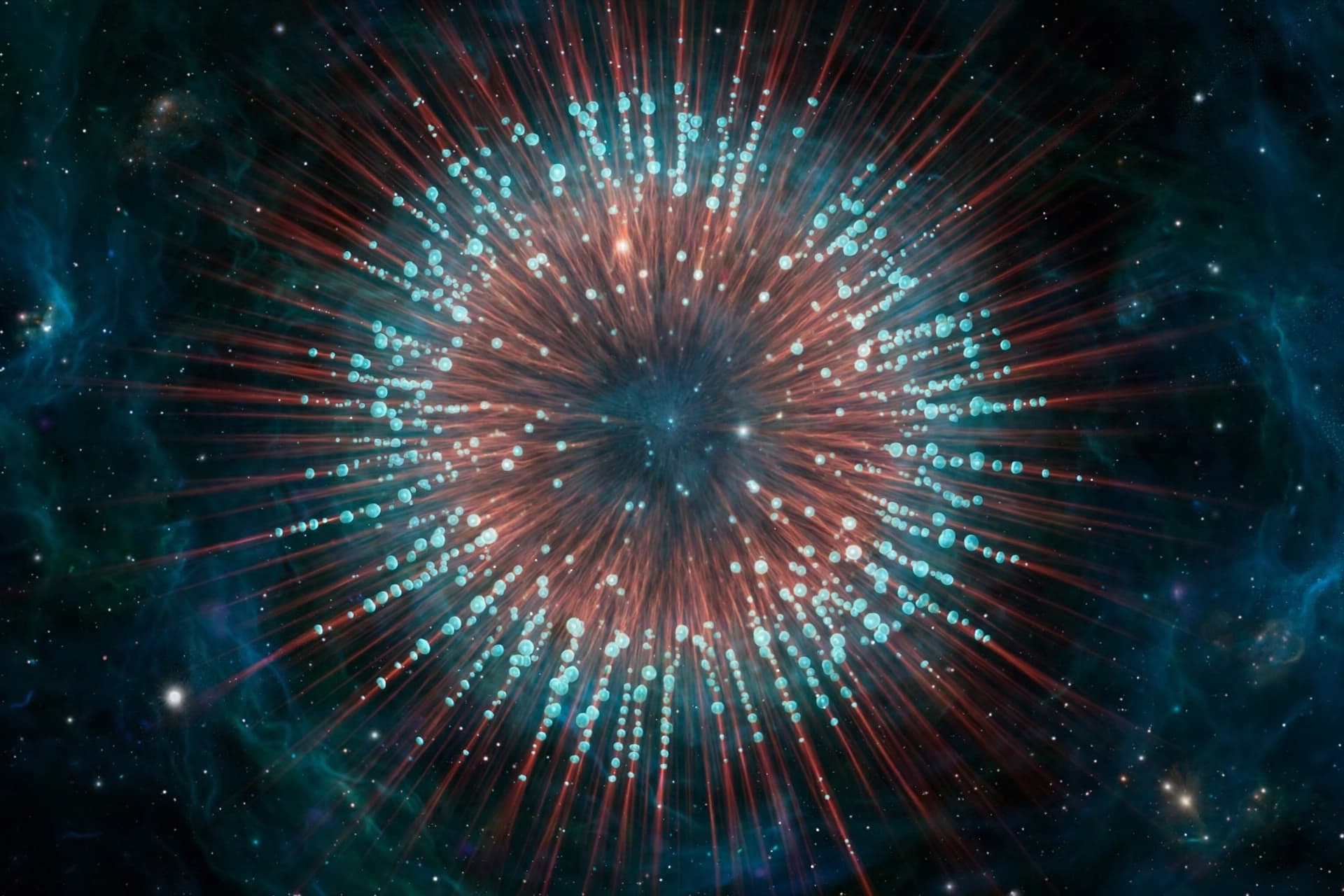
New Gemini North images reveal that supernova remnant Pa 30, linked to a 1181 event, contains chains of pearl-like gas knots around a surviving “zombie star”—the only known Type Iax remnant in the Milky Way.

New Gemini North images reveal that supernova remnant Pa 30, linked to a 1181 event, contains chains of pearl-like gas knots around a surviving “zombie star”—the only known Type Iax remnant in the Milky Way.

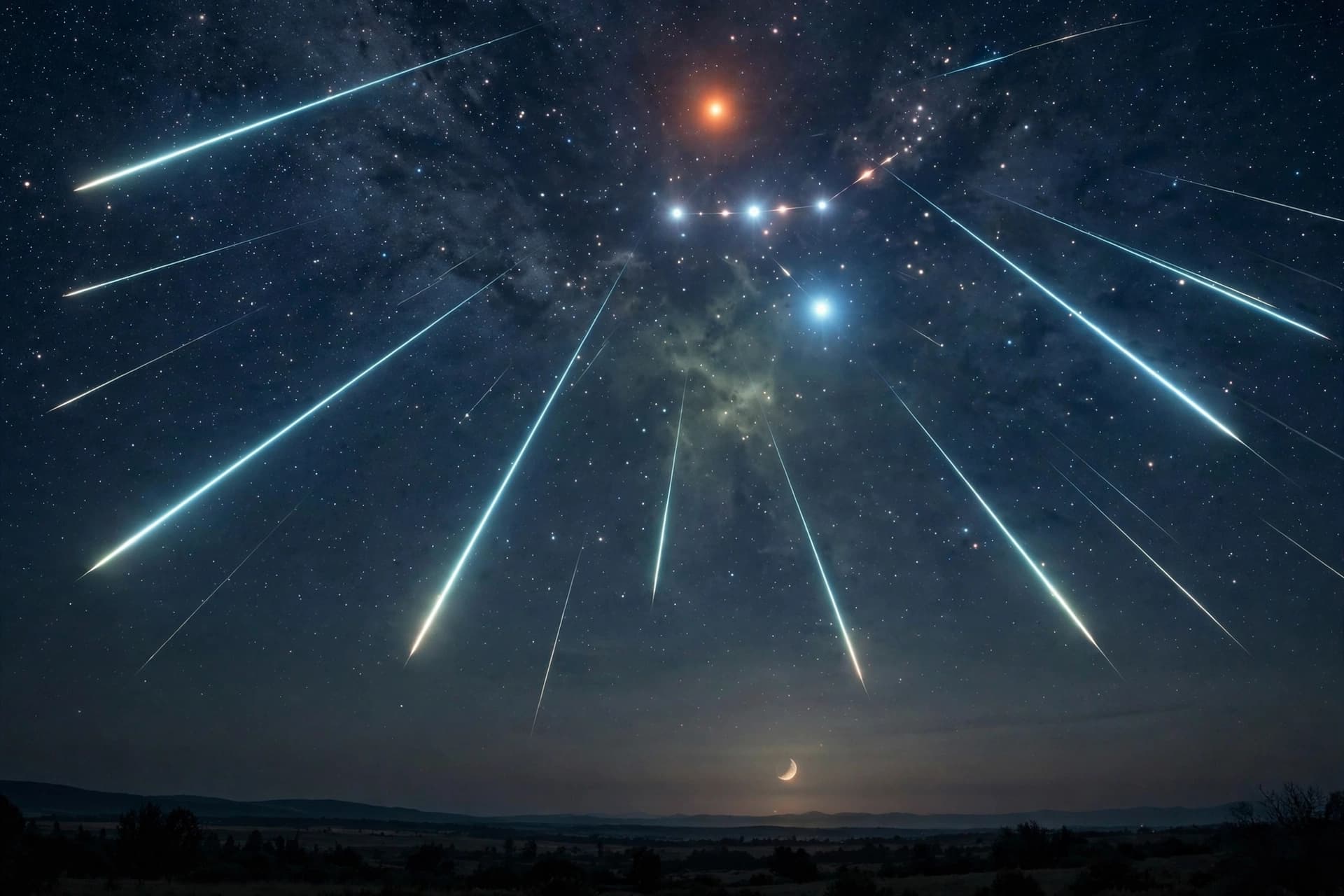
The Orionid meteor shower peaks October 21–22, 2026, offering 10–20 meteors per hour from Halley’s Comet debris, best viewed after moonset in the early morning hours.

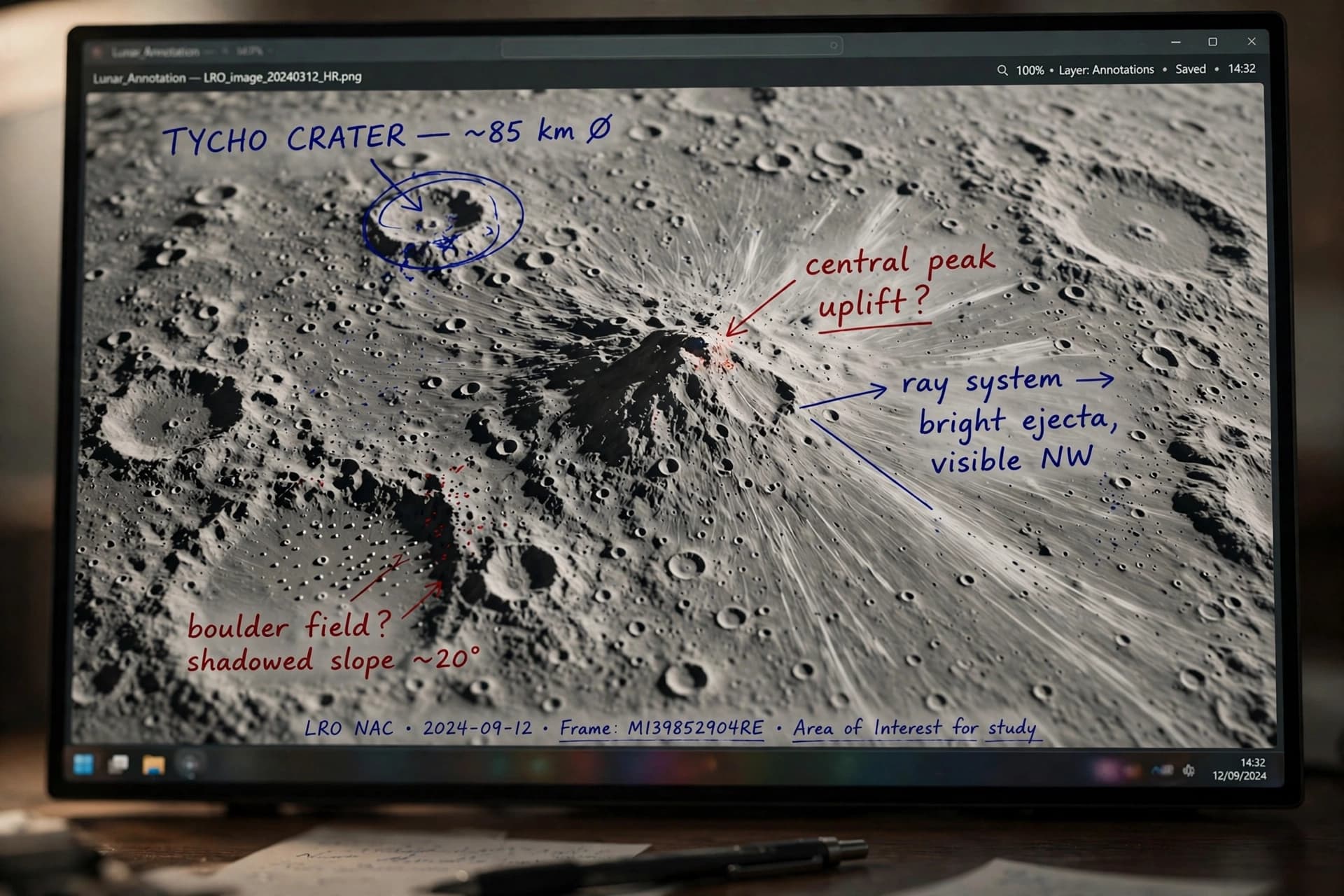
NASA released over 800GB of Artemis II lunar data—11,000 images, 8.5 hours of audio, and crew notes—the first human-captured planetary dataset in over 50 years.

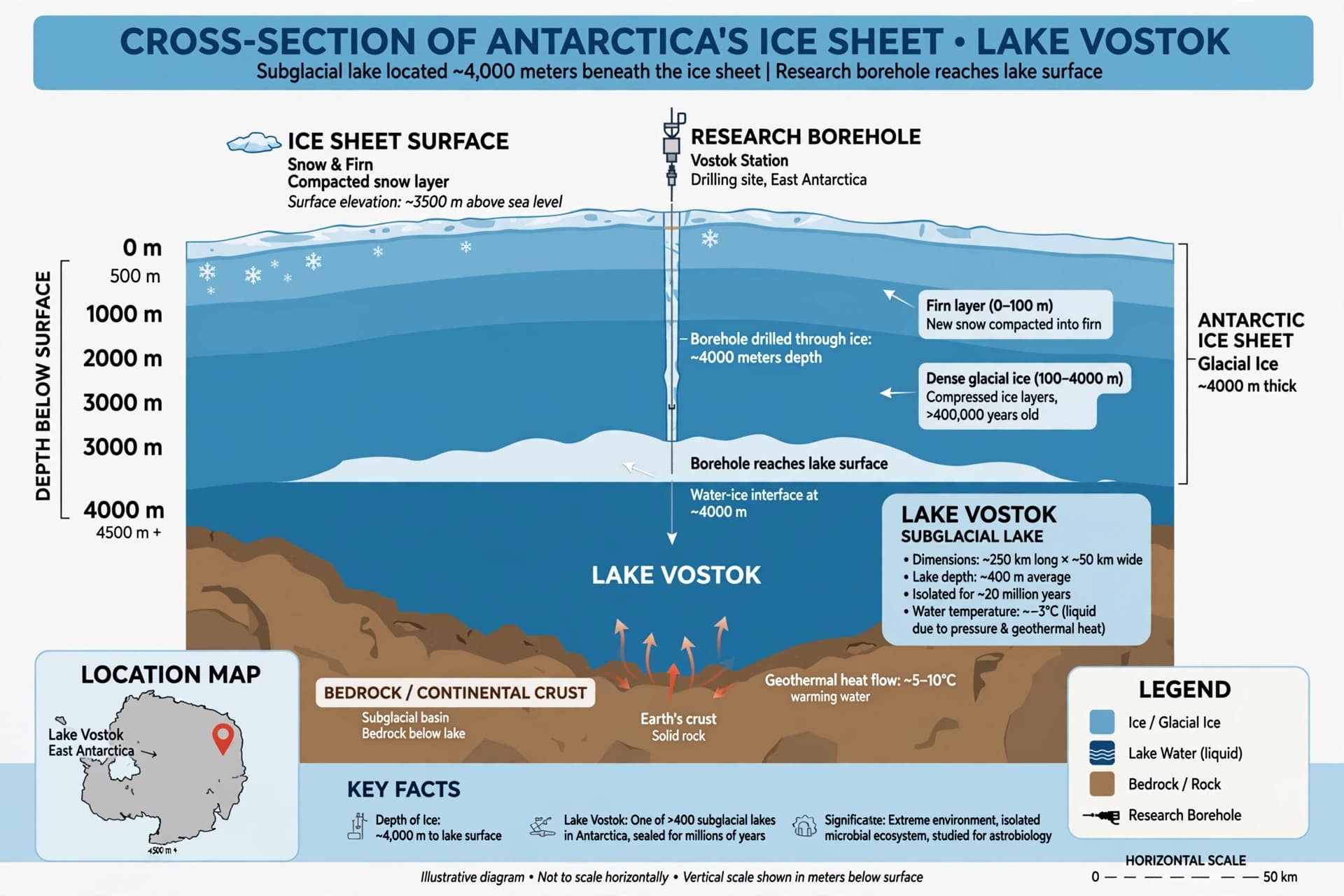
Lake Vostok, buried four kilometers beneath Antarctic ice for 15 million years, may harbor unique microbial life and serves as an analog for subsurface oceans on Europa and Enceladus.

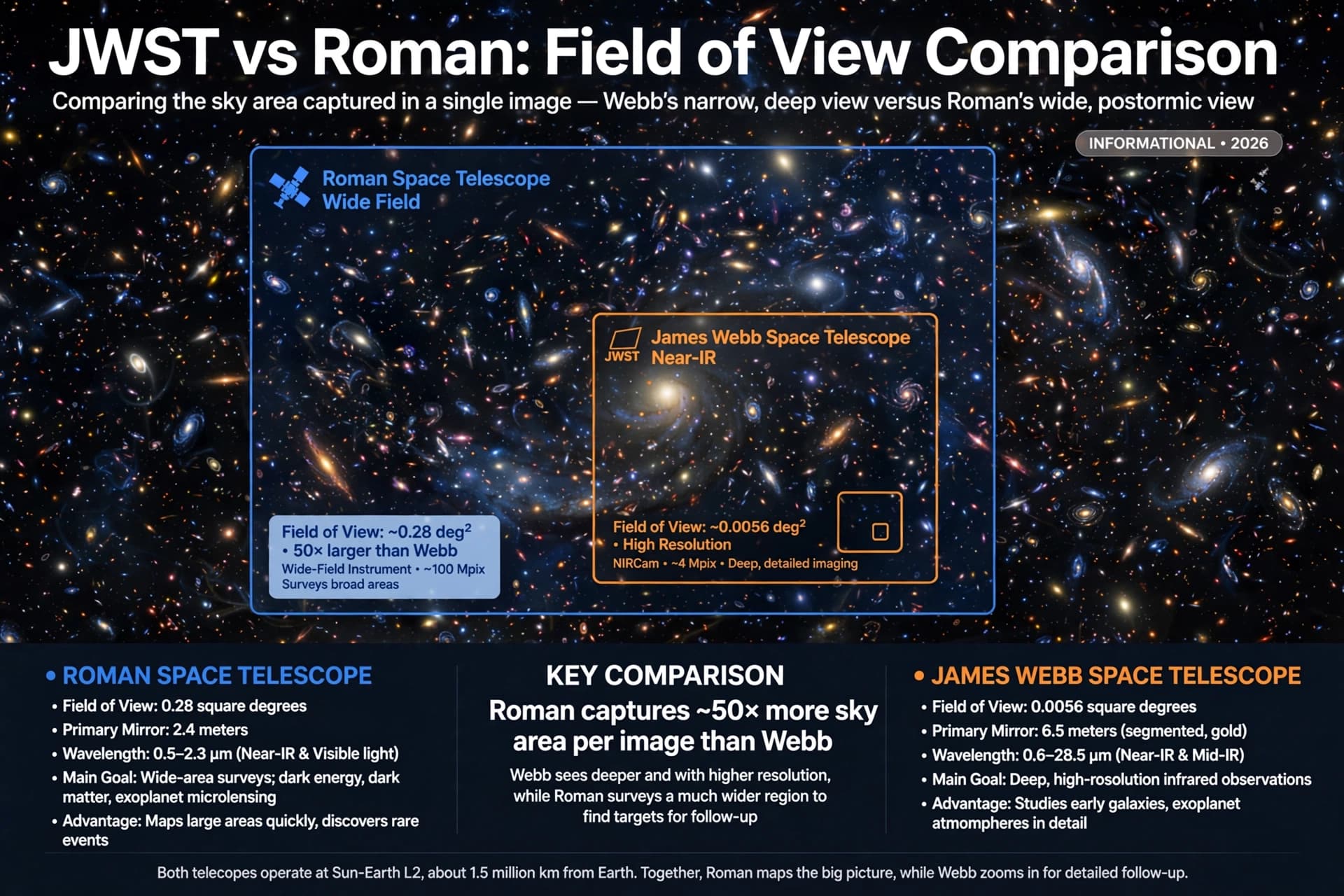
The Nancy Grace Roman Space Telescope differs from James Webb by capturing a field of view 100 times larger, designed for wide surveys that complement Webb’s deep, detailed observations.

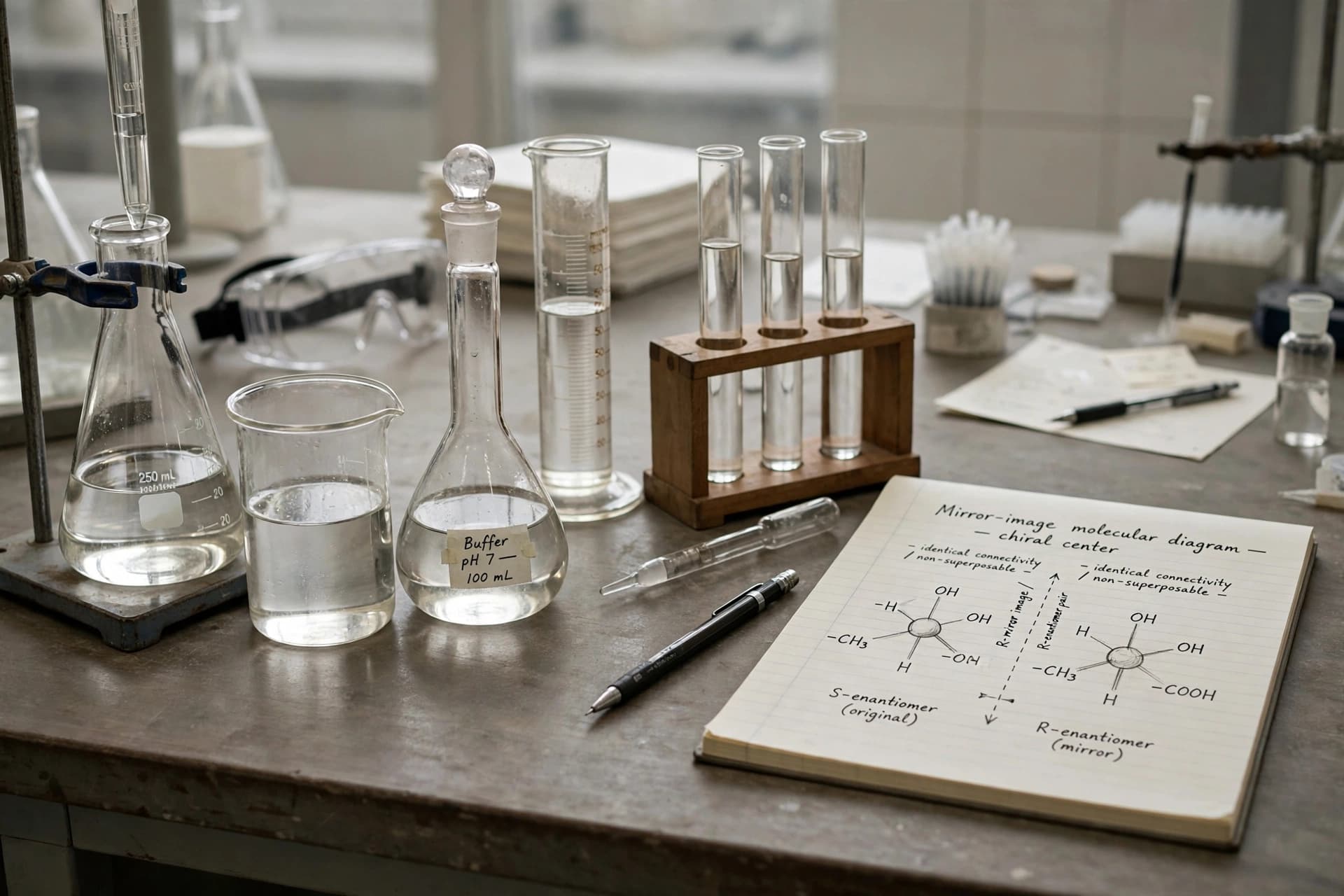
Nobel laureates Henri Kagan and Kenso Soai discovered a chemical reaction that amplifies tiny molecular imbalances, potentially explaining why life on Earth uses only one mirror-image form.

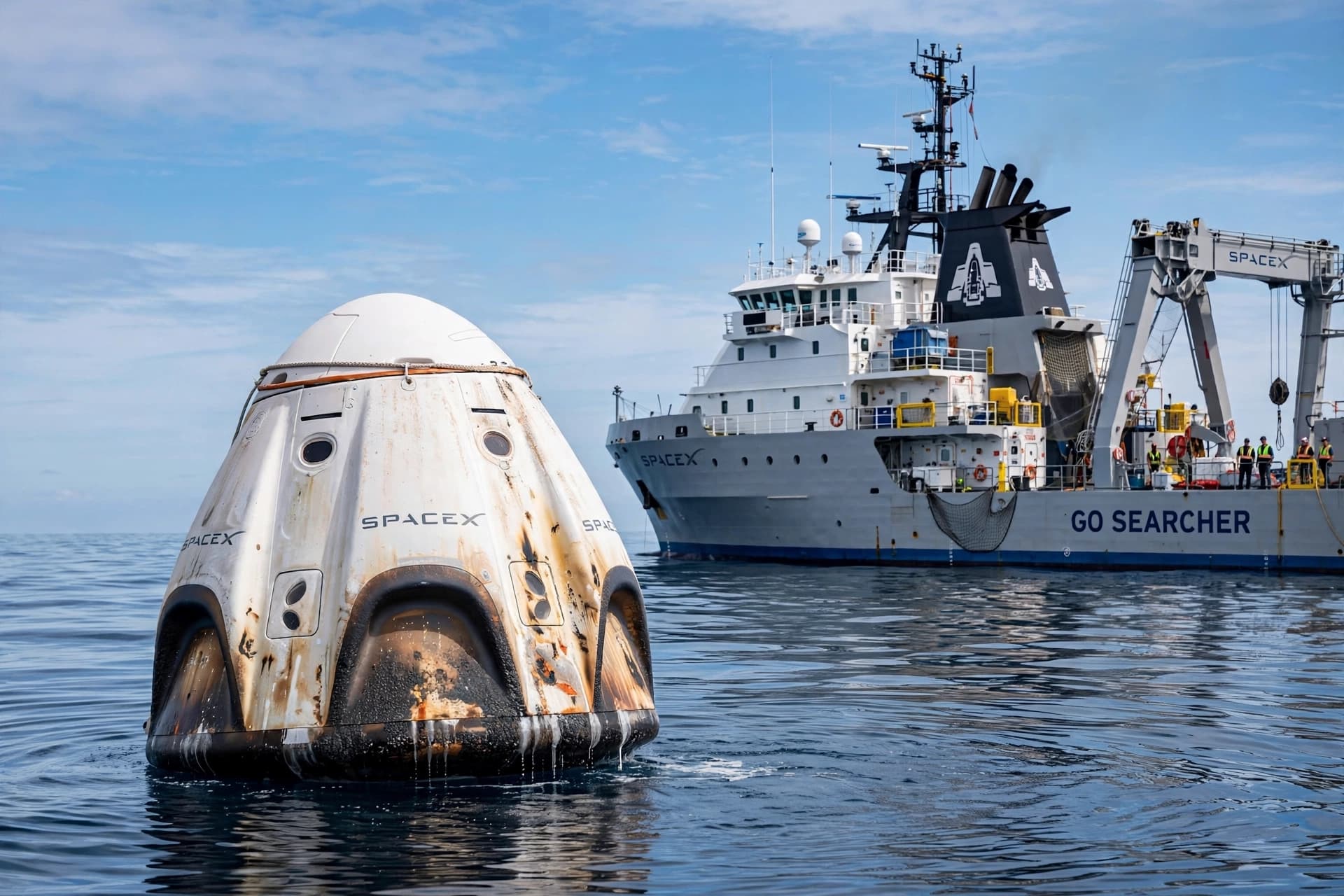
Four astronauts returned to Earth after an eight-month mission aboard the International Space Station, splashing down off California after replacing an ailing crew and completing spacewalks and research.

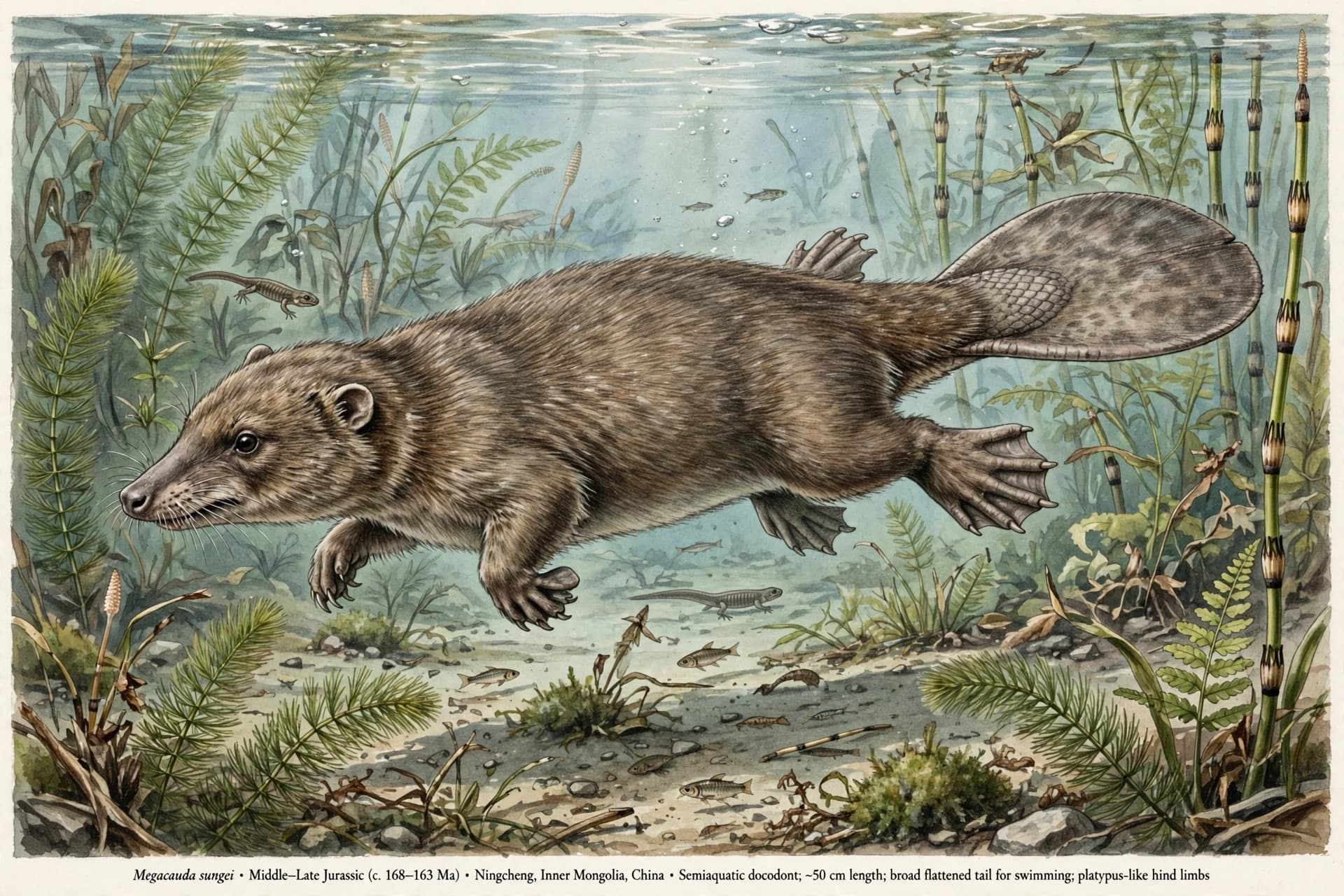
University of Chicago scientists have described Megacauda sungei, a 165-million-year-old semi-aquatic mammal ancestor with throat structures enabling chewing and swallowing like modern mammals.

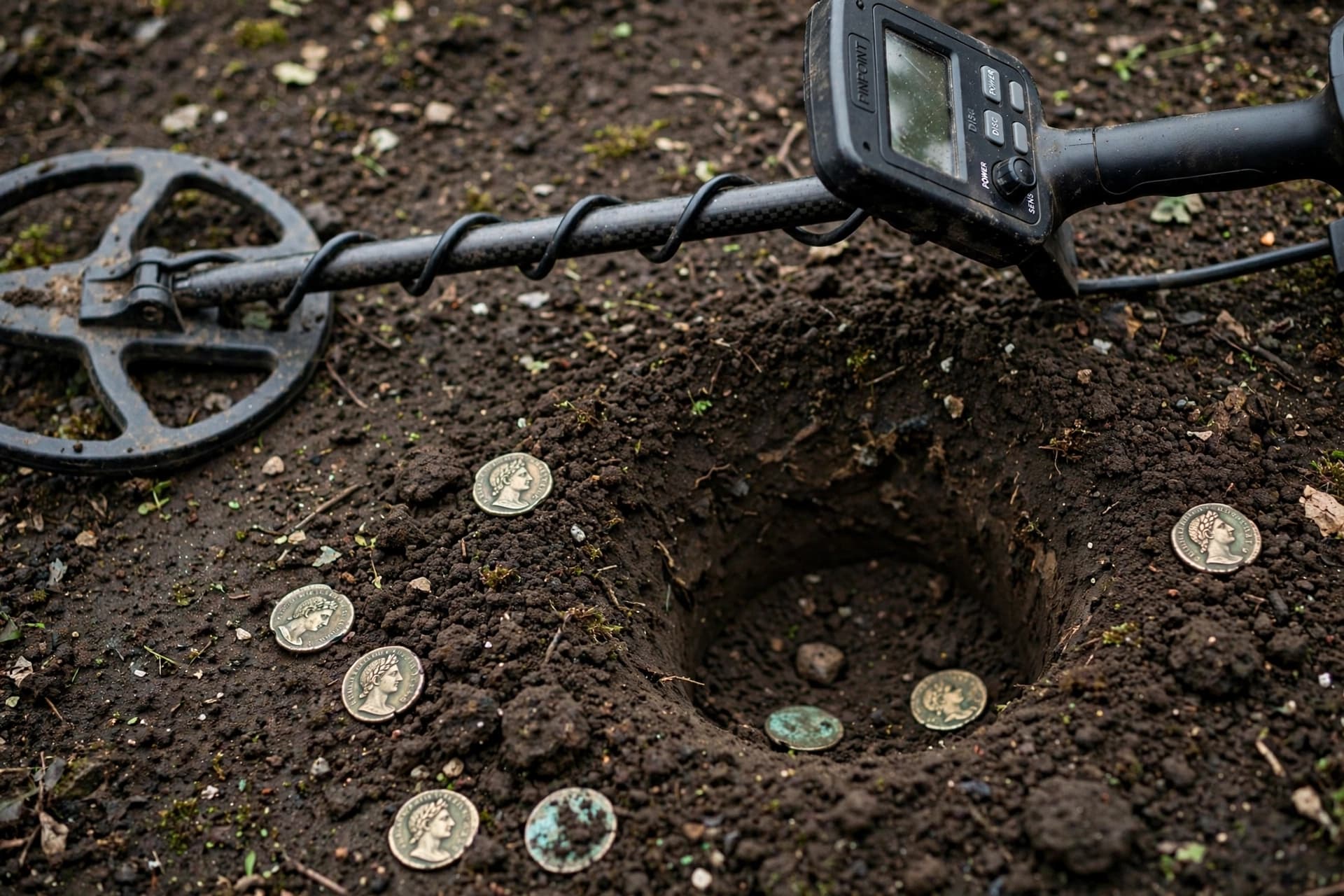
A metal detectorist in Germany uncovered 934 Roman silver denarii near Cologne, the largest coin hoard from Emperor Hadrian's era ever found in the region.

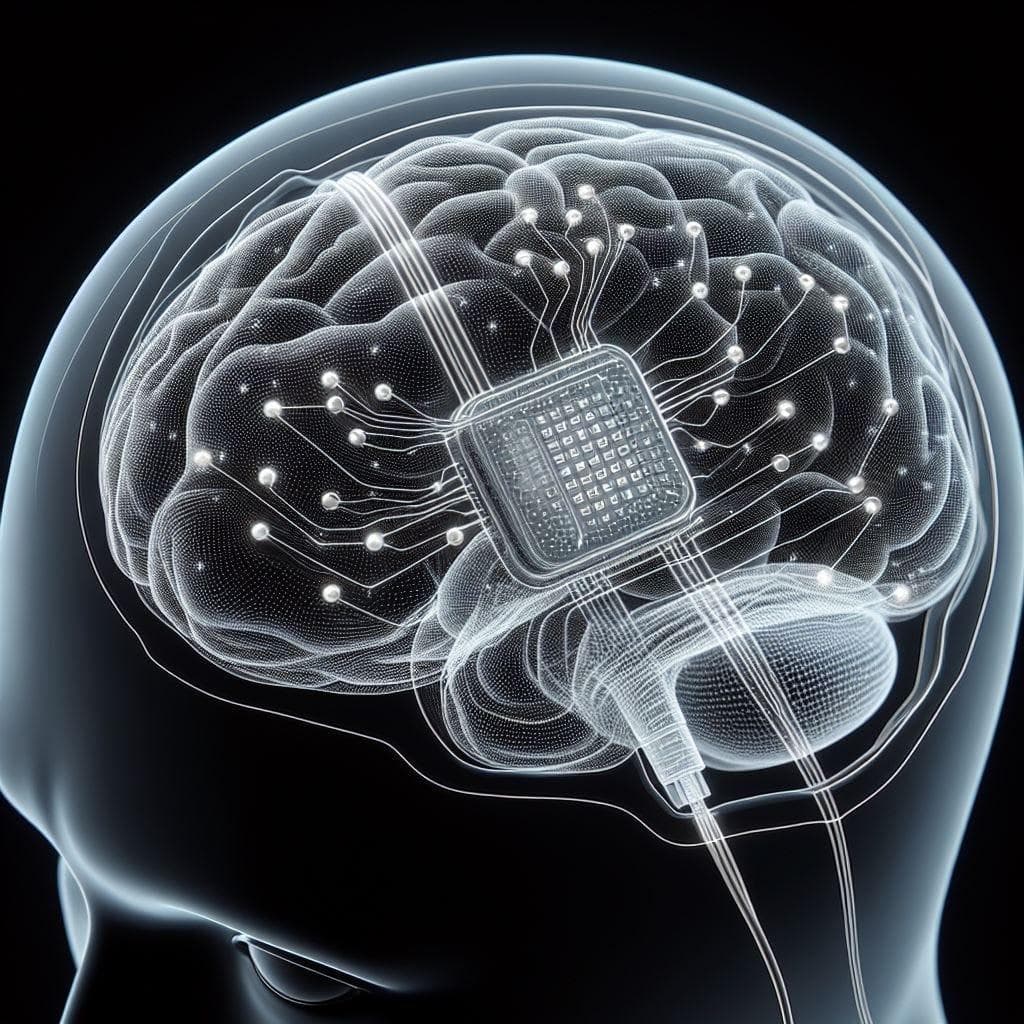
Imagine communicating without speaking, controlling a robotic arm without moving a muscle, or interacting with a computer using nothing but brain activity. What once belonged to science fiction is becoming a reality through brain-computer interfaces (BCIs), a rapidly advancing technology that connects the human brain to external devices. Powered by advances in neuroscience, artificial intelligence and microelectronics, these systems are helping researchers restore communication and movement for people living with paralysis. In September 2026, researchers demonstrated a brain-computer interface capable of translating speech and gestures simultaneously into digital expression, bringing technology closer to restoring more natural human communication. But this is only the beginning. As scientists explore more sophisticated neural interfaces, humanity faces profound questions about privacy, identity, medical ethics and the possibility of enhancing human abilities. Could the next major computing revolution begin inside the human brain?

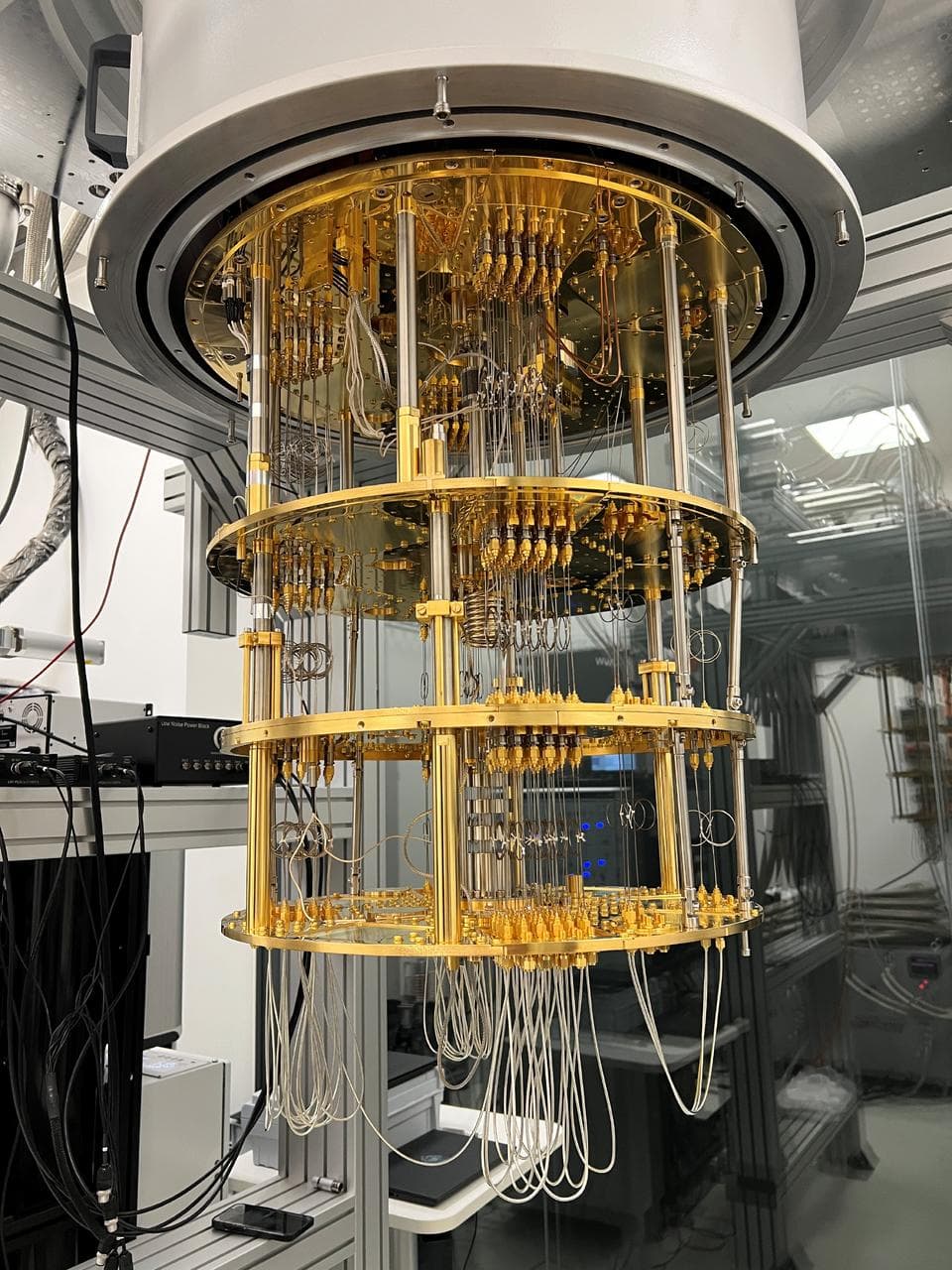
Imagine an internet where quantum physics helps protect sensitive communications, quantum computers can connect through specialised networks, and information can be shared using properties of individual particles that have no equivalent in ordinary computing. This is the vision behind the quantum internet, one of the most ambitious developments in modern science and cybersecurity. Researchers are already demonstrating quantum communication over existing fibre-optic infrastructure, while international programmes are working towards networks that could connect quantum devices across cities and eventually continents. In August 2026, researchers working with the US National Institute of Standards and Technology demonstrated the distribution of entangled photons over 62 kilometres of commercial optical fibre, an important step towards practical quantum networking. Yet significant challenges remain, from fragile quantum states and expensive equipment to the difficulty of extending secure connections over long distances. Could this technology transform cybersecurity, scientific research and global communications—or is the quantum internet being misunderstood as a technology that can make hacking impossible?

The soil-borne fungus Monosporascus cannonballus has been detected for the first time in Australia, affecting cucumber and melon crops in the Northern Territory. It cannot be eradicated.

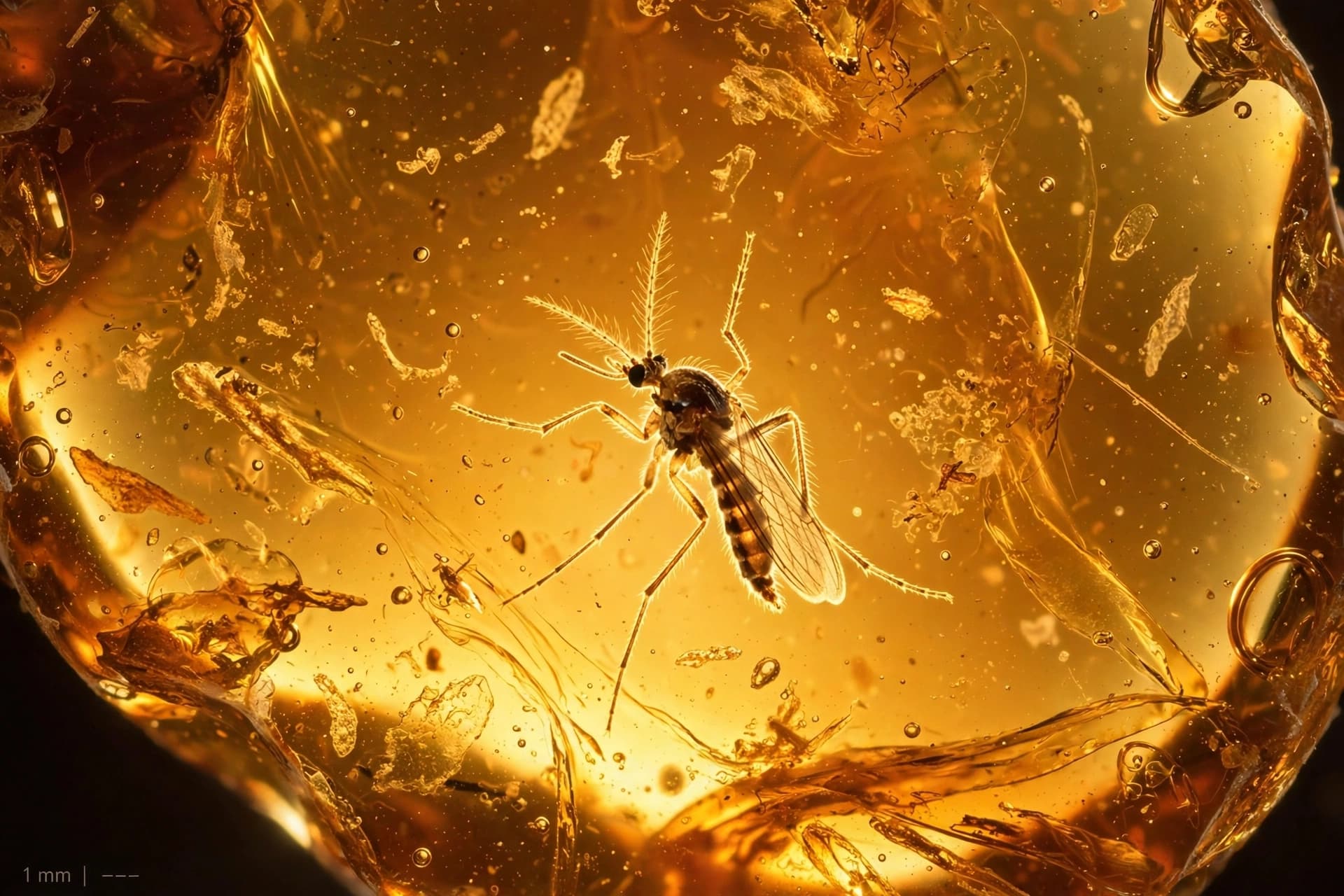
Scientists have identified Cretodorus noonoo, a 99-million-year-old insect with a flexible, corrugated mouthpart twice its body length, preserved in amber and named after the Teletubbies vacuum cleaner.

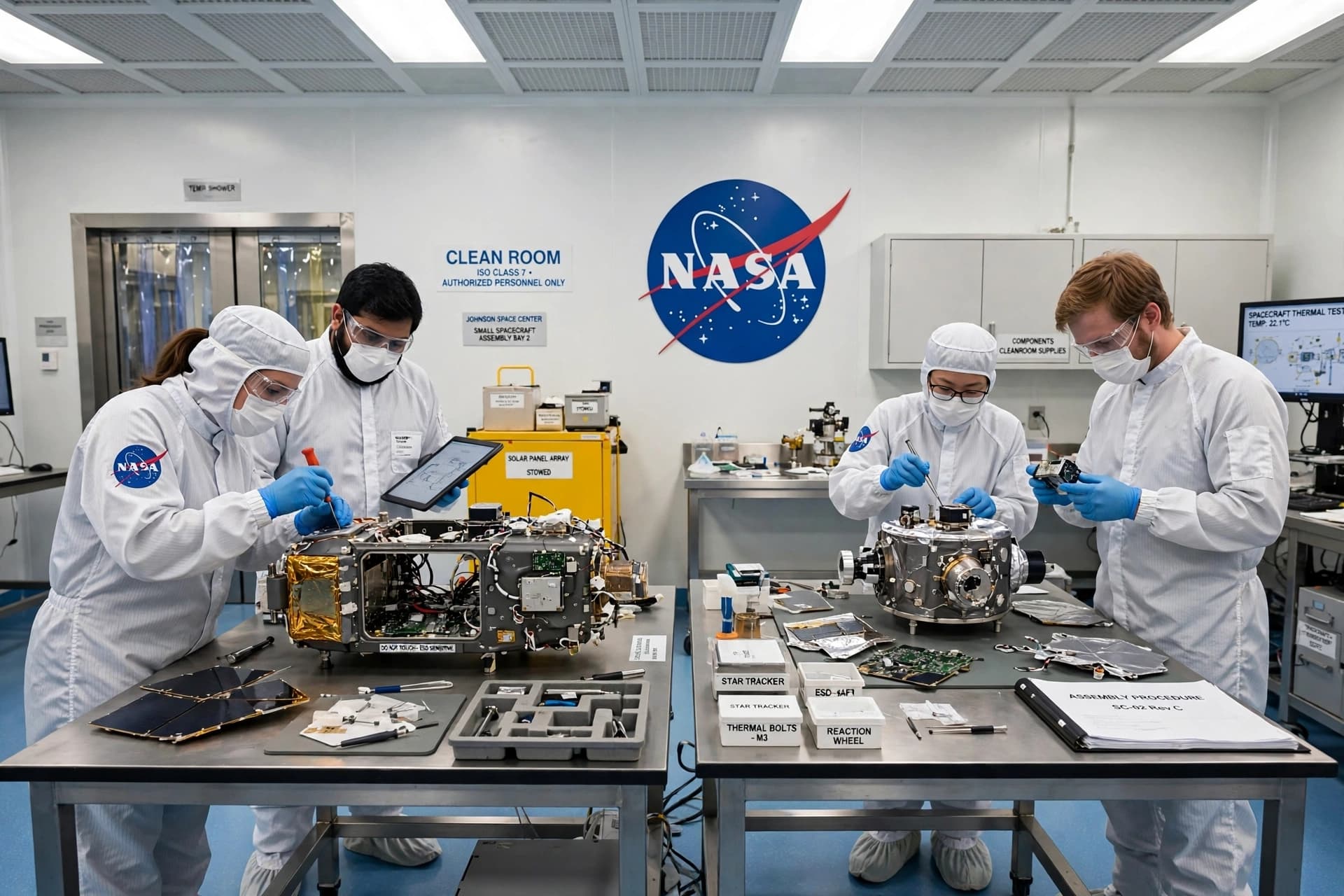
UC Berkeley's Space Sciences Laboratory leads NASA missions like ESCAPADE, a twin-spacecraft mission to study the Martian magnetosphere, demonstrating how universities can play a leading role in space exploration.

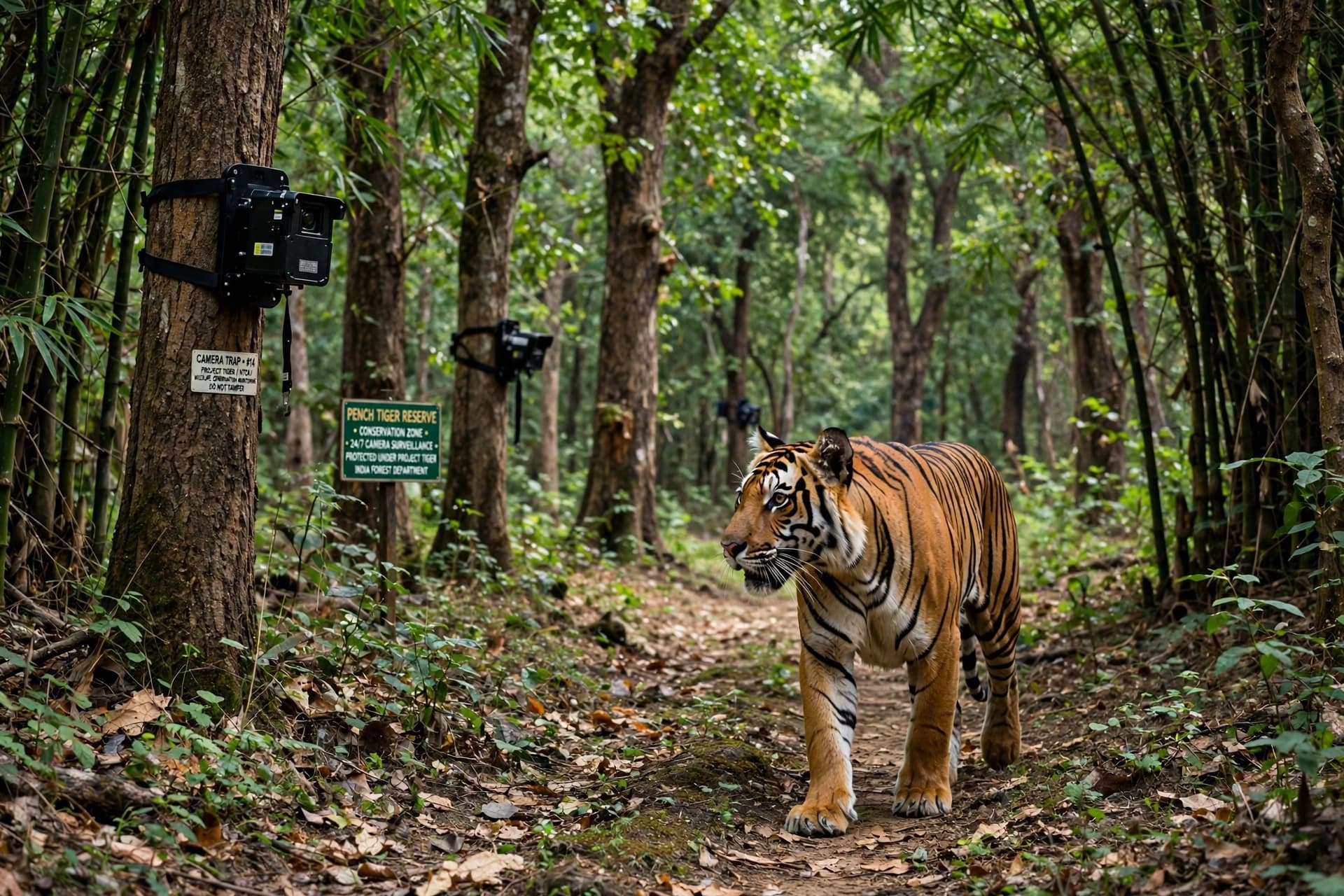
The 2026 Living Planet Report shows an average 73% decline in wildlife populations since 1970, but highlights recoveries of tigers, bluefin tuna, and green sea turtles as proof that nature loss can be reversed.

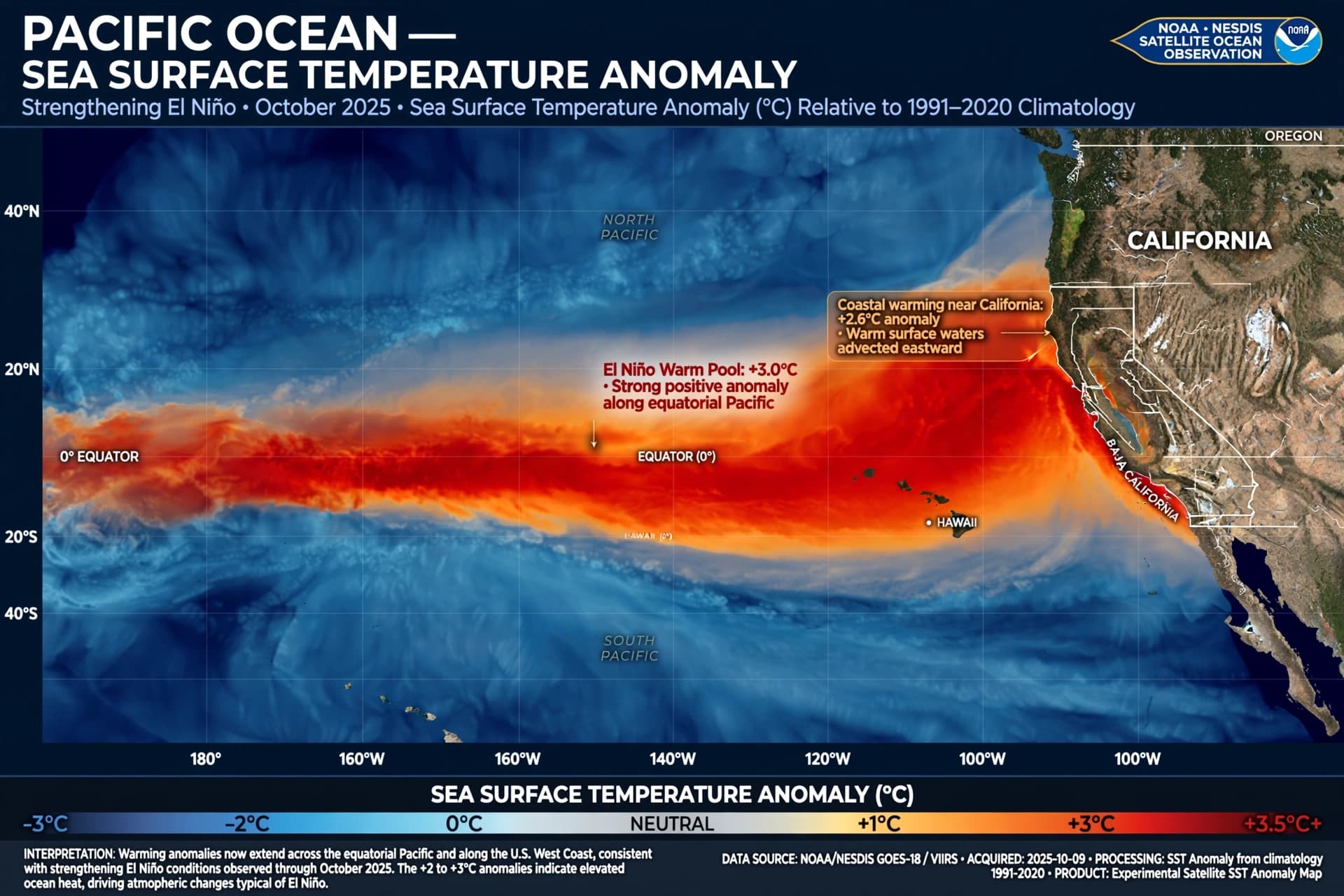
New NOAA data shows a greater than 90% chance of a Super El Niño this winter, with California facing a 70-100% chance of above-average rainfall, prompting emergency preparations and flood concerns.

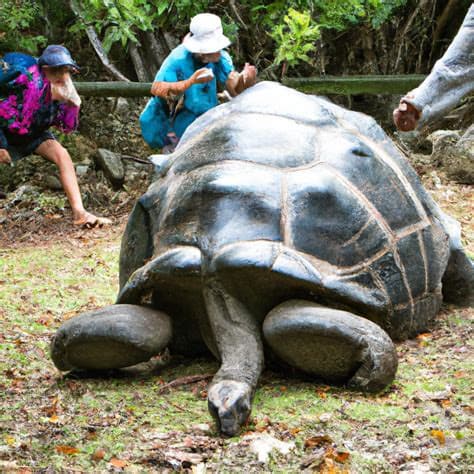
A new survey estimates nearly 183,000 Aldabra giant tortoises live in Seychelles, offering a landmark measure of long-term conservation success.

Scientists are celebrating the first Artemis II science results, which exceeded expectations and revealed new details about the lunar surface, water ice deposits, and the radiation environment.

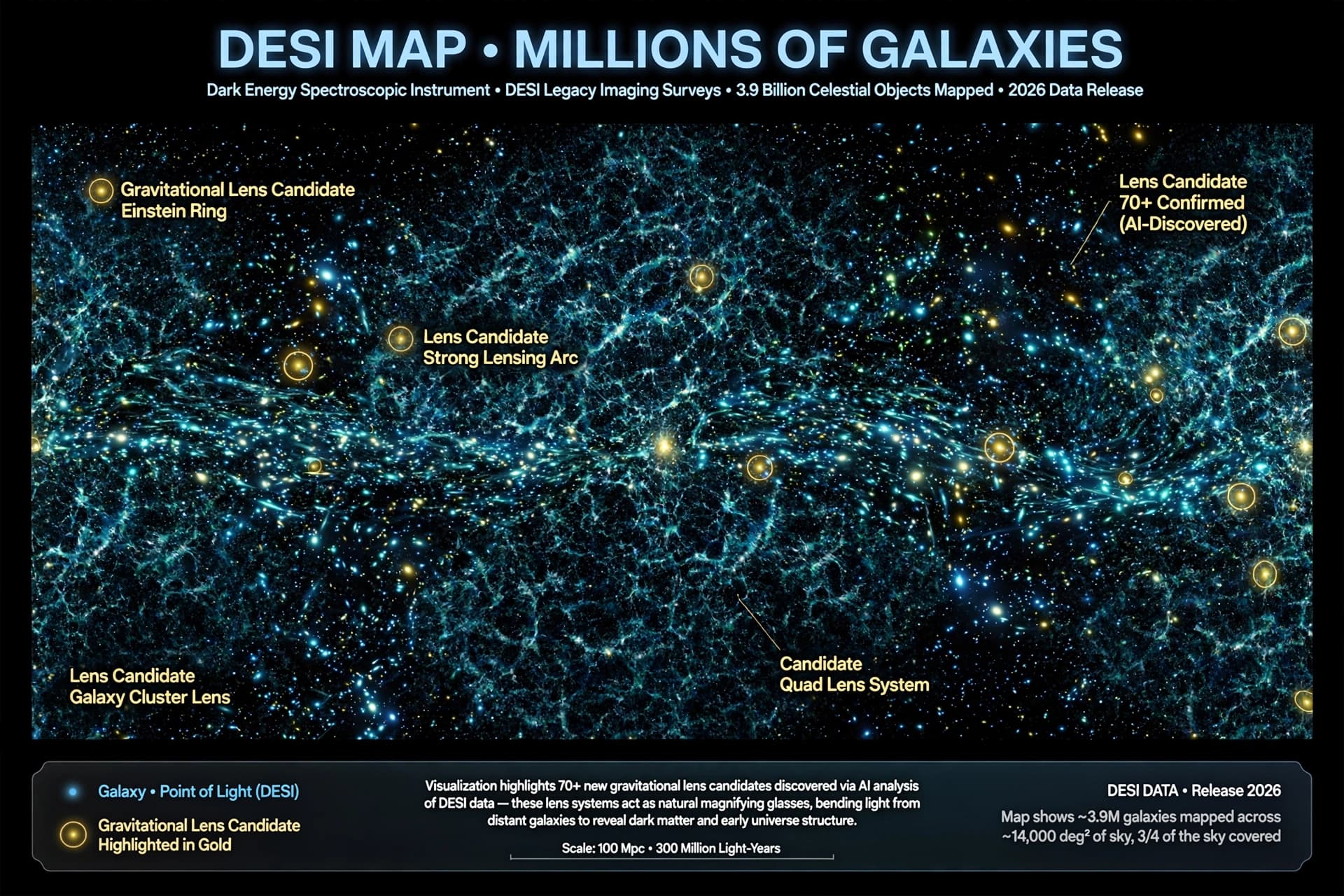
The Dark Energy Spectroscopic Instrument has produced the largest 2D map of the universe, leading to the discovery of 1,350 new gravitational lens candidates that will help study dark matter and dark energy.

The Draconid meteor shower peaks on the evening of October 8, offering a family-friendly event with dark skies and the possibility of rare outbursts, unlike showers that require late-night viewing.

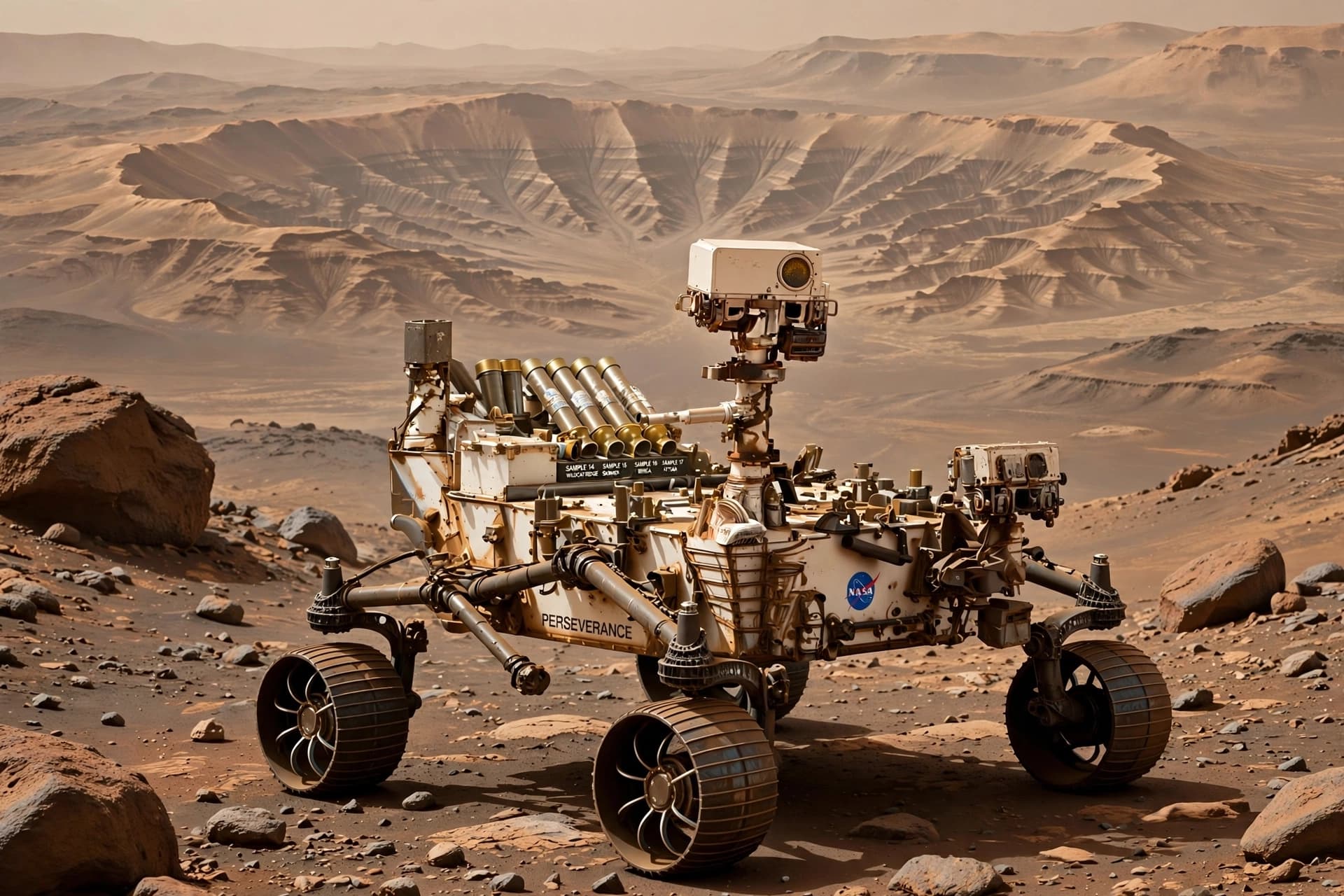
NASA's Mars Sample Return mission faces delays and cost overruns, leaving the samples collected by Perseverance waiting on the Martian surface while the agency evaluates alternative plans.

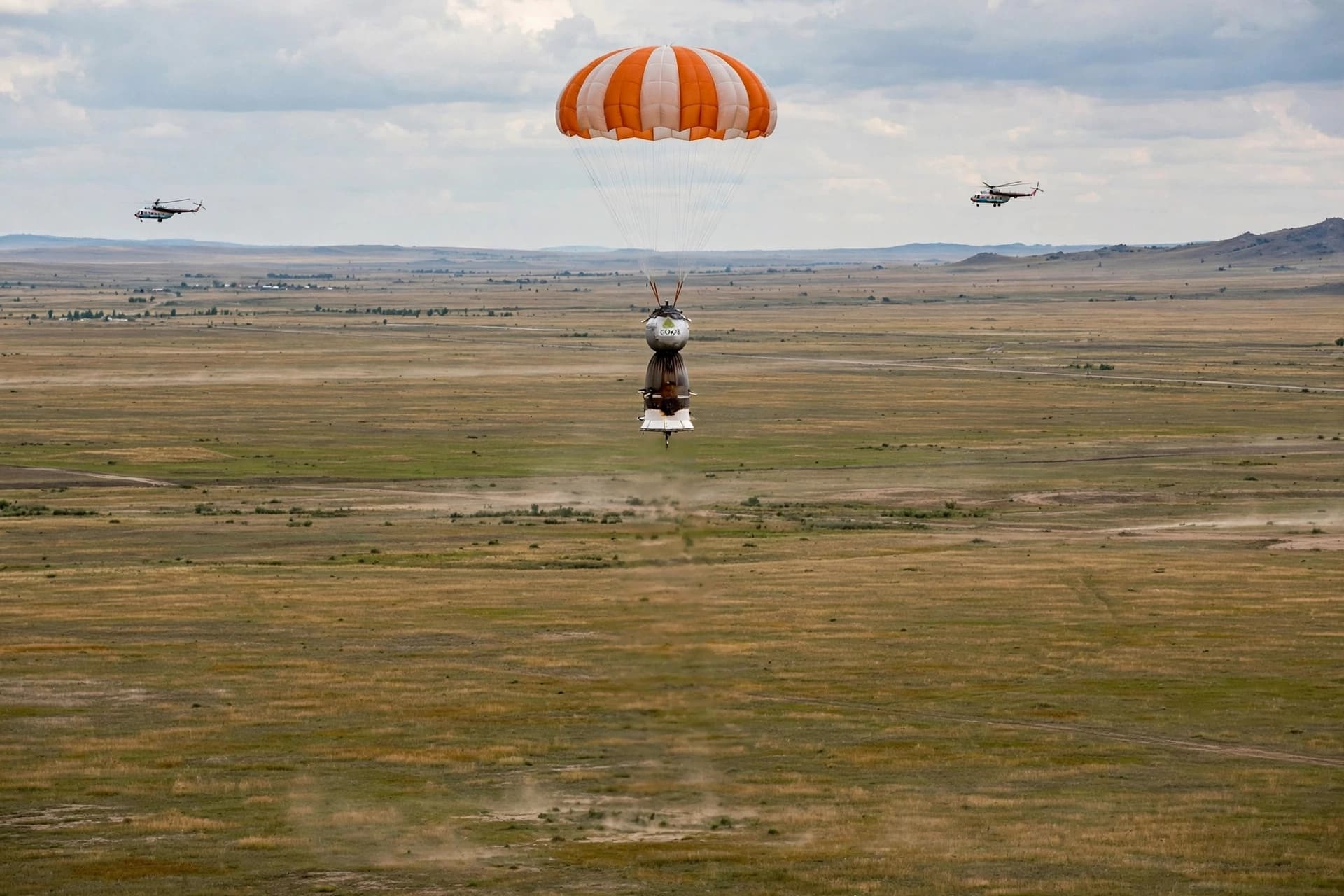
French, US, and Russian astronauts have returned to Earth after an eight-month mission on the International Space Station, landing safely in Kazakhstan and beginning their readjustment to gravity.

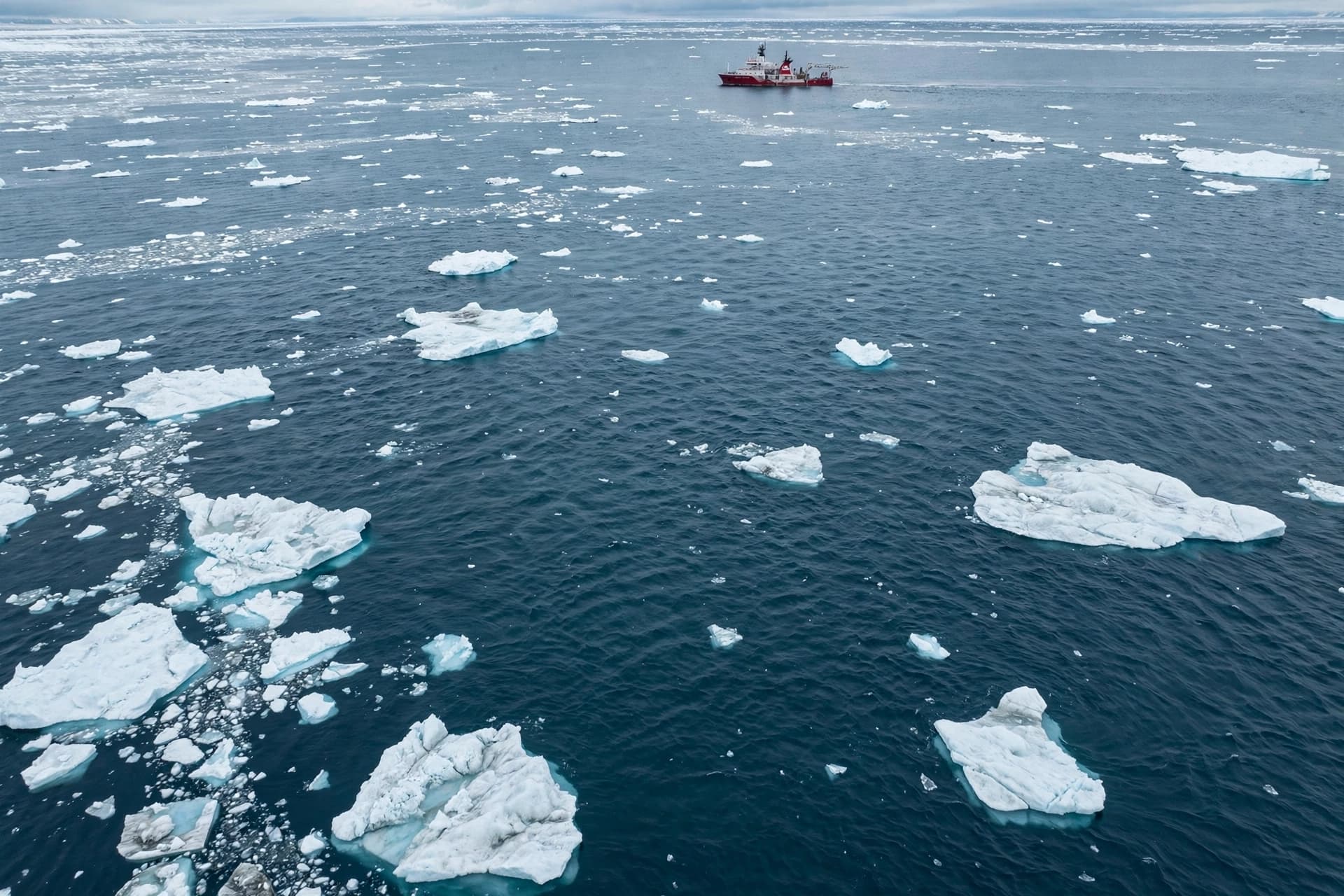
Arctic sea ice has reached another historic low, continuing a decades-long decline driven by warming nearly four times faster than the global average, with profound consequences for climate and wildlife.

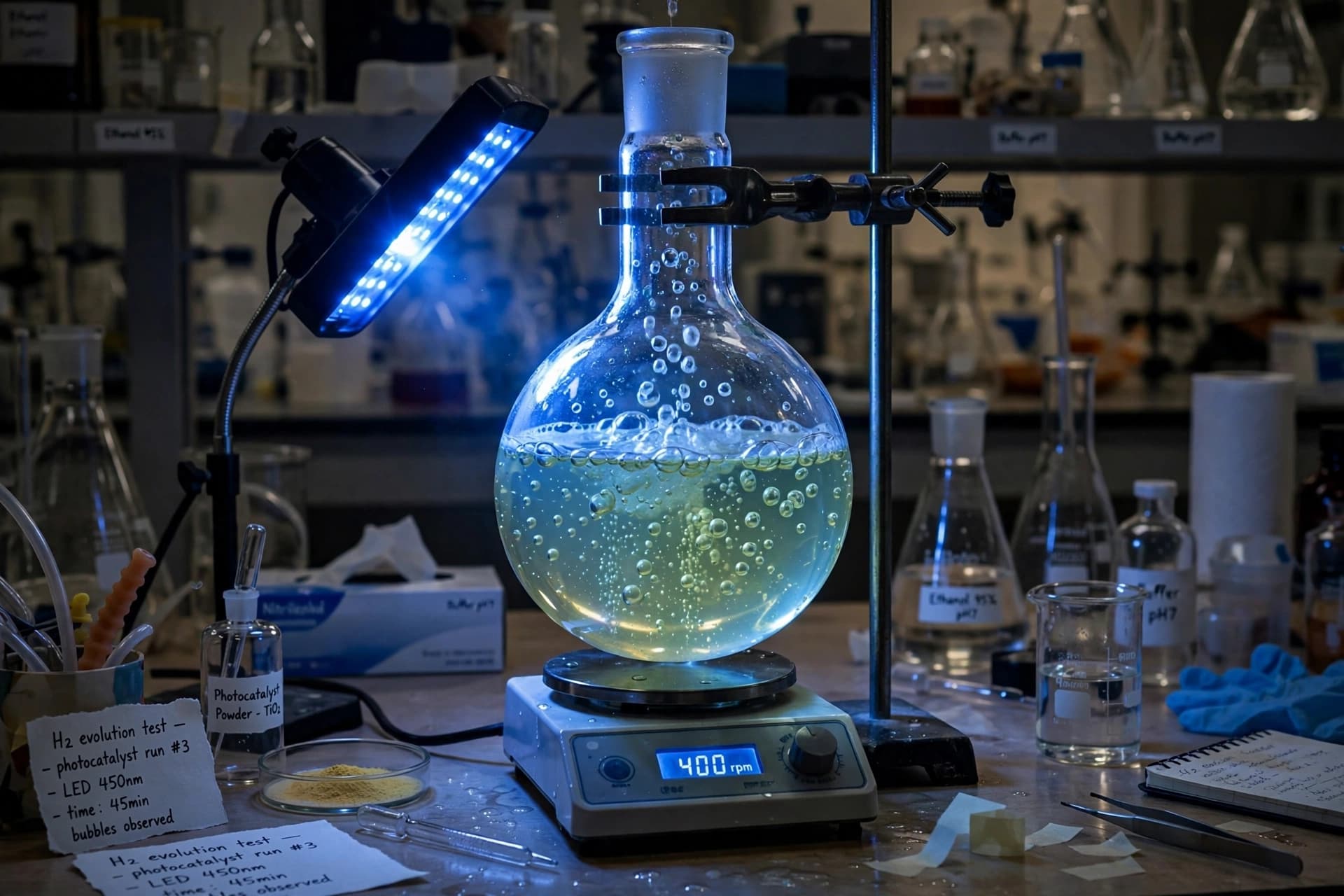
A new light-driven method uses photocatalysts to control reactive hydrogen atoms, allowing selective addition to molecules and opening new possibilities for drug discovery and materials science.