A Giant Reconsidered: How Old Fossils Found a New Identity
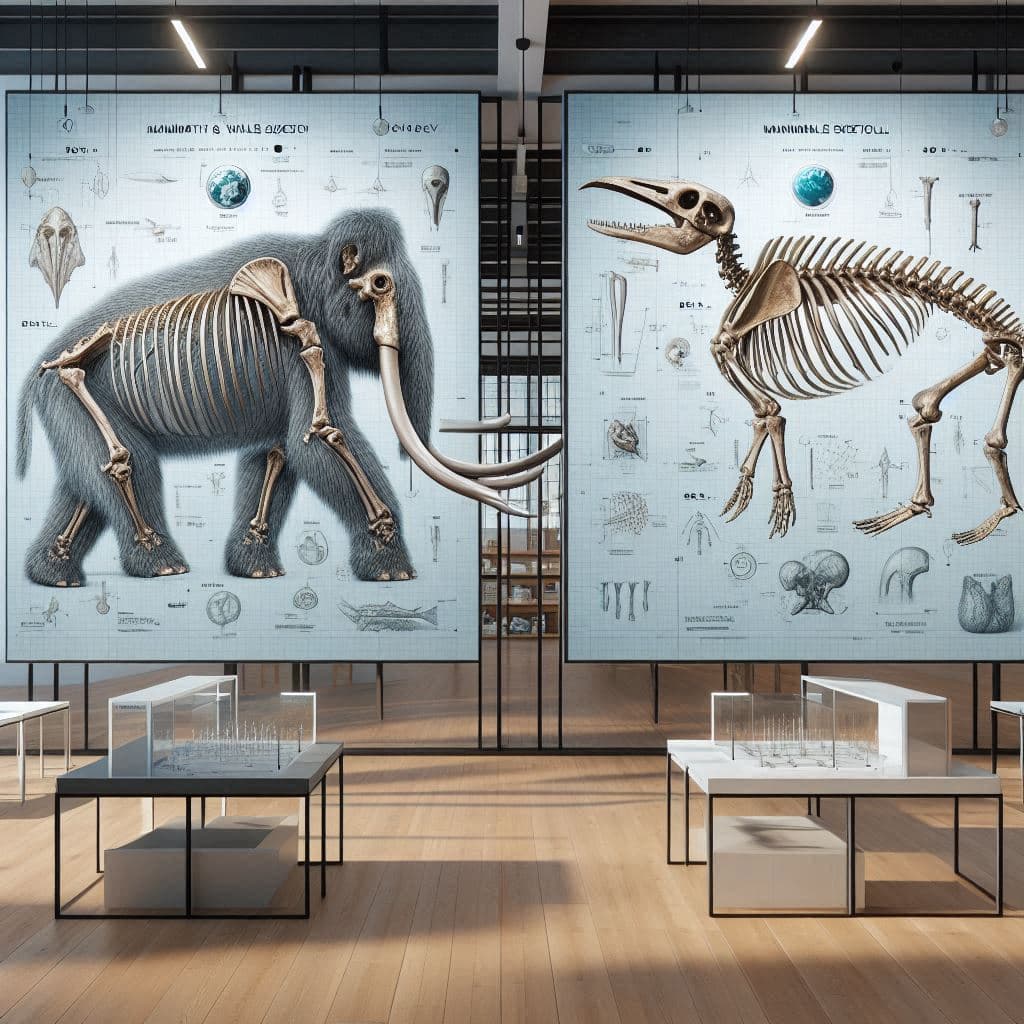
Fossils once displayed as mammoth bones were later identified as belonging to a giant whale, showing how scientific reassessment can gently reshape our understanding of the past.

Fossils once displayed as mammoth bones were later identified as belonging to a giant whale, showing how scientific reassessment can gently reshape our understanding of the past.

The nutcracker bird is a skilled harvester and memory expert, storing thousands of pine seeds and helping forests regenerate while surviving harsh mountain winters.

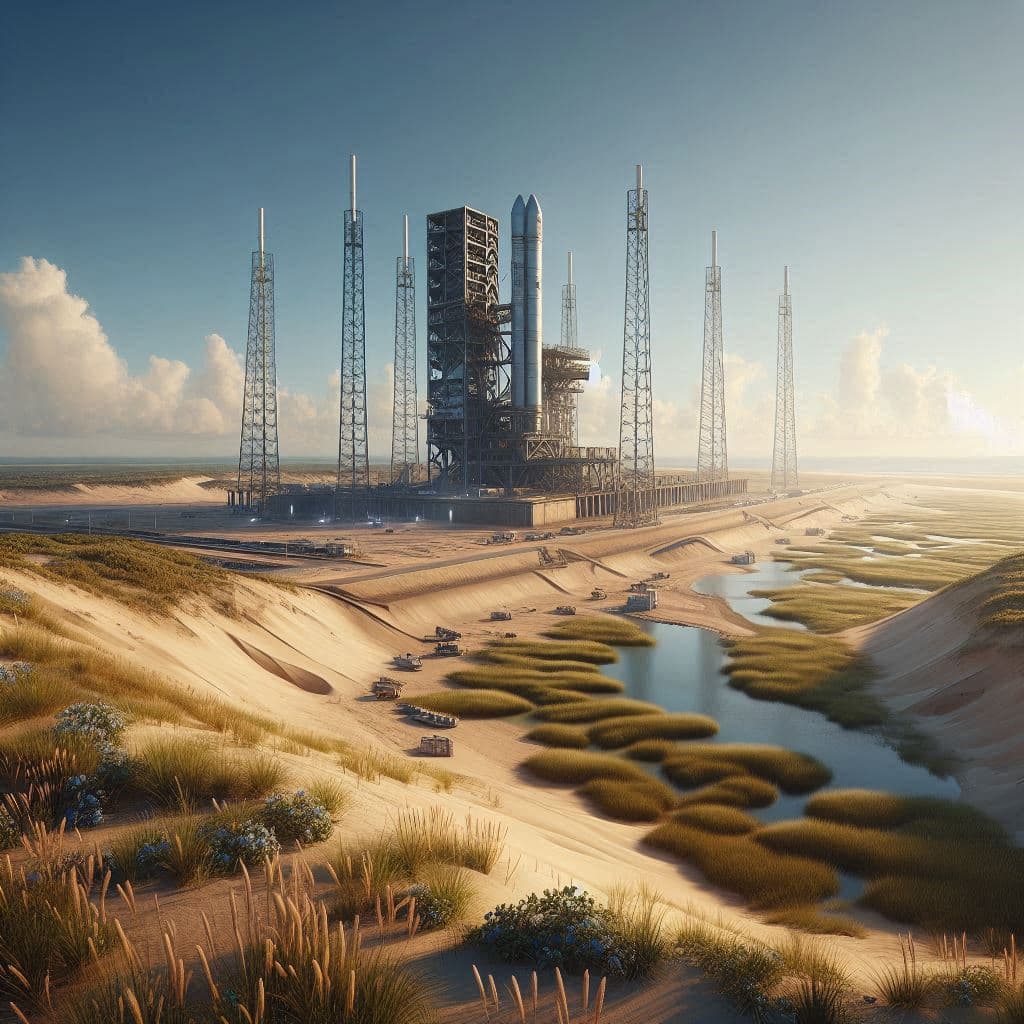
SpaceX’s Starbase is laying groundwork for expansion, signaling long-term intent as infrastructure quietly grows to support future launches, testing, and sustained operations.

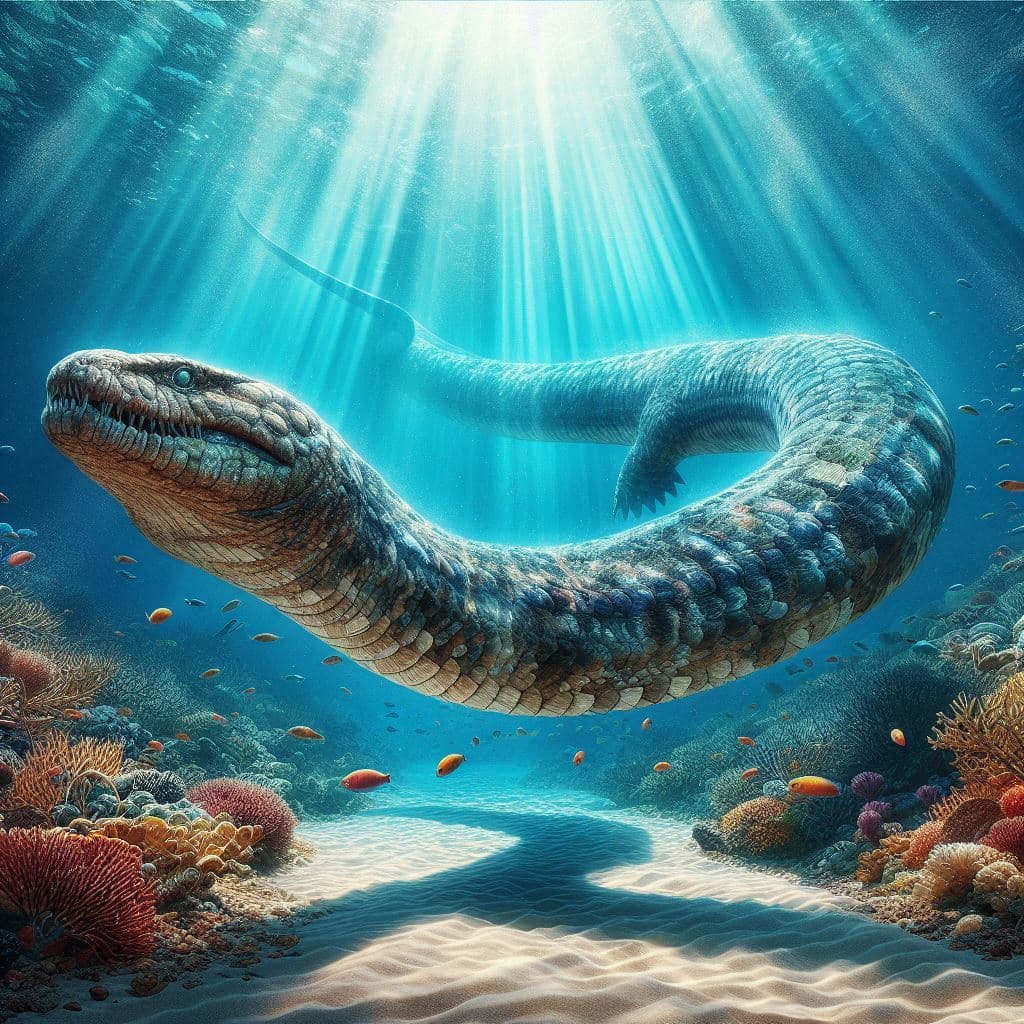
Palaeophis colossaeus, the longest sea snake ever recorded, reveals how warmer ancient oceans once supported marine reptiles larger than anything seen today.

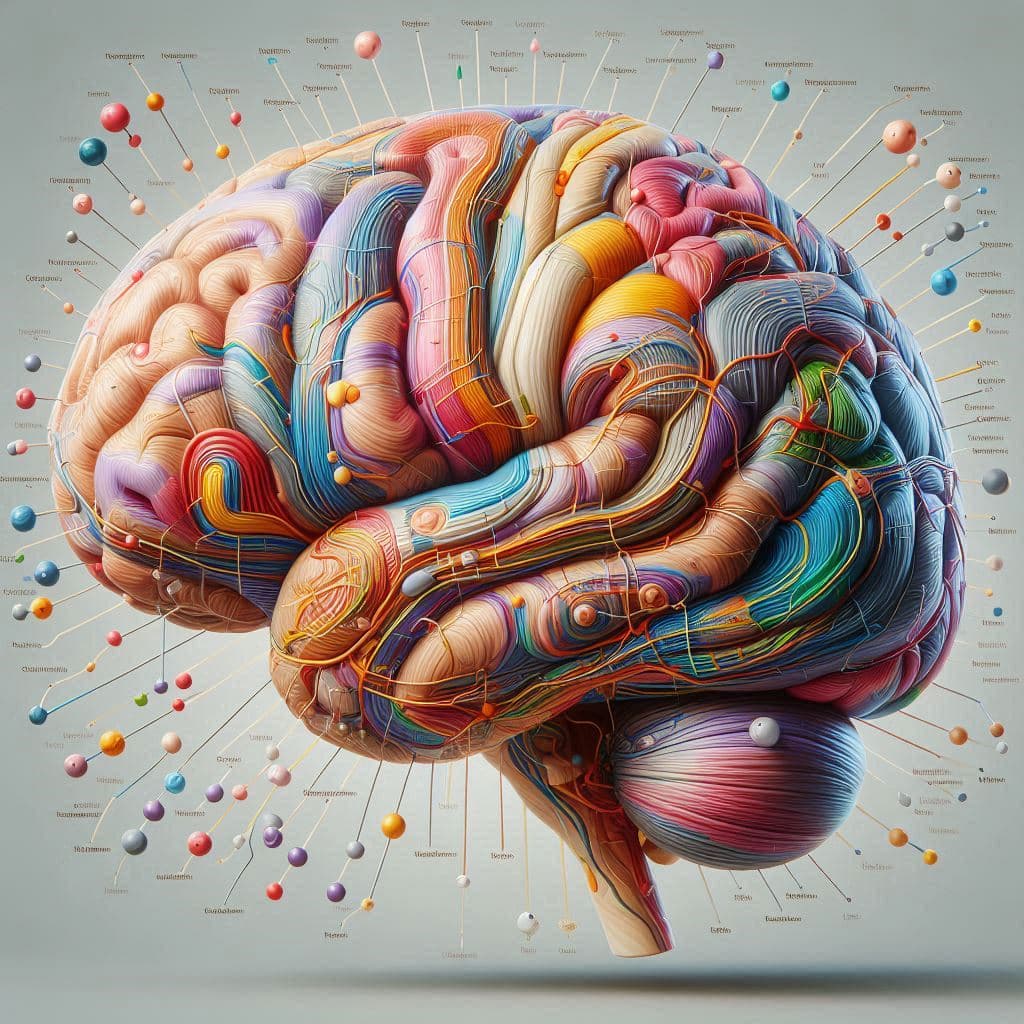
A new brain map is reshaping how scientists understand Parkinson’s disease, highlighting network-wide changes that may explain early symptoms and open paths for future treatments.

Astronauts aboard the ISS may not watch the Super Bowl live, but recorded or delayed broadcasts typically allow them to share in the event during their off-duty time.
Andromeda is headed toward the Milky Way due to gravitational forces, driven by dark matter halos. While the collision won’t be catastrophic, it will result in a new, combined galaxy in billions of years.

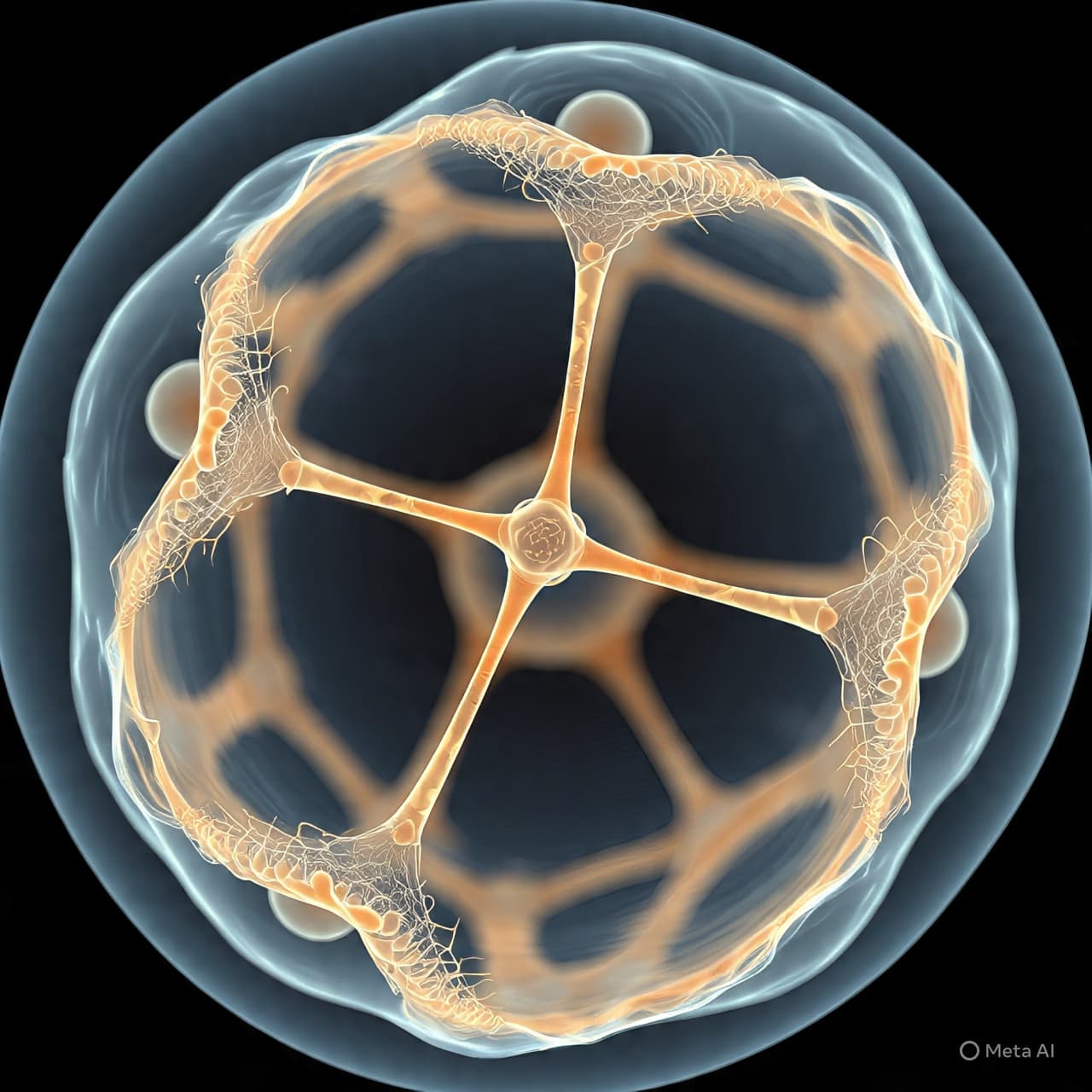
Actin filaments and microtubules work in concert to build the egg cell's structure, guiding its development with precision. Their coordinated effort ensures the proper formation of an egg for fertilization.

SpaceX resumes Falcon 9 launches with the successful deployment of 60 Starlink satellites, bringing high-speed internet to underserved regions. The company's reusable rockets continue to revolutionize space exploration.

Heightened solar activity may allow the northern lights to be visible in up to ten U.S. states Saturday night, depending on weather, darkness, and local viewing conditions.

Scientists have identified a tiny molecular shift in spider silk that allows it to stretch, adapt, and resist breaking, offering insight into why the natural fiber is so strong.

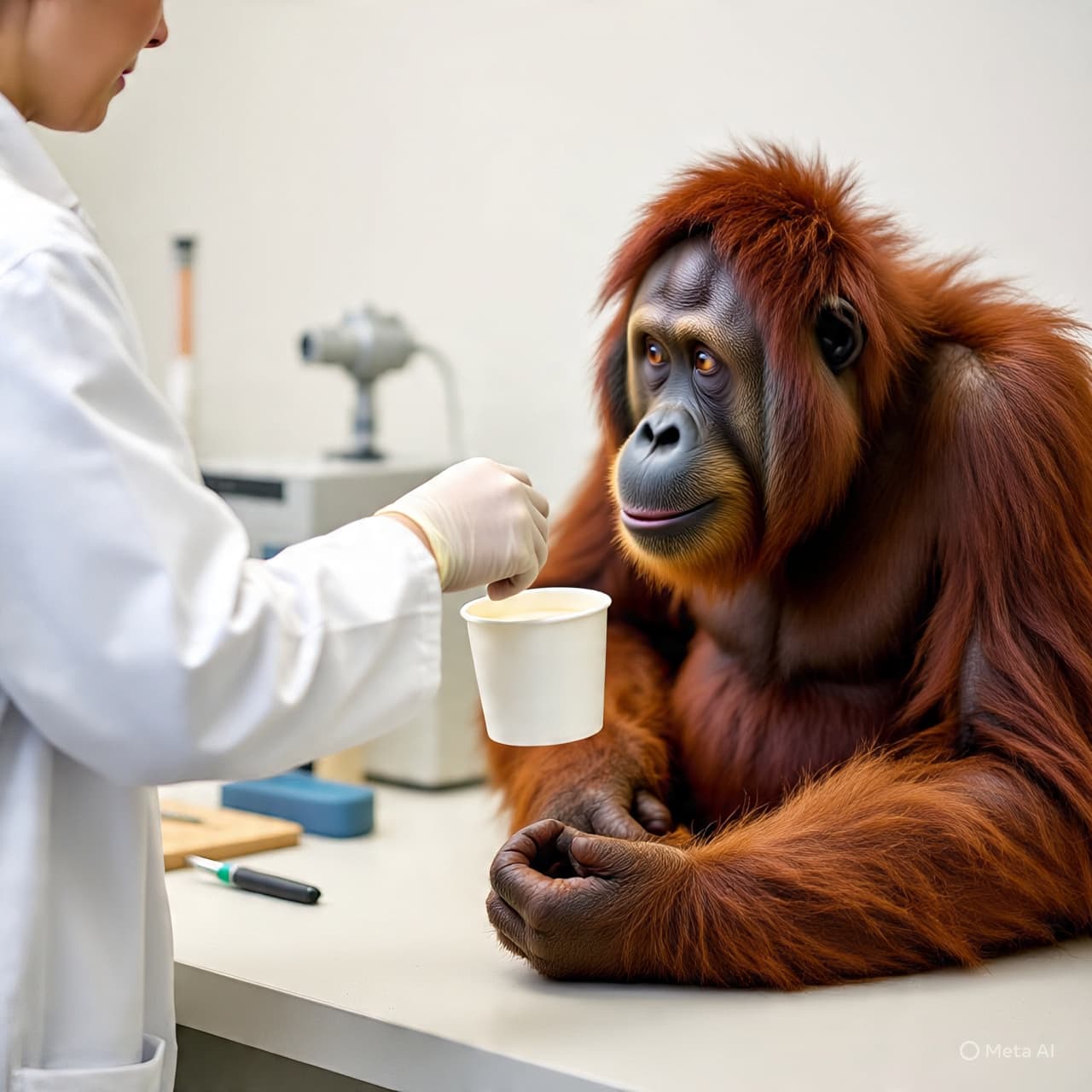
Scientists are using pretend play scenarios to study whether apes can understand symbolic actions, offering new insight into the evolution of imagination and cognition

Scientists report that egg cells rely on coordinated actin and microtubule scaffolding, offering new insight into how cells organize structure during development.

New observations from ESA’s Solar Orbiter suggest solar flares arise from chaotic magnetic interactions, offering fresh insight into why these powerful eruptions are so hard to predict.

China’s 1,000+ waste incineration plants now face a shortage of municipal waste. To sustain energy production in 2026, old landfills will be excavated as fuel sources, highlighting a circular approach to sustainability.

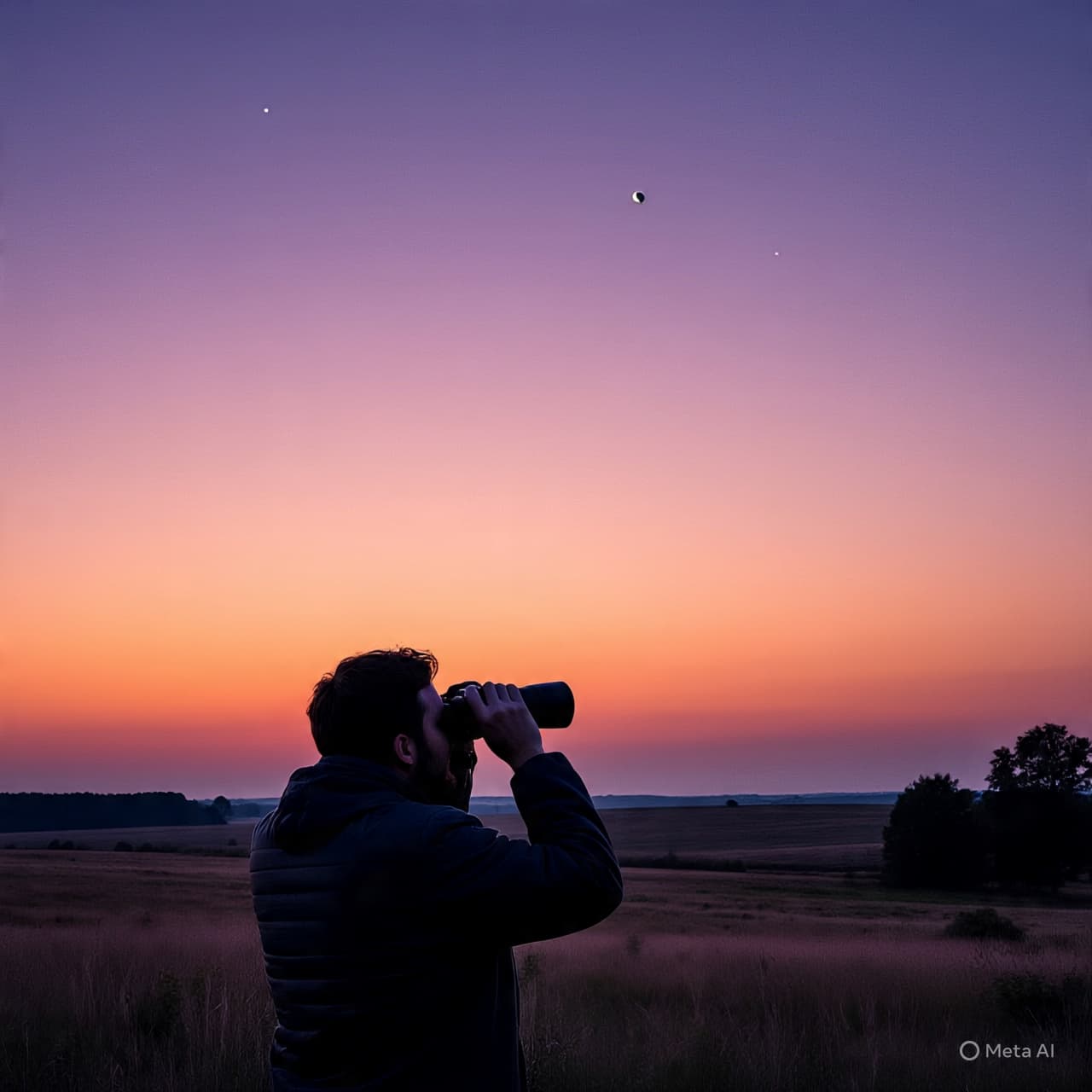
Six planets — Mercury, Venus, Jupiter, Saturn, Uranus, and Neptune — will be visible in the evening sky this weekend after sunset. Jupiter shines brightest, while binoculars help with the fainter worlds; best viewed low to the western horizon.

Ancient DNA from a 12,000‑year‑old cave burial in Italy reveals a rare inherited growth disorder in a mother and daughter, offering deep insight into prehistoric lives.

A small toad long mistaken for another species in the remote highlands of Guyana has been identified as a distinct new species, Adhaerobufo wokomungensis, reflecting ongoing discoveries in Earth’s biodiversity.

A Welsh study finds children in homes with wood burners have up to three times more indoor particle pollution than those without, highlighting homes as major sources of daily exposure.

A new study shows a bonobo named Kanzi could track imaginary objects in tea‑party experiments, suggesting great apes may share aspects of imaginative play with humans.

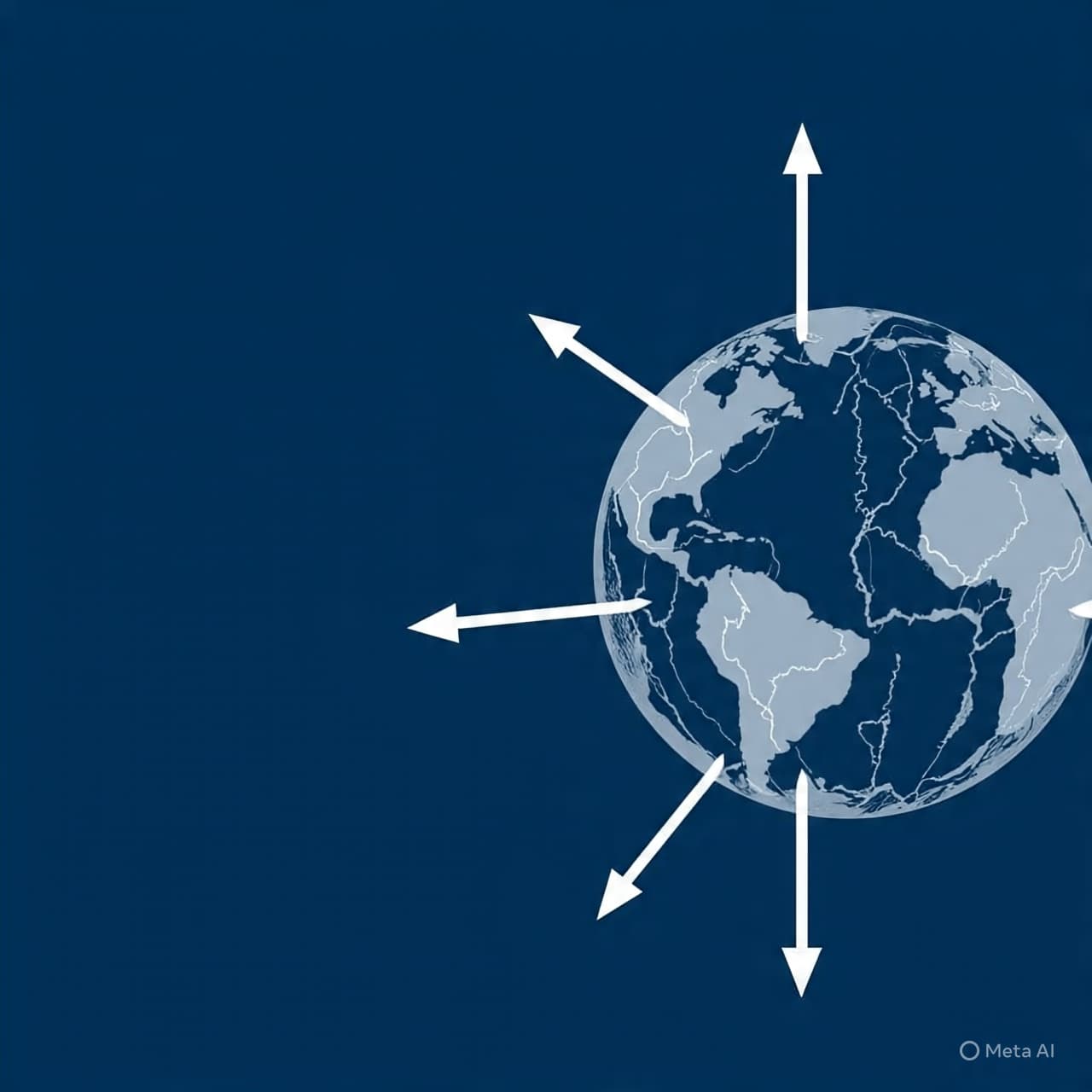
A new study reveals that the slow movement of Earth’s tectonic plates — especially at spreading ridges and continental rifts — has played a much larger role in shaping long-term climate by recycling carbon than scientists previously thought.

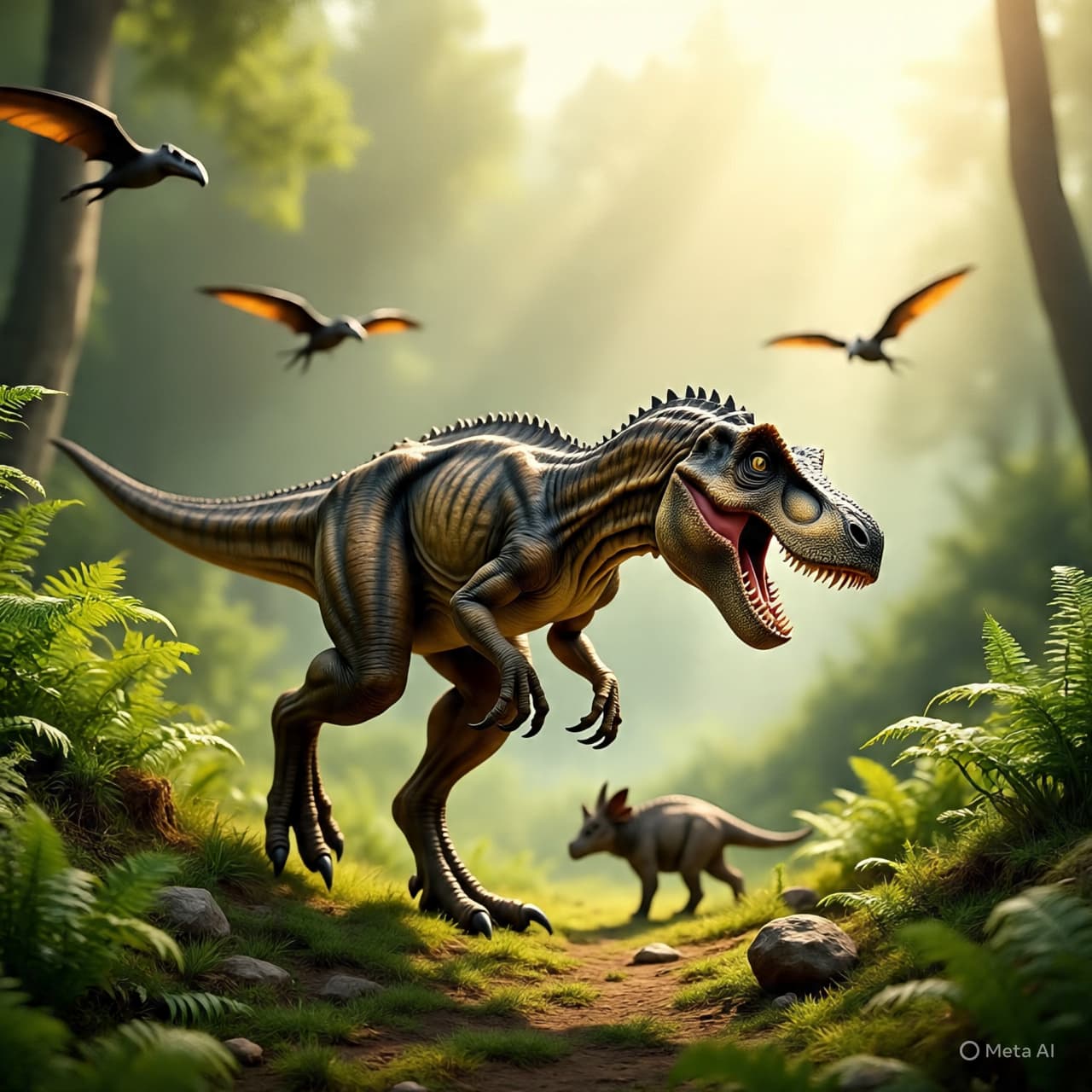
New research shows Tyrannosaurus rex changed dramatically as it aged, occupying different ecological roles from youth to adulthood and reshaping how scientists understand dinosaur life.

NASA data revealed a massive cloud of gas and dust with no stars inside it, offering a rare look at the quiet conditions that exist before star formation begins.

Voyager 2 encountered Uranus during an intense burst of solar wind, temporarily energizing the planet’s magnetosphere and reshaping decades of assumptions about the ice giant.