When the Sun Went Silent: How Ancient Eyes Learned to Anticipate Eclipses
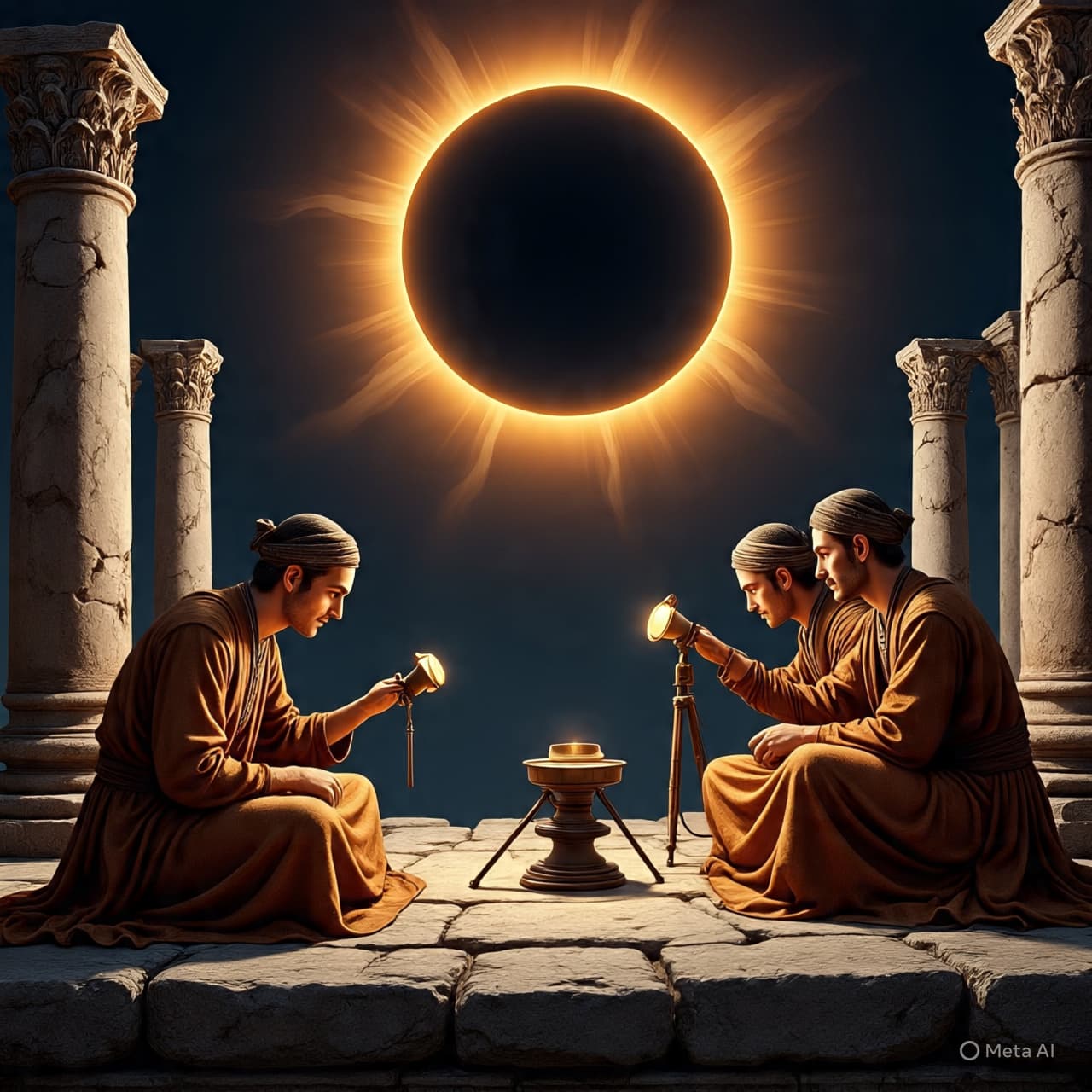
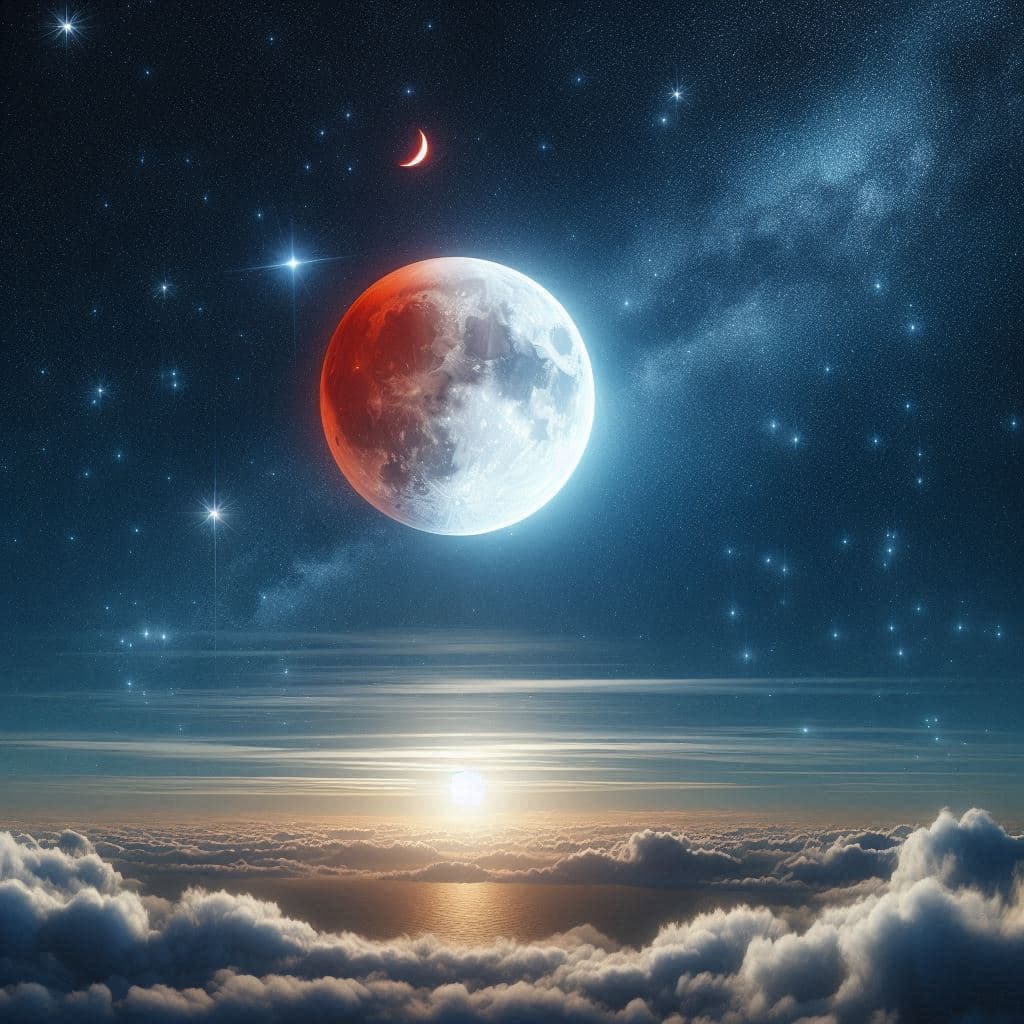
Ancient astronomers predicted solar eclipses by tracking long-term patterns in the Sun and Moon, slowly uncovering cycles that revealed when darkness would return.

Ancient astronomers predicted solar eclipses by tracking long-term patterns in the Sun and Moon, slowly uncovering cycles that revealed when darkness would return.

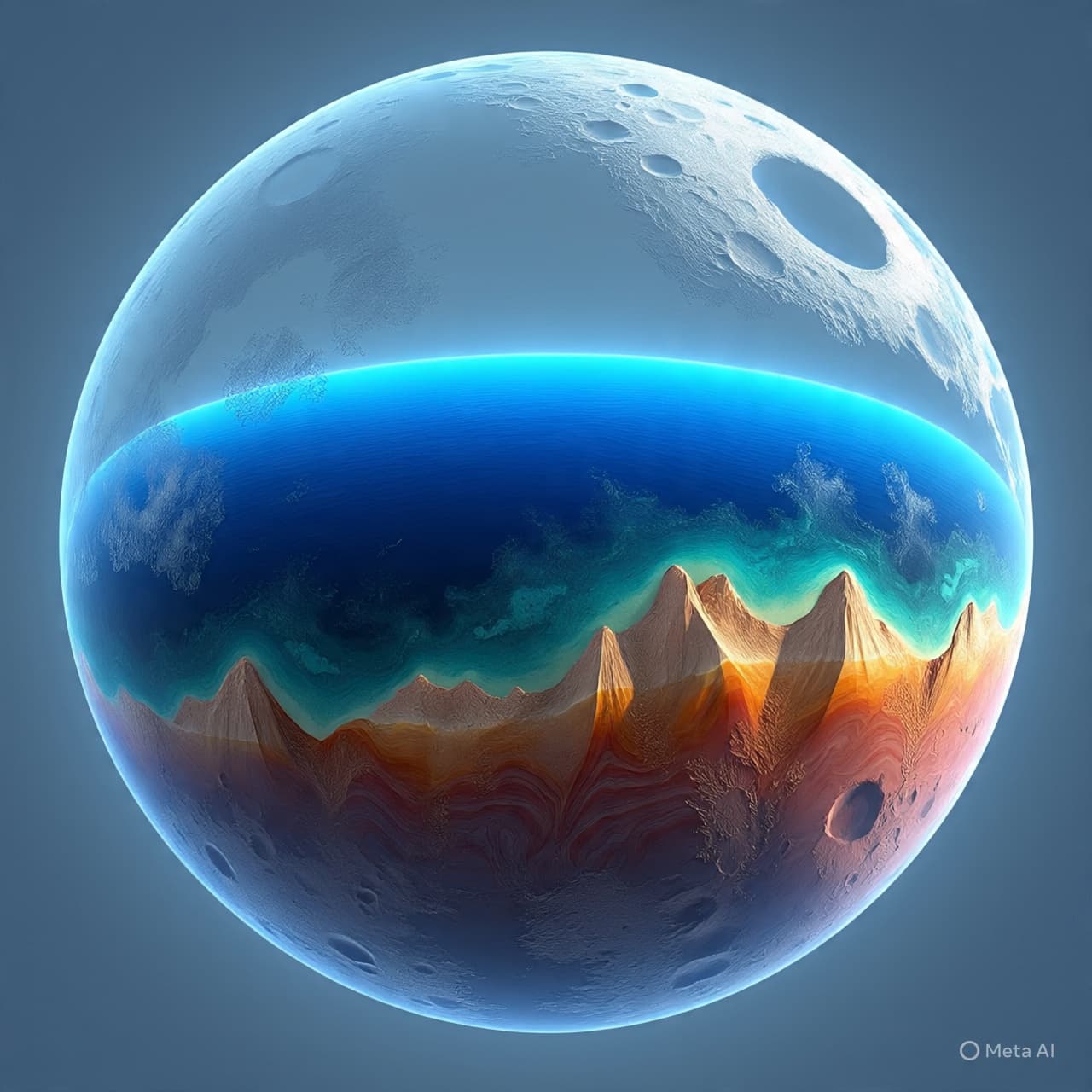
New research suggests Jupiter’s moon Europa has a vast subsurface ocean but a geologically quiet seafloor that may lack the energy needed to support life, reshaping expectations for habitability.

Scientists found that some caterpillars sense sound through tiny hairs on their bodies, revealing an unexpected and subtle form of hearing that helps them detect danger.

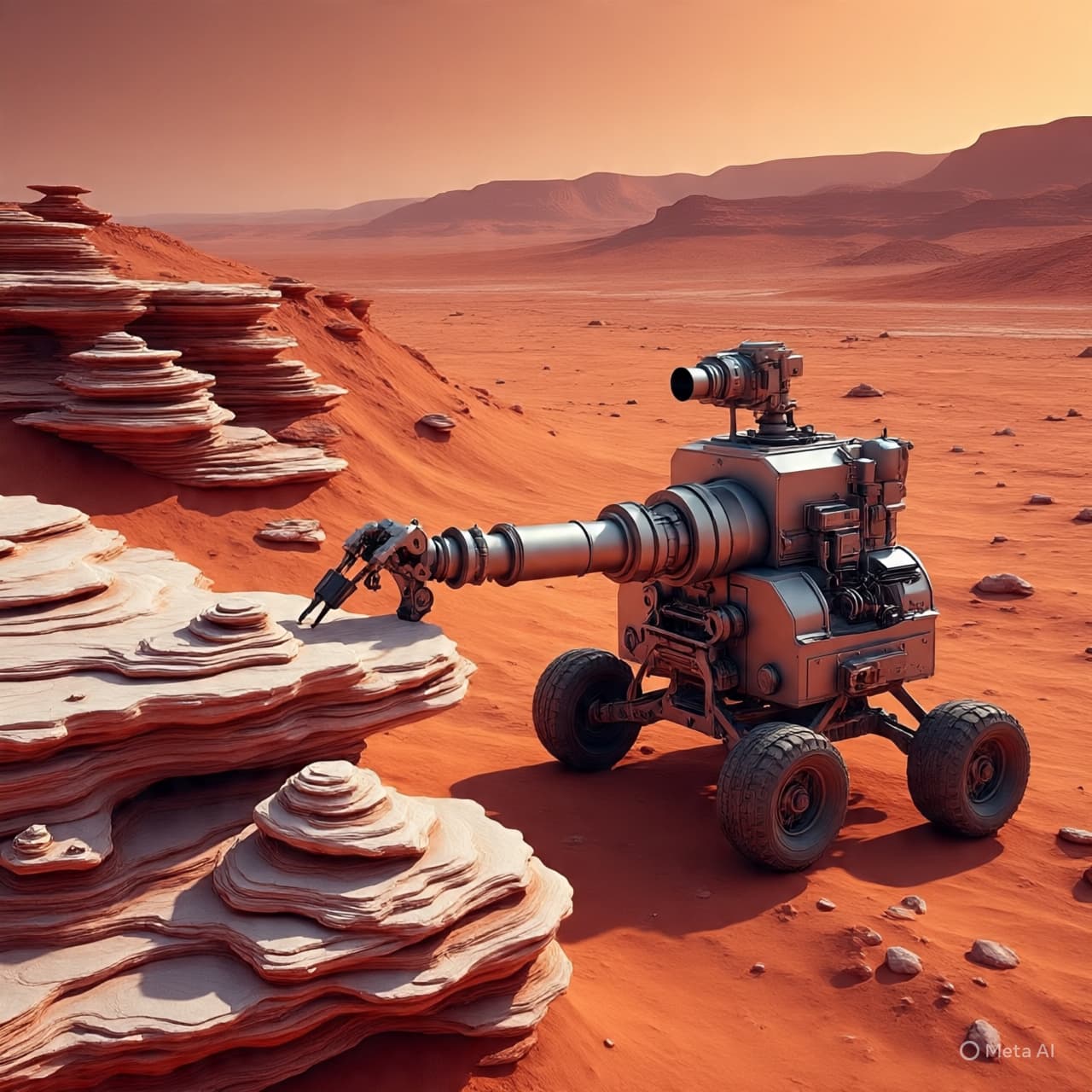
NASA researchers say organic molecules found on Mars cannot be fully explained by known geological processes, highlighting chemical mysteries that future missions will need to explore.

AI scanned decades of material science literature to reveal 25 previously unknown magnetic materials and created a database of over 67,000 candidates for future technology.

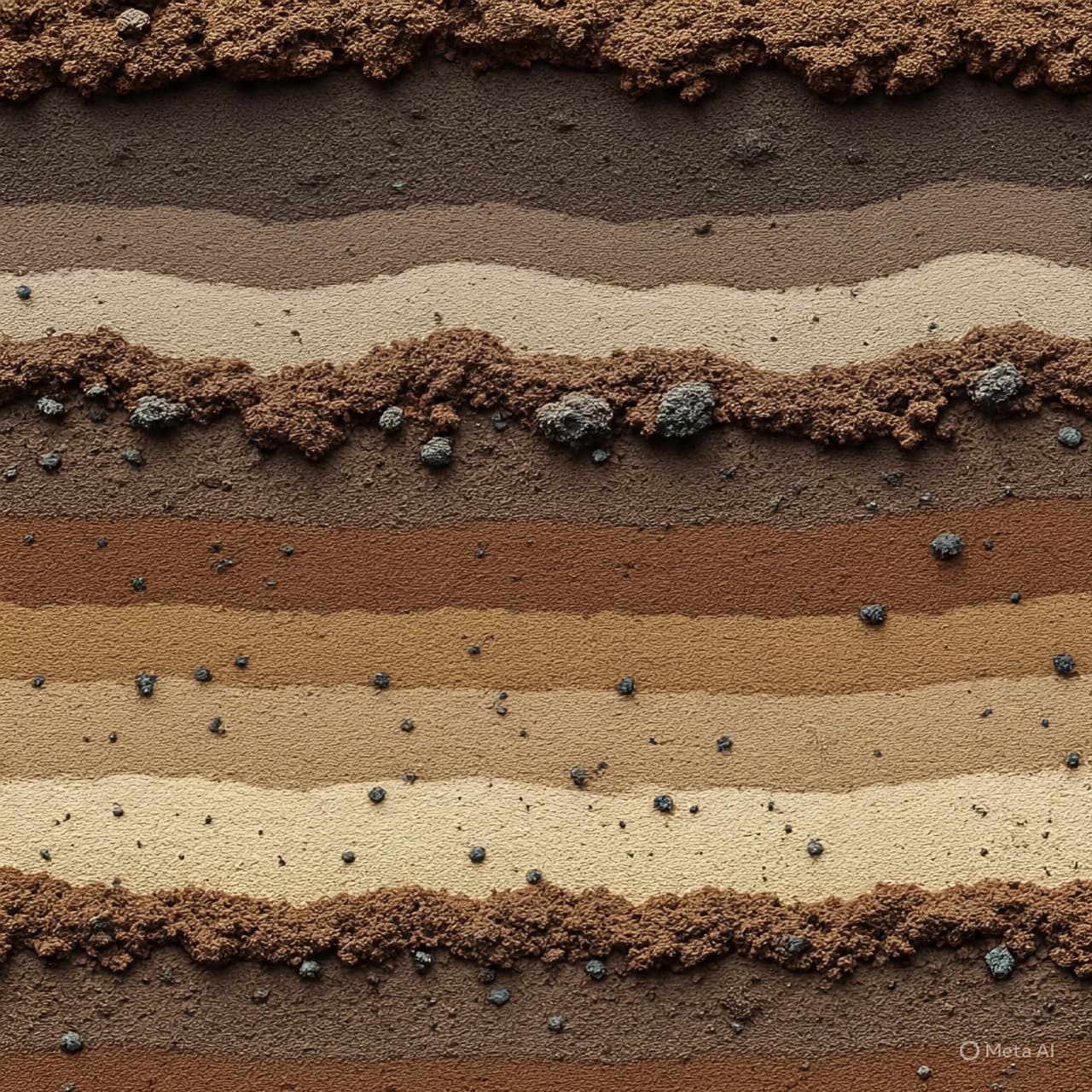
Rust-like iron minerals quietly bind and store carbon in soils and sediments, helping Earth lock away atmospheric carbon for centuries through natural chemical processes.

As space missions lengthen, experts warn that human reproduction beyond Earth is no longer theoretical, urging urgent policy and ethical discussions before reality overtakes planning.

Forests worldwide are changing faster than expected due to climate stress and human pressure, prompting growing concern among scientists studying ecosystem stability and resilience.

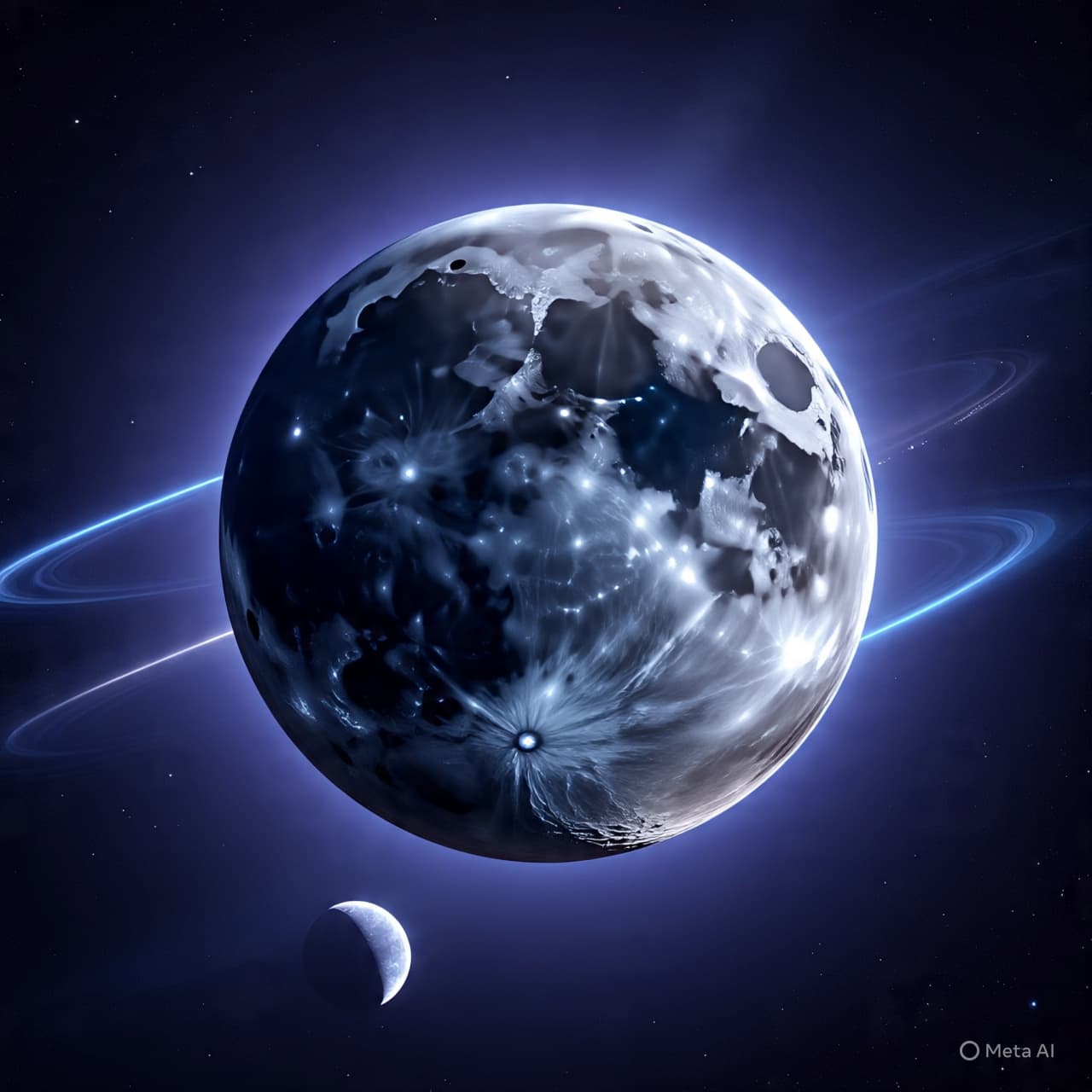
This week, the Moon passes near Antares, the red heart of Scorpius, offering skywatchers a calm and accessible celestial pairing visible after sunset.

Elon Musk says SpaceX aims to build a self-sustaining lunar city within a decade, an ambitious vision that depends on advances in Starship, automation, and long-term Moon infrastructure.

Elon Musk says SpaceX aims to build a self-sustaining lunar city within a decade, an ambitious vision that depends on advances in Starship, automation, and long-term Moon infrastructure.

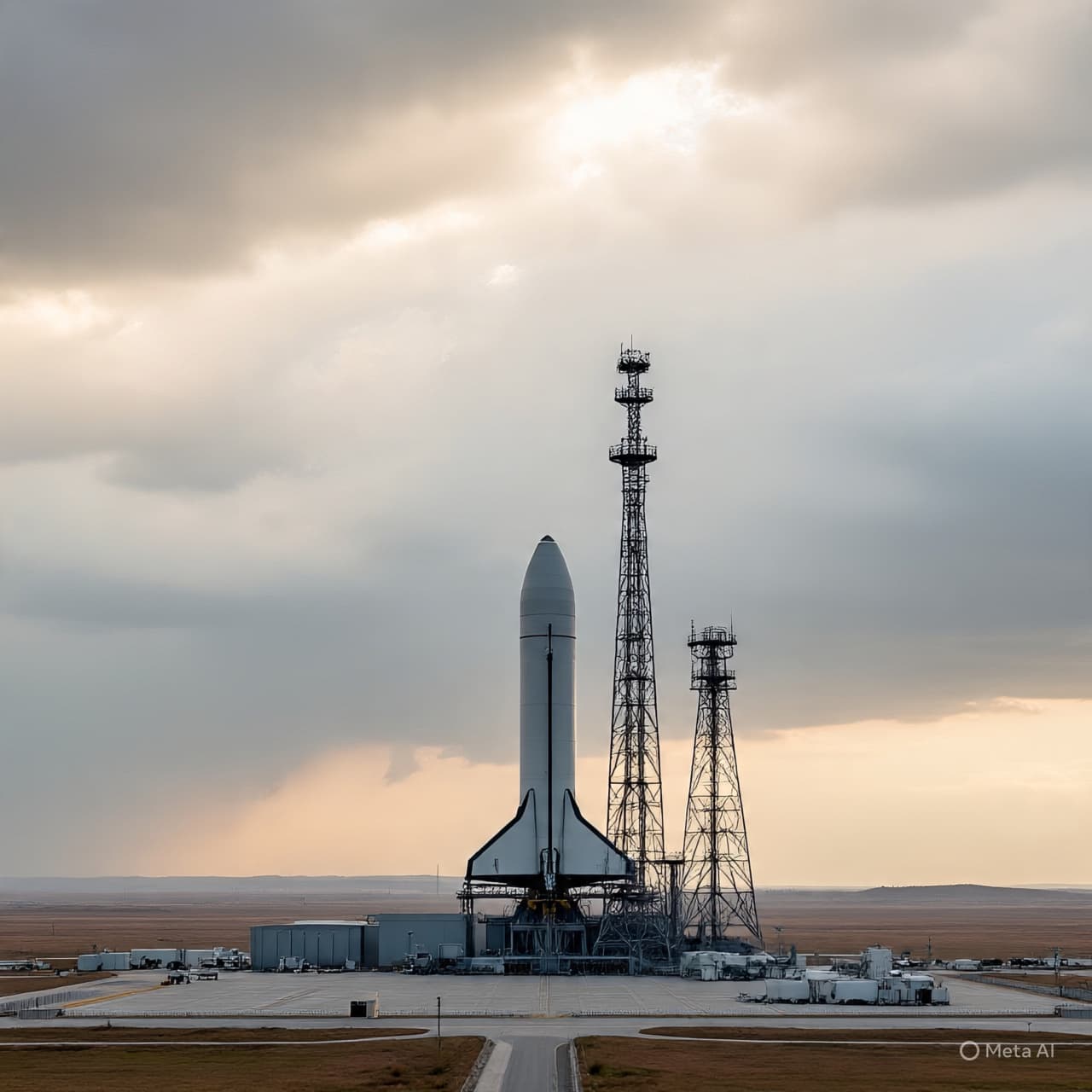
NASA’s SLS rocket faces recurring hydrogen leaks, reviving old engineering challenges and highlighting the careful balance between legacy design, safety, and the push to return to the Moon.

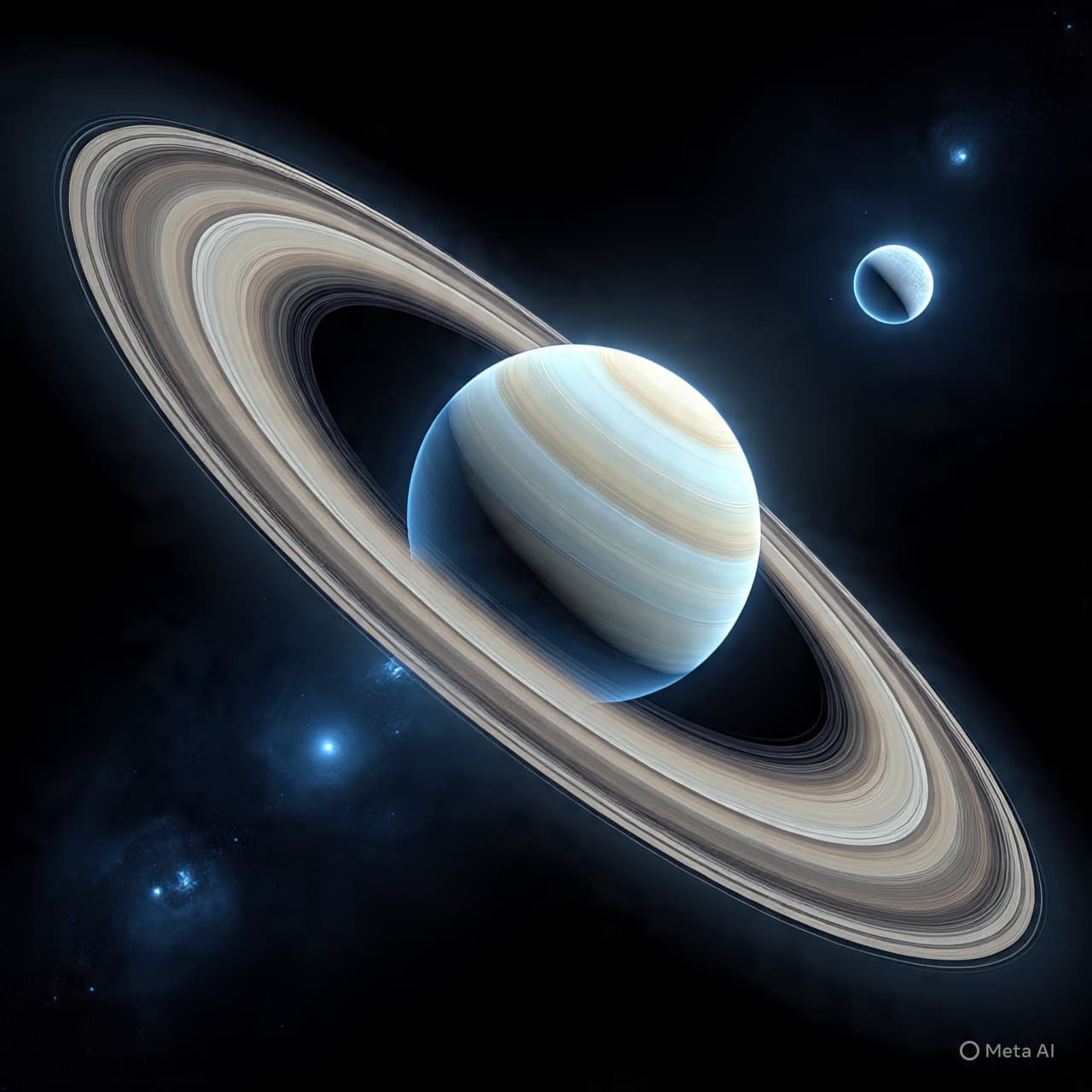
New research using Cassini data shows Saturn’s small moon Enceladus influences the planet’s space environment far more extensively than thought, with electromagnetic structures extending over half a million kilometers.

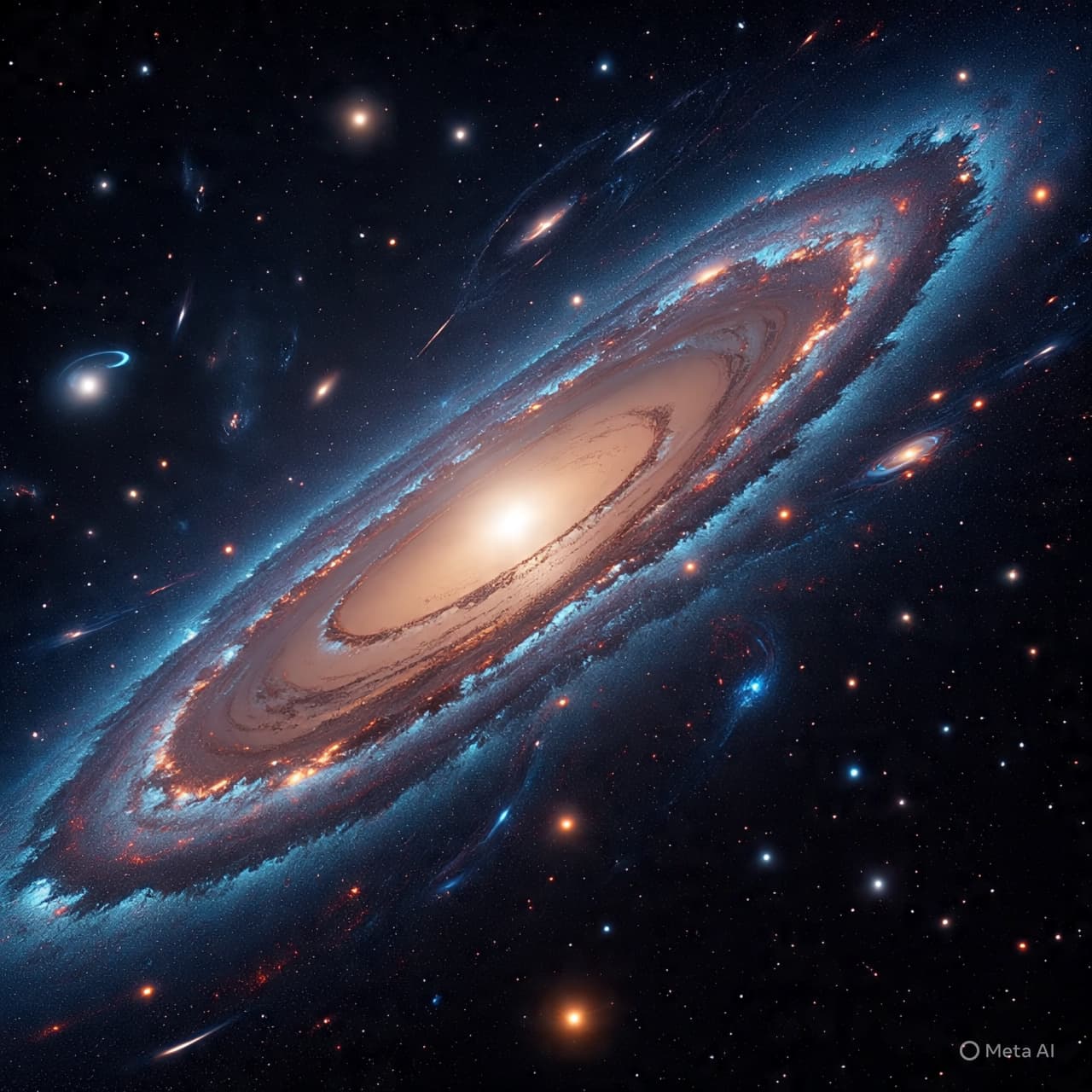
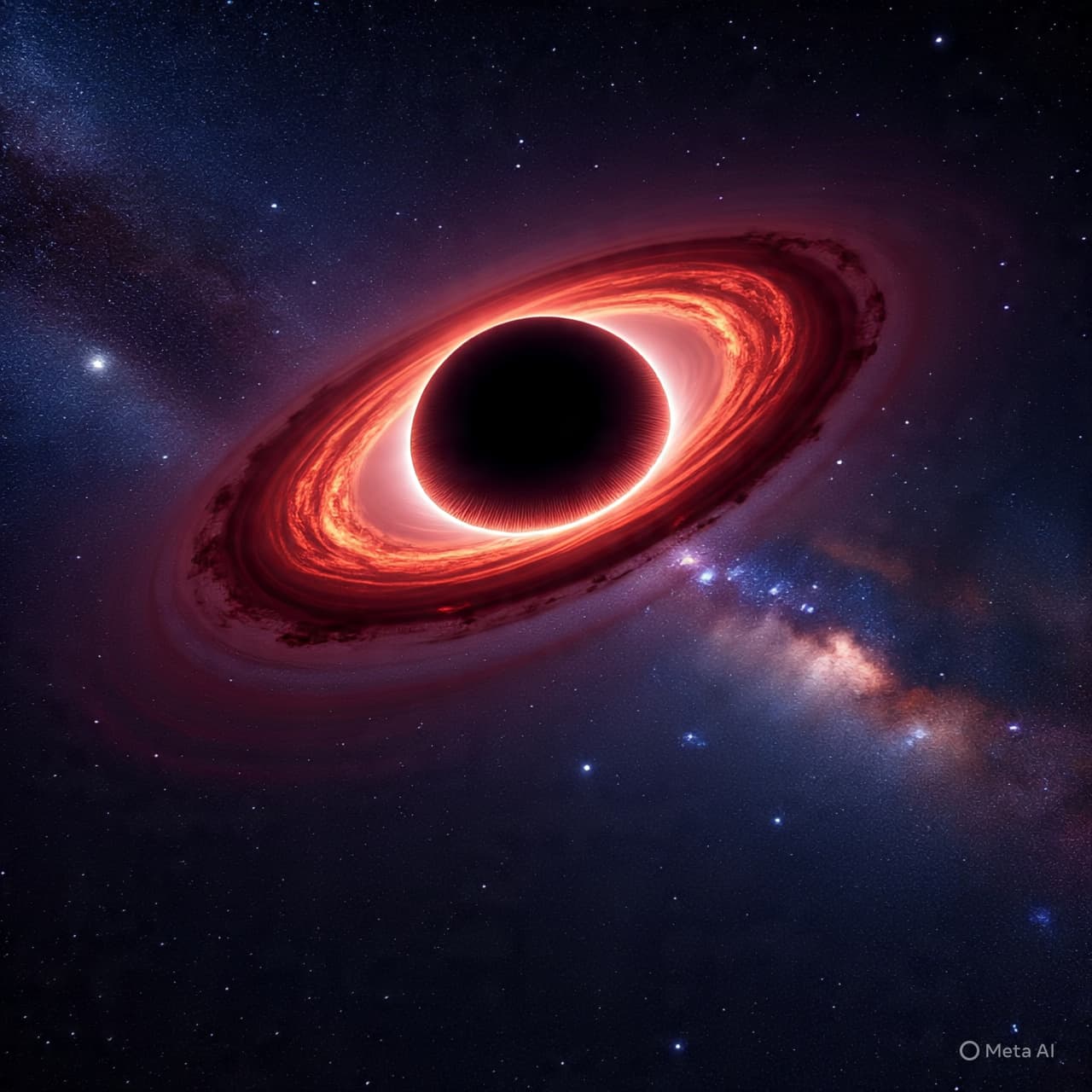
New research suggests that supermassive black holes in the early universe may have begun as unusually massive “seeds,” explaining how they grew so large so quickly in cosmic history.

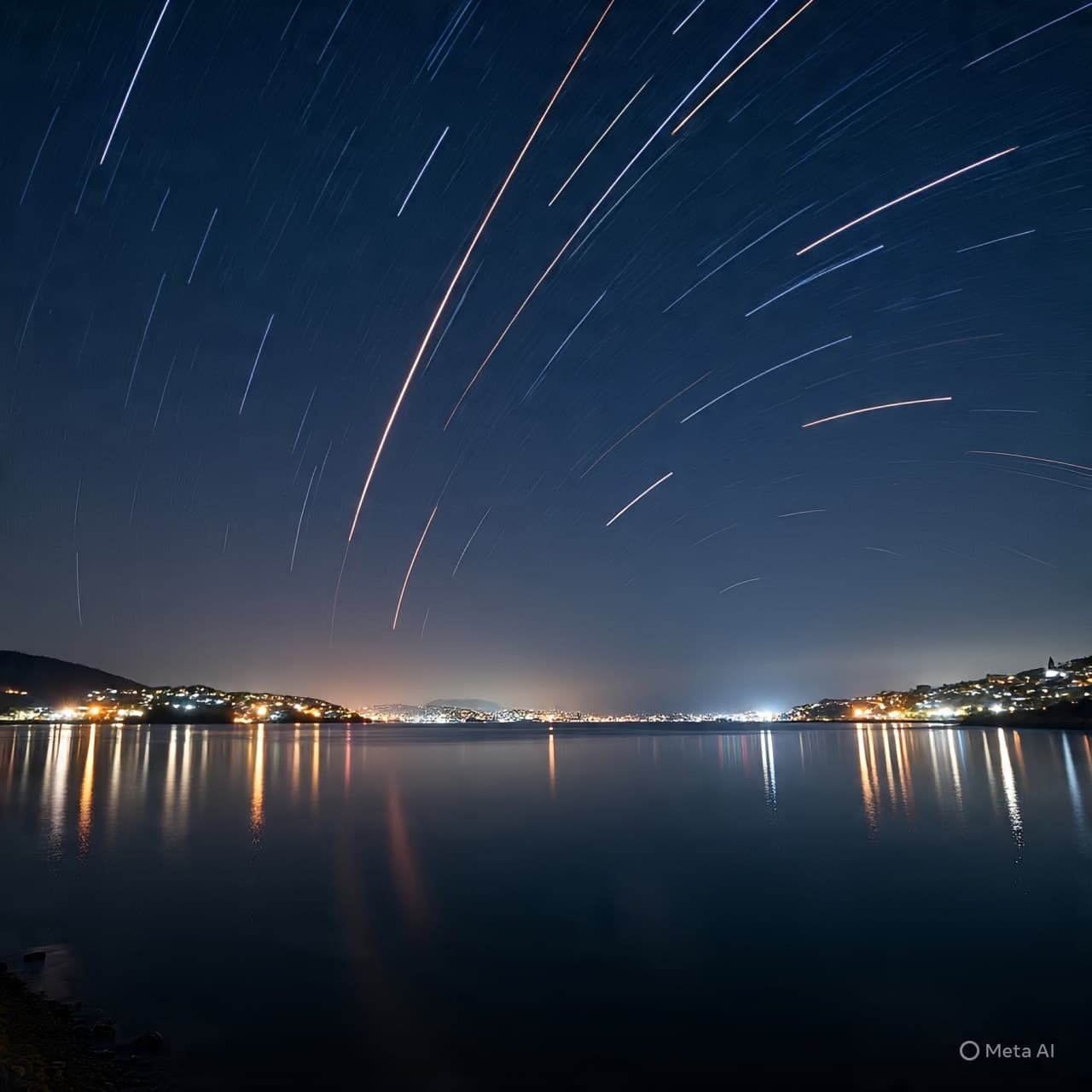
Bright fireballs lit up Wellington’s night sky, startling residents but posing no danger, as experts say the spectacle was caused by meteoroids burning harmlessly in the atmosphere.

Samples from asteroid Bennu reveal key organic molecules, suggesting life’s building blocks formed in space and were delivered to Earth, reshaping ideas about life’s origins.

Researchers report a repeating radio signal near the Milky Way’s center that may be a pulsar, offering a rare probe into one of the galaxy’s most extreme regions.

Mixed-species bird flocks form not by chance but by survival logic, combining different skills and instincts to reduce risk and improve feeding in shared environments.

New analysis shows Enceladus’s icy plumes generate electromagnetic waves that ripple across Saturn’s magnetosphere, giving the tiny moon an influence far larger than its size.

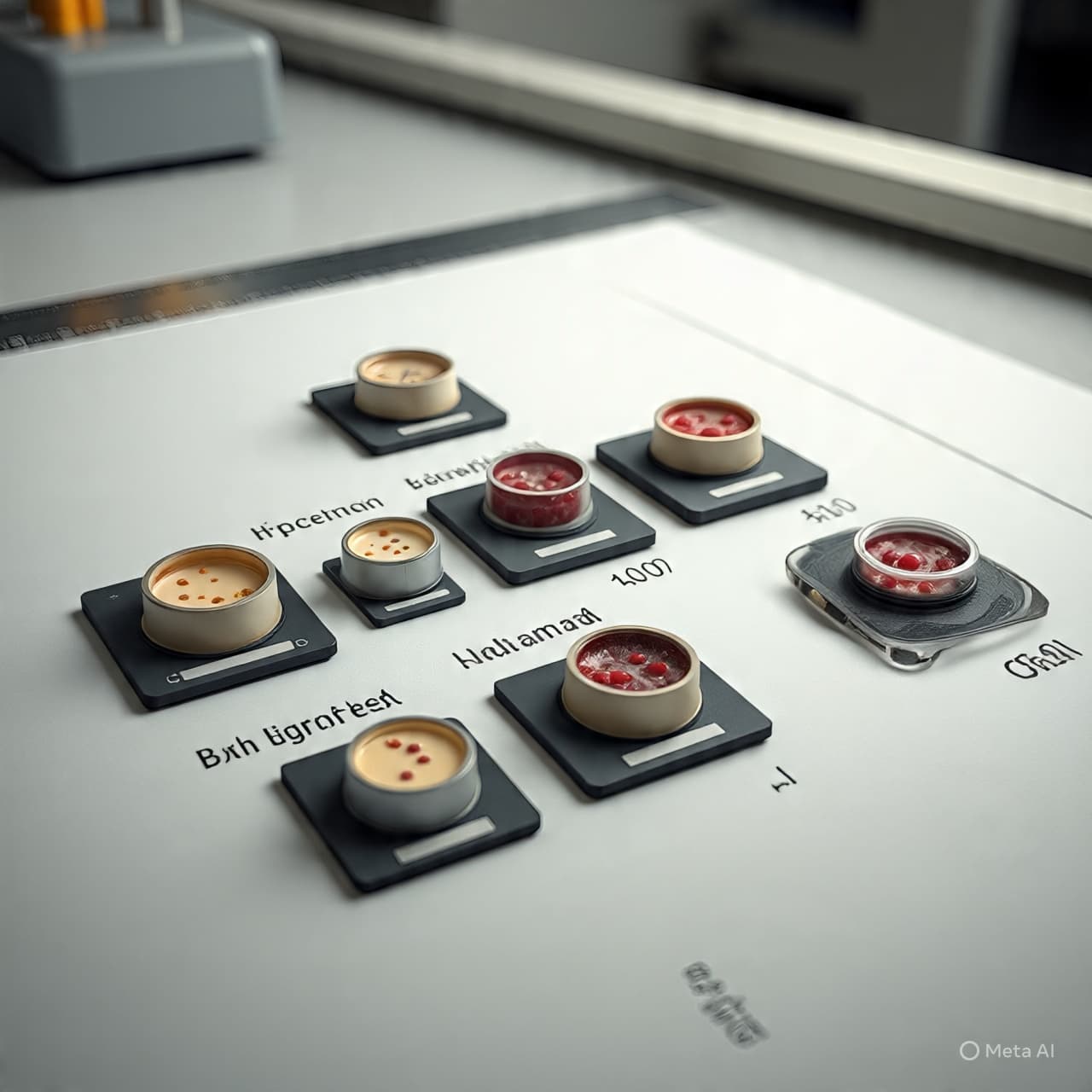
NASA’s Artemis II mission will carry tiny “avatars” — organ‑on‑a‑chip devices with human tissue — to study how deep space affects biological systems during the lunar flyby.

Nova Scotia officials continue efforts to determine how to safely retrieve an abandoned 1,300‑tonne tidal turbine from the Bay of Fundy, though timelines and plans remain uncertain.

Astronomers now interpret the mysterious “Little Red Dots” seen by the James Webb Space Telescope as direct‑collapse black holes — massive black hole seeds forming rapidly in the young universe.

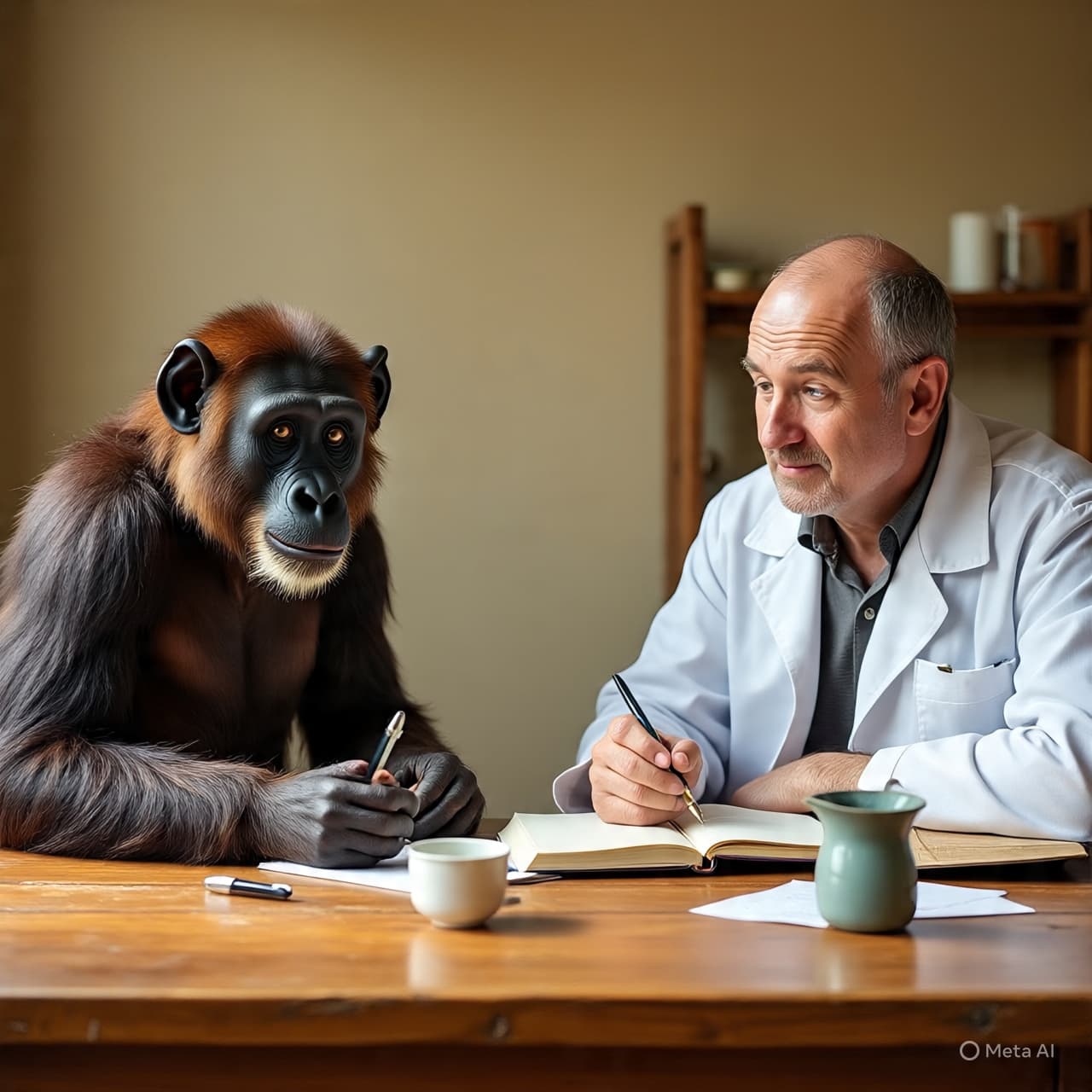
New research shows bonobos can engage in pretend play, tracking imaginary objects in controlled tests — suggesting imagination may not be uniquely human.

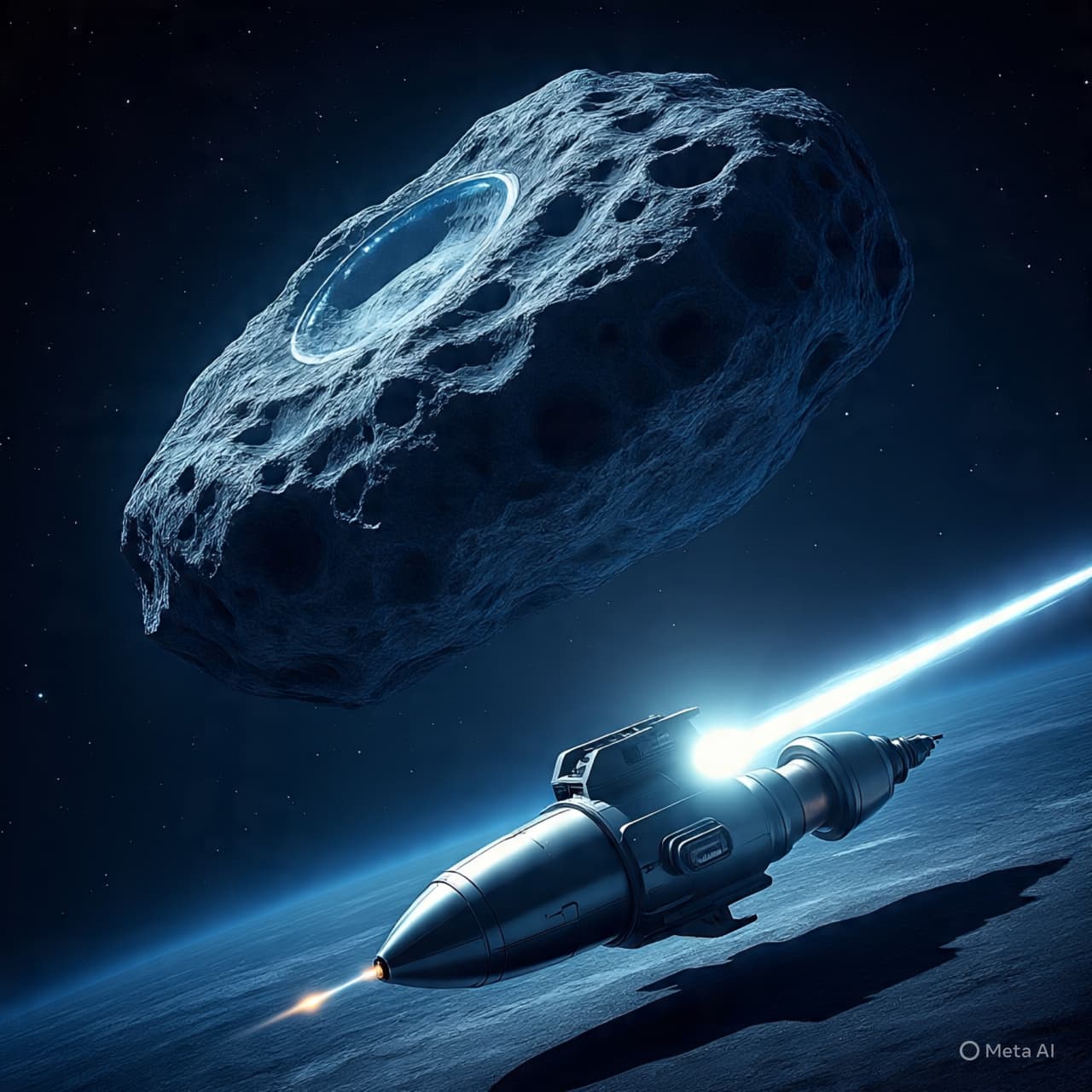
Scientists revisit nuclear detonations as a potential emergency means to deflect or disrupt threatening asteroids, using new experiments to refine planetary defense strategies.