Built From the Inside Out: How Cells Assemble an Egg Before Life Begins
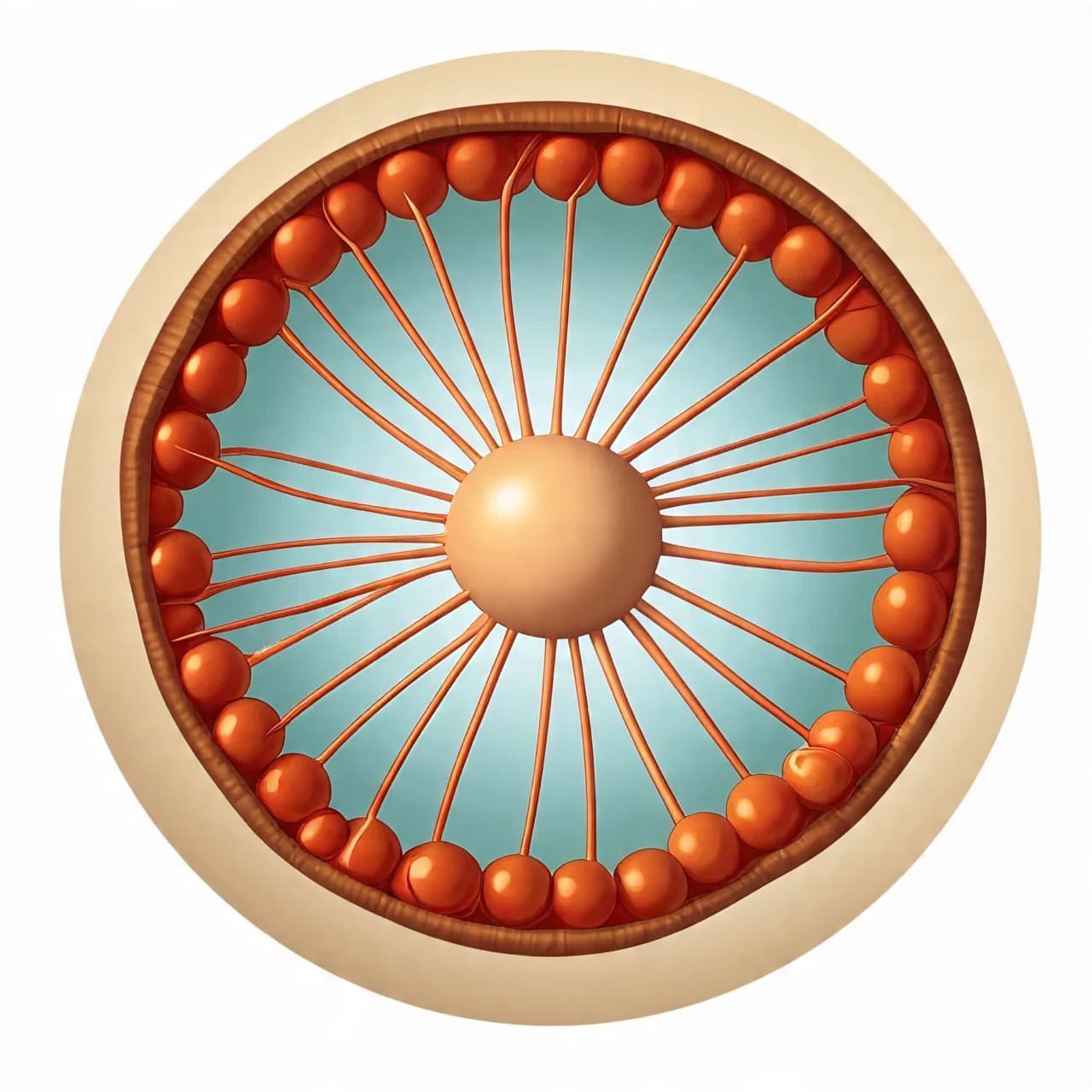
Egg cells are not passive vessels. Actin and microtubules work together as a dynamic scaffold, shaping the egg’s structure long before fertilization begins.

Egg cells are not passive vessels. Actin and microtubules work together as a dynamic scaffold, shaping the egg’s structure long before fertilization begins.

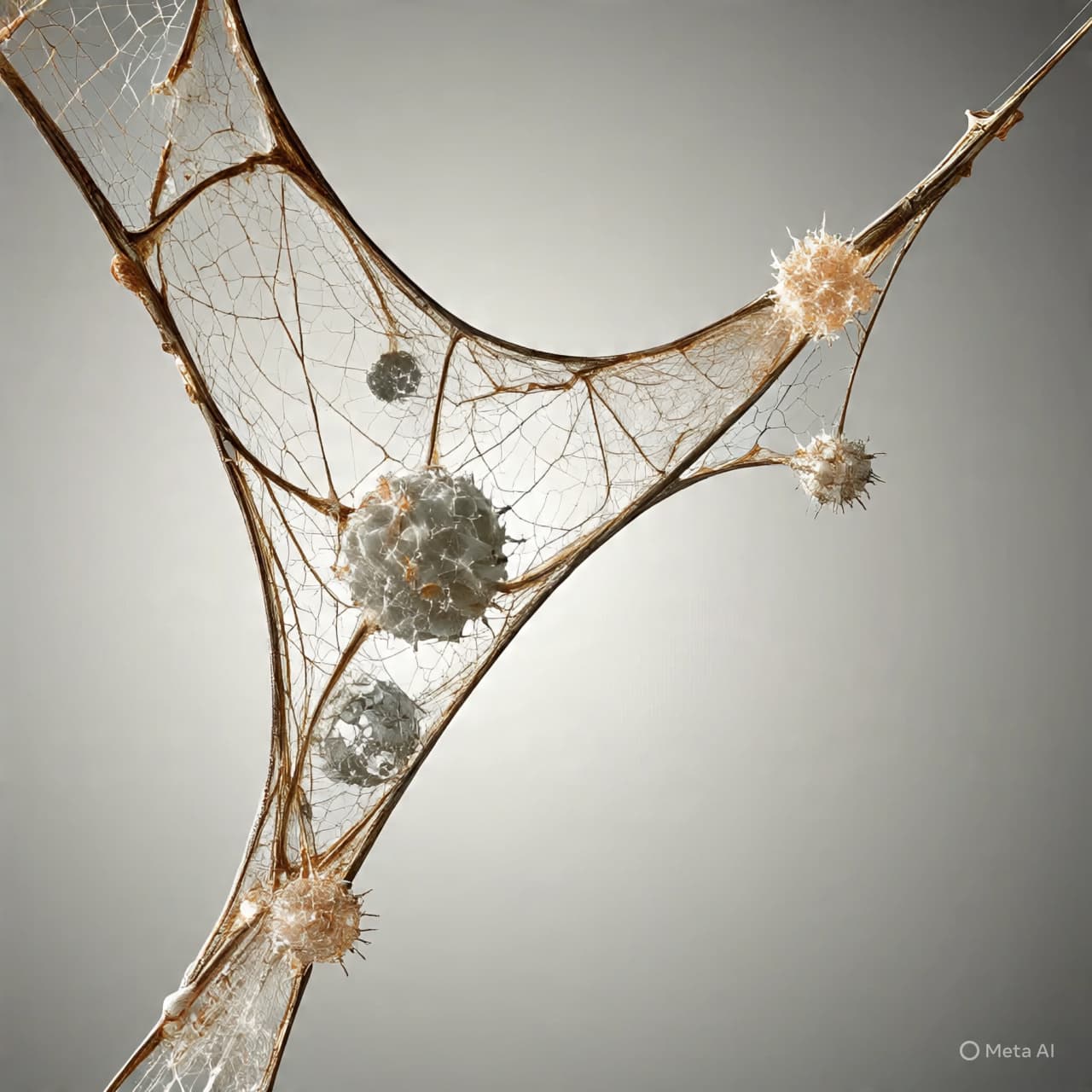
Scientists have uncovered how tiny molecular rearrangements allow spider silk to become incredibly strong and elastic, revealing new insights into nature’s most resilient fiber.

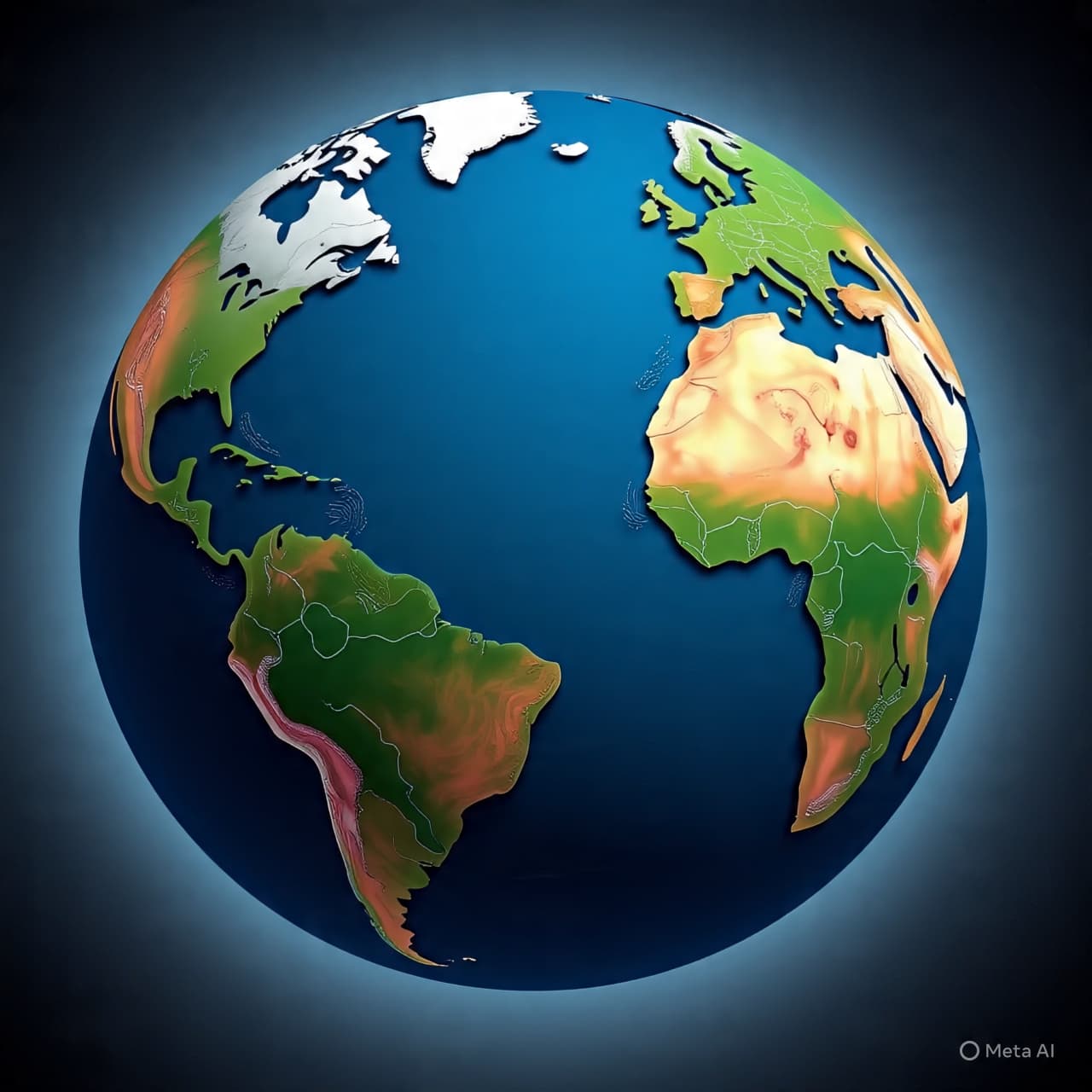
New research shows Earth’s moving surface plays a larger role in shaping long-term climate by altering carbon cycles, oceans, and global heat flow.

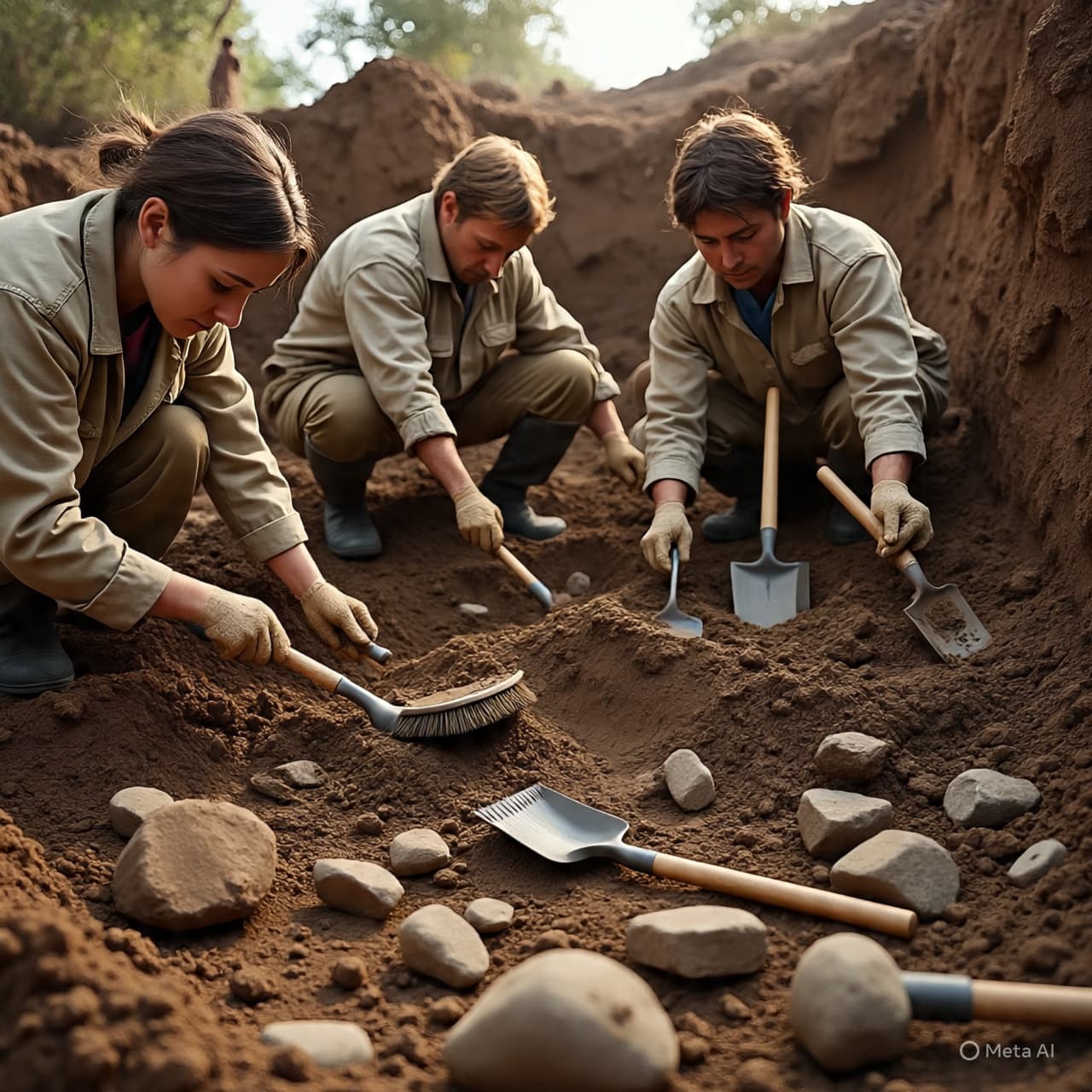
Ancient fossils dated to 773,000 years ago show mixed traits that may illuminate a shared ancestor of modern humans, Neanderthals, and Denisovans.

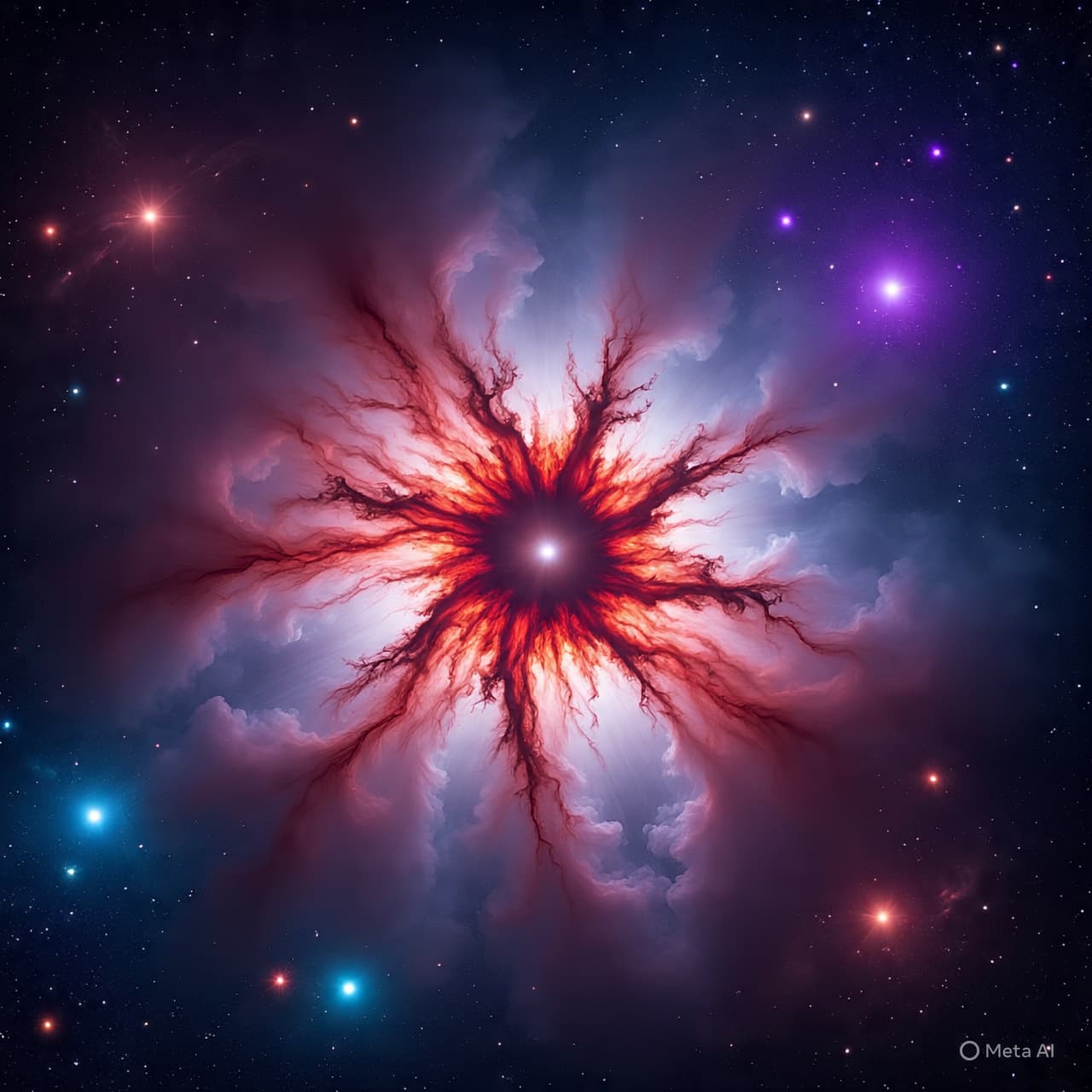
Astronomers are observing a massive red supergiant undergoing rare, real-time changes, offering new insight into how giant stars evolve near the end of their lives.

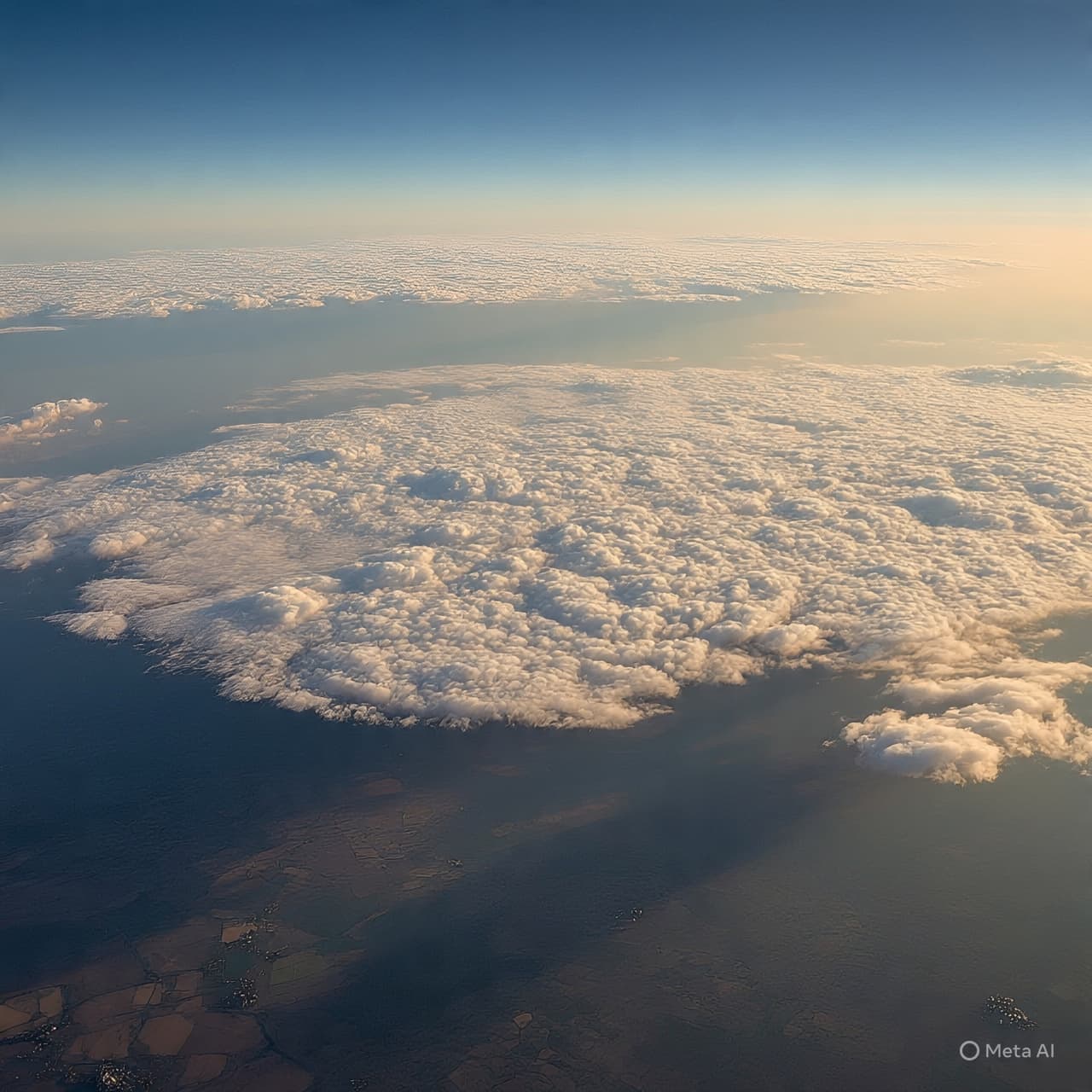
A JAXA study offers new insights into cloud dynamics, helping reduce uncertainty in climate models and improve long-term weather and climate predictions.

Meteor showers occur when Earth passes through dust trails left by comets or asteroids, causing particles to burn up in our atmosphere as brief streaks of light.

Artemis II astronauts enter quarantine before launch to protect crew health, reduce mission risk, and ensure physical and mental readiness for NASA’s first crewed lunar mission in decades.

Japan Space Agency’s EarthCARE satellite now measures vertical cloud motions globally, offering new insight into cloud behavior, weather forecasting, and climate understanding.

Sea lavender, a purple marsh flower, stores significant carbon in its robust below-ground structures, enhancing coastal carbon sequestration in salt marsh ecosystems.

James Webb Space Telescope detects complex organic molecules — potential precursors to life’s building blocks — frozen in ice around a young star in the Large Magellanic Cloud.

NASA’s SPHEREx telescope observed interstellar comet 3I/ATLAS flaring in brightness and releasing dust and complex molecules as it exited the solar system after perihelion.

New scientific analysis suggests the world’s most famous dinosaur grew more slowly and lived longer than once believed, reshaping how researchers understand its life and behavior.

New James Webb Space Telescope images reveal faint filaments and structures thought to trace the universe’s “cosmic web,” offering visual insight into how galaxies link across unseen matter.

Blood tests from young bald eagles reveal varying PFAS pollution levels along Wisconsin River sites, offering insight into how persistent chemicals move through local ecosystems.

SpaceX’s next NASA crew mission, Crew-12, is cleared to launch on Feb. 11 aboard a Falcon 9 rocket after FAA review, carrying four astronauts to the ISS for a long-duration stay.

New James Webb images reveal faint filaments linking galaxies, offering the clearest view yet of the cosmic web that forms the universe’s hidden structural framework.

Scientists have identified organic compounds in 500-million-year-old fossils, offering new insight into how early life influenced Earth’s carbon cycle over deep time.

NASA and SpaceX are set for a Feb. 11 launch of Crew-12 aboard a Falcon 9 rocket to the ISS after successful readiness reviews and preparations.

Concerns grow that funding cuts to UK research could quietly erode scientific capacity, pushing young talent abroad and weakening long-term innovation.

Long-term research shows forest soils increasingly remove methane from the atmosphere, highlighting forests’ vital role in regulating greenhouse gases.

Gold in China’s Tianshan mountains forms through hydrothermal processes over millions of years, shaped by heat, pressure, and tectonic activity deep within the Earth.

A compound in 500-million-year-old fossils reveals ancient carbon cycles, shedding light on Earth's deep-time climate and ecosystem dynamics.

Gravitational wave detectors map merging black holes, revealing trajectories, masses, and cosmic collisions invisible to light-based telescopes.