
SCIENCE81% credibility
“Whispers in the Infrared: Organic Life Amid a Galactic Furnace”
JWST detects complex organic molecules in a nearby ultra-luminous infrared galaxy, revealing unexpected chemistry thriving amid cosmic extremes.
2 min read

JWST detects complex organic molecules in a nearby ultra-luminous infrared galaxy, revealing unexpected chemistry thriving amid cosmic extremes.

Research shows bacteria can survive cleaning and disinfection in food production facilities, highlighting microbial resilience and the limits of standard hygiene protocols.
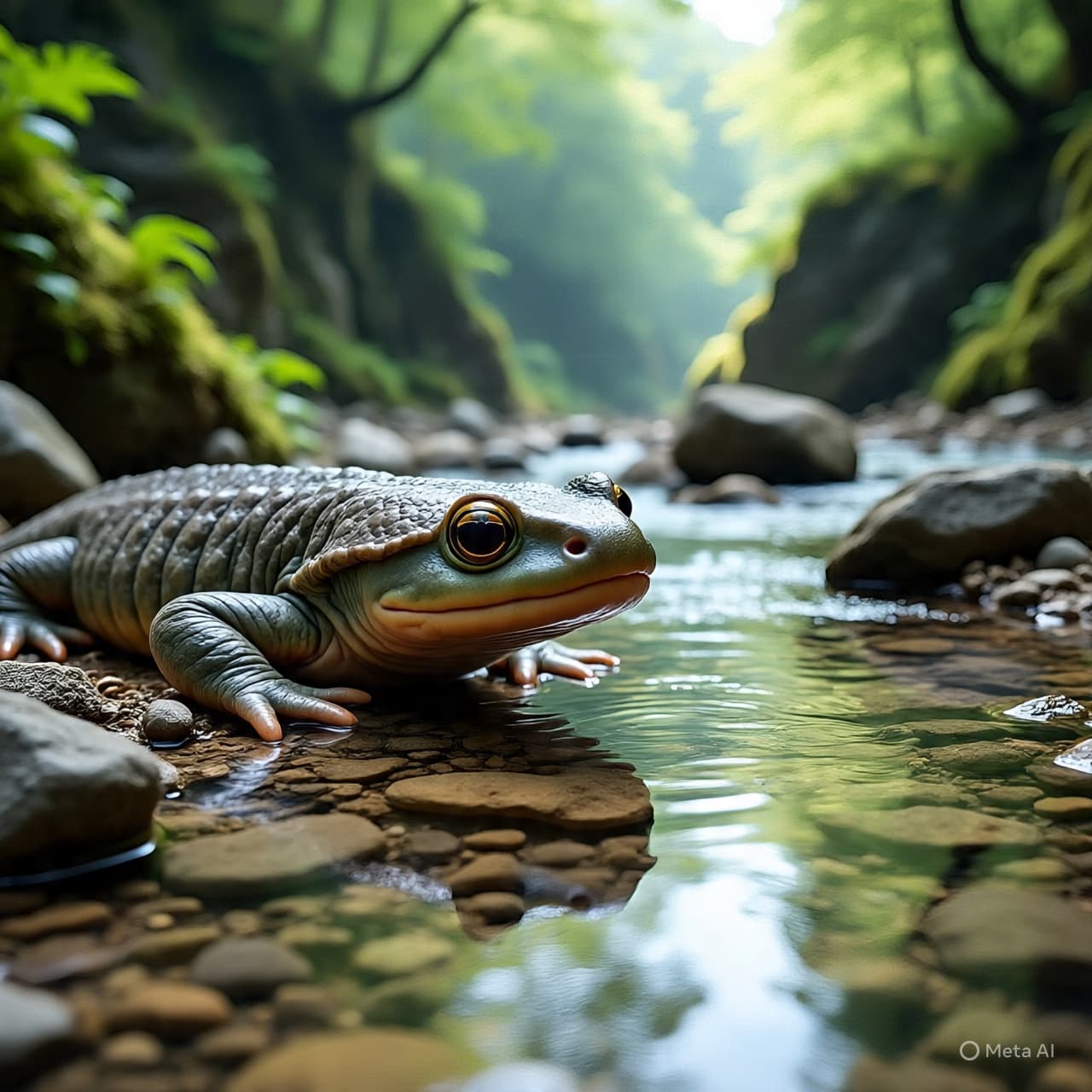
As Japanese giant salamanders grow to enormous sizes, they undergo a rapid dietary shift, transforming from opportunistic feeders into dominant aquatic superpredators.

Scientists are using patterns of plant diversity to reconstruct ancient bird migration routes, revealing how long-distance movement shaped ecosystems across continents.

A newly discovered dinosaur in China reveals spiked structures unlike any previously known, suggesting unexpected functions and a more experimental path in dinosaur evolution.

Mountain birds may survive environmental change not by moving faster or farther, but by using energy more efficiently—turning small metabolic savings into long-term resilience.

Astronomers have identified a frozen, Earth-sized exoplanet just 150 light-years away, offering a stark look at how small changes can push a familiar world into permanent ice.

A reflection on the attempted assassination of General Vladimir Alekseyev in Moscow and its destabilizing impact on the fragile peace negotiations currently taking place in Abu Dhabi.

Studies show mosquitoes can retain DNA from the animals they bite, turning them into natural samplers that help scientists track biodiversity without direct observation.

Marine viruses shape the ocean’s food web by recycling nutrients, regulating plankton populations, and influencing how carbon moves through marine ecosystems.
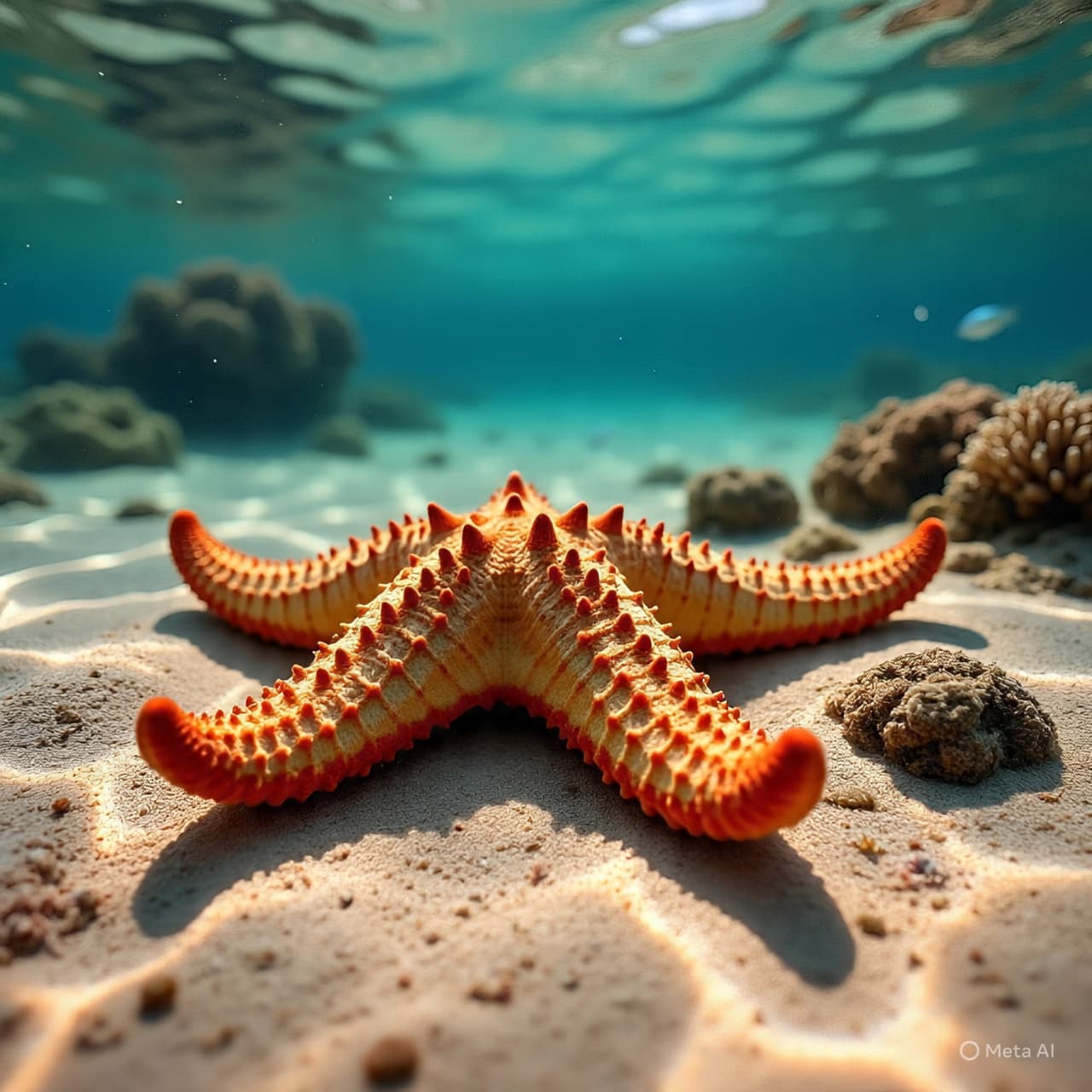
Starfish coordinate movement, feeding, and regeneration without a brain, using a decentralized nerve network that spreads control across their entire bodies.
A bold scientific theory questions whether a traditional black hole truly dominates the Milky Way’s center, reopening debate about the nature of gravity and unseen cosmic objects.
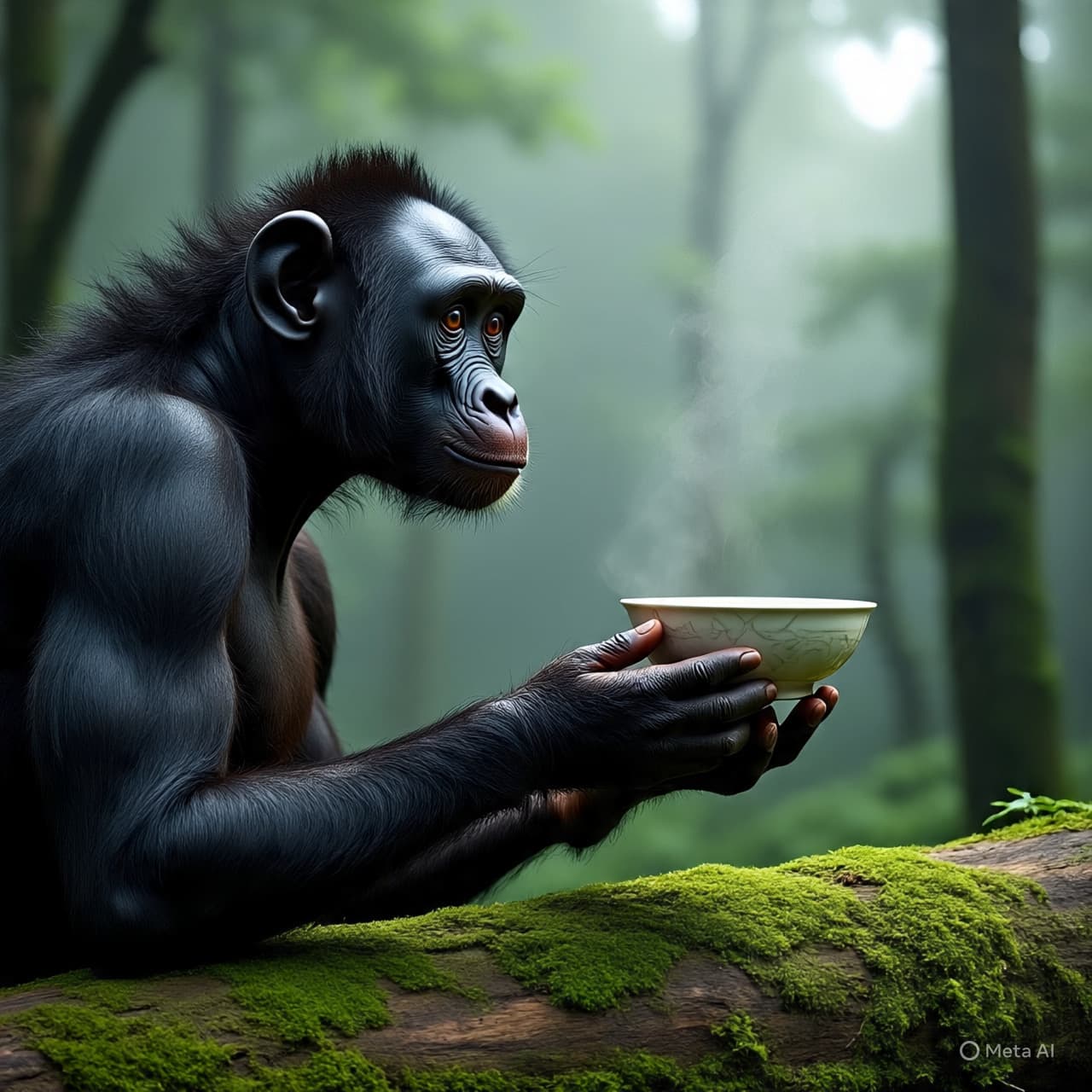
A reflective look at scientific findings revealing that great apes engage in pretend play, suggesting that the foundations of imagination and symbolic thought are shared across the primate lineage.
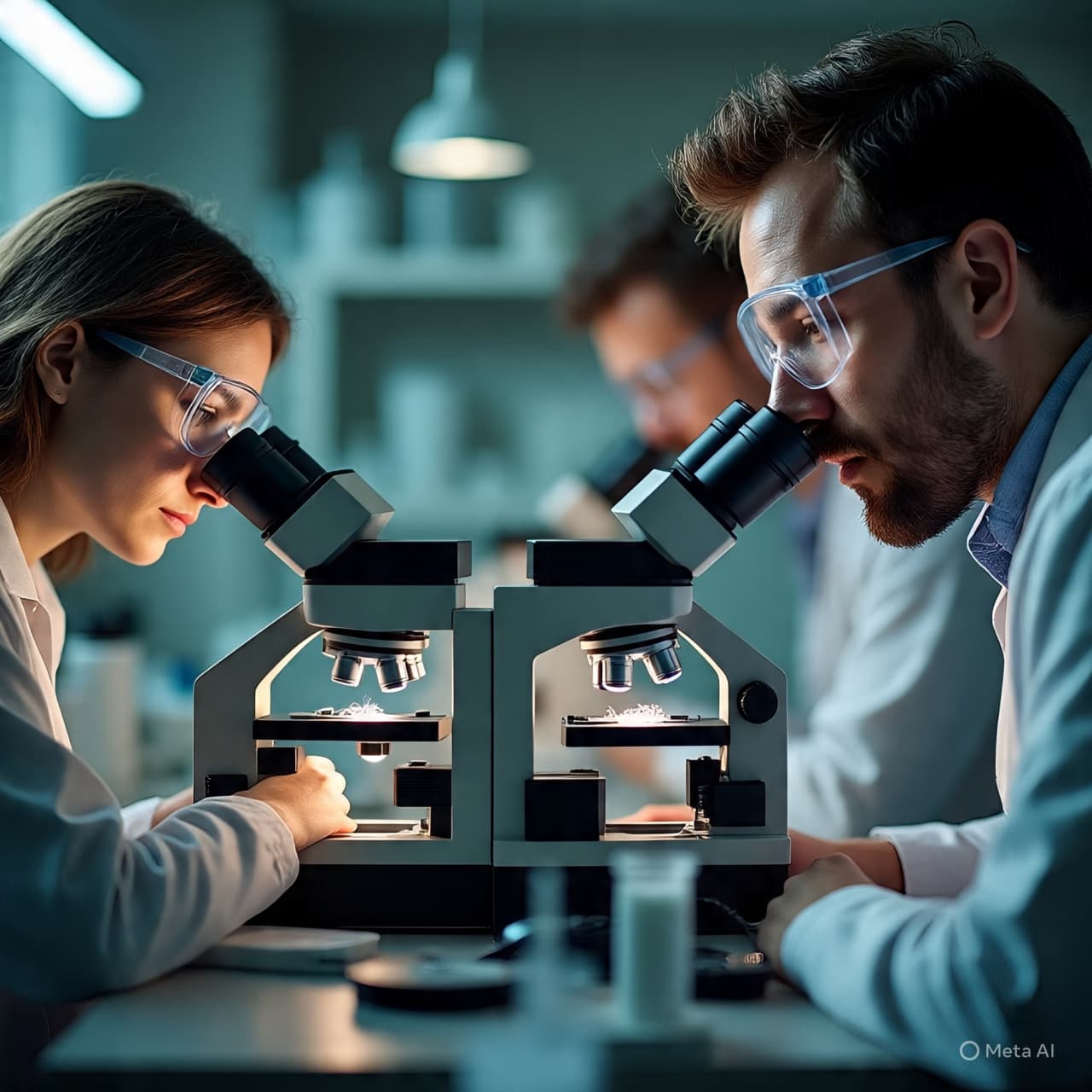
Microbes in Fukushima have survived high radiation levels, revealing nature’s remarkable resilience in abandoned, hazardous environments.
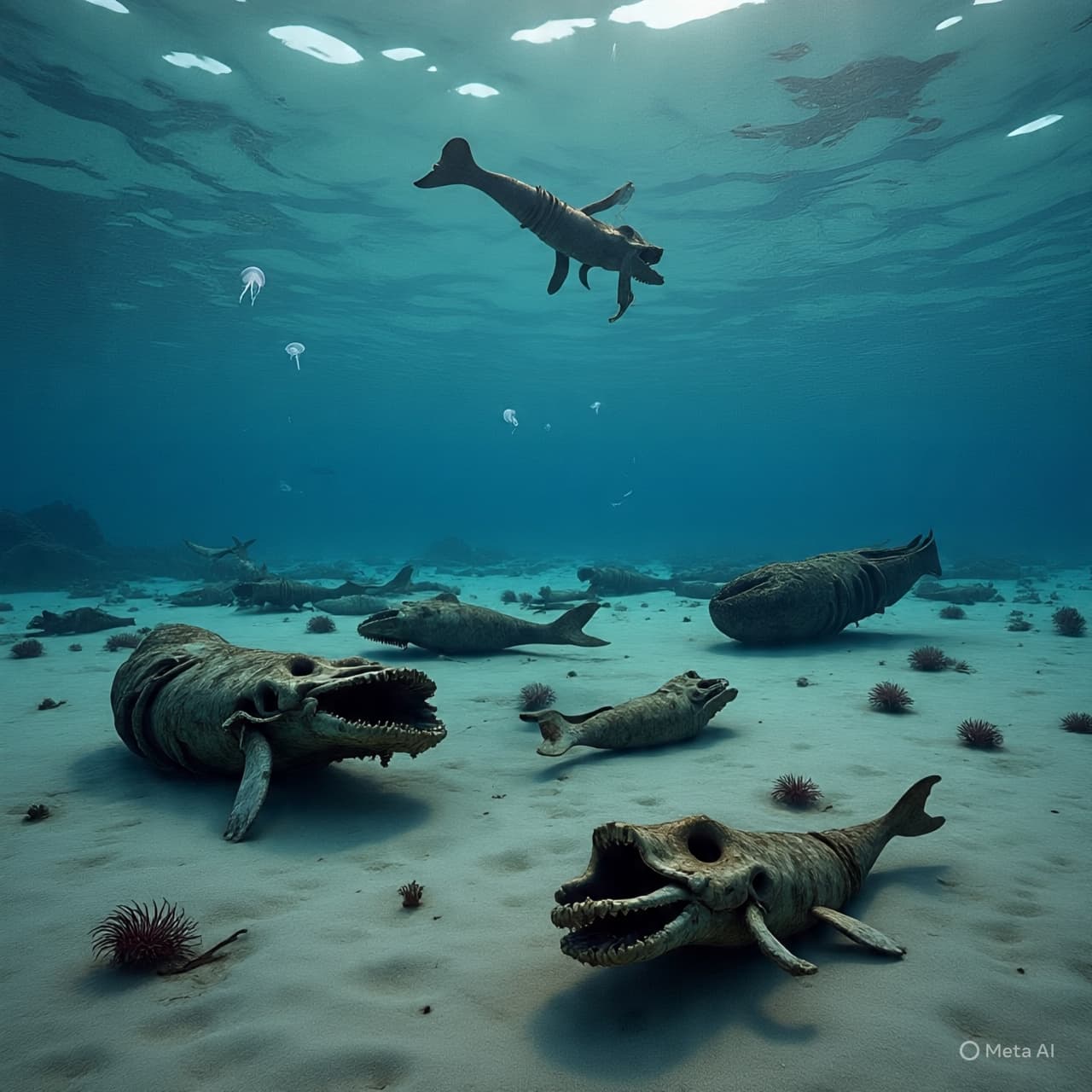
“Zombie worms” have mysteriously disappeared from the deep sea, r aising concerns about ocean ecosystems and hidden environmental shifts.
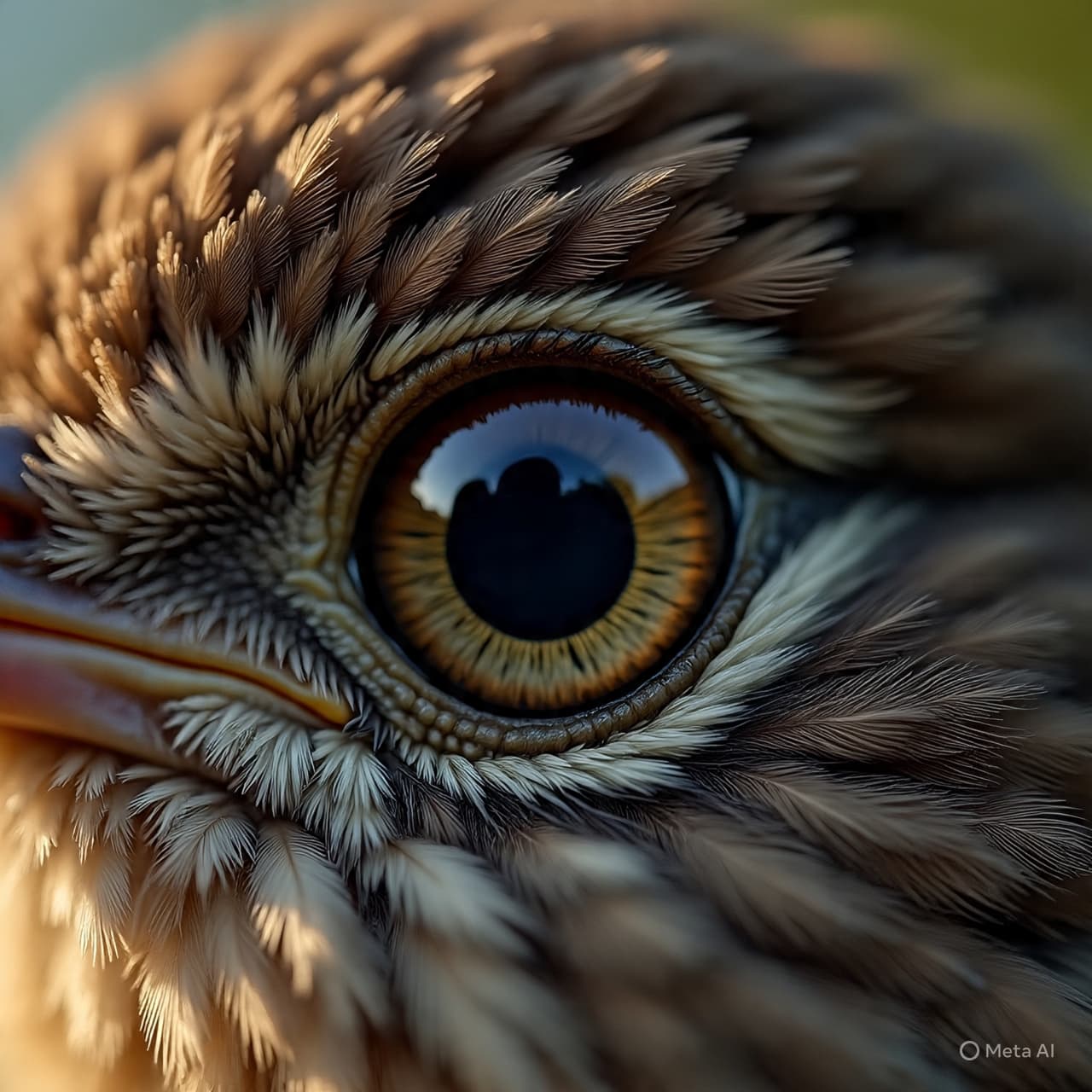
A newly discovered structure in bird eyes may explain the curious lack of retinal blood, highlighting evolution’s subtle ingenuity.
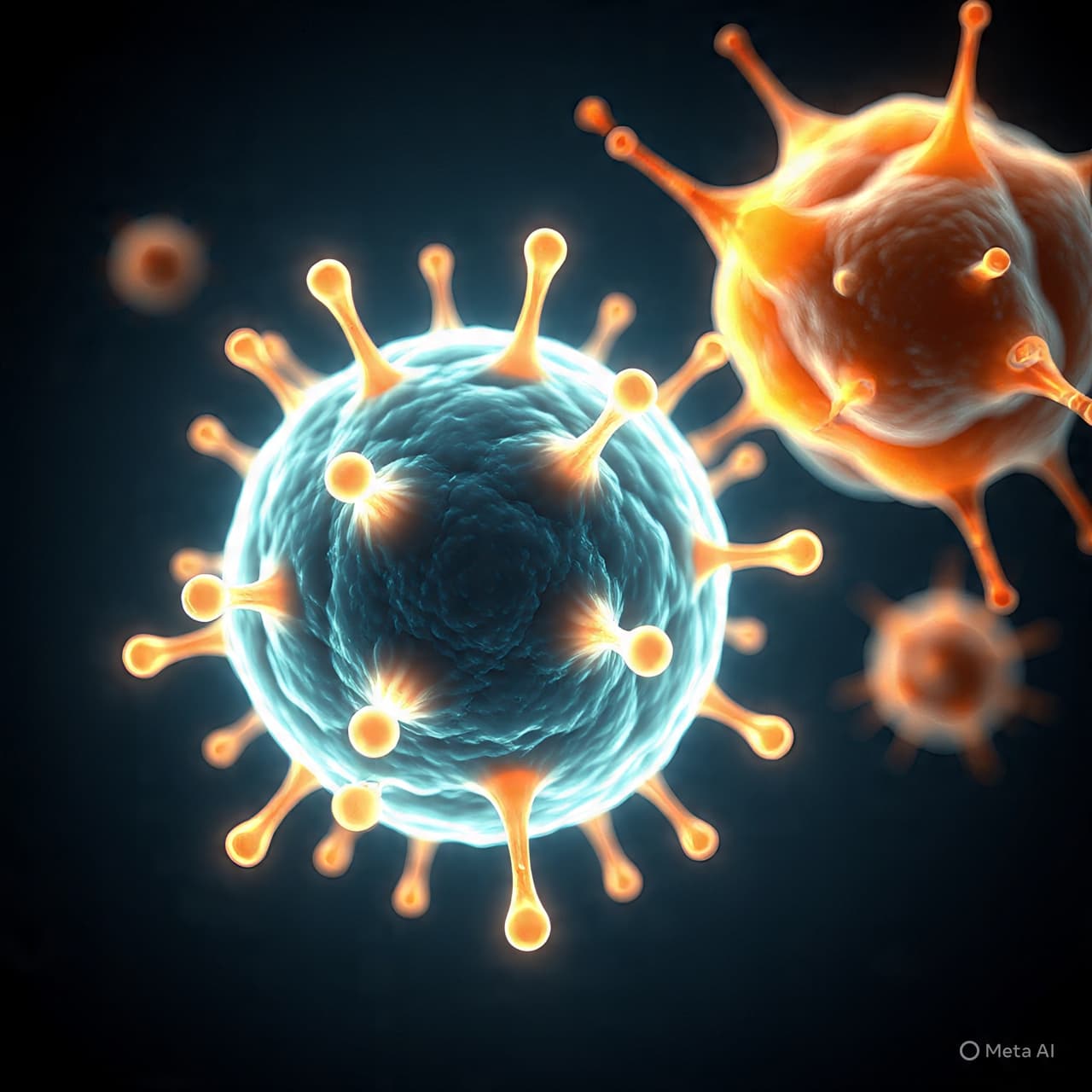
A giant virus discovered in a Japanese pond may offer clues to the origins of multicellular life, blurring the lines between simple and complex organisms.

An endangered Galapagos seabird traveled 3,000 miles to California, showcasing nature’s resilience and the unpredictability of migration.
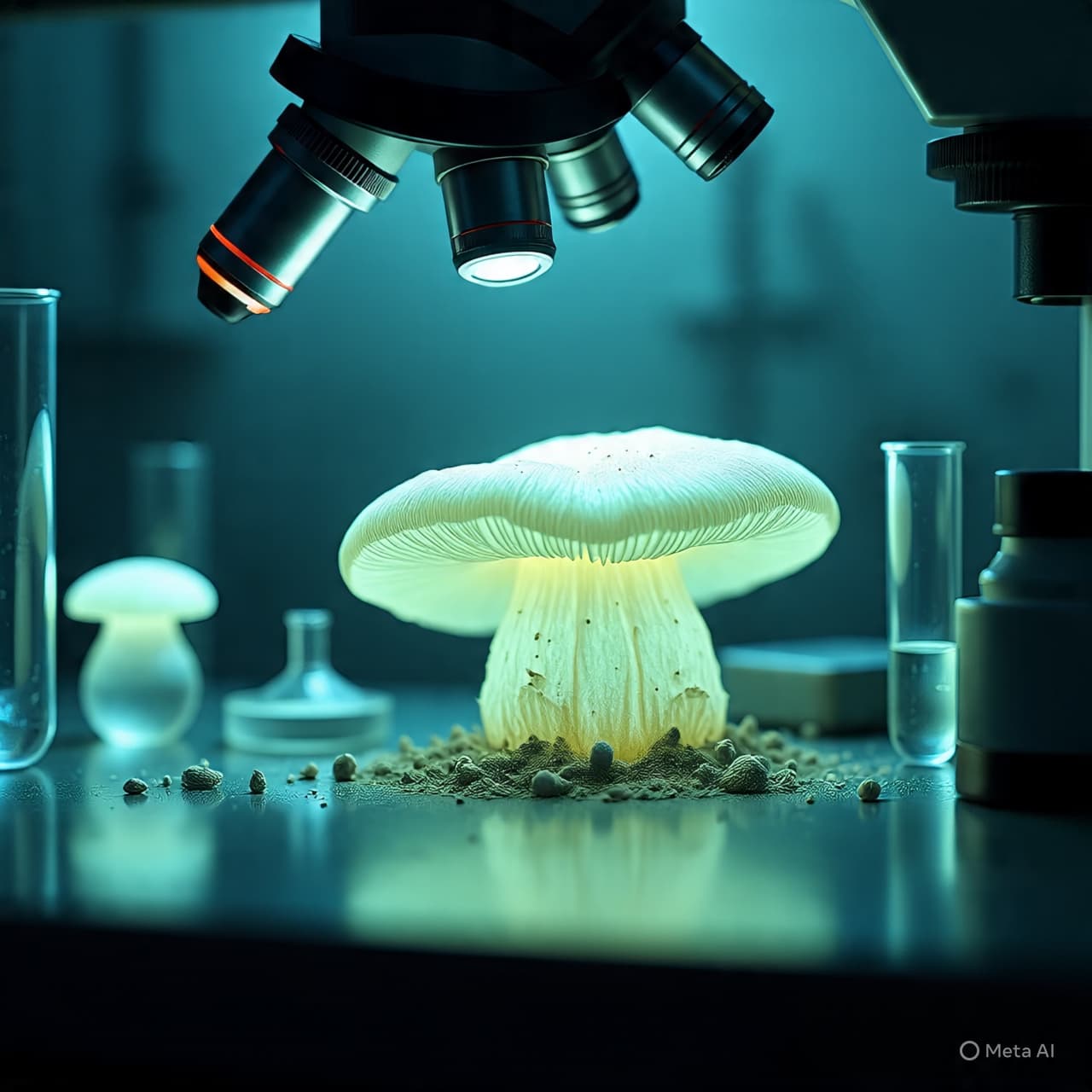
Chernobyl’s fungi evolved to convert radiation into energy, revealing life’s extraordinary resilience in the exclusion zone.

A Russian missile strike on an animal shelter in Ukraine has resulted in the deaths and injuries of numerous animals, sparking outrage and condemnation from animal welfare organizations and the international community.
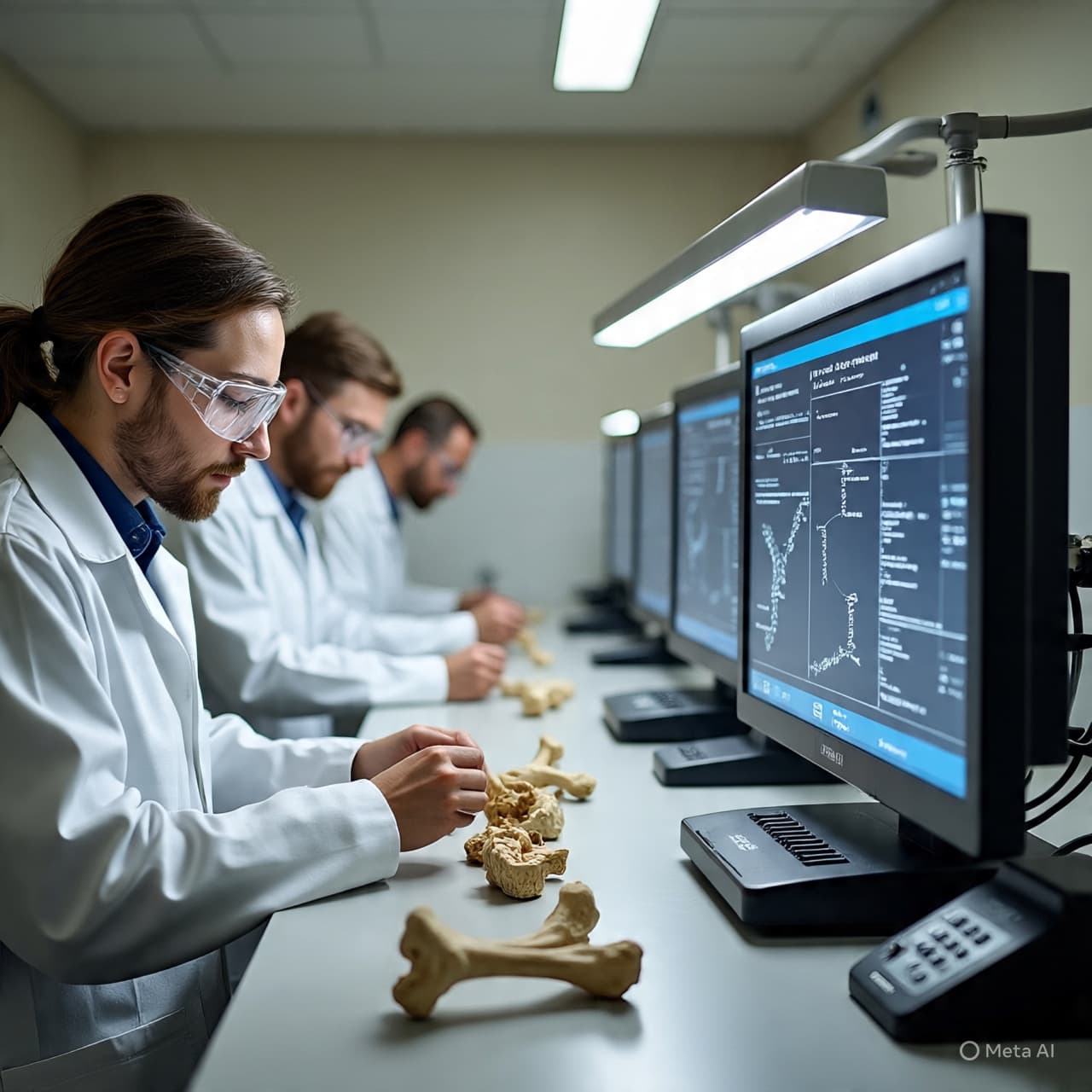
Ancient DNA from a 12,000‑year‑old cave burial in Italy reveals a rare inherited growth disorder in a mother and daughter, offering deep insight into prehistoric lives.

A Welsh study finds children in homes with wood burners have up to three times more indoor particle pollution than those without, highlighting homes as major sources of daily exposure.
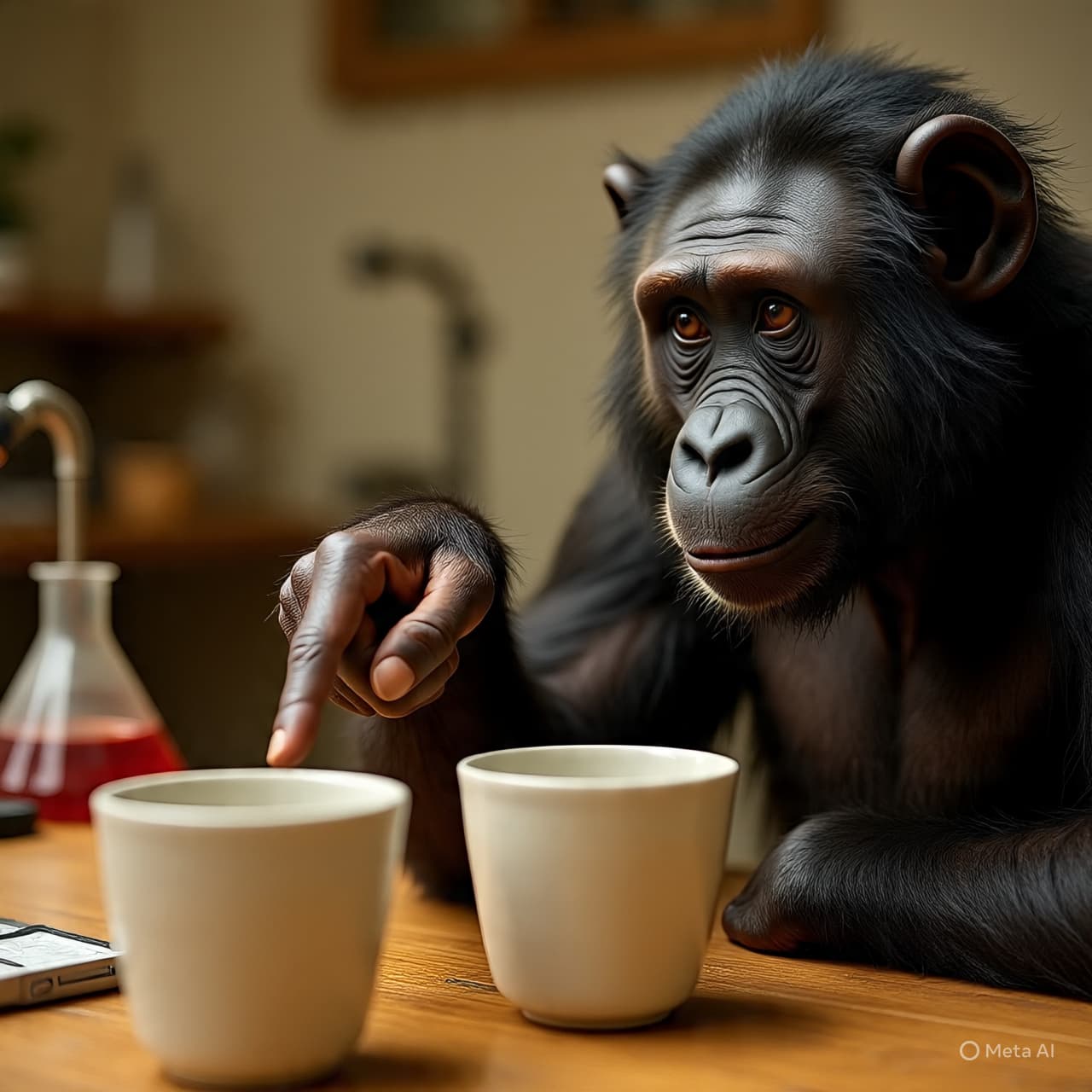
A new study shows a bonobo named Kanzi could track imaginary objects in tea‑party experiments, suggesting great apes may share aspects of imaginative play with humans.
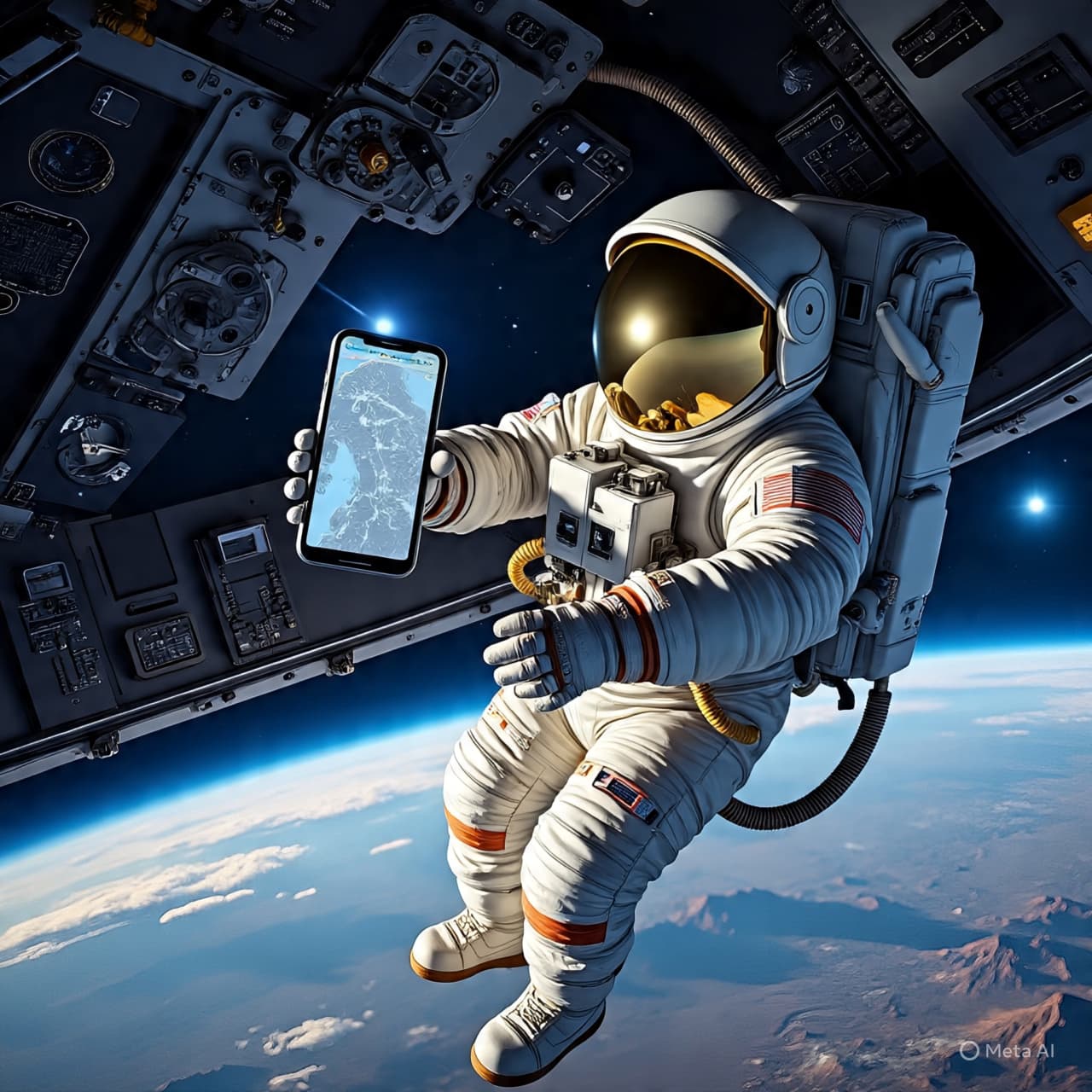
NASA will allow astronauts to carry modern smartphones on the Crew-12 and Artemis II missions, marking a first for lunar-bound documentation and human connection.