When Shadows Part: The Asteroid That Won’t Touch Our Lunar Neighbor
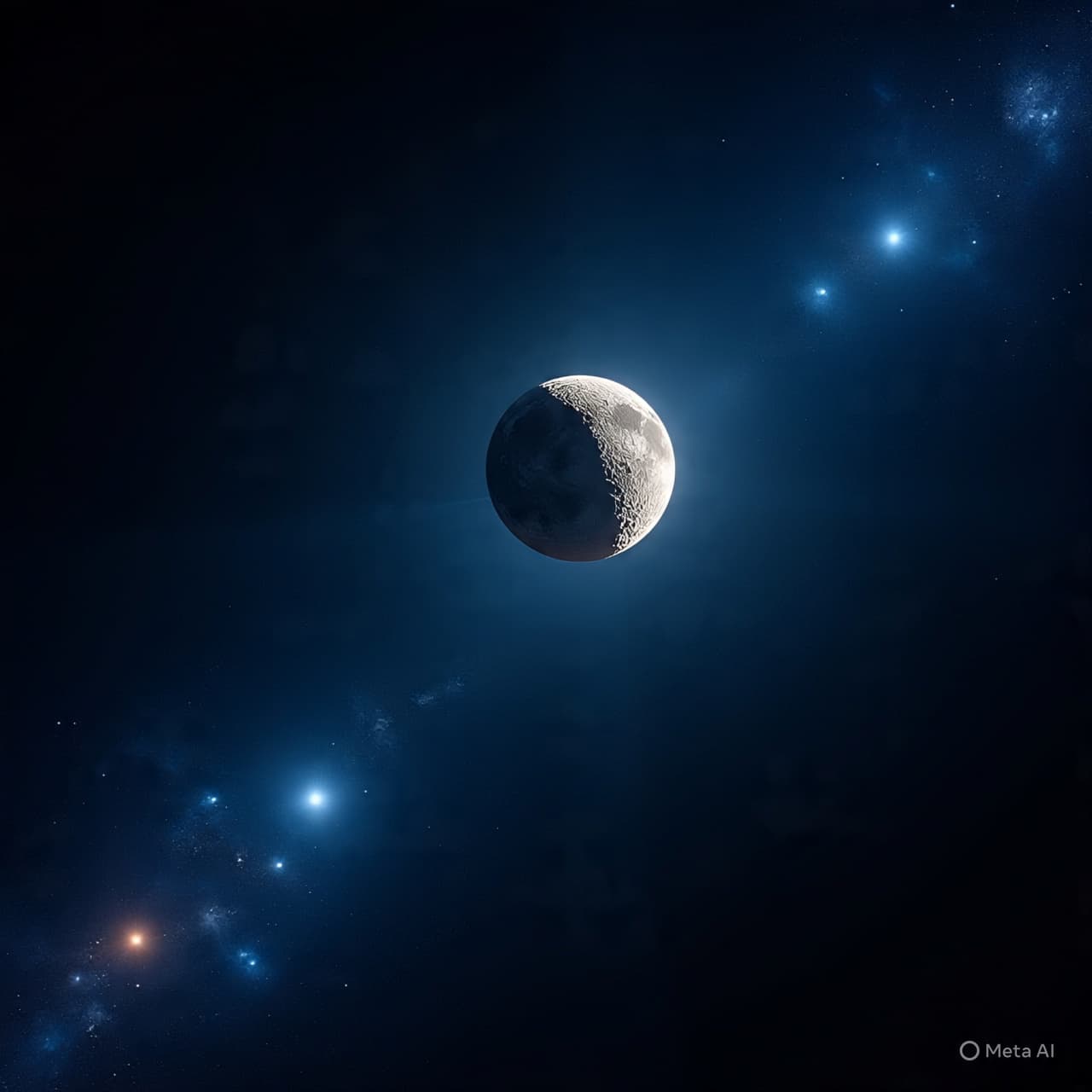
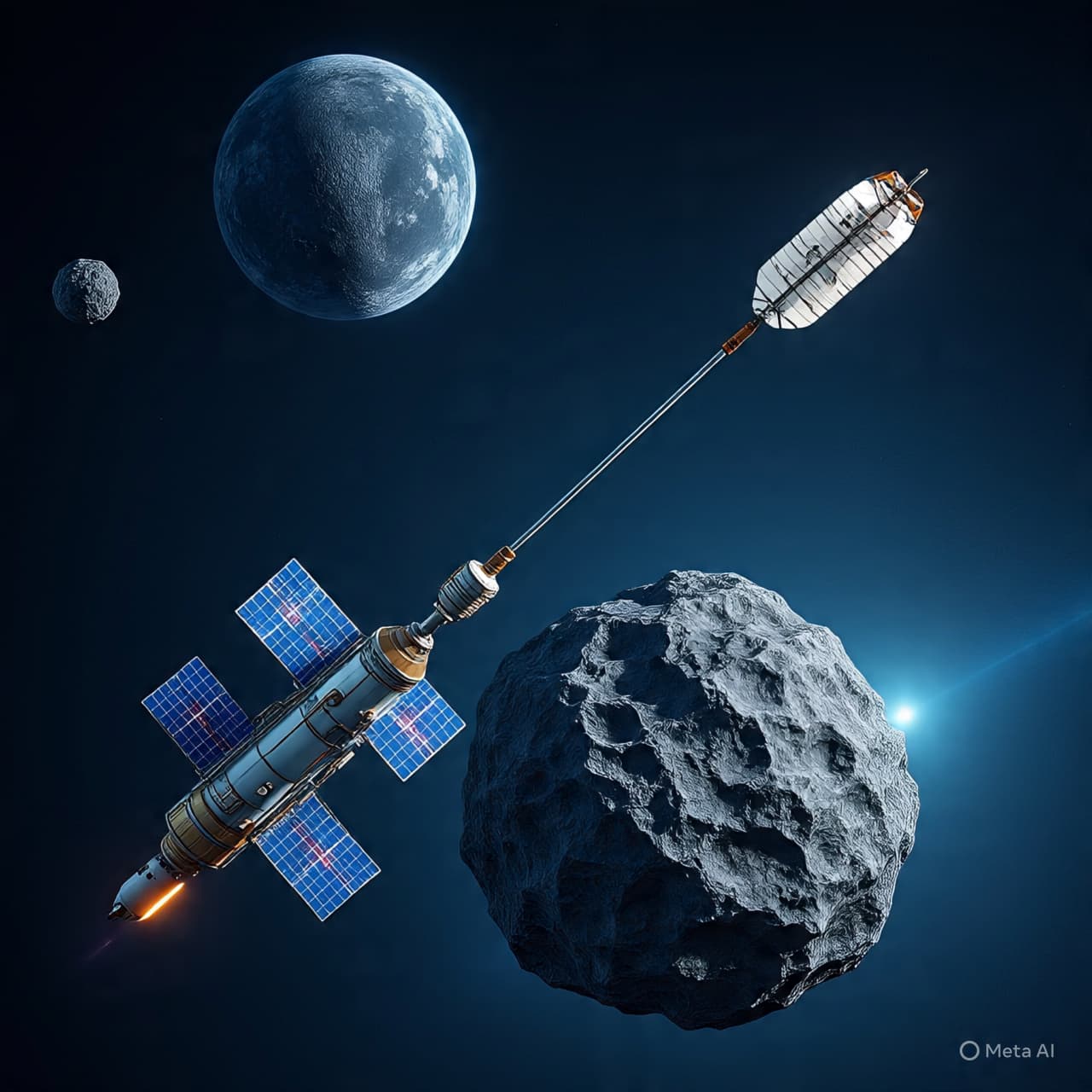
New observations by NASA’s Webb Telescope refined the orbit of asteroid 2024 YR4, ruling out any collision with the Moon in 2032 and confirming a safe near‑miss trajectory.

New observations by NASA’s Webb Telescope refined the orbit of asteroid 2024 YR4, ruling out any collision with the Moon in 2032 and confirming a safe near‑miss trajectory.

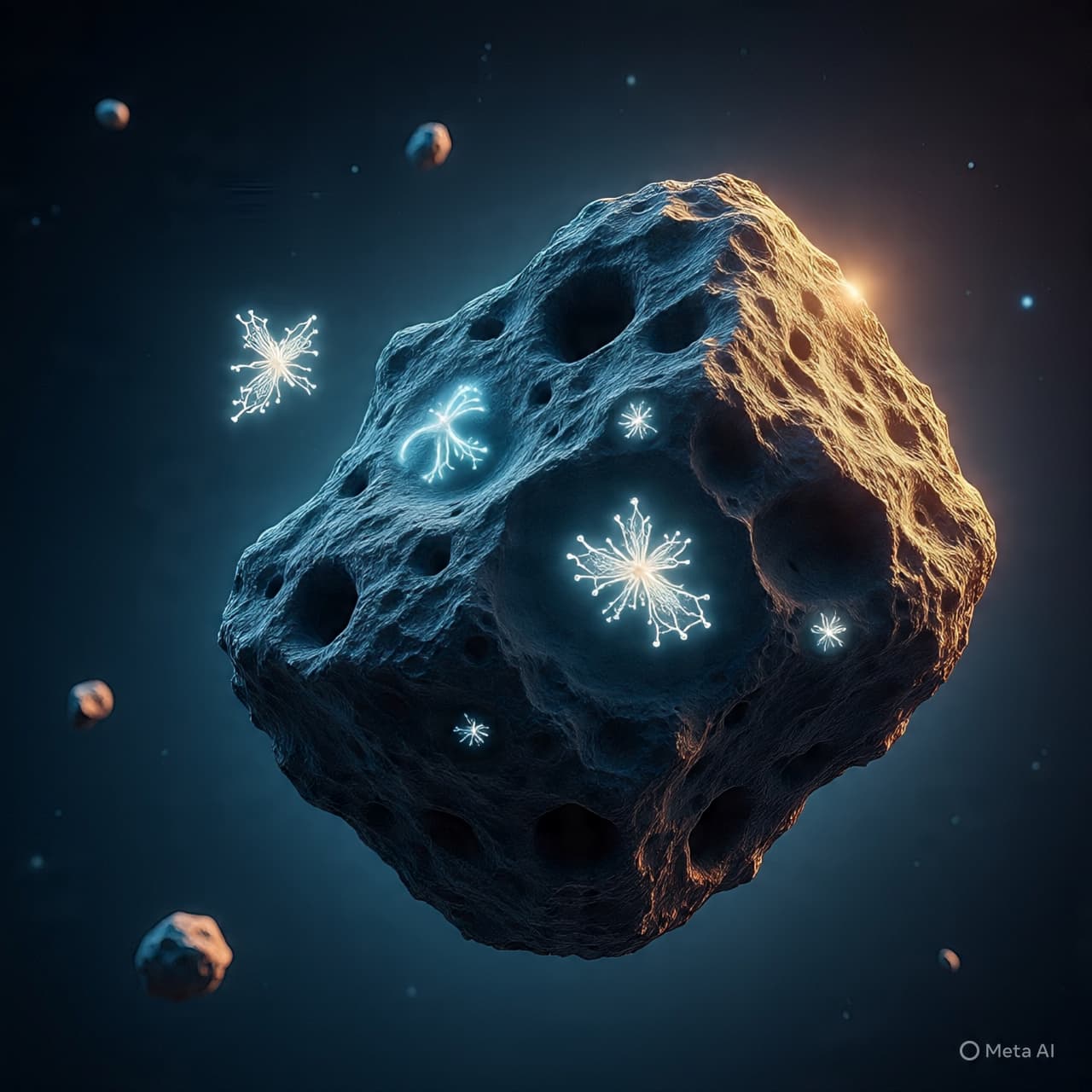
New experiments show hardy microbes might survive extreme asteroid impacts and potentially travel between planets, offering fresh perspectives on life’s origins.

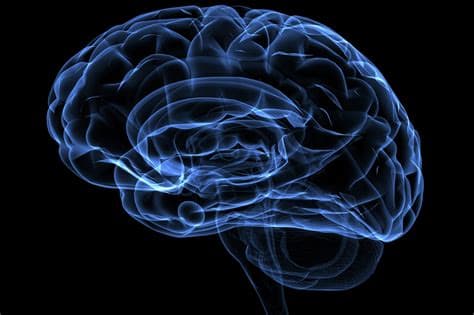
In a groundbreaking experiment, scientists have successfully taught a culture of brain cells in a petri dish to play the classic video game 'Doom'. Remarkably, these brain cells are showing improvement in gameplay, raising fascinating questions about neural activity and learning.

UN peacekeeping base in southern Lebanon with UN flag, damaged building structure and smoke in background, soldiers and military vehicles nearby.

Scientists have digitally reconstructed the face of “Little Foot,” a nearly 3.7-million-year-old Australopithecus fossil from South Africa, offering a new visual glimpse into one of humanity’s ancient ancestors.

New observations suggest Venus’ powerful winds contain massive atmospheric waves and complex circulation patterns, challenging long-standing models of the planet’s super-rotating atmosphere.

Drone footage captured rare harbor porpoise courtship behavior in the North Atlantic, giving scientists new insights into the elusive marine mammals’ mating habits.
Many animals carry misleading common names—from the frog called mountain chicken to the dolphin known as the killer whale—revealing how history, appearance, and human imagination shaped the language of nature.

Astronomers using the Very Large Telescope captured an infrared image of the RCW 36 nebula that resembles a hawk spreading its wings, revealing hidden newborn stars and faint brown dwarfs within the stellar nursery.

Scientists have doubled the catalog of gravitational-wave events, revealing 128 new cosmic collisions involving black holes and neutron stars and showing that the universe is filled with ripples in spacetime.

Scientists discovered a “molecular catapult” mechanism that rapidly transfers energy between molecules, offering insights that could improve future solar energy technologies.

NASA is reshaping its Artemis moon program to accelerate missions, potentially canceling major rocket upgrades and infrastructure while shifting toward simpler hardware and faster launch schedules.

Astronomers have identified a large cosmic sheet of galaxies surrounding the Milky Way, revealing new insights into how our galaxy fits within the vast structure of the cosmic web.

A new theoretical model may improve how scientists interpret tidal signals in gravitational waves from neutron star mergers, helping reveal the mysterious composition inside these ultra-dense stellar remnants.

New discoveries suggest life may exist beyond the traditional “Goldilocks Zone,” prompting astronomers to rethink where habitable worlds might truly be found.

Gaia alerts help astronomers detect sudden brightness changes in young stars. Spectroscopic follow-up observations reveal how gas, dust, and accretion shape the early evolution of stellar systems.

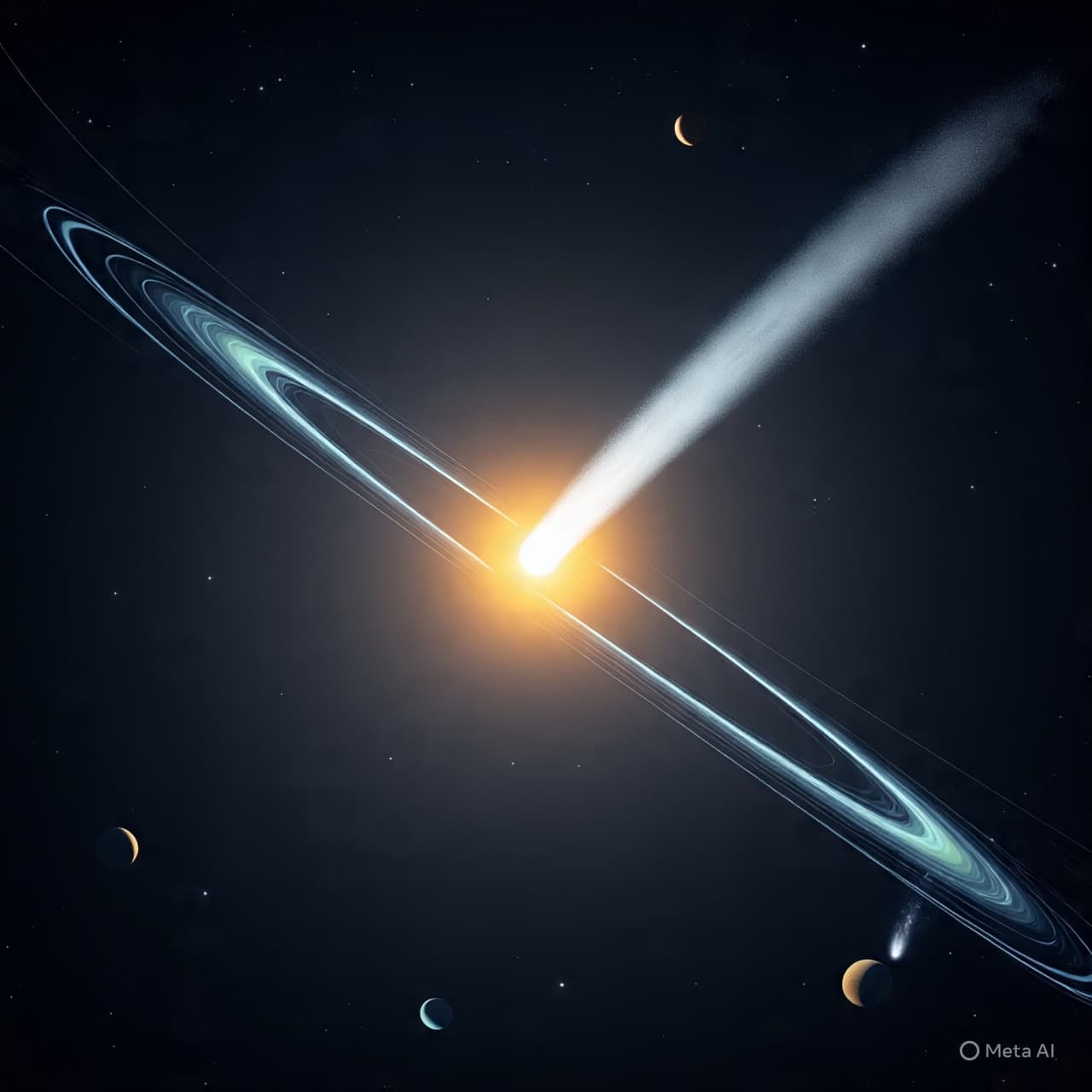
ALMA observations show unusually high methanol levels in interstellar comet 3I/ATLAS, offering rare clues about the chemistry of distant planetary systems beyond our solar system.

If NASA’s Lunar Gateway is removed from early Artemis plans, Orion and lunar landers may instead rendezvous directly in lunar orbit, similar to the Apollo mission strategy.

Mars orbiters observed a rare solar superstorm striking the Red Planet, revealing dramatic atmospheric changes and offering new insights into how solar activity shapes Mars’ environment.

NASA’s DART mission not only altered Dimorphos’ orbit around Didymos but also slightly changed the asteroid system’s path around the Sun, marking the first human-made shift in a celestial orbit.

Japan’s first HTV-X cargo spacecraft completed a key milestone by departing the International Space Station, marking the debut mission of the country’s next-generation orbital supply vehicle.

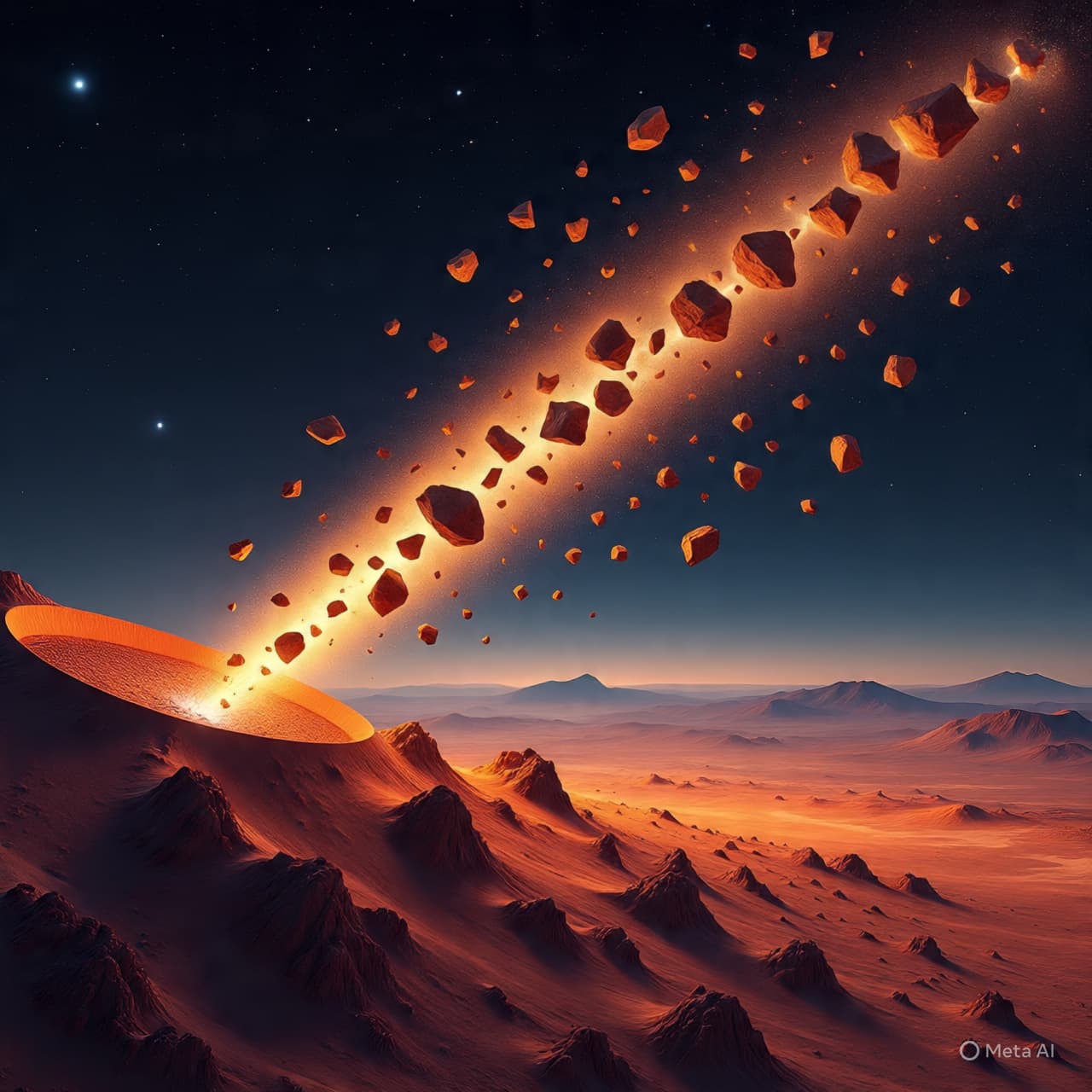
A new study suggests asteroid impacts could eject rocks carrying microbes between Mars and Earth, raising the possibility that early life on Earth may have originated on the Red Planet.

Scientists are exploring the idea of sending a spacecraft to intercept or follow Comet 3I/ATLAS, a possible interstellar visitor passing through the solar system on its way back into deep space.

Scientists believe Antarctica’s nearby gravity anomaly—the Indian Ocean Geoid Low—formed from ancient tectonic plate movements and rising mantle plumes deep inside Earth.