Some stars enter the universe quietly, like candles lit in a distant room. Others flicker, brighten, and dim as if the cosmos itself were still deciding how they should burn. For astronomers watching the sky night after night, these subtle changes are more than curiosities. They are signals—brief flashes of information from stars that are still learning how to shine.
In recent years, the European Space Agency’s Gaia space observatory has become an attentive sentinel for such signals. Designed to map the positions and motions of more than a billion stars in the Milky Way, Gaia also notices when a star suddenly changes its brightness. When that happens, the spacecraft sends out what scientists call a Gaia alert, quietly notifying astronomers that something unusual may be unfolding in the distant light.
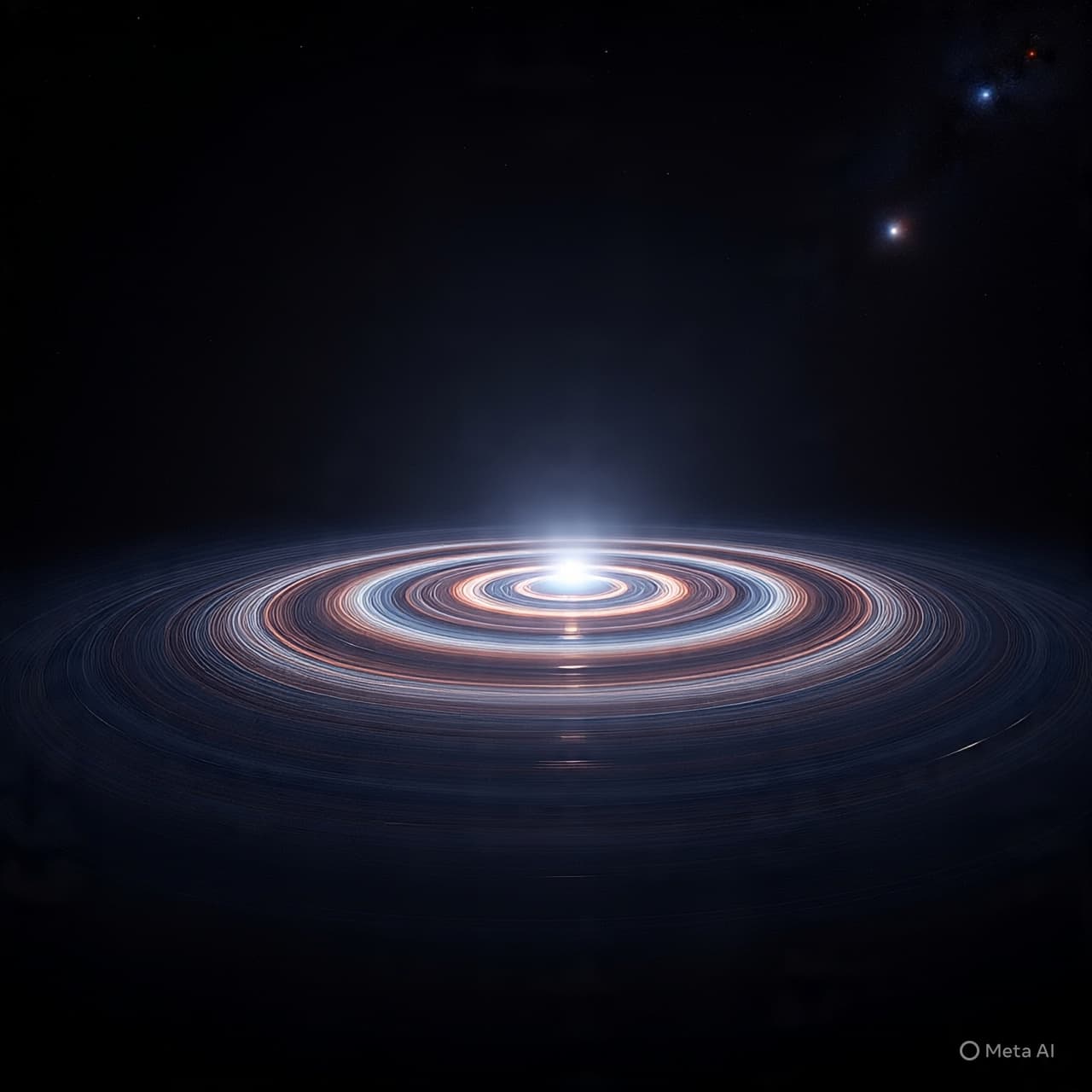
Among the most intriguing sources of these alerts are young stellar objects, stars that are still in the early stages of formation. These youthful suns are often surrounded by swirling disks of gas and dust—the raw materials from which planets may eventually emerge. Yet these environments are rarely calm. Gas can surge toward the star in sudden bursts, dust clouds can obscure the light, and magnetic activity can produce dramatic shifts in brightness.
When Gaia detects such variability, ground-based telescopes frequently turn their attention to the star. Rather than simply measuring brightness, astronomers use spectroscopy, a technique that spreads starlight into its component colors, much like a prism creating a rainbow. Within this spectrum lie delicate lines and patterns that reveal the chemical composition, temperature, motion, and behavior of the star and the material around it.
Through spectroscopic observations, scientists can begin to interpret what caused the brightness change that Gaia noticed. In some cases, the variability may come from episodic accretion, moments when large amounts of gas fall suddenly onto the young star’s surface, releasing energy and causing a temporary surge in brightness. In others, the change may be linked to shifting dust structures within the surrounding disk, briefly dimming or reddening the star’s light.
Each spectrum becomes a small narrative written in photons. Hydrogen lines may broaden or brighten, hinting at energetic flows of gas. Metallic signatures can reveal material moving at remarkable speeds. Even subtle shifts in wavelength can indicate how matter spirals inward or outward in the star’s immediate environment.
Over time, the collection of Gaia alerts and their spectroscopic follow-ups has begun to build a richer portrait of stellar youth. Rather than forming in steady silence, many young stars appear to grow through bursts of activity, alternating between calm phases and sudden energetic episodes. These changes may influence how planetary systems ultimately develop within the surrounding disks.
In this way, Gaia functions not only as a surveyor of the Milky Way but also as a messenger. It notices when a star’s behavior strays from the ordinary and sends a quiet signal to astronomers across the world. Telescopes then respond, capturing spectra that transform a simple change in brightness into a deeper understanding of stellar physics.
The process resembles a conversation conducted across vast distances. A young star flickers. Gaia records the change. Astronomers point their instruments toward the source and begin decoding the meaning hidden within the light.
As more alerts accumulate, researchers expect to uncover additional patterns in how young stars evolve and interact with the disks that surround them. Each new spectrum adds another fragment to the story of how stars—and perhaps the planets around them—take shape in the early chapters of cosmic life.
For now, the work continues quietly across observatories and data archives. Gaia keeps watch over the sky, noting every unexpected glimmer. And when those signals arrive, astronomers are ready to listen.
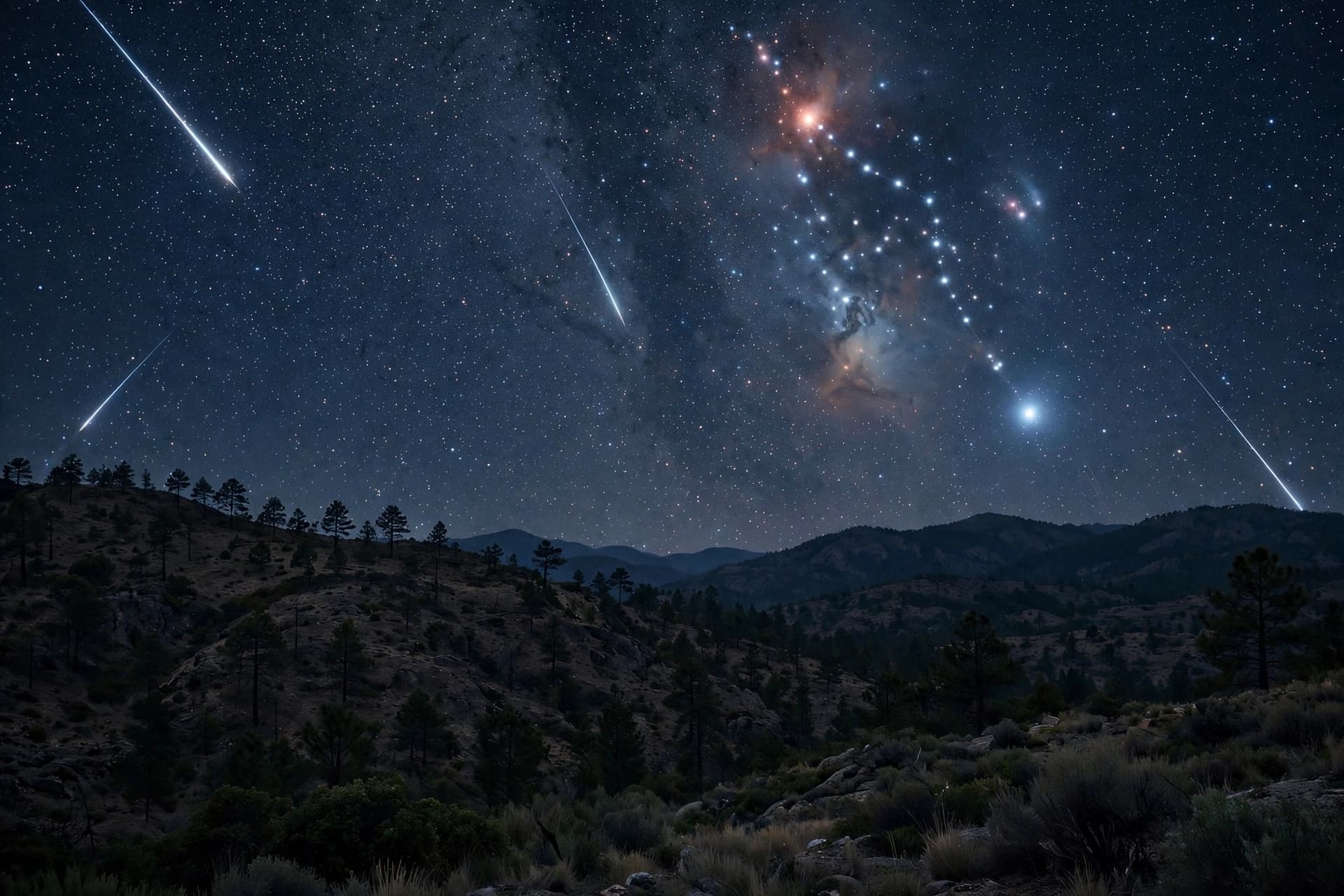
AI Image Disclaimer Images in this article are AI-generated illustrations, meant for concept only.
Source Check (Credible Media) Coverage and discussion of Gaia alerts and variability in young stellar objects studied through spectroscopy exist in credible scientific and science-communication outlets. Examples include:
Nature Astronomy Astronomy & Astrophysics Space.com Universe Today ScienceAlert
Published by Banx Network. This article is part of the Banx decentralized media programme, powered by the BXE token on the XRP Ledger.