Banx Media Platform logo
SCIENCESpaceMedicine ResearchHappening Now

Scientists Teach Petri Dish of Brain Cells to Play 'Doom'—Progress Is Being Made

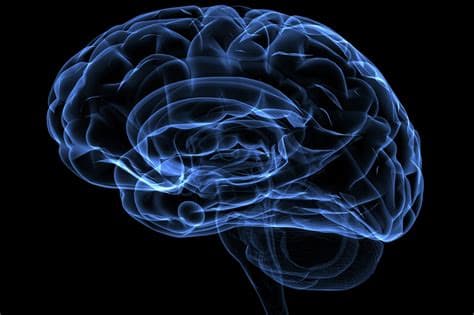
In a groundbreaking experiment, scientists have successfully taught a culture of brain cells in a petri dish to play the classic video game 'Doom'. Remarkably, these brain cells are showing improvement in gameplay, raising fascinating questions about neural activity and learning.

K

Kevweboka

EXPERIENCED
5 min read
15 Views
Credibility Score: 84/100
Scientists Teach Petri Dish of Brain Cells to Play 'Doom'—Progress Is Being Made

On March 8, 2026, researchers announced a stunning achievement: they have trained a petri dish of brain cells to play the iconic video game 'Doom'. This innovative experiment represents a significant leap in understanding how neural networks can adapt and learn, providing insights into the mechanics of both biology and artificial intelligence.

The brain cells, sourced from rodent tissues, were cultivated in a controlled environment and connected to a digital interface that allowed them to interact with the game. As the experiment progressed, scientists observed that the cells began to exhibit improved gameplay, demonstrating the ability to respond to challenges and adjust their strategies in real-time.

This research poses intriguing implications for the fields of neuroscience and computational biology. By analyzing how brain cells make decisions and learn from experiences, scientists hope to unravel the complexities of neural processing and apply these concepts to developing advanced artificial intelligence systems.

Moreover, this experiment raises ethical questions regarding the nature of consciousness and sentience in biological systems, even when those systems are reduced to mere cell cultures. As the boundaries between biology and technology blur, ongoing discussions about the moral implications of such research will become ever more relevant.

The findings not only expand our understanding of brain functionality but also pave the way for future innovations in treating neurological conditions by modeling how brain cells learn and adapt. As this research continues, the scientific community eagerly anticipates further breakthroughs inspired by this fascinating intersection of biology and technology.

Published by Banx Network. This article is part of the Banx decentralized media programme, powered by the BXE token on the XRP Ledger.


Decentralized Media

Powered by the XRP Ledger & BXE Token

This article is part of the XRP Ledger decentralized media ecosystem. Become an author, publish original content, and earn rewards through the BXE token.

Newsletter

Stay ahead of the news — and win free BXE every week

Subscribe for the latest news headlines and get automatically entered into our weekly BXE token giveaway.

No spam. Unsubscribe anytime.

Share this story

Help others stay informed about crypto news

Related articles

Keep exploring the latest stories.

View more
Breaking the Mystery: How Mariner 2 Redefined Venus

Breaking the Mystery: How Mariner 2 Redefined Venus

On August 27, 1962, NASA launched Mariner 2, the first successful interplanetary mission, which flew by Venus and revealed its hostile, high-temperature enviro…

When the Ocean Warms: The Amplified Impact of El Niño

When the Ocean Warms: The Amplified Impact of El Niño

Scientific research indicates that El Niño events are becoming stronger due to global warming, leading to more intense weather disruptions and ecological impac…

Returning to Roots: An Astronaut’s Decision to Serve on Earth

Returning to Roots: An Astronaut’s Decision to Serve on Earth

Astronaut and former Navy SEAL Jonny Kim has left NASA to return to active military duty, continuing his distinguished career of service in medicine, special o…