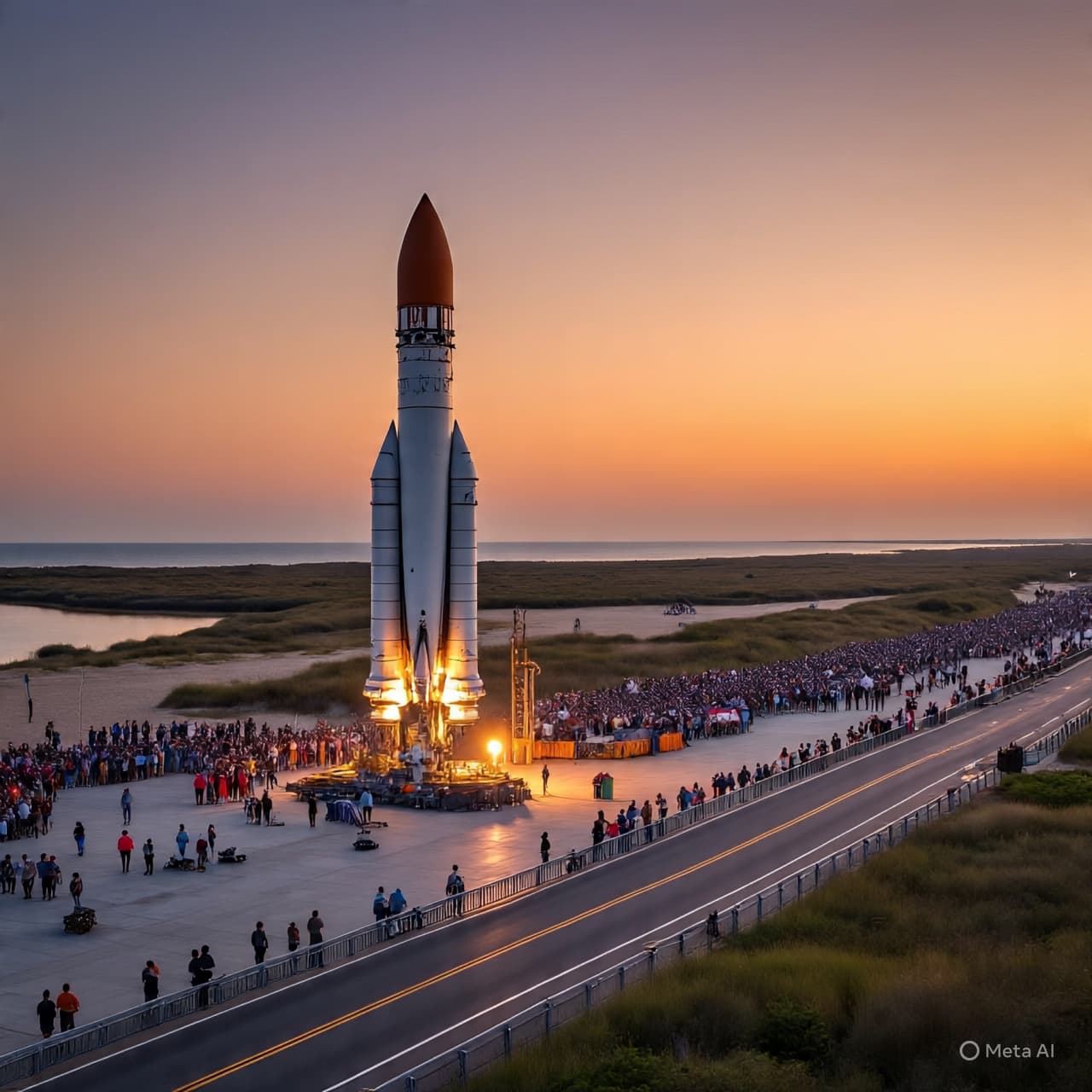
Where Ocean Air Met Rocket Fire: Crowds Gather on Florida’s Coast for a Return to the Moon
Hundreds of thousands gathered along Florida’s Space Coast as NASA prepared Artemis II, the first crewed mission toward lunar space since Apollo.

Hundreds of thousands gathered along Florida’s Space Coast as NASA prepared Artemis II, the first crewed mission toward lunar space since Apollo.

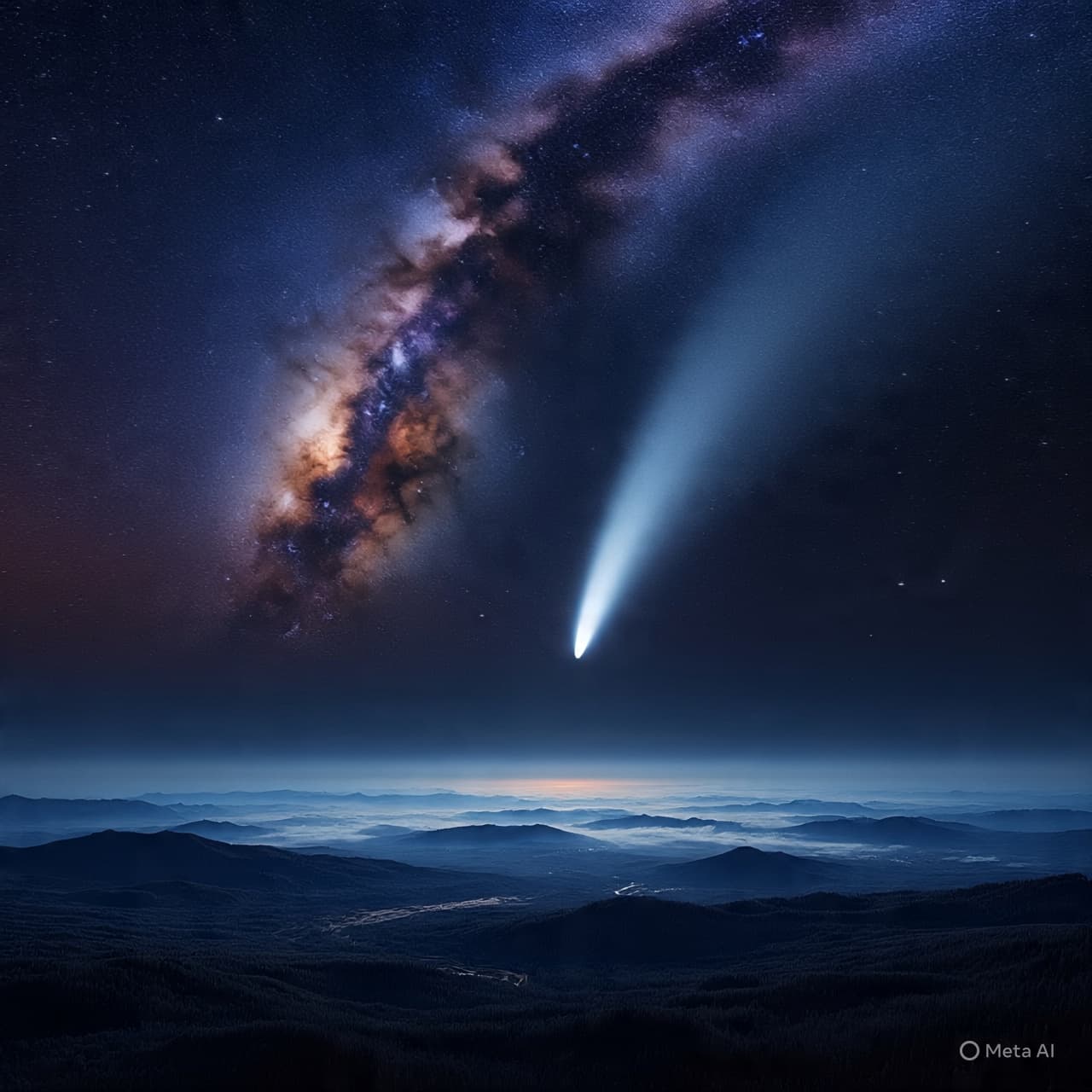
JWST data suggests interstellar comet 3I/ATLAS may be up to 12 billion years old—a frozen survivor from a star system so ancient it may no longer exist.

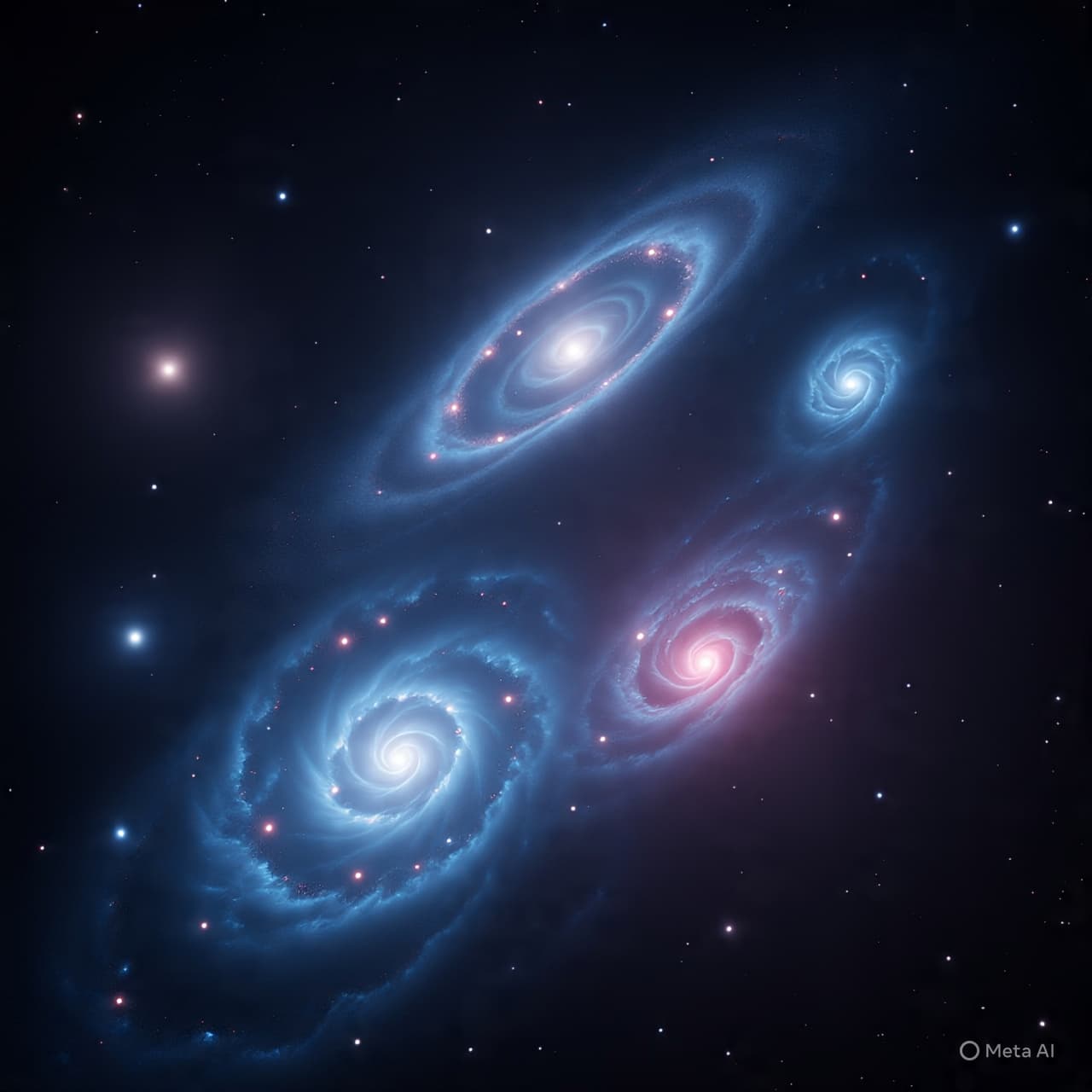
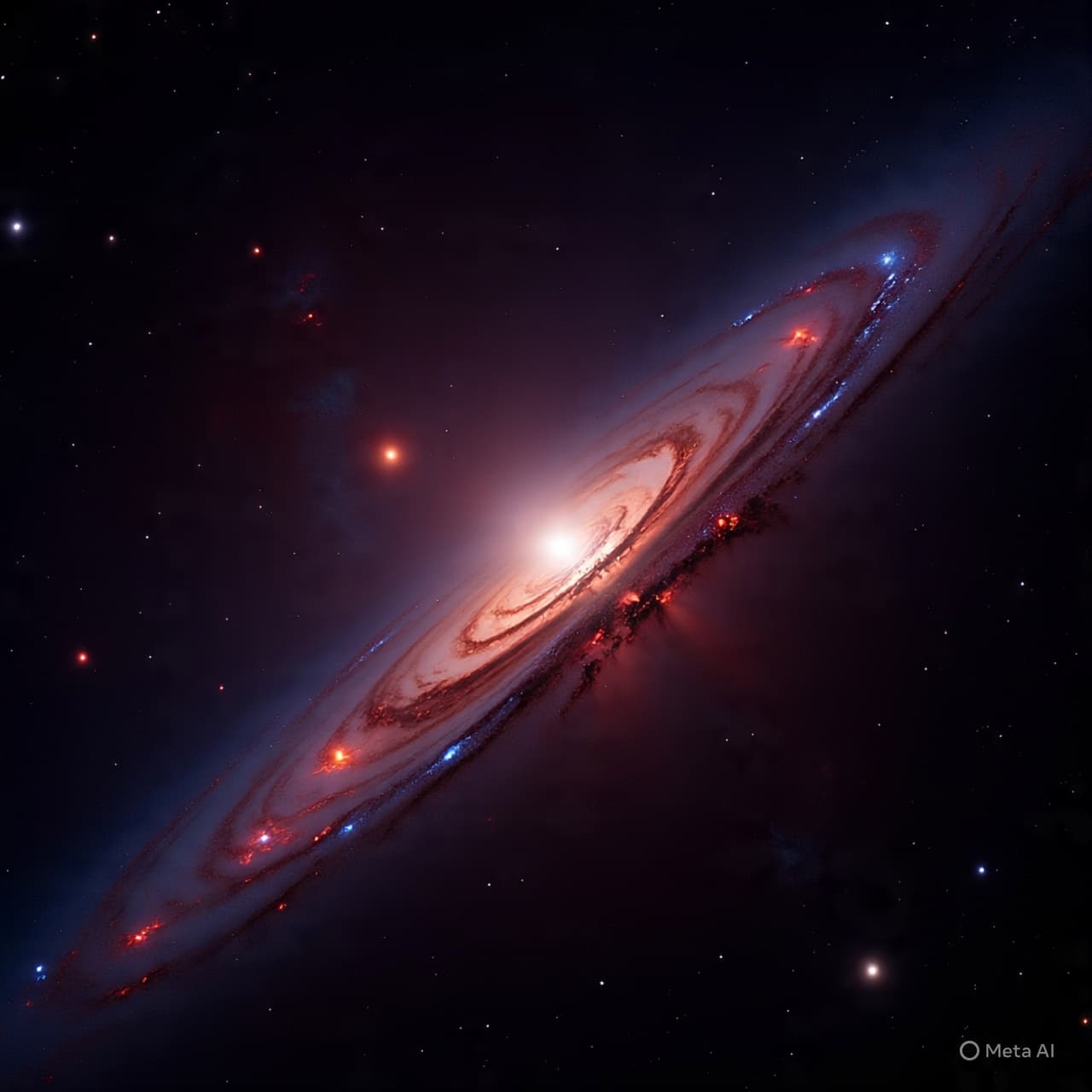
New JWST evidence suggests tiny dwarf galaxies—not giant black holes—produced the radiation that cleared the early universe’s hydrogen fog and switched on cosmic light.

A playful 20-question solar system quiz turns internet humor into a gentle test of astronomy memory, drawing readers back toward planets, orbit, and shared curiosity.

New research suggests Mars-like planets orbiting M-dwarf stars may lose their atmospheres within millions of years, limiting their long-term habitability.

Scientists have precisely dated coral-built structures in the South Pacific, revealing 19th-century origins and reshaping understanding of island architectural history.

NASA plans to build a sustained human presence on the Moon by the 2030s, focusing on long-term exploration through the Artemis program.

Scientists have discovered over 110 new deep-sea species in the Coral Sea, revealing vast, largely unexplored ecosystems beneath Queensland’s waters.

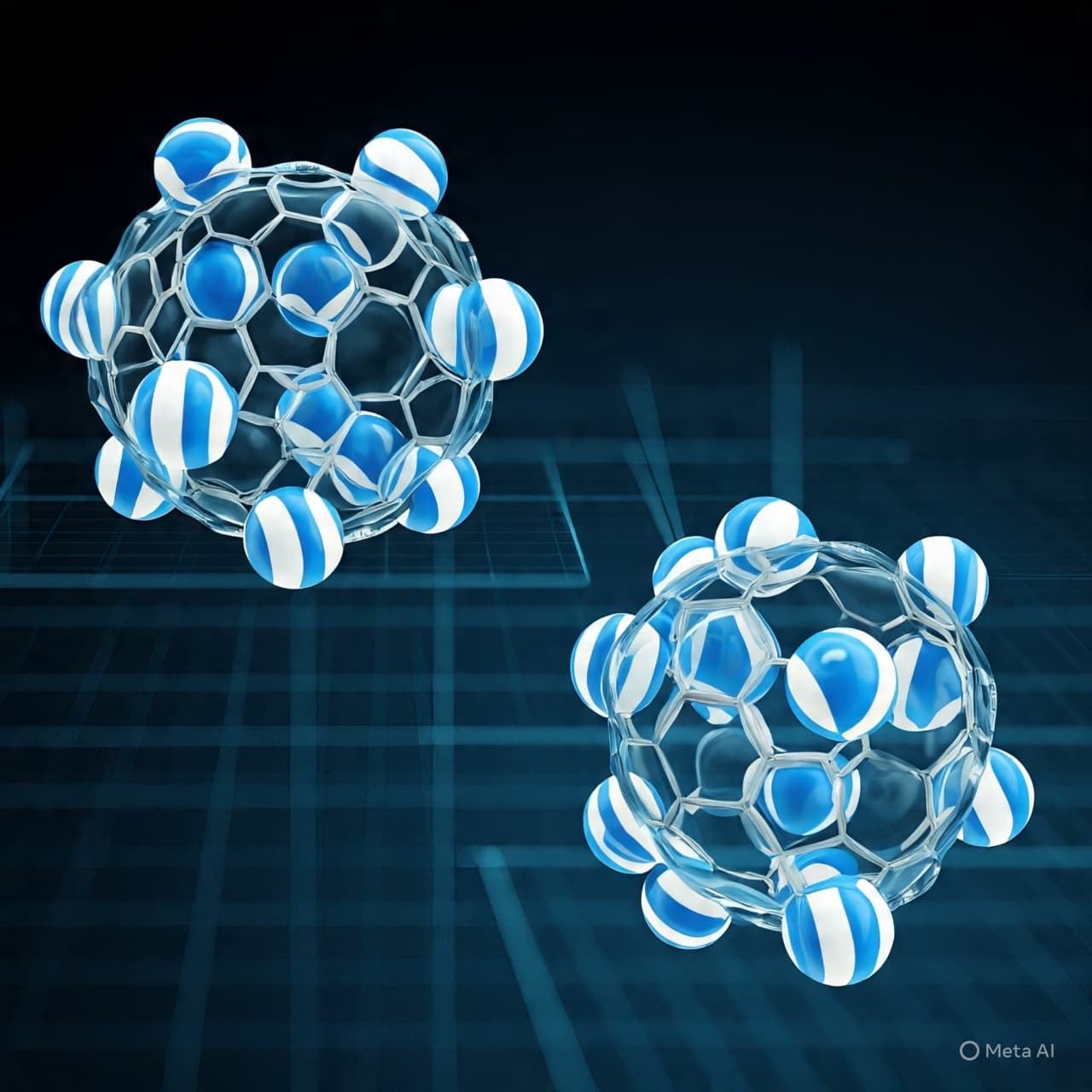
Scientists have observed pairs of atoms existing in two places at once, advancing quantum research and deepening understanding of superposition and entanglement.

A second Starlink satellite anomaly has generated debris in orbit, raising concerns about space congestion while posing no immediate threat to major missions.

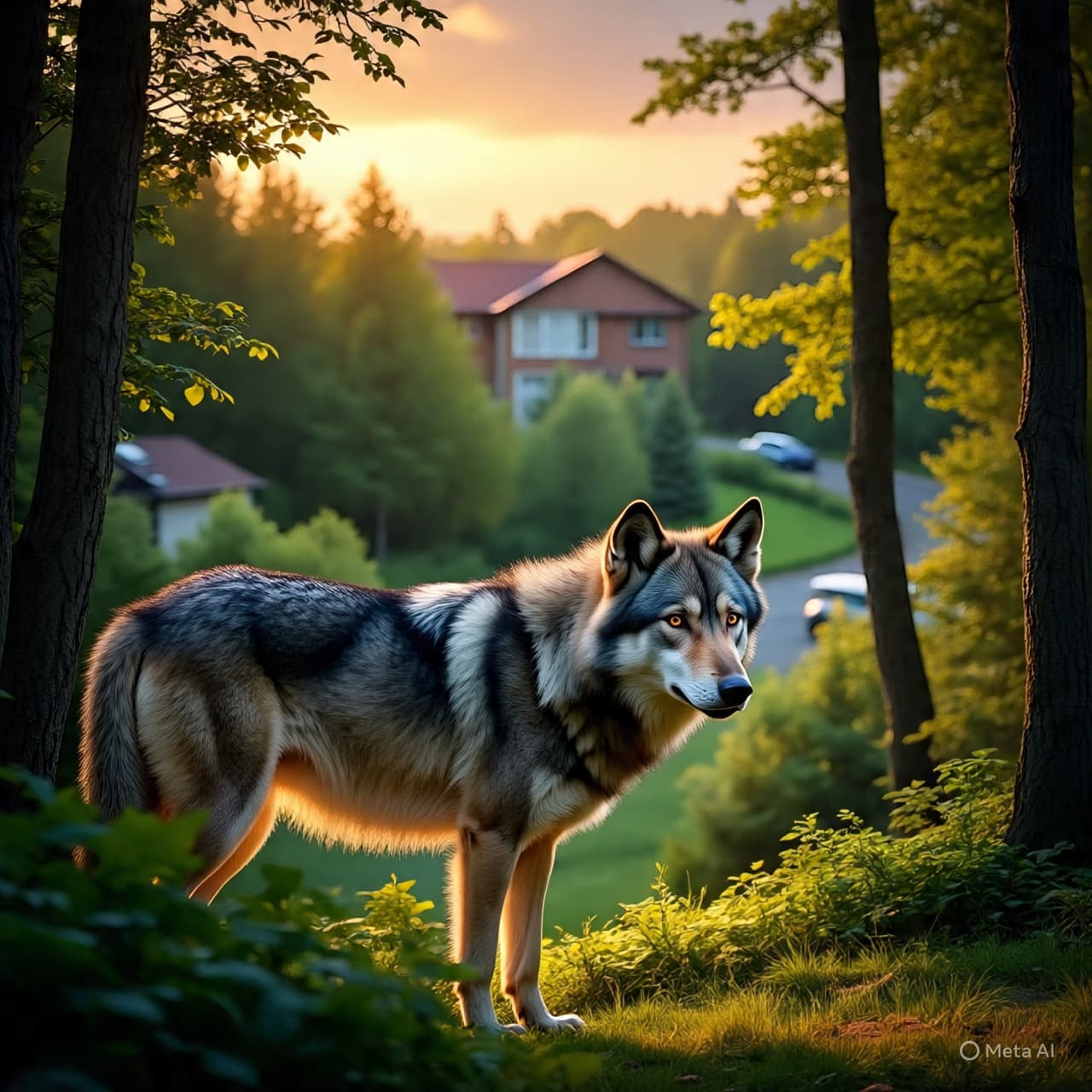
A rare wolf attack near Hamburg highlights Germany’s growing challenge of balancing wildlife recovery with human safety as wolves return to urban edges.

A wolf incident near Hamburg highlights Germany’s ongoing challenge of balancing wildlife conservation with human safety.

Physicists observe pairs of ultracold atoms behaving as if they occupy two places at once, confirming quantum superposition in matter and offering new clues about the link between quantum physics and gravity.

Scientists observe pairs of atoms existing in two places at once, advancing quantum research and deepening understanding of superposition and entanglement.

A second Starlink satellite suffered an anomaly, creating debris in orbit and raising concerns about space safety as investigations into the cause continue.

Research shows some dinosaurs could rear up, but the largest species likely couldn’t due to size limits, as increasing mass made such movement unstable.

Scientists suggest invisible carbon layers on surfaces may explain static electricity, offering new insight into how charges form during contact.

Scientists found that some liquids can stretch and snap like solids under stress, revealing viscoelastic behavior and blurring the boundaries between states of matter.

Scientists are narrowing the search for extraterrestrial life using a shortlist of biosignature gas combinations that may better indicate biological activity on distant planets.

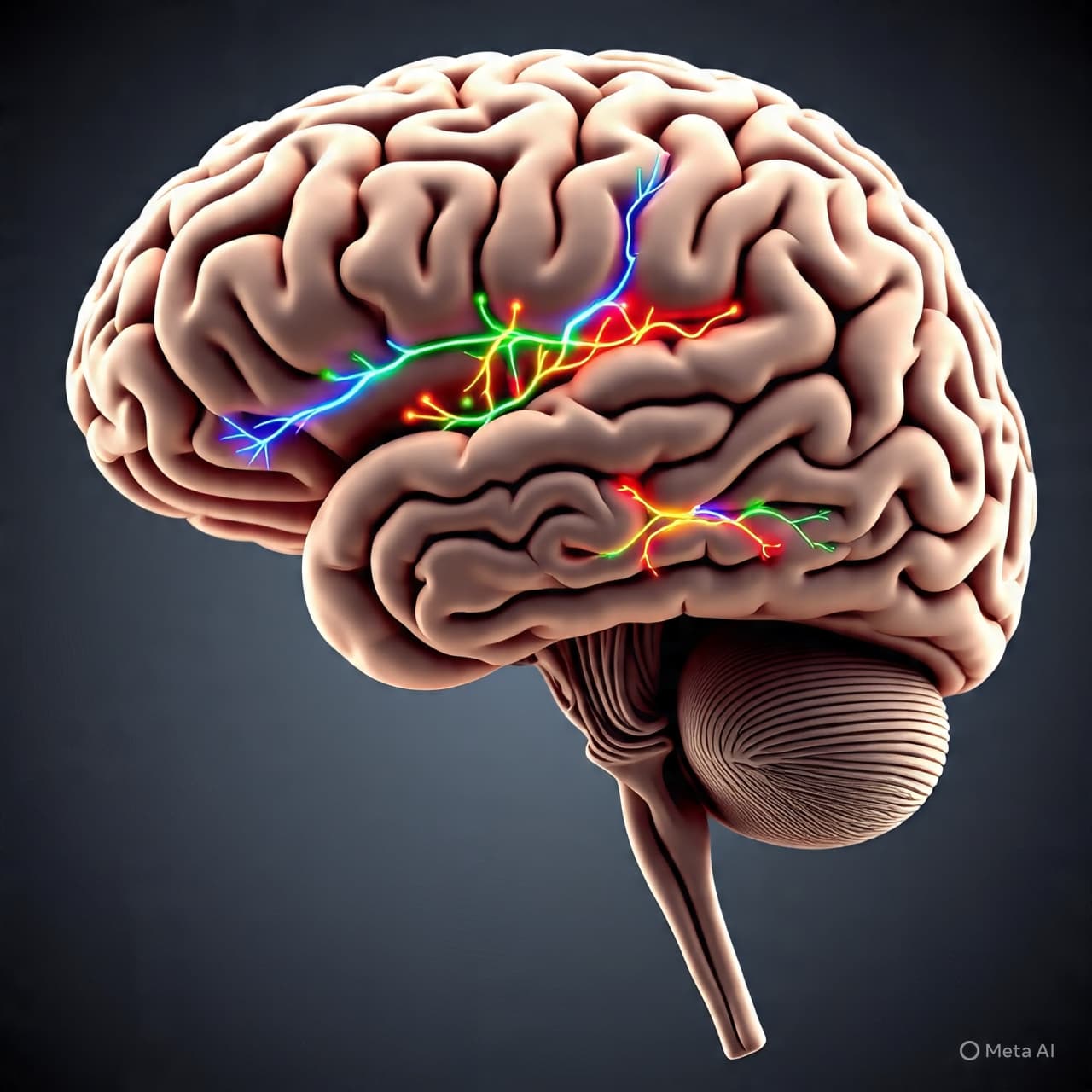
Scientists identify ZBTB18 as a key gene in cortical development, shedding light on how brain structure evolved and how genetic regulation shapes cognition.

Webb telescope detected a mysterious cosmic explosion with unusual brightness and duration, challenging existing classifications and prompting new investigations.

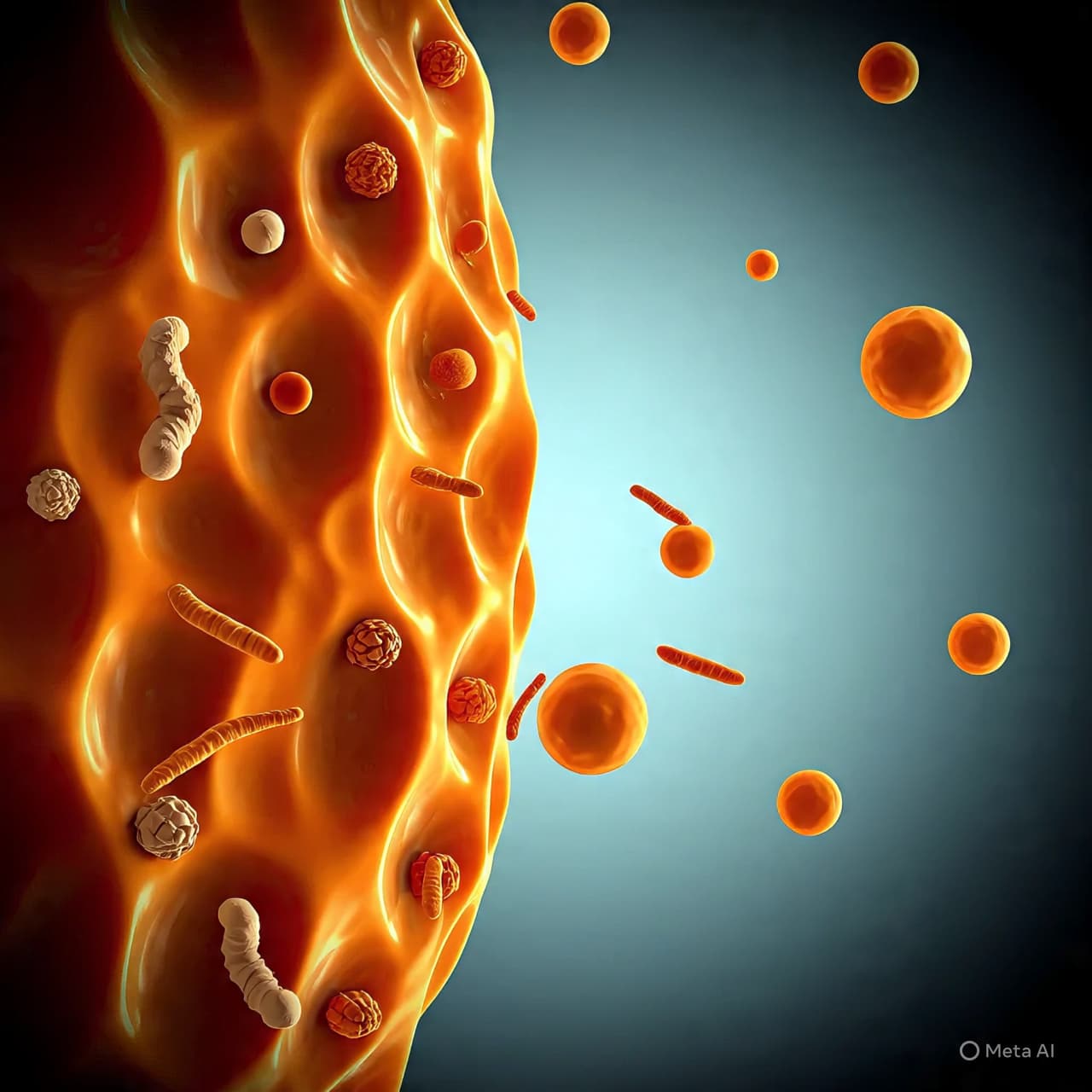
A lipid’s location inside cells can determine whether it supports survival or triggers cell death, revealing how spatial organization shapes cellular behavior.

Scientists find evidence of a second critical point in water, suggesting it can exist as two liquid states, helping explain its unusual physical properties.

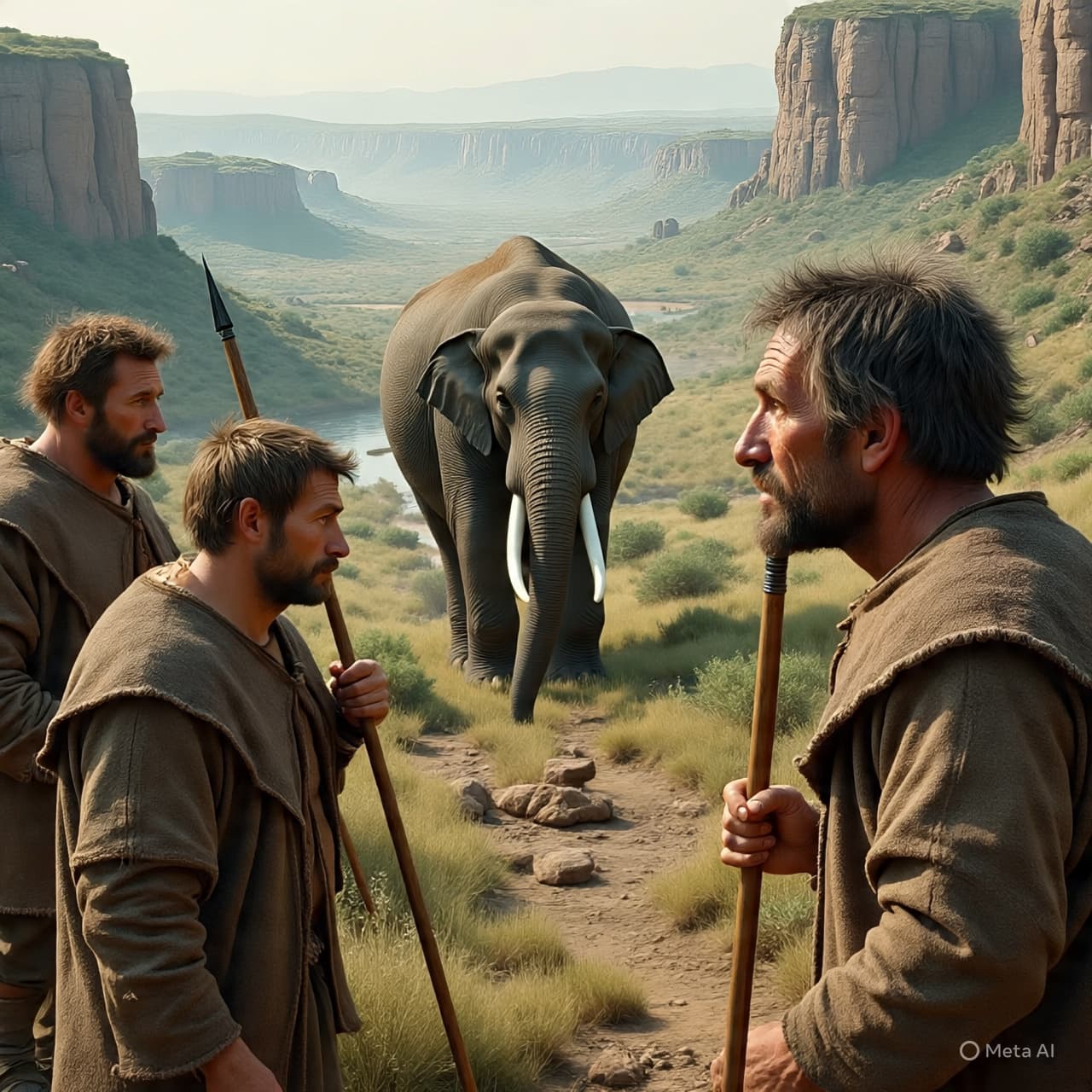
New fossil evidence shows Neanderthals likely hunted giant straight-tusked elephants, suggesting advanced coordination and social behavior.